Picture a planet with no breathable air, no protective ozone layer, a surface hammered by asteroid impacts, and oceans so acidic they would dissolve most living things we know today. That was Earth, roughly four billion years ago. Yet somehow, incredibly, life not only showed up to the party – it stubbornly refused to leave.
The early days on Earth looked very different from today. It was extremely hot, volcanically active, and bathed in brutal ultraviolet radiation. Scientists have spent decades trying to piece together how the very first organisms endured all of this, and the answers are more fascinating, and more bizarre, than most people realize. Let’s dive in.
The Hellish Cradle: What Early Earth Was Actually Like
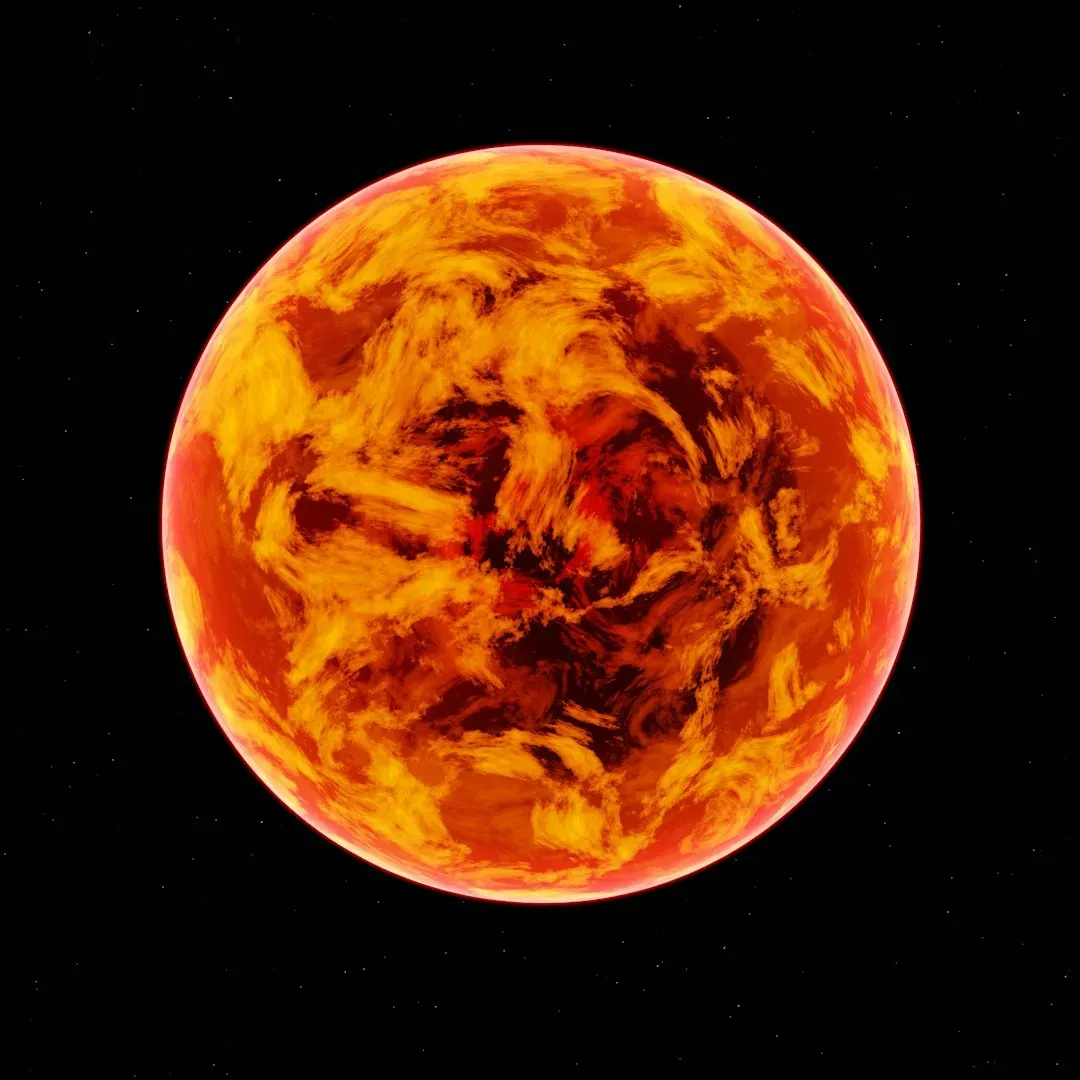
You might think of Earth as a cozy, life-friendly planet, and today it mostly is. But go back far enough and you are looking at something closer to a nightmare. Bombardment from asteroids and a hot inner core meant that the earliest environment on Earth was hostile, bare rock. Geologists refer to this time, starting at Earth’s initial formation 4.6 billion years ago, as the Hadean eon.
The word Hadean derives from the Greek god Hades who ruled the underworld, and is an apt analogy for the hellish environment. Honestly, the name says it all. This was not a gentle nursery for life. It was a violent, chemically chaotic landscape that would be utterly lethal to virtually every organism alive today.
Early Earth atmospheres greater than three billion years ago did not contain the 21% oxygen content that we have today. When life on Earth originated approximately 3.5 billion years ago, the first prokaryotic cells were anaerobic chemoautotrophs, most likely occupying deep ocean and subterranean habitats. Think about that for a moment. Life’s very first home was in the dark, deep, and oxygen-free.
With no oxygen in the atmosphere and no ozone layer, incident UVC and UVB levels would have been extreme, forcing life to remain in dim and unlighted habitats. It is hard to imagine building a living thing under those conditions, yet nature found a way.
The First Survivors: Prokaryotes and Their Remarkable Toughness
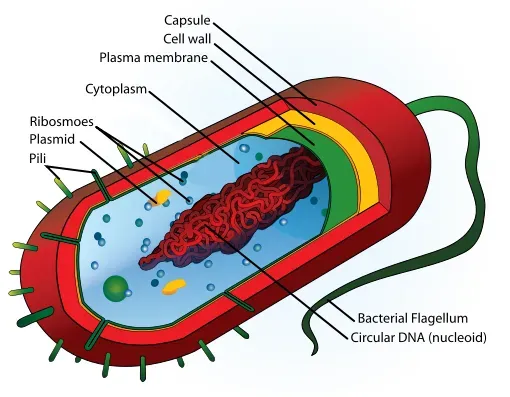
The first organisms were prokaryotes that could withstand these harsh conditions. Prokaryotes are single-celled organisms without a nucleus or membrane-bound organelles. You might wonder how something that simple could possibly thrive where everything else would fail. The answer is deceptively elegant.
It is probable that these first organisms, the first prokaryotes, were adapted to very high temperatures. The early Earth was prone to geological upheaval, volcanic eruptions, and bombardment by mutagenic radiation from the sun. These ancient microbes did not just tolerate the heat. They needed it. They were built for it, in a way that would make modern biology textbooks look almost quaint.
Prokaryotes were the first forms of life on Earth, existing for billions of years before plants and animals appeared. Billions of years. That is not a typo. While multi-cellular life is impressive in its complexity, it is the humble prokaryote that truly rules Earth’s long timeline. Let’s be real, we are all just late arrivals to a party these microbes started long ago.
Claims of the earliest life using fossilized microorganisms are from hydrothermal vent precipitates from an ancient sea-bed in the Nuvvuagittuq Belt of Quebec, Canada. These may be as old as 4.28 billion years, which would make it the oldest evidence of life on Earth, suggesting “an almost instantaneous emergence of life” after ocean formation.
Deep-Sea Hydrothermal Vents: Life’s Possible Original Home
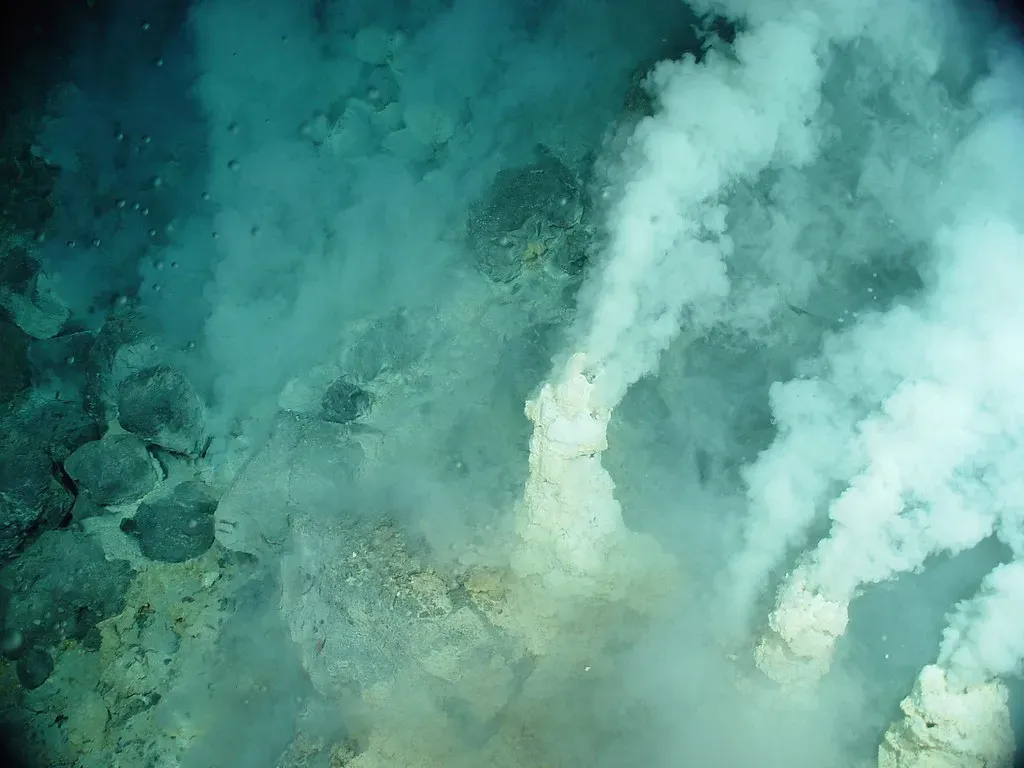
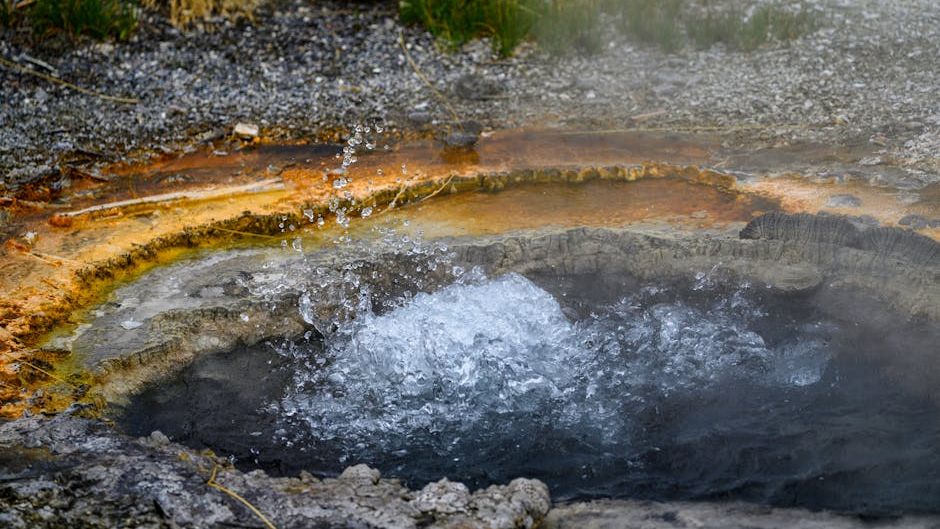
Here is something that genuinely blows minds when you first hear it. Some scientists believe life may have been born at the bottom of the ocean, near scalding volcanic vents, in complete and total darkness. Hydrothermal vents on the ocean floor are extreme environments where life thrives in the complete absence of sunlight, relying completely on chemosynthesis for energy acquisition. One of the emerging theories is that these environments are analogous to the conditions that might have existed during the early evolution of life.
These chimney-like vents form where seawater comes into contact with magma on the ocean floor, resulting in streams of superheated plumes. The microorganisms that live near such plumes have led some scientists to suggest them as the birthplaces of Earth’s first life forms. Think of it like a pressure cooker where chemistry ran wild and, somehow, biology showed up.
In experiments performed by NASA, it was shown that the organic compounds formate and methane could be created from inorganics in the conditions of ancient hydrothermal vents. The production of organic molecules could have led to the formation of more complex organic molecules, such as amino acids that can eventually form RNA or DNA. That is the kind of bottom-up chemistry that makes origin-of-life researchers genuinely excited.
Hyperthermophilic bacteria and archaea have been observed within terrestrial, subterranean and submarine high-temperature environments occurring mainly along tectonic spreading and subduction zones. These environments were not exotic exceptions in ancient Earth. They were everywhere. They were the world.
The Secret Power of Dormancy: Surviving by Doing Almost Nothing
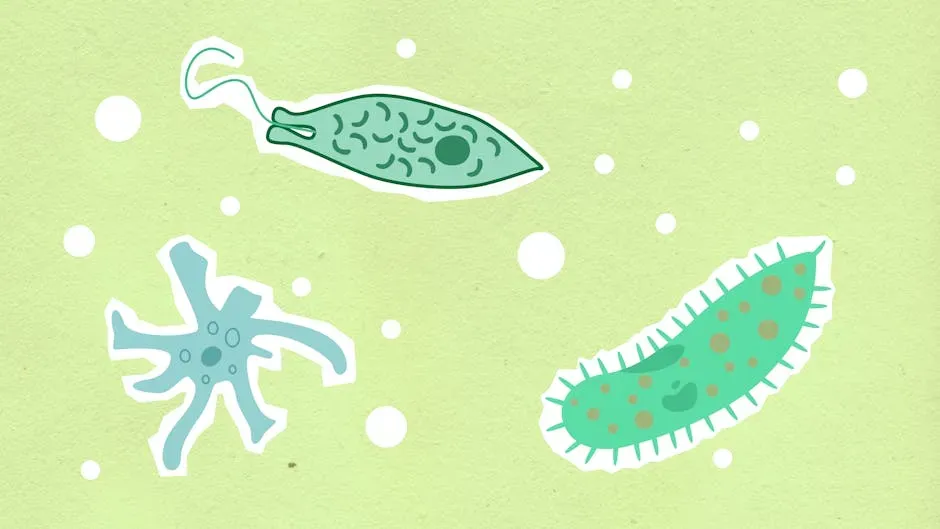
I know it sounds counterintuitive, but one of the most powerful survival strategies life ever developed was basically to press pause. Scientists now believe dormancy, the ability to enter a near-lifeless suspended state, may be one of the oldest tricks in biology’s playbook. Early Earth posed numerous challenges for life, including harsh and fluctuating environments. Today, many organisms cope with such conditions by entering a reversible state of reduced metabolic activity, a phenomenon known as dormancy. This process protects inactive individuals and minimizes the risk of extinction by preserving information that stabilizes life-system dynamics.
In a fluctuating environment, some of these primitive organisms would survive longer by conserving energy and tolerating stress during periods unfavourable for growth and reproduction. These individuals could then resume activity when conditions improved, not only contributing to the persistence of life but also becoming subject to natural selection. It is a bit like how a bear hibernates through winter, except these ancient microbes were doing a version of it across billions of years and through conditions far more extreme than any winter.
Similar to traits such as vision, flight, and echolocation, dormancy represents an example of convergent evolution. It has independently and repeatedly emerged across various lineages, suggesting that dormancy may represent a common solution to one of life’s universal challenges – living in a fluctuating and unpredictable environment. That convergence tells us something profound: dormancy is not a quirk. It is practically a rule of survival.
Some extremophiles can live for long durations – for example, the oldest micro-organism to have been isolated is a halotolerant bacterium from a 250 million-year-old primary salt crystal. Honestly, that fact alone should stop you in your tracks.
Molecular Armor: Special Proteins That Kept Life Intact
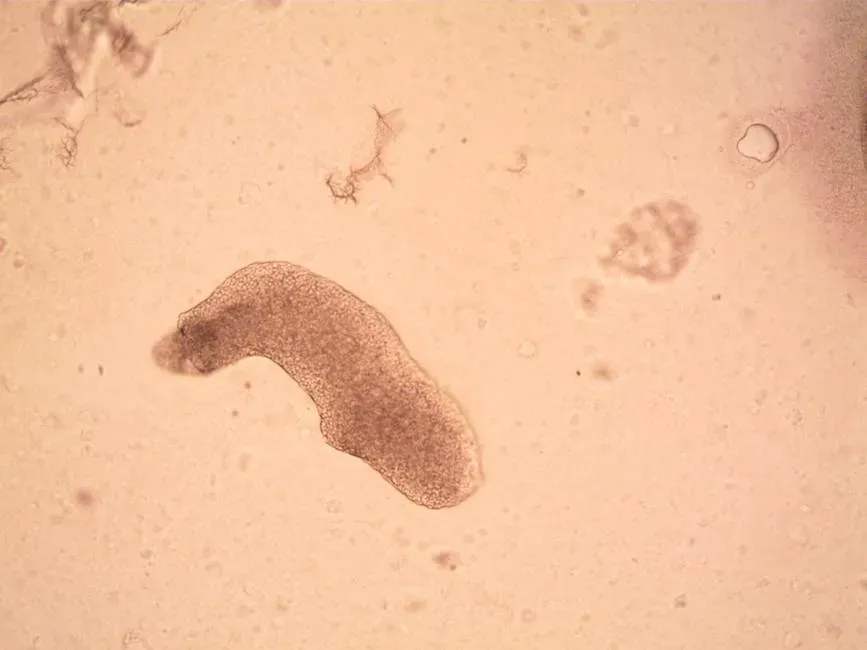
Surviving extreme environments is not just about hiding in the right spot. It is about having the right molecular toolkit. Early life forms that endured high heat, crushing pressure, or intense radiation did so partly because of extraordinarily specialized proteins. Proteins, such as heat shock proteins and DNA protection proteins, found in these organisms, play a pivotal role in extremophile survival, offering clues about the molecular mechanisms of early life.
Their existence challenges traditional notions about the boundaries of biological activity and broadens the perspective on potential habitats for life on Earth and beyond. Proteins are central to enabling these organisms to survive and function under such harsh conditions, making extremophiles invaluable for studying adaptive evolution and the origins of life on Earth. It is almost like each extremophile carries its own internal suit of armor made entirely from biology.
Radioresistant organisms have evolved mechanisms to protect their DNA even in the presence of over 1,000 times the radiation a typical organism can withstand. There is even an organism, Deinococcus radiodurans, that can tolerate ionizing radiation a thousand times more intense than you would be able to withstand. Thousand times. Wrap your head around that number for a second.
The homeostasis of protons and other ions through various transporters, including the ion-utilizing ATP synthase, was likely one of the first functions to develop within the earliest cells. In other words, even maintaining a stable internal chemistry in a chemically wild world was itself a massive evolutionary achievement. Nothing about early survival was accidental.
Evolutionary Adaptation: How Life Kept Changing to Stay Alive
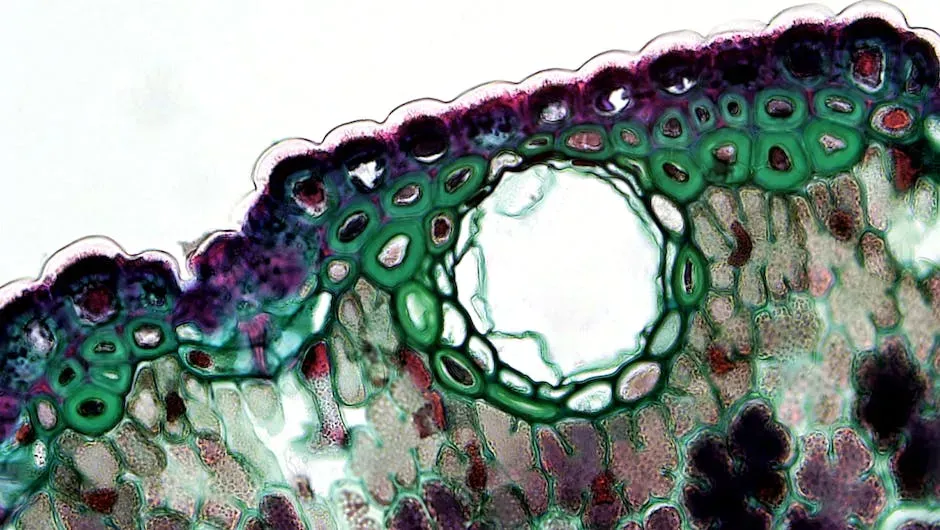
Here is the thing about early life: it did not just endure harsh environments passively. It evolved in response to them, and it did so at a pace that still surprises researchers. Researchers suggested that since life apparently originated in a very different environment than the one in which the last universal common ancestor lived, early organisms likely evolved to survive radical changes in their surroundings. Such dramatic shifts may have included periods of increased collision rates of asteroids or comets with Earth, the formation of continental crust, and the widespread emergence of liquid water on Earth’s surface.
A key early adaptation likely included cellularity – that is, collecting everything about themselves within a cellular membrane. Cellularity would have been critical to organisms dispersing away from their original settings and diversifying into new environments. Think of a cellular membrane as the world’s first portable shelter. It let life carry its own protected bubble wherever it went.
Extreme environments play a significant role in driving the evolution and diversity of extremophiles. Selective pressure ensures that only organisms with specific adaptive traits can survive and reproduce. It is brutal, yes. Still, that relentless filtering is precisely why the survivors were so extraordinary, so finely tuned, so resilient.
When cyanobacteria evolved at least 2.4 billion years ago, they set the stage for a remarkable transformation. They became Earth’s first photo-synthesizers, making food using water and the Sun’s energy, and releasing oxygen as a result. This catalyzed a sudden, dramatic rise in oxygen, making the environment less hospitable for other microbes that could not tolerate oxygen. Adaptation, in other words, is not always gentle. Sometimes, one species’ evolutionary win is another’s extinction crisis.
Conclusion
The story of early life on Earth is not a story of fragility. It is a story of almost unimaginable persistence. From pressure-blasted ocean floors to acid-soaked volcanic zones, from radiation-drenched surfaces to oxygen-free deep rock, life found a foothold and held on. Harsh conditions on early Earth called for any emergent life forms to be extremely hardy. We now have evidence that such entities still inhabit the Earth today, demonstrating high levels of resilience and adaptability.
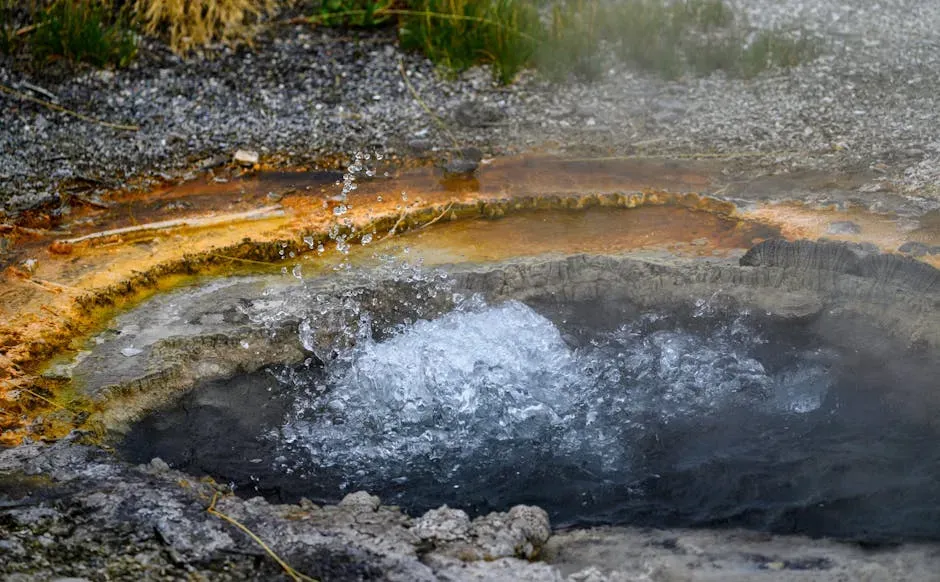
The extreme environments of modern Earth may resemble the conditions on early Earth over the period when life is believed to have originated. By studying how these organisms survive in such conditions, we can infer how life might have emerged and evolved in the early stages of our planet’s history. Every hot spring, every deep ocean vent, every icy Antarctic lake is still quietly whispering secrets about those first, astonishing chapters of life.
What truly sticks with me is not just that life survived. It is that life thrived, adapted, diversified, and ultimately transformed the entire planet in the process. The oxygen you are breathing right now exists because ancient microbes found a way to keep going when nothing should have worked. That is not just science. That is one of the most remarkable stories ever told. What would you have guessed life needed most to survive? Whatever your answer, the truth is almost certainly stranger and more wonderful than you imagined.