When you think about survival, you probably picture animals migrating or adapting to changes in their environment. Yet the real unsung heroes of Earth’s habitability are plants and fungi. These organisms faced some of the harshest conditions imaginable when they first ventured onto land more than 450 million years ago. No rain patterns to predict, no soil to speak of, and atmospheric conditions wildly different from what we experience today.
The transition from water to land wasn’t some simple evolutionary stroll. It demanded revolutionary innovations that still define plant and fungal life in 2026. Let’s be real, without these adaptations, Earth would be a barren rock, and you definitely wouldn’t be reading this.
The Waxy Armor That Changed Everything
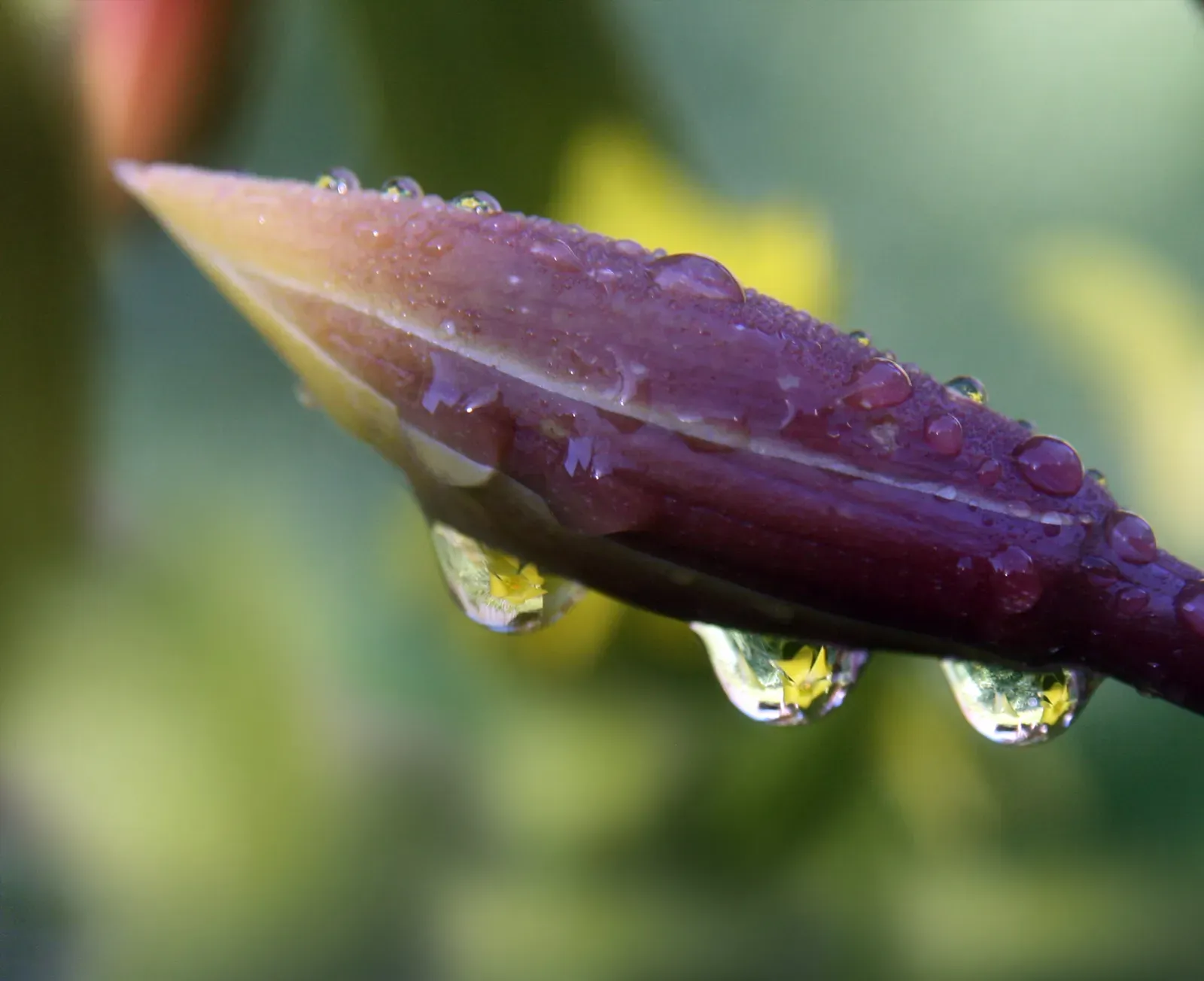
When prehistoric plants began colonizing land, they developed a waxy protective layer called a cuticle alongside root-like structures and specialized pores called stomata. Plant cuticles emerged more than 450 million years ago, and because they protected against water loss, they enabled the spread of plants on land and the evolution of complex ecosystems.
Think about it this way. If you step out of a swimming pool on a hot day, you dry out pretty quickly. Early land plants faced similar challenges, moving from freshwater habitats to terrestrial environments where they encountered desiccation, ultraviolet radiation, mechanical damage, and pathogen infections. This waxy coating wasn’t just a convenience; it was the difference between life and death.
Chemical analysis has revealed that among tested land plants, the most primitive species contained the lowest levels of cuticle components, mainly composed of fatty acids and phenolic compounds. Interestingly, those phenolic compounds had ultraviolet radiation-absorbing properties, essentially functioning as prehistoric sunscreen for vulnerable plant tissues.
Opening Windows to Breathe
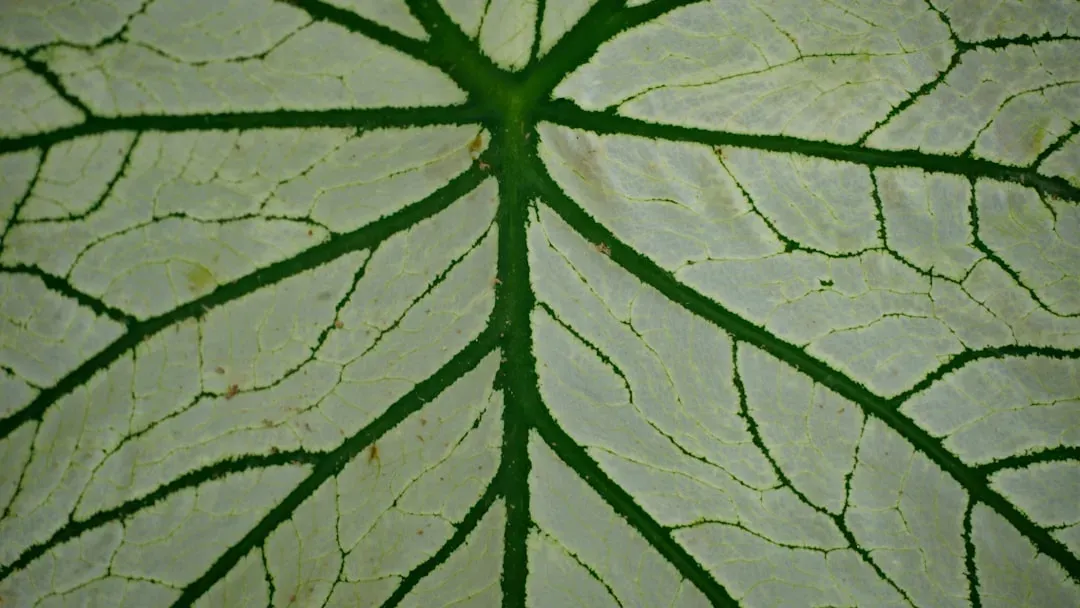
The fossil record suggests stomata-like pores were present on surfaces of land plants over 400 million years ago, though whether they arose once or independently across plant lineages has been debated. These microscopic valves became absolutely critical for balancing two opposing needs: taking in carbon dioxide for photosynthesis while preventing catastrophic water loss.
Here’s the thing. The regulation of stomatal apertures controls plant water loss, promotes carbon dioxide uptake, and in many cases assists in regulating internal temperatures. Without this delicate balance, plants couldn’t photosynthesize efficiently in the unforgiving conditions of early terrestrial environments.
Fossilized plant cuticles indicate that early land plants could probably respond to changes in atmospheric carbon dioxide concentration by altering stomatal size and density, suggesting these developmental responses are remarkably ancient. The sophistication of this system, present hundreds of millions of years ago, is honestly mind-blowing when you consider the precision required.
When Forests Cooled the Planet
The first significant evolutionary radiation of life on land occurred during the Devonian period, as land plants began spreading across dry land, and by the middle of the Devonian, several groups of vascular plants had evolved leaves and true roots. The scale of this transformation was staggering and had planetary consequences.
Carbon dioxide levels dropped steeply throughout the Devonian Period as newly evolved forests drew carbon out of the atmosphere and buried it into sediments, which may be reflected by a Mid-Devonian cooling of around 5 degrees Celsius. Imagine that: plants became so successful that they literally changed the climate of the entire planet.
Although forests modify the atmosphere by consuming carbon dioxide, by the end of the Devonian too many plants proved dangerous, as the steady drop of this gas caused climatic cooling around the poles and created ice caps across the South Pole. The irony is almost poetic. Life’s success triggered environmental catastrophe.
Fungi: The Hidden Partners in Survival
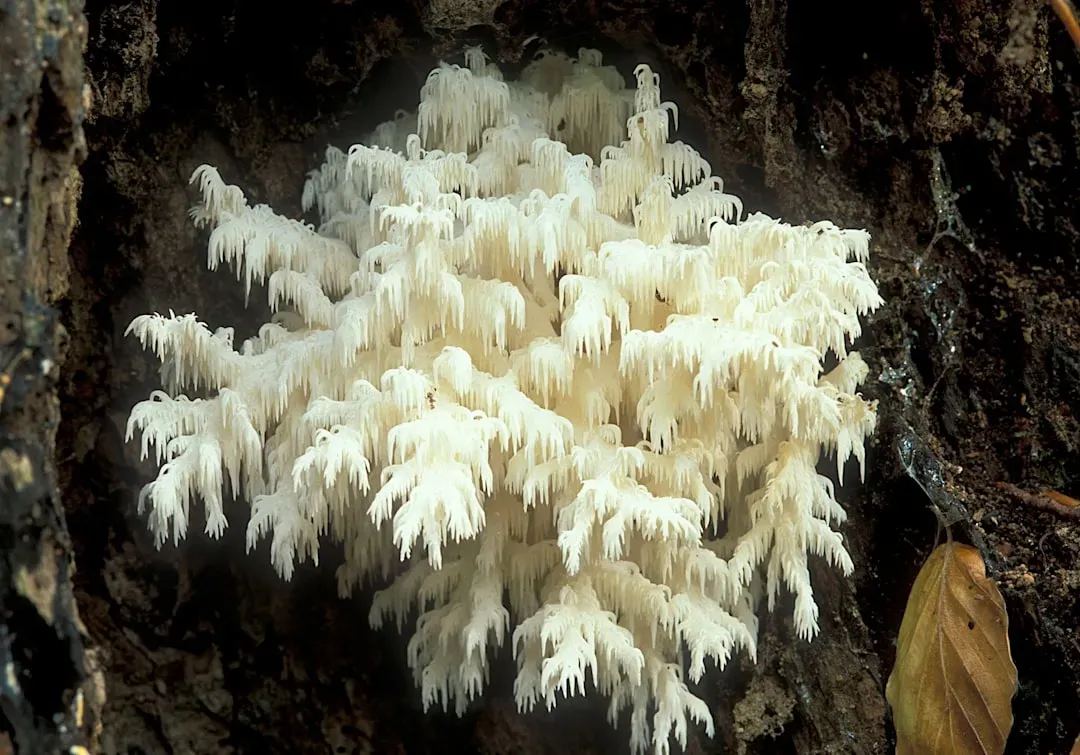
Extreme environments are not only inhabited by archaea and bacteria; fungi are the most versatile phylogenetic lineage in the Tree of Life and can colonize all types of extreme habitats, often showing greater capacity for tolerance to stresses than prokaryotes. This versatility wasn’t accidental.
Physiological mechanisms conferring cold tolerance in fungi include increases in intracellular trehalose and polyol concentrations, unsaturated membrane lipids, secretion of antifreeze proteins, and enzymes active at low temperatures, with a combination of these mechanisms necessary for cold-adapted fungi to function.
I know it sounds crazy, but some fungi were even recovered from Greenland ice cores dating back hundreds to hundreds of thousands of years. Microbial growth under extreme conditions is often slow because large amounts of energy are diverted into cellular mechanisms for survival. Speed wasn’t the game. Persistence was.
The Revolutionary Partnership Between Plants and Fungi
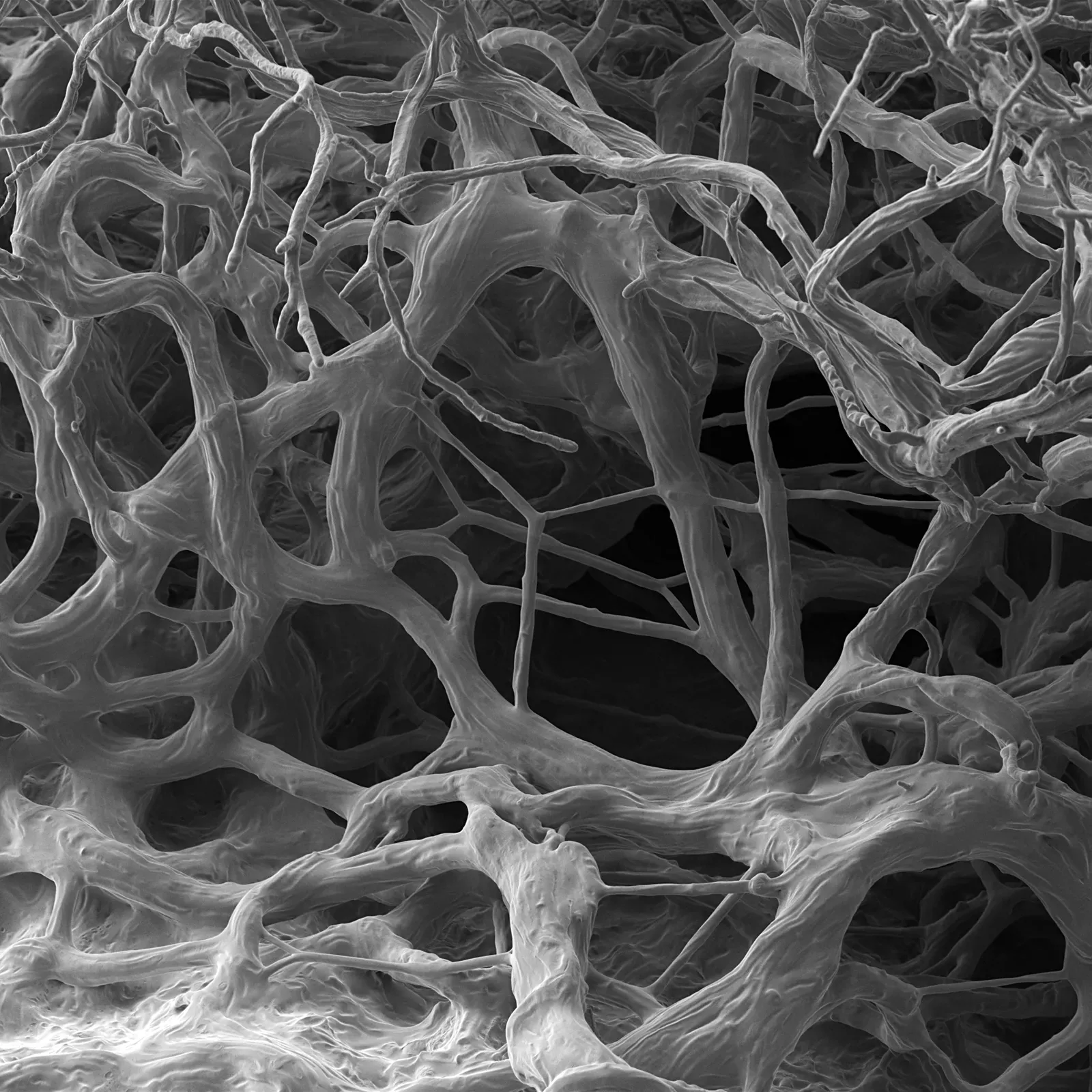
There is strong consensus among paleomycologists that mycorrhizal fungi served as a primitive root system for early terrestrial plants because, prior to plant colonization of land, soils were nutrient sparse and plants had yet to develop root systems. Let that sink in for a moment.
Over 35 years ago, it was hypothesized that mutualistic symbiotic soil fungi assisted land plants in their initial colonization of terrestrial environments, with investigations dating these interactions between arbuscular mycorrhizal fungi and land plants to at least 400 million years ago. This wasn’t just helpful; it was transformative.
Colonization of complex thalloid liverworts with arbuscular mycorrhizal fungi significantly promoted photosynthetic carbon uptake, growth and asexual reproduction, with plant fitness increasing through fungal-enhanced acquisition of phosphorus and nitrogen from soil. Each tiny plant supported between 100 and 400 meters of fungal filaments spreading through the soil. That’s basically a personal mining operation for nutrients.
Adapting to Atmospheric Roller Coasters
All models show an overall increase in atmospheric oxygen levels from a low of between 15 and 20 percent at the beginning of the Carboniferous to highs of 25 to 30 percent during the period, with peaks and troughs reflecting dynamic climate conditions. These weren’t gradual, predictable shifts. The atmosphere swung wildly.
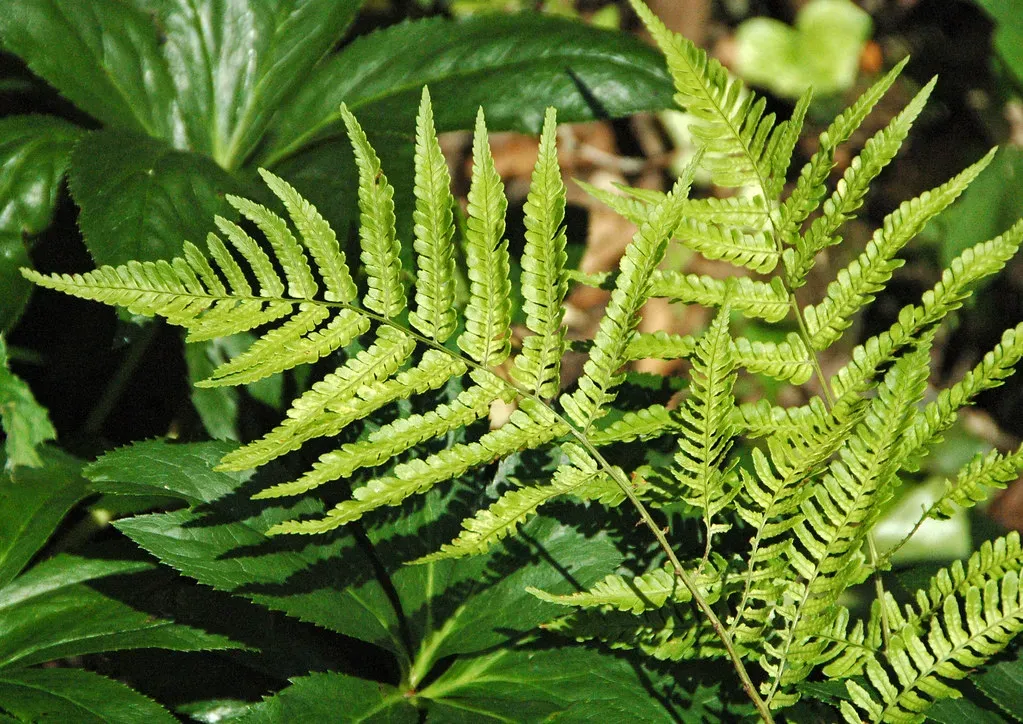
Carboniferous plants resembled those living in tropical and mildly temperate areas today, with many lacking growth rings which suggests a uniform climate, possibly resulting from the large expanse of ocean covering the entire globe. Plants weren’t just passively accepting these conditions.
Plants developed several key adaptations to prevent water loss including reduced leaf size, meaning smaller leaves had less surface area for water evaporation. Some evolved leaves that could change angles to avoid direct sunlight during the hottest times. Fine hairs on leaf surfaces created boundary layers of still air, reducing moisture loss. Every detail mattered.
Extreme Strategies for Extreme Times
There is more than one strategy for survival in extreme environments, with fungi thriving in extremes divided into ubiquitous and polyextremotolerant generalists and rarely isolated specialists with narrow ecological amplitudes, while generalists can compete with common species but specialists cannot. It’s essentially the difference between being a jack-of-all-trades or a master of one brutal niche.
Both yeasts and filamentous fungi evolved to survive extreme environments using active mechanisms for tolerating stress, often involving compatible solutes to deal with water stress types including ionic, non-ionic, and matric stress. These chemical compounds acted like cellular shock absorbers, maintaining function when everything around them was hostile.
Organisms from extreme habitats developed survival strategies for growing and reproducing in harsh conditions, including producing small organic molecules with specific biological activities such as cryoprotectant molecules like sugars and polyols to stabilize membranes. Nature found chemical solutions to physical problems, over and over again.
The story of how prehistoric plants and fungi conquered land isn’t just ancient history. It’s a masterclass in resilience, innovation, and unlikely partnerships that literally reshaped our entire planet. Plants are masters of taking what’s available and using it to their advantage, and fungi proved equally ingenious. Without their combined adaptations to extreme ancient climates, the world as we know it simply wouldn’t exist. These microscopic innovations enabled forests, ecosystems, and eventually, every terrestrial organism alive today, including us. Pretty remarkable when you think about it, right? What amazes you most about these ancient survival strategies?