When scientists discuss the great extinction that ended the age of dinosaurs, they often paint a picture of sudden, catastrophic death. Yet emerging research reveals a more complex story. While the majority of dinosaur species perished, some remarkable creatures managed to endure months of darkness, freezing temperatures, and ecological collapse following the asteroid impact. These survivors’ strategies offer fascinating insights into adaptation and resilience during Earth’s darkest hours.
You might wonder how any large creature could survive such devastating conditions. The truth is both surprising and inspiring, showing how life finds ways to persist even in the most hostile circumstances imaginable.
The Immediate Aftermath: A World Plunged Into Darkness
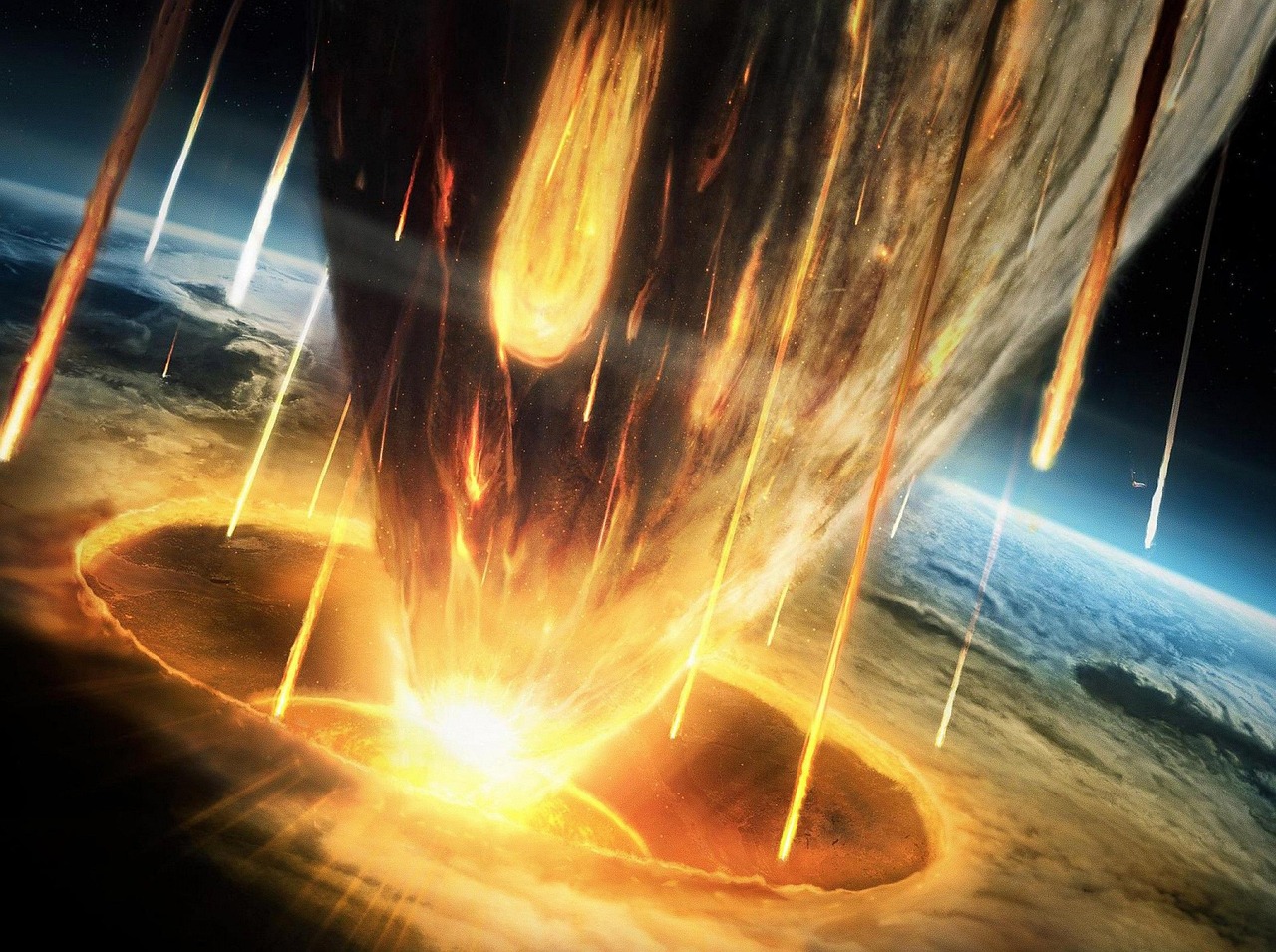
When the asteroid struck 66 million years ago, it created conditions that would have enveloped parts of Earth in darkness that could have persisted for up to two years. Clouds of pulverized rock and sulfuric acid from the crash would have darkened skies, cooled global temperatures, produced acid rain and sparked wildfires. The impact was like nothing you could imagine – the asteroid travelled at approximately 43,000 miles per hour, releasing energy equivalent to millions of nuclear bombs going off simultaneously.
“The common thinking now is that global wildfires would have been the main source of fine soot that would have been suspended into the upper atmosphere.” This created a nuclear winter scenario where “the concentration of soot within the first several days to weeks of the fires would have been high enough to reduce the amount of incoming sunlight to a level low enough to prevent photosynthesis.” Imagine a world where the sun essentially disappeared, leaving Earth in perpetual twilight for months on end.
Small Size: The Ultimate Survival Advantage
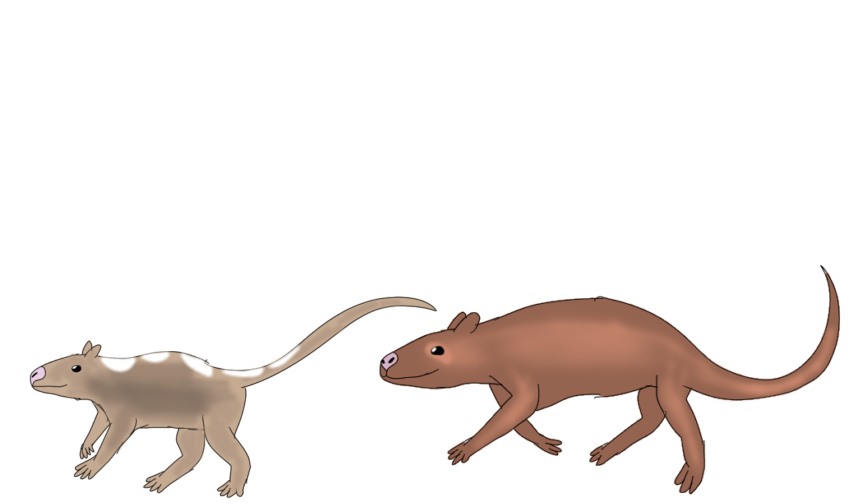
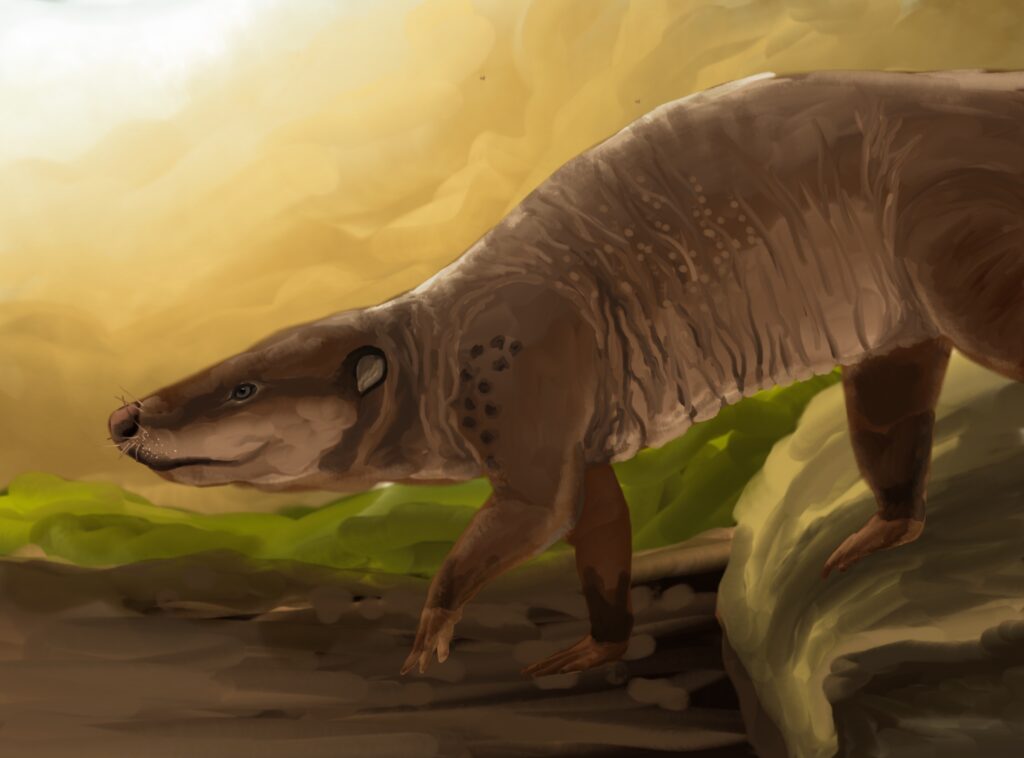
Boundary mammalian species were generally small, comparable in size to rats; this small size would have helped them find shelter in protected environments. You need to understand that during the disaster, large organisms with fast metabolisms and higher food needs starved, while some species of less than 50 lbs with slower metabolisms hung tough. This wasn’t just luck – it was physics and biology working together.
Small-bodied species typically have shorter gestation periods and reach sexual maturation faster, allowing them to quickly replenish their numbers. Think about it this way: while massive dinosaurs needed enormous amounts of food daily to fuel their bodies, tiny mammals could survive on scraps and insects. The survival of other endothermic animals, such as some birds and mammals, could be due, among other reasons, to their smaller needs for food, related to their small size at the extinction epoch.
Underground Refuges: Hiding From the Heat
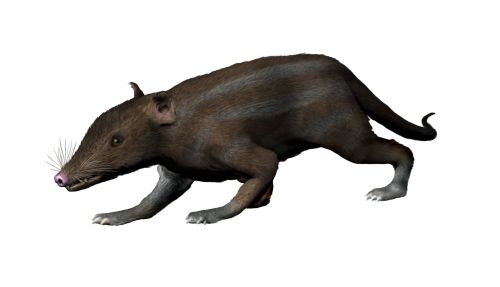
The key to survival often lay beneath your feet. It is postulated that some early monotremes, marsupials, and placentals were semiaquatic or burrowing, as there are multiple mammalian lineages with such habits today. Any burrowing or semiaquatic mammal would have had additional protection from K–Pg boundary environmental stresses. These underground shelters weren’t just hideouts – they were complete survival systems.
Underground burrows and aquatic environments protected small mammals from the brief but drastic rise in temperature. Picture this: while the surface world burned and froze, mammals huddled in their burrows, emerging only when conditions improved. Many species of avians can build burrows, or nest in tree holes, or termite nests, all of which provided shelter from the environmental effects at the K–Pg boundary. Even some birds, the surviving dinosaur lineage, used similar strategies to weather the storm.
Aquatic Sanctuaries: Water as a Shield
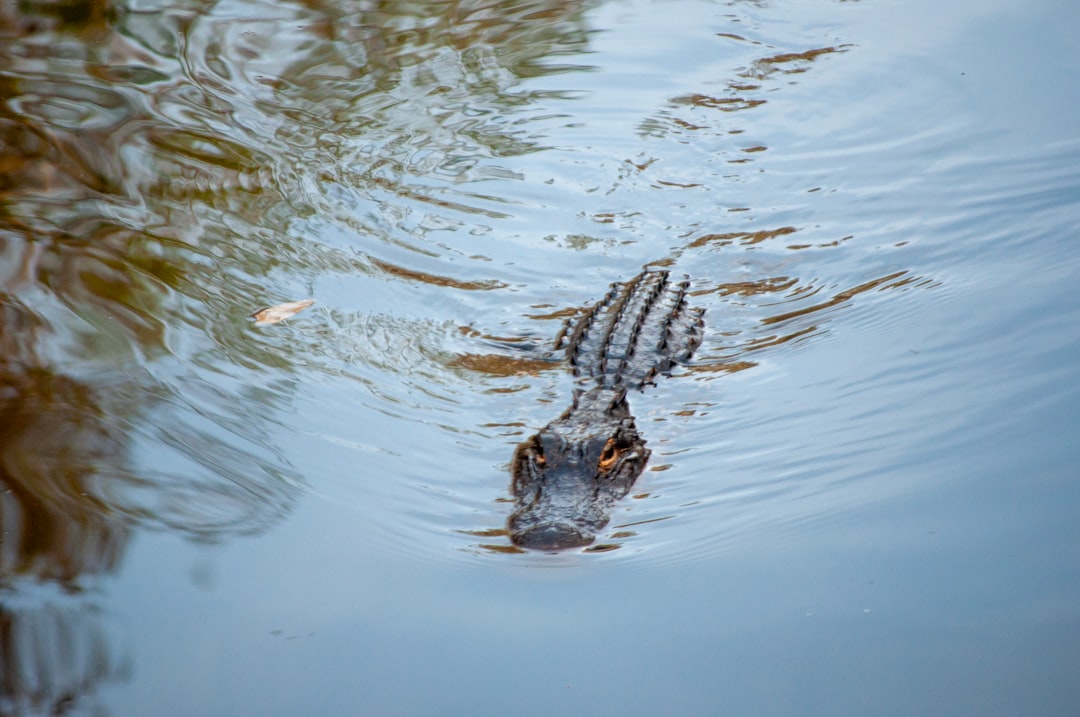
The aquatic and semi-aquatic environments that crocodiles inhabit offer a degree of protection from some of the more devastating effects of mass extinctions. However, aquatic ecosystems, while still affected, experienced a degree of buffering, providing a refuge for crocodiles and other aquatic life. Water became nature’s insurance policy against extinction.
The animals living in these places don’t need green plants as much. Dead plants and animal material washes in from surrounding land, which is eaten by tiny creatures, which are then eaten by larger creatures including crocodiles. So unlike dinosaurs living on the land, crocodiles in a river would not have starved as soon as the green plants died. Rivers and lakes created their own food webs independent of photosynthesis, allowing aquatic survivors to persist while terrestrial ecosystems collapsed.
Flexible Diets: Eating Anything to Stay Alive
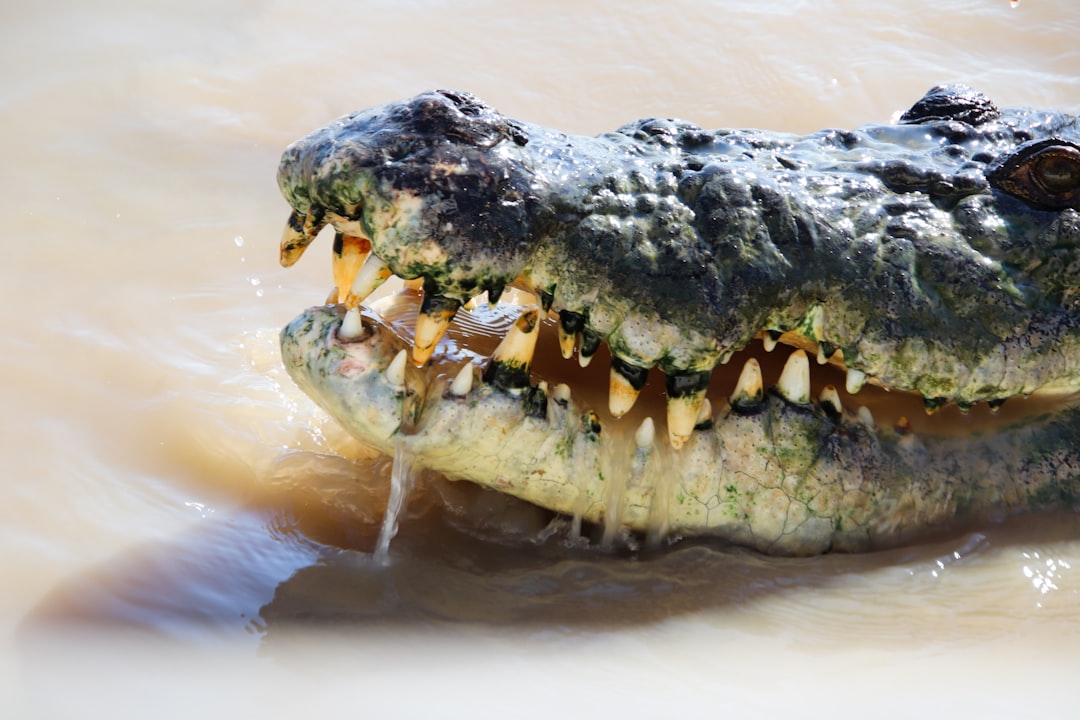
Crocodiles aren’t picky eaters. They consume a wide range of prey, from fish and birds to mammals and reptiles. This generalist diet allowed them to adapt to changing food availability in the aftermath of mass extinctions, when specific prey species might have become scarce or extinct. Your survival during the extinction depended largely on what you were willing to eat.
Mammals, in contrast, could eat insects and aquatic plants, which were relatively abundant after the meteor strike. Meanwhile, the small mammals were mainly small, rat-like things that scurried about in the dead leaf litter on the ground, eating insects and worms. These tiny creatures relied not on living green plants, but on dead leaves and bark falling from the trees, or being blown and washed in from elsewhere. Scavengers and omnivores had a massive advantage over specialized feeders.
Cold-Blooded Endurance: The Metabolic Edge
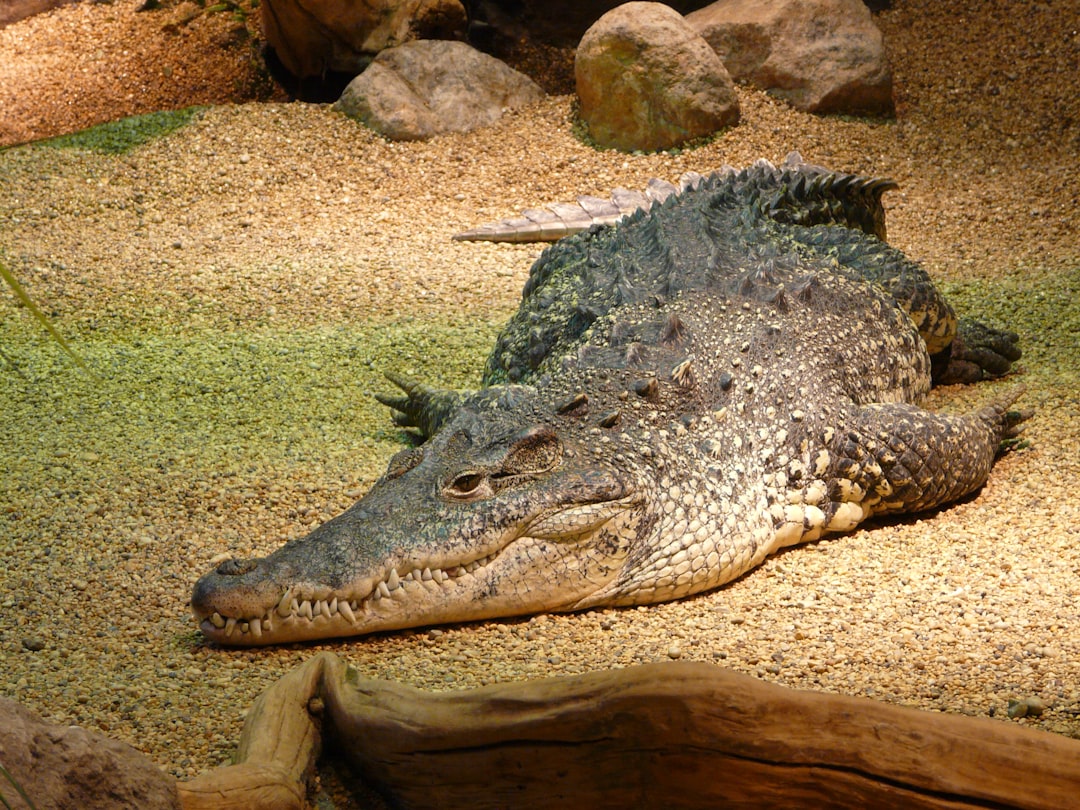
Crocodile bodies use very little energy. They lie around a lot, breathe slowly and even have a very slow heartbeat. It also means they can go without food for months, and sometimes more than a year. This biological superpower became crucial when food became scarce and temperatures plummeted.
Crocodiles have cold-blooded metabolisms, which means they were able to live for long periods of time in severe darkness, cold, and with very little food. Compare this to dinosaurs: After studying the dinosaurs for hundreds of years, scientists have discovered that a large majority of them were warm-blooded. This meant they had to constantly eat to fuel their metabolisms to maintain a steady temperature. Neither of these factors was efficient during the cold and dark conditions following the Yucatan meteor impact. The irony is striking – the very traits that made dinosaurs successful during good times became fatal during the crisis.
Marine Survivors: Life in the Deep
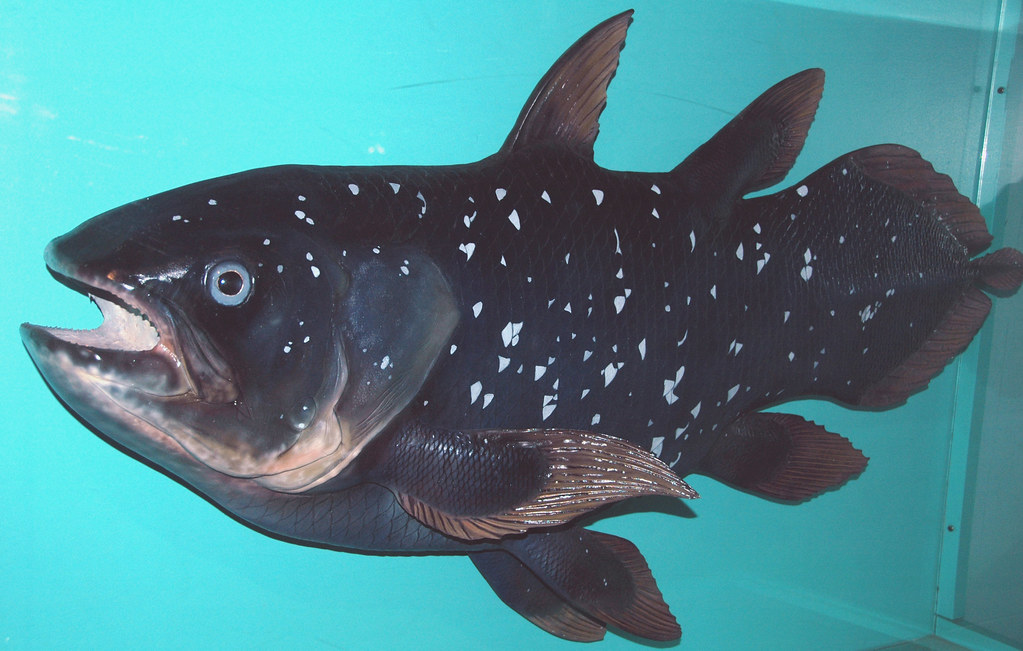
The darkness resulting from the Chicxulub impact killed from the ocean’s surface downward; however, scavenging benthic life (living on the seafloor) survived as the tiny corpses of their floating pelagic food sources rained down on them. It takes about 1,000 years for the ocean to mix from top to bottom, so the extinction event must have been shorter than 1,000 years to leave benthic life on the ocean bottom unaffected.
Research suggests that some shark species survived because of their deep-water habitats and their small sizes, more specifically because they didn’t run out of prey. After the asteroid impact, small algae became a steady food source for deep-sea creatures, including the fish eaten by sharks, which allowed these deep-sea hunters to survive. The deep ocean became a refuge where life could continue even as surface ecosystems collapsed completely.
Evolutionary Innovation: New Traits for New Times
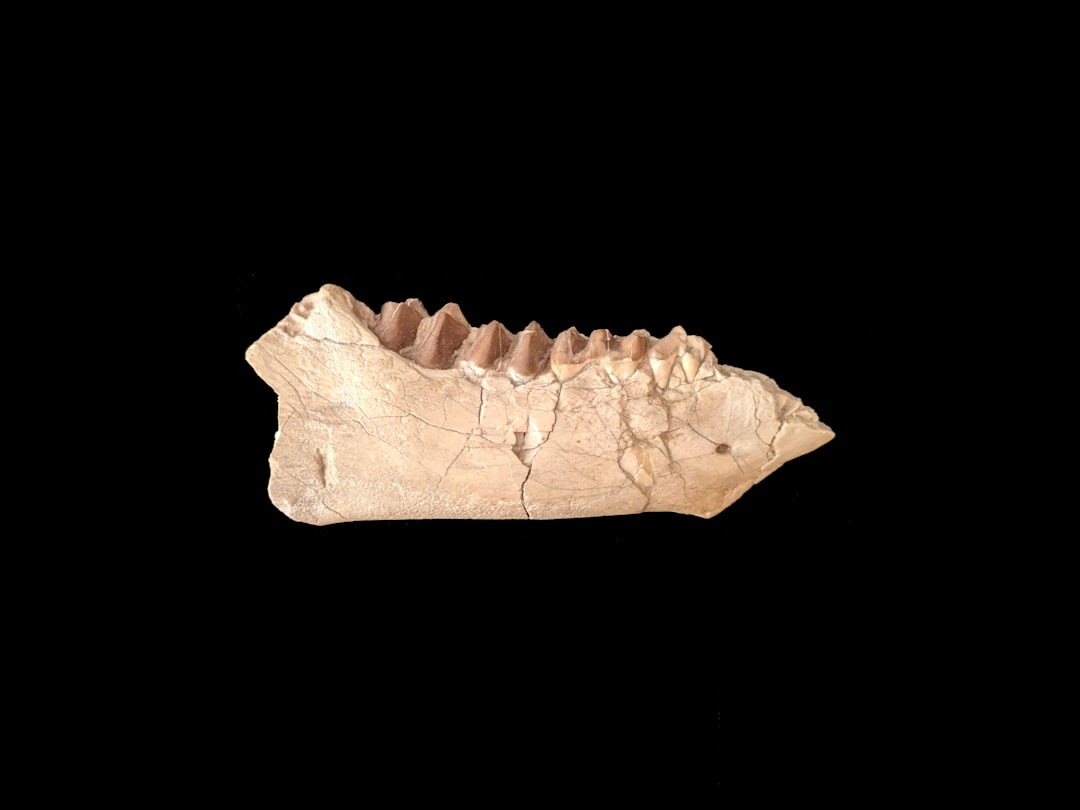
While some of the survivors of mass extinctions at first appeared to be unspecialized, closer analysis revealed that they had newer, more novel characteristics. For instance, many mammals from the time of the dinosaurs had teeth that were good for cutting into prey. A few had tooth structures that acted like a mortar and pestle and were able to grind in addition to just cutting. This “fancier” tooth may have been an advantage in hard times with less food availability, because this more specialized tooth structure would have let them eat a wider variety of food.
The survivors weren’t just lucky – they were equipped with innovations that proved crucial during the crisis. The researchers consistently found that Euarchonta, a group that included early primates, tree shrews and gliding mammals called colugos, maintained their arboreal habits through the extinction event and its aftermath. These early ancestors of modern mammals demonstrated remarkable adaptability that would serve them well in the post-apocalyptic world.
Recovery and Rapid Diversification
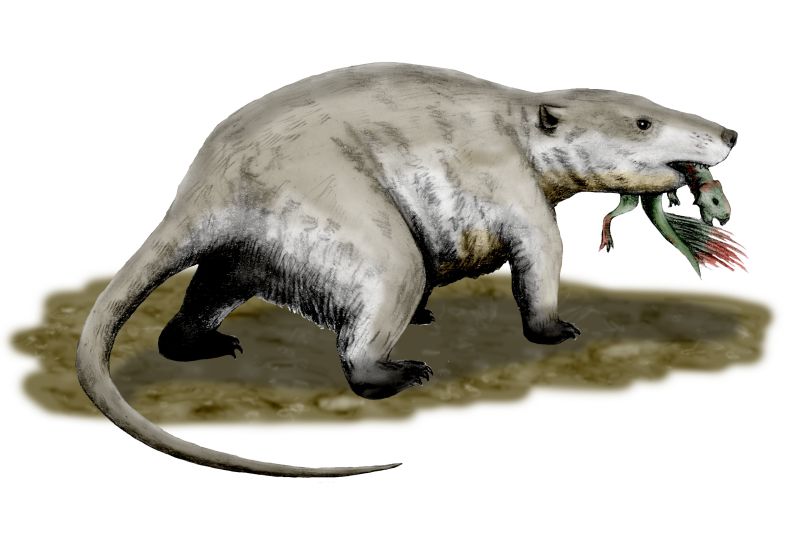
Early mammals and birds – avian dinosaurs – quickly began to fill the environmental niches left empty by extinct larger species. Within 300,000 years, a blink of an eye in evolutionary terms, there were productive ecosystems across Earth. The survivors didn’t just endure – they thrived and expanded rapidly into vacant ecological spaces.
Morphological diversification rates among eutherians after the extinction event were thrice those of before it. Also significant, within the mammalian genera, new species were approximately 9.1% larger after the K–Pg boundary. After about 700,000 years, some mammals had reached 50 kilos (110 pounds), a 100-fold increase over the weight of those which survived the extinction. The recovery was so dramatic that within just a few hundred thousand years, life had not only bounced back but was experimenting with entirely new forms and sizes.
Conclusion
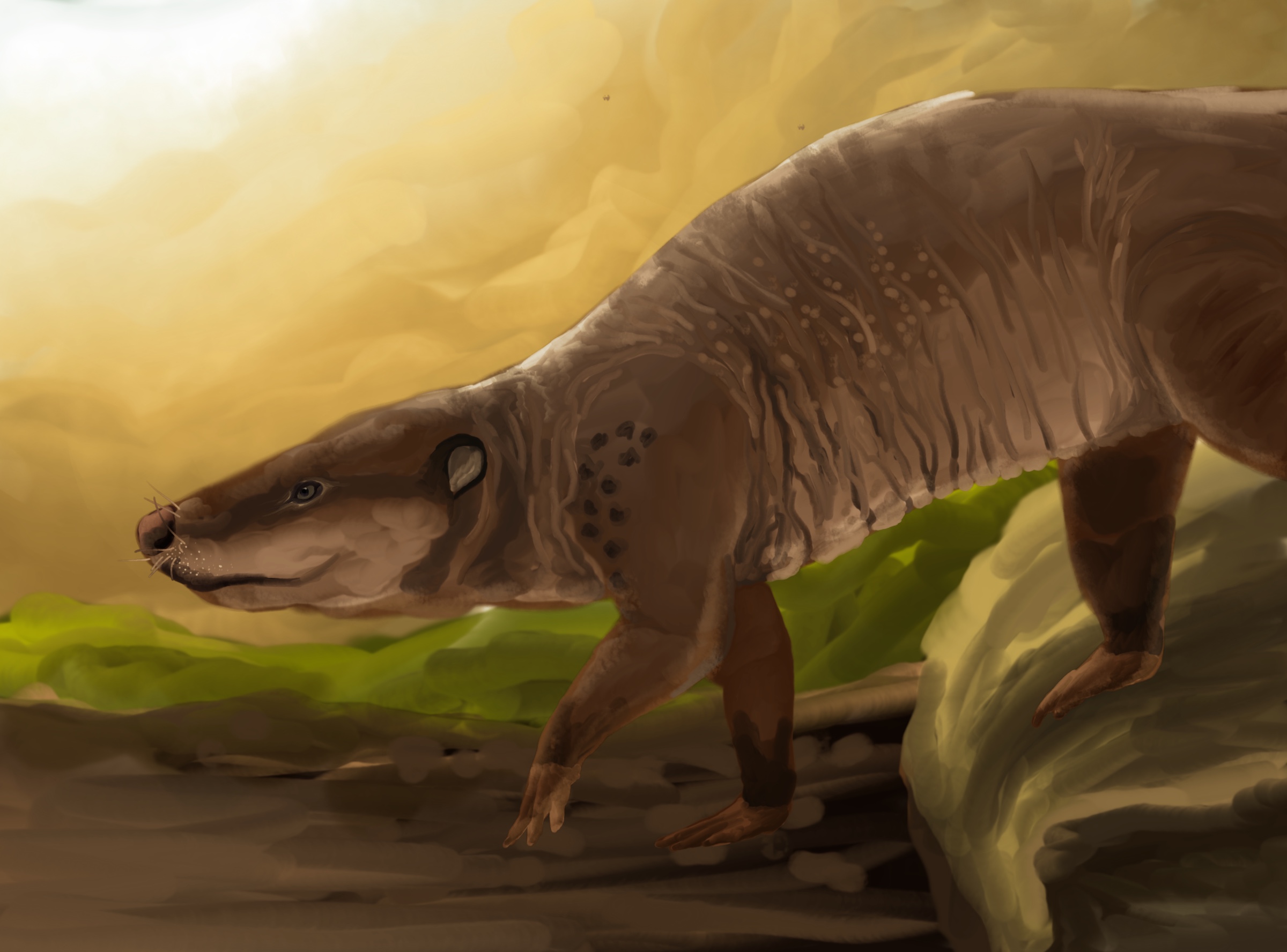
The story of survival during Earth’s darkest months isn’t just about luck – it’s about the incredible adaptability of life itself. From tiny mammals huddled in burrows to crocodiles lurking in murky waters, the survivors shared common traits: small size, dietary flexibility, protective habitats, and efficient metabolisms. It would be another 10 million years before evolution filled all empty environmental niches and the diversity of life equaled what it was before the impact. The resulting mix looked very different than before and allowed the rise of mammals and birds and, eventually, humans.
These ancient survival strategies remind us that resilience often comes from the most unexpected places. The meek really did inherit the Earth, proving that in nature’s greatest test, adaptability trumps size every time. What do you think about these remarkable survival stories? Tell us in the comments.