Every morning, when you step outside and hear the chorus of birds waking up the world, you probably aren’t thinking about Tyrannosaurus rex. You’re thinking about coffee. But here’s something that might genuinely stop you in your tracks: that sparrow on your fence, that pigeon pecking at the pavement, that hawk circling overhead – they are not just the descendants of dinosaurs. They are dinosaurs. Scientifically speaking, every single bird alive today is a living, breathing, feathered dinosaur.
This isn’t folklore or metaphor. It’s one of the most profound scientific revelations of the modern age. The link between today’s birds and their ancient prehistoric ancestors is written into their bones, their feathers, their behavior, and even their DNA. So buckle up, because what you’re about to discover about the birds you thought you knew will almost certainly change the way you see them forever. Let’s dive in.
The Theropod Family Tree: Where Birds Really Come From
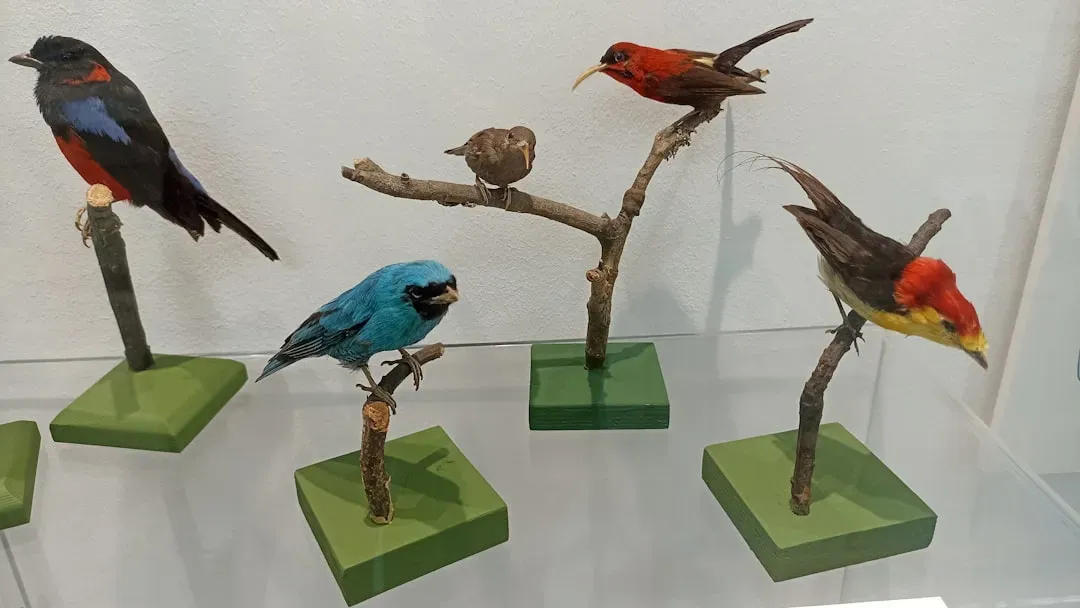
Most people imagine dinosaurs as lumbering, scaly monsters – think the stomping T. rex of old-school movies. But the real story of bird origins is far more fascinating. Modern birds descended from a group of two-legged dinosaurs known as theropods, whose members include the towering Tyrannosaurus rex and the smaller velociraptors. Think about that for a second. The pigeon on your windowsill shares a family tree with one of the most feared predators in Earth’s history.
The present scientific consensus is that birds are a group of maniraptoran theropod dinosaurs that originated during the Mesozoic era. Maniraptora was a particularly special subgroup within theropods – smaller, more agile, and increasingly bird-like. Many features – such as feathers, wishbones, egg brooding, and perhaps even flight – that are seen only in birds among living animals first evolved in the dinosaurian ancestors of birds.
Archaeopteryx: The Fossil That Changed Everything
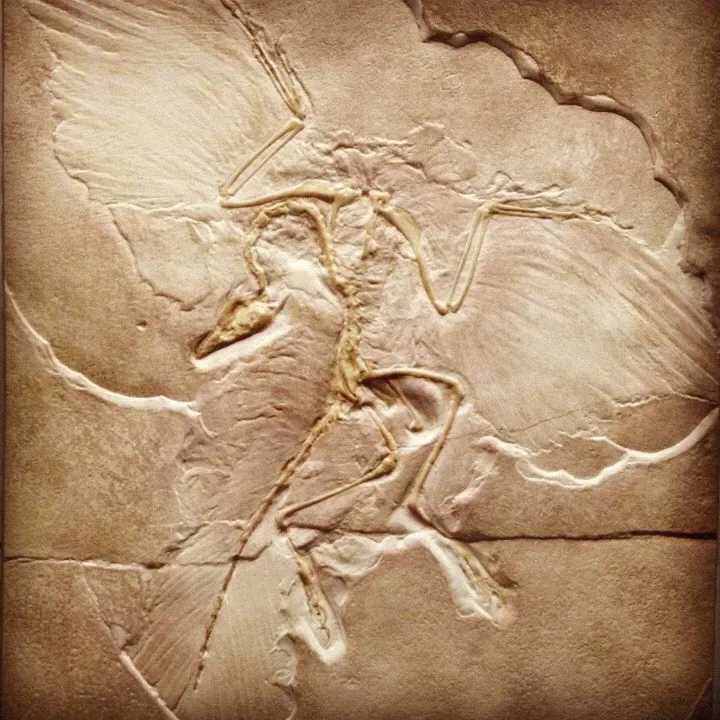
If there is one name that defines the crossroads between dinosaurs and birds, it is Archaeopteryx. Archaeopteryx is vital to researchers’ understanding of how that evolution happened, because it clearly has both dinosaur and bird traits. It is, in a very real sense, the ultimate fossil bridge – part dinosaur, part bird, and entirely remarkable. Discovered in Germany in the 1860s, it landed right in the middle of Darwin’s revolutionary moment.
Archaeopteryx had feathers, hollow bones, and wings. It was roughly the size of a raven and had a wishbone, or furcula, a hallmark feature of birds today. But it also had a mouth full of sharp teeth and a long, bony tail. Honestly, if you described that creature without naming it, most people would struggle to place it as either a bird or a dinosaur. That confusion is precisely the point. Archaeopteryx is a transitional fossil, with features clearly intermediate between those of non-avian theropod dinosaurs and birds.
Feathers Long Before Flight: A Surprising Discovery
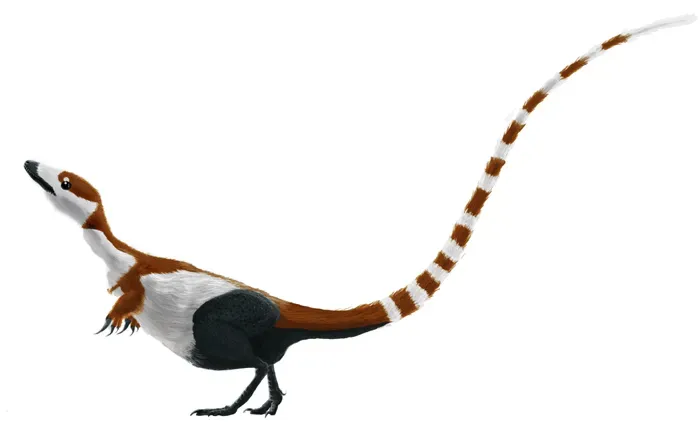
Here’s where the story gets genuinely surprising. You might assume feathers evolved for one reason and one reason only – to fly. That assumption turns out to be delightfully wrong. Feathers did not suddenly spring forth with the first birds but originally debuted far earlier, in their distant dinosaurian ancestors. They were present millions of years before any creature took to the skies.
The plumage of Sinosauropteryx, along with many other dinosaurs, looked more like fluff, made up of thousands of hairlike filaments. No way could these dinosaurs fly – their feathers were too simple to catch the wind, and they did not even have wings. The first feathers must have therefore evolved for something else, probably to keep these small dinosaurs warm. Over time, as you can see in today’s birds, feathers became extraordinarily complex structures serving warmth, display, camouflage, sound, and eventually powered flight.
Bones, Wishbones, and the Skeleton You Share With Prehistory
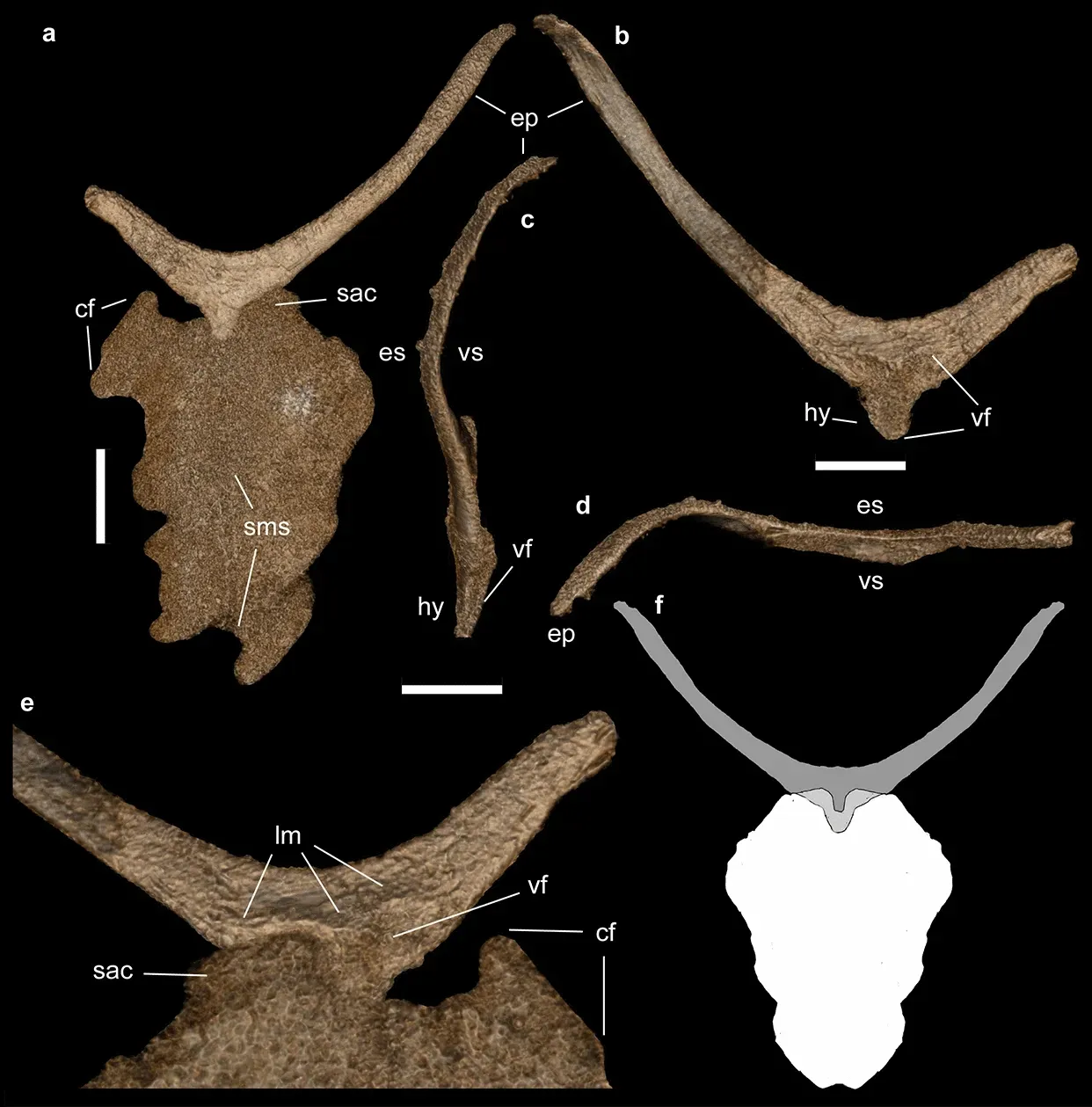
When you crack open a wishbone at Thanksgiving dinner, you’re participating in a tradition that links you – however indirectly – to the Mesozoic Era. The development of the furcula, or wishbone, is so common in birds. Once thought unique to birds, wishbones started turning up in some bipedal, meat-eating dinosaurs, such as Velociraptor, almost as soon as scientists started looking. It’s one of those facts that makes you do a double-take.
Not only have birds retained the bipedalism, hollowed bones, and the three fully developed toes of their theropod predecessors, but these animals also share a series of air spaces connected to the ear region, unique structures of their vertebral column and rib cage, elongate forelimbs with wrist bones allowing swivel-like movements of the hand and similar structures in the pelvis and hindlimbs, as well as many other characteristics distributed over the entire skeleton. The shared skeletal blueprint between birds and their dinosaur ancestors is staggering in its detail and depth.
Shrinking Giants: How Size Became the Key to Survival
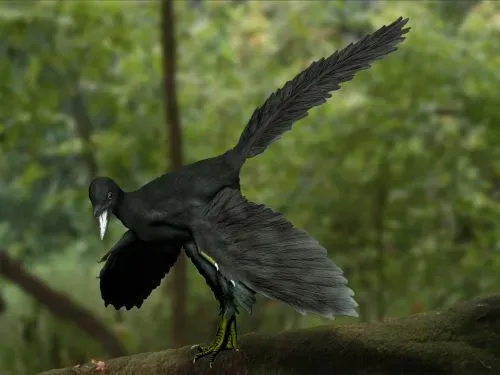
Let’s be real – one of the most mind-bending parts of this story is how creatures related to the enormous T. rex eventually became small enough to perch on a flower. New research suggests that bird ancestors shrank fast, indicating that the diminutive size was an important and advantageous trait, quite possibly an essential component in bird evolution. Smaller body size wasn’t just a side effect – it was likely a critical key that unlocked the possibility of flight.
Though larger animals can glide, true flight powered by beating wings requires a certain ratio of wing size to weight. Birds needed to become smaller before they could ever take to the air for more than a short glide. Think of it like this: trying to fly with a dinosaur’s bulk would be like strapping wings onto a refrigerator and hoping for the best. Size reduction was the engineering solution that made everything else possible.
Dinosaur Behavior Lives On in Every Bird Today
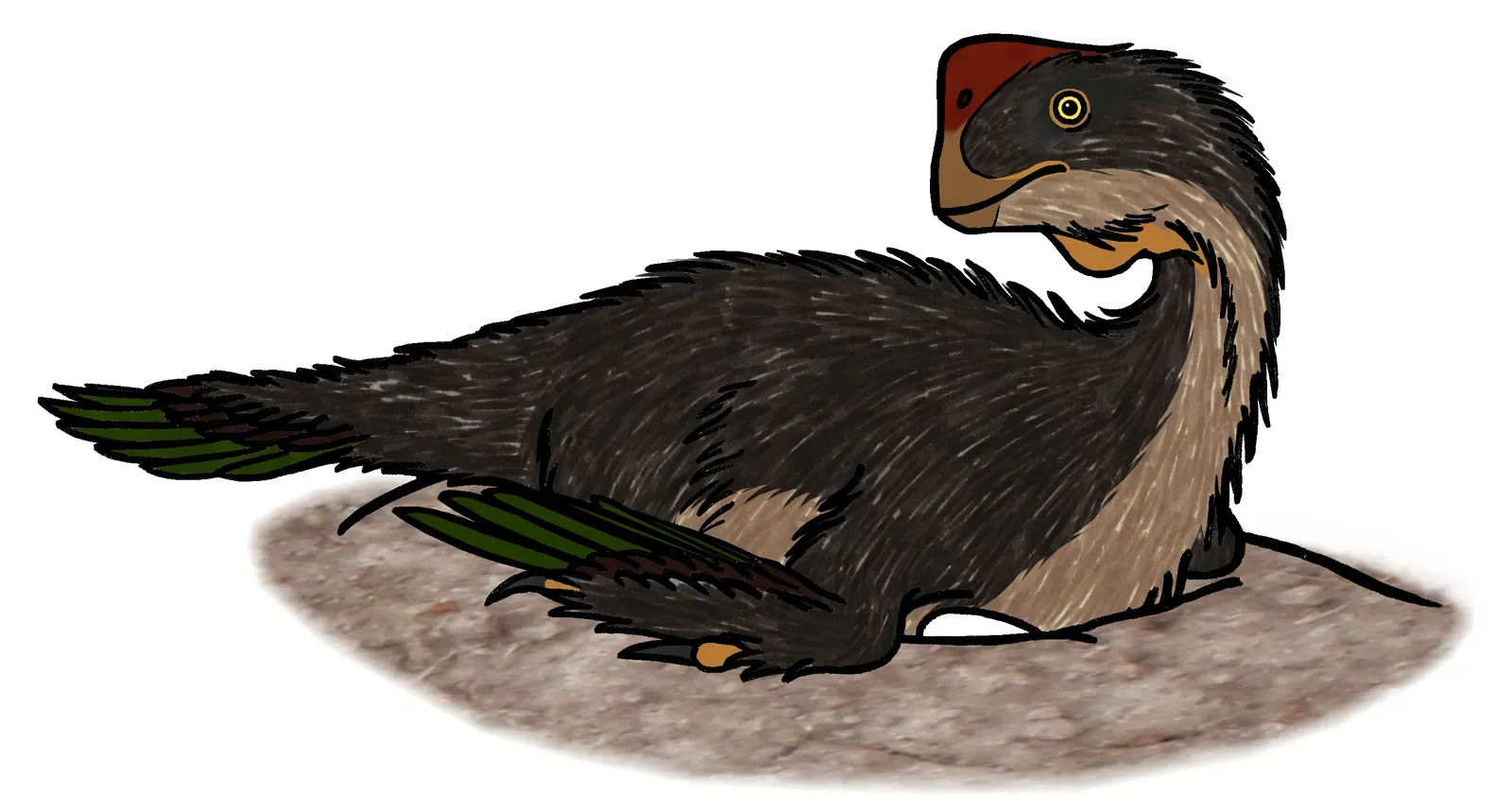
The connection between birds and dinosaurs goes far beyond bones and feathers. Behavior, it turns out, is just as revealing. Fossilized nesting sites reveal brooding postures identical to modern birds: Oviraptor fossils sit atop clutches of eggs in a spread-limbed, symmetrical pose – exactly how birds incubate. When you watch a hen settling over her eggs today, you are watching a behavior that stretches back over tens of millions of years without interruption.
Rare fossils also give us glimpses of the behavior of bird-like dinosaurs, such as Mei long, a small, duck-sized bipedal dinosaur from the Cretaceous era. It was found preserved in volcanic ash falls – a bit like Pompeii – captured curled up in a sleeping position very similar to how a lot of birds roost today. That image, a dinosaur sleeping with its head tucked exactly like your pet budgerigar does at night, is quietly extraordinary.
The Brain Behind the Wings: Intelligence Has Deep Roots
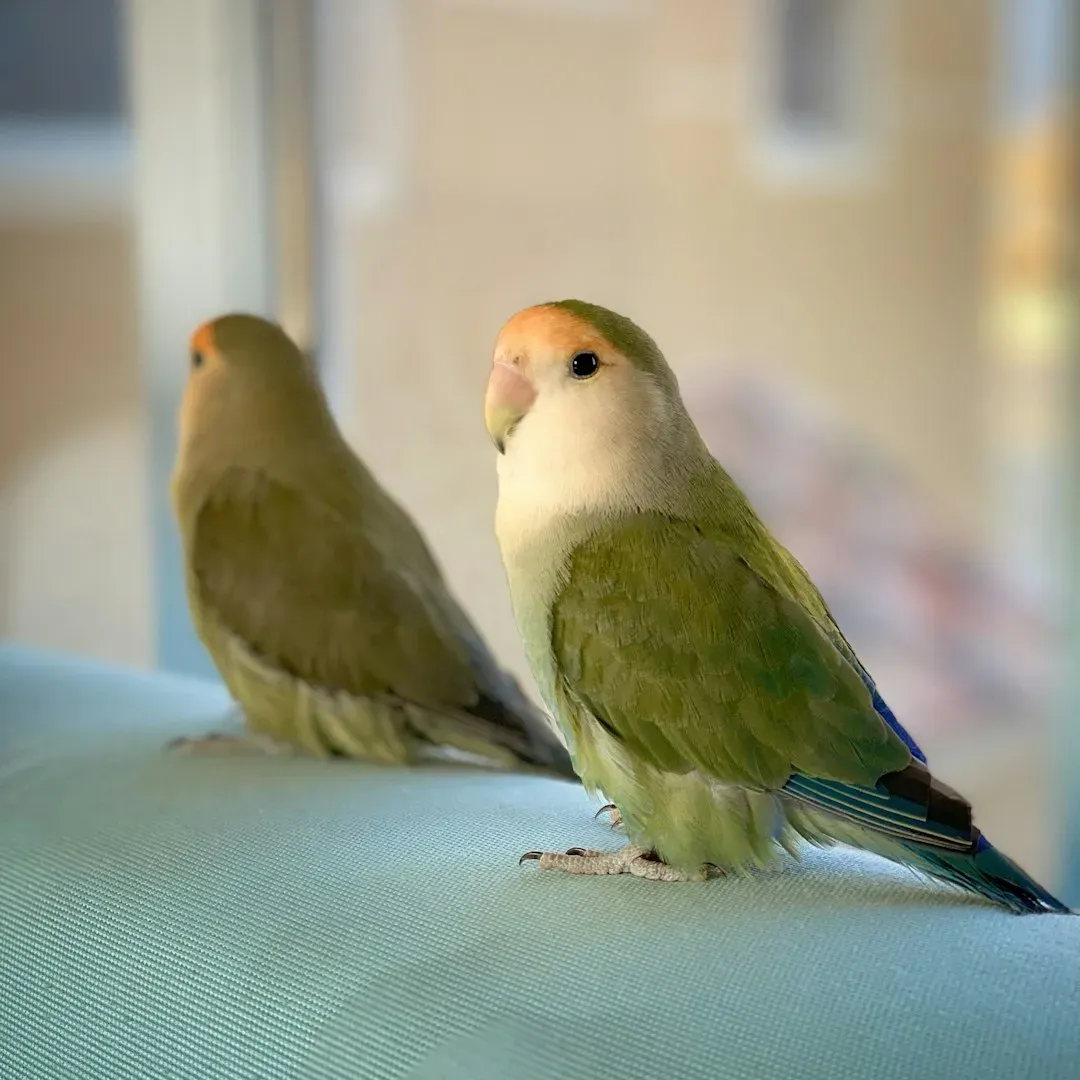
Birds are often dismissed as simple creatures – “bird-brained” is hardly a compliment in everyday conversation. Yet the intelligence of modern birds is, in fact, a very ancient inheritance. CT scanning of theropod specimens has revealed that these species had a big brain and that the forward-most part of the organ was expanded. A large forebrain is what makes birds so intelligent and acts as their in-flight computer, allowing them to control the complicated business of flying and to navigate the complex 3-D world of the air.
Scientists do not yet know why these dinosaurs evolved such keen intelligence, but the fossils clearly show that the ancestors of birds got smart before they took to the skies. In other words, the raw cognitive machinery that allows a crow to solve puzzles or a parrot to learn language was already developing in fearsome theropod dinosaurs long before the first wingbeat. Recent years have witnessed tremendous progress in our understanding of the deep evolutionary origins of numerous distinctive avian anatomical systems, and brain evolution is among the most exciting of those frontiers.
The Survivors: How Birds Outlasted the Great Extinction
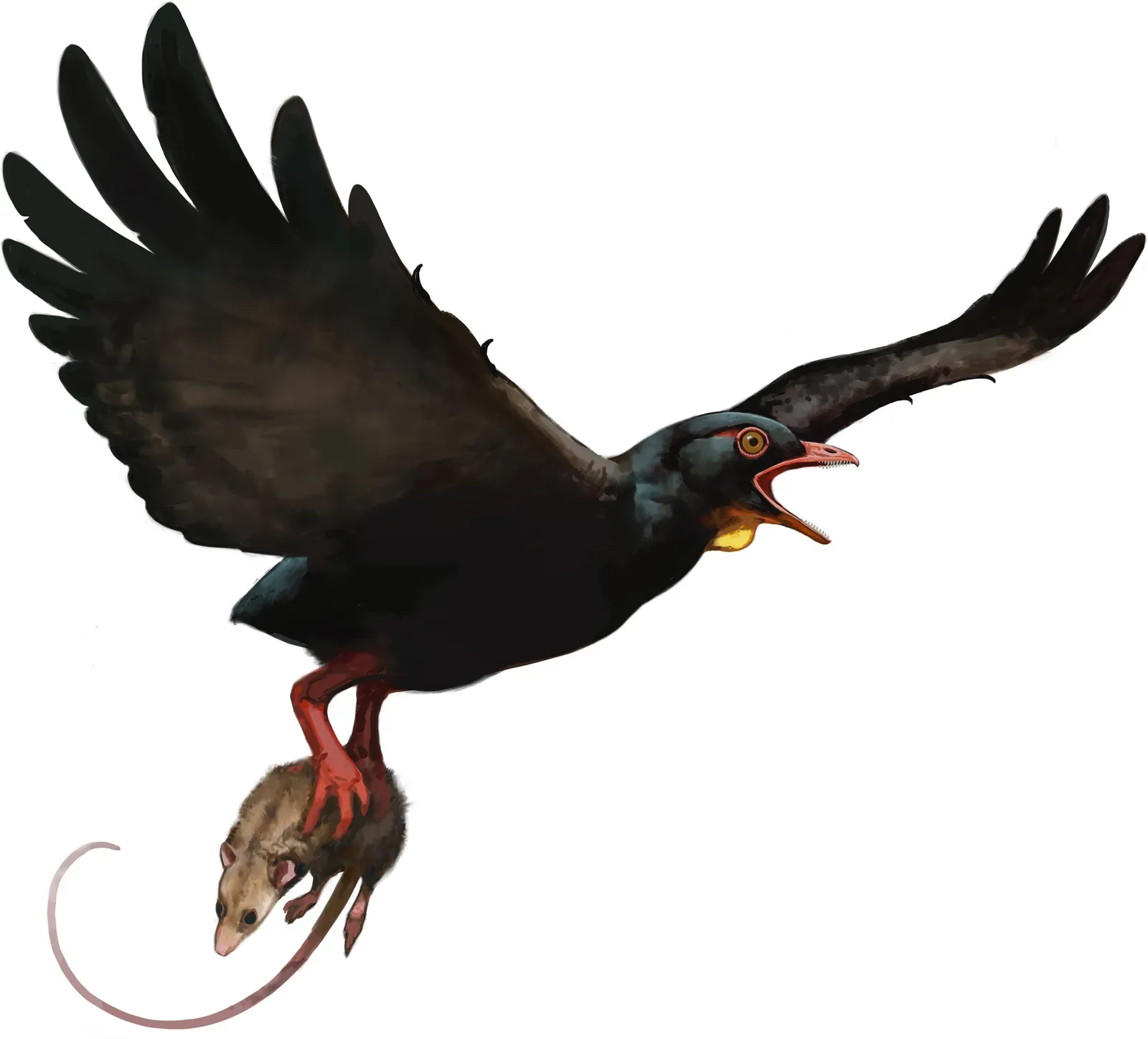
Sixty-six million years ago, an asteroid struck the Earth and triggered a catastrophic extinction event that wiped out the vast majority of life on our planet. Most dinosaurs vanished. Yet birds survived. Birds are the most diverse group of land animals on Earth. They’re also dinosaurs – the only ones that survived the mass extinction event 66 million years ago. How they pulled that off is one of paleontology’s most gripping questions.
The birds that survived the end-of-Cretaceous extinction were likely ground-dwelling and thus persisted despite the worldwide destruction of forests. Their small size, flexible diet, and adaptability gave them a crucial edge. Many of the birds we recognize today emerged quickly after the extinction event 66 million years ago that killed off non-bird dinosaurs. Most modern bird groups were around by about 50 million years ago. The pace of diversification after the extinction was breathtaking by any standard.
Living Proof: The Dinosaur You Can Watch Right Now
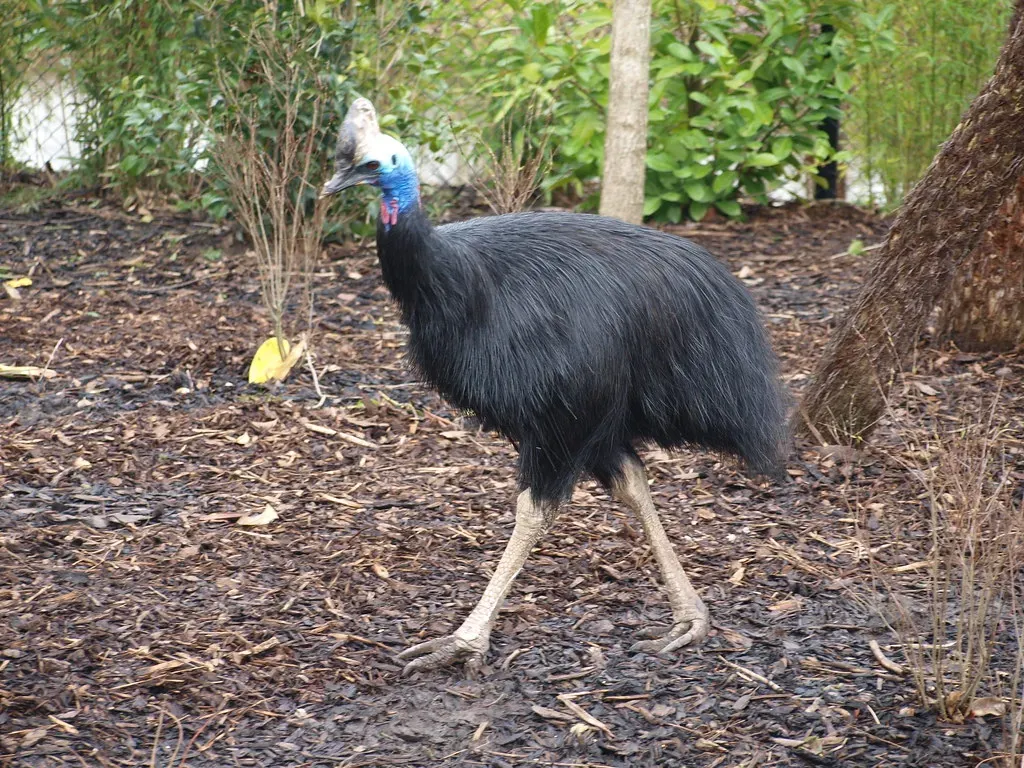
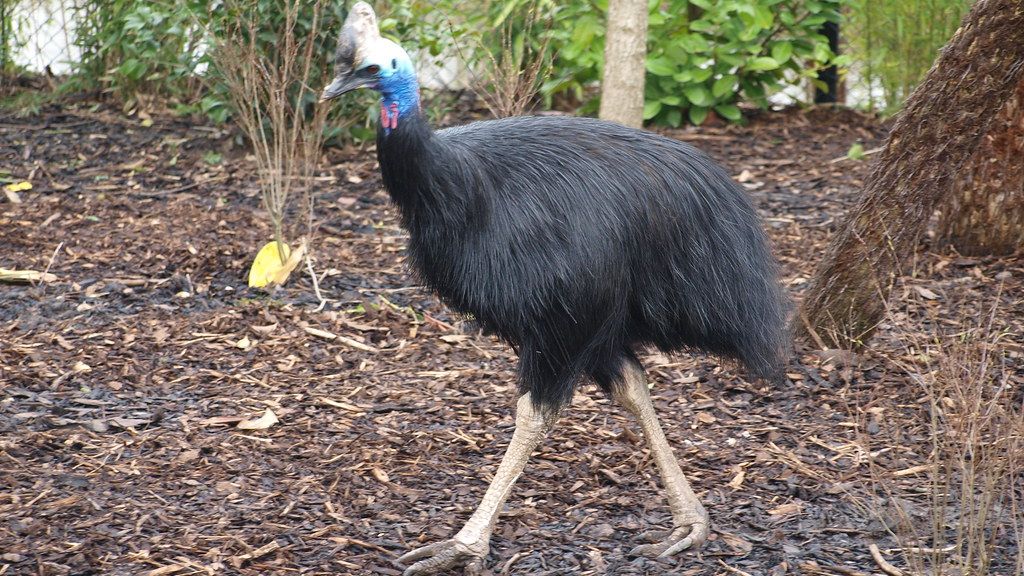
Here is the thought that I find most awe-inspiring of all. You don’t need a museum or a fossil to connect with the age of dinosaurs. You just need to look out your window. You can learn a great deal by looking at fossils, but there is something else we can do in our modern era to get a glimpse at what dinosaurs may have been like: go bird watching. Every bird you see is a breathing, living link to a world 150 million years old.
Among the most revolutionary insights emerging from 200 years of research on dinosaurs is that the clade Dinosauria is represented by approximately 11,000 living species of birds. That’s not a footnote in the history of life – it’s the headline. Today, the emergence of birds among dinosaurs stands as one of the best understood macroevolutionary transformations in the entire history of life, and new discoveries keep making the story richer, stranger, and more wonderful than anyone imagined.
Conclusion
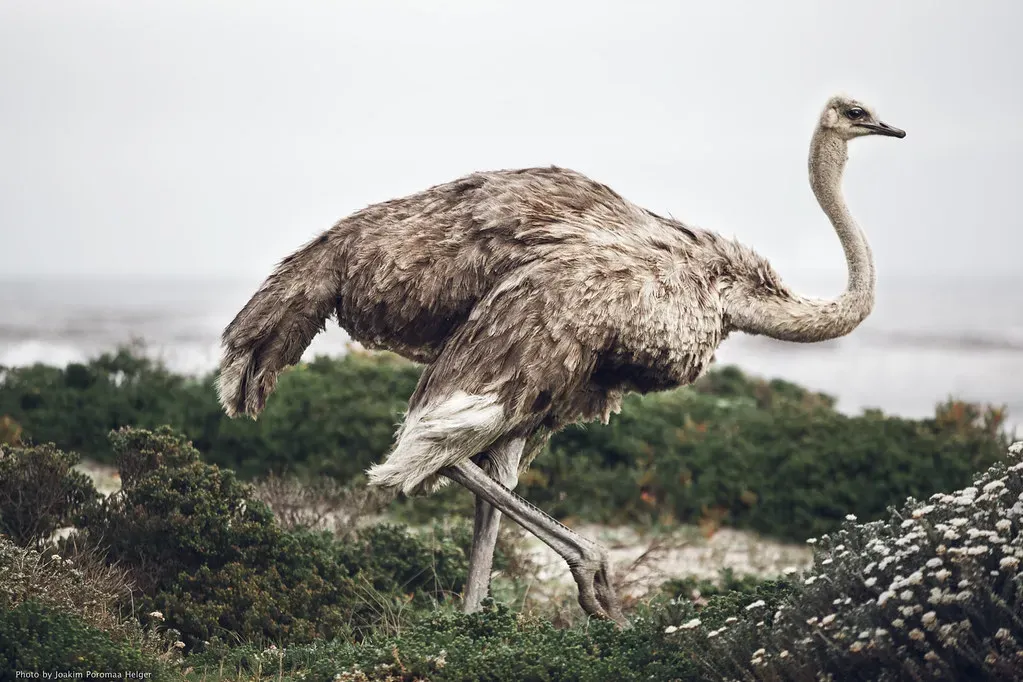
The next time a bird catches your eye – whether it’s a humble sparrow, a strutting peacock, or a hawk riding thermals high above the city – take a moment to really see it. You are looking at roughly 150 million years of unbroken evolutionary history. You are watching a survivor of the most catastrophic event this planet has ever endured. You are witnessing a dinosaur, in feather and flesh, living out its ancient inheritance in the modern world.
The connection between birds and their dinosaur ancestors is not a dusty scientific curiosity. It is one of the most profound stories nature has ever told. Science hasn’t just traced that story – it has proven it, bone by bone, feather by feather, and gene by gene. The birds outside your window are living fossils still actively writing that story today.
So here’s something to sit with: if the dinosaurs never truly went extinct – if they transformed, survived, and now fill the skies in roughly 11,000 glorious forms – what does that tell you about the resilience of life itself? What do you think about it? Drop your thoughts in the comments below.