From awe-inspiring museum skeletons to dramatic representations in films, dinosaurs capture our collective imagination with their immense proportions. Yet, unlike modern animals that can be measured and weighed directly, scientists face remarkable challenges when determining just how massive these prehistoric creatures truly were. Through sophisticated techniques ranging from bone measurements to computer modeling, paleontologists have developed increasingly accurate methods to estimate the size and weight of extinct dinosaur species. These estimates not only satisfy our curiosity about these magnificent creatures but also provide crucial insights into dinosaur biology, ecology, and evolution. This article explores the fascinating scientific methods used to determine dinosaur dimensions—an endeavor that combines detective work, advanced technology, and creative problem-solving.
The Importance of Size and Weight Estimates
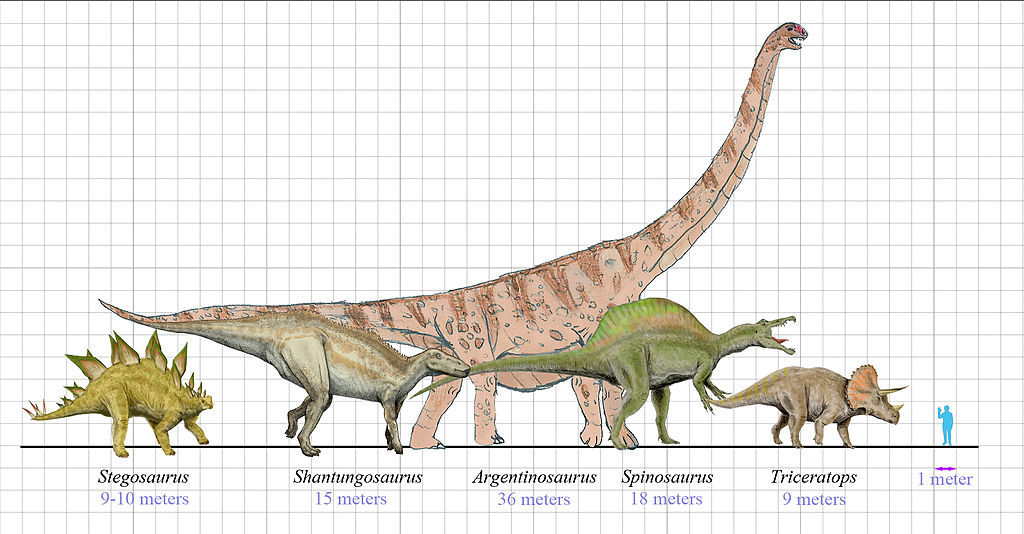
Understanding dinosaur dimensions goes far beyond simple curiosity. A dinosaur’s size and weight profoundly influenced virtually every aspect of its existence, from its metabolic requirements and thermoregulation to its locomotion capabilities and ecological niche. Accurate size estimates allow scientists to determine how much food dinosaurs needed to consume, how fast they could move, and what predator-prey relationships might have existed. Additionally, weight estimations help paleontologists understand biomechanical constraints that influenced dinosaur evolution and adaptation. Without reliable size and weight figures, our understanding of dinosaur paleobiology would remain severely limited, making these measurements fundamental to paleontological research rather than merely descriptive details.
Historical Approaches to Size Estimation
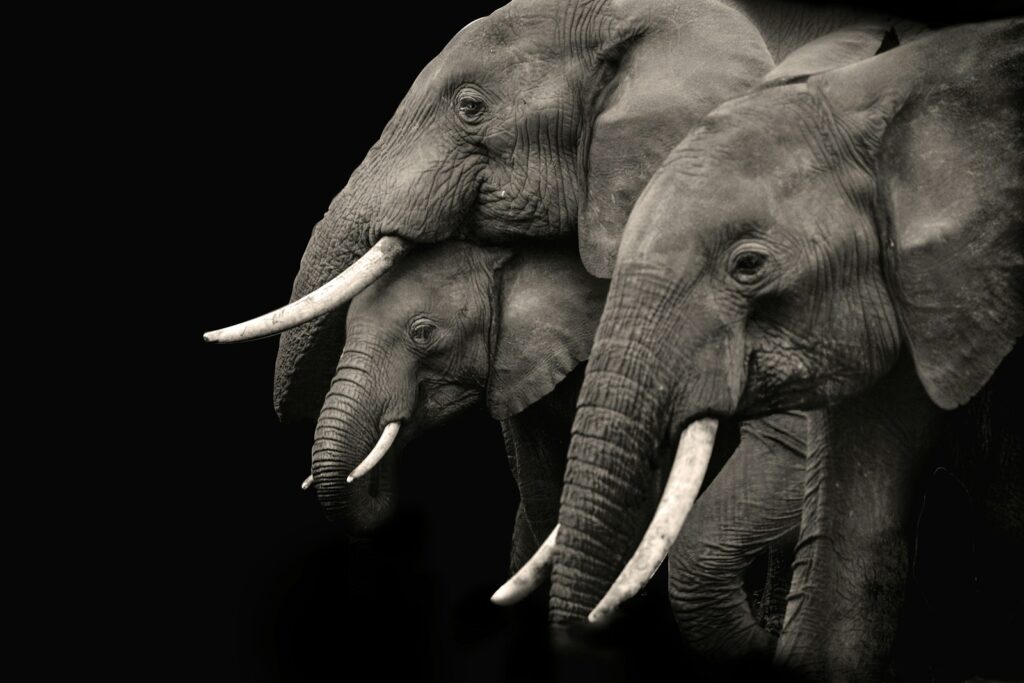
Early attempts to estimate dinosaur dimensions were relatively crude by modern standards. When dinosaur fossils were first scientifically described in the 19th century, paleontologists often based their size estimates on simple scaling from familiar living animals like elephants or rhinos. Some early researchers stretched tape measures along fossilized bones and made rough calculations based on comparative anatomy. These pioneering efforts, while impressive for their time, frequently resulted in exaggerated size estimates that persisted in popular culture. For example, early illustrations often depicted dinosaurs as much larger than modern science indicates. The evolution of size estimation techniques reflects broader changes in paleontological methods, gradually becoming more rigorous and quantitative as the field matured and new technologies became available.
Skeletal Measurements and Proportions
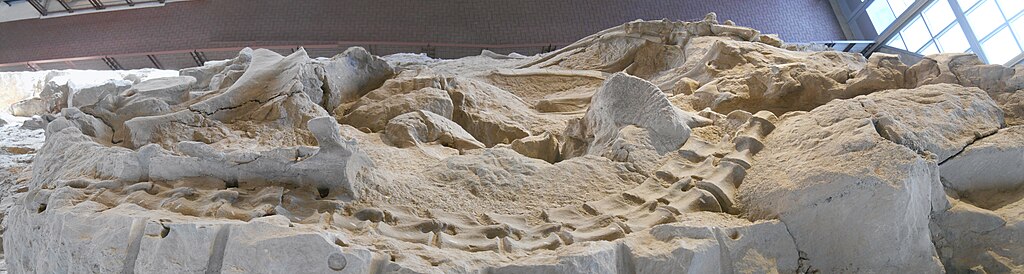
The foundation of dinosaur size estimation begins with the direct measurement of fossilized bones. Paleontologists carefully measure the length, circumference, and other dimensions of individual bones, particularly weight-bearing limb bones like femurs (thigh bones) and humeri (upper arm bones). These measurements provide crucial data points for subsequent calculations. Scientists then compare these measurements to those of modern animals with similar body plans to establish scaling relationships. For example, the circumference of limb bones can indicate how much weight they could support, following engineering principles. Additionally, researchers study the proportional relationships between different skeletal elements to reconstruct total body length when only partial skeletons are available—a common challenge given the fragmentary nature of the fossil record.
Volumetric Methods: Bringing Dinosaurs to Life

Among the most visually intuitive approaches to dinosaur weight estimation is the volumetric method, which attempts to calculate the total volume a living dinosaur would have occupied. This process begins with creating a scale model of the dinosaur based on skeletal measurements and knowledge of muscle attachments. Water displacement techniques can then be used with these models to determine volume—essentially applying Archimedes’ principle to paleontology. Once volume is established, scientists apply density estimates (typically between 0.8 and 1.0 g/cm³, accounting for air spaces in the body) to calculate mass. This method gained prominence in the mid-20th century and represented a significant advancement over earlier approaches, though it still contained considerable uncertainty regarding soft tissue distribution and body cavity sizes.
Digital Modeling and 3D Reconstruction
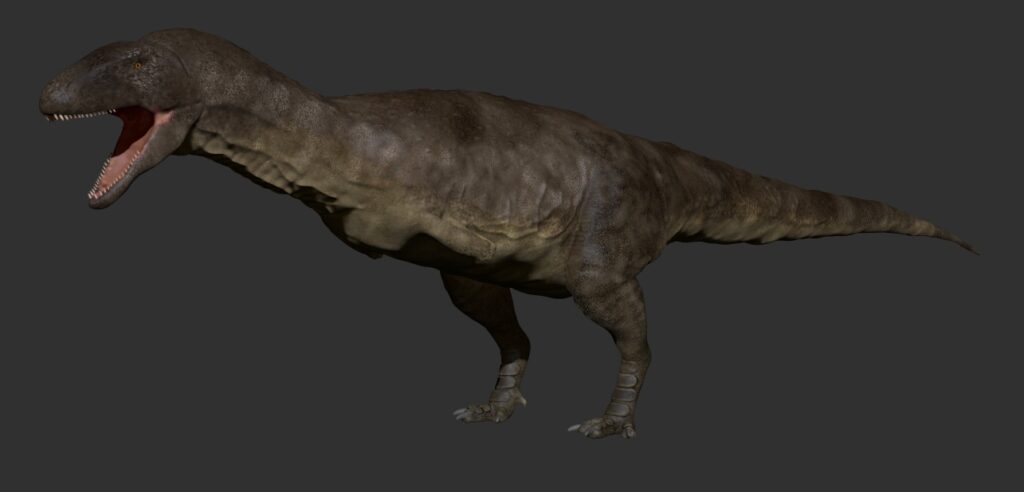
Modern technology has revolutionized dinosaur size estimation through sophisticated digital modeling techniques. Using laser scanning and photogrammetry, scientists can create highly accurate 3D digital models of fossil specimens. These digital bones can then be articulated into complete skeletal reconstructions, even when working with incomplete specimens. Advanced software allows researchers to add virtual muscles, organs, and other soft tissues based on evidence from muscle attachment points and comparisons with living relatives like birds and crocodilians. The resulting full-body reconstructions provide precise volume calculations that would be impossible with physical models alone. This digital approach also enables scientists to efficiently test multiple body composition scenarios, generating confidence intervals for weight estimates rather than single values.
Mathematical Scaling Relationships
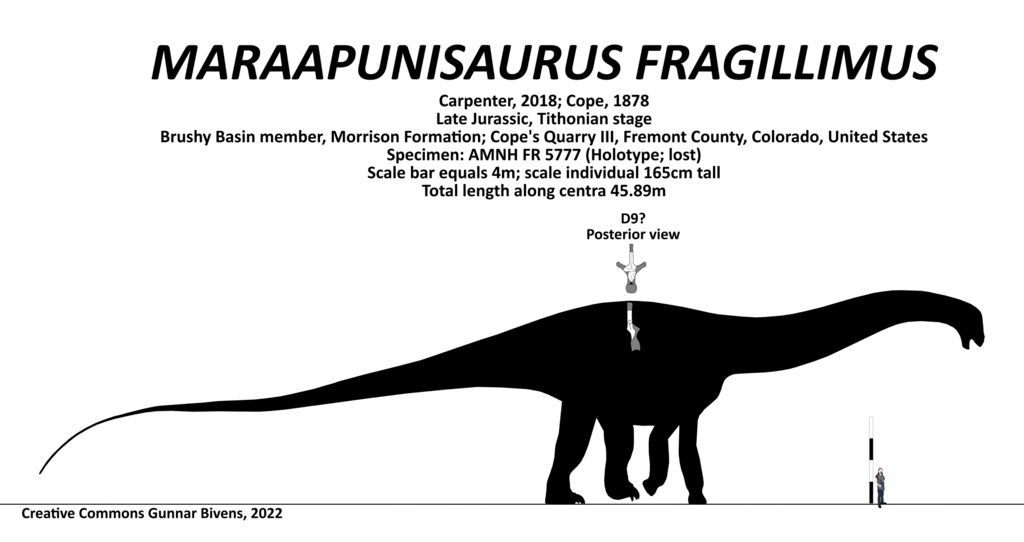
Mathematical relationships between bone dimensions and body mass offer another powerful approach to dinosaur weight estimation. Allometric scaling equations, which describe how anatomical measurements change with body size, have been developed based on extensive data from modern animals. For example, studies have established precise relationships between femur circumference and body mass across diverse vertebrate groups. Researchers can apply these equations to dinosaur fossils to generate weight estimates with statistical confidence intervals. While this method assumes similar scaling relationships between extinct and living animals, it benefits from extensive validation with modern species. The mathematical approach is particularly valuable when fossils are incomplete or when conducting comparative studies across multiple species to identify evolutionary trends in body size.
Footprint Analysis and Trackways
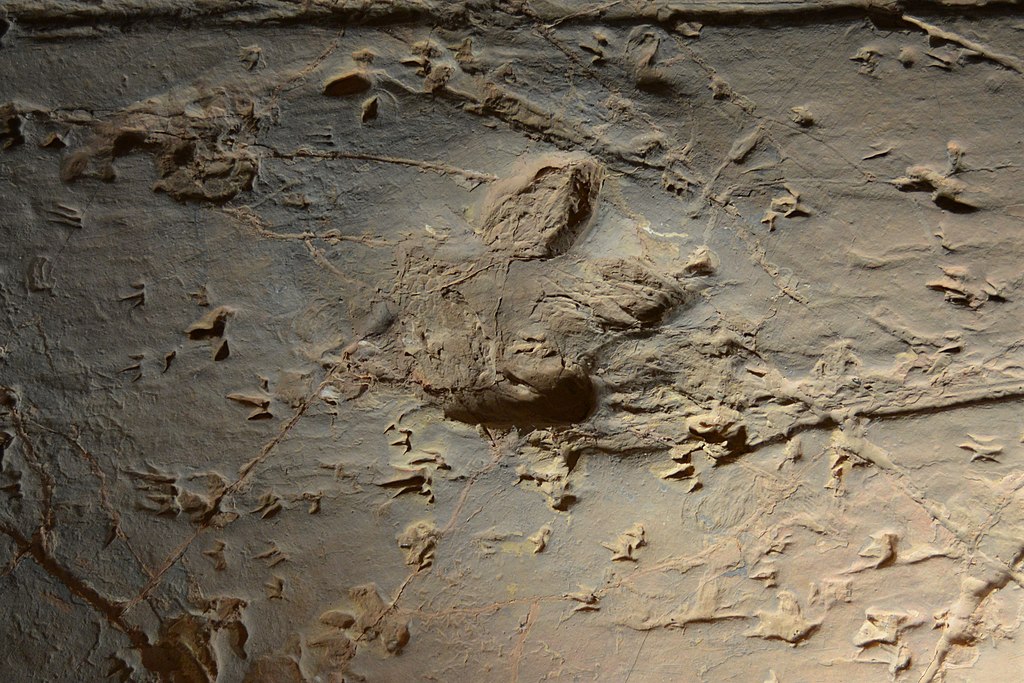
Dinosaur footprints and trackways provide independent evidence for size and weight estimation that complements skeletal studies. The depth and characteristics of footprint impressions correlate with the weight and dynamics of the animal that created them. By studying how modern animals’ weights affect their footprints in different substrates, scientists can back-calculate approximate weights for dinosaurs from their preserved tracks. Furthermore, stride length measured from trackways helps determine leg length and walking or running speed. This approach proves especially valuable when skeletal remains are scarce or absent for particular species. Trackway analysis also offers insights into dinosaur behavior and movement patterns that static skeletal remains cannot provide, making it an important complementary technique in dinosaur paleobiology.
Histological Clues from Bone Microstructure

The microscopic structure of fossilized dinosaur bones contains valuable information about growth patterns and size. By examining thin sections of bones under microscopes, paleontologists can identify growth rings similar to those in trees, revealing how quickly individuals grew and when they reached skeletal maturity. These growth trajectories help scientists determine whether a particular specimen was fully grown or still developing when it died. Bone histology also reveals details about bone density and composition that influence weight calculations. For example, many large dinosaurs evolved hollow or pneumatic bones (containing air sacs), significantly reducing their weight compared to solid-boned animals of similar dimensions. This microscopic evidence helps refine mass estimates that might otherwise be overestimated based solely on external bone measurements.
Comparative Anatomy with Living Relatives
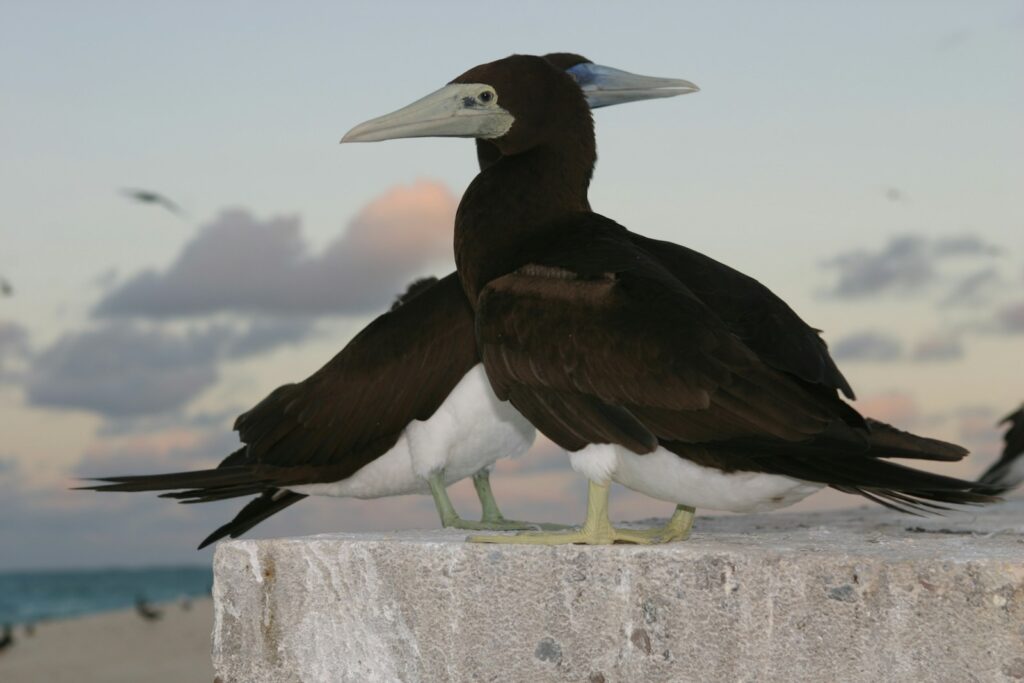
Birds and crocodilians, as the closest living relatives of dinosaurs, provide crucial reference points for size and weight estimation. By studying the relationship between skeletal dimensions and body mass in these modern relatives, scientists can create more accurate models for extinct dinosaur species. This comparative approach is particularly valuable for understanding soft tissue distribution, which leaves little direct evidence in the fossil record. For instance, studies of bird anatomy have revealed that dinosaurs likely had extensive air sac systems throughout their bodies, significantly affecting their overall density and mass. Crocodilians offer insights into bone-to-body mass ratios for more basal archosaurs. This phylogenetic bracketing approach—using dinosaurs’ closest living relatives on either side of their evolutionary branch—provides a well-established framework for reconstructing aspects of dinosaur biology not directly preserved in fossils.
Biomechanical Constraints and Modeling
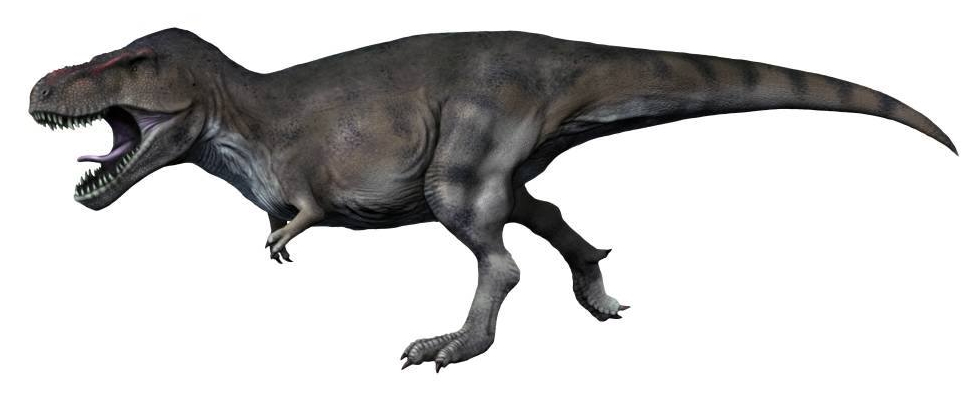
The laws of physics impose strict limitations on how large and heavy an animal can be while maintaining functional mobility. Biomechanical modeling examines these constraints to validate dinosaur size estimates and eliminate physically impossible reconstructions. Engineers and paleontologists collaborate to calculate stress and strain on bones, muscle force requirements, and metabolic costs of movement at different sizes. For example, studies have determined maximum possible running speeds for large theropods like Tyrannosaurus rex based on muscle attachment sites and leg bone strength. If weight estimates would require impossibly strong muscles or bones to support an animal’s locomotion, researchers must reconsider their calculations. This biomechanical approach serves as an important reality check on size estimates derived from other methods, helping scientists narrow down plausible weight ranges.
Accounting for Uncertainty and Variation

Modern paleontological research explicitly acknowledges the inherent uncertainty in dinosaur size estimates. Rather than presenting single figures, scientists now typically provide ranges or confidence intervals that reflect the limitations of available evidence. This approach recognizes that individual variation existed within dinosaur species, just as it does in modern animals. Sexual dimorphism (size differences between males and females), ontogenetic changes (growth-related variations), and normal population-level variation all contributed to size diversity within species. Additionally, preservational factors like fossil compression or incomplete specimens introduce further uncertainty into measurements. The most rigorous studies combine multiple estimation methods and clearly state assumptions and potential sources of error. This transparent approach represents a significant evolution from earlier, more definitive but less scientifically justified claims about dinosaur dimensions.
Recent Advances and Future Directions

Cutting-edge technologies continue to refine dinosaur size estimation techniques. Machine learning algorithms now help identify patterns in bone dimensions that humans might miss, potentially leading to more accurate scaling relationships. Advanced CT scanning allows paleontologists to examine internal bone structures non-destructively, revealing previously inaccessible weight-bearing capacity and growth details. Finite element analysis, a computer modeling technique from engineering, simulates physical forces on digital dinosaur skeletons to test their structural capabilities under different weight scenarios. Looking to the future, increasing computational power will likely enable even more sophisticated simulations incorporating multiple physiological systems simultaneously. Integration of diverse data sources—from traditional bone measurements to molecular evidence about metabolism—promises increasingly comprehensive and accurate estimates of how these remarkable animals truly looked and functioned in their ancient ecosystems.
Extraordinary Dimensions: Record-Breaking Dinosaurs
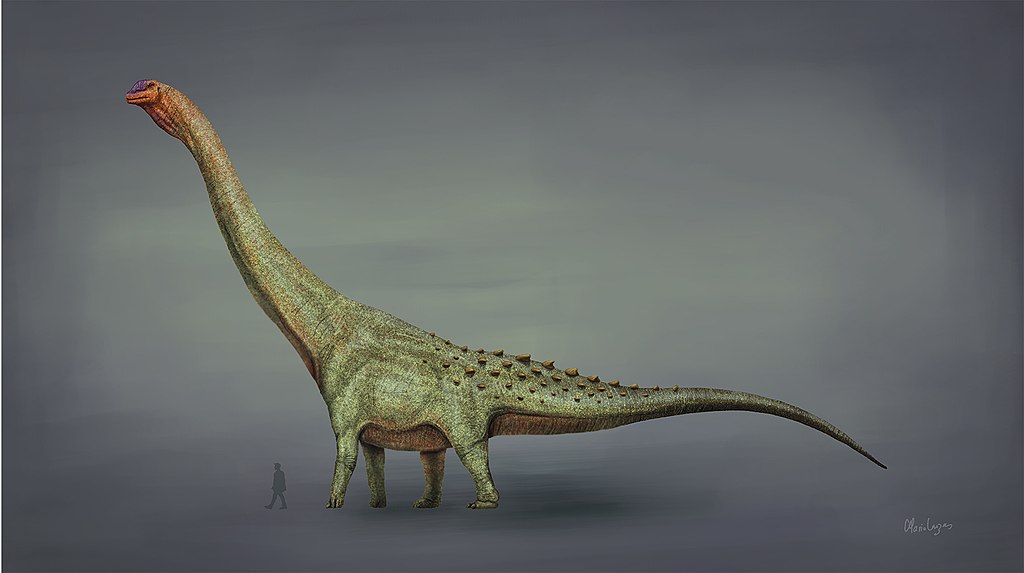
The application of modern estimation techniques has revealed truly staggering dimensions for certain dinosaur species. The current title-holder for the longest dinosaur belongs to titanosaurs like Patagotitan or Argentinosaurus, estimated to reach lengths of 30-40 meters (100-130 feet) and weights possibly exceeding 70 metric tons—heavier than a modern space shuttle. The tallest dinosaurs, brachiosaurids like Giraffatitan, could reach heights of over 13 meters (43 feet), allowing them to browse vegetation inaccessible to other herbivores. At the opposite extreme, the smallest known dinosaurs include bird-like theropods such as Microraptor and primitive birds like Archaeopteryx, weighing less than a kilogram. This extraordinary size range—spanning from chicken-sized to larger than blue whales—represents one of the most remarkable aspects of dinosaur evolution and highlights the importance of accurate size estimation in understanding these animals’ biology and ecological roles.
Conclusion: The Evolving Science of Dinosaur Dimensions

The quest to determine dinosaur size and weight exemplifies the progressive nature of paleontological science. What began as educated guesswork has evolved into a sophisticated multidisciplinary endeavor combining anatomy, physics, engineering, and computer science. Modern estimates, while still containing uncertainties, rest on much firmer scientific ground than earlier figures, offering deeper insights into dinosaur biology and evolution. As techniques continue to advance, our understanding of these magnificent animals grows increasingly nuanced and comprehensive. The changing estimates throughout paleontological history remind us that science is an iterative process, constantly refining its methods and conclusions. Far from diminishing dinosaurs’ wonder, these more accurate reconstructions enhance our appreciation for these extraordinary creatures and the remarkable scientific detective work that brings them back to life in our understanding.