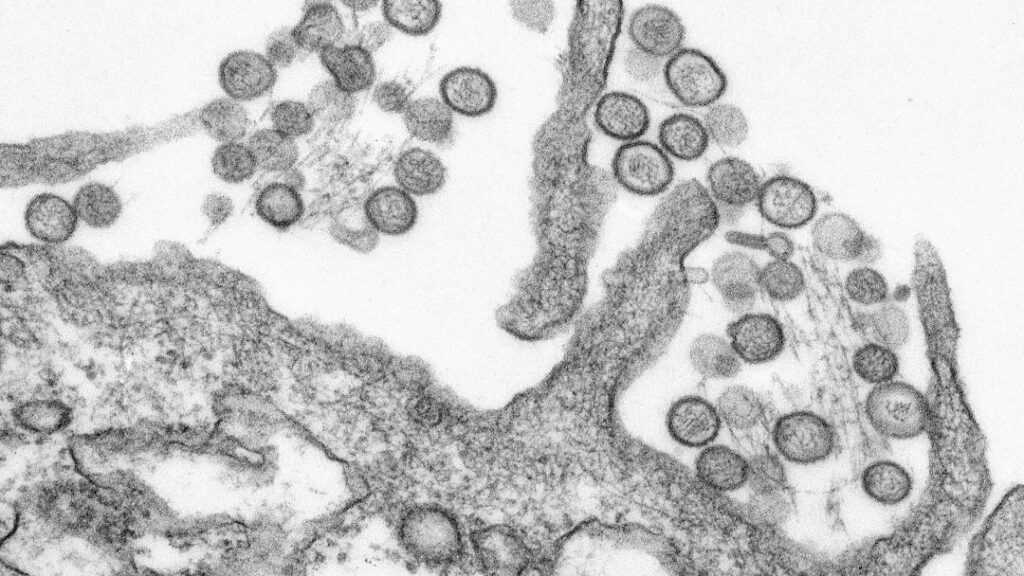
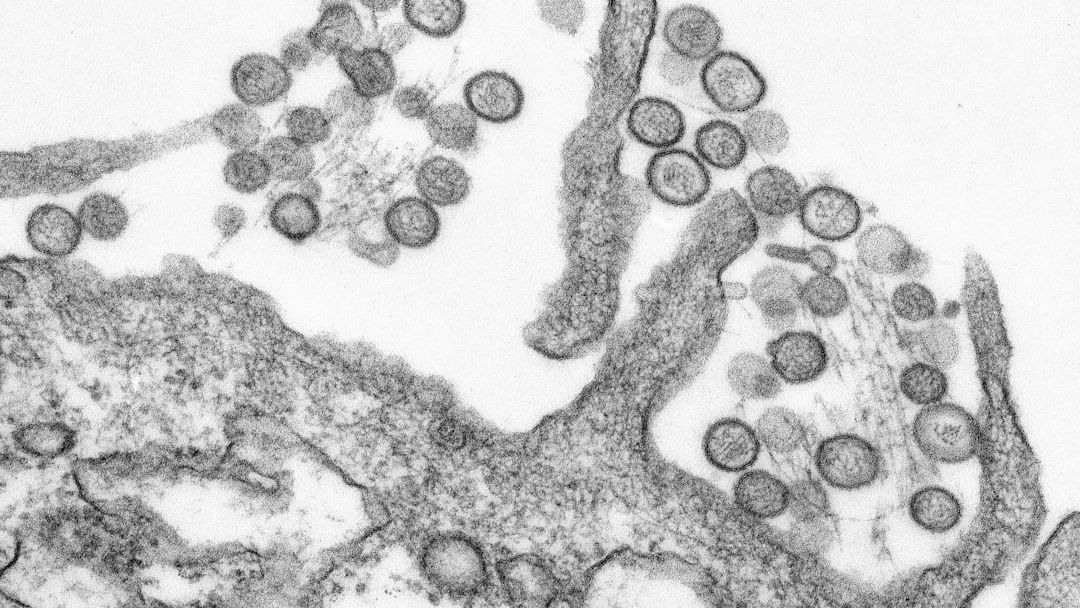
Active and passive membrane exchange reshape how cell surface clusters grow, study finds – Image for illustrative purposes only (Image credits: Unsplash)
Cells depend on the precise positioning of molecules along their outer surfaces to detect external signals and maintain essential functions. When these molecules gather into dense groups known as condensates, the resulting clusters help coordinate responses that keep the cell alive and responsive. A recent investigation by physicists at the Max Planck Institute for Dynamics and Self-Organization examined whether the ongoing movement of material between the cell interior and its membrane changes the way those clusters form, expand, or disappear.
Why Surface Clusters Matter in Everyday Cell Life
Molecules embedded in the membrane act as sensors and gatekeepers. Their ability to cluster together creates localized hotspots that amplify weak signals or organize repair processes. Without this grouping, many cellular tasks would slow or fail, affecting everything from immune recognition to tissue repair. The new work focuses on how constant material traffic across the membrane boundary might tip the balance between cluster growth and dispersal.
Active and Passive Routes of Material Movement
Material can cross the membrane in two broad ways. Passive movement occurs through simple diffusion or leakage driven by concentration differences, requiring no extra energy. Active movement, by contrast, relies on cellular machinery that pumps or transports specific components against their natural gradients. The MPI-DS team explored both routes to determine whether either one, or their combination, alters the final size and abundance of surface condensates.
What Changes When Exchange Is Taken into Account
Accounting for this traffic reveals that clusters do not grow in isolation. Material arriving from inside the cell can feed existing groups or seed new ones, while material leaving can shrink or dissolve them. The study indicates that the balance between these flows helps set both the typical diameter of a cluster and the total number that appear at any moment. Because the exchanges operate continuously, they introduce a dynamic element that static models of membrane organization often overlook.
Remaining Questions and Next Steps
The findings open several avenues for further work. It remains unclear how strongly the observed effects depend on the specific molecules involved or on the overall metabolic state of the cell. Researchers also want to test whether similar exchange rules apply across different cell types or under stress conditions such as infection or nutrient shortage. A short list of priorities now includes: – Measuring exchange rates in living cells with improved imaging tools
– Comparing cluster statistics when active transport is selectively blocked
– Modeling the combined influence of passive leakage and energy-driven flows These steps should clarify how much the internal exchanges truly govern surface organization. The work underscores that cell membranes are not fixed barriers but active interfaces where internal and external traffic continuously reshape molecular patterns. Understanding these patterns more fully could eventually inform efforts to influence cell behavior in health and disease, though many mechanistic details still need to be pinned down.