If you could step out of a time machine 200 million years ago, the first thought probably wouldn’t be that you were “on Earth.” It would be more like stumbling onto a bizarre alien world where dragonfly-sized insects buzzed around, forests were made of giant horsetails and tree ferns, and the air itself felt thicker, heavier, and wrong in your lungs. The animals would not just look strange; the entire logic of the ecosystem – who eats whom, what grows where, how seasons feel – would be upside down compared with anything you know.
We tend to picture the past as a rough draft of today: some dinosaurs instead of mammals, a few weird plants, same basic planet. But the deeper scientists dig into rocks and fossils, the clearer it gets that many prehistoric worlds were as different from our modern Earth as Mars is from a coral reef. I still remember the first time I saw a fossil of a dragonfly relative with wings wider than my forearm; it felt less like natural history and more like a rejected sci‑fi movie prop. Let’s walk through just how wildly different those ancient ecosystems really were – and why visiting them would feel like stepping onto another planet entirely.
Skies You Could Almost Taste: Atmospheres That Reshaped Life
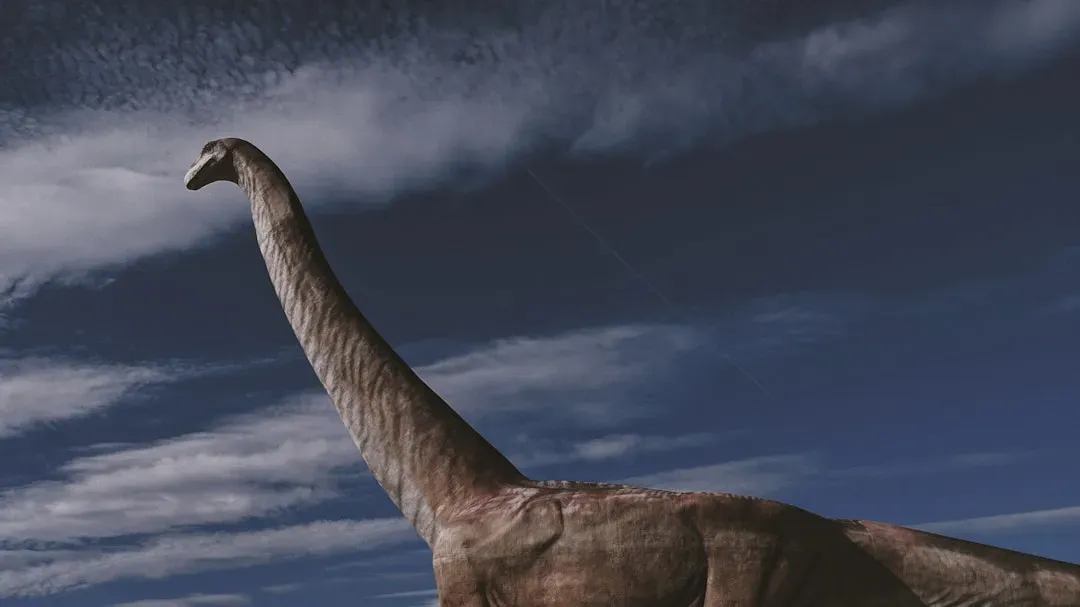
One of the most alien parts of many prehistoric worlds would hit you before you even noticed a single dinosaur: the air itself. For long stretches of Earth’s history, oxygen and carbon dioxide levels were not just a little different – they were dramatically out of balance compared with today’s familiar mix. During the late Paleozoic, for example, oxygen levels climbed to values far above what modern humans are adapted to, while in other eras carbon dioxide soared, turning the planet into a hothouse where ice was almost impossible to sustain.
That strange air chemistry changed everything from body size to fire. In high‑oxygen periods, giant insects thrived because their simple breathing systems could finally support big bodies, so you’d see enormous dragonfly relatives cruising the skies and millipede-like creatures stretching over two meters long skittering along the forest floor. At the same time, those oxygen-rich atmospheres made the world frighteningly flammable, so lightning strikes could ignite massive wildfires that regularly reshaped entire landscapes. Walking through those forests would feel risky in a way modern hikers never experience, like wandering through a planet that was permanently just one spark away from going up in flames.
Supercontinents, Superstorms, and Seasons With No Modern Match
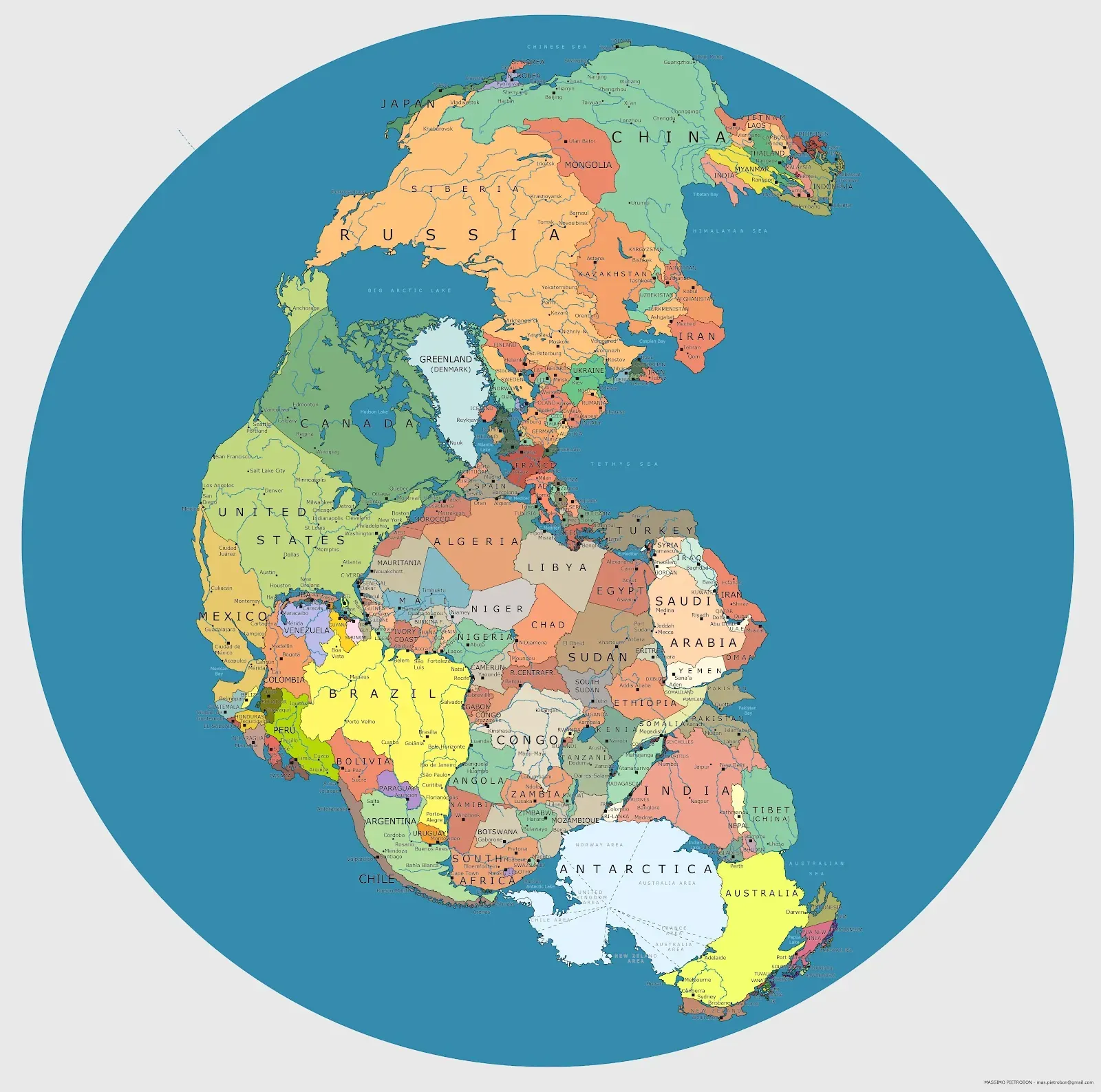
Today we take continents for granted: the map feels fixed, even if we know in theory that plates move. But in much of prehistory, the land was gathered into supercontinents like Pangea, an enormous connected mass that wrapped around the globe. That land arrangement created brutal climate contrasts – scorching, parched interiors far from any moderating ocean, and storm-battered coasts where seasonal monsoons could drench the land in overwhelming pulses of rain. It was not just hotter or colder; the climate had a completely different personality.
If you stood in the middle of Pangea, you might experience a climate closer to a Martian desert than any modern countryside, with huge temperature swings between day and night and long, punishing dry seasons. Closer to the coasts, though, the environment could flip into swampy, flood-prone lowlands where plants and animals had to be ready for boom‑and‑bust cycles of water. This kind of continental setup also changed wind patterns and ocean currents on a global scale, fueling strange storm systems and long-term climate rhythms that do not really exist today. The overall effect would be disorienting: the same planet, but weather and seasons playing by a totally different rulebook.
Forests of Giants: Alien-Looking Plants and Strange “Green” Worlds
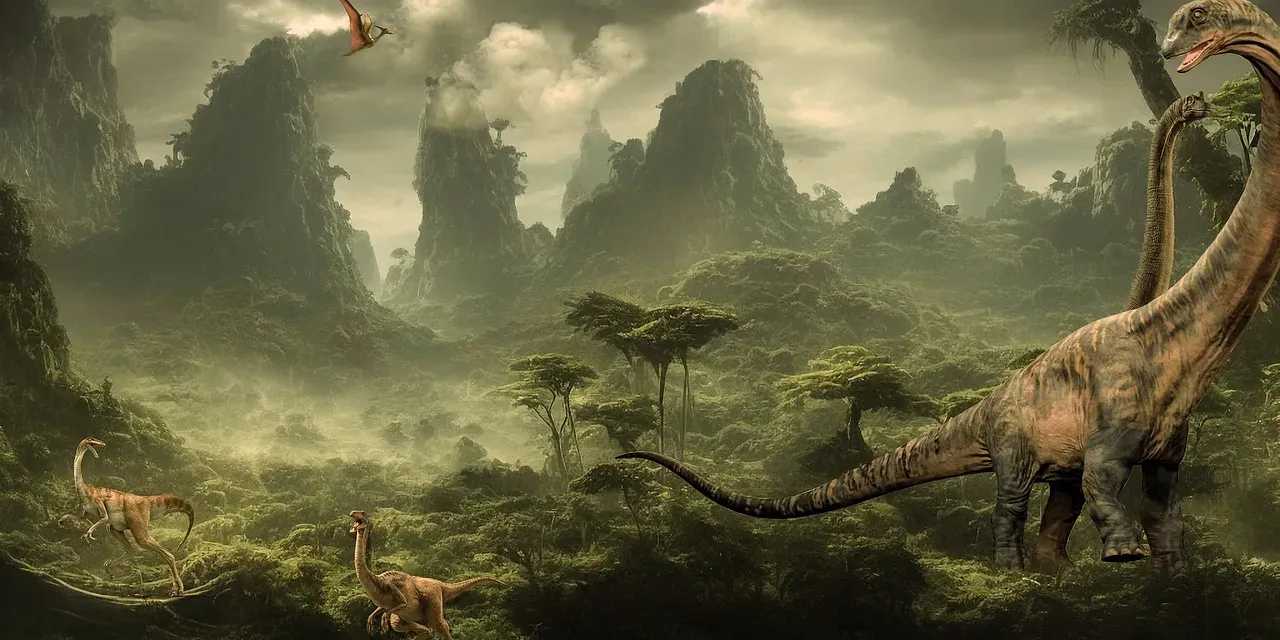
Walk into a prehistoric forest and the first thing you’d notice is what is missing: the familiar flowers, buzzing bees, grasses underfoot, and leafy trees that dominate our world now. For most of Earth’s history, flowering plants did not exist, and even grasses are relatively new in the grand timeline of life. Instead, ancient landscapes were ruled by towering clubmosses, seed ferns, tree ferns, horsetails, and conifer-like trees that often grew in dense, shadowy stands, more like nature’s version of a cathedral than a modern forest.
These plant communities built ecosystems that behaved very differently from today’s. Many of those early trees had shallow root systems and odd growth forms, making forests prone to toppling in storms and leaving behind wet, stagnant swamps that eventually turned into coal deposits. Without deep-rooted grasses to stabilize soils, river systems could meander wildly, re-routing across floodplains and constantly burying or exposing habitats. To a modern visitor, these places would feel lush but eerily wrong – no flowers to smell, no familiar lawns, just towering, spindly giants and fern carpets stretching as far as you could see.
Food Webs Built Around Dinosaurs, Not Mammals
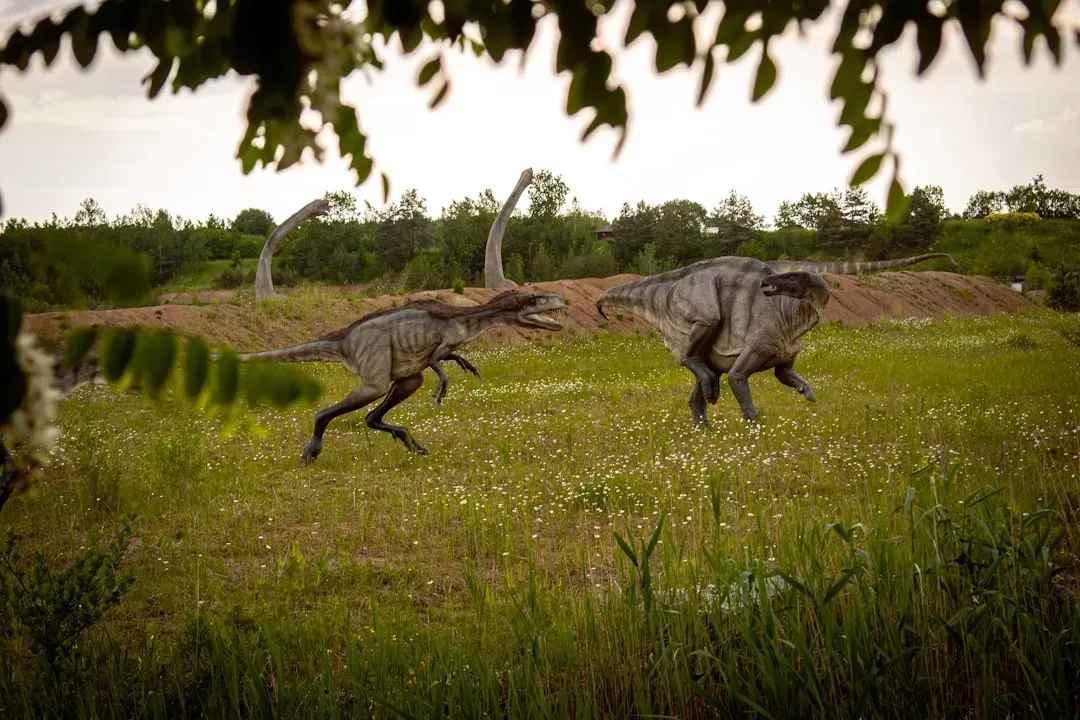
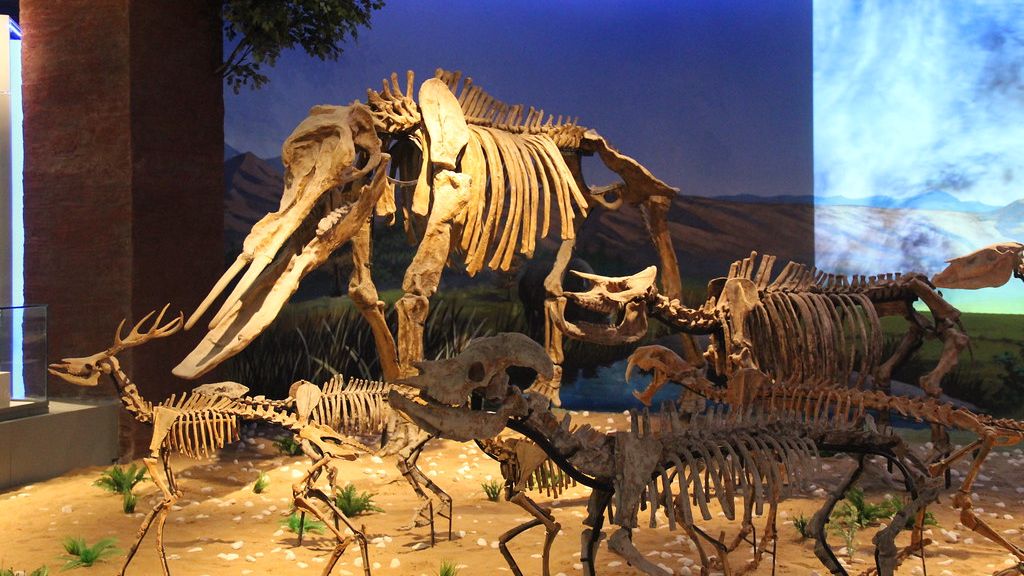
Our modern world is quietly organized around mammals: everything from lions and wolves to mice and whales defines the top and middle of most food webs. Prehistoric ecosystems flipped that script. For tens of millions of years, large dinosaurs and other reptilian lineages dominated the roles we now associate with big mammals, shaping everything from vegetation patterns to scavenger communities. A grazing herd of sauropods or hadrosaurs could change a landscape in ways that no modern herd of bison or elephants could truly match.
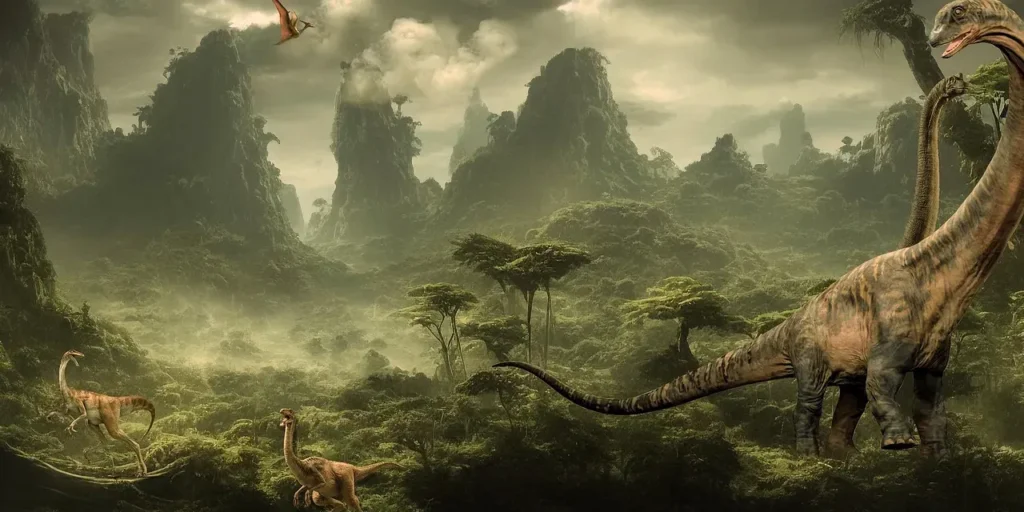
Predators were equally alien. Instead of big cats or packs of canids, apex hunters were massive theropod dinosaurs and, in earlier times, strange saber‑toothed relatives and crocodile-like reptiles roaming on land. Even the small and mid‑sized niches looked different, with early mammals and other groups living mostly in the shadows as insect-eaters, burrowers, and opportunists. If you watched the daily drama of life in a Jurassic or Cretaceous valley, the rhythms – hunt, graze, hide, scavenge – would feel familiar, but the cast and their strategies would be so different that it would be like watching a nature documentary filmed on an exoplanet.
Oceans That Teemed With Monsters and Microbial Oddities
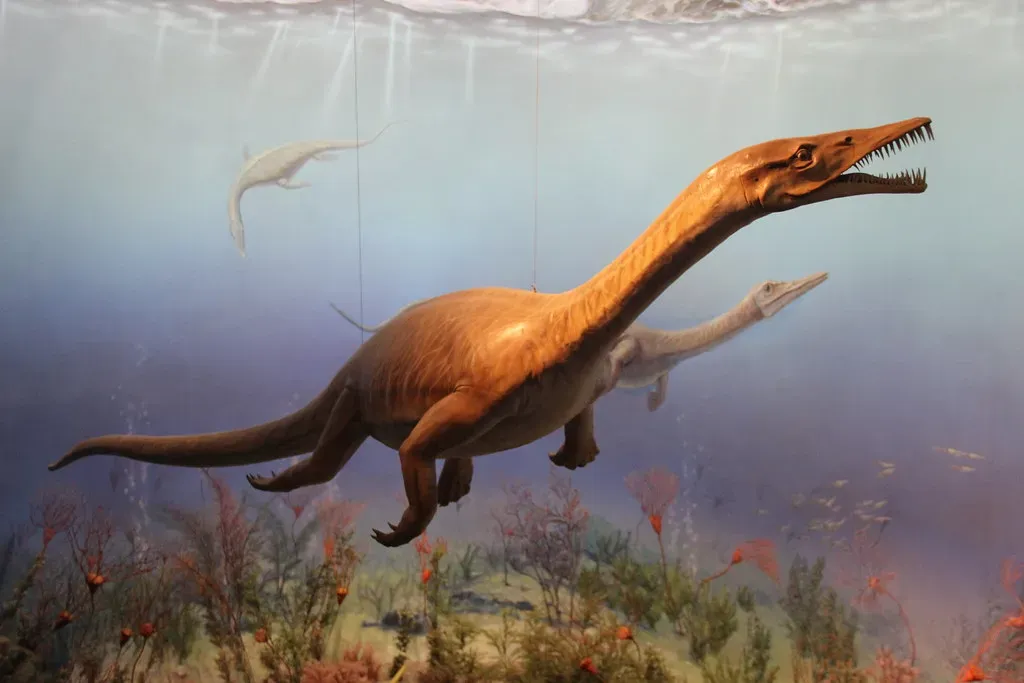
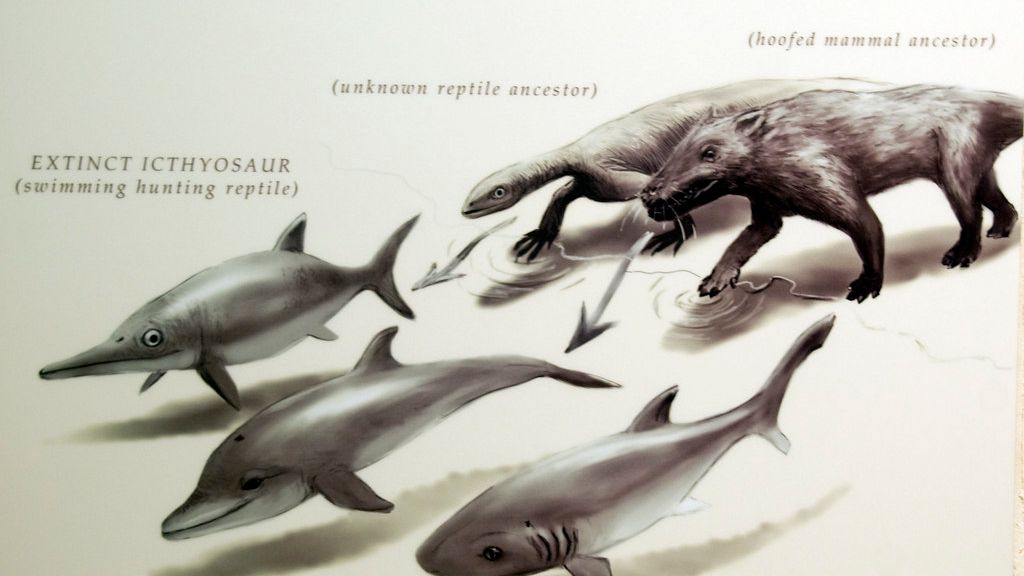
Step into a boat in the shallow seas of many prehistoric periods – if you were brave enough – and you’d be looking down into a water column absolutely packed with strange life. Long before whales, seals, and modern sharks took over, ancient oceans were ruled by very different players: giant armored fish, ammonites with spiral shells, marine reptiles like ichthyosaurs and plesiosaurs, and bizarre filter-feeding or predatory invertebrates. Coral reefs themselves were often built by very different organisms or, in some intervals, barely existed at all, replaced by other kinds of seafloor communities.
Even the invisible world would be alien. Different plankton groups dominated at different times, changing how carbon moved through the oceans and how clear or productive the water was. There were intervals when oxygen-poor “dead zones” spread across huge swaths of seafloor, creating ecosystems stacked like weird layer cakes: oxygen-rich near the surface, toxic or nearly lifeless in deeper water. To a modern diver, these seas would not just feel like a more dangerous version of the Caribbean; in many cases they would be chemically and biologically closer to what we might expect under the ice shell of a distant moon than to our present-day coasts.
Mass Extinctions: Planetwide Resets That Rewrote the Rules
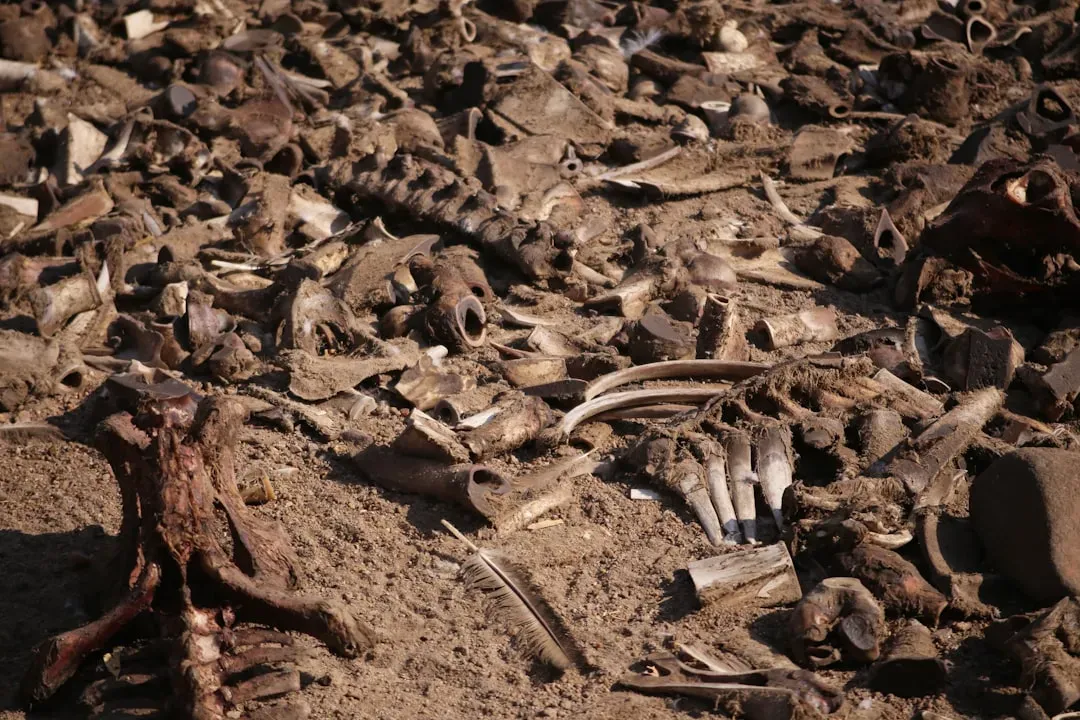
If there is one feature that really makes prehistoric ecosystems feel like another planet, it is how often everything was wiped clean and restarted. Earth’s history is punctuated by several mass extinctions – sudden, catastrophic losses of life driven by volcanic outbursts, climate swings, asteroid impacts, and combinations of these that pushed ecosystems past their breaking points. Each time, the planet did not simply bounce back to “normal.” Instead, the survivors built entirely new worlds with new rules, new dominant players, and new ways energy flowed through food webs.
After the worst of these, like the end‑Permian extinction, the recovery forests, seas, and grasslands looked nothing like what came before. Familiar groups vanished forever and were replaced by evolutionary experiments that would have been unthinkable in the previous era. That cycle of destruction and reinvention means our modern ecosystems are just the latest in a long series of alien Earths layered on top of each other. When you realize that, it becomes hard not to see today’s world as fragile and temporary, another strange planetary phase that future observers might look back on with the same astonished curiosity we feel about dinosaur-haunted swamps and dragonfly-filled coal forests.
Conclusion: Our World Is the Alien One – For Now
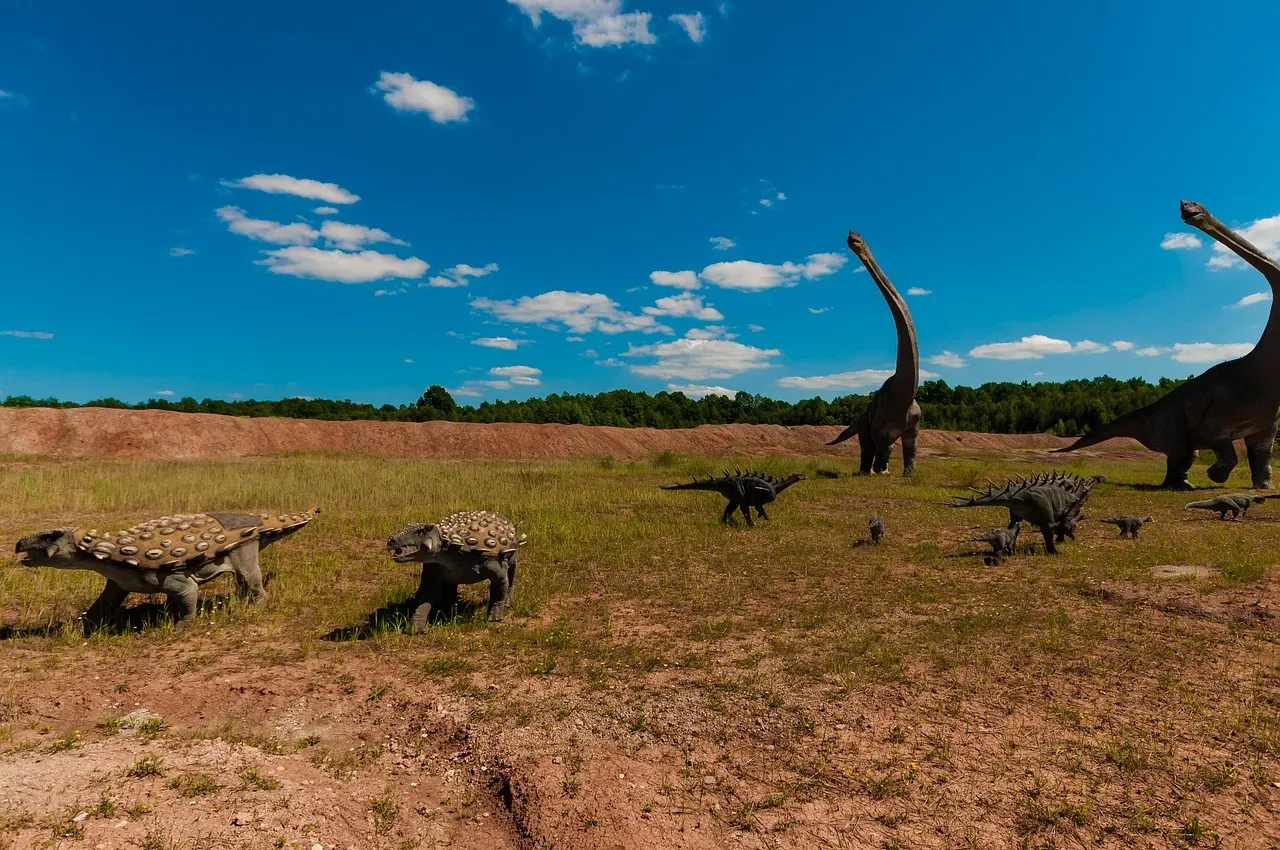
When you add it all up – the thick, combustible air, the supercontinent climates, the towering fern forests, the dinosaur-centered food webs, the monster-filled oceans, and the repeated apocalypse-level resets – it is hard to argue that prehistoric ecosystems were just earlier versions of home. They were entire planet states with their own rules, their own physics of life, their own sense of “normal,” and in many ways they would have felt more foreign to us than the most imaginative science fiction setting. To me, the wildest part is not that those worlds are gone; it is that they were ever possible in the first place on the same rock we casually call Earth.
Here is the uncomfortable opinion I keep coming back to: our modern world is not the peak or the purpose of Earth’s story; it is just one more weird chapter, as contingent and temporary as all the others. From the perspective of a future geologist, our age of mammals, cities, and climate disruption may look like a brief, dramatic experiment squeezed between far stranger planetary moods. Realizing how wildly different prehistoric ecosystems were should not just fascinate us – it should humble us. Knowing what you know now, does our present world still feel like the default version of Earth, or does it suddenly seem a bit more like the alien phase in someone else’s history book?