
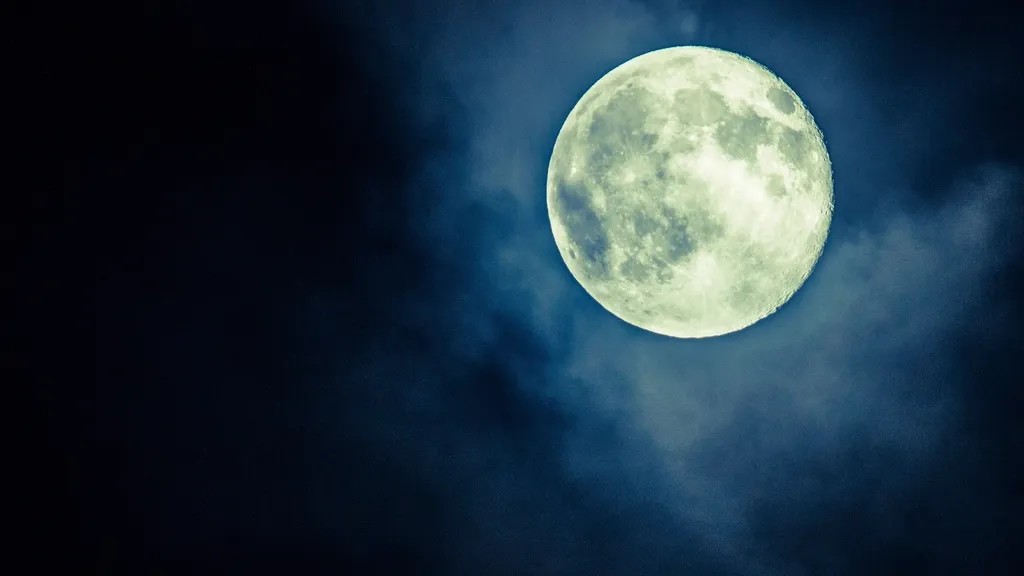
If you step outside on a clear night and really look at the Moon, it can feel strangely personal, as if it has always been watching you. In a way, it has. From the first tiny primates clinging to branches to you reading this now, the Moon has been a constant presence, quietly reshaping tides, nights, and even the rhythm of life on Earth. You do not usually connect that soft glow overhead with your own story, but some scientists argue that you probably should.
When you start following that idea, the Moon stops being just a pretty backdrop and turns into a potential evolutionary co‑author. Its gravity has tugged on oceans, its light has guided eyes and behavior, and its cycles have been woven into biology and culture. The evidence is not always clear-cut and the science is still unfolding, but if you trace the long arc of human evolution, you begin to see places where the Moon might have nudged things in surprising ways.
The Moon’s Violent Birth And Why It Matters To You
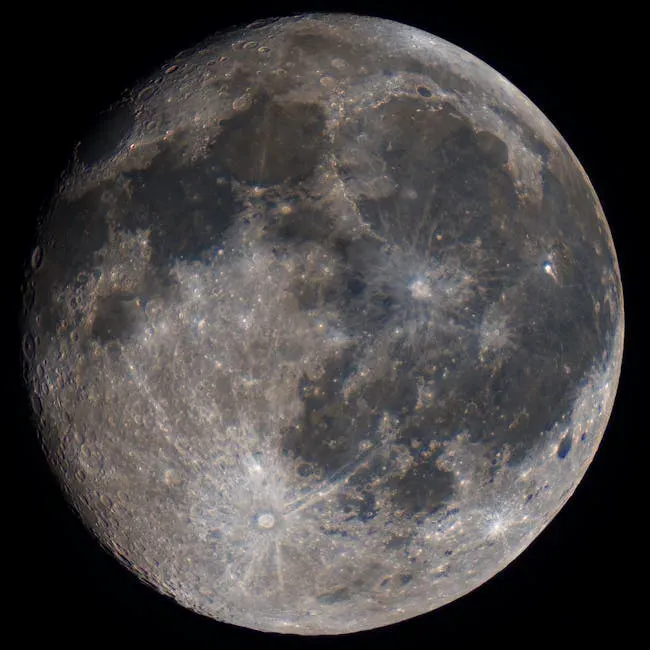
Long before humans appeared, the Moon’s story may have already set the stage for your existence. The leading idea is that the Moon formed when a Mars‑sized body slammed into the early Earth, scattering molten rock into orbit that later clumped together. You never saw this chaos, but you live with its consequences every day in the form of Earth’s tilted axis, stable climate, and long, relatively gentle evolutionary runway.
That enormous impact likely changed how fast Earth spun, how it tilted, and how its interior evolved. A more stable tilt helps keep seasons within a livable range over incredibly long periods, instead of swinging wildly. When you think about primates slowly adapting in African forests and savannas, or early humans spreading across the globe, they all depended on a planet that was not lurching from one climatic extreme to another quite as violently as it might have without the Moon.
Tides, Coastlines, And The First Steps Toward Land Life
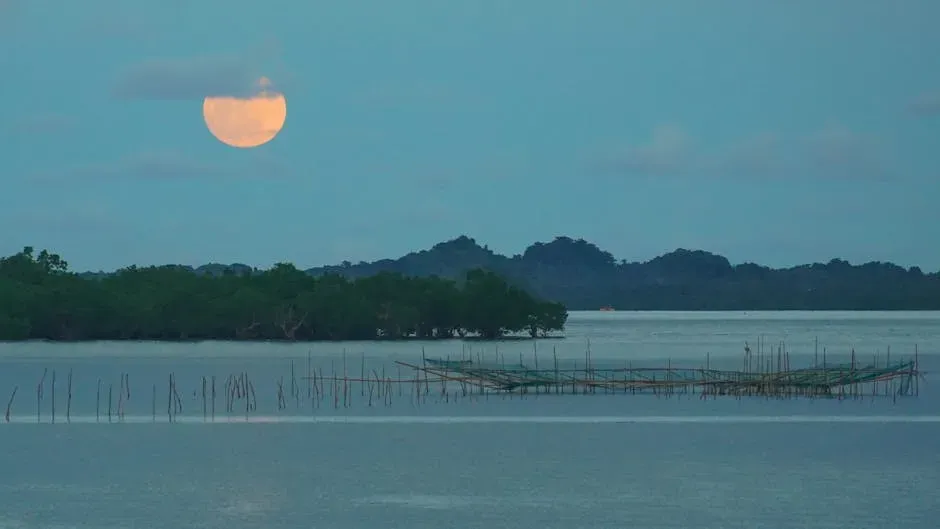
Even though human evolution came much later, you are still downstream from very ancient events, including the way the Moon shaped tides. Stronger tides in Earth’s past may have created complex coastal zones: tidal pools, mudflats, and mangrove‑like areas where marine organisms were alternately submerged and exposed. You can imagine early life getting repeated nudges onto land, like nature practicing the idea of walking onto a beach long before any human footprint appeared.
By the time mammals and primates entered the picture, the Moon’s tidal influence had already sculpted enormous stretches of coastline and shallow seas. These were rich, productive environments that favored experimentation in body plans, behaviors, and ways of moving. You inherit that long legacy: the fact that your ancestors had coastlines to forage, estuaries to exploit, and river mouths to follow inland owes a quiet debt to lunar gravity pulling on the oceans day after day.
Stabilizing Earth’s Tilt: A Quiet Guardrail For Climate
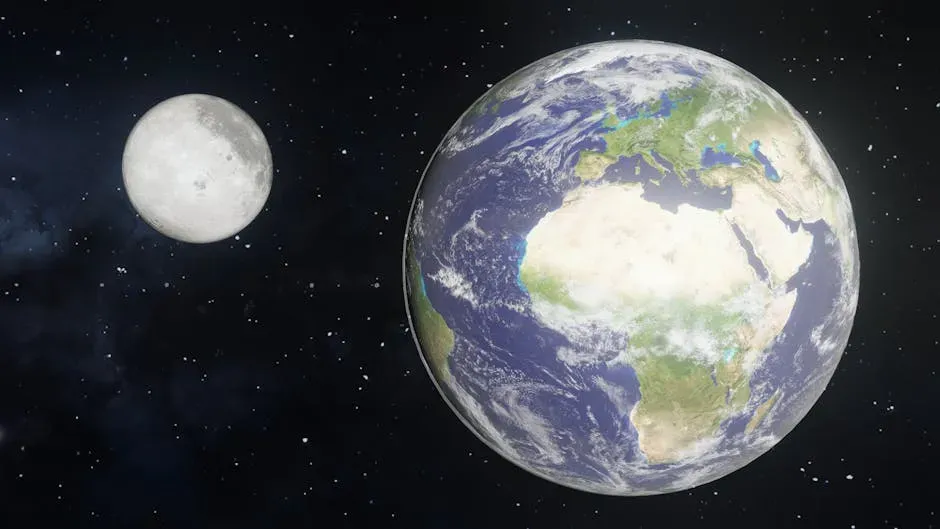
One of the most important ways the Moon may have shaped your evolutionary path is surprisingly subtle: it helps stabilize Earth’s axial tilt. Without the Moon, calculations suggest that the tilt might have wandered far more, swinging between small and extreme angles over geologic time. For you, that would translate into far more erratic climate shifts, with seasons and weather patterns veering in ways that might repeatedly wipe out emerging lineages.
Instead, while Earth’s climate has absolutely changed and sometimes dramatically, the Moon’s presence appears to have reduced the most extreme tilting chaos. That gave your ancestors somewhat more predictable long‑term conditions to adapt to. Think of it as having a wobbly table with a steadying hand on it; the table still shakes, but not enough to fling everything off. Your lineage had time to respond, migrate, innovate tools, and evolve larger brains in a world that, though harsh, was not endlessly and randomly flipping its rules.
Moonlight, Night Vision, And The Way You See The World
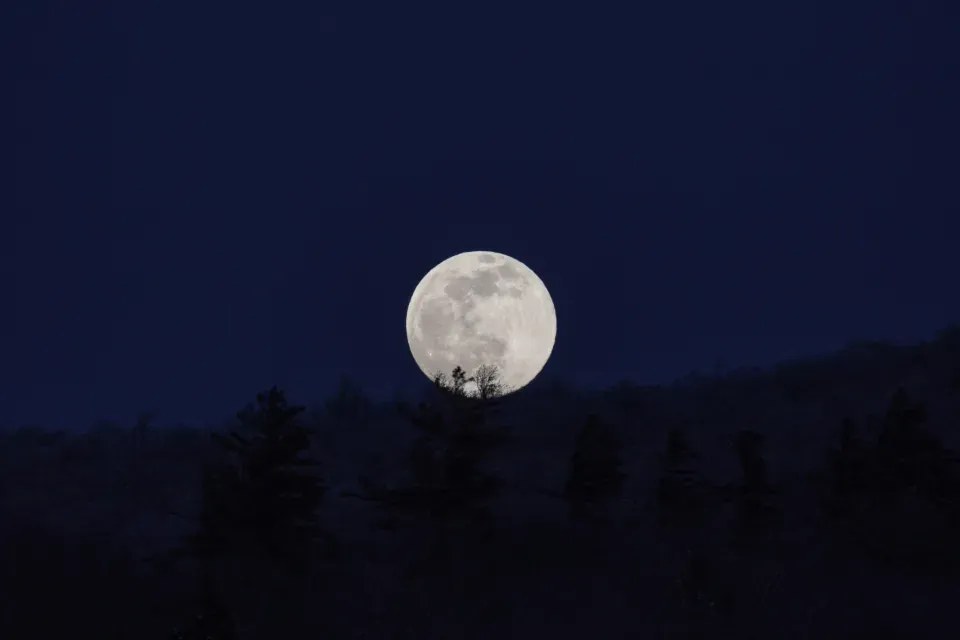
On a bright full‑moon night far from city lights, you can walk, recognize shapes, maybe even read large text. That gentle illumination has been part of the nocturnal environment for as long as mammals have existed. If you look at your own eyes, with their rods and cones tuned to different light levels, you are looking at a system that evolved under a sky that was not completely dark but rhythmically brightened and dimmed on a roughly monthly cycle.
Some researchers think that this regular presence of moonlight helped shape how animals, including your ancestors, use the night. Certain predators hunt more effectively when the Moon is bright; some prey stay hidden or freeze their activity. Over time, such pressures can influence eye sensitivity, sleep patterns, and daily schedules. Even today, you may notice that a full Moon feels a bit different outdoors, as if your body recognizes an old signal from a time when your ancestors relied on those extra photons to navigate, gather, or avoid danger after sunset.
Lunar Cycles, Biological Rhythms, And Your Inner Clock
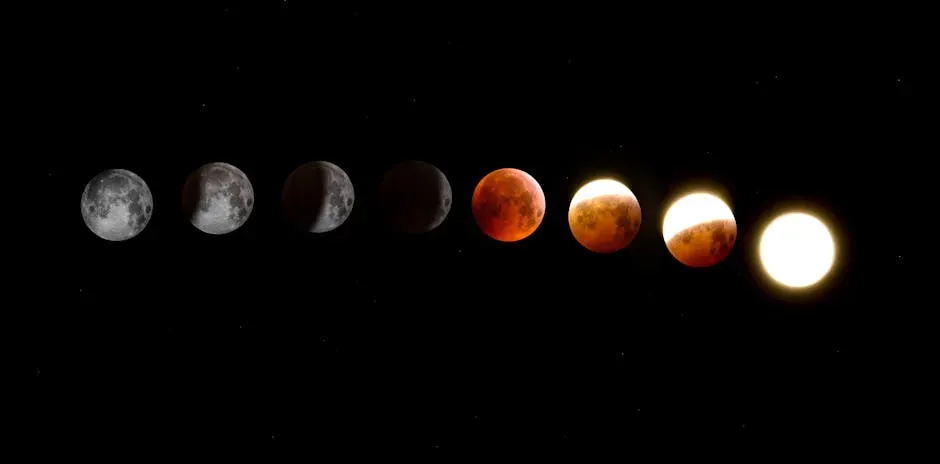
Your body is full of clocks. You feel the twenty‑four‑hour rhythm of day and night, but layered on top of that there are slower patterns, including cycles in hormones, sleep quality, and reproduction. Some marine animals still show striking monthly or semi‑monthly cycles tied directly to the Moon and tides. For you, any direct lunar imprint on biology is more debated, but you carry echoes of a deep history where organisms tuned themselves to repeating patterns in their environment.
Modern studies in humans find mixed and sometimes weak evidence for direct lunar effects on things like sleep or mood, especially in a world flooded with artificial light and strict social schedules. Still, your species evolved in a setting where nights waxed and waned in brightness and tides rose and fell in regular beats. Even if your current daily life drowns out those signals, the way you structure time, from months on calendars to cultural rituals, still reflects how deeply the Moon’s cycles have been woven into human habits and stories.
Foraging, Hunting, And Social Life Under A Changing Moon
If you picture early humans walking the African landscape, it is worth asking what their nights really looked like. On dark, moonless nights, moving across open ground with large predators nearby would have been far riskier. When the Moon was bright, there was more chance to forage, travel, or hold gatherings after sunset. That alone could shift how your ancestors planned hunts, shared food, or even chose when to move camp.
Some anthropologists suggest that the Moon may have indirectly influenced social patterns by creating windows of safer, shared night activity. You can imagine a group telling stories, exchanging knowledge, or strengthening alliances on bright nights, while lying low during darker phases. Over countless generations, that subtle push and pull of risk and opportunity under the changing Moon may have helped shape not just practical behavior but the rhythms of community life that you still recognize today.
The Moon In Human Culture: Stories That Shape Minds
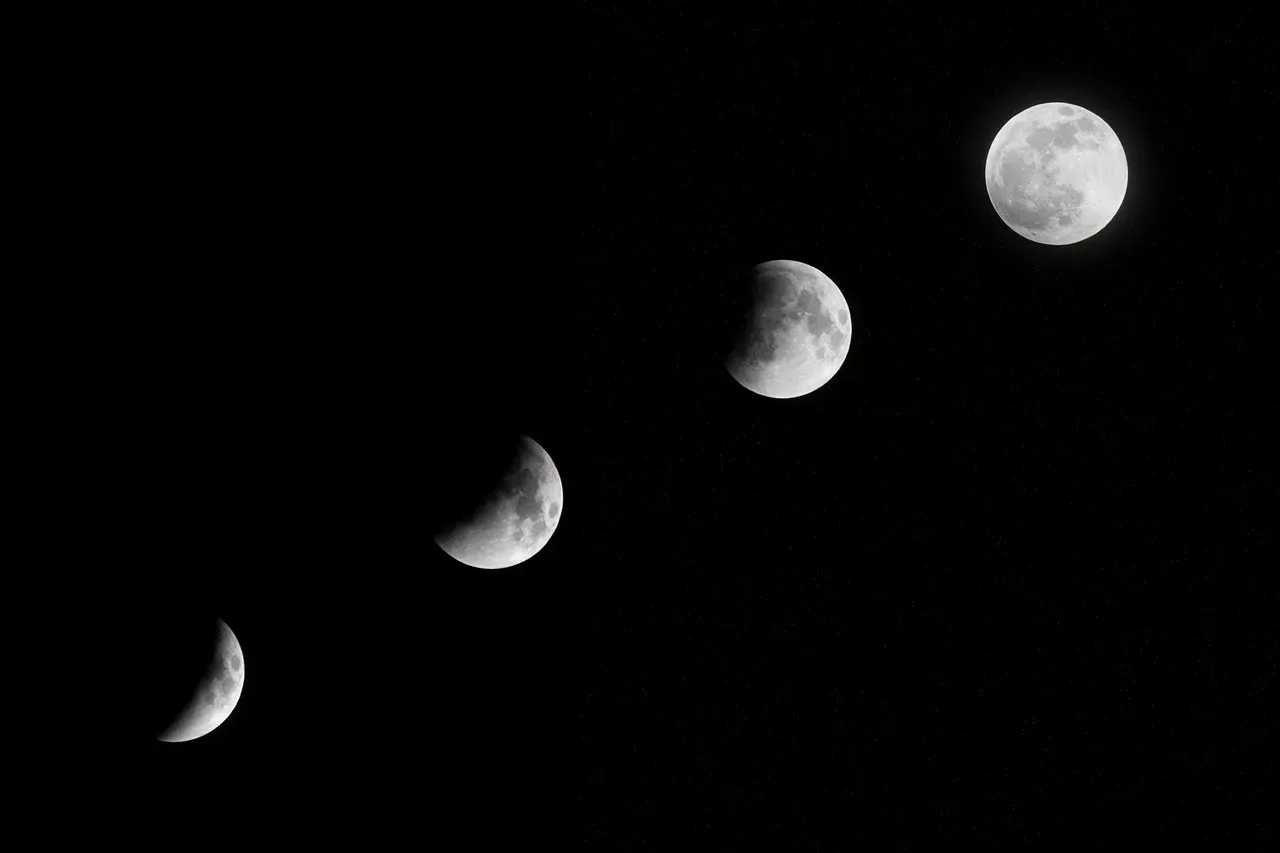
Even if you never think about orbital mechanics or climate stability, you cannot ignore how strongly the Moon lives in human imagination. Nearly every culture you look at has myths, art, and rituals centered around it. When you grow up with those stories, the Moon stops being just a light in the sky and turns into a symbol that carries meaning about cycles, time, fertility, madness, romance, or fate. Those shared meanings help knit communities together and guide behavior.
From an evolutionary angle, this matters because culture is one of your species’ greatest tools. The ability to pass down stories, coordinate around shared symbols, and plan using abstract ideas helped your ancestors survive and thrive. The Moon gave you a natural, highly visible clock and canvas for those stories. You might not consciously think of it as an evolutionary force, but by anchoring rituals, calendars, and shared beliefs, it shaped how your mind organizes time and meaning, which in turn affects decisions, cooperation, and even who survives.
How Much Credit Does The Moon Really Deserve?
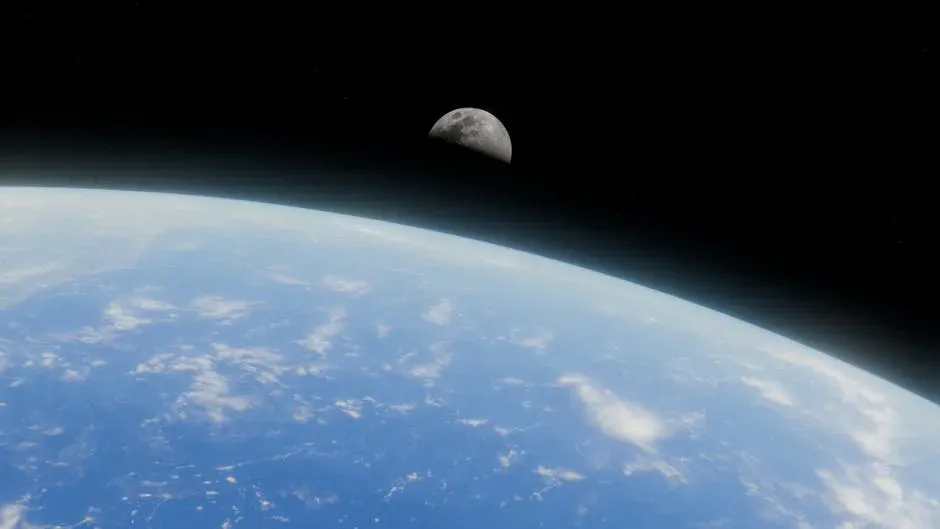
At this point, you might wonder where to draw the line between solid science and intriguing speculation. You should know that researchers are fairly confident about some roles of the Moon, like stabilizing Earth’s tilt and driving tides, and less certain about specific effects on human sleep, mood, or detailed evolutionary milestones. When you see bold claims that the full Moon directly causes certain human behaviors, it is wise to be cautious and look for well‑designed studies rather than anecdotes.
The most reasonable way to see it is this: the Moon has been part of the environmental backdrop that shaped all life on Earth, including you, but it is one factor among many. Climate cycles, plate tectonics, random mutations, social structures, and sheer chance all played huge roles too. Giving the Moon all the credit would be misleading, but ignoring its quiet, long‑term influence would miss an important piece of the story of how you came to be on this particular planet, under this particular sky.
Conclusion: Looking Up At Your Ancient Partner
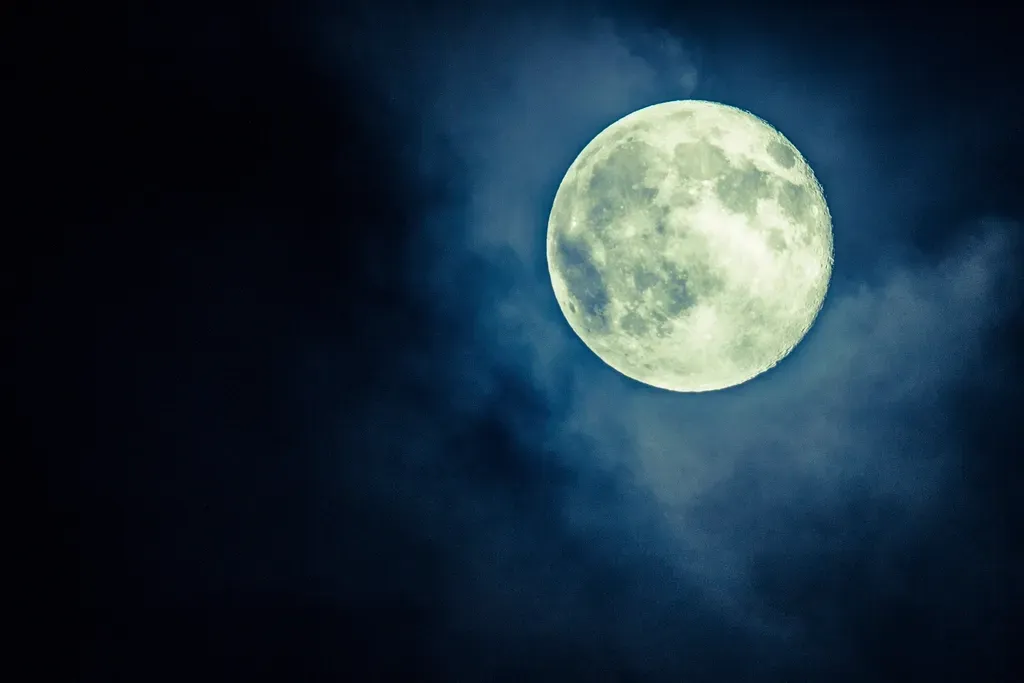
Next time you look up at the Moon, you can see more than just a distant gray sphere. You can see a companion that may have steadied Earth’s seasons, sculpted coastlines, lit the nights of your ancestors, and slipped into your stories and calendars. You do not owe your existence to the Moon alone, but your particular version of life, with its climates, rhythms, and cultures, likely would be very different without it.
In a sense, you are not just looking at the Moon; you are looking at part of the conditions that allowed your species to think, feel, and wonder in the first place. That quiet glow is a reminder that evolution is never just about genes in isolation, but about the entire stage they play on. When you stand there under the night sky, do you feel a little different knowing the Moon may have been shaping your story all along?