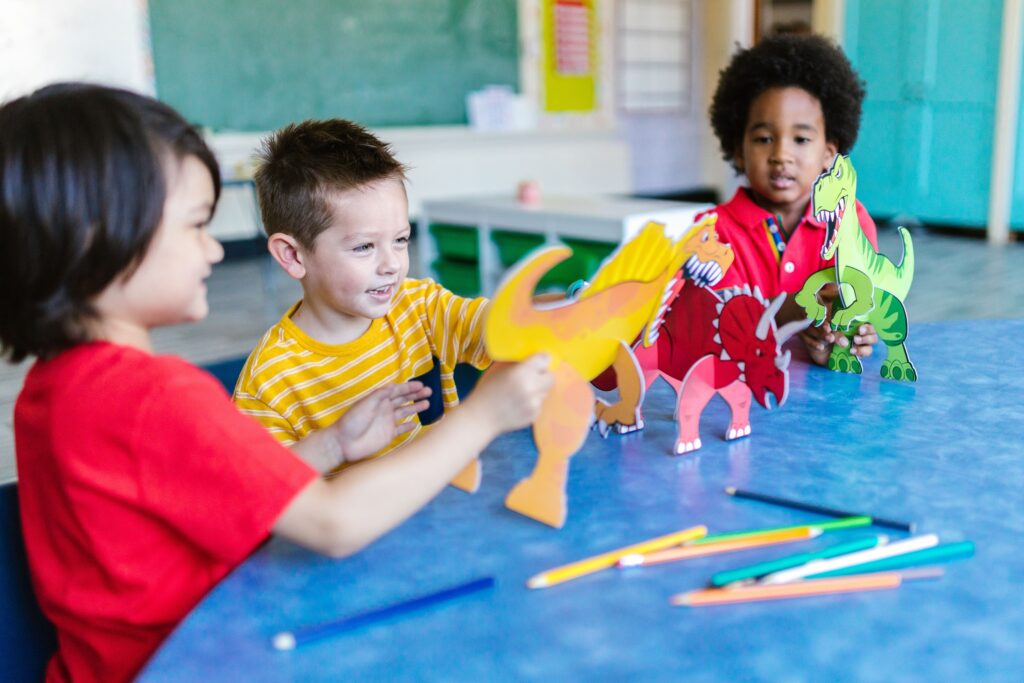
You finally sit down on the couch, and before you can even open your phone, a tiny voice appears beside you holding a plastic T. rex with eyes the size of dinner plates: “Did they really look like THIS?” In that moment, you realise every dinosaur they know is neon purple, permanently smiling and probably singing about friendship. Now you have to break it to them that the real animals were… a bit different.
This is where things can get awkward fast. You want to be honest and a little scientific, but you also don’t want to crush their sense of wonder. The good news is you don’t have to choose. You can keep the magic and still tell the truth, if you pick the right words, the right comparisons and, most importantly, the right tone.
Start with the magic: “Cartoon dinosaurs are like costumes”
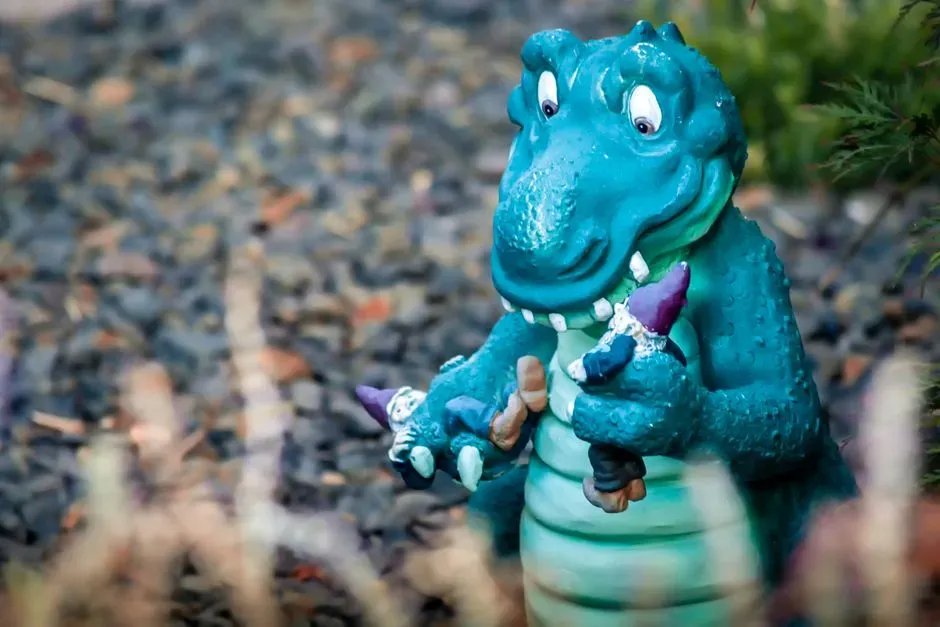
The easiest way to start is not by saying their favourite show is wrong, but by saying it is pretending. You can explain that cartoon dinosaurs are like people dressing up in dinosaur costumes for a party: they are meant to be fun, bright and silly so kids will love them. Just like superheroes can fly in cartoons but not in real life, dinosaurs in shows can look and act in ways real animals never did.
For a five-year-old, the word “costume” makes sense because they know what Halloween is. You might say that artists put dinosaurs into colourful costumes so they are less scary and easier to remember. This way, cartoons become a game of make-believe, not a lie, and you are already on their side instead of attacking their favourite characters.
Explain bones first: “Scientists only find the dinosaur’s skeleton”
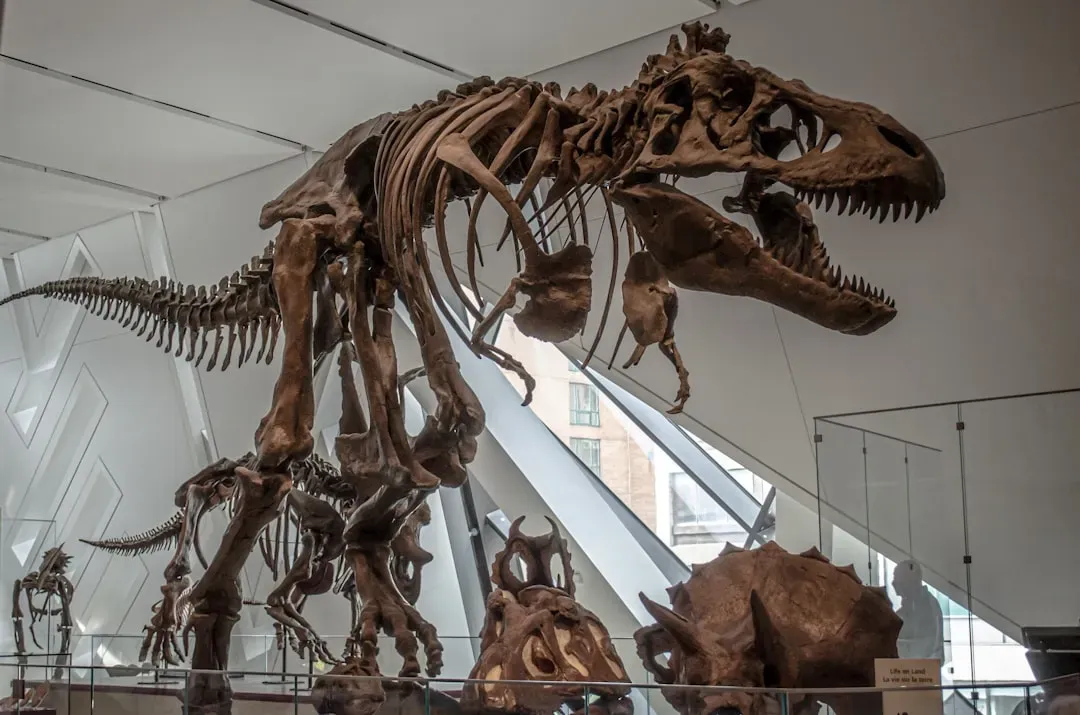
You can compare it to finding just the Lego pieces without the instructions or picture on the box. Scientists have to figure out how to put all the bones together and guess what the outside looked like. That guess is very clever and based on lots of clues, but it is still a bit like a puzzle where some of the pieces are missing and you have to imagine the rest.
Use animals they know: “Real dinosaurs were more like big birds and crocodiles”
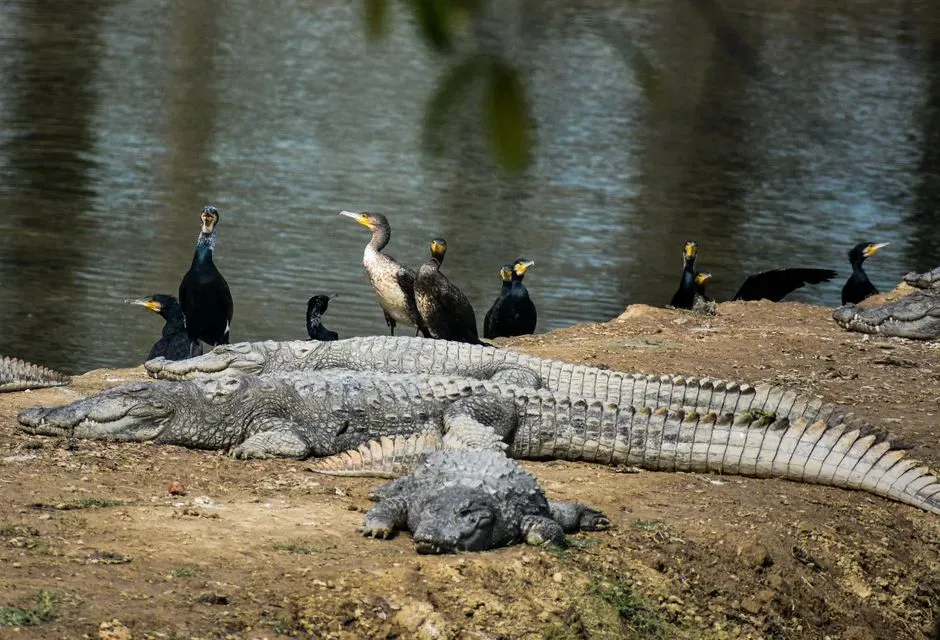
This is where kids’ brains usually light up. Instead of saying dinosaurs were scary monsters, connect them to animals your child can actually see. You can say that many dinosaurs, especially the ones that walked on two legs, were more like giant birds mixed with crocodiles than like the chunky lizards on TV. Birds and crocs are, in different ways, what is left of the dinosaur family tree.
Point out that birds have claws, beaks, strange feet and sometimes wild head crests, and crocodiles have long tails and thick scales. Now ask them to imagine a super-sized bird-crocodile cousin. That idea feels way cooler than a purple balloon-shaped T. rex and also much closer to what the fossils and modern research suggest.
Tackle colours gently: “Real dinosaurs weren’t neon purple”
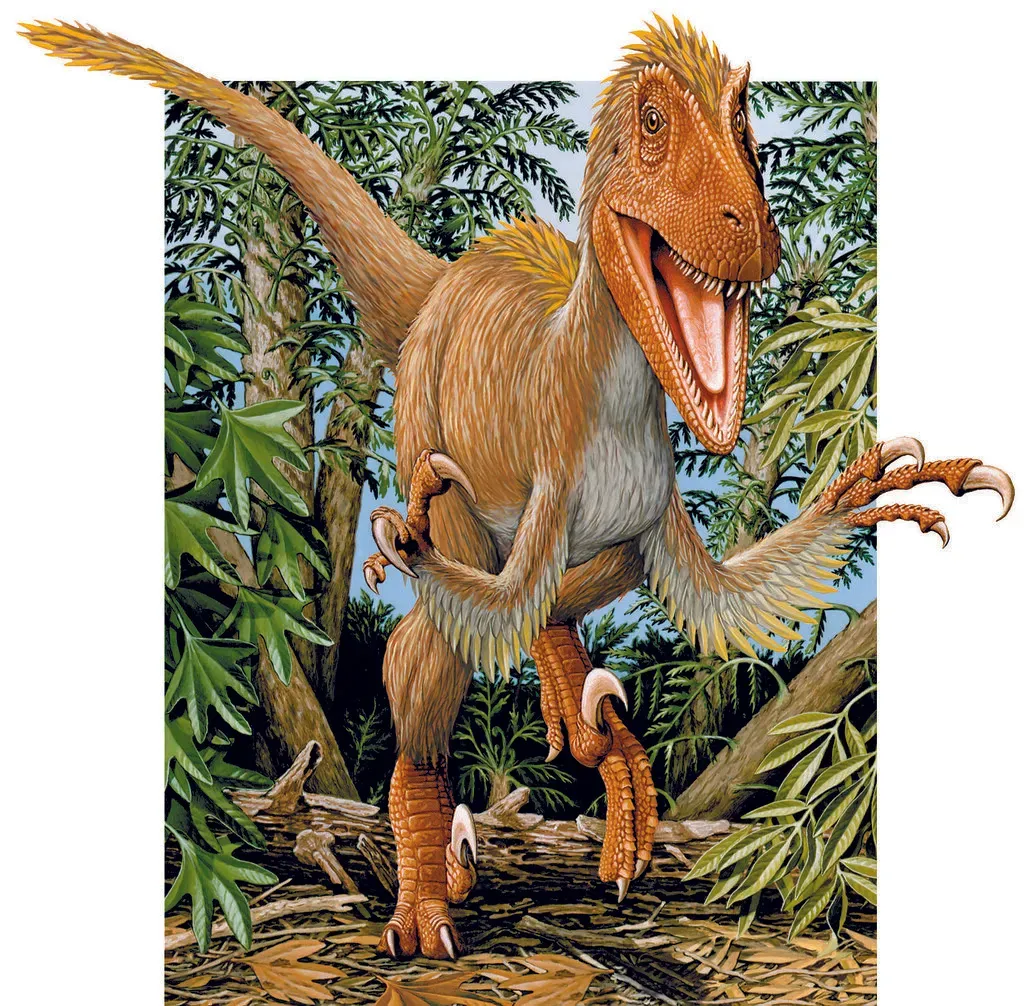
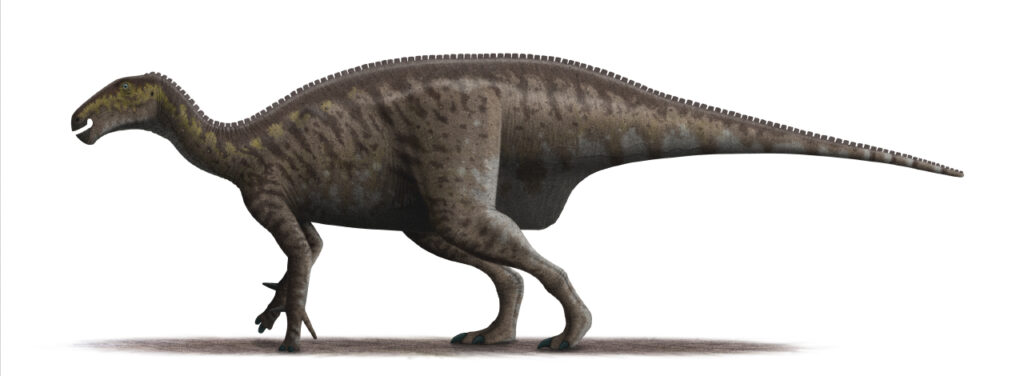
Cartoon dinosaurs are often painted like they rolled around in a box of highlighters. You do not have to say that is ridiculous; you can instead say we mostly think real dinosaurs had colours more like today’s animals. That means browns, greens, greys, yellows and maybe some brighter bits to help them show off, hide or scare other dinosaurs away.
Some fossil discoveries have even given scientists hints of patterns and shading, but nothing like smooth single-colour, bright purple bodies with no texture. A helpful trick is to ask your child to look at a pigeon, a peacock and a lizard in photos: none of them looks like a simple cartoon crayon colour. Dinosaurs probably had patterns, freckles, shading and shine, more like those animals and less like a painted toy.
Talk about feathers: “Some dinosaurs were fluffy, not scaly dragons”
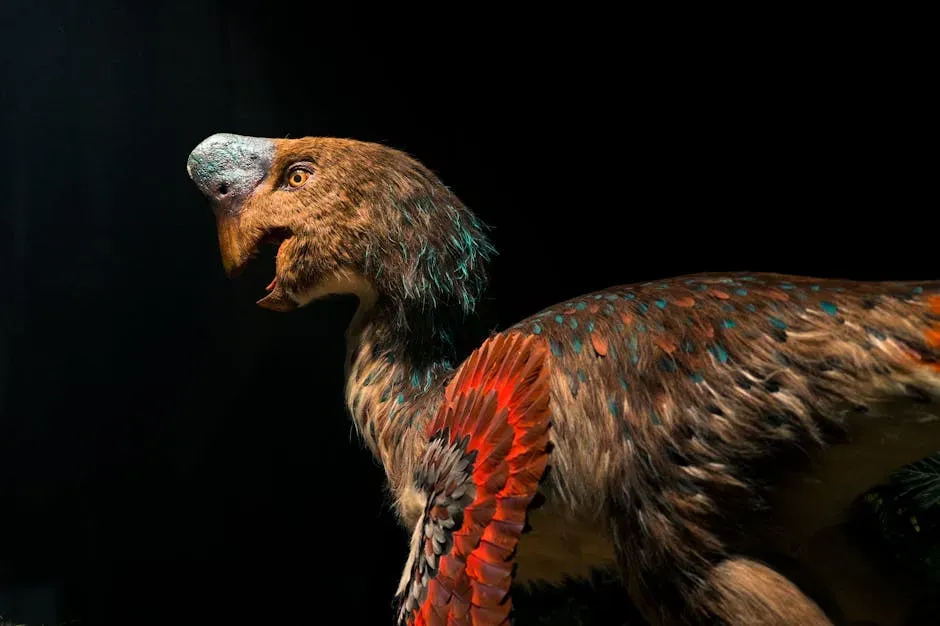
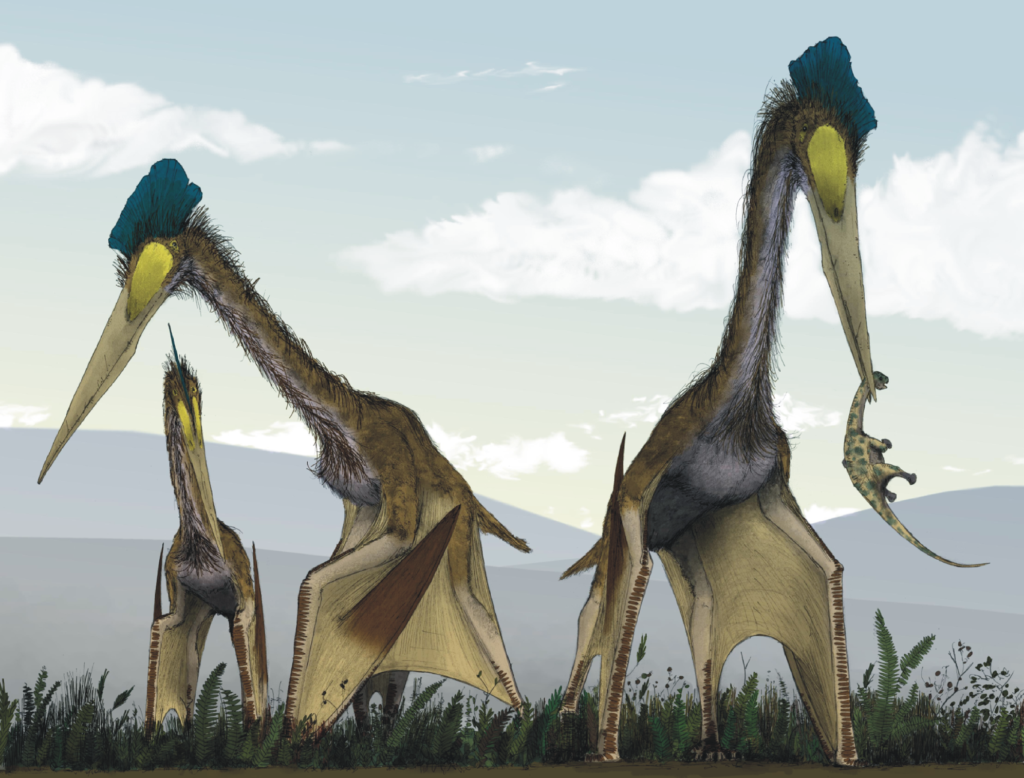
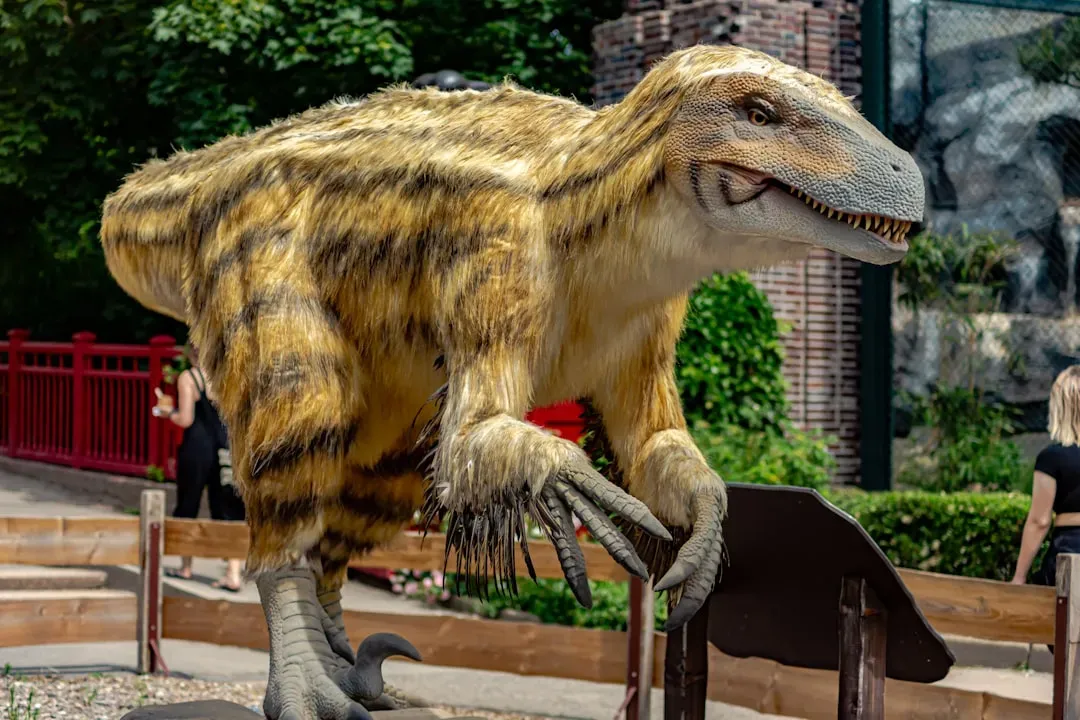
This is the part that tends to blow kids’ minds: the idea that quite a few dinosaurs, especially the smaller meat-eating ones, had feathers or feather-like fuzz. You can say that scientists have found fossils where you can still see the marks of soft, hair-like or feather-like structures coming off the skin. They are not guessing; they are reading clues pressed into stone.
To keep it fun, compare a small feathered dinosaur to a giant, grumpy chicken with a long tail and teeth. That image is silly enough that a five-year-old will probably laugh instead of getting scared. It also hints at the bigger truth: birds are not just “like” dinosaurs, they are the living dinosaurs, and that reality is far stranger and cooler than any cartoon dragon-lizard on wheels.
Fix the faces: “Real dinosaurs didn’t have huge smiles and round eyes”
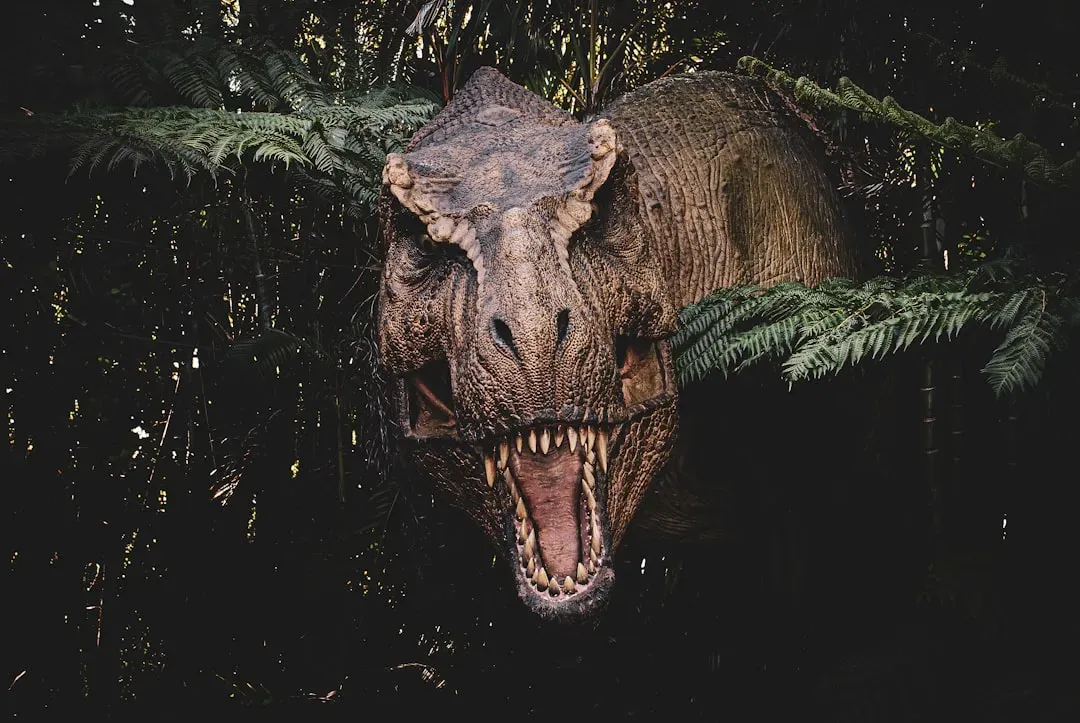
Cartoons give dinosaurs giant soft eyes and friendly smiles because those features make them look cute and safe. Real dinosaur skulls, though, show something very different: lots of teeth, strong jaw muscles and eye sockets shaped for side-facing or forward-facing eyes, not the big baby-style circles we see in kids’ shows. Their faces were built for surviving, hunting, eating and staying alert, not for singing songs.
A gentle way to explain this is to compare a teddy bear’s face to a real bear’s face. A teddy looks round, soft and permanently happy; a real bear looks powerful and serious, even when it is not angry. Cartoon dinosaurs are teddies. Real dinosaurs were the wild animals behind the toy, with expressions and eye shapes designed by evolution for the tough business of staying alive.
Reframe the disappointment: “The truth is cooler than the cartoon”
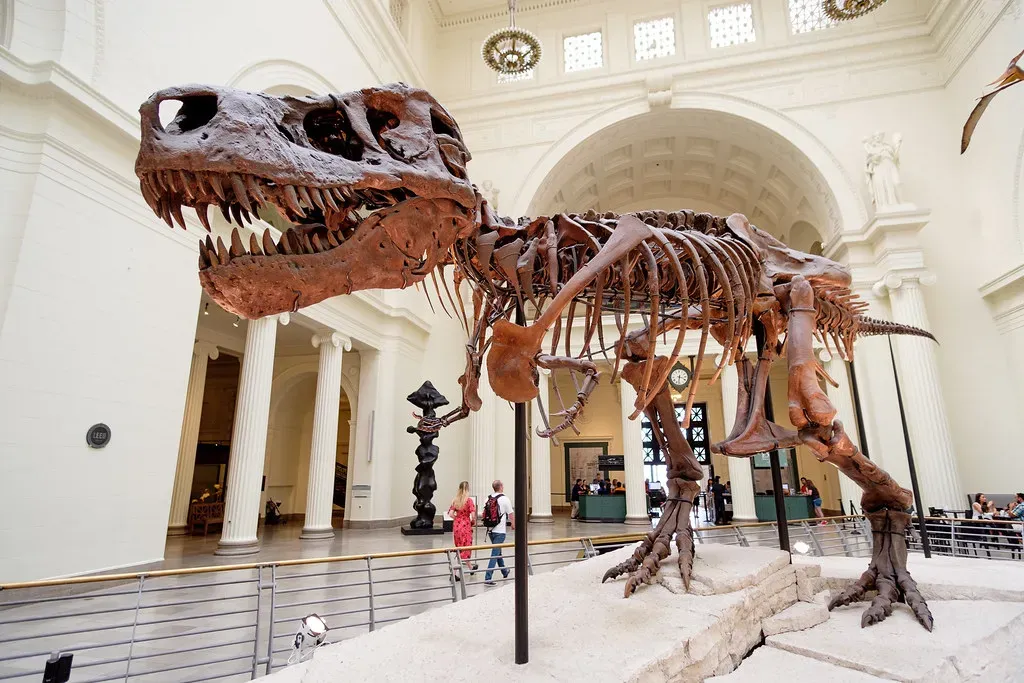
At some point your child might look a little betrayed and say that they liked the cartoon dinosaur better. This is when you lean into your opinion: the real story is actually way cooler. You can say that real dinosaurs were not singing, dancing mascots; they were successful animals that ruled the planet for an unbelievably long time, changing shapes and sizes in ways we are still discovering.
Ask them which is more amazing: a made-up purple friend that lasts for twenty minutes on TV, or a whole world of real creatures that lived, hunted, nested, grew feathers and even left behind relatives that still fly over our heads today. If you talk about it with genuine excitement, kids tend to follow your lead; they pick up that the messy, half-known, science-based version is more mysterious and thrilling than the polished cartoon one.
Make it interactive: “Let’s be the dinosaur designers now”
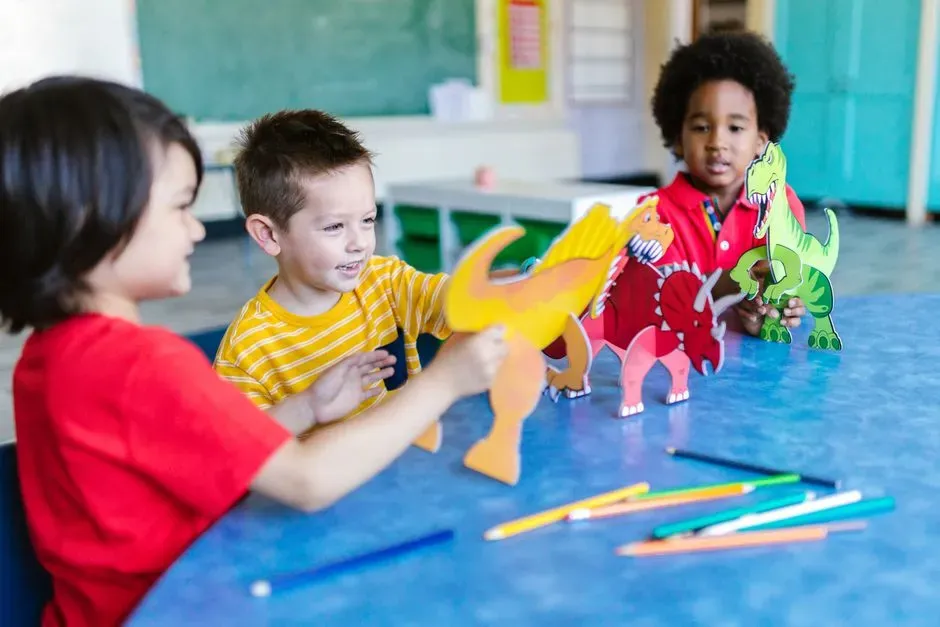
The best way to finish is by handing the power to them. Grab paper and crayons and say: “Now that we know cartoons are costumes, let’s design our own dinosaur that is closer to real life.” Encourage them to add bird-like legs, maybe some feathers, a tail that looks heavy enough to balance the body, and colours that remind them of real animals instead of their marker box.
Turn it into a game where they are the scientist and the artist at the same time. You can pretend you just dug up a skeleton and now you are working out what sort of skin, feathers, spikes or patterns to give it. When kids feel like they are solving the puzzle with you, they stop worrying about whether their old cartoon was right and start enjoying the idea that the truth is something you get to build together, piece by piece.
Conclusion: Why I think we should stop apologising for real dinosaurs
As an adult, I think we sometimes act like telling kids the scientific version will ruin the fun, as if the truth is a grey, boring thing compared to colourful TV shows. I honestly feel the opposite: the more we share the weird, uncertain, changing story of dinosaur science, the more their world opens up. Real dinosaurs with feathers, strange colours, bird-like hips and crocodile-like bites are far more dramatic and awe-inspiring than any smiling mascot.
So when a five-year-old asks if their favourite cartoon dinosaur is real, I do not see a trap; I see an invitation. It is a chance to say that stories can be silly and beautiful, and science can be wild and beautiful too, in a different way. Maybe the goal is not to protect cartoons from reality, but to show kids that reality is just another kind of story, one we are still writing together. When you put it that way, which dinosaur would you rather believe in?