Picture this: You’re scrolling through your daily horoscope, half-smiling at the predictions, when suddenly you wonder if the stars really do know something you don’t. What if your birth chart held actual clues to why certain situations trigger you, why your emotional reactions feel so different from those around you, or why you struggle with feelings others seem to navigate effortlessly? Honestly, it’s not as far-fetched as it sounds. Your astrological blueprint might just be the missing piece in understanding your emotional world.
Mastering isn’t just about willpower or positive thinking. It’s about understanding the unique wiring beneath your responses. is the process of managing emotions to maintain balance and respond appropriately to challenges. When you combine this psychological foundation with astrological insights, you create a personalized roadmap for emotional control that resonates with who you truly are. Think of it as emotional intelligence meets cosmic self-awareness. Let’s be real, we’ve all felt overwhelmed by emotions at some point. Let’s dive into how you can transform that overwhelm into mastery using both proven strategies and the wisdom written in your stars.
Understanding Your Moon Sign and Emotional Nature
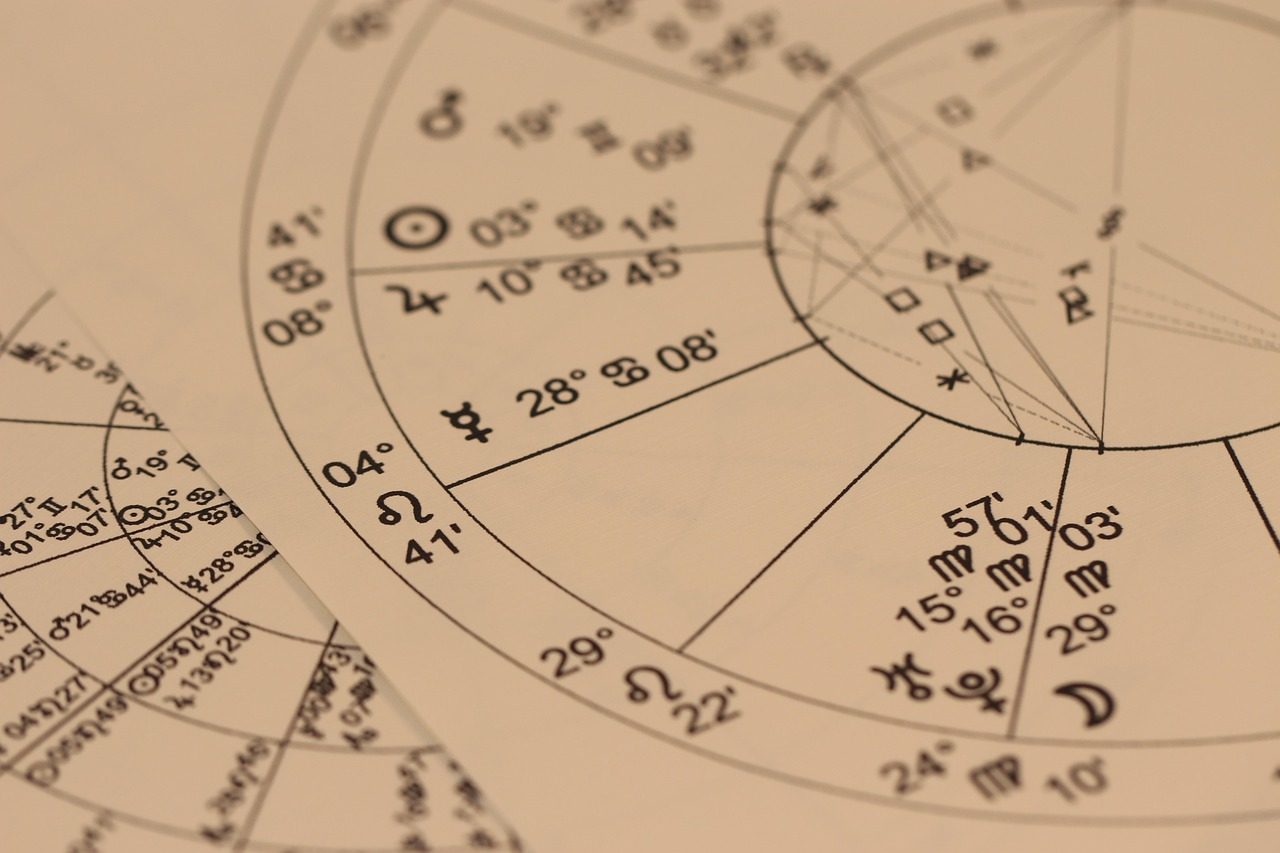
Your moon sign is arguably the most important astrological factor when it comes to . While the Sun sign represents your external self – how you present yourself to the world – the Moon sign reveals your inner world, including your emotional responses, instincts, and unconscious habits. It’s essentially a reflection of your deeper, more personal feelings and how you react emotionally to different situations.
Your Moon sign represents your emotional nature, your deepest needs, and your subconscious self. This placement tells you how you process feelings, what makes you feel secure, and even what triggers your most intense reactions. Think of your moon sign as your emotional operating system. Some signs process emotions through logic, others through intuition, and some need physical expression to work through feelings. Your natal Moon placements describes the conditions of the psychic atmosphere you were born into, the emotional language of your caretakers and the way you observed them respond to their environments, which in turn conditioned your own responses. The Moon is our first language, mirroring the psychic emotional imprint of our most formative years.
The Birth Chart as Your Emotional Blueprint
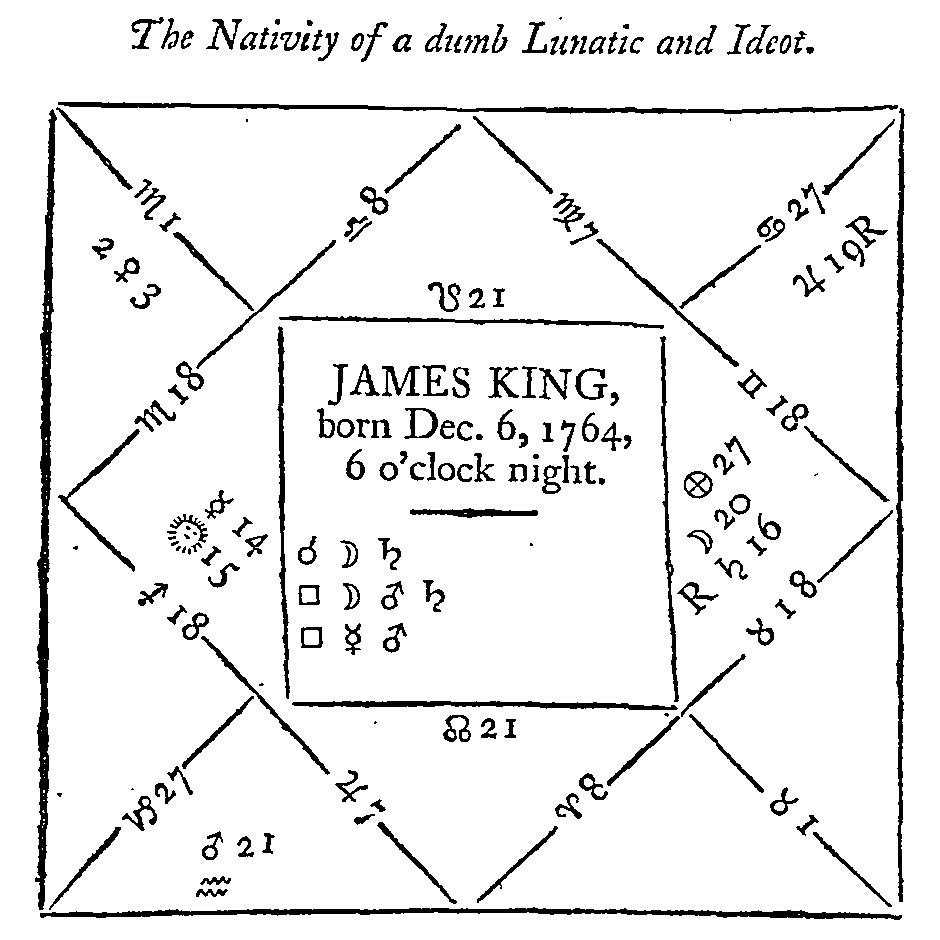
Your birth chart explains your innermost self, which is only reserved for you. Your birth chart is a framework that has revelations about emotional nature. Beyond just your sun and moon signs, your entire birth chart offers layers of insight into your emotional patterns. The fourth house in your chart, for instance, reveals your emotional foundation and sense of security. The aspects your moon makes to other planets show how different parts of your personality interact emotionally.
Here’s the thing: Your birth chart can also provide you with practical strategies. So, you can manage your emotions in real-world situations. When you understand which planetary placements influence your emotional responses, you can anticipate triggers and develop tailored coping mechanisms. Maybe your Mars placement explains why anger surfaces so quickly, or your Neptune aspect reveals why you absorb others’ emotions like a sponge.
Recognizing Emotional Patterns Through Astrological Elements
The elements in astrology provide powerful clues about how you naturally regulate emotions. The signs are grouped into four elements: fire, earth, air, and water. Each element has its own characteristics and influences how the moon sign expresses itself emotionally. Water signs tend to feel emotions deeply and intensely. Fire signs express emotions dramatically but often move through them quickly. Earth signs need tangible, practical ways to process feelings. Air signs intellectualize their emotions, sometimes to the point of detachment.
You may be more sensitive to your emotions if you have a Water Moon (Cancer, Scorpio, Pisces). On the other hand, having a Fire Moon (Aries, Leo, Sagittarius) can result in more dramatic expressions of feelings, but these emotions tend to be fleeting and pass quickly. Understanding your elemental makeup helps you recognize whether you need to journal your feelings, talk them through with someone, engage in physical activity, or simply allow yourself to feel without judgment.
Building Self-Awareness Through Emotional Identification

The first step in mastering is identifying what you’re actually feeling. Emotion regulation occurs across several stages: identification of whether or not to attempt to regulate the emotion; selection of an emotion regulation strategy; implementation of the regulation strategy; and monitoring of the impact of the strategy to inform decisions on whether to maintain, switch, or stop the emotion regulation attempts. This might sound simple, yet most of us skip right past this crucial step.
When you combine psychological awareness with astrological insight, you gain remarkable precision. Your chart can reveal which emotions you’re most prone to experiencing and which you might suppress. Let’s say you have a Scorpio moon: intensity and depth are your emotional default settings. Your Moon Sign can reveal how you open up emotionally and how you handle emotional vulnerability. For instance, a Scorpio Moon might take time to trust but will offer Emotional Depth once trust is established, while a Gemini Moon might be more open but less emotionally deep.
Developing Personalized Regulation Strategies Based on Your Chart

Adaptive emotion regulation is appropriately matched to the emotion, context, and goals of the situation at hand, whereas maladaptive emotion regulation is inappropriately matched to such factors. Your astrological chart offers personalized guidance on which regulation techniques will work best for you specifically. Someone with strong air placements might benefit most from cognitive reappraisal, while someone with dominant water placements might need emotional expression and creative outlets.
Evidence-based techniques like mindfulness, cognitive reappraisal, and breathing exercises can help us manage our emotions more effectively. Here’s where it gets interesting: you can match these evidence-based techniques to your astrological strengths. An earth sign dominant person might find grounding exercises particularly effective. A fire sign person might need more active, physical regulation strategies. Water signs often benefit from artistic expression or simply allowing themselves to cry. Air signs might journal or talk through their feelings.
Consider your Saturn placement too. Saturn is often referred to as the “taskmaster” planet because it governs discipline, responsibility, and long-term goals. It represents challenges, obstacles, and the lessons we need to learn to grow. When Saturn makes tough aspects in your chart, you might experience emotional lows, depression, or a feeling of being overwhelmed by responsibility. Understanding these transits helps you prepare and implement stronger support systems during challenging periods.
Cultivating Emotional Intelligence Through Zodiac Strengths

Different zodiac signs naturally possess different types of emotional intelligence. Cancer, Pisces, Libra, Scorpio, and Gemini – possess innate emotional intelligence, each with its unique approach. Whether through empathy, intuition, diplomacy, observation, or communication, these signs excel in understanding and navigating emotions. The beautiful truth is that regardless of your sign, you can cultivate the emotional strengths of others through conscious practice.
If your chart lacks water placements, you can intentionally develop empathy and emotional attunement. If your chart lacks this emotional firmness you can cultivate it through spiritual practices astrology-backed affirmations or by learning from signs that embody these traits naturally. Maybe you look to the compassion of Pisces as inspiration, or the emotional maturity of Libra. This isn’t about changing who you are; it’s about expanding your emotional toolkit.
Managing Triggers and Understanding Emotional Responses

The obtained results indicate that the intensity of emotions affects the choice of regulation strategies. When the intensity increases, people are more likely to choose the rumination strategy and less likely to choose the reappraisal strategy. Knowing this pattern helps you catch yourself before spiraling into rumination. Your birth chart can reveal your specific triggers. Planets in challenging aspects often indicate areas of life where you’ll face repeated emotional tests.
If the Moon describes the ideal conditions which we crave to feel safe and secure, it should also imply the inverse, right? Understanding what upsets you based on your moon sign gives you profound self-knowledge. A Taurus Moon needs stability and security, so unexpected changes might trigger disproportionate anxiety. An Aquarius Moon values freedom and individuality, so feeling controlled might be their biggest trigger. When you know your triggers, you can prepare responses ahead of time rather than reacting blindly.
Integrating Mindfulness Practices With Astrological Awareness

Improving emotion regulation abilities, a process that requires learning, can enhance psychological well-being and mental health. Empirical evidence suggests that emotion regulation can be learned – during development and the lifespan, and most explicitly in psychotherapeutic interventions and experimental training paradigms. Mindfulness becomes even more powerful when paired with astrological self-awareness.
Try this: during meditation, focus on your breath while also holding awareness of your moon sign’s emotional needs. If you’re a Cancer Moon, visualize creating a safe, nurturing internal space. If you’re a Sagittarius Moon, imagine your emotions as passing clouds in an expansive sky. Daily routines like mindful meditation silence before response & journaling are common ways emotionally controlled individuals maintain balance. These practices help you observe your emotional patterns without getting swept away by them. You create space between stimulus and response, which is where true emotional mastery lives.
Creating Long-Term Emotional Balance and Growth

Successful emotion regulation requires strong functioning at all these stages, with the capacity to flexibly use regulation strategies that fit one’s context. Long-term emotional mastery isn’t about never feeling difficult emotions; it’s about developing flexibility in how you respond. Your birth chart shows both your challenges and your growth potential. Those difficult aspects? They’re actually your greatest teachers.
Cultivating skills fosters resilience and enhances quality of life. As you work with both psychological techniques and astrological insights, you’ll notice patterns emerging. You’ll see how planetary transits correlate with emotional cycles. You’ll recognize when you’re falling into old patterns and have the tools to choose differently. This integration creates sustainable change because it honors both the scientific understanding of emotions and the cosmic patterns that influence your unique journey. Think of it as having both a map and a compass for your emotional landscape.
Conclusion: Your Cosmic Path to Emotional Mastery

Mastering through the lens of your birth chart offers something truly special: a personalized approach that recognizes you’re not like everyone else. Your emotional world is as unique as your fingerprint, shaped by the exact moment you entered this world. By combining evidence-based techniques with the wisdom of your astrological blueprint, you create a powerful synthesis of ancient insight and modern psychology.
The journey to emotional mastery isn’t linear. Some days you’ll handle triggers beautifully, other days you’ll react before you even realize what happened. That’s okay. Growth happens in spirals, not straight lines. Your birth chart doesn’t limit you; it illuminates your path. It shows you where to focus your efforts, which strategies will resonate most, and how to work with your natural tendencies rather than against them. Keep exploring, stay curious about your emotional landscape, and remember that the stars offer guidance, but you hold the power to choose your response. What patterns are you noticing in your own emotional reactions?