Picture this: Wembley Stadium packed with 90,000 screaming fans, but instead of human athletes taking the field, massive prehistoric beasts lumber onto the pitch. A Tyrannosaurus rex goalkeeper crouches between posts that tower 50 feet high, while nimble Compsognathus players dart between the legs of their colossal teammates. This isn’t just fantasy – when we examine the incredible diversity of dinosaur physiology, body mechanics, and evolutionary adaptations, we discover that these ancient creatures possessed athletic abilities that would make modern sports look like child’s play.
The Heavyweight Champions: Sauropods in Strongman Competitions
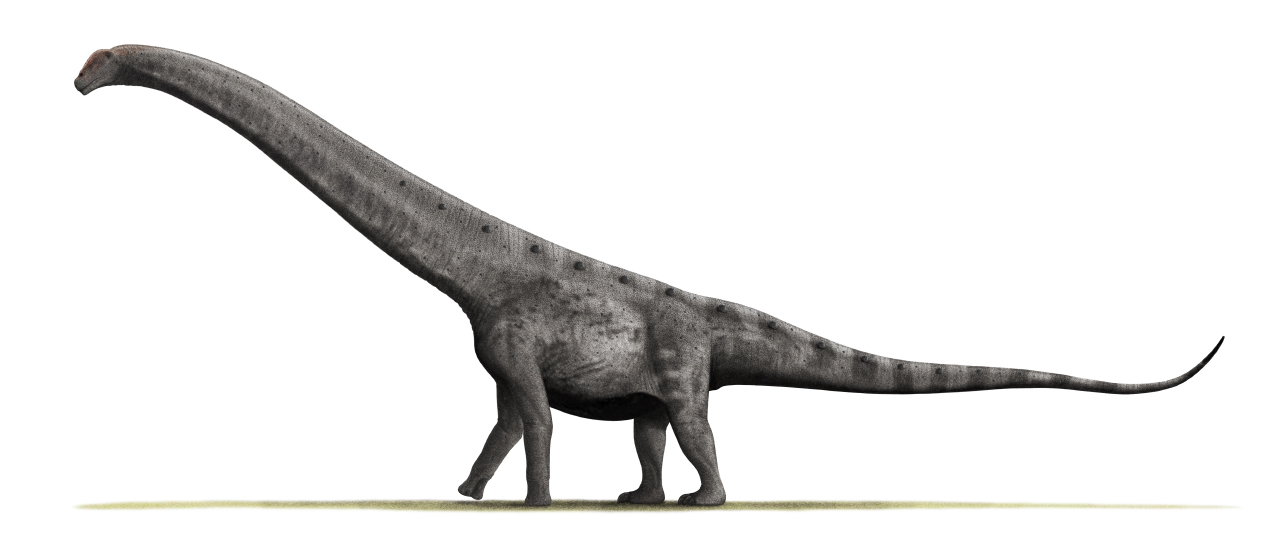
Imagine trying to bench press a school bus – that’s essentially what an Argentinosaurus did every time it lifted its massive neck. These gentle giants, weighing up to 100 tons, possessed muscle mass that dwarfs any human strongman competitor. Their necks alone contained enough muscle fiber to power a small construction crane.
In the world of prehistoric athletics, sauropods would dominate weightlifting events without breaking a sweat. Their pillar-like legs supported weights that would crush modern elephants, while their specialized vertebrae distributed load through ingenious hollow chambers. Think of them as nature’s answer to hydraulic systems – elegant engineering wrapped in scales and sinew.
The sheer physics of their existence required constant athletic performance. Every step was a controlled fall, every neck movement a feat of biomechanical precision that would leave Olympic weightlifters speechless.
Speed Demons: Ornithomimus and the 100-Meter Dash
Ornithomimus would have left Usain Bolt eating prehistoric dust. These ostrich-like dinosaurs reached speeds of 40-50 mph, making them the Formula One cars of the Cretaceous period. Their lightweight hollow bones and powerful leg muscles created the perfect sprinting machine – think greyhound meets roadrunner, but with teeth.
What made these creatures truly remarkable wasn’t just their top speed, but their acceleration. Fossil evidence suggests they could go from zero to 30 mph in seconds, a capability that would revolutionize modern track and field. Their long, flexible tails acted as dynamic counterbalances, allowing for lightning-quick direction changes that would shame any NASCAR driver.
The High Jumpers: Microraptor’s Aerial Acrobatics
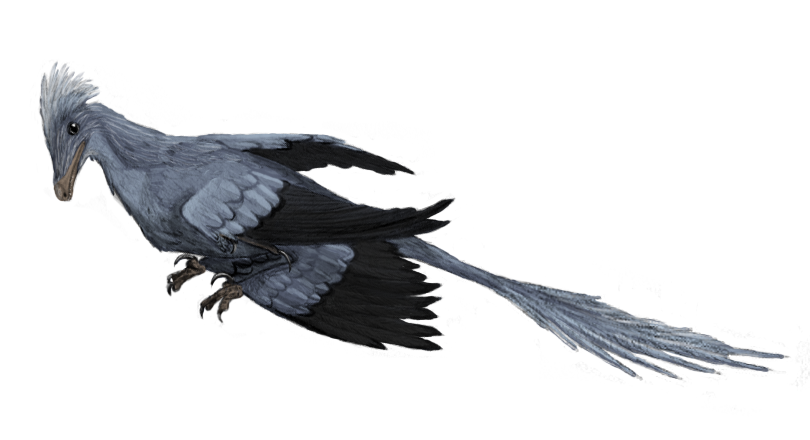
Long before pole vaulting became an Olympic sport, Microraptor was perfecting the art of aerial athletics. These crow-sized dinosaurs possessed four wings and could glide between trees with the grace of an Olympic gymnast. Their fossil remains reveal wing spans perfectly adapted for controlled flight – nature’s high-jump specialists.
Recent studies suggest these feathered acrobats could leap from branch to branch, covering distances of 100 feet or more. Their keen spatial awareness and split-second timing would make them natural high jumpers, combining the best elements of parkour with traditional athletics. Picture a creature that could pole vault without the pole, using pure muscle power and aerodynamic design.
Wrestling Superstars: Triceratops in Combat Sports
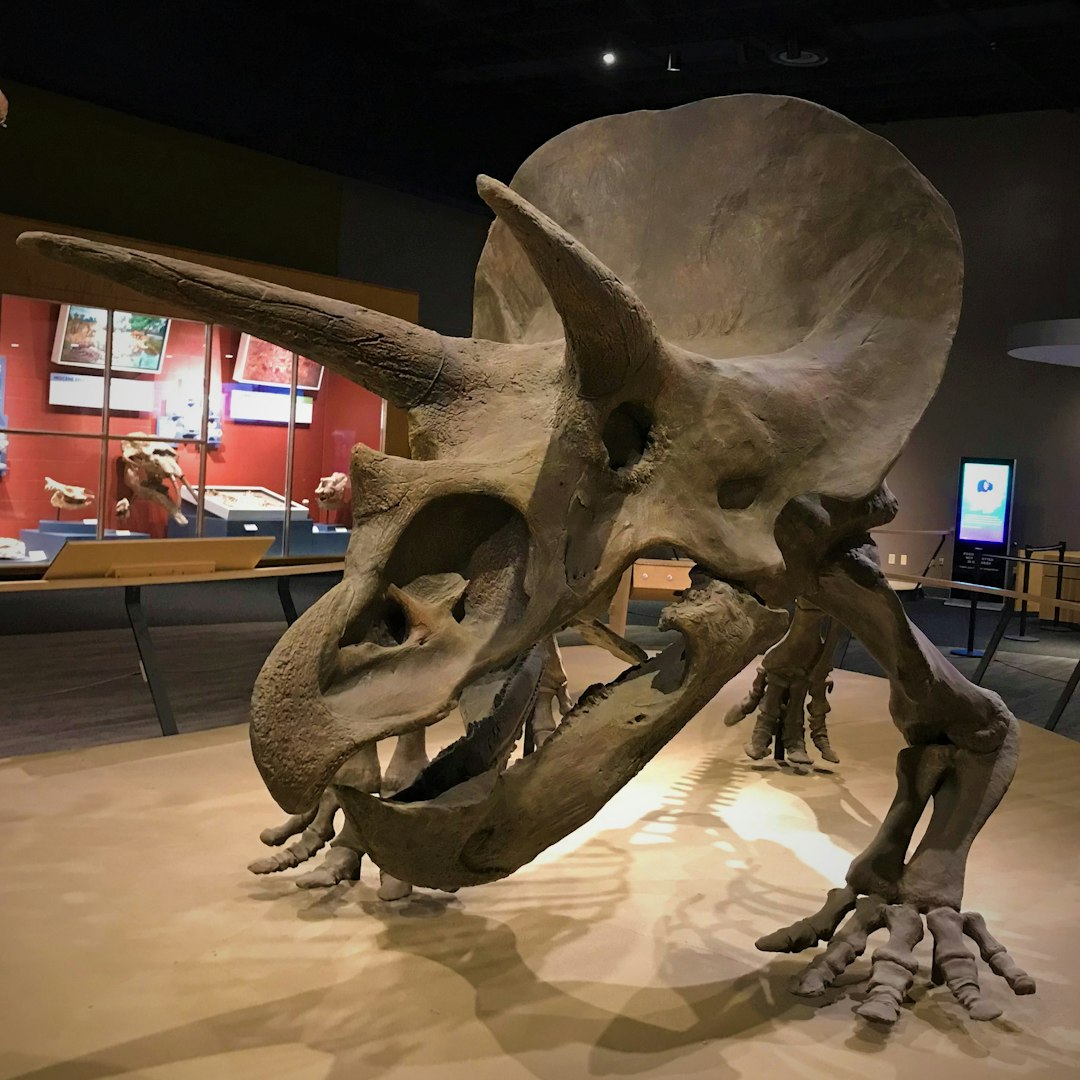
Step into the ring with a Triceratops, and you’re facing 12 tons of pure wrestling fury. These three-horned titans possessed neck muscles that could generate forces exceeding 50,000 pounds per square inch – enough to crumple a car like aluminum foil. Their broad, shield-like frills weren’t just for show; they were anchor points for massive muscle attachments that would make professional wrestlers weep with envy.
In prehistoric combat sports, Triceratops would dominate sumo wrestling through sheer biomechanical advantage. Their low center of gravity, combined with four pillar-like legs, created an almost immovable base. Modern sumo wrestlers train for years to achieve the stability that these dinosaurs possessed naturally.
The horn arrangement on their skulls suggests sophisticated grappling techniques. They could hook, lift, and throw opponents using coordinated head movements that required incredible neck strength and timing.
Swimming Champions: Spinosaurus Breaks All Records
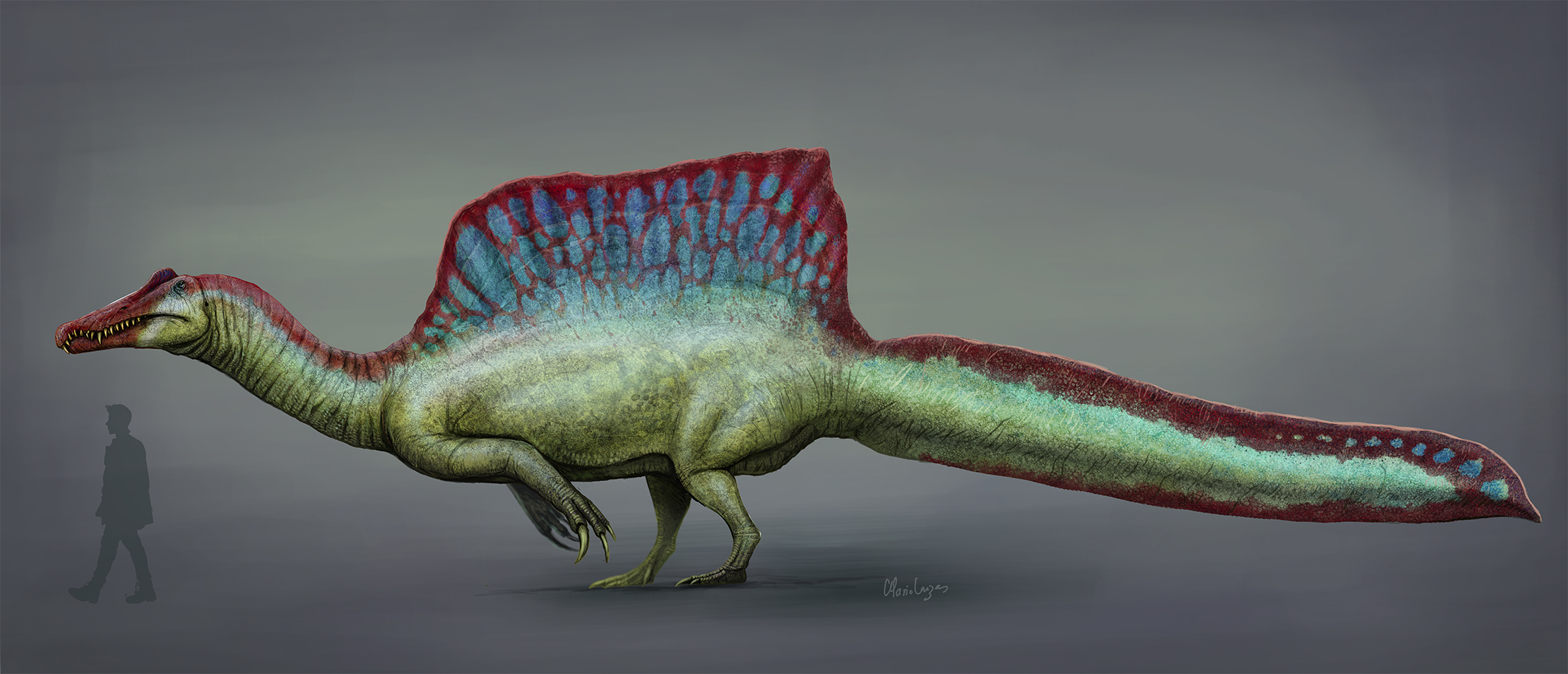
Forget Michael Phelps – Spinosaurus was the Michael Jordan of prehistoric swimming. This semi-aquatic giant possessed a paddle-like tail and webbed feet that would revolutionize competitive swimming. At 50 feet long, it combined the power of a motorboat with the streamlined efficiency of a torpedo.
Recent fossil discoveries reveal that Spinosaurus spent most of its time in water, developing swimming adaptations that surpass any modern aquatic athlete. Its dense bones provided perfect buoyancy control, while its crocodile-like snout cut through water with minimal resistance. The massive sail on its back may have served as a dorsal fin, providing additional stability during high-speed pursuits.
Gymnastics Gold: Therizinosaurus and Balance Beam Mastery
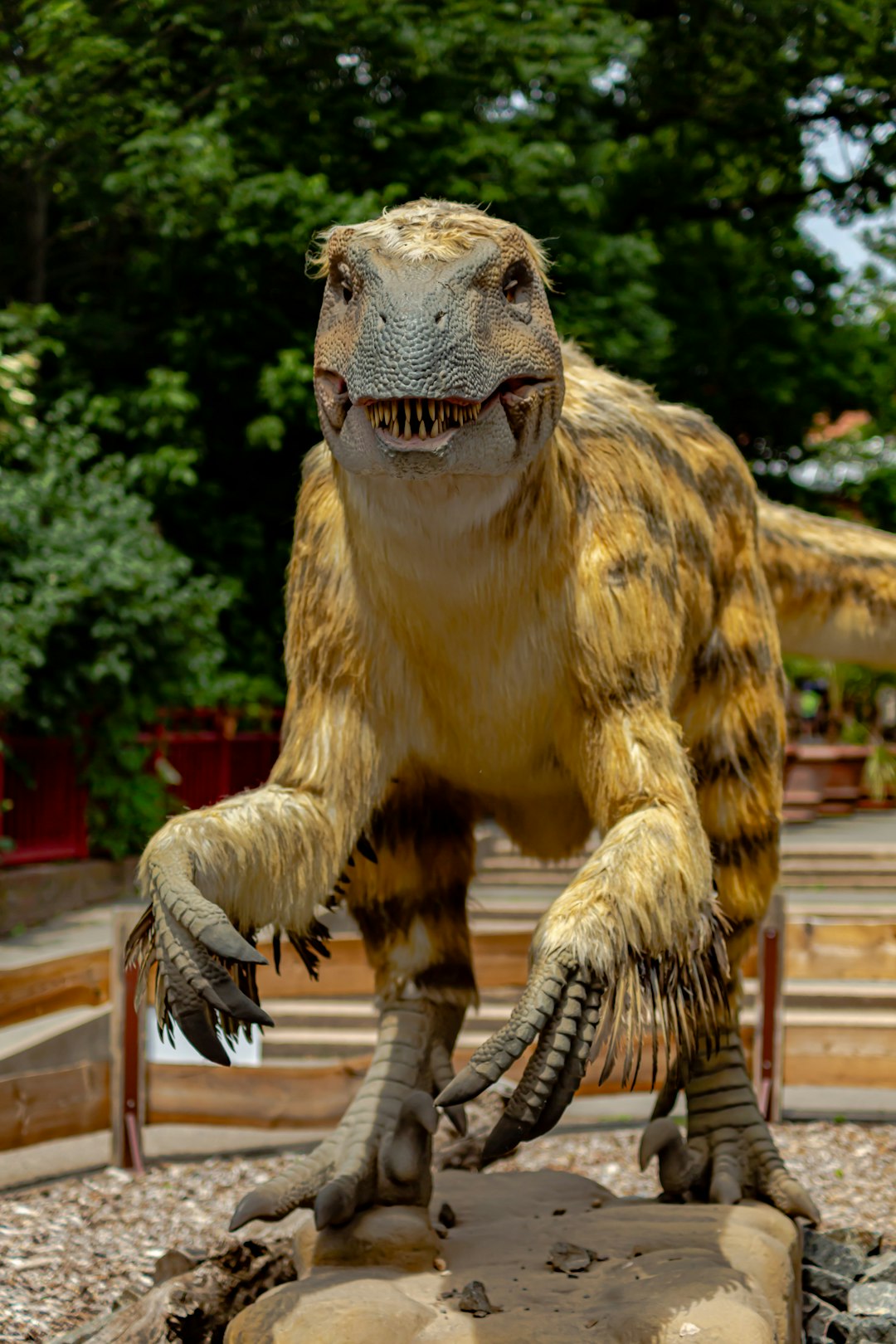
Picture a creature the size of an elephant performing on a balance beam – that’s essentially what Therizinosaurus accomplished daily. These massive herbivores possessed enormous claws up to three feet long, yet moved with surprising grace and precision. Their bipedal stance required constant balance adjustments that would challenge any gymnast.
Standing 16 feet tall on two legs, Therizinosaurus demonstrated balance skills that defy physics. Their wide hips and flexible spine allowed for subtle weight shifts that kept them upright despite their towering height. Think of a skilled tightrope walker, but scaled up to prehistoric proportions.
The precision required to manipulate those massive claws for feeding demanded hand-eye coordination that would impress Olympic judges. Every meal was essentially a gymnastics routine performed on a giant scale.
Basketball’s Dream Team: Dracorex Takes the Court
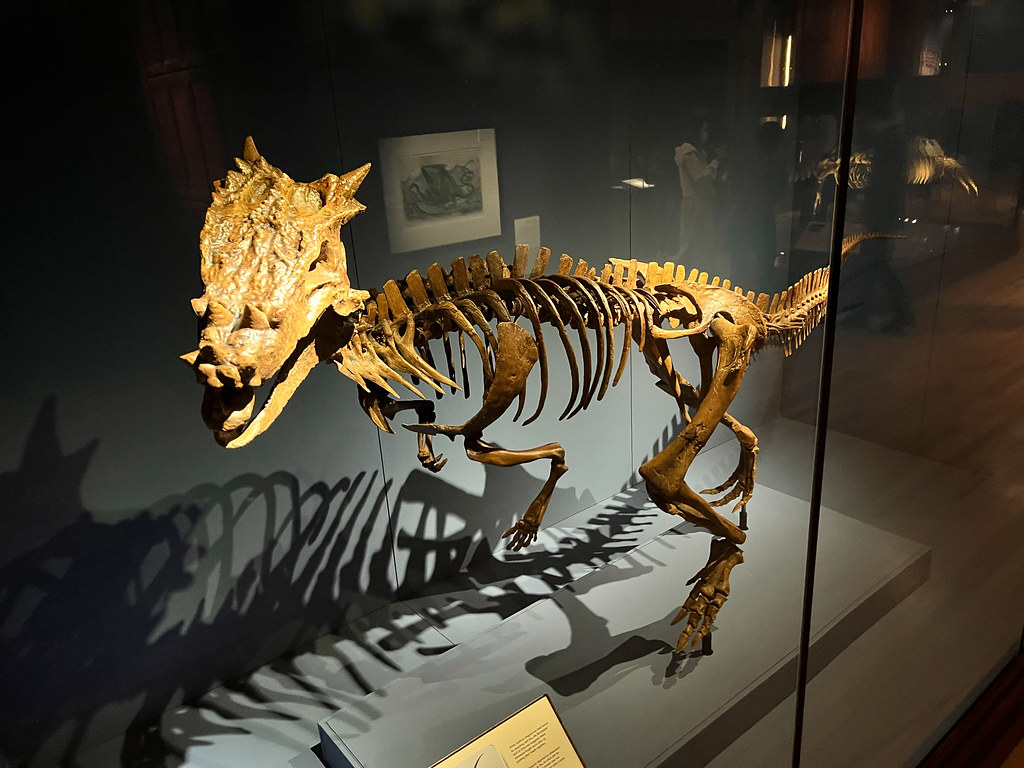
With their dome-shaped skulls and agile build, Dracorex were natural basketball players waiting for someone to invent the hoop. These human-sized dinosaurs possessed excellent hand-eye coordination and could rear up on their hind legs for impressive vertical reach. Their compact size made them perfect point guards in any prehistoric basketball league.
The thick skull dome that gave them their name would have provided natural protection during aggressive play. Unlike modern players who need helmets, Dracorex came equipped with built-in safety gear that could absorb impacts that would knock out professional athletes.
Marathon Runners: Parasaurolophus and Endurance Events
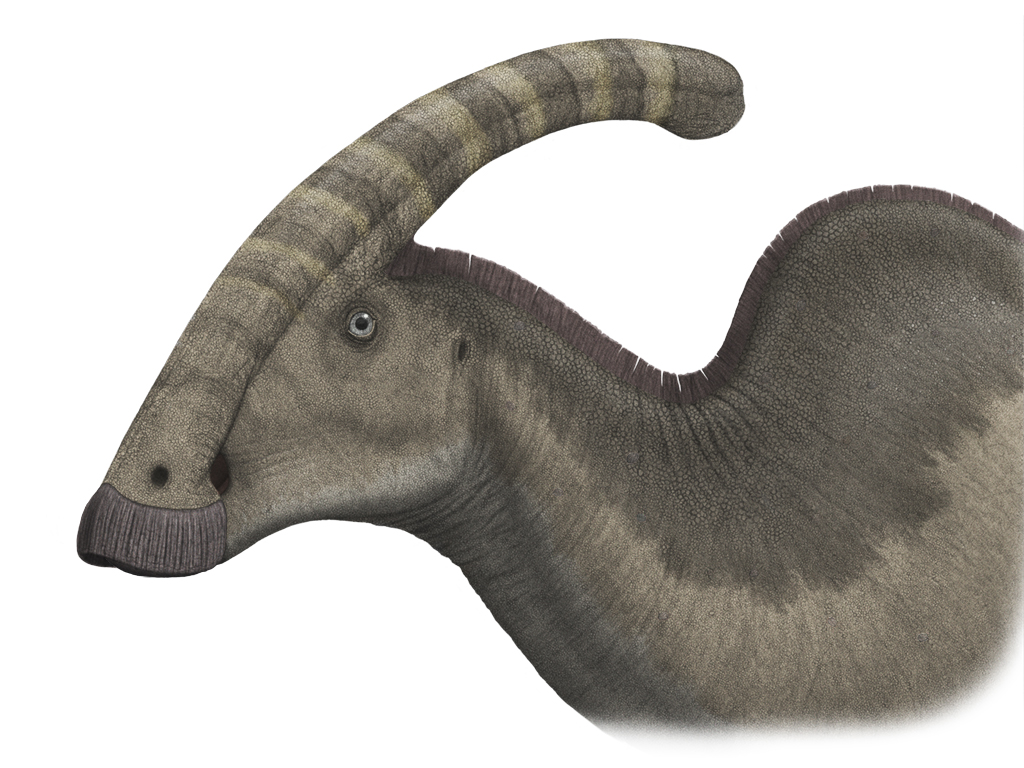
The hollow crest of Parasaurolophus wasn’t just for making musical calls – it was a sophisticated respiratory system that would shame modern marathon runners. These duck-billed dinosaurs could process enormous volumes of air through their extended nasal passages, providing oxygen efficiency that endurance athletes can only dream of achieving.
Their long, powerful legs were built for sustained locomotion across vast prehistoric landscapes. Fossil trackways suggest herds could maintain steady speeds for hours, covering distances that would challenge modern ultramarathoners. Their four-legged gait provided stability and energy efficiency that bipedal runners simply cannot match.
The social nature of these dinosaurs meant they likely engaged in group running activities, developing pack strategies that would revolutionize team-based endurance events.
Hockey’s Prehistoric Powerhouse: Ankylosaurus on Ice
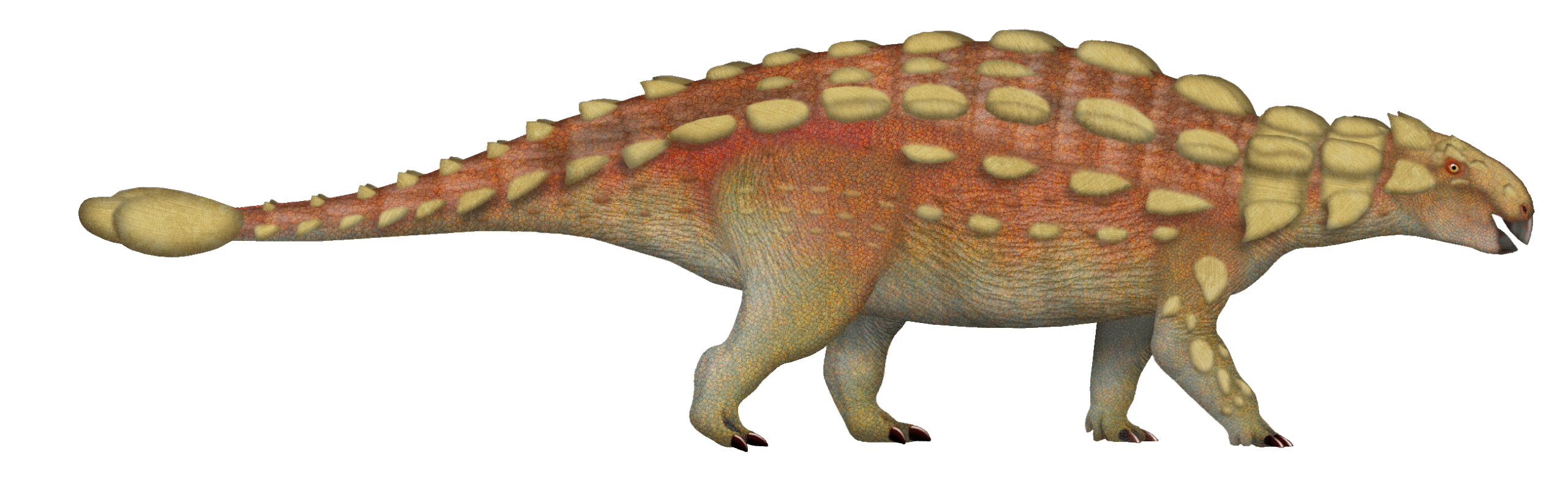
Imagine a hockey player who’s essentially a living tank – that’s Ankylosaurus in a nutshell. These heavily armored herbivores possessed a massive tail club that could deliver devastating body checks without penalty calls. Their low profile and broad stance made them nearly impossible to knock off their feet, even on slippery surfaces.
The bony armor plating covering their entire body provided natural padding that would eliminate the need for protective gear. They could absorb checks from opponents twice their size and keep playing without missing a shift. Their tail club could clear the puck with authority, sending it flying across the rink like a prehistoric slap shot.
Archery Masters: Parasaurolophus Takes Aim
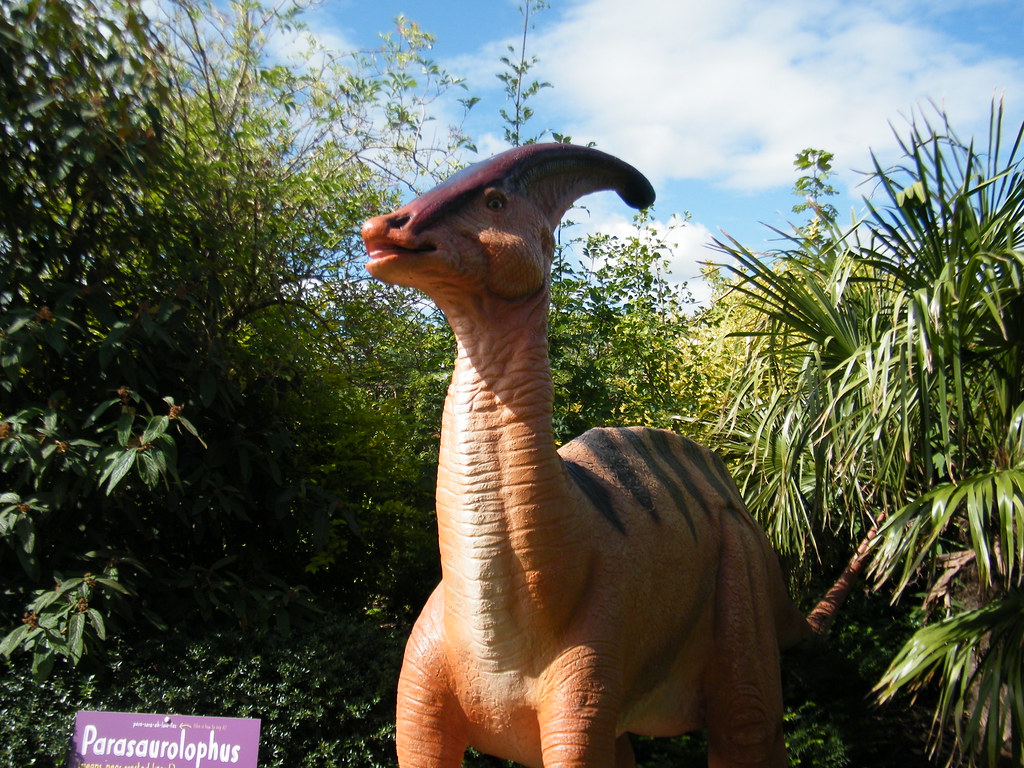
The keen eyesight and steady stance of Parasaurolophus would translate perfectly to archery competitions. These creatures needed pinpoint accuracy to select the best vegetation from dense forest canopies, developing visual tracking skills that rival professional marksmen. Their ability to remain motionless for extended periods provided the patience and stability crucial for archery success.
The complex musculature required to support their distinctive crests demanded incredible neck and shoulder strength. This natural upper body development would provide the power needed to draw even the strongest competition bows repeatedly without fatigue.
Diving Champions: Hesperornis Rules the Pool
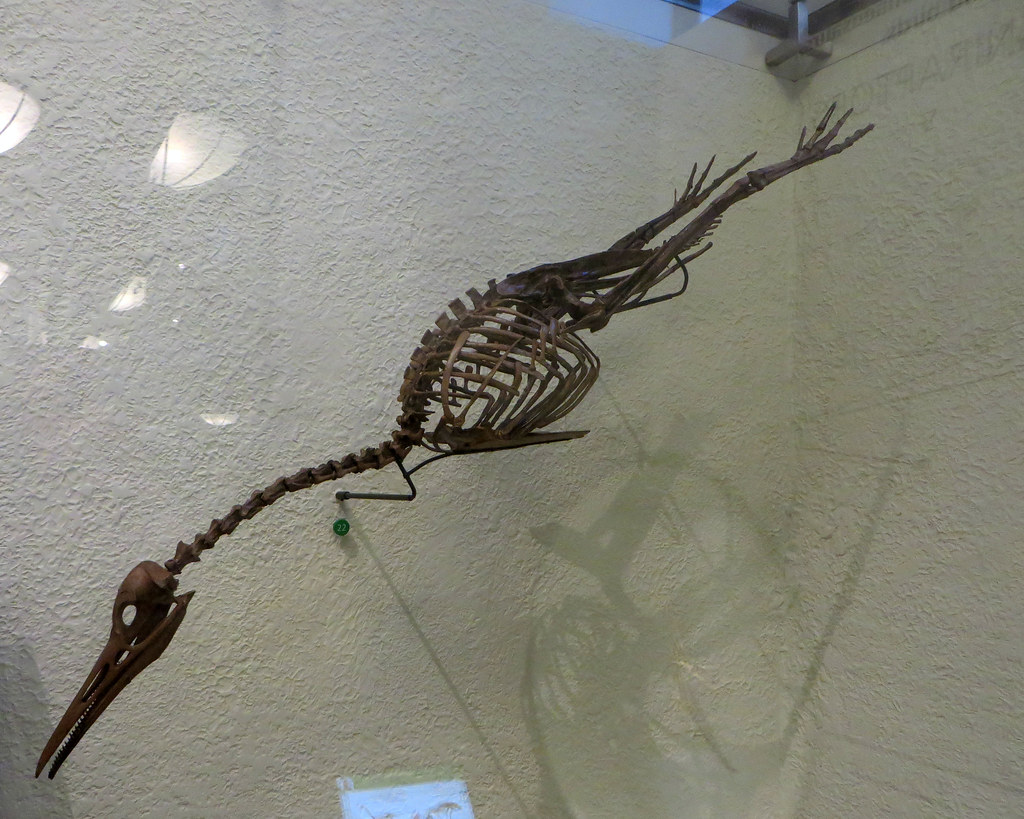
While technically not a dinosaur, Hesperornis represents the pinnacle of prehistoric diving athleticism. These toothed birds were so specialized for aquatic life that they lost the ability to fly, instead becoming underwater missiles capable of pursuing fish at incredible depths. Their streamlined bodies and powerful leg propulsion made them nature’s perfect diving athletes.
Modern Olympic divers train for years to achieve the fluid grace that Hesperornis displayed naturally. Their ability to control buoyancy and execute precise underwater maneuvers would revolutionize competitive diving, combining the best elements of speed swimming with acrobatic precision.
Javelin Throwers: Baryonyx and Precision Weapons
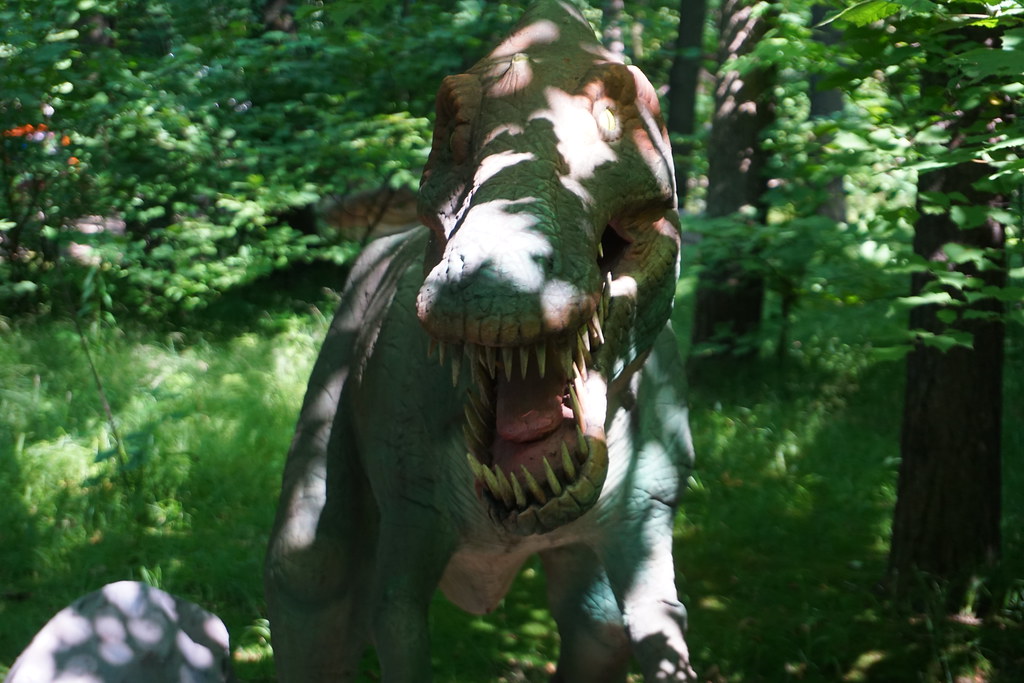
The massive claws of Baryonyx weren’t just for show – they were precision instruments that required incredible accuracy and timing. These semi-aquatic hunters could spear fish from rushing water with split-second timing that would impress Olympic javelin throwers. Their elongated skulls provided excellent depth perception, while their powerful forearms generated tremendous striking force.
The biomechanics of their fishing technique involved complex coordination between vision, timing, and explosive muscle contraction. This natural spear-fishing ability would translate perfectly to javelin throwing, where precision and power combine to achieve maximum distance and accuracy.
Team Sports Captains: Deinonychus Leads the Pack
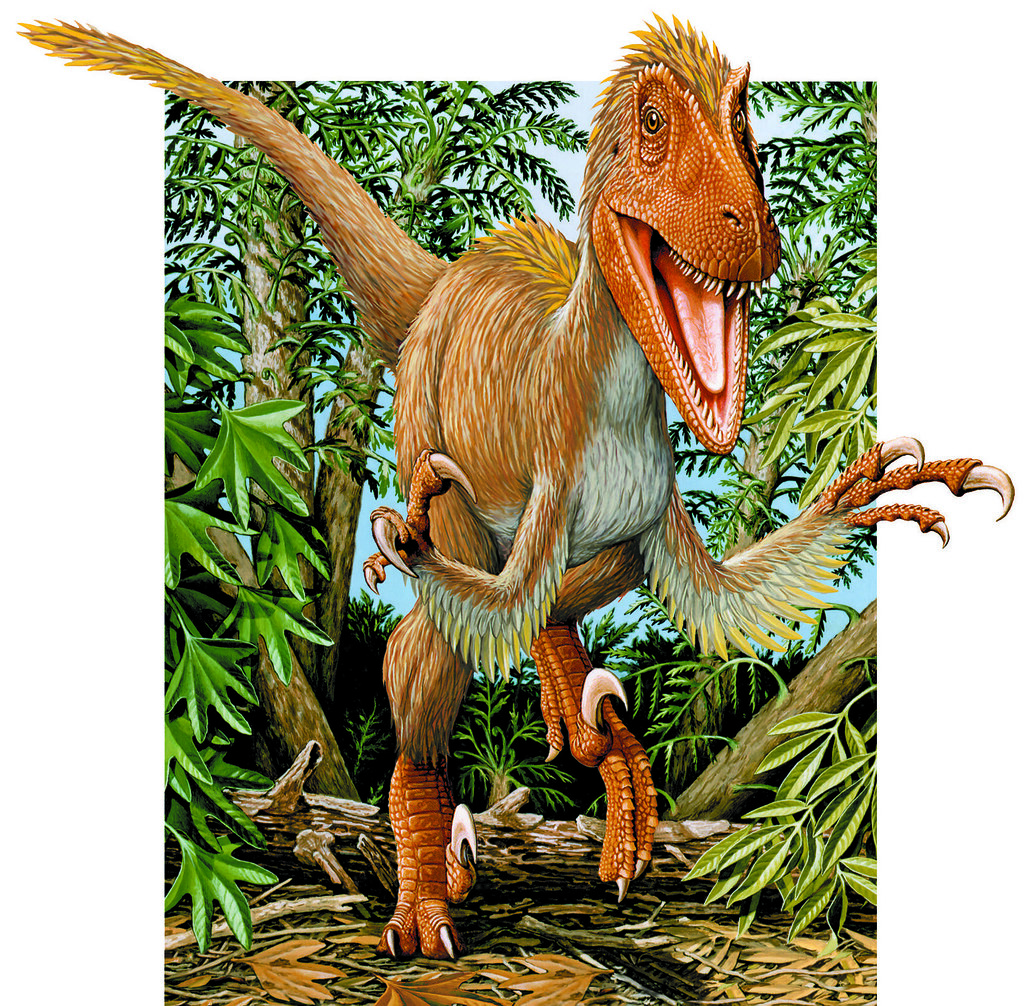
Deinonychus possessed all the qualities of elite team sport captains – intelligence, agility, and deadly coordination with pack members. These “terrible claws” were strategic thinkers who could adapt tactics mid-hunt, making split-second decisions that determined success or failure. Their sickle-shaped claws required precise timing and teamwork to be effective.
In team sports, these dinosaurs would excel as quarterbacks or team captains, reading the field and coordinating complex plays. Their keen spatial awareness and ability to track multiple moving targets simultaneously would provide tactical advantages that modern athletes spend years developing.
The social cooperation required for pack hunting translates directly to team sports success. These dinosaurs understood that individual talent means nothing without perfect coordination and trust between team members.
The Ultimate Athletic Evolution
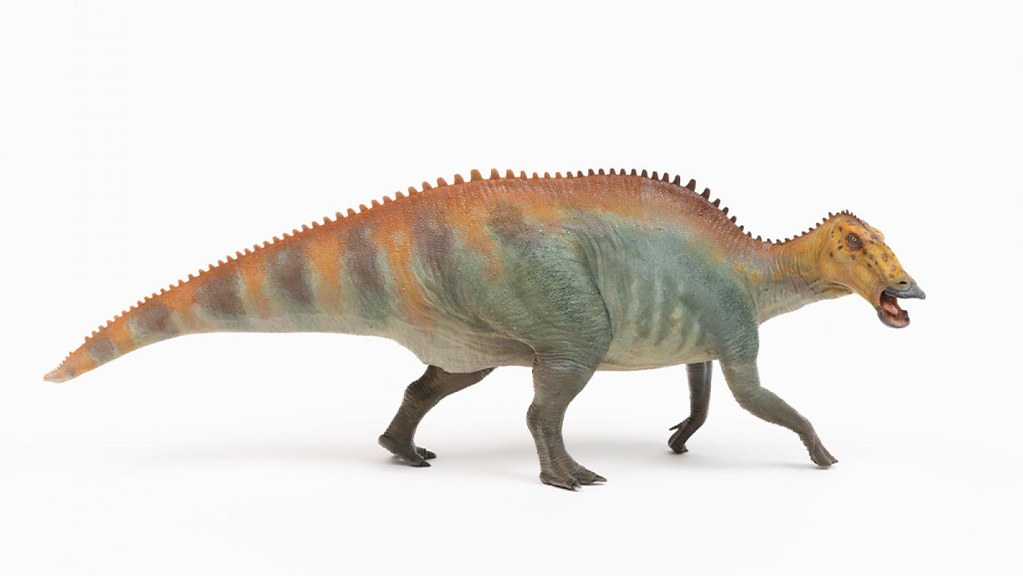
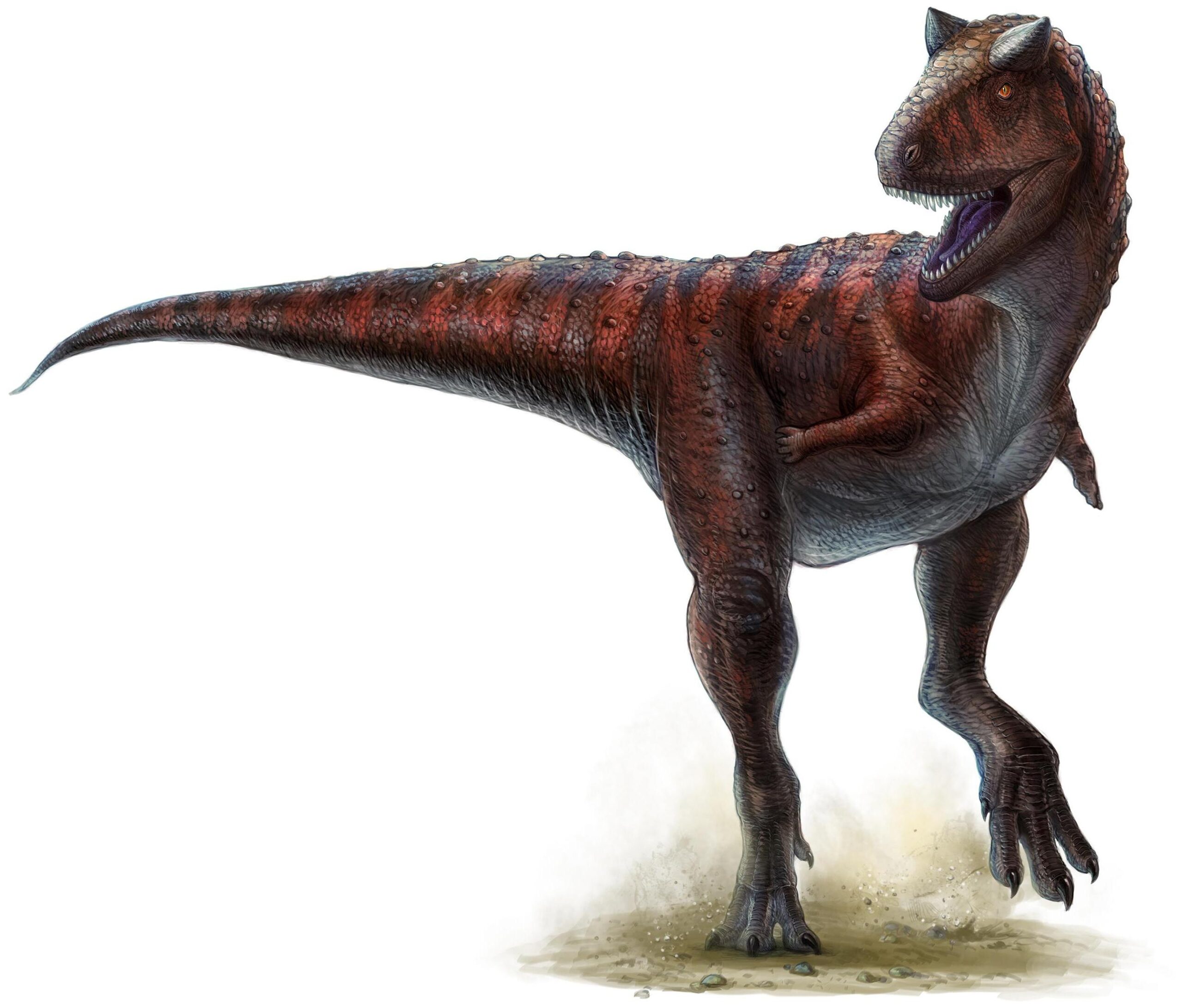
Looking at dinosaurs through the lens of athletic performance reveals something profound about evolution itself – every successful species was essentially a specialized athlete, perfectly adapted for their particular “sport” of survival. From the explosive power of Carnotaurus to the endurance capabilities of Edmontosaurus, these creatures pushed the boundaries of what’s physically possible.
Modern sports science continues to discover new insights by studying prehistoric biomechanics. The hollow bones that made flight possible teach us about weight distribution in human athletics, while the muscle attachment points of massive predators inform our understanding of leverage and power generation. These ancient athletes achieved performance levels that still inspire engineering marvels today.
Perhaps most remarkably, dinosaurs competed in the ultimate sport – the game of survival – for over 160 million years. Their athletic achievements weren’t measured in medals or records, but in successful reproduction and species continuation. In that respect, they were the most successful athletes in Earth’s history. What modern sport could you see your favorite dinosaur dominating?