
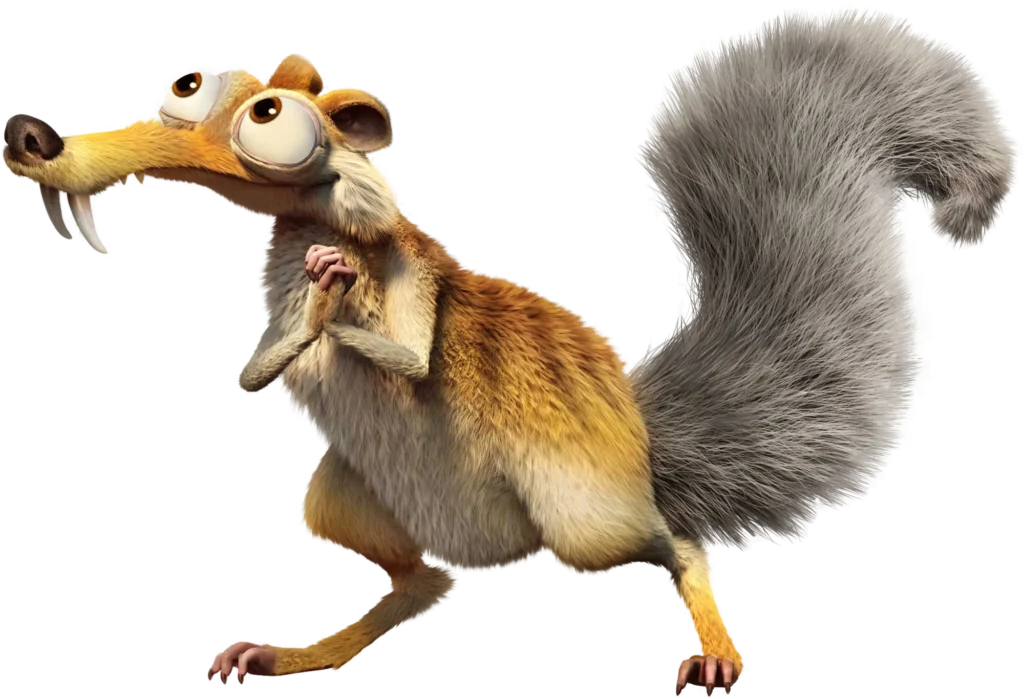
Scrat sprints across cracking ice, clings to cliffs by his toenails, survives avalanches, volcanoes, and continental drift, all while obsessing over a single acorn. It is chaotic, hilarious, and absolutely impossible. If this neurotic little saber-toothed squirrel actually lived in the real Ice Age, natural selection would have treated him like a bad joke.
Looking at Scrat through a scientific lens is oddly revealing. It shows us not only why he would not last long in a real Pleistocene ecosystem, but also what real prehistoric animals had to get right just to survive another day. Let’s walk through what biology, physics, and basic common sense say about Scrat’s chances in the actual Ice Age – and why, in the real world, his story almost certainly ends in less than a week.
Scrat’s extreme clumsiness: why repeated near-death fails are not evolutionarily realistic
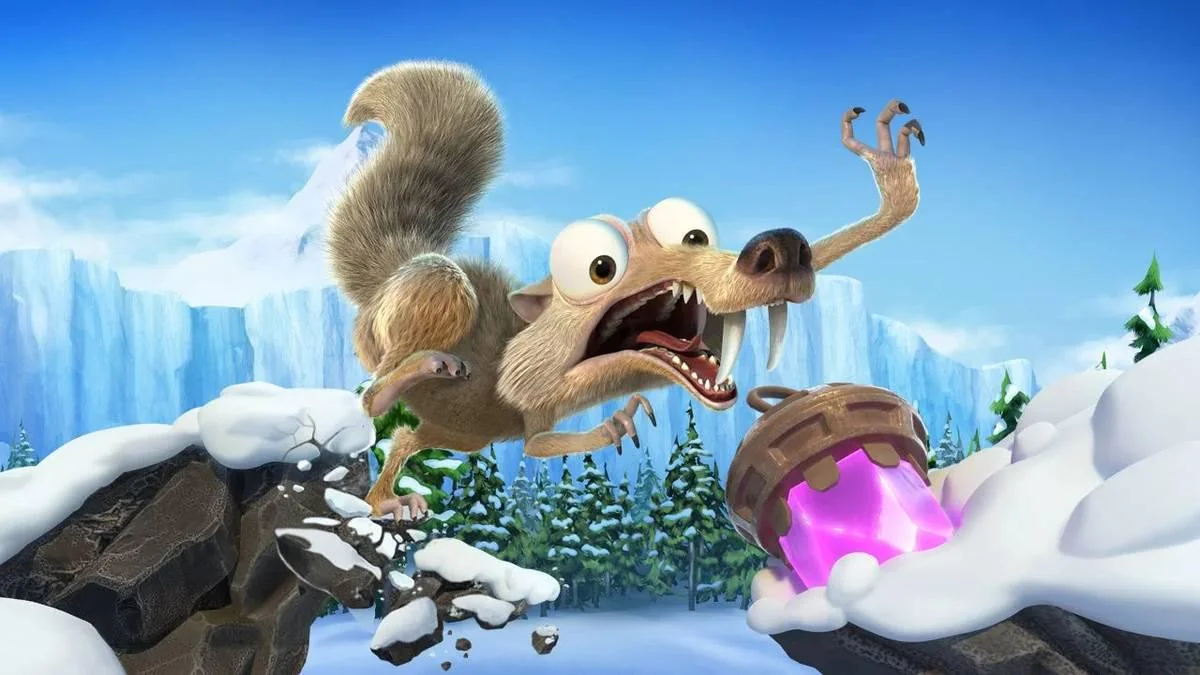
The most obvious problem with Scrat is his catastrophic lack of basic survival skills. In almost every scene, he is either falling off a cliff, triggering a landslide, getting buried in snow, or becoming an accidental lightning rod. In fiction, this is comic timing; in a real Ice Age ecosystem, it is a fast track to natural selection removing your genes from the pool. Wild animals that survive must be cautious, efficient, and very good at avoiding unnecessary risk. Scrat behaves like the exact opposite of what evolution would produce.
Real small mammals survive because they are boringly competent. They run from predators at the first sign of danger, hoard food systematically, and avoid exposed, dangerous terrain unless they absolutely have to cross it. If an individual animal repeatedly did what Scrat does – standing on collapsing ice shelves for fun, dangling over chasms to reach one nut, ignoring predators while obsessing over food – it would not survive long enough to pass on its genes. Evolution punishes that kind of slapstick. Over many generations, only the most alert, coordinated, and risk-averse individuals tend to leave descendants, which makes Scrat’s cartoon chaos deeply un-plausible in the real world.
The acorn obsession: starvation by bad priorities
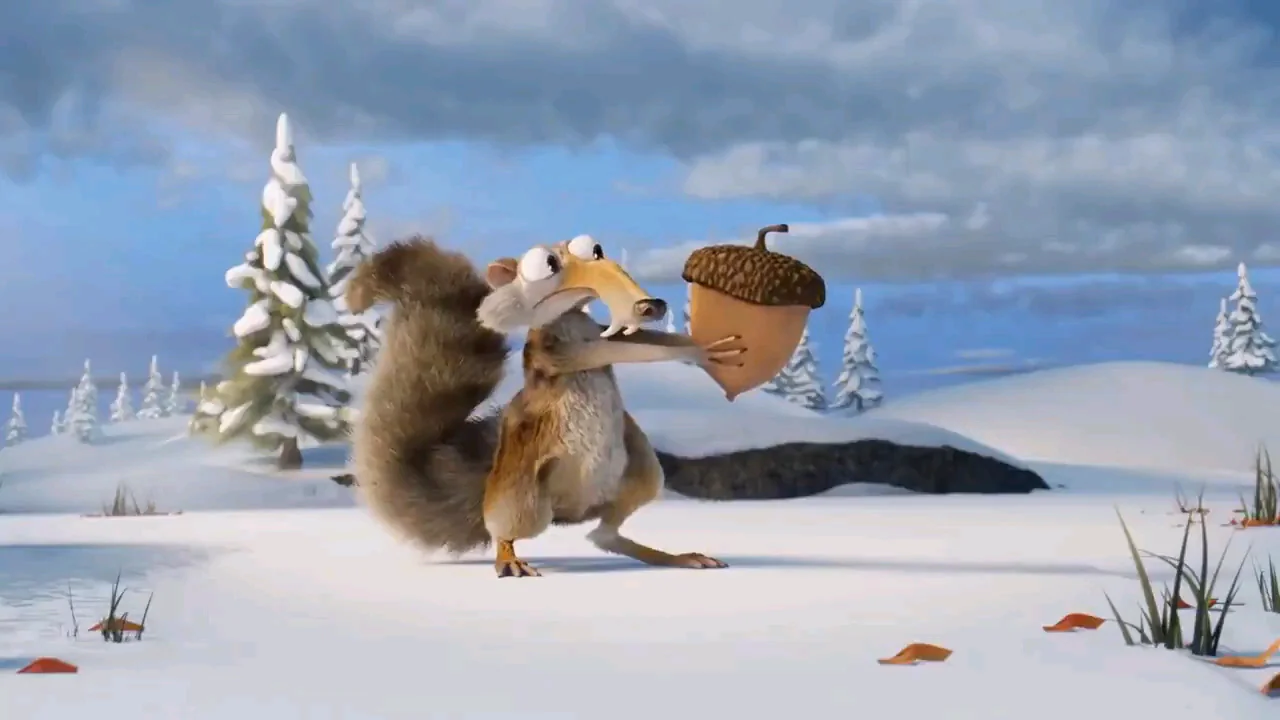
Scrat’s single defining trait is his total, unshakeable obsession with one acorn. It is funny because it is ridiculous, but biologically it is a disaster. Real animals cannot afford to fixate on a single food item while ignoring everything else happening around them: predators, weather, alternative food sources, and safer shelter sites. An animal that will dive off a cliff or cross a glacier just to recover one nut is not dedicated; it is selecting itself out of existence.
In the real Ice Age, small mammals would have needed flexible feeding strategies. They would eat different seeds, nuts, buds, roots, insects, or even carrion depending on what was available and how dangerous it was to obtain. Hoarders like modern squirrels cache many nuts in many places precisely to avoid losing everything to one bad event. Scrat, on the other hand, seems to maintain exactly one ultra-precious acorn at a time and repeatedly stores it in catastrophically unstable locations. That is the evolutionary equivalent of putting your life savings in a wallet you keep throwing off a bridge for fun.
Energy budget and physics: his stunts would kill or exhaust him fast
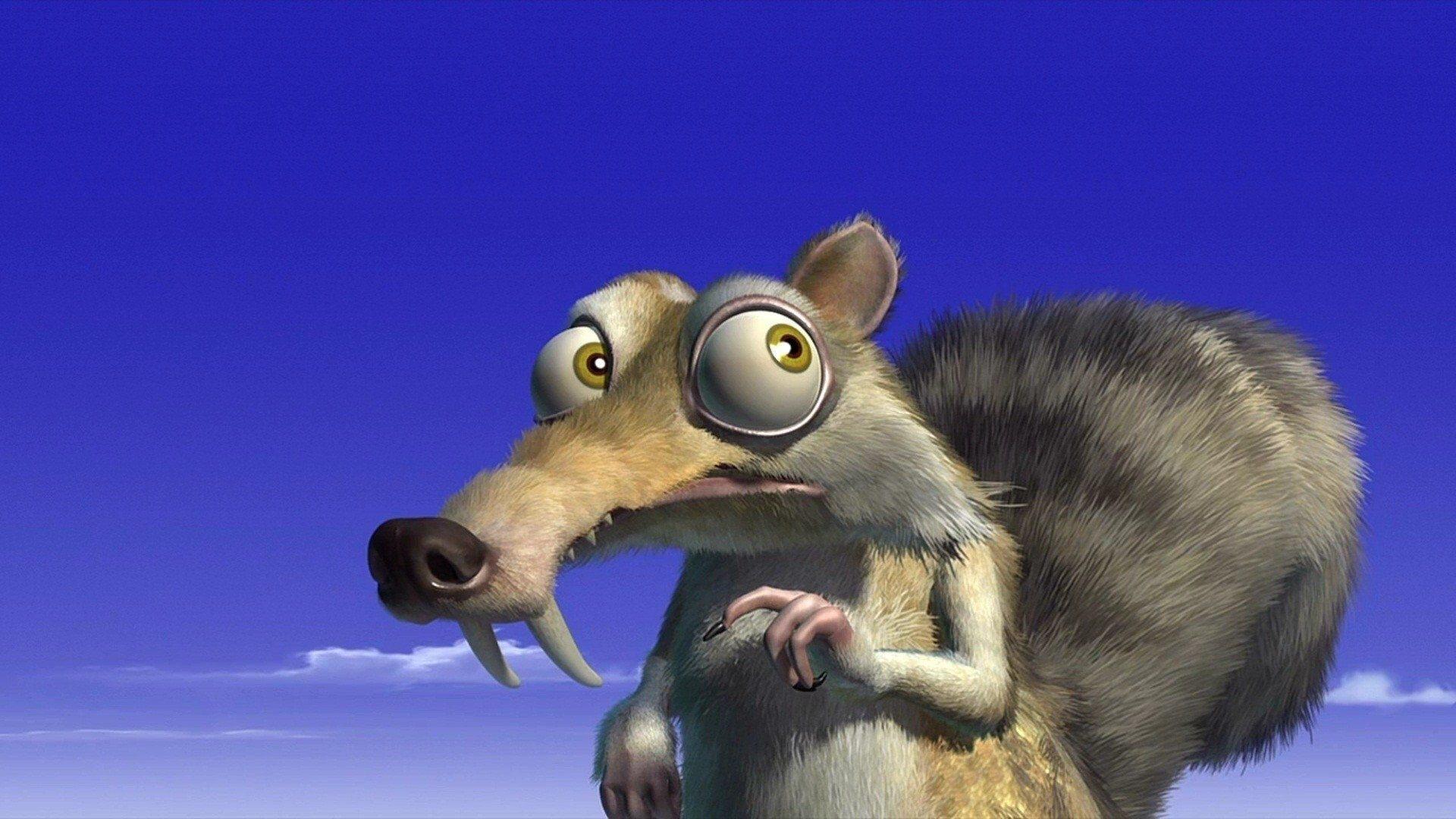
Every wild animal lives by an unforgiving energy budget: calories in must cover calories out, or it dies. Scrat burns through energy like a hyperactive marathon runner fueled only by anxiety. He sprints across ice fields, hangs from ledges, gets launched into the sky, crashes into rock, and then just pops up ready to do it again. For a small mammal in near-freezing temperatures, that kind of nonstop high-intensity activity without adequate rest and reliable food would lead to rapid exhaustion, hypothermia, and likely death in a matter of days.
Then there is the problem of blunt force trauma. Scrat is constantly crushed, squashed, flung, and slammed into solid surfaces with cartoon invincibility. In real life, even one of those impacts could shatter bones, cause internal bleeding, or leave him too injured to forage or flee predators. Small mammals in the wild die from much less dramatic events: a fall from a tree, a predatory bite, or a badly timed dash across open ground. The idea that Scrat could endure dozens of injuries that would cripple a real animal and continue functionally at full speed is pure fantasy. Within a realistic physical model, his week would probably end on day one.
Predators of the Pleistocene: Scrat as an easy snack
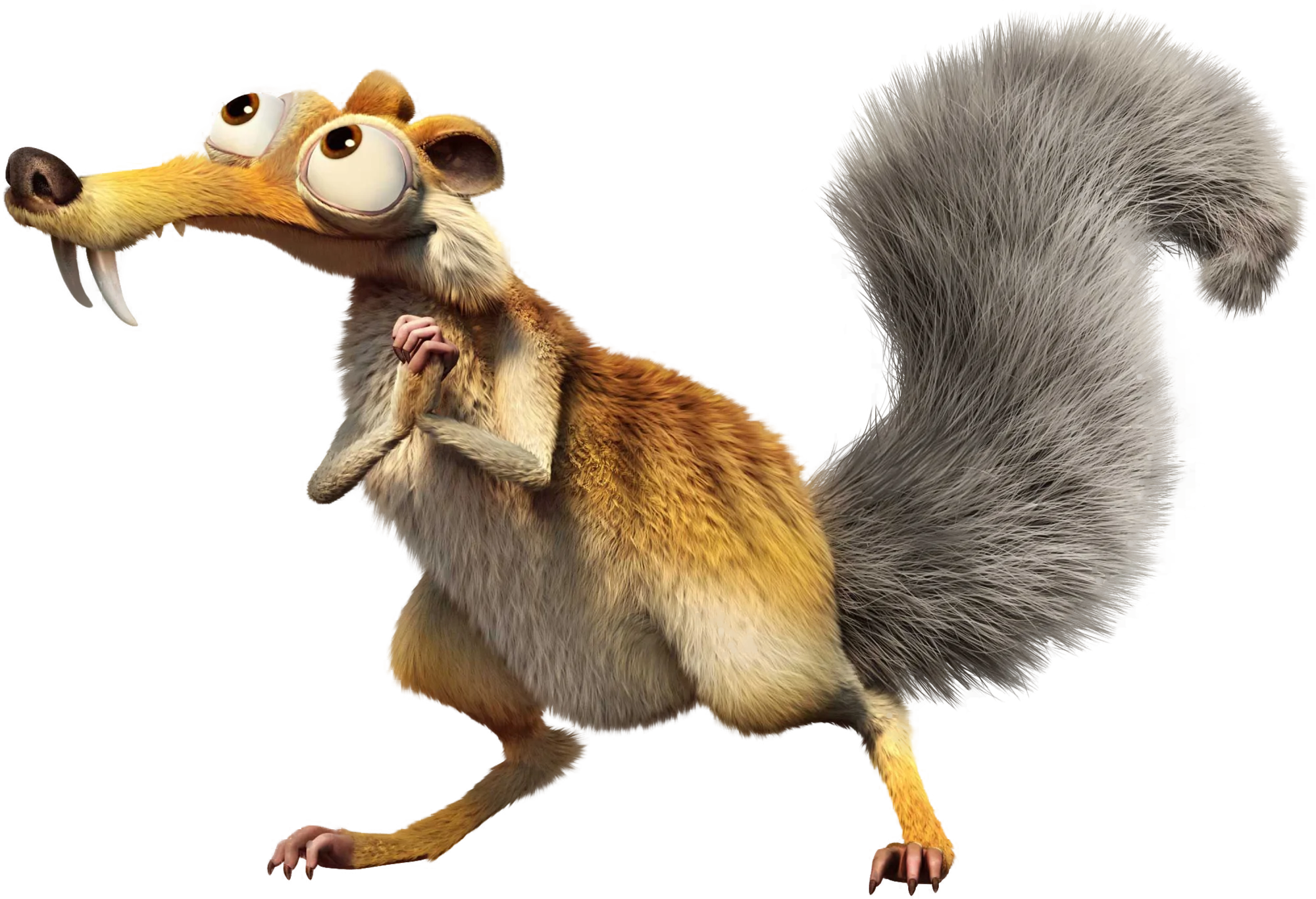
The Ice Age was not just snow and cute sidekicks; it was packed with predators that were efficient, fast, and very hungry. Saber-toothed cats, large canids, raptors, and many other carnivores would have found a small, noisy, distracted mammal like Scrat incredibly easy to catch. He spends huge chunks of time on exposed ice sheets, yelling, slipping, and focusing entirely on rescuing his acorn instead of scanning for danger. From a predator’s point of view, he is practically waving a tiny flag that says “Free meal here.”
Real small mammals survive through stealth and vigilance. They stick close to cover, use complex escape routes, stay quiet, and freeze when they sense danger. Scrat does the exact opposite: he screams, flails, and often literally triggers geological disaster while trying to retrieve food. He would likely be taken out not by some dramatic global cataclysm, but by the first moderately competent predator that happened to be looking in his direction. In a week of that behavior, the odds that he would avoid being eaten are close to zero.
Ecological niche and competition: Scrat does not fit anywhere
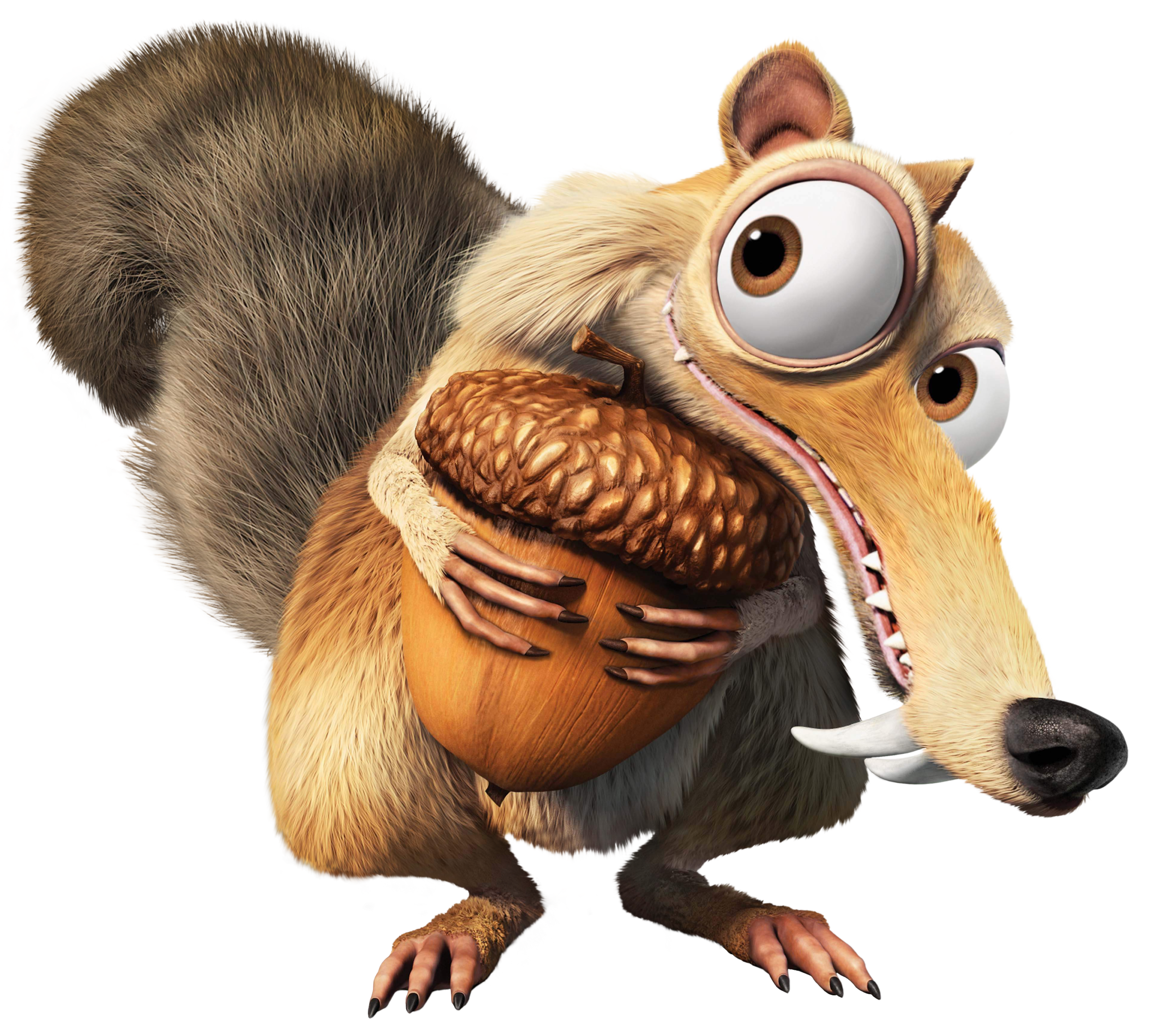
Every real animal in an ecosystem occupies an ecological niche: a combination of habitat, diet, behavior, and role in the food web that makes sense and can be sustained over time. Scrat does not appear to have one. He never seems to participate in a colony or social group, does not show any consistent foraging pattern, and appears completely uninterested in mating, shelter-building, or territory defense. In evolutionary terms, he is a dead end: a lone, maladapted generalist who is terrible at generalizing.
On top of that, the Ice Age would not have been empty of other small mammals. There would have been rodents, primitive squirrels, shrews, and many other competitors that were far better at efficiently collecting and storing food. They would dig burrows, use microhabitats, and exploit a range of resources Scrat ignores. In a world where food is scarce and winters are brutal, an individual that wastes time and energy on a single high-risk item while others quietly gather dozens of safer options will be outcompeted quickly. Scrat’s “strategy” is not a quirky alternative; it is ecological self-sabotage.
Real fossil evidence: what actual Ice Age small mammals tell us
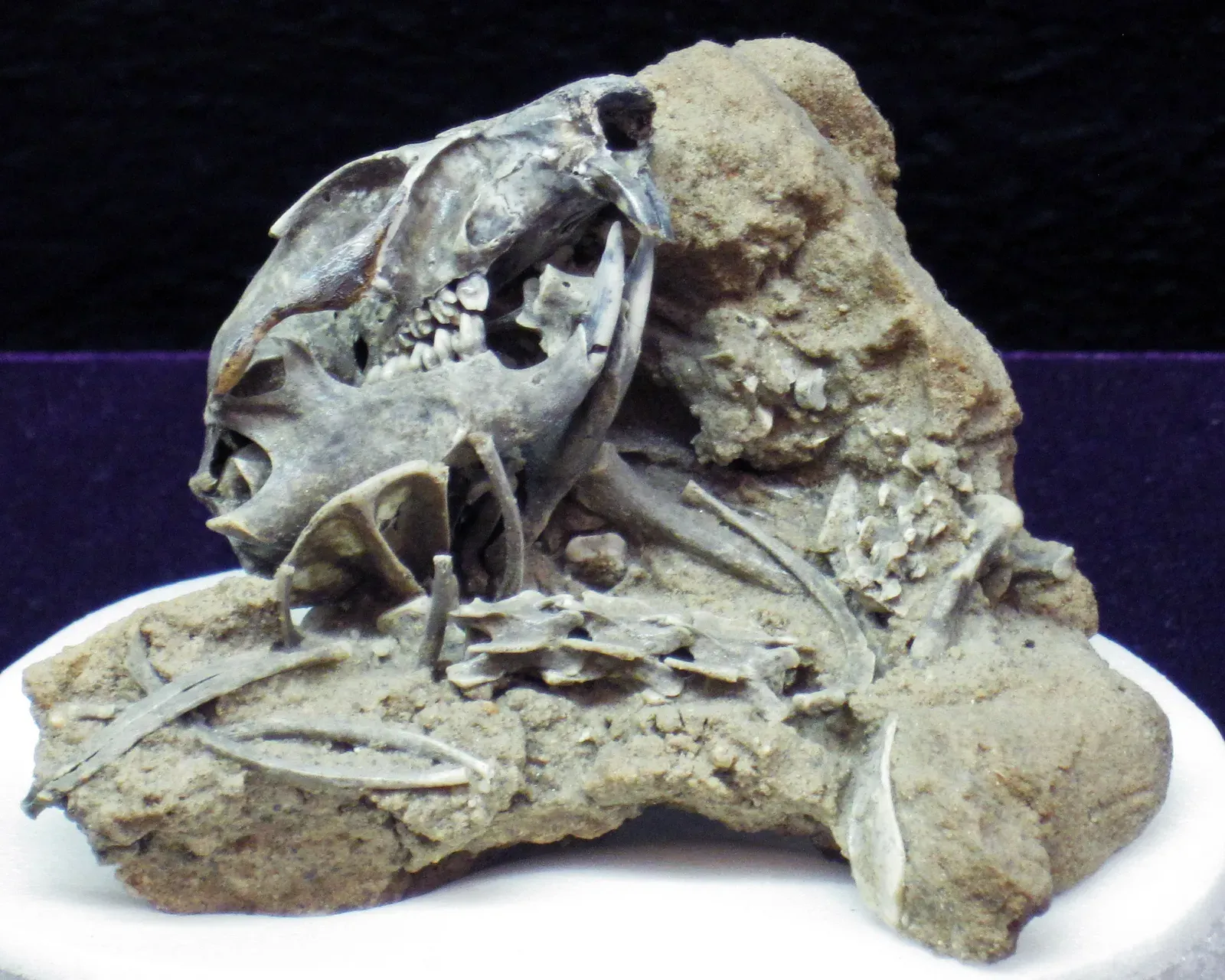
When we look at fossils and at living relatives of Ice Age mammals, we see animals that are surprisingly conservative in their basic body plans and behaviors. Rodent and squirrel-like fossils show adaptations for climbing, digging, gnawing, and caching, but not for the kind of slapstick acrobatics Scrat constantly performs. The traits that persist over millions of years are usually those that improve survival just a little bit, not those that make an individual dramatically entertaining. There is no sign in the fossil record of a lineage that specialized in suicidal acorn-chasing.
Even modern squirrels, which are far more agile and risk-tolerant than many mammals, know when to cut their losses. They abandon nuts that fall into unsafe locations, use three-dimensional escape paths in trees, and show refined memory for cache locations across seasons. That combination of memory, caution, and flexibility is what natural selection tends to reward. Scrat’s behavior, in contrast, involves perfect memory only for the worst possible choice, followed by escalating risk. If a Scrat-like animal ever did appear in prehistory, it would probably vanish so quickly that we would never find a single fossil trace of it.
So would Scrat really be extinct within a week? A blunt conclusion
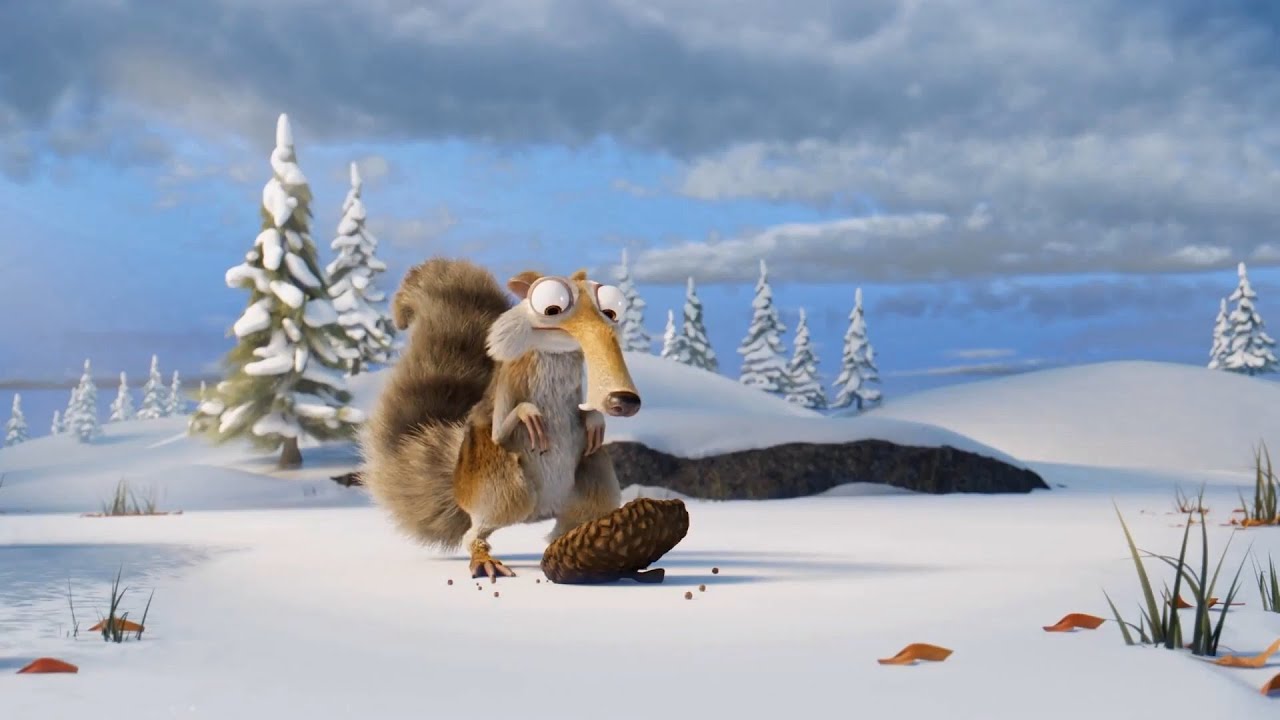
Putting all of this together, the picture is pretty brutal: in a real Pleistocene environment, a Scrat-like creature almost certainly would not last long. Between his dangerous clumsiness, irrational acorn fixation, impossible physics-defying injuries, total lack of vigilance, and poor fit in any real ecological niche, he represents almost a checklist of traits that evolution weeds out. If you forced biologists to bet on his survival time in a realistic Ice Age setting, most would probably be generous to give him a few days, let alone a full week.
That said, there is a strange charm in how thoroughly Scrat breaks every rule of survival and somehow keeps going in his fictional world. He is a reminder that real life is governed by harsh trade-offs, but our stories do not have to be. In reality, natural selection would have ended Scrat’s lineage almost as soon as it began; on screen, he gets infinite retries. Maybe that contrast is part of why we love him: he represents the chaotic, stubborn part of us that keeps chasing the impossible acorn anyway. If you had to place your bet on real-world Scrat, though, would you give him even seven days?