
Have you ever found yourself looking at the floor, the wall, your coffee mug – literally anywhere but into someone’s eyes – even when you like them and feel safe with them? You might beat yourself up and think you are shy, awkward, or broken in some way. But what if that uncomfortable flinch away from eye contact is not a personal flaw at all, and instead is a very old nervous system doing exactly what it was built to do tens of thousands of years ago?
Eye contact is one of those things that seems simple on the surface, yet it is wired straight into some of the oldest layers of the human brain. That feeling of your body tightening when someone stares too long, or the urge to look away when emotions get intense, can be traced back to a time when eye contact could mean danger, challenge, or the difference between life and death. Once you see it through that lens, your quirks around eye contact start to look a lot less like a problem and a lot more like a story of evolution still living in your body.
The Ancient Meaning Of A Stare: Why Your Brain Treats Eye Contact Like A Signal Of Threat
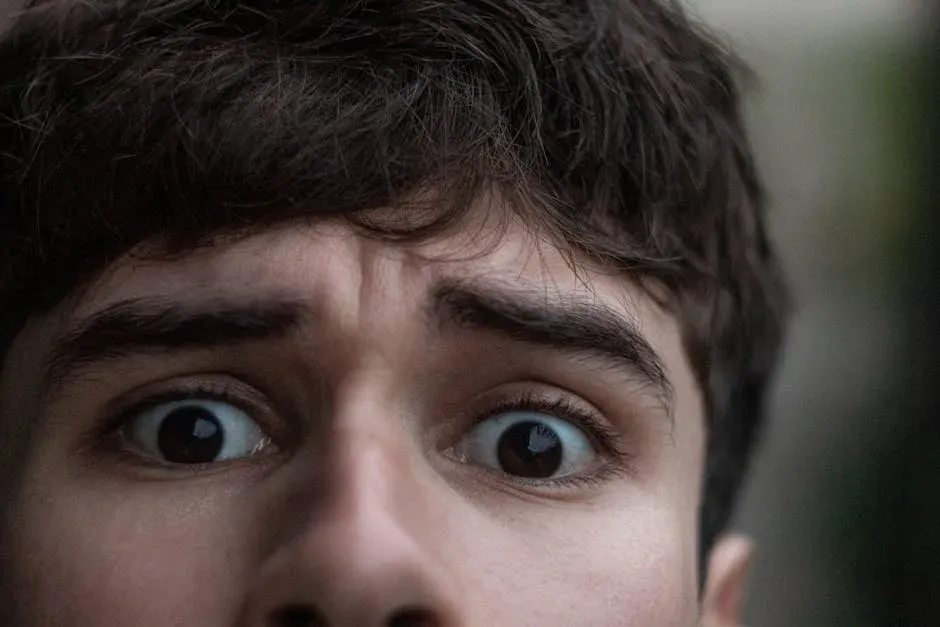
In early human groups, locking eyes was rarely neutral. Among many primates, a direct, unbroken stare is not a friendly gesture; it is often a challenge, a way of testing status, or a prelude to aggression. Our ancestors grew up in that primate context, and their nervous systems learned to treat intense eye contact as something to read very carefully and, if needed, to avoid. Even now, your amygdala – the brain region involved in detecting threat – becomes more active when it detects direct gaze, especially when emotions are strong.
This is why eye contact can feel strangely intense even in completely safe, modern situations like job interviews, dates, or therapy sessions. Your logical mind might know you are just chatting, but deeper layers of your nervous system are scanning for social threat the same way they did in small bands of hunter‑gatherers. Looking away, softening your gaze, or focusing on someone’s mouth or hands instead of their eyes can be your body’s way of dialing down a signal that it still reads as loaded, even though no one is actually about to attack you.
Hypervigilance In A Modern World: When Ancestral Alert Systems Stay Switched On

Our ancestors did not have the luxury of assuming everything was fine. A rustle in the bushes, a sudden movement, or a stranger’s stare could have meant serious danger, so their survival depended on noticing small social and environmental cues fast. This constant scanning for potential threat is what scientists often call hypervigilance – and while it kept early humans alive, it can feel exhausting in a world where the “threats” are mostly social or emotional rather than physical.
If you grew up in unsafe, unpredictable, or high‑stress environments, your nervous system may lean even more toward this ancient strategy of staying on guard. In that state, eye contact can feel like one more channel of incoming data your brain has to decode: Are they judging me? Are they angry? Am I in trouble? Avoiding someone’s eyes can actually be your body’s attempt to reduce the amount of information it has to process, like closing a few browser tabs to keep your laptop from overheating. It is not laziness or rudeness; it is economy of survival energy.
The Social Brain: How Eye Contact Supercharges Emotional Information
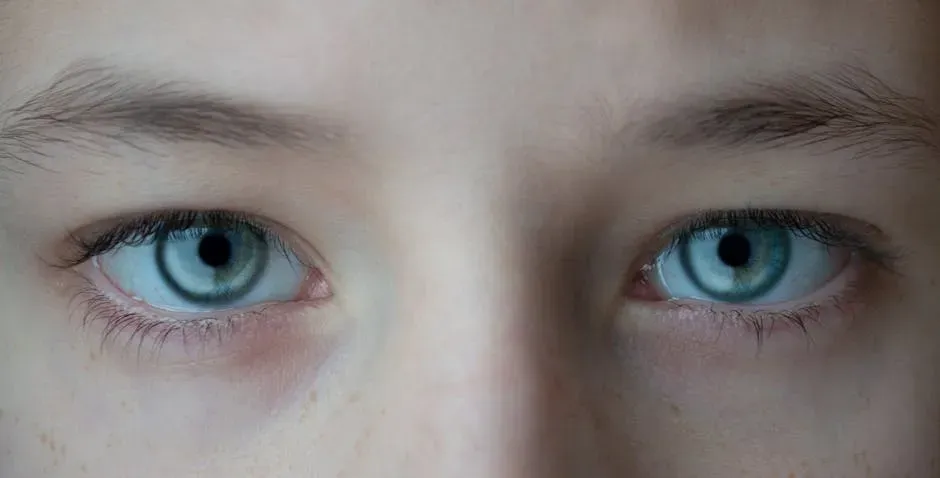
Eye contact is one of the most information‑dense forms of human communication. A split second of someone’s gaze can tell you if they are bored, curious, suspicious, or hurt. Brain‑imaging research shows that when people make direct eye contact, areas related to social understanding and emotional processing become more active. That means your brain knows, at a deep level, that looking into someone’s eyes is like opening a high‑bandwidth emotional channel.
If you already feel anxious, overwhelmed, or uncertain, that high‑bandwidth channel may be more than you want to deal with. Looking away can act like turning down the emotional volume so you can still stay in the conversation without feeling flooded. Think of it like choosing to text rather than video call when you are tired: the simpler channel feels safer and easier to handle. Your nervous system may prefer a little bit of distance while it still tracks the interaction from the sidelines.
Fight, Flight, Or Fawn: Old Survival Modes Hiding In Your Social Habits
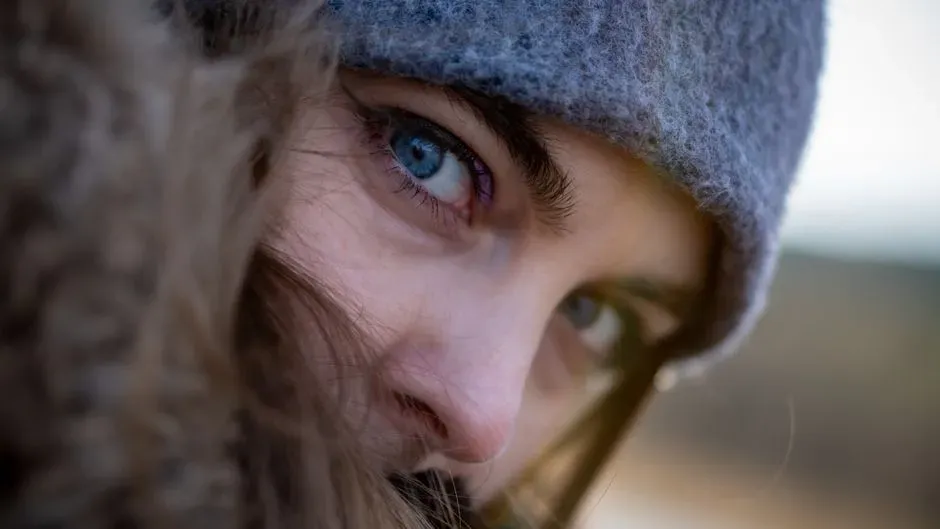
When people talk about the stress response, they usually mention fight or flight, but there are other patterns too, like freeze and fawn. All of these are old survival strategies, and they can show up in subtle ways around eye contact. For example, if your body leans toward flight, you may find yourself glancing away, scanning the room, or looking for exits whenever conversation feels intense. If your pattern is more freeze, you might feel pinned in place by eye contact, almost like a deer in headlights, while your mind goes blank.
The fawn response – where you try to keep others happy and safe to avoid conflict – can also influence your eyes. You might break eye contact quickly to avoid seeming challenging, or you might hold eye contact longer than is comfortable because you are trying hard to appear engaged and agreeable. These are not conscious choices most of the time; they are fast, automatic adjustments your nervous system makes based on what it has learned helps you stay physically or emotionally safe. Recognizing these patterns does not mean something is wrong with you; it just means your survival software is still running in the background.
Attachment, Trust, And Why Even Safe Relationships Can Trigger Old Wiring

People often assume that if they truly trust someone, eye contact should be easy and natural. But attachment research shows that early relational experiences shape how safe intimacy feels, and intimacy is exactly what eye contact amplifies. If you grew up with caregivers who were unpredictable, dismissive, or critical, your body may have learned that being deeply seen is risky. That pattern can persist even when you intellectually know that your current partner or friend is supportive.
This is why you might adore someone, feel safe with them in many ways, and still struggle to hold their gaze when conversations go deeper. Your thinking brain has updated – it recognizes that this person is kind – but your survival brain is slower to trust, because it remembers years when being visible meant being judged, shamed, or ignored. In that context, looking away is less about not trusting the other person and more about not yet trusting that your vulnerable self will be welcomed, rather than wounded, when it is fully seen.
Culture, Neurodiversity, And The Myth That “Normal” Eye Contact Is One‑Size‑Fits‑All

It is easy to forget that eye contact norms are not universal. In some cultures, looking elders or authority figures directly in the eyes is seen as disrespectful, while in others it is expected as a sign of honesty and confidence. If you were raised in a family or community where sustained eye contact was discouraged, your comfort level will naturally differ from someone who was taught that bold eye contact is polite. Your nervous system learns these rules early, and it can feel physically wrong to break them later, even if you move into a different cultural environment.
On top of that, many neurodivergent people – including those on the autism spectrum or with ADHD – describe eye contact as physically uncomfortable, distracting, or even painful. For some, trying to make eye contact while listening is like trying to watch two different screens at once; something has to give. In those cases, avoiding eye contact is not a sign of deceit or lack of empathy, but a way to actually stay engaged in conversation. The idea that there is one “correct” amount of eye contact is a social myth, not a biological truth.
Working With Your Nervous System Instead Of Against It

If eye contact feels hard for you, the goal is not to bully yourself into staring contests in the name of confidence. That usually just makes your nervous system ramp up its alarm signals. A more effective approach is to get curious about what feels like a small stretch rather than a huge leap. Maybe you start by holding someone’s gaze for a second longer than usual and then letting yourself look away, or you practice with people who already feel very safe before trying it in more stressful situations like work meetings.
Simple regulation tools can also help your ancient survival wiring feel less threatened. Slower breathing, grounding your feet on the floor, or briefly shifting your gaze to a neutral object and then back can lower the sense of overwhelm. Over time, your body can learn that in your current reality, eye contact does not equal danger, even if it once did. You are not trying to erase your evolutionary inheritance; you are teaching it new options, updating the software so it fits the modern world a little better.
Conclusion: Your “Awkward” Eye Contact Might Be A Sign Of Deep Intelligence, Not Defect

I am convinced that many people who think they are socially broken are actually just running a very old, very finely tuned survival program in a world that keeps misreading the signals. Avoiding eye contact, breaking your gaze when emotions rise, or needing to look away to think clearly are not moral failures; they are the nervous system doing exactly what it evolved to do: protect you. Our culture tends to worship unflinching eye contact as confidence, but that standard often ignores biology, trauma, culture, and neurodiversity.
Instead of asking why you are so bad at eye contact, it might be more honest – and more compassionate – to ask what your body is protecting you from, and whether that danger is still real today. As you listen to those signals with less shame and more curiosity, you may find that trust, connection, and even eye contact become easier not because you forced yourself, but because your nervous system finally believes you are safe. In the end, the real question is not whether you can stare someone down, but whether you can stay present with yourself while being seen. Did you expect your glance away to have such a long evolutionary backstory?