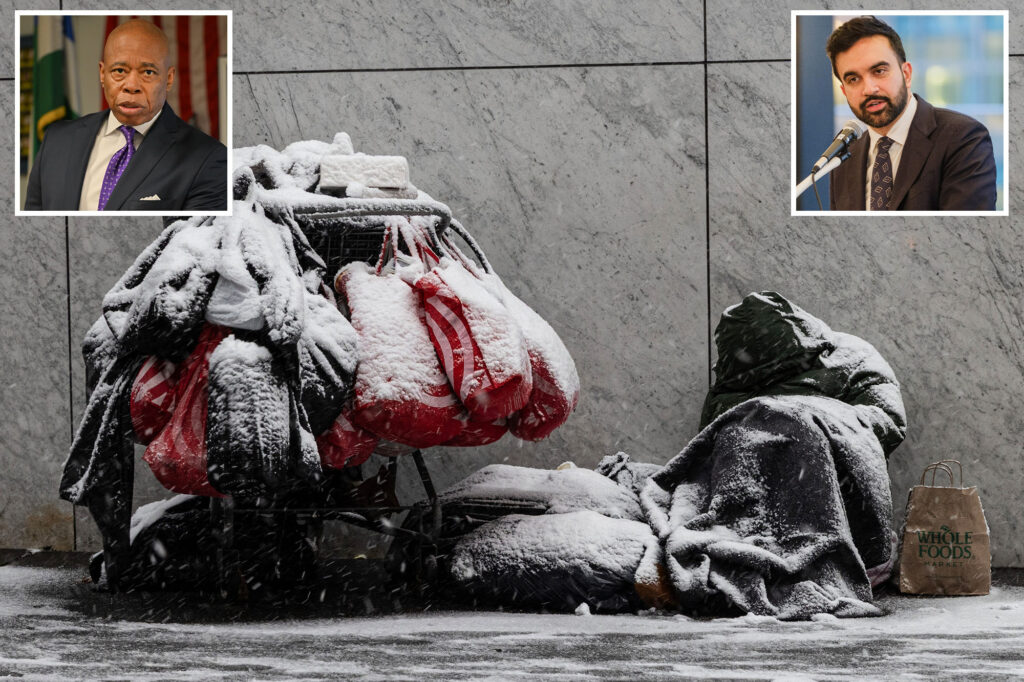

A Stark Policy Divide Emerges (Image Credits: Nypost.com)
New York City – Tensions over homelessness policies surfaced as outgoing Mayor Eric Adams issued a pointed caution to his successor, Zohran Mamdani, just before the mayor-elect outlined plans to reverse a key initiative on street encampments.
A Stark Policy Divide Emerges
The conversation between Adams and Mamdani highlighted a fundamental difference in how the two leaders view the management of visible homelessness in the nation’s largest city. Adams emphasized the need to maintain order on public spaces, drawing from his administration’s aggressive approach to clearing encampments. This stance came during a private discussion where the mayor stressed proactive measures to prevent escalation. Mamdani, however, moved forward with announcements that signal a departure from such tactics, focusing instead on alternative solutions.
City officials under Adams had ramped up sweeps in recent years, aiming to connect individuals to shelter while addressing quality-of-life concerns raised by residents. These operations often involved police and sanitation teams dismantling tents and belongings from sidewalks and parks. Critics argued the efforts displaced people without resolving root causes, a point that Mamdani’s team has echoed in early statements. The shift promises to alter daily operations across neighborhoods, potentially allowing encampments to persist longer as outreach takes precedence.
Adams’ Push for Continued Control
During their meeting, Adams directly advised Mamdani on the risks of unchecked encampments, warning that lax enforcement could lead to broader disorder. He pointed to his own record, where sweeps resulted in thousands of shelter referrals, though data showed limited long-term housing placements. Adams framed the policy as essential for public safety, citing instances where encampments contributed to increased complaints about sanitation and crime. His administration viewed these actions as a necessary balance between compassion and community standards.
The outgoing mayor’s comments reflected ongoing debates within city government about the effectiveness of enforcement versus supportive services. Adams had defended sweeps as a tool to encourage engagement with social services, even as legal challenges mounted. He expressed concern that abandoning them might overwhelm resources and strain relations with neighborhoods already burdened by visible poverty. This perspective underscores a legacy of prioritizing immediate visibility over systemic overhauls.
Mamdani’s Vision for a New Approach
Mamdani’s announcement to halt encampment destructions marks a significant pivot, prioritizing housing access and voluntary outreach over forced removals. His team plans to redirect efforts toward expanding shelter options and addressing underlying issues like affordability and mental health support. This policy aligns with advocacy groups that have long criticized sweeps as disruptive and ineffective. Early signals suggest collaboration with state leaders to secure more funding for permanent solutions.
The mayor-elect’s strategy draws from models in other cities that emphasize prevention and support networks. By ending routine clearances, Mamdani aims to build trust with those experiencing homelessness, potentially improving uptake of services. However, implementation details remain under discussion, with commitments to monitor impacts on public spaces. This approach could reshape how New York City interacts with its most vulnerable populations in the coming years.
Reactions and Potential Challenges Ahead
Responses to the policy change have been swift and varied, with some residents welcoming a more humane focus while others worry about neighborhood effects. Governor Kathy Hochul aligned with Adams’ caution, highlighting the need for balanced strategies amid federal funding uncertainties. Real estate leaders and homeless advocates have met separately with Mamdani to discuss feasibility, underscoring the complexity of execution. Posts on social media reflect public division, with concerns about rising tent cities competing against calls for empathy.
Key challenges include securing resources for expanded outreach and navigating potential legal hurdles from both sides. The city must also address work requirements tied to new federal guidelines, which could complicate shelter access. Critics like Adams predict a “quality of life nightmare,” while supporters see it as a step toward equity. Ultimately, success will depend on measurable outcomes in housing placements and community satisfaction.
As New York City transitions leadership, the debate over homelessness reveals deeper questions about compassion and control. This evolving policy landscape offers a chance to test innovative solutions, but it demands careful oversight to avoid unintended consequences.
Key Takeaways
- Adams warned Mamdani to maintain strict control over encampments to preserve public order.
- Mamdani’s plan halts sweeps, shifting focus to housing and outreach services.
- The change has sparked mixed reactions, from advocacy support to fears of urban decay.
What are your thoughts on this policy shift? Share in the comments below.