Have you ever wondered how long humans have really been on this continent? The textbooks tell one story, but the ground beneath our feet might be whispering something entirely different. For decades, scientists believed they had the timeline of human arrival in North America pretty much figured out. People crossed from Siberia roughly 13,000 years ago, spread southward through an ice-free corridor, and eventually populated the Americas.
That neat narrative is crumbling. Archaeological discoveries across North America are pushing back the clock by thousands, even tens of thousands of years. From footprints preserved in ancient lakebeds to broken mastodon bones bearing suspicious fracture patterns, evidence keeps surfacing in places where it theoretically shouldn’t exist. These aren’t just minor adjustments to the timeline. They’re fundamental challenges to everything we thought we knew.
Ancient Footprints Challenge Everything We Know
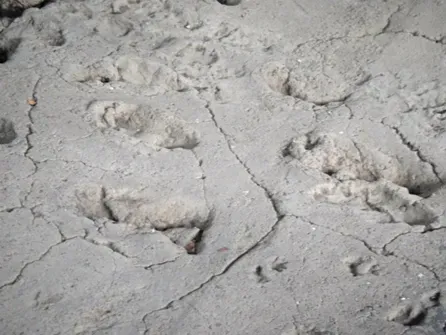
Footprints found at White Sands National Park in New Mexico provide the earliest unequivocal evidence of human activity in the Americas and provide insight into life over 23,000 years ago. Picture this: teenagers and children walking alongside mammoths and giant sloths during the height of the last ice age. Judging by their size, the tracks were left mainly by teenagers and younger children, with the occasional adult.
A new paper agrees with findings that footprints discovered in New Mexico are between 21,000 and 23,000 years old – much older than the previously known earliest signs of human culture in the Americas. The discovery sparked fierce debate when first announced in 2021, with skeptics questioning the dating methods. Yet follow-up studies using multiple independent techniques have consistently confirmed the astonishing age. With three separate lines of evidence pointing to the same approximate age, it is highly unlikely that they are all incorrect or biased and, taken together, provide strong support for the 21,000 to 23,000-year age range for the footprints.
A Controversial California Mastodon Site
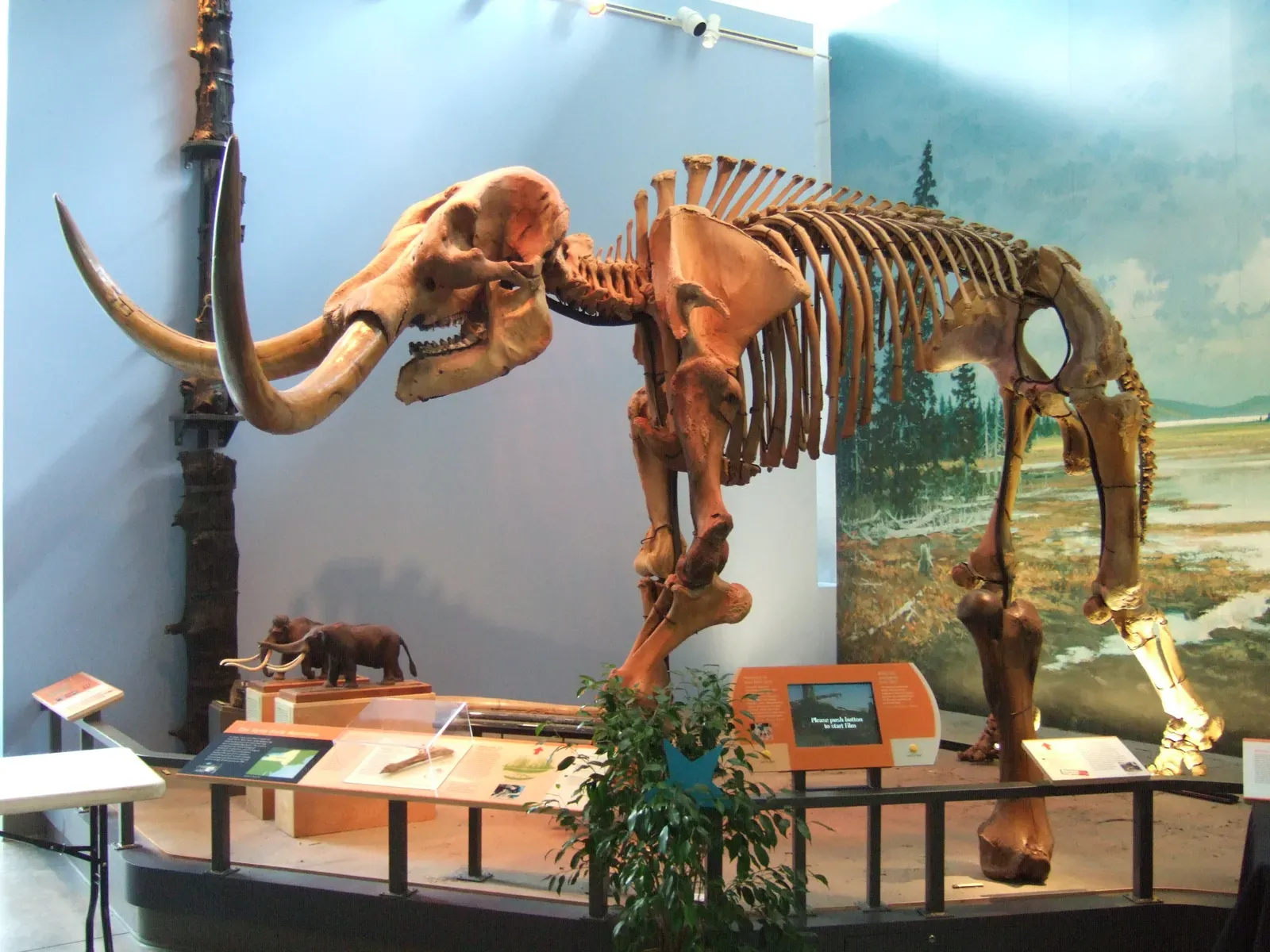
In 2017, broken mastodon bones at the site were dated to around 130,700 years ago. The Cerutti Mastodon site near San Diego dropped what some considered a bombshell. Researchers claimed that cobblestones displaying use-wear and impact marks showed evidence that mastodon bones show signs of intentional breakage by hominins. If true, this would shatter every existing theory about when humans first set foot in the Americas.
Let’s be real, this claim faces serious skepticism from the scientific community. One of the main critiques is that the study doesn’t definitively rule out natural causes for the presence of the purported stone tools, the breakage patterns in the mastodon bones, or the patterns of breakage and wear on their surfaces. Critics pointed out the absence of clearly identifiable stone tools and questioned whether construction equipment might have altered the site. Still, supporters argue the combination of evidence – fracture patterns, stone placement, and dating – can’t be easily dismissed.
Northern Hunters at Bluefish Caves
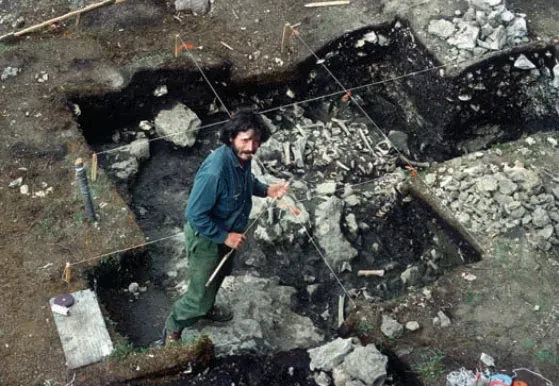
High in the Yukon Territory, three small caves tell a story of Ice Age survival. From the Bluefish Caves, three hollows in a remote limestone ridge in northern Yukon, archaeologists have unearthed some of the oldest known signs of human occupation in North America, with research showing that at least 15 bones from the Bluefish Caves were cut-marked by people as early as 23,500 years ago. Unlike footprints that can vanish, these are butchery marks etched into bone.
Bourgeon’s examination of the Bluefish Caves collection shows that most of the bones are from Beringian, or Yukon, horses. These furry animals were smaller than modern horses and likely roamed in herds with one male and many females. The cuts are precise, deliberate, consistent with removing meat from bone. Based on this, along with the low number of stone tools and the lack of a hearth, Bourgeon and her colleague argue the Bluefish Caves were most likely used as a temporary camp by hunters mainly targeting Beringian horses. These weren’t settlements but fleeting stopovers during hunting expeditions.
Idaho’s Cooper’s Ferry Rewrites Migration Routes
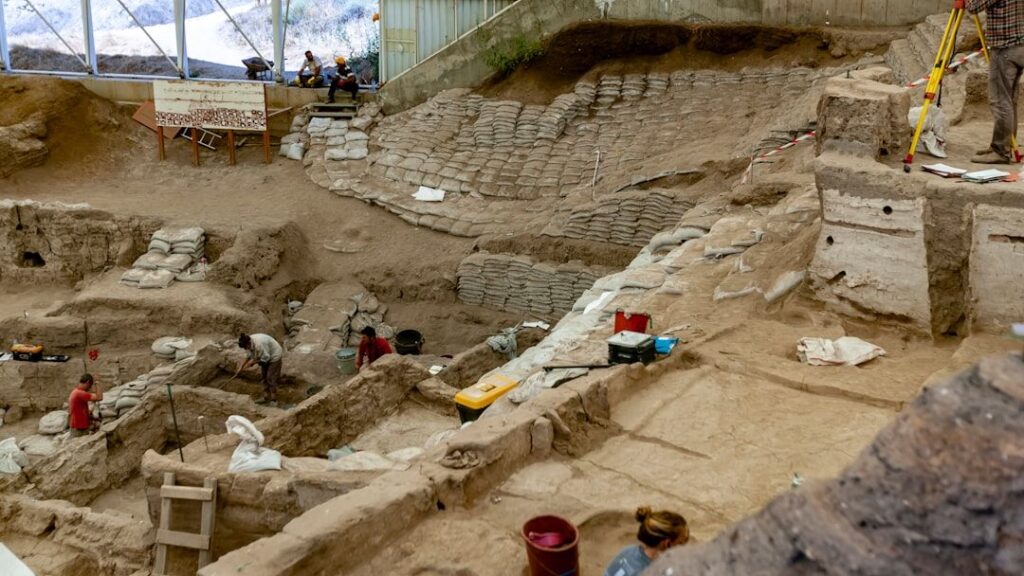
The charcoal and bone left at that ancient site, now called Cooper’s Ferry, are some 16,000 years old – the oldest radiocarbon-dated record of human presence in North America, according to work reported this week in Science. Located along Idaho’s Salmon River, this site completely upends the ice-free corridor theory. The thing is, people lived at Cooper’s Ferry more than 1 millennium before melting glaciers opened an ice-free corridor through Canada, implying the first people in the Americas must have come by sea.
The oldest artifacts uncovered at Cooper’s Ferry also are very similar in form to older artifacts found in northeastern Asia, and particularly, Japan. This resemblance hints at transpacific connections that sound almost impossible. The Columbia River may have served as “the first off-ramp” for coastal migrants paddling southward along the Pacific coast. The western stemmed points found at Cooper’s Ferry may be among the oldest found in the Americas, and they might be evidence that this tool-making technology developed before Clovis.
Why These Sites Change Everything
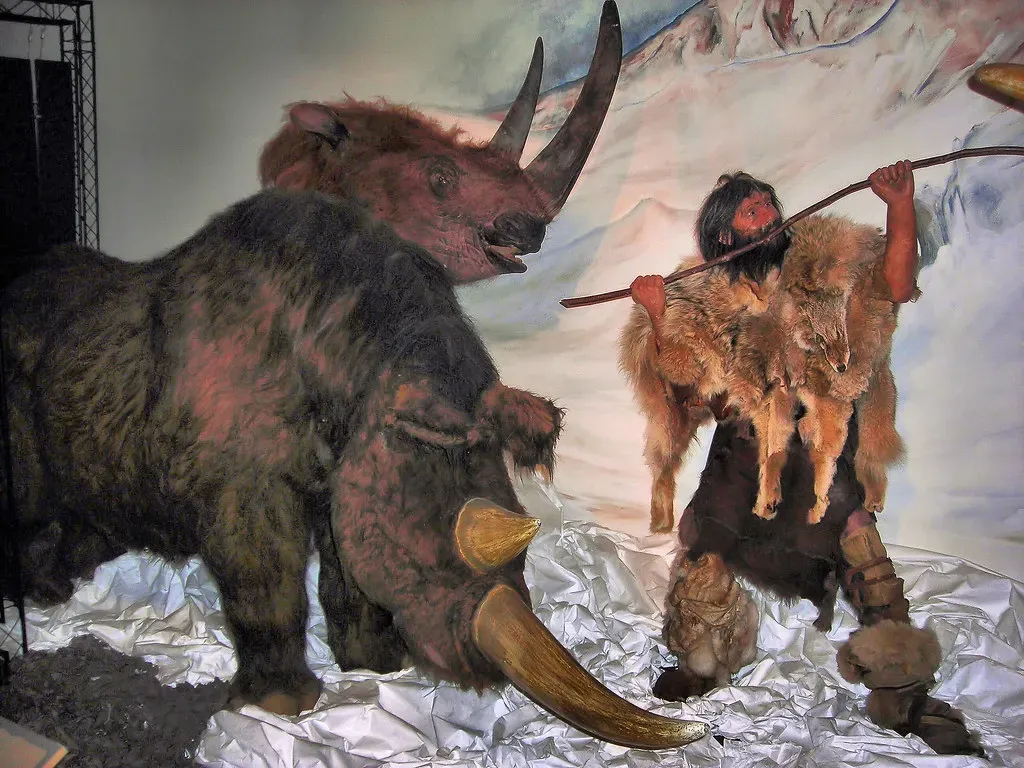
The standard story of the peopling of the Americas has Asians migrating across a land bridge into Alaska some 14,000 years ago, after Ice Age glaciers melted back, and gradually spreading southward. That theory dominated for generations. Now? It’s falling apart. If humans were already south of the ice sheets before any corridor opened, they must have traveled a completely different route.
The implications stretch far beyond academic debates. These early Americans survived in brutal Ice Age conditions, hunted megafauna that would later vanish, and developed sophisticated technologies we’re only beginning to understand. The overlapping tracks – and timeline – of humans and megafauna also opened new questions about how long the species coexisted, and what role humans might or might not have played in their extinction. Were humans partially responsible for wiping out mammoths and ground sloths? The answer suddenly becomes much more complicated.
The Skeptics Push Back
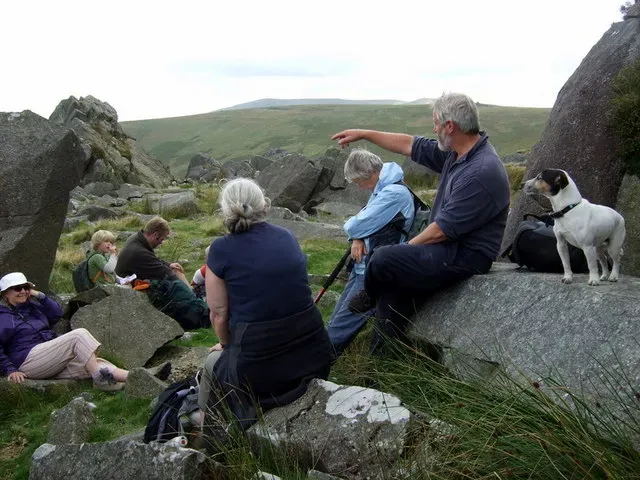
Not everyone buys into these early dates. Some researchers remain unconvinced, pointing to potential contamination issues, questionable stratigraphy, or the absence of unambiguous artifacts at certain sites. Holliday acknowledges that the new study doesn’t address a question he’s heard from critics since 2021: Why are there no signs of artifacts or settlements left behind by those who made the footprints?
Loren Davis said he thinks the new research is important, but not conclusive, noting that the samples of quartz came from the lowest deposit of the study area, and that the possible age range is broad. Fair points, honestly. Science progresses through healthy skepticism. Yet the pattern emerging across multiple sites, dated through various independent methods, becomes harder to dismiss as coincidence or error. The weight of accumulating evidence tilts the scales.
What Comes Next
These discoveries open more questions than they answer. Who exactly were these early peoples? Were they ancestors of modern Indigenous populations, or separate waves of migration that ultimately vanished? How did they manage to cross open ocean, if that’s indeed what happened, with Stone Age technology? For instance: Who were the early humans described by the study, and how did they arrive in North America? The occupants of the Cerutti Mastodon site could have been Neanderthals, their Denisoven cousins, or even anatomically modern humans.
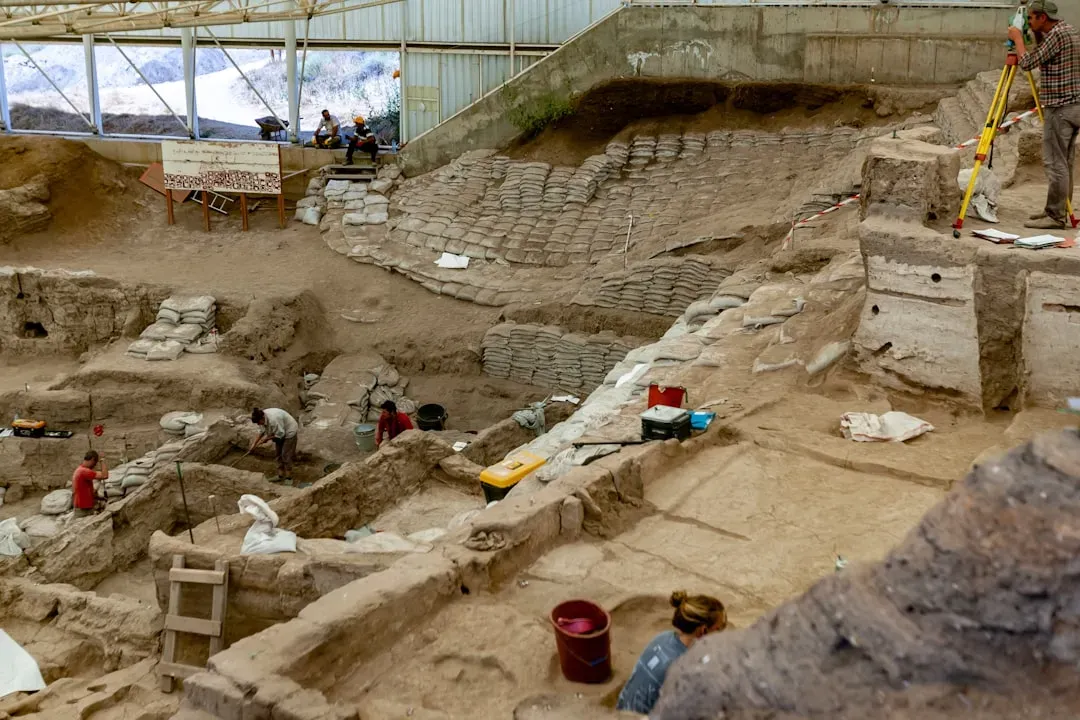
Researchers continue excavating, analyzing, and debating. New technologies for dating, DNA extraction from sediments, and remote sensing might reveal sites currently buried or submerged beneath coastal waters. Much of ancient Beringia now lies underwater, potentially hiding countless archaeological treasures. Every shovelful of dirt, every careful brush stroke, brings us closer to understanding the true story of how this continent was first peopled. The textbooks will need serious revisions, that’s certain. What surprises still lie buried, waiting to be uncovered? Would you have guessed humans were here that much earlier?