You probably think you know fierce. Maybe you picture a lion’s roar, or a shark cutting through dark waters. Those modern predators are impressive, sure, yet they pale in comparison to the jaw-crushing, bone-splintering hunters that ruled prehistoric Earth. Long before humans ever walked this planet, certain ancient creatures developed biting power so extreme it could shatter bones like dry twigs. Some could puncture armored prey with ease, while others wielded jaws capable of taking down animals their own massive size.
The sheer force these predators could generate is difficult to wrap your head around, honestly. We’re talking about pressures measured in metric tons, forces that exceed anything alive today. Scientists have spent years reconstructing these ancient weapons using computer models, fossilized bite marks, and comparisons with living relatives. What they’ve discovered is both terrifying and fascinating in equal measure. Let’s dive into the prehistoric world where the strongest biters in history once reigned supreme.
Tyrannosaurus Rex: The King’s Crushing Power
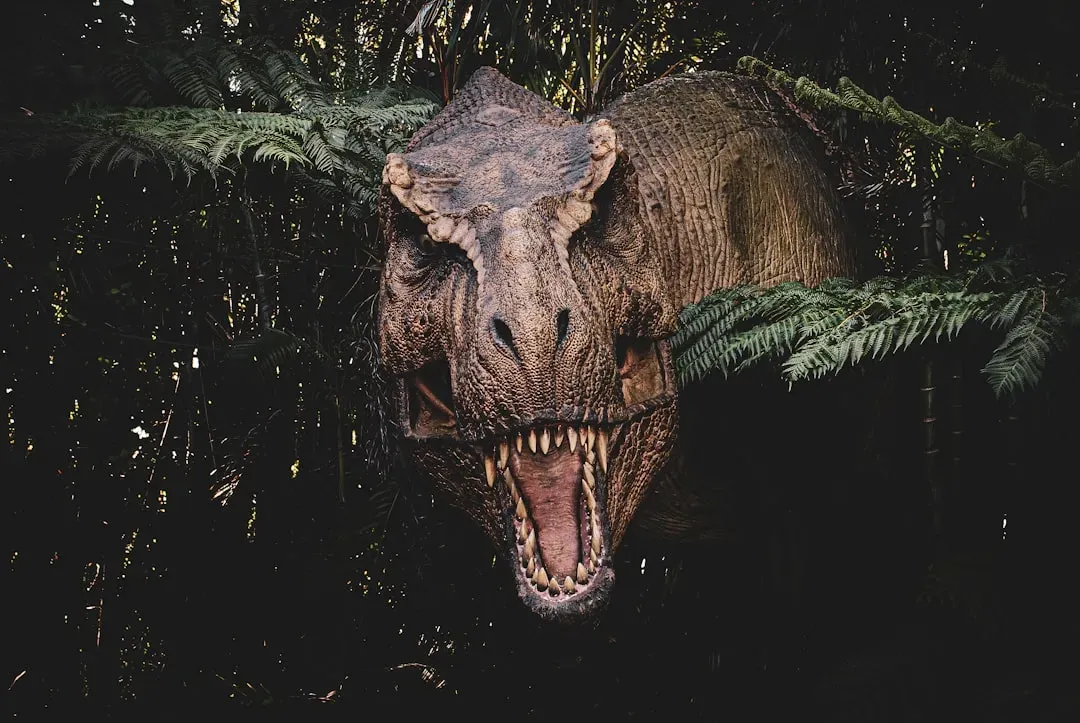
Tyrannosaurus rex generated sustained bite forces ranging from 35,000 to 57,000 newtons at a single posterior tooth, representing the highest bite forces estimated for any terrestrial animal. That translates to somewhere between roughly eight thousand to nearly thirteen thousand pounds of crushing pressure. Let’s be real, that’s like having a medium-sized elephant sitting on your chest, except concentrated into the pointed tips of massive serrated teeth.
Adult T. rex could deliver bite forces ranging from 8,526 to 34,522 newtons, and the variation depends on which tooth you’re measuring and the individual animal’s size. The back teeth packed the most devastating punch. What made this dinosaur truly exceptional wasn’t just the force, though. T. rex stood out for habitually biting deeply into bones, pulverizing and digesting them, something most reptilian predators simply couldn’t manage.
Computer models simulating T. rex’s bite produced a maximum force of almost 12,800 pounds, making it the hardest-biting terrestrial animal ever known. The posterior part of its skull was particularly large to house enormous jaw muscles. Juvenile tyrannosaurs had nowhere near this power, topping out at around 880 pounds of bite force, showing just how dramatically these animals changed as they matured.
Megalodon: The Ocean’s Nightmare
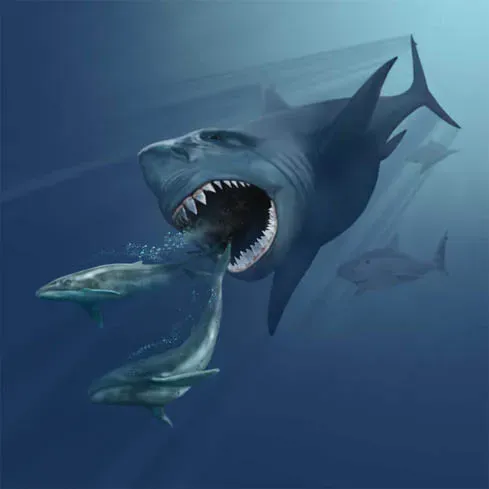
The huge shark Megalodon terrorized the seas from 15 million to 3.6 million years ago with a bite force of up to 182,200 newtons. Think about that number for a second. We’re discussing forces that dwarf even the mighty T. rex by a factor of several times over. This giant may have grown to more than 50 feet long and weighed up to 110 tons, at least 30 times as heavy as the largest living great white sharks.
Calculations based on fossilized megalodon teeth estimate its bite force at a staggering 40,000 PSI, 10 times more powerful than that of a great white, surpassing even Tyrannosaurus rex. The creature’s jaws measured roughly nine feet by eleven feet, capable of devouring almost anything in its path. Fossil evidence suggests Megalodon made a living hunting and killing large whales by biting off their tails and flippers.
What’s remarkable is that sharks have skeletons made of cartilage rather than bone, which is much more pliant and easily deformed. Despite working with this seemingly inferior material, Megalodon generated absolutely monstrous bite forces. These sharks would attack with a single horrendously traumatizing bite and then swim back and wait for their prey to die of blood loss.
Deinosuchus: The Terrible Crocodile
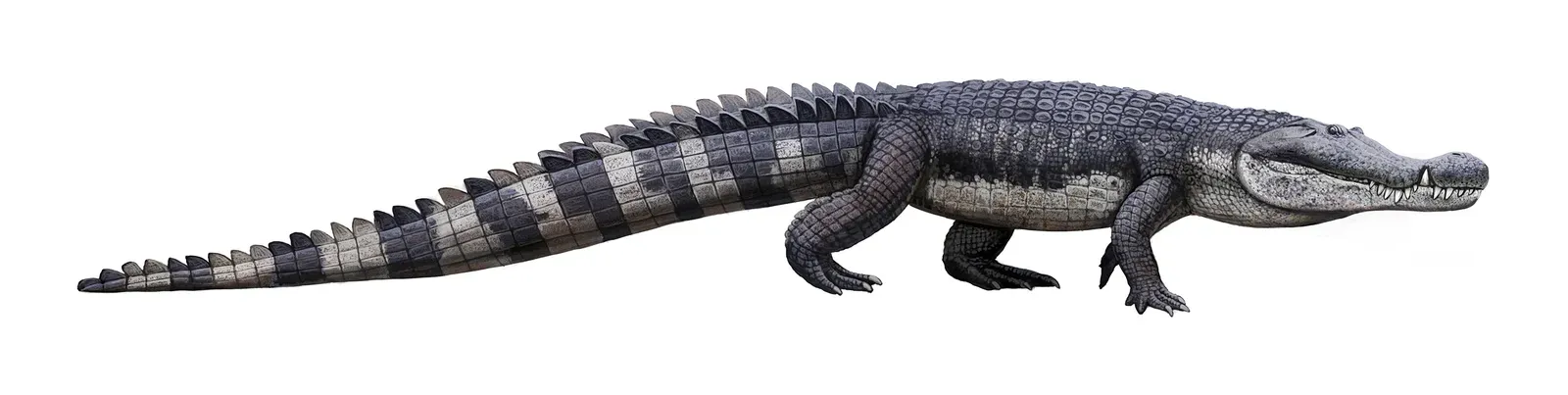
The bite force of Deinosuchus has been estimated to range from 18,000 to 102,803 newtons. That upper estimate is absolutely staggering, potentially exceeding even some estimates for Megalodon. The extinct Deinosuchus had an estimated bite force as high as 23,100 psi, greater even than new estimates that put T. rex’s bite at 12,814 psi. This prehistoric crocodilian was essentially a living bone crusher on four legs.
Deinosuchus measured 10.6 meters in total length, far larger than any modern crocodile or alligator, yet its overall appearance remained fairly similar to its smaller relatives. Its teeth were very thick and robust, with those near the rear of the jaws being short, rounded, and blunt, appearing adapted for crushing rather than piercing.
Bite marks show that these 29-foot-long crocs took down dinosaurs their own size, including T. rex relatives like Appalachiosaurus montgomeriensis and Albertosaurus. One fossil even shows signs the bone had healed, proving the attack happened while the dinosaur was still alive. Deinosuchus likely employed hunting tactics similar to modern crocodilians, ambushing dinosaurs at the water’s edge and then submerging them until they drowned.
Purussaurus: The Amazonian Monster
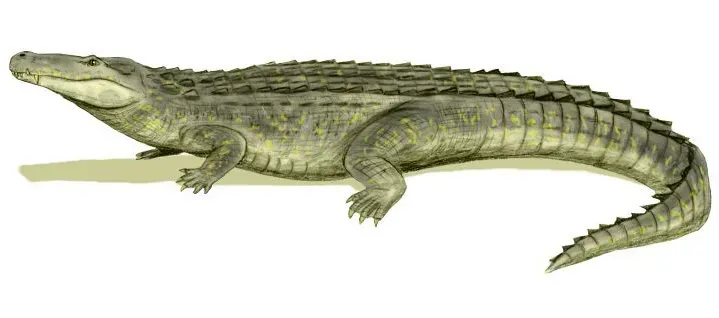
An adult Purussaurus brasiliensis was estimated to reach around 12.5 meters in length, weighing around 8.4 metric tons, and was capable of generating sustained bite forces of 69,000 newtons, or around 7 metric tons-force. That’s twice the bite force of T. rex, an almost incomprehensible amount of power. This giant caiman prowled the wetlands of South America during the Late Miocene, roughly eight million years ago.
The creature’s chunky head was 1.5 meters in length, roughly as big as the entire body of some modern caiman species living today. When it clamped down, it did so with 69,000 newtons, or 15,512 pounds of pressure. Purussaurus needed roughly 40 kilograms of food daily, twenty times the requirement for the modern American alligator.
The extreme size and strength of this animal allowed it to include a wide range of prey in its diet. Like T. rex, Purussaurus was an unchallenged apex predator with no real competition from fellow carnivores, capable of taking on mammals weighing greater than a ton. Its skull was specially strengthened to withstand the pressures of such force. Honestly, I find it hard to imagine anything surviving an encounter with this beast in its prime.
Dunkleosteus: The Armored Fish Predator
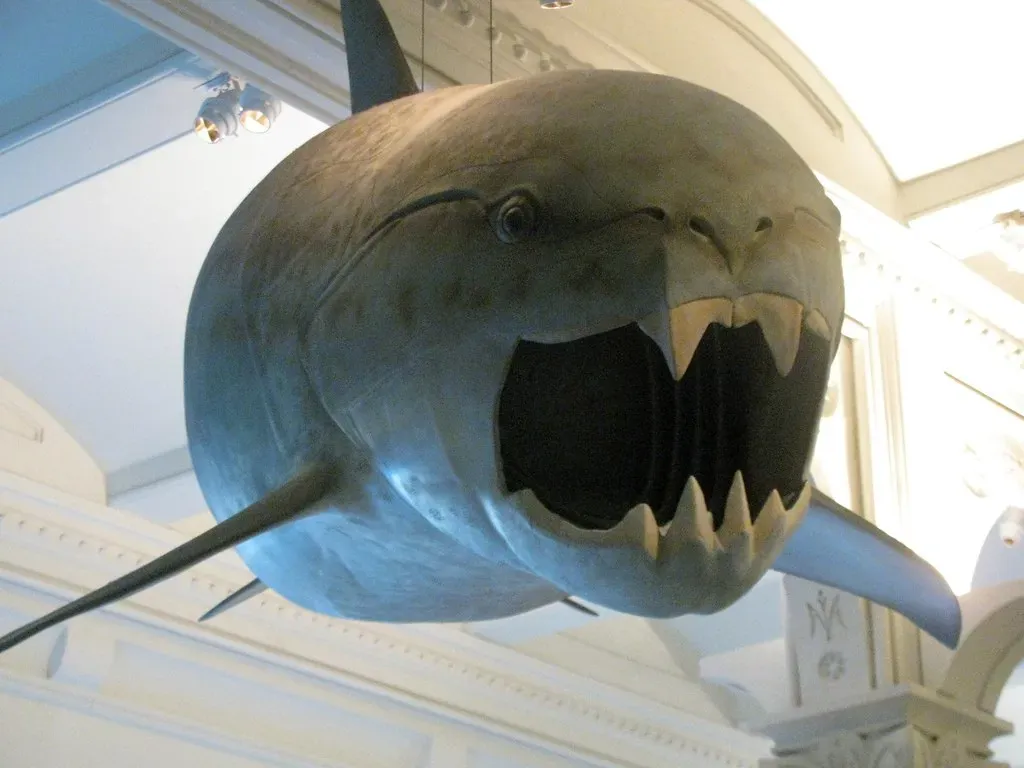
The force of Dunkleosteus terrelli’s bite was remarkably powerful at 11,000 pounds, and this 400-million-year-old extinct fish may have been the world’s first apex predator. The bladed dentition focused the bite force into a small area at an incredible force of 80,000 pounds per square inch, the strongest bite of any fish ever, rivaling the bite of large alligators and T. rex.
Dunkleosteus lived 400 million years ago, grew up to 33 feet long, and weighed up to four tons. What’s fascinating is that this fish could also open its mouth very quickly, in just one fiftieth of a second, creating strong suction force that pulled fast prey into its mouth. Usually a fish has either a powerful bite or a fast bite, never both. This creature had the best of both worlds.
Dunkleosteus was able to feast on armored aquatic animals that also lived during the Devonian, including sharks, arthropods, ammonoids, and others protected by cuticle, calcium carbonate, or dermal bone. Think about that for a moment. This prehistoric fish could bite a shark in two, making it possibly the first true king of the beasts in vertebrate history.
Livyatan: The Sperm Whale’s Ferocious Ancestor
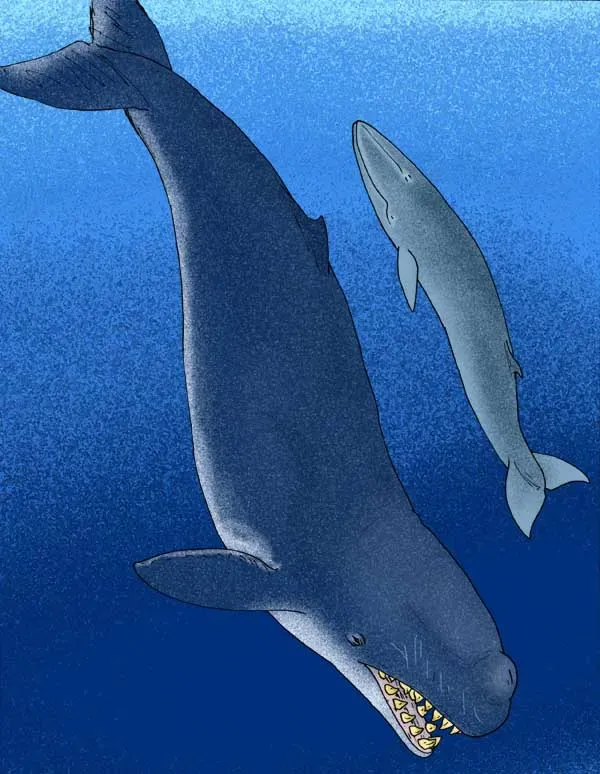
The Livyatan whale is believed to have had the strongest bite force among prehistoric extinct animals, with estimates ranging from 100,000 to 200,000 newtons, surpassing both the Megalodon shark and the T-Rex dinosaur. That’s an absolutely mind-blowing figure, potentially making this ancient whale the most powerful biter in history. This massive marine creature lived approximately 12 to 13 million years ago and was a formidable apex predator in the ancient oceans.
Livyatan’s formidable bite was made possible by its large, robust skull and incredibly powerful jaw muscles, with teeth that could reach up to 36 centimeters in length, specially designed for gripping and tearing prey. These weren’t the teeth of a filter feeder. They were weapons designed to kill other massive marine mammals. This combination of powerful jaws and formidable teeth allowed Livyatan to take down large prey, potentially including other large marine mammals.
Here’s the thing, though: while the estimates are impressive, they’re based on theoretical calculations rather than direct measurements. Still, the fossil evidence strongly suggests this whale was every bit the nightmare predator scientists believe it to be. Competition between Livyatan and Megalodon must have been absolutely epic.
Mosasaurus: The Marine Reptile Terror
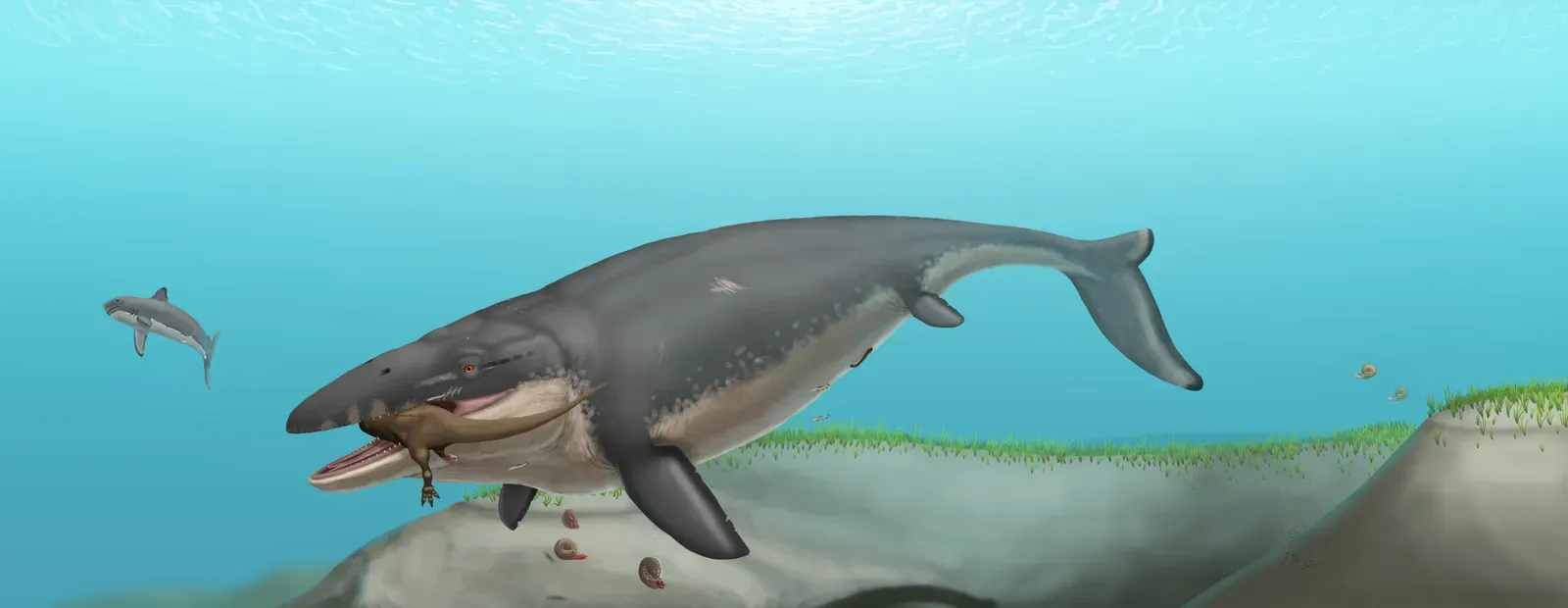
Mosasaurs were apex predators that dominated the oceans during the Cretaceous, from 130 million to 65 million years ago, with some reaching lengths of up to 60 feet. These weren’t dinosaurs, but massive marine reptiles, essentially giant aquatic lizards that evolved to become some of the ocean’s most fearsome hunters. Mosasaurus hoffmannii is estimated to have had a bite force ranging from 13,000 PSI to 16,000 PSI.
They hunted a variety of prey, including fish, turtles, and even other mosasaurs. Think about that cannibalistic tendency for a second. When you’re powerful enough to prey on members of your own species, you’re operating at a completely different level. According to calculations, Mosasaurus Hoffmanni reached bite forces of nearly 233,000 newtons, though this higher estimate varies considerably depending on the study.
With their streamlined bodies and powerful jaws, these reptiles could be incredibly potent predators. They patrolled the ancient seas with an efficiency that few creatures could match. The fact that they went extinct alongside the dinosaurs at the end of the Cretaceous period is one of paleontology’s great tragedies.
Sarcosuchus: The SuperCroc
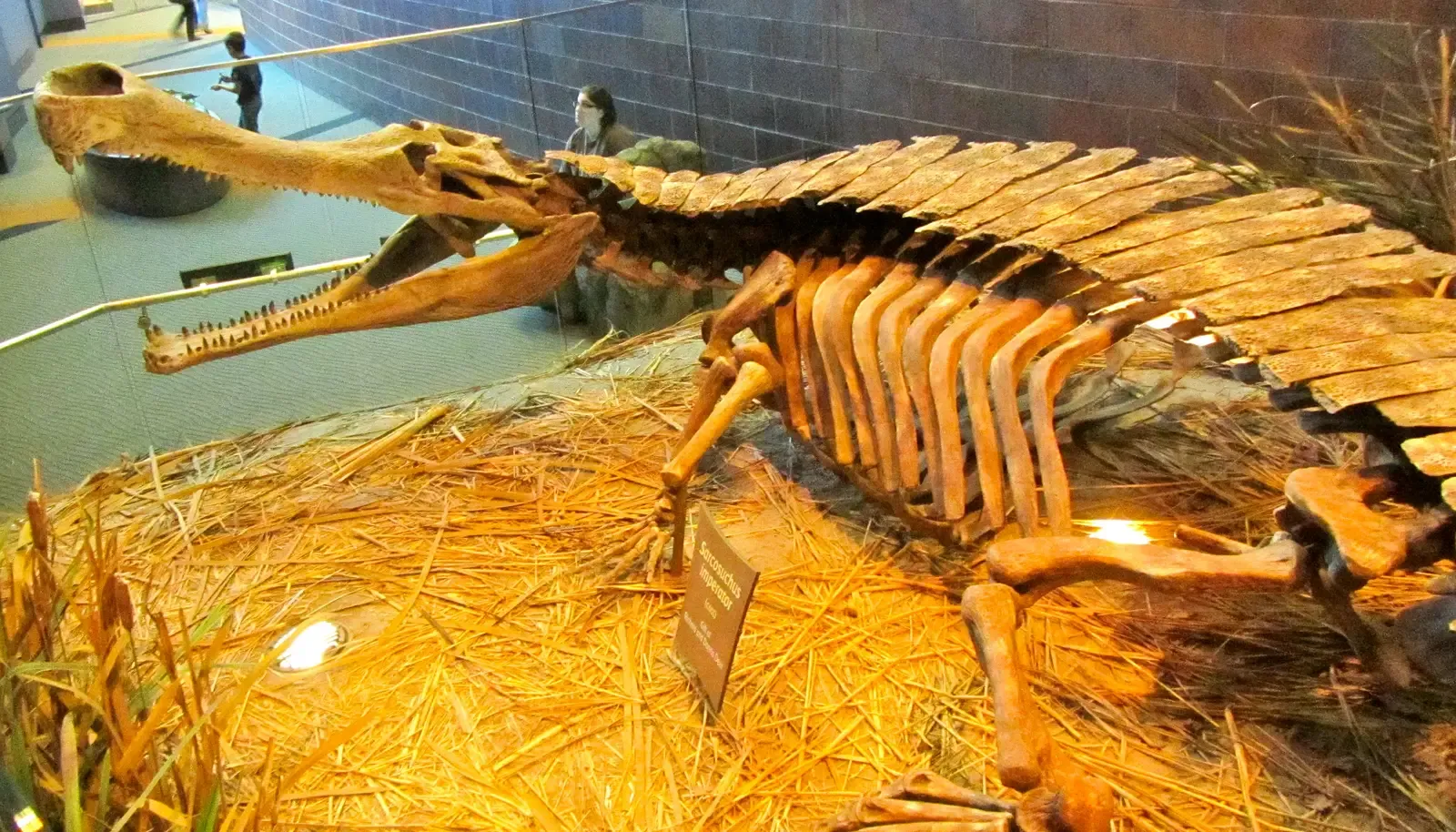
The bite force of Sarcosuchus was estimated at 215,899 newtons. This ancient crocodilian, nicknamed SuperCroc, was discovered in Niger and lived around 110 million years ago. Sarcosuchus imperator proved that crocodile bodies grew to gargantuan size, to dinosaur size. This wasn’t some minor swamp dweller. This was a true giant among prehistoric predators.
Sarcosuchus had similar body sizes to other massive crocodyliformes like Deinosuchus and Purussaurus, but was geologically much older, dating from the Early Cretaceous. The creature’s massive skull and jaw structure allowed it to generate crushing forces that few animals could withstand. While it likely spent much of its time in the water hunting fish, its size and power meant it could tackle much larger prey when the opportunity arose.
What’s remarkable is how these giant crocodilians independently evolved similar body plans across different time periods and continents. In SuperCroc we have lineages that prove crocodile bodies grew to gargantuan size in different eras. Evolution kept experimenting with the same winning formula: massive size, powerful jaws, ambush tactics.
Allosaurus: The Jurassic Apex Predator
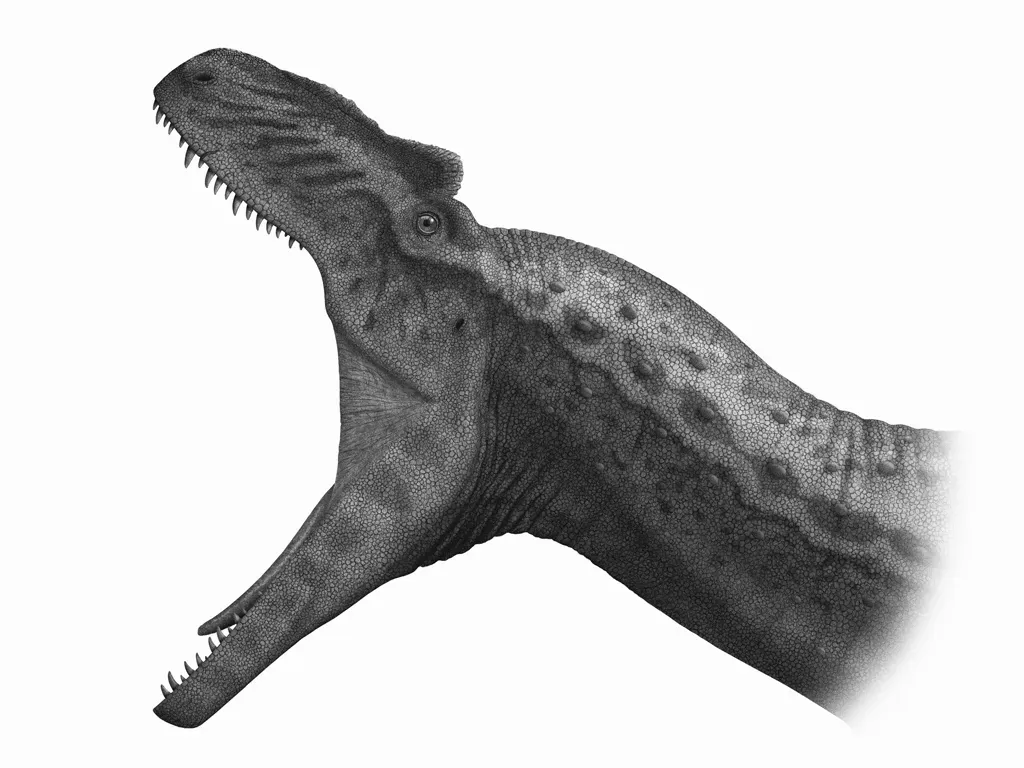
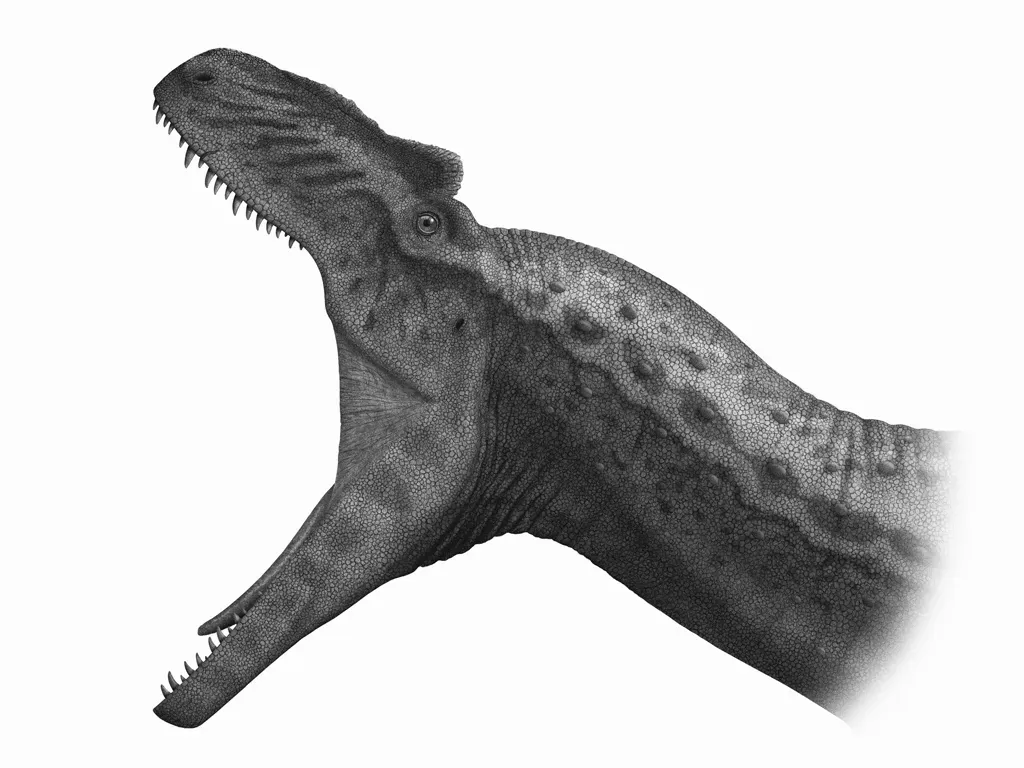
Bite force calculations for Allosaurus were six to seven times less than those estimated for T. rex. Still, this doesn’t mean Allosaurus was a weakling by any stretch. This Jurassic predator was the T. rex of its time, dominating ecosystems millions of years before the famous tyrant lizard ever evolved. While exact bite force numbers for Allosaurus remain debated, estimates suggest it could generate several thousand newtons of force.
What Allosaurus may have lacked in pure crushing power compared to later tyrannosaurs, it potentially made up for with different hunting strategies. Some researchers believe these dinosaurs used a hatchet-like bite, striking downward with their upper jaw to wound prey rather than maintaining a sustained grip. The skull structure supports this theory, showing adaptations for resisting impact forces.
Allosaurus-like dinosaurs may have hunted with an approach similar to great white sharks, attacking with a single horrendously traumatizing bite and waiting for prey to die. This slash-and-retreat tactic would have been effective against the massive sauropods that roamed Jurassic landscapes. Patience, after all, is a virtue even among prehistoric predators.
The Modern Comparison: Saltwater Crocodile
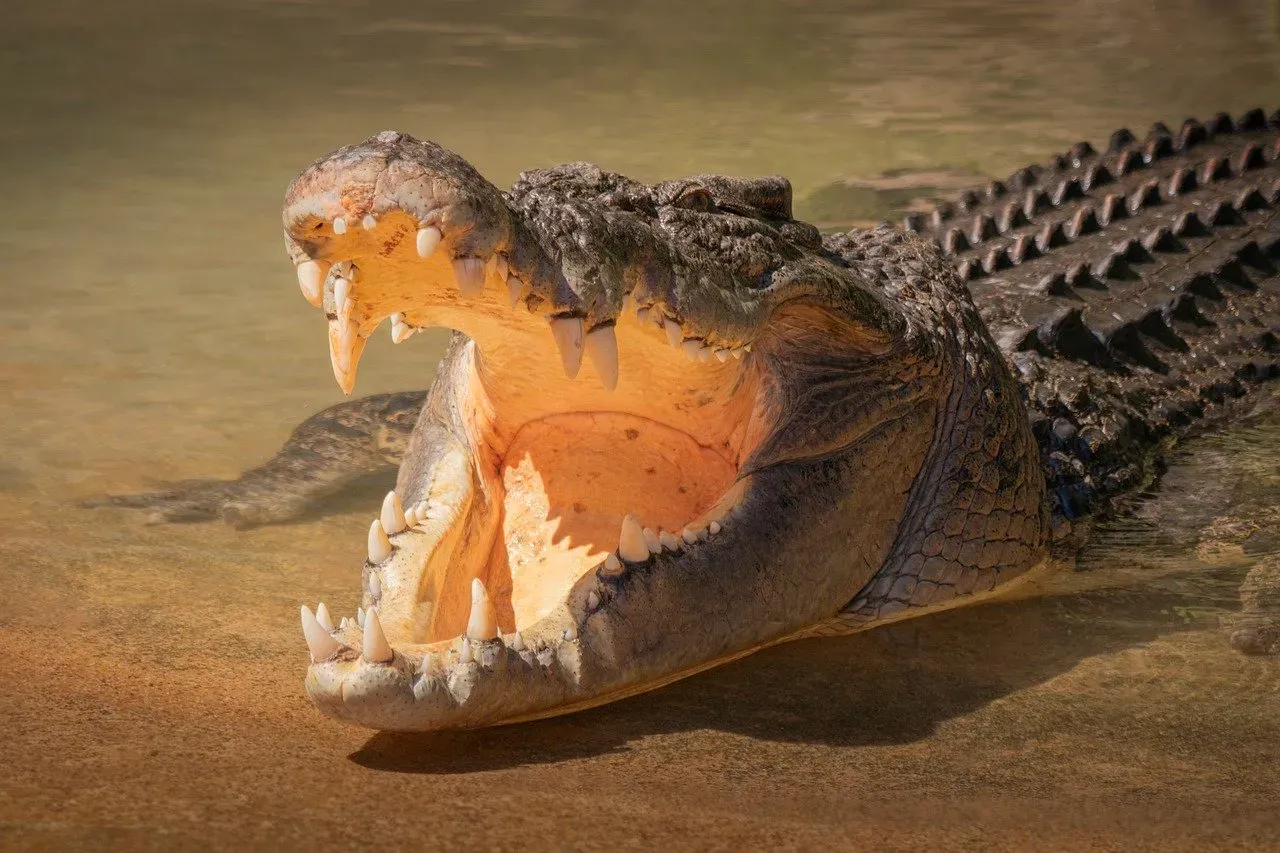
Of all the creatures alive today, the saltwater crocodile has the strongest known bite force, at 16,460 newtons. For comparison, one newton equals about a quarter pound of force. Saltwater crocodiles slam their jaws shut with 3,700 pounds per square inch of bite force. That’s genuinely impressive for a living animal, putting every land mammal to absolute shame.
Modern saltwater crocodiles have the strongest recorded bite of any living animal, with a maximum force of 16,414 newtons for a 4.59-meter, 531-kilogram specimen. These numbers help scientists calibrate their models for extinct species. By understanding how modern crocodilians generate force, researchers can make educated estimates about their prehistoric relatives.
Every crocodilian species tested registered impressive power, suggesting that a big bite is at the heart of what it means to be a crocodilian. They’ve occupied ecological niches at the water’s edge for 85 million years using essentially the same design. If it isn’t broken, evolution doesn’t fix it. Meanwhile, humans can only manage around 1,000 newtons, so we’re not even in the same league.
What Made These Bites So Devastating
Several factors combined to create these prehistoric powerhouses. First, sheer body size played an enormous role. Bite forces strongly correlate with body size, and size changes are a major mechanism of feeding evolution in this group. Larger animals simply have more mass to support bigger muscles, which generate greater forces. It’s basic physics, really, though the scale still amazes.
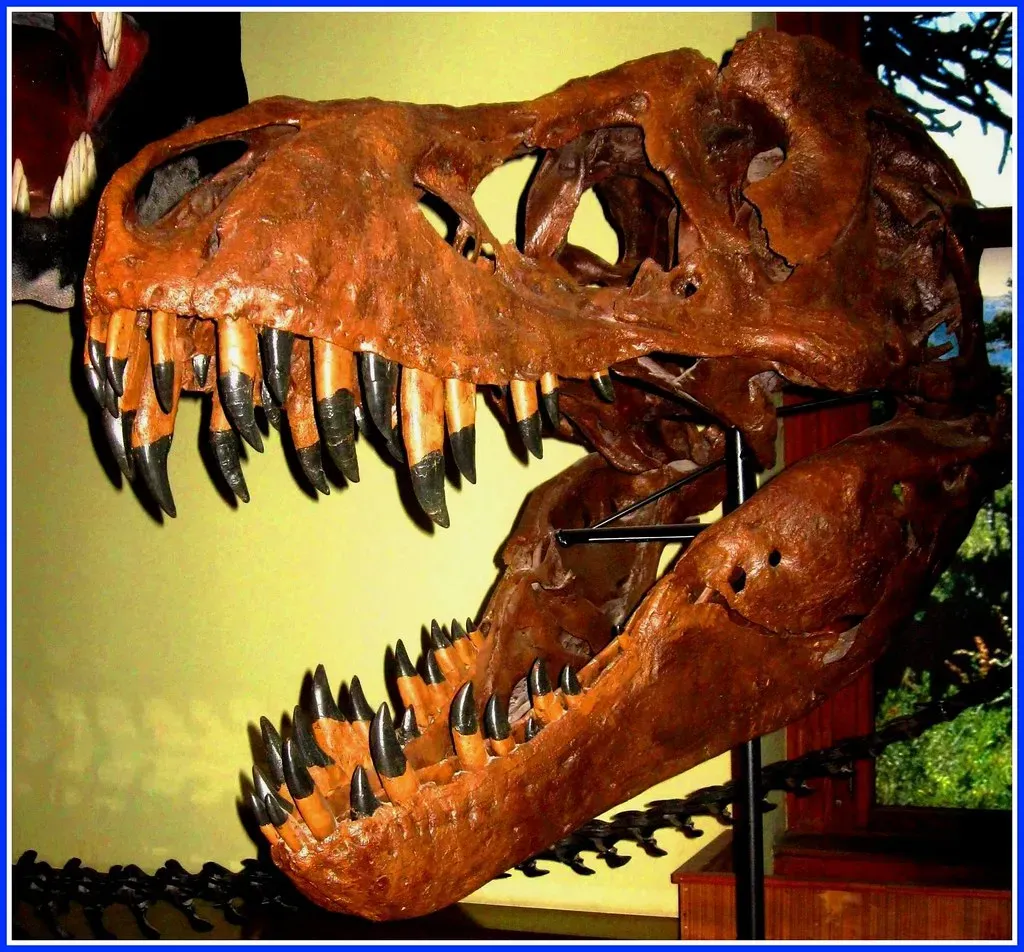
Skull structure mattered tremendously as well. The posterior part of T. rex’s skull that housed the muscles was particularly large, providing attachment points for massive jaw-closing muscles. The shape of the skull, the arrangement of teeth, and the mechanics of the jaw joint all contributed to how effectively force could be applied.
Tooth shape focused that force into devastatingly small areas. The sharper the tooth tip, the higher the potential bite force, because force would be concentrated at the tip of a tooth. A sharp point creates enormous pressure even with moderate force, like how a nail penetrates wood more easily than a hammer face. These predators had evolved the perfect combination of power and precision. What would you have guessed was the strongest?
Human fascination with these prehistoric biters reveals something fundamental about our psychology. We’re drawn to extremes, to records, to the biggest and most powerful. These ancient predators represent the pinnacle of what nature can produce when survival demands the ultimate weapon. They remind us that Earth’s history is written in tooth and claw, in forces that could literally reshape bone. Did you expect the numbers to be quite this extreme?