The kākāpō, recognized as the world’s heaviest parrot species, faced a dire future with just 236 adults remaining in the wild. Conservationists had long battled to prevent its total disappearance. This breeding season, however, brought a dramatic turnaround as the birds produced almost 100 healthy chicks, marking a significant milestone in their recovery.
A Flightless Giant on the Edge
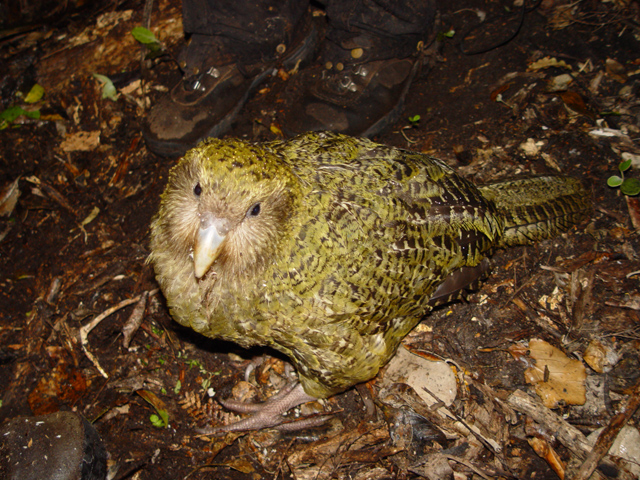
A Flightless Giant on the Edge (Image Credits: Upload.wikimedia.org)
The kākāpō stands out among parrots for its unique traits. This nocturnal, flightless bird from New Zealand weighs up to nine pounds, earning it the title of the world’s fattest parrot. Its mottled green feathers provide excellent camouflage in native forests.
Once widespread across the islands, the species suffered severe declines due to habitat loss and introduced predators. By recent counts, only 236 adults survived, pushing intensive recovery programs to their limits. Biologists relocated populations to predator-free islands to boost survival rates.
Decades of Decline Meet Sudden Hope
Predators like rats, stoats, and cats decimated kākāpō numbers after human arrival in New Zealand. Nests on the ground made eggs and chicks especially vulnerable. Conservation teams tracked every individual bird, naming them to monitor health and breeding.
Efforts intensified in the 1990s with the Kākāpō Recovery Programme. Hand-rearing chicks and supplemental feeding became routine. Still, breeding occurred irregularly, often tied to specific forest fruit booms that triggered mating calls.
Record Chicks Signal Breakthrough
This year delivered an unprecedented mating frenzy among the remaining adults. Nearly 100 healthy chicks hatched, far surpassing previous seasons. The surge more than doubled the juvenile population in a single cycle.
Experts attribute the boom to favorable conditions, though details remain under study. Each chick represents a vital addition to genetic diversity. Field teams worked around the clock to protect nests and ensure chick viability.
Key Factors in the Kākāpō Revival
Several strategies have converged to enable this success:
- Predator eradication on sanctuary islands, creating safe havens.
- Close monitoring via radio trackers on every adult bird.
- Artificial insemination trials to overcome low natural fertility.
- Nutritional boosts during breeding peaks.
- Global funding and volunteer support for round-the-clock care.
These measures transformed a teetering population into one showing real growth potential. The 236 adults now oversee a fresh cohort, easing pressure on elders.
Challenges Ahead for Long-Term Survival
Despite the excitement, threats persist. Chicks must reach maturity, a process taking years. Ongoing predator control demands constant vigilance.
Habitat restoration efforts continue to expand suitable ranges. International collaboration shares expertise and resources. The goal remains self-sustaining populations across multiple sites.
Key Takeaways
- 236 adult kākāpō remain, but nearly 100 new chicks boost numbers.
- World’s heaviest parrot relies on predator-free islands for survival.
- Conservation programs have turned extinction risk into cautious optimism.
The kākāpō’s breeding boom underscores how targeted conservation can revive even the most endangered species. With nearly 100 chicks entering the world, hope flickers brighter for these remarkable birds. What do you think about this conservation success? Tell us in the comments.