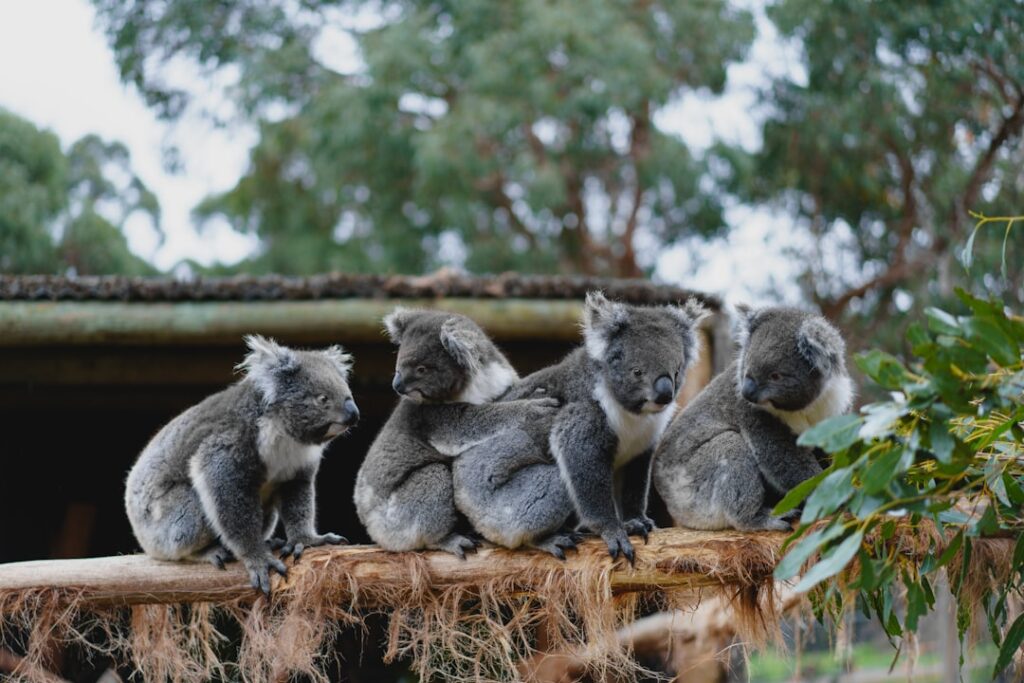
Victoria, Australia – Koalas endured severe population crashes from overhunting in the 19th century, plunging them into a genetic bottleneck that threatened extinction. Recent genomic research uncovers a remarkable turnaround in this state, where genetic diversity rises despite persistent inbreeding issues. The findings challenge long-held views on recovery from such crises and offer hope for the species’ future.
Shadows of the Fur Trade Era
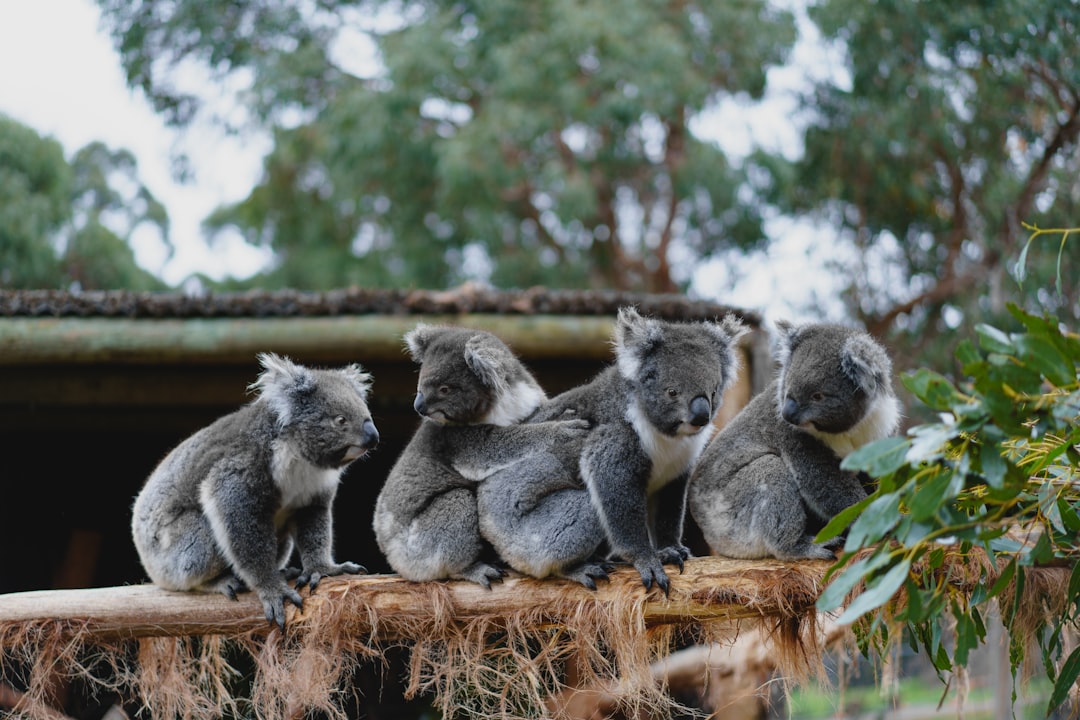
Shadows of the Fur Trade Era (Image Credits: Unsplash)
Hunters decimated koala numbers across Australia during the 1800s, targeting the marsupials for their pelts. This onslaught created a drastic population bottleneck, slashing genetic diversity to critically low levels. Females, with lifespans averaging just 12 years, produced only five or six offspring in their lifetimes, limiting natural rebound potential.
Inbreeding soon compounded the damage. Offspring suffered deformities and weakened immunity, fueling what scientists call an extinction vortex – a downward spiral of declining fitness. Populations in regions like Queensland and New South Wales, once seen as genetically robust, now show continued erosion of diversity.
Victoria’s Surprising Surge
Genetic health appeared direst in Victoria, marked by the highest rates of inbreeding and physical abnormalities. Yet, this very region leads the recovery. Over the past 40 koala generations, diversity metrics climbed steadily, signaling robust population growth.
Researchers attribute this to rapid demographic expansion. Ample habitat and reduced threats allowed numbers to swell, diluting inbred lineages through sheer volume. Queensland and New South Wales, by contrast, registered drops in genetic variability during the same period.
Unlocking Secrets Through Genomics
A comprehensive study sequenced the full genomes of 418 koalas, providing unprecedented clarity on these trends.[1] Published in Science, the analysis spanned multiple regions and generations.
Co-author Collin Ahrens, an evolutionary biologist at Cesar Australia, highlighted the counterintuitive results. “It still looks like they’re in bad shape, but if you dig further, we’re actually finding that there’s recovery from the bottleneck.” This genomic deep dive revealed how fast growth can reverse bottleneck effects under favorable conditions.
Regional Contrasts at a Glance
| Region | Genetic Diversity Trend (Recent Generations) |
|---|---|
| Victoria | Increasing |
| Queensland | Declining |
| New South Wales | Declining |
The table illustrates stark differences. Victoria’s upward trajectory stands out amid broader concerns. Factors like habitat protection likely played key roles, though exact drivers require further study.
Broad Lessons for Endangered Species
This koala story suggests bottlenecked populations can rebound if growth accelerates quickly. Conservation efforts focusing on habitat and predator control may tip the scales. Still, vulnerabilities linger – disease outbreaks or habitat loss could reverse gains swiftly.
Experts urge sustained monitoring. Genetic tools now enable precise tracking, informing targeted interventions. The Wildlife Society reported on these developments, underscoring their global relevance.
Key Takeaways:
- Victoria koalas increased genetic diversity over 40 generations despite high inbreeding.
- Full genome analysis of 418 individuals drove the discoveries.
- Rapid population growth proved essential to escaping the extinction vortex.
Koala recovery in Victoria proves resilience can prevail against steep odds, provided conditions align for swift expansion. Conservationists now eye similar strategies for other imperiled species. What do you think of this genetic turnaround? Share your views in the comments.