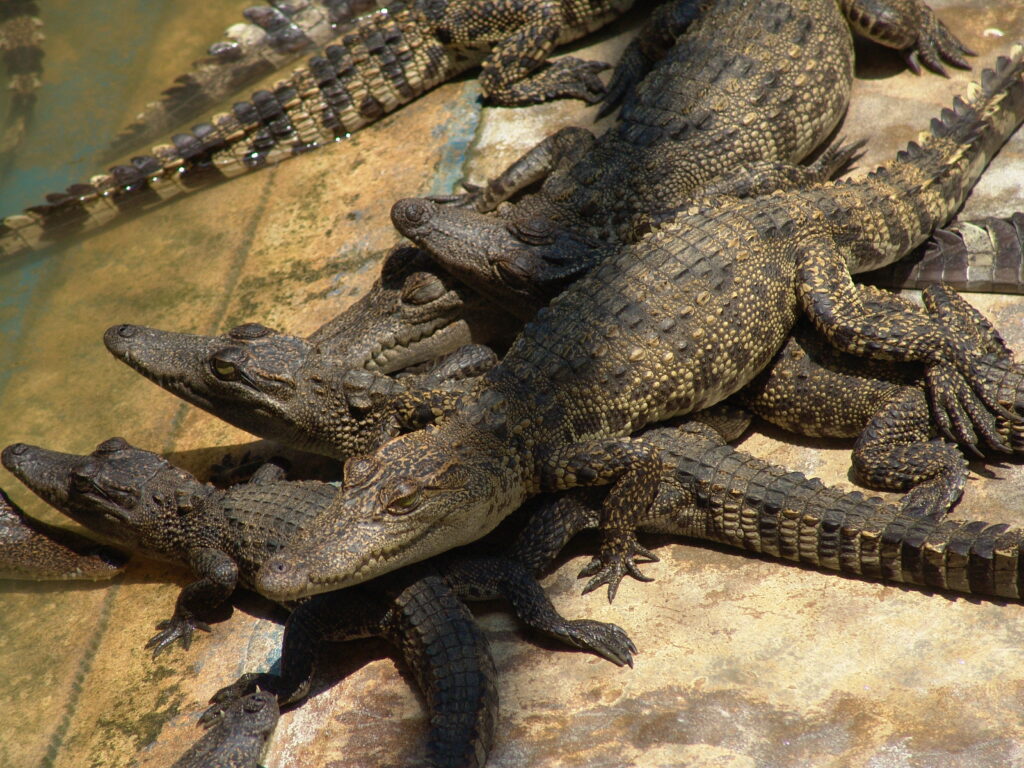
Central Laos – Communities in the Xe Champhone wetlands have spearheaded a conservation triumph, pulling the Siamese crocodile back from the verge of extinction through dedicated local efforts.
Fewer Than 1,000 Left: A Species on the Edge
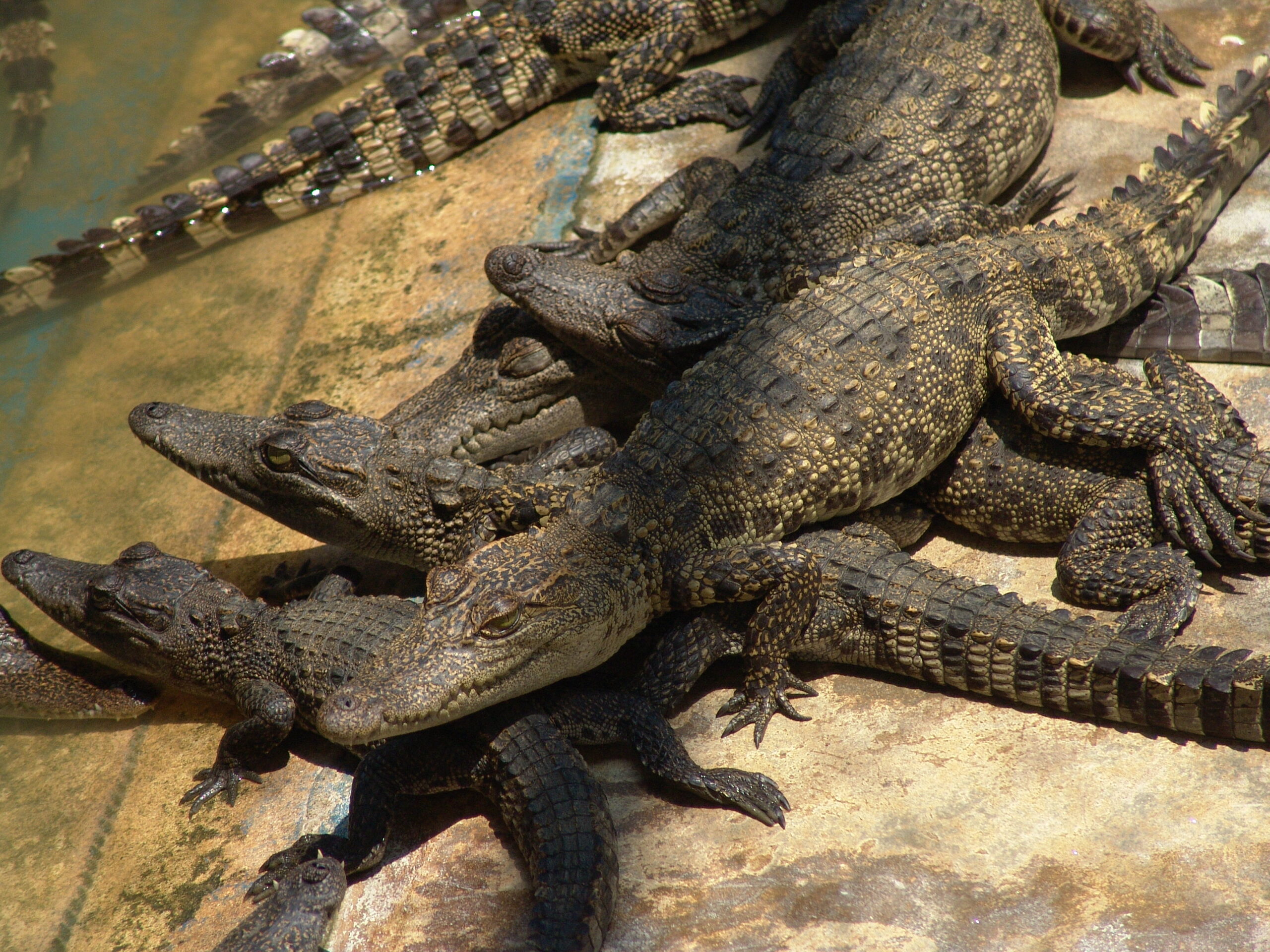
Fewer Than 1,000 Left: A Species on the Edge (Image Credits: Upload.wikimedia.org)
The Siamese crocodile, known scientifically as Crocodylus siamensis, faced catastrophic declines over the past half-century. Habitat loss, hunting, and rampant egg collection decimated populations across Southeast Asia. Today, fewer than 1,000 mature adults survive in the wild, earning the species a Critically Endangered status from the IUCN.
Yet in Laos’ Xe Champhone wetland complex, a different story unfolded. New research from the Wildlife Conservation Society documented steady reproductive success here, marking one of the largest remaining wild populations in mainland Southeast Asia. Nests produced consistently viable eggs, and released individuals even began breeding successfully.
Community Teams Take the Lead
Village Conservation Teams, trained by WCS since 2011, patrolled the wetlands to safeguard nests from floods and poachers. Local recruits monitored sites, collected eggs, and assisted with incubation. This hands-on approach built directly on community knowledge and reversed years of decline.
Government partners joined the effort, fostering collaboration that sustained monitoring over more than a decade. Steven Platt, a WCS conservation scientist involved for over ten years, highlighted the formula for success: “Recovery is possible – even for species on the edge of extinction – when conservation is built around local knowledge, cultural values, and sustained scientific monitoring.”
Hundreds of head-started crocodiles returned to the wild since 2019, with more awaiting release from village facilities.
Head-Starting and Soft Releases Boost Survival
Conservationists gathered eggs from floating peat nests, incubated them safely, and reared hatchlings until they grew less vulnerable to predators. These “head-started” juveniles underwent soft-release techniques to encourage them to stay in familiar habitats.
- Egg collection prevented losses to flooding or collection.
- Incubation ensured high hatch rates.
- Rearing in protected pens built strength.
- Soft releases improved long-term survival and breeding.
- Monitoring confirmed released crocs nested successfully.
Santi Saypanya, WCS Laos country director, noted how cultural reverence amplified these steps: “The teams build on long-held cultural beliefs that crocodiles are spiritual guardians, creating powerful incentives for protection.”
Wider Wins for Wetlands and Livelihoods
The crocodile’s resurgence signaled healthier ecosystems overall. As a keystone species, its presence benefited fish stocks, bird populations, and local fishing communities. Colin Poole, WCS Greater Mekong Regional Director, emphasized the broader impact: “The recovery we’re seeing with Siamese crocodiles reflects years of trust, collaboration, and shared commitment.”
Findings appeared in the Newsletter of the Crocodile Specialist Group, underscoring the model’s potential elsewhere.
Key Takeaways
- Local teams protected nests and head-started hundreds of crocs since 2011.
- Cultural views as guardians strengthened community buy-in.
- Xe Champhone now hosts a key wild population with proven breeding.
This Laos initiative proves community-led action can halt biodiversity loss. Sustained efforts promise more releases and a stable future for the Siamese crocodile. What role can local stewardship play in your region’s conservation challenges? Share your thoughts in the comments.