If you picture mass extinctions as giant cosmic reset buttons where everything just dies, you’re only getting half the story. The other half is even more gripping: some lineages hang on by a thread, adapt in bizarre ways, and quietly reshape life on Earth afterward. You are, quite literally, walking proof of that, because the story of survival runs straight through your DNA.
When you zoom out over hundreds of millions of years, you start to see a pattern. Huge volcanic eruptions, sudden climate swings, asteroid impacts, collapsing food chains – again and again, life gets hammered. Yet some creatures manage to slip through every catastrophe, sometimes by shrinking, burrowing, slowing down, or simply getting lucky in the right habitat. Once you see how they did it, extinction stops being just about endings, and becomes a story of outrageous resilience.
The Coelacanth: The “Living Fossil” That Refused to Stay Extinct
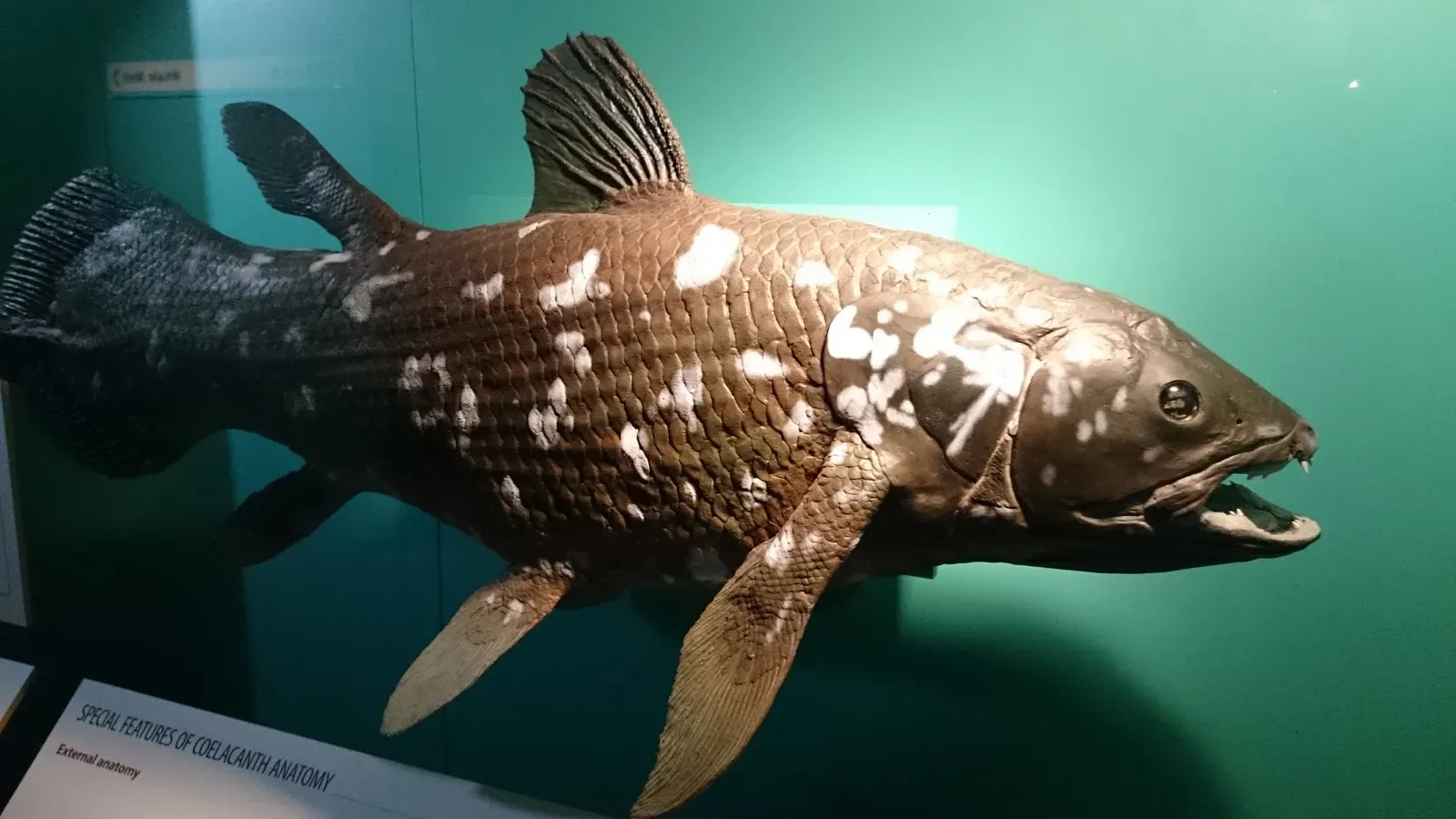
Imagine thinking an entire group of animals had vanished for roughly sixty million years, only to discover one fresh in a fishing net. That is what happened with the coelacanth, an ancient lobe-finned fish you usually associate with museum fossils and textbook illustrations. You might expect such a specialized, slow-moving creature to be wiped out in a crisis, yet coelacanths survived multiple extinction events, including the one that ended the age of the dinosaurs.
Part of their secret is where and how they live. You find them deep in the ocean, far below stormy surface waters and coastal chaos, hiding in underwater caves and moving slowly to conserve energy. In those dark, stable environments, drastic changes on land or in shallow seas hit them less directly. When you look at a coelacanth today, you’re basically staring at a ghost from the Devonian period that simply never got the memo about going extinct.
Crocodilians: Armored Survivors of the Dinosaur Age
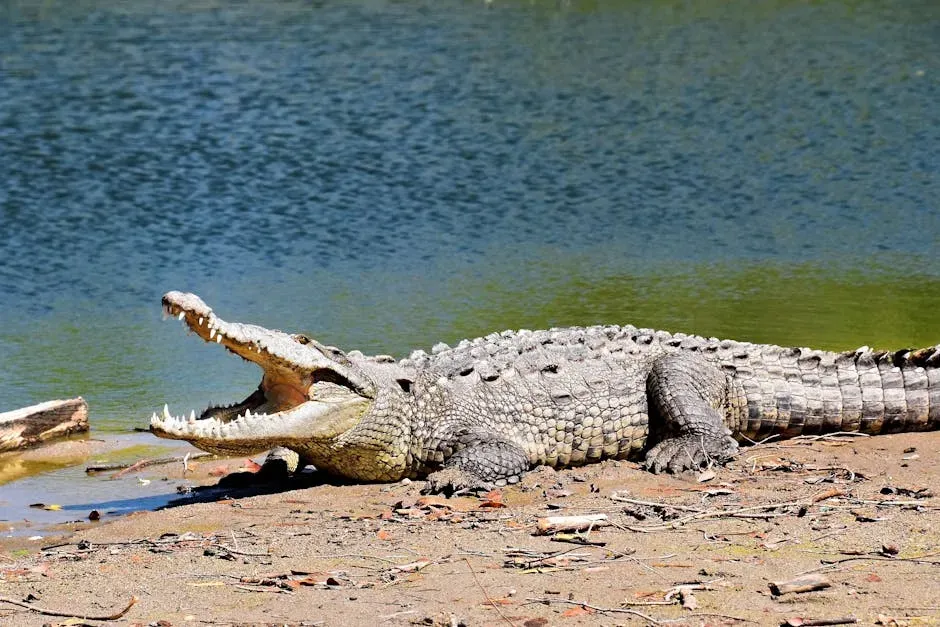
When the asteroid slammed into Earth about sixty-six million years ago, most large reptiles vanished, yet the crocodilian line kept going. You might assume their size and ferocity were what saved them, but the real advantage was flexibility. Ancient crocodilians could live in rivers, lakes, brackish coasts, and even near the ocean, and many could switch between eating fish, carrion, and practically anything unlucky enough to stumble near the water’s edge.
If you look at how crocodiles live today, you can see the survival strategy that likely worked back then. They can slow their metabolism, hold their breath for long periods, and go for weeks or longer with minimal food. In a post-impact world where sunlight was blocked, plants died, and food chains collapsed from the bottom up, being able to wait it out in murky water while scavenging whatever washed in was a brutal but effective plan. You are watching that ancient strategy in action every time you see a croc lurking motionless at the edge of a river.
Sharks: Ancient Ocean Predators That Outswam Disaster
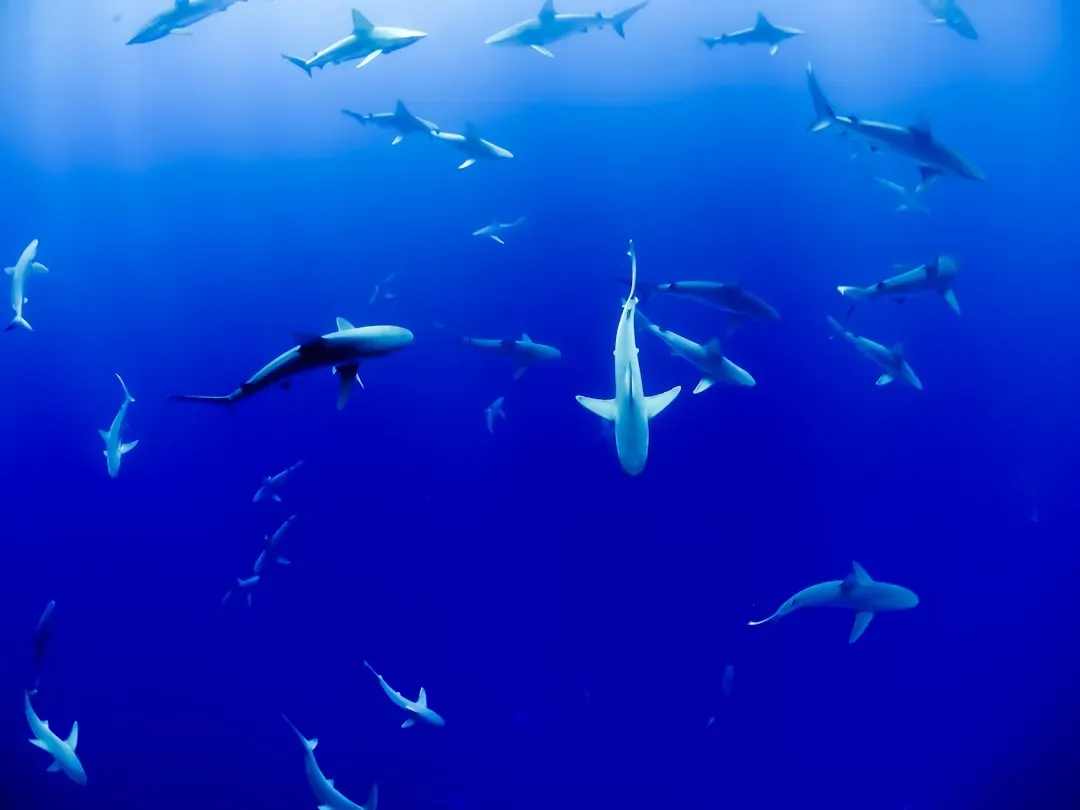
Sharks have been around for more than four hundred million years, which means they survived not just one but several mass extinction events. You might think of them as apex predators at the top of the food chain, but many sharks actually thrived by filling very different roles, from slow-moving bottom feeders to fast open-ocean hunters. That variety gave the group as a whole a kind of built‑in insurance policy when things went bad.
When oceans warmed, cooled, acidified, or lost oxygen, not every shark type made it, but enough did to keep the lineage going. Smaller-bodied species and flexible feeders had an edge, because they needed less food and could switch prey more easily. If you look at the diversity of sharks today – from tiny lantern sharks to massive whale sharks – you’re really seeing the descendants of survivors that kept adapting while entire marine ecosystems rose and fell around them.
Turtles: Shelled Time Travelers Across Mass Extinctions
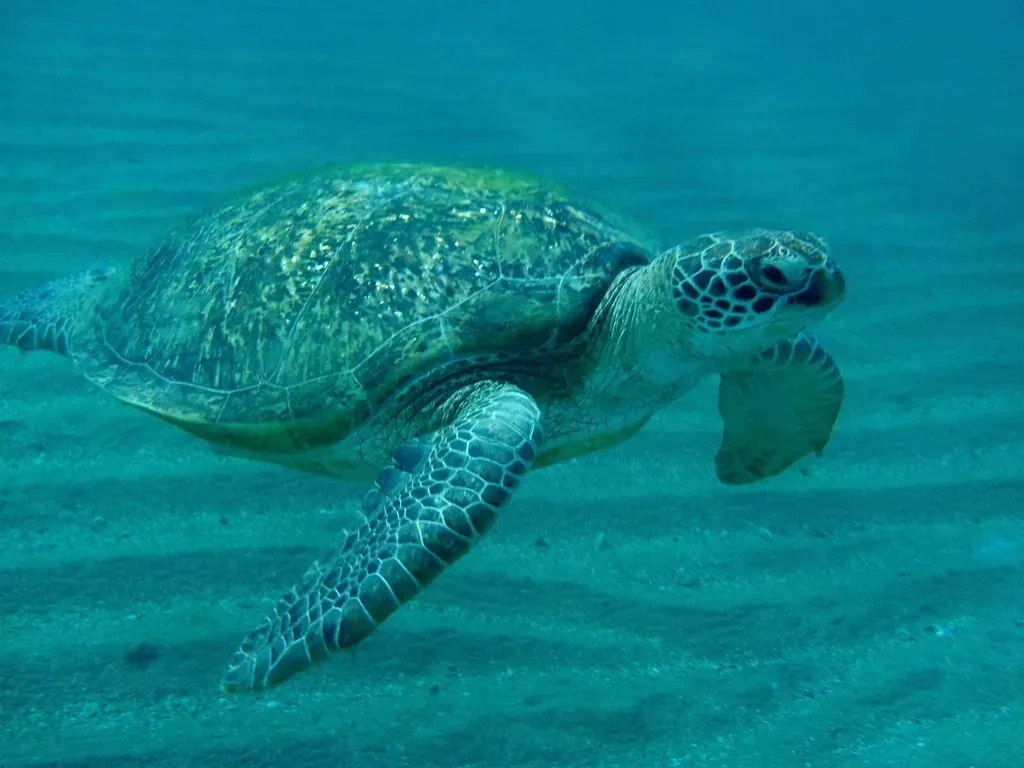
Turtles are one of those animals you almost take for granted, but their story is wild: their ancestors were already around during the days of the early dinosaurs. They weathered the end‑Triassic upheavals, the asteroid at the end of the Cretaceous, and dramatic climate shifts afterward. You might assume that a shell is just for protection from predators, yet during global crises, that shelter also helped with resource scarcity by allowing turtles to lower activity and ride out tough conditions.
Because many turtles can live in water, on land, or in between, they also had options when specific habitats were ruined. Aquatic turtles could move along river systems to new feeding areas, while some land turtles could burrow or hide in sheltered spots. You are seeing a design so effective that it barely had to change in over two hundred million years. The next time you watch a turtle lazily sunning on a log, you are looking at an animal whose ancestors watched dinosaurs come and go.
Horseshoe Crabs: Survivors Older Than Dinosaurs
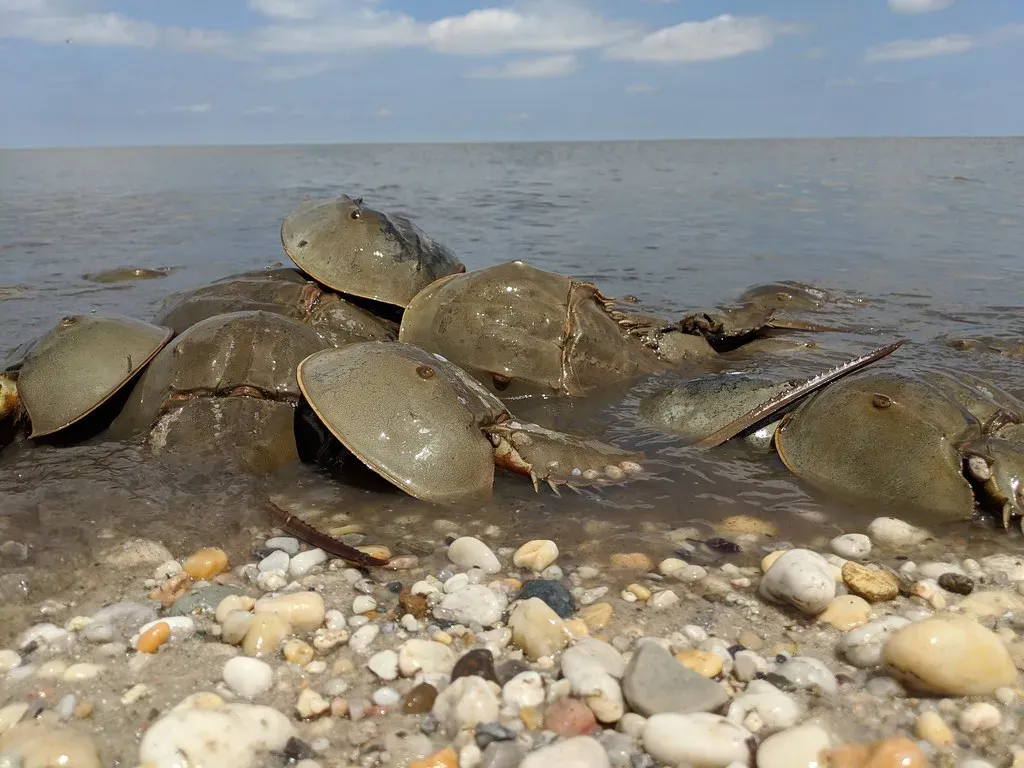
If you ever walk along a beach and stumble across a horseshoe crab, you are meeting a creature whose ancestors go back more than four hundred million years. They lived through the Permian–Triassic extinction, the worst known die‑off when the vast majority of marine species disappeared. You might expect highly advanced animals to do better in a crisis, but sometimes the low‑tech, slow and steady approach wins.
Horseshoe crabs feed on worms and small invertebrates in shallow coastal waters and mudflats, niches that can rebound quickly once conditions stabilize. Their body plan is simple, tough, and incredibly conservative, which means they never depended on fragile, specialized structures that could become a liability. You also see them lay thousands of eggs at once, giving them a numbers-based survival strategy. It is as if they bet on patience and sheer persistence while more glamorous species rolled the dice and lost.
Lungfish: Masters of Waiting Out the Worst
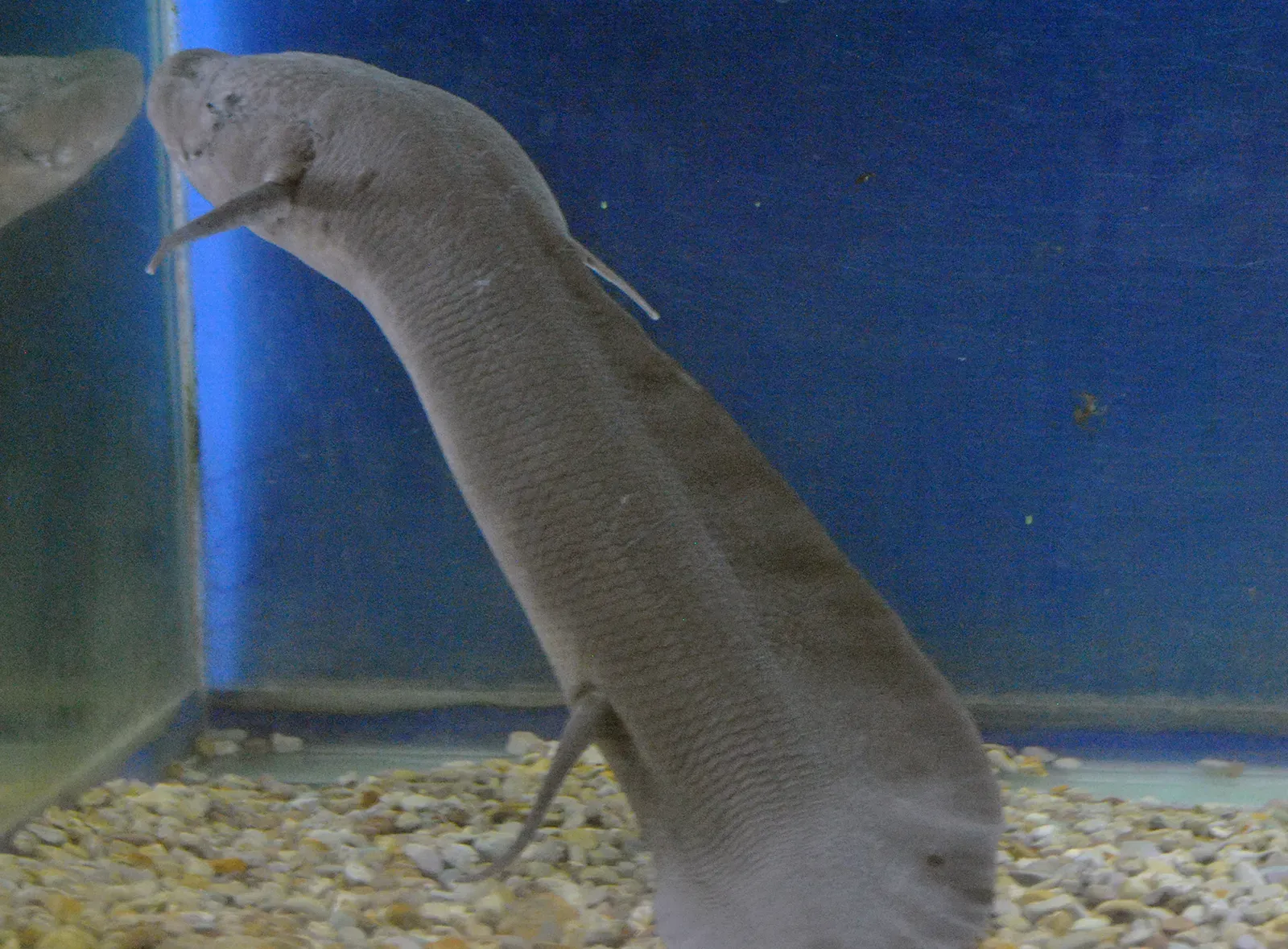
Lungfish might look unremarkable at first glance, but their superpower is bizarre: they can breathe air and, in some species, burrow into mud and go dormant for long stretches. When you picture ancient droughts, shrinking lakes, and unstable climates, that ability suddenly becomes a golden ticket. During past crises that dried up freshwater habitats, many fish simply died when the water vanished, while lungfish could ride it out underground in a kind of suspended animation.
Some modern lungfish can survive in this state for years, and that basic trick likely helped their ancestors through ancient environmental whiplash. Their mixed lifestyle – able to use gills in water and lungs in air – gave them a flexibility that few other vertebrates had early on. When you think about mass extinctions, you usually picture dramatic deaths, but lungfish teach you another angle: sometimes, survival is just about going offline until the chaos passes.
Birds: The Dinosaur Descendants That Took to the Skies and Survived
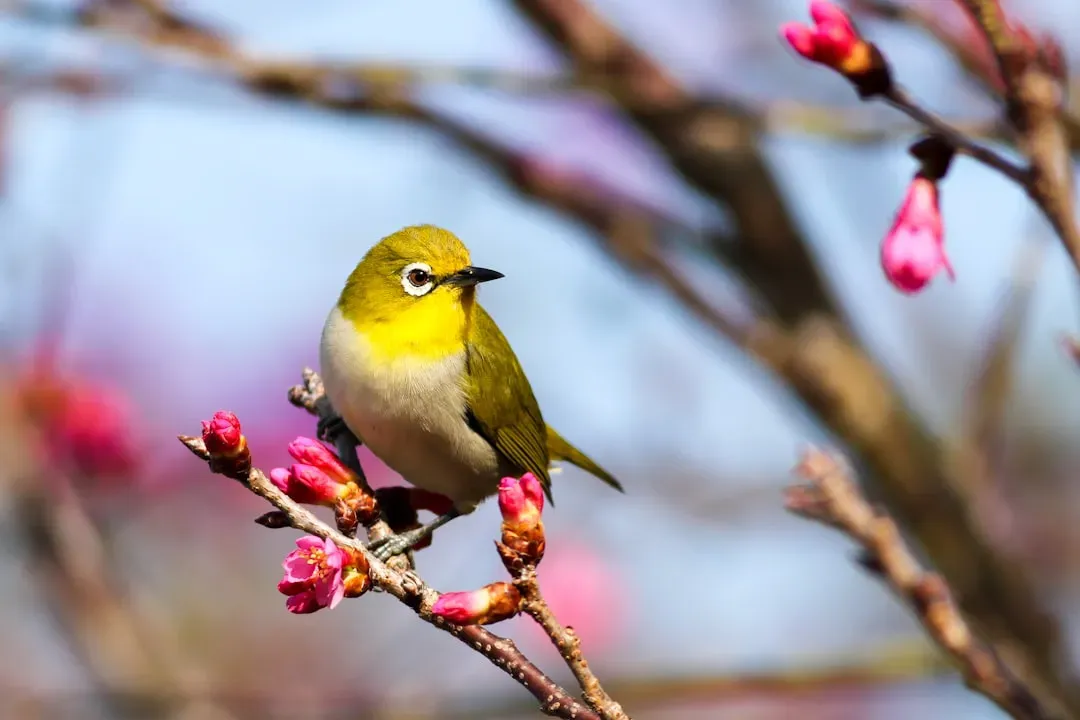
It might surprise you to realize that birds are not just related to dinosaurs; they actually are dinosaurs in a strict evolutionary sense. When the asteroid impact triggered firestorms, tsunamis, and years of dark, chilly skies, almost all large dinosaurs disappeared. Yet a small, feathered branch of the family tree pulled off an escape act. You can still see it every time you watch a sparrow hop across a sidewalk or a gull steal your fries.
Several factors probably helped birds survive when their massive relatives did not. Smaller bodies meant lower food requirements, and many early birds could eat seeds, insects, and whatever scraps they could find in devastated landscapes. Flight allowed them to move quickly to new habitats, while feathers offered insulation in a cooler world. When you listen to birdsong today, you are hearing the faint echo of a dinosaur lineage that shrank, adapted, and then exploded into millions of species after the smoke cleared.
Mammals: Tiny Night Creatures That Inherited the Earth
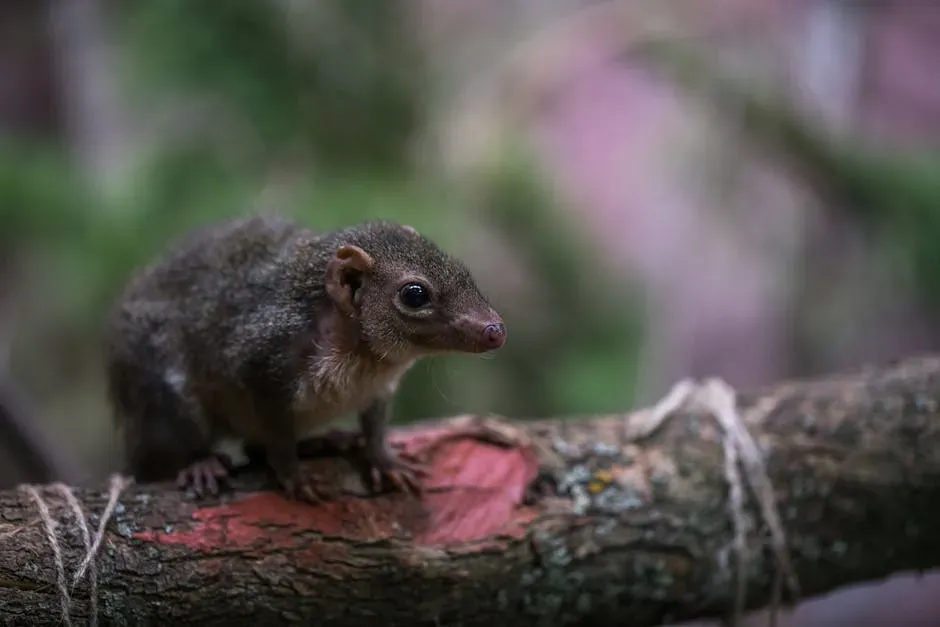
When you think of prehistoric times, your mind probably goes straight to towering sauropods and snapping tyrannosaurs, not the small, shrew‑like mammals scurrying in the shadows. Yet those tiny, mostly nocturnal animals are the ones whose descendants include you. They survived the same asteroid impact that wiped out large dinosaurs, most likely by staying small, hiding in burrows, and eating a wide menu that included insects, seeds, and carrion.
After the extinction event, many big predators and herbivores were simply gone, leaving open ecological space everywhere. Mammals took advantage, diversifying into new shapes and lifestyles: swimmers, climbers, runners, and eventually primates. The only reason you can sit here, reading about ancient disasters, is that your distant mammal ancestors were quiet, flexible, and unremarkable enough to be overlooked by fate. In a way, you are living proof that sometimes the creatures in the background end up writing the next chapter.
Conclusion: What These Ancient Survivors Teach You About Resilience
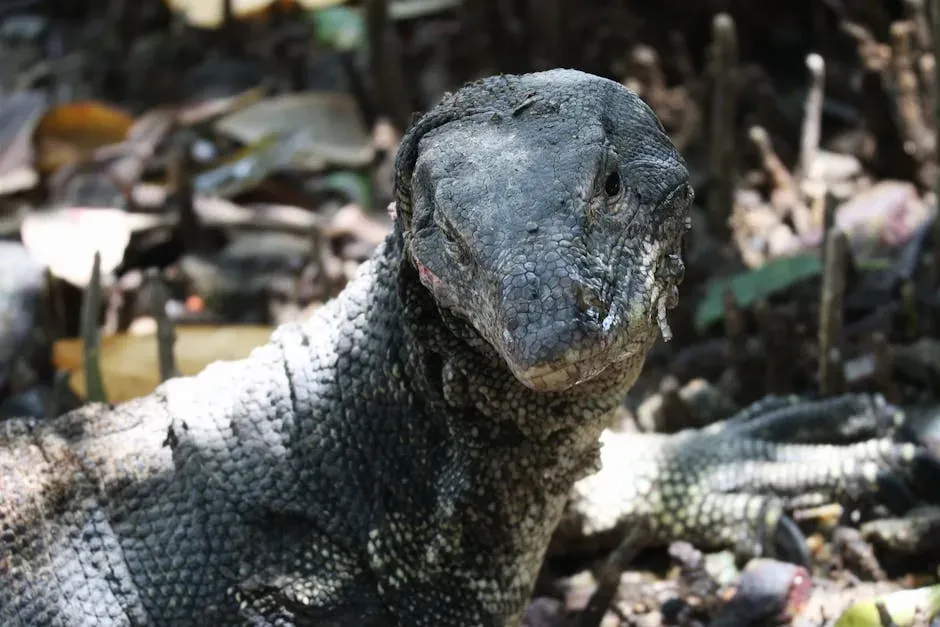
When you step back and connect all these stories, a pattern jumps out at you. The creatures that make it through extinction events are not always the biggest, toughest, or most spectacular. They are often the ones that can eat many things, live in different places, slow their needs, or simply dig in and wait. That kind of quiet adaptability beats brute strength when the entire planet is in crisis.
If you look at your own life through that lens, it becomes a bit more humbling and a lot more inspiring. You already carry the legacy of survivors that crossed unimaginable bottlenecks by changing, shrinking, and shifting rather than dominating. So the next time the world around you feels unstable, you can remember that your lineage has faced worse – asteroid-level worse – and made it through. In a planet shaped by disaster and renewal, the real question is not who thrives in calm times, but who learns to bend without breaking when everything falls apart; which side of that question do you want to stand on?