Picture a shark so massive it could swallow two adult humans standing side by side. Imagine teeth the size of your hand, capable of crunching through bone like butter. Now multiply that nightmare by an animal weighing as much as ten elephants. This was megalodon, and honestly, the ancient oceans were a very different place when it ruled the waters.
For millions of years, this colossal predator dominated marine environments across the globe. Its reign lasted longer than most species could dream of, yet it vanished mysteriously around three and a half million years ago. What made it so successful? Why did it disappear? Let’s dive into the fascinating world of a creature that makes today’s great white sharks look like minnows.
An Ocean Giant Beyond Imagination
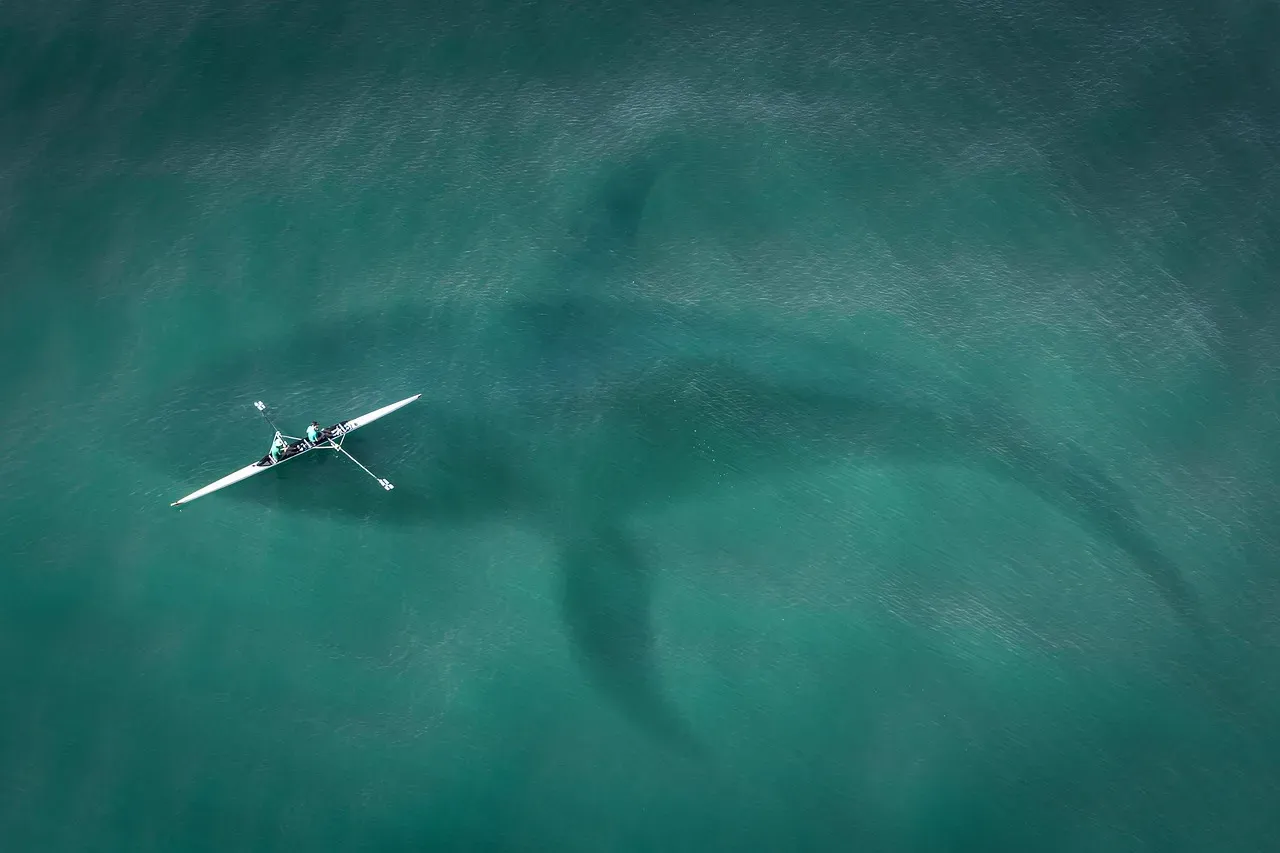
Megalodon lived roughly 23 to 3.6 million years ago in nearly every corner of the ocean, and was roughly up to 3 times the length of a modern-day great white shark. Recent research has challenged previous assumptions about its size. In 2025, scientists proposed a significantly higher maximum length estimate of 24.3 metres (80 feet) based on the hypothesis that megalodon had a much more elongated body plan than previously thought.
Think about that for a second. Eighty feet. That’s longer than a bowling lane. The reconstructed megalodon was 16 meters long and weighed over 61 tons, requiring over 98,000 kilocalories every day and having a stomach volume of almost 10,000 liters. The sheer scale of this animal challenges what we thought was possible for a predatory shark.
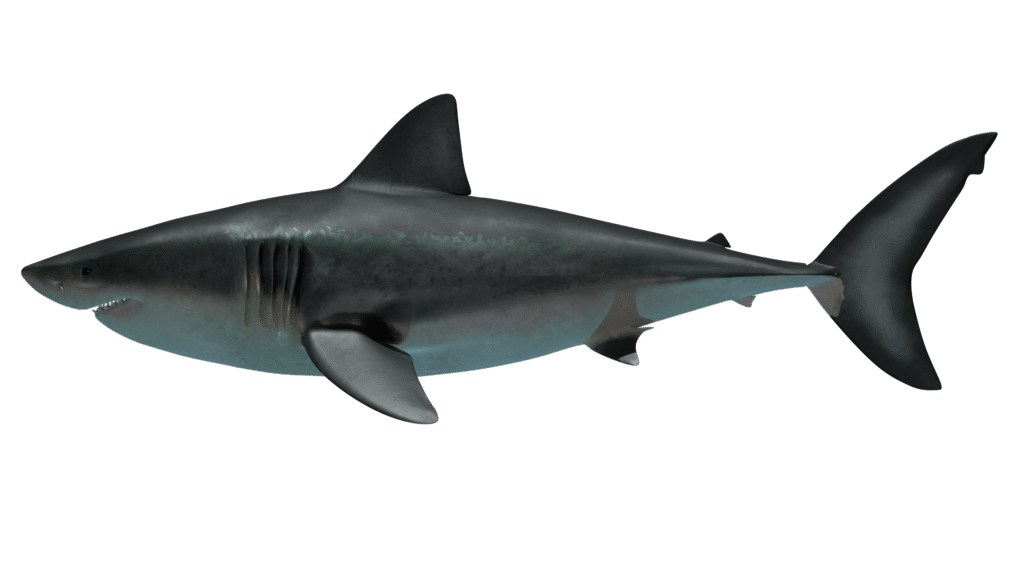
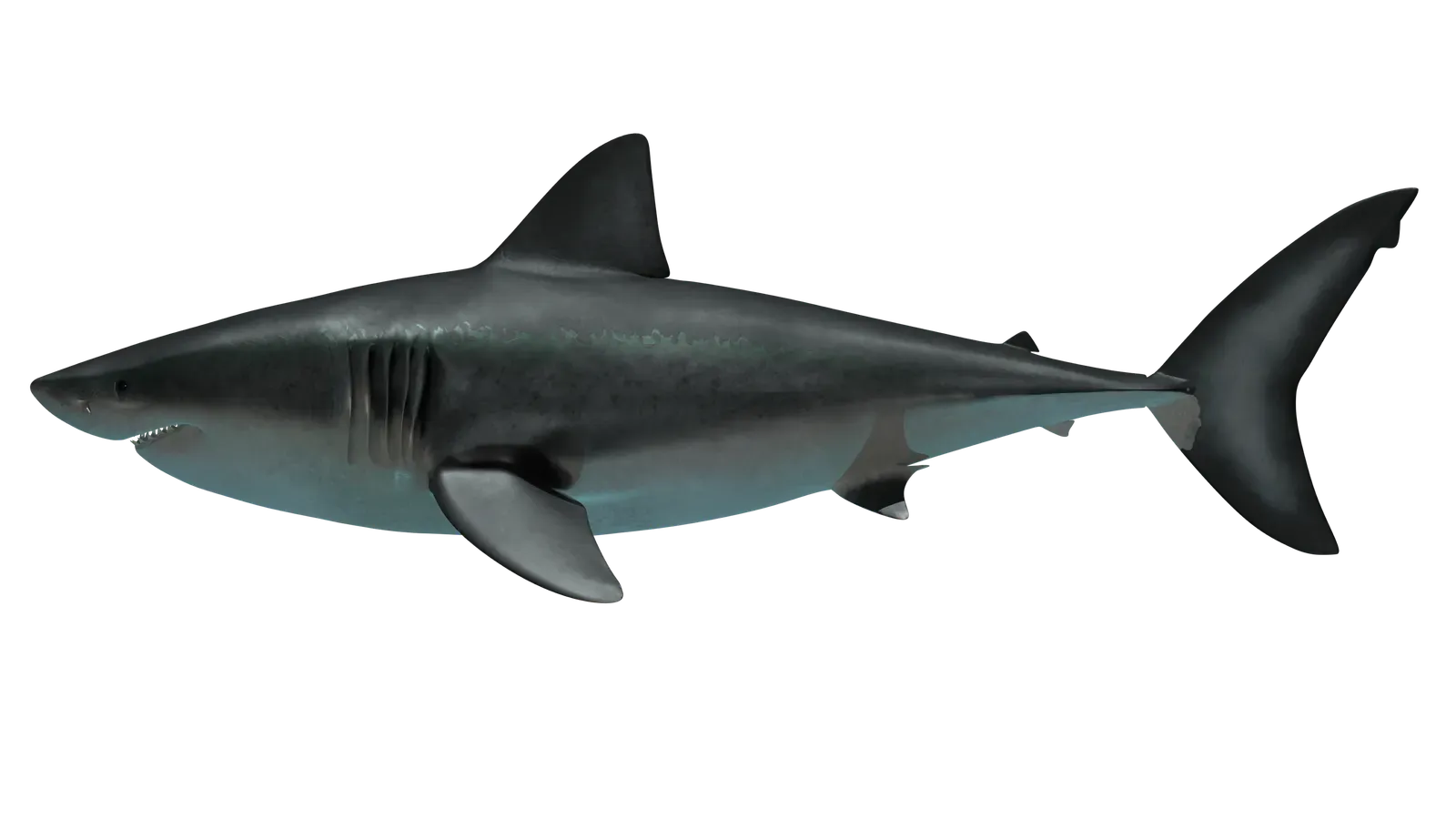
Unlike what many assumed, megalodon probably didn’t look like a supersized great white. Scientists suggest that megalodon may have had a much slenderer body, possibly with proportions like a lemon shark, making it more efficient in the water, and likely had a much shorter nose when compared with the great white.
Teeth Designed for Destruction
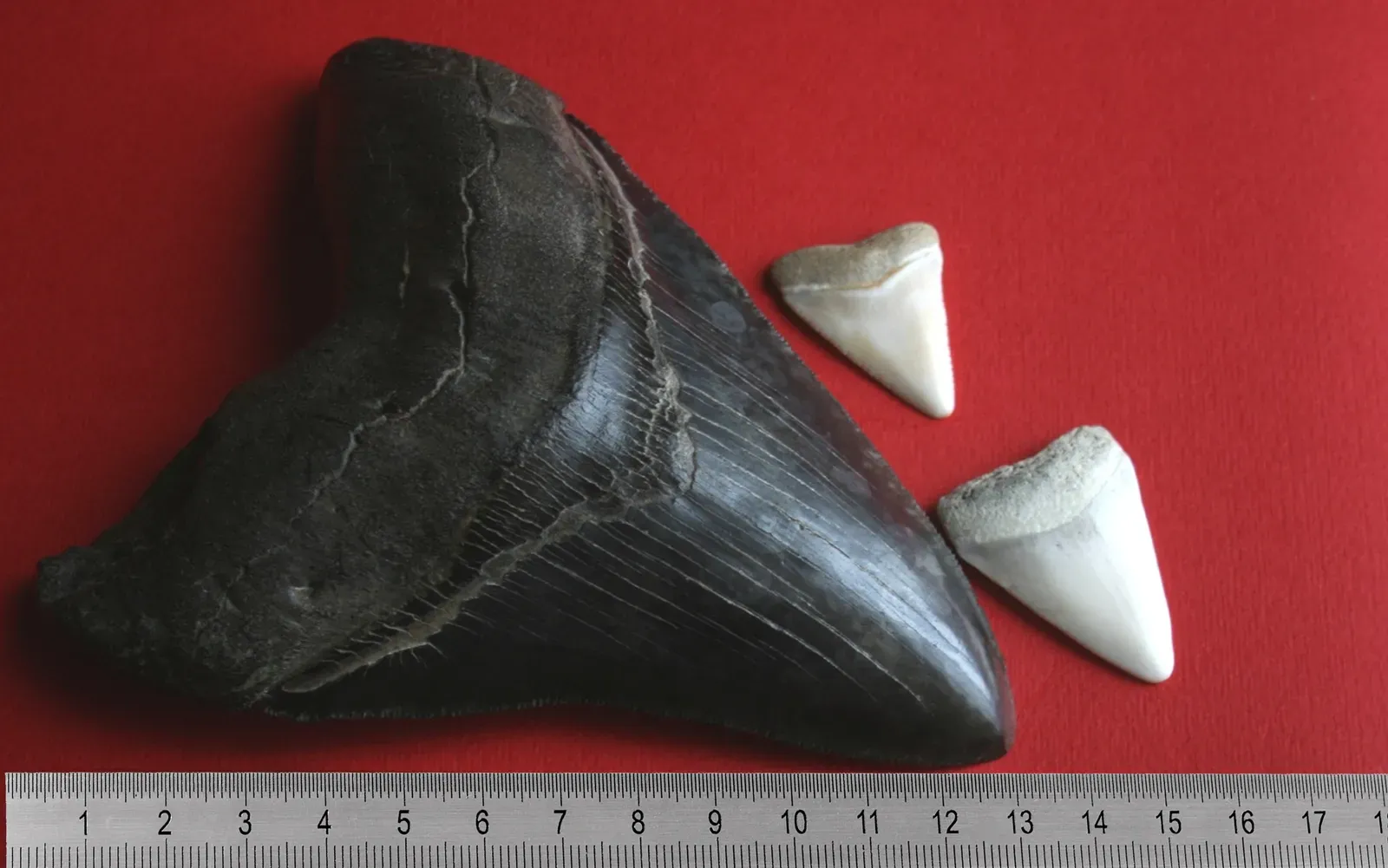
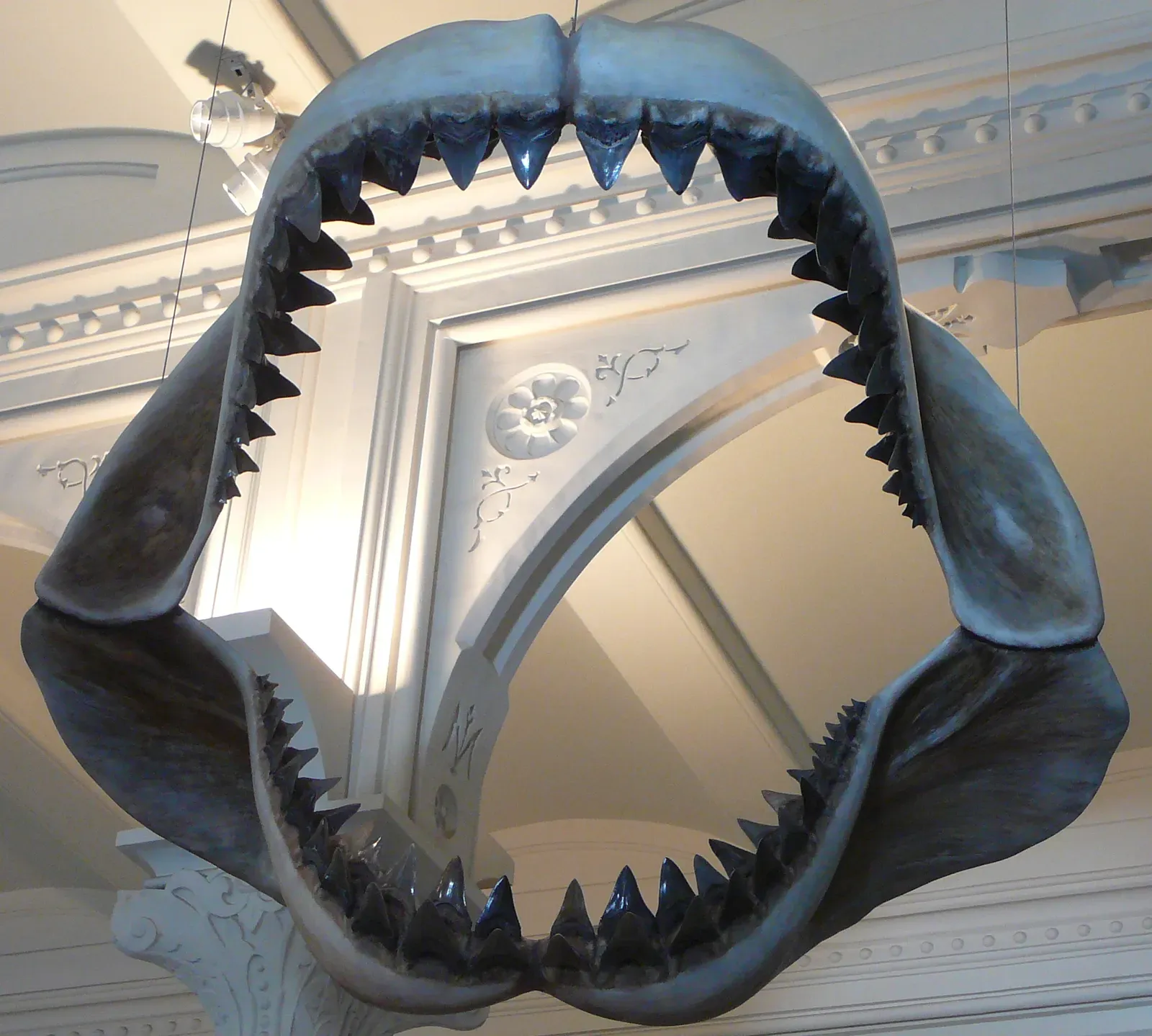
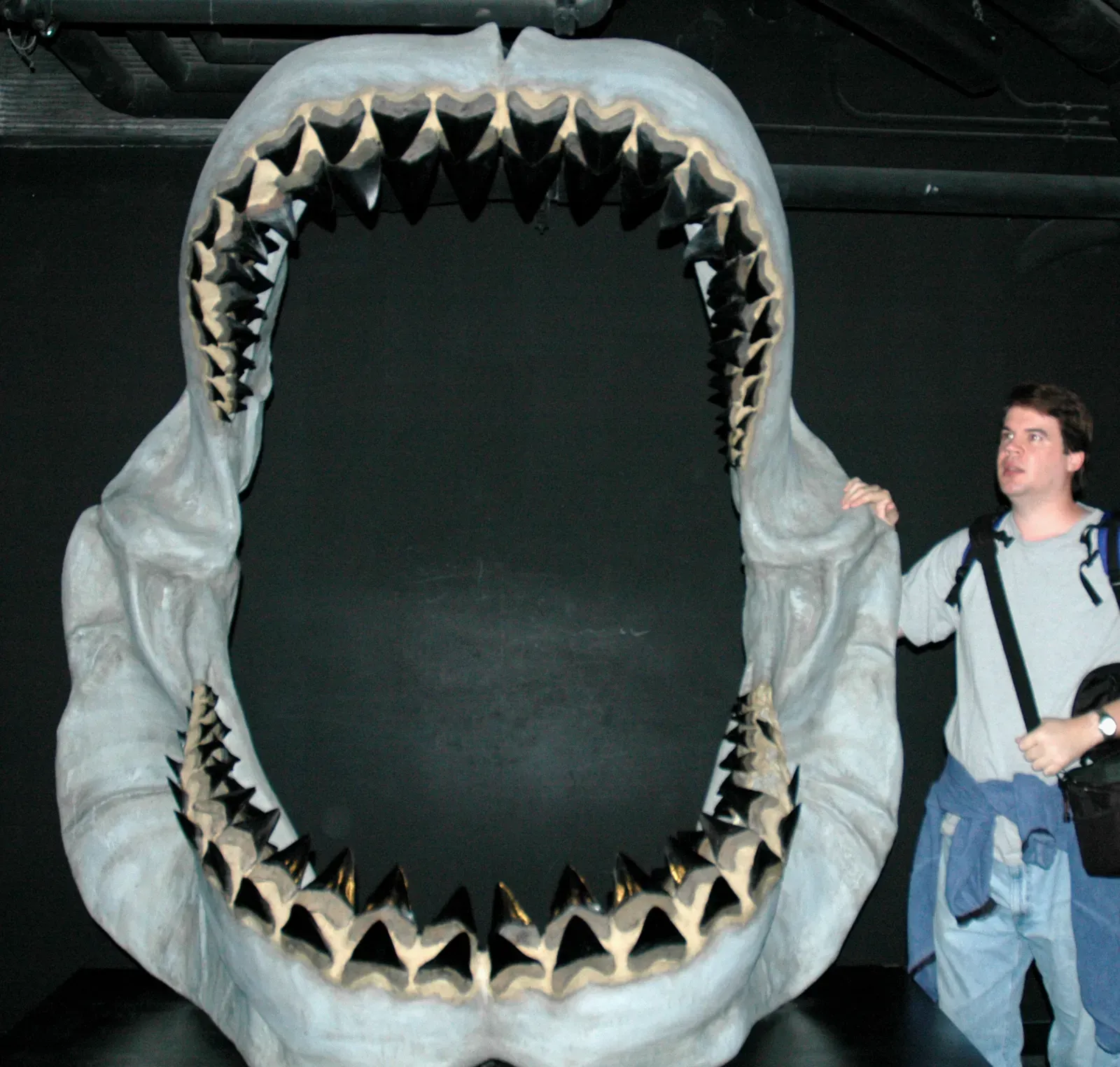
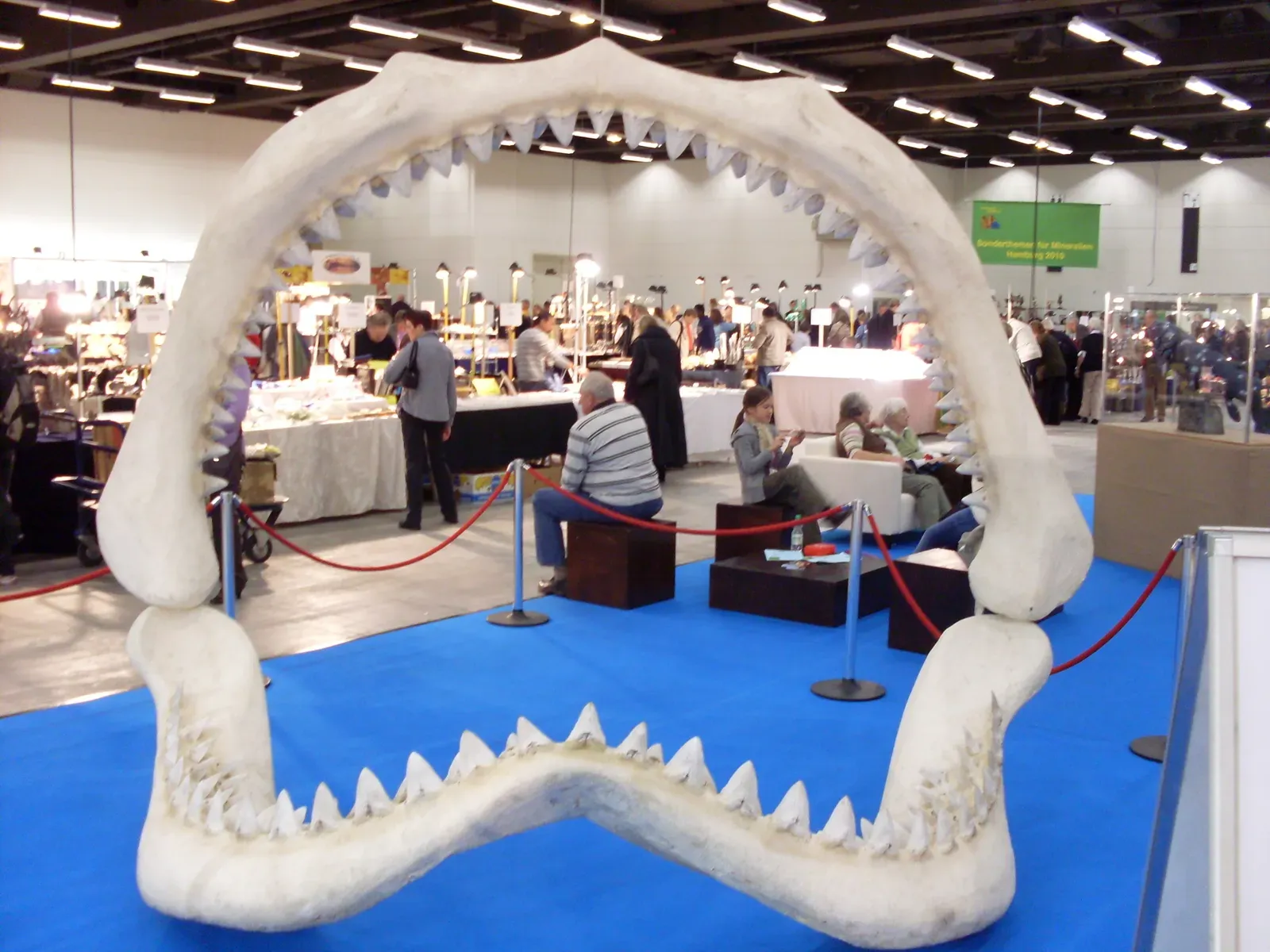
Megalodon had a powerful bite with a jaw full of teeth as large as an adult human’s hand. These weren’t just big, they were engineered for carnage. These jaws were lined with 276 teeth, and studies reconstructing the shark’s bite force suggest that it may have been one of the most powerful predators ever to have existed.
Let’s talk numbers. Scientists calculate that a bite from a megalodon jaw could generate force of up to 40,000 pounds, which would make it the strongest bite in the entire animal kingdom. Compare that to a modern great white at around 18,000 newtons or a human at roughly 1,300 newtons.
Like other sharks, Megalodon constantly replaced its teeth on a near weekly basis–during its lifetime, a single shark could go through 40,000 teeth. This dental conveyor belt meant that broken or damaged teeth from attacking large prey were quickly replaced. It’s one reason why megalodon teeth are among the most common shark fossils found today.
King of the Food Chain
Scientists discovered clear evidence that megalodon and its ancestors occupied the highest rung of the prehistoric food chain, with such a high trophic signature that researchers believe megalodon must have eaten other predators and predators-of-predators in a complicated food web. This wasn’t a picky eater. An ability to eat large apex predators of comparable size millions of years ago places megalodon at a higher trophic level than modern top predators.
Here’s the thing about being that large: you need constant fuel. Minerals in fossilized teeth reveal that megalodon might have been an opportunistic feeder to meet its remarkable 100,000-calorie-per-day requirement, and when available, it would probably have fed on large prey items, but when not available, it was flexible enough to feed also on smaller animals.
As the largest predator of the time, it ate a diverse array of prey including toothed and baleen whales, seals, sea cows, and sea turtles, and as an opportunist, it also likely ate fish and other sharks. Fossil evidence backs this up spectacularly. Many whale fossils have distinct gashes from megalodon teeth, and sometimes an entire megalodon tooth is found embedded in a whale bone.
Hunting Strategies of a Super Predator
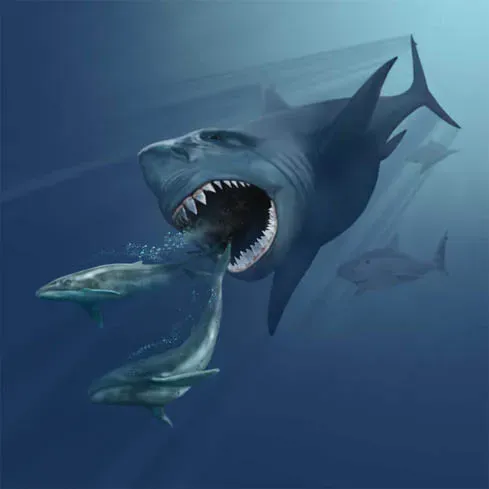
Megalodon wasn’t just big and powerful – it was smart. Megalodon bite marks on whale fossils suggest that it employed different hunting strategies against large prey than the great white shark, and unlike great whites which target the underbelly of their prey, megalodon probably targeted the heart and lungs.
Different prey required different tactics. These results suggest that the megalodon could travel long distances and was capable of eating whole prey of up to 8 meters long, notably the size of modern killer whales. An optimal foraging model found that eating a single 8-meter-long whale may have allowed the shark to swim thousands of miles across oceans without eating again for two months.
The fossil record shows brutal efficiency. Analysis of bite marks reveals that megalodon possessed thick teeth adapted for biting through tough bone. Some fossil whale vertebrae show compression damage, suggesting megalodon would ambush prey from below, slamming into them at high speed before delivering a crushing bite.
A Global Empire in the Seas
The megalodon lived in most regions of the ocean except near the poles, and while juveniles kept to the shores, adults preferred coastal areas but could move into the open ocean. This wasn’t a creature confined to one region. Megalodon had a global distribution and fossils of the shark have been found in many places around the world, bordering all oceans of the Neogene.
The species used specific nursery areas to raise their young. Like the modern-day bull shark, megalodons gave birth in specific nursery habitats that included protected bays and estuaries, which provided the shark pups with plenty of fish and a safe environment away from larger predators, and scientists have discovered megalodon nursery habitats in Panama, Maryland, the Canary Islands, and Florida.
Even newborns were formidable. Estimates using juvenile teeth suggest that newly birthed young may have been at least 2 metres in length. Imagine a baby shark already longer than most adult humans.
The Mystery of Its Disappearance
Around 3.6 million years ago, megalodon vanished from the fossil record. Nobody has ever found a megalodon tooth that’s less than 3.5 million years old, and that’s one of the reasons scientists believe megalodon went extinct then. What could bring down such a dominant predator?
Studies had shown that megalodon’s geographic distribution did not increase appreciably during warm periods or decrease appreciably during cold periods, suggesting that the species demise was not dependent on climatic changes alone, and that shifting food-chain dynamics may have been the primary factor. Global water temperature dropped which reduced the area where megalodon, a warm-water shark, could thrive, and because of the changing climate, entire species that megalodon preyed upon vanished forever.
Competition played a role too. Zinc isotope values from Early Pliocene shark teeth suggest largely overlapping trophic levels of early great white sharks with the much larger megalodon, and the results point to some overlap in prey hunted by both shark species which contributed to the extinction of the megatooth shark. Great whites were smaller, more agile, and potentially better adapted to changing conditions.
Lessons from a Lost Leviathan
Megalodon’s story is more than just ancient history. The extinction of megalodon set the stage for further changes in marine communities, and the average body size of baleen whales increased significantly after its disappearance. The loss of this apex predator reshaped entire ocean ecosystems.
Scientists who study megalodon today gain insights into how modern marine food webs function. Researchers suggest that this giant shark was a trans-oceanic super-apex predator, and the extinction of this iconic giant shark likely impacted global nutrient transport and released large cetaceans from a strong predatory pressure.
What we’ve learned from megalodon’s extinction carries warnings for today. Competition for resources, environmental change, and ecosystem disruption can topple even the most dominant species. No predator, no matter how powerful, is immune to extinction when conditions shift against it. The oceans remember megalodon, and the spaces it left behind changed the marine world forever. What does that tell us about protecting the apex predators still swimming today?