The world’s great deltas are sinking – and with them, a global food system – Image for illustrative purposes only (Image credits: Unsplash)
Cần Thơ, Vietnam – The Mekong River once delivered roughly 160 million metric tons of sediment each year to build and sustain one of Asia’s most productive deltas. That annual flow has now fallen by about 70 percent, leaving the low-lying lands that support millions of residents increasingly vulnerable to both sinking ground and rising seas. The change has already altered flood patterns and raised questions about whether communities like those around Cần Thơ can remain in place for generations to come.
A River System Under Strain
The Mekong stretches more than 4,300 kilometers across six nations before emptying into the South China Sea. Its basin covers roughly 800,000 square kilometers, and the delta itself spans about 40,000 square kilometers of fertile plains and waterways. Until recently, the river’s sediment load rebuilt land lost to natural erosion and supported intensive agriculture that feeds both local populations and export markets. Upstream dams, sand mining, and changing rainfall patterns have sharply reduced the amount of material reaching the coast. Without that steady supply, the delta can no longer keep pace with natural compaction and human-induced subsidence. Residents report that seasonal floods now last longer and reach higher levels than in previous decades, turning once-predictable cycles into sources of disruption.
Daily Life in a Shifting Landscape
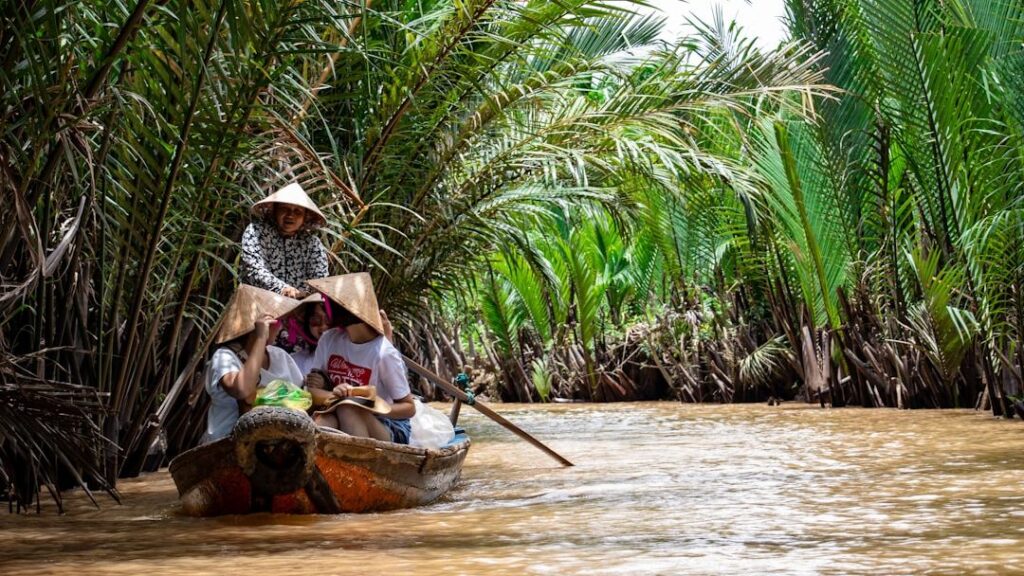
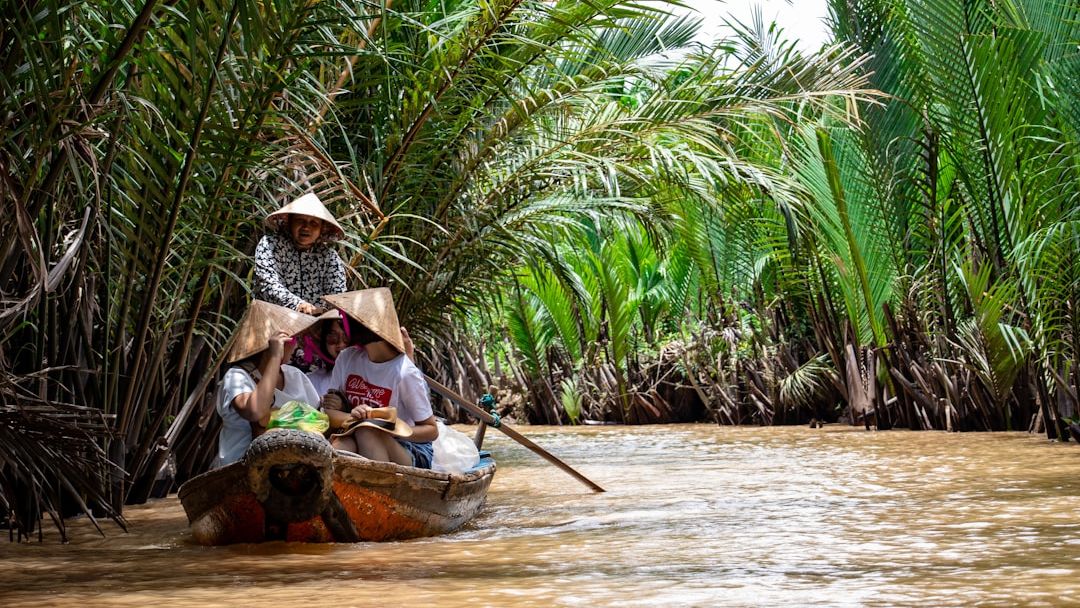
Lâm Thu Sang, who helps run a local nonprofit focused on poverty reduction in remote parts of Cần Thơ, has watched these changes unfold. “I would like for me and my children to live here forever,” she said, voicing a hope shared by many families whose livelihoods depend on the delta’s rice fields, fisheries, and waterways. Longer floods have already forced adjustments in planting schedules and damaged infrastructure in low-lying neighborhoods. Community organizations note that families must now weigh the cost of repeated repairs against the possibility of eventual relocation. The sense of uncertainty extends beyond individual households to entire districts that have relied on the delta’s stability for centuries.
Compounding Pressures on Land and Sea
The delta confronts two simultaneous challenges: the ground is subsiding while global sea levels continue to rise. Together these forces accelerate the loss of habitable and arable land. Areas once protected by natural sediment buildup now experience more frequent saltwater intrusion, reducing soil fertility and threatening freshwater supplies. Local observers describe a landscape that feels increasingly fragile. Roads and homes built on what was once stable ground require more frequent maintenance. Agricultural yields in some zones have begun to decline as saline water reaches farther inland during dry seasons. These trends compound the difficulties already created by reduced sediment delivery from upstream.
Broader Stakes for Food Production
The Mekong Delta ranks among the world’s most important rice-producing regions. Its output helps stabilize global supplies and supports food security in multiple countries. When sediment no longer replenishes the land, the long-term capacity to maintain those yields comes into question. Analysts point out that any sustained reduction in delta productivity would ripple through international markets. Higher prices or supply shortfalls could affect import-dependent nations far from Southeast Asia. The situation illustrates how changes in one river basin can influence food systems on a planetary scale. The outlook remains uncertain, yet the scale of the sediment loss makes clear that the delta’s future will depend on coordinated action across borders and sectors. Without renewed attention to upstream sediment management and local adaptation measures, the region’s role as a cornerstone of global agriculture faces mounting pressure.