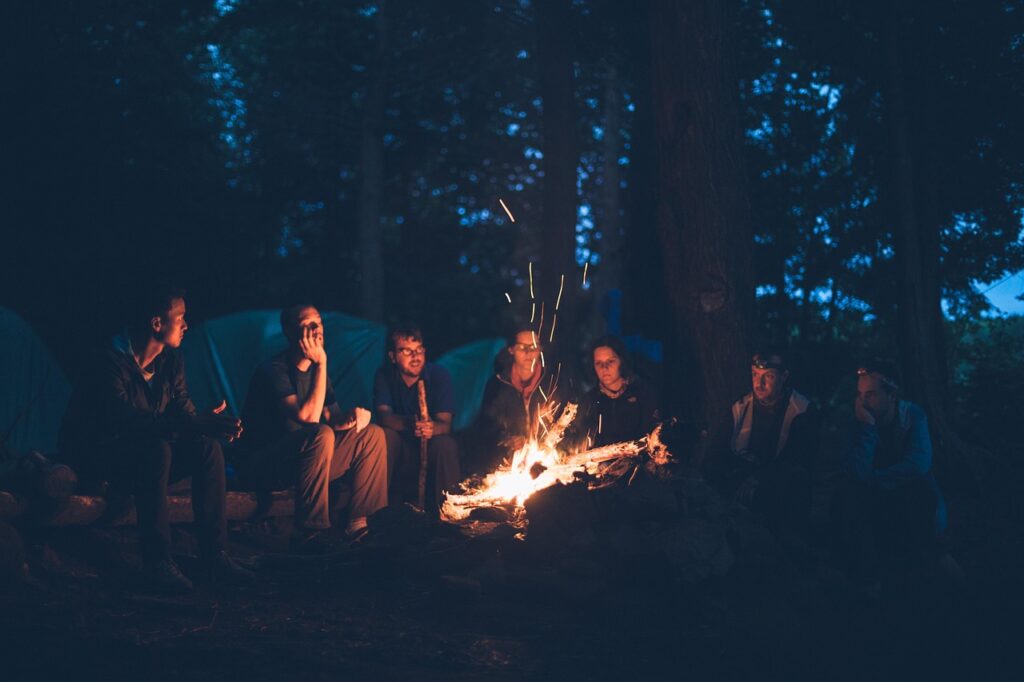
Think about the last time you stared into a campfire or a candle flame. Minutes slipped by, conversations faded into the background, and you dropped into this oddly calm, almost timeless state. It feels primitive, like your mind is doing something very old and very familiar. Neuroscience suggests that this feeling is not an illusion: our brains really did grow up around fire.
For hundreds of thousands of years, firelight meant survival. It meant warmth on freezing nights, cooked food, protection from predators, and the comforting murmur of the group nearby. Our nervous systems were sculpted in that glow, and traces of that wiring still flicker in our brains today. Once you see how deep this runs, it becomes hard to unsee it every time you light a match.
From terrifying hazard to trusted ally in our evolutionary story
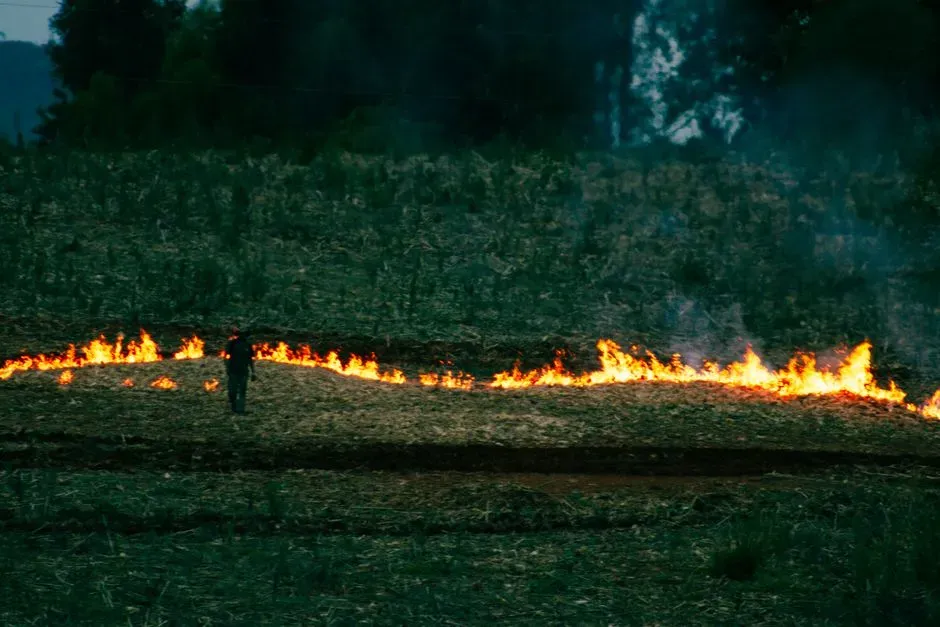
Early humans did not start out calmly roasting marshmallows around the flames. Fire was first a terrifying force that could destroy a landscape, kill animals, and force groups to flee. Over time, though, hominins learned to approach and eventually control naturally occurring fires, turning a chaotic danger into a predictable tool and companion.
That shift alone would have created intense evolutionary pressure. Individuals and groups who could read fire’s behavior, tolerate its heat, and manage its risks likely gained enormous advantages: better food through cooking, safer nights, and new territories to inhabit. Brains that were attuned to fire’s rhythms and rewards had a better chance of surviving long enough to pass on their genes, and that leaves a deep imprint on how our nervous systems respond to flickering light even now.
Firelight as the original “safe zone” for the human nervous system
For most of our existence, nighttime was dangerous. Predators hunted in the dark, rival groups could approach unseen, and the margin between life and death was painfully thin. A controlled fire created a bubble of safety in that darkness, a bright perimeter where the world suddenly became predictable, warm, and visible. Your ancestors’ bodies learned that, inside that circle, they could finally let their guard down a bit.
In modern terms, you could say firelight reliably signaled a switch from high alert to relative safety. Heart rate could settle, hyper-vigilance could ease, and the body could shift from survival mode into rest, digestion, and social connection. When your brain detects that kind of cue again, even in the form of a simple candle on a dining table, it taps into the same circuitry: “Here, in this glow, you’re probably okay.” No wonder it feels so soothing.
Rhythmic flicker and the way our brains love patterns
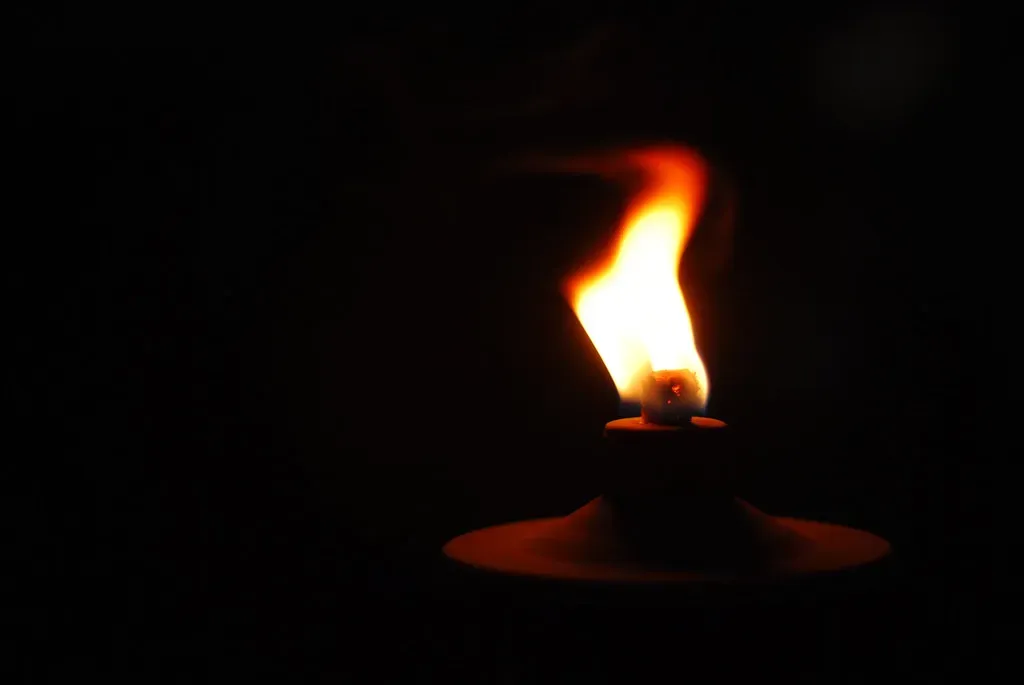
Our brains are obsessed with patterns. They are constantly predicting, syncing, and adjusting to rhythmic input: footsteps, speech, waves, music, and yes, the uneven yet strangely regular dance of fire. Firelight is neither chaotic noise nor perfectly stable light. It occupies that sweet spot of gentle unpredictability, where the brain can track the motion without getting bored, but is not overwhelmed by complexity.
This kind of softly varying rhythm tends to encourage specific brain states associated with relaxed attention and daydreaming. It is similar to watching waves roll in, leaves rustle in the wind, or snow fall slowly at night. Your visual system hooks into the flicker, your higher-level thinking starts to drift, and you enter a low-effort mode of awareness. The hypnotic feeling is your brain easing off the accelerator and letting patterned sensory input drive for a while.
Fire, storytelling, and the birth of human culture
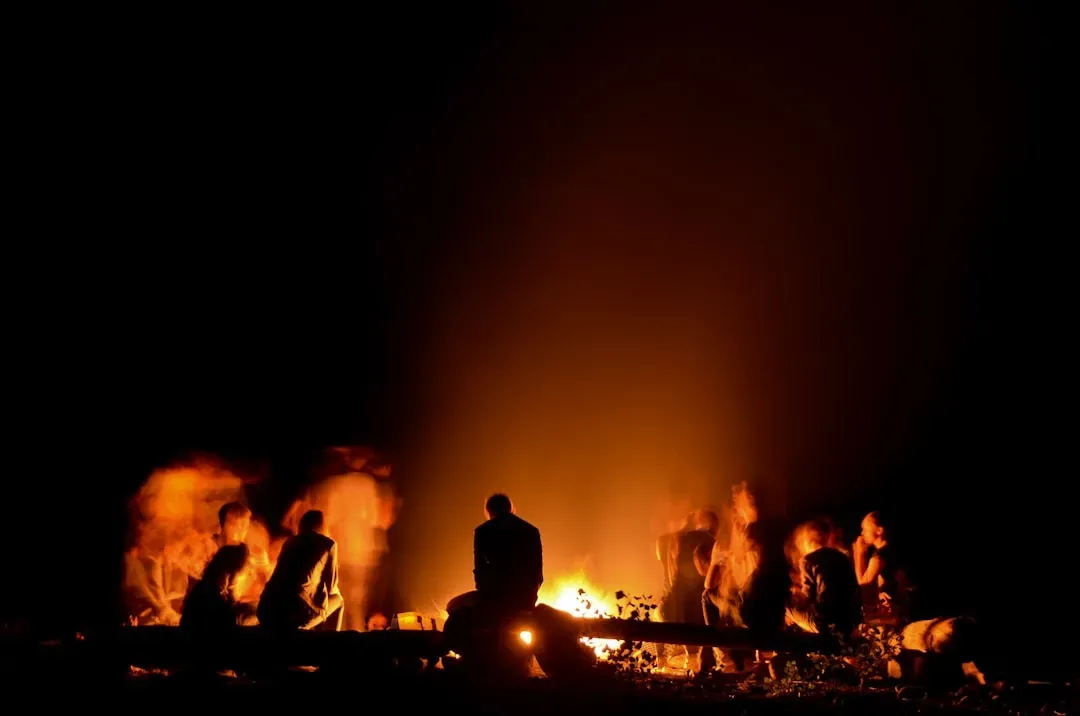
Picture a ring of people, faces lit from below by a shared fire, trading stories about the day’s hunt, distant lands, or unseen spirits. For an unimaginably long stretch of time, this is what “evening” meant for our species. The fire was not only a heat source; it was the stage, the spotlight, and the social anchor that held the group together emotionally and intellectually.
Our brains learned to associate that warm, flickering light with language, narrative, teaching, and bonding. Memory, imagination, and meaning-making were effectively braided together by the glow of the flames. When you find yourself staring into a fire and slipping into reflection or storytelling in your own head, you are replaying a deeply familiar context: this is when humans shared wisdom, secrets, and myths. The trance of firelight may be as much about culture as it is about raw biology.
Why firelight feels both intimate and communal at the same time
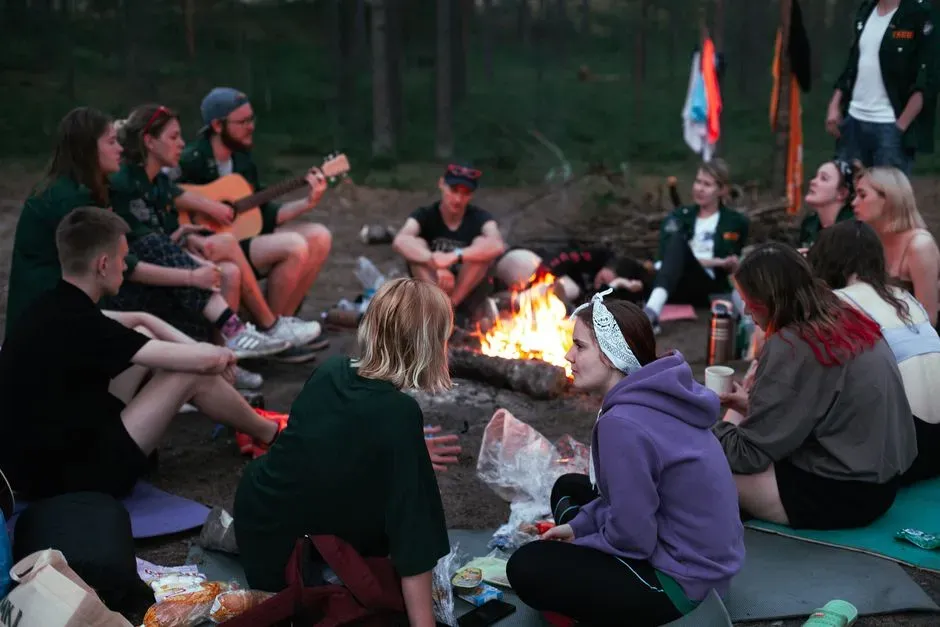
There is something strangely paradoxical about a fire: it pulls you inward while also connecting you outward. On one hand, staring into the coals can feel intensely private, like you are alone with your thoughts, insulated from the world. On the other hand, a fire almost demands company; it feels incomplete without others nearby, without shared glances and the low hum of conversation.
This duality matches how our social brains are wired. We need solitude to process experience, but we also need the group to feel safe and stable. Historically, the fire was where these two needs met: you could sit quietly on the edge of the circle, half in your own mind, half tuned into the collective. Today, sitting by a fire pit at a party or gathering often recreates that same tension: you are together, but not forced into constant chatter, which is exactly what many nervous systems crave.
Modern substitutes: screens, ambient lights, and why they do not fully compare

People often joke that televisions and phones are the new campfires, and there is a grain of truth there. Moving images, glowing rectangles, and endless scrolling do tap into some of the same visual circuitry that locks our attention onto shimmering light. They can also become a kind of social focal point, as everyone turns toward a shared source of information or entertainment.
But there are key differences that your nervous system notices, even if you do not consciously articulate them. Digital screens are rich in sharp contrasts, rapid cuts, and intense colors designed to maximize stimulation, not relaxation. They rarely offer the gentle, irregular rhythm that lulls you into a calm state. And they do not provide the multi-sensory package of real fire: the warmth, the smell, the soft crackle. In a sense, screens hijack the attention-grabbing qualities of firelight while stripping away many of its calming signals.
Firelight and the body: warmth, hormones, and deep relaxation
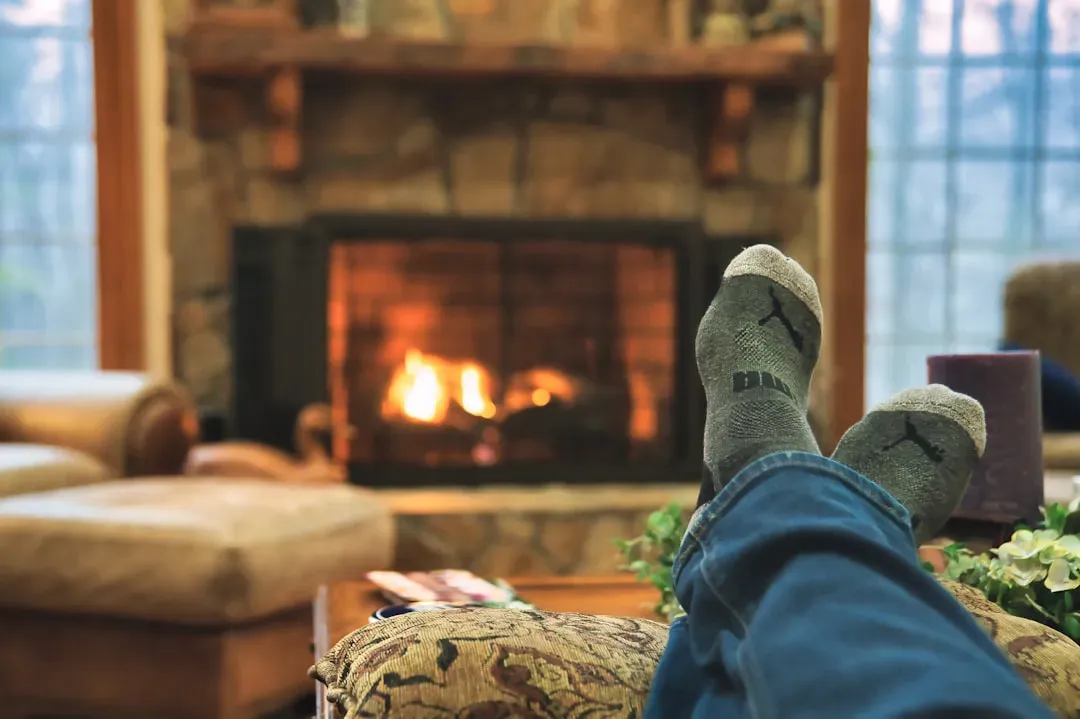
Fire is not just visual; it is fully embodied. Sitting near a fire warms your skin, your muscles, and even your core temperature in a way that thick clothing or central heating does not quite replicate. That warmth changes blood flow, muscle tension, and the way your body perceives threat. Warmth and safety are tightly linked in the brain, especially for mammals like us that rely heavily on close contact and shared heat in early life.
This physical comfort can influence hormones and neurotransmitters linked to stress and bonding. When you feel warm, safe, and socially supported, your system is more likely to shift into states associated with rest, connection, and recovery. Firelight becomes the sensory signature of this entire package: your eyes see the glow, your skin feels the heat, your ears catch the soft crackling, and your brain concludes, “This is a good place to heal a bit.” The hypnotic quality is not just in your head; it is in your whole body.
Why a candle can calm you in a city apartment
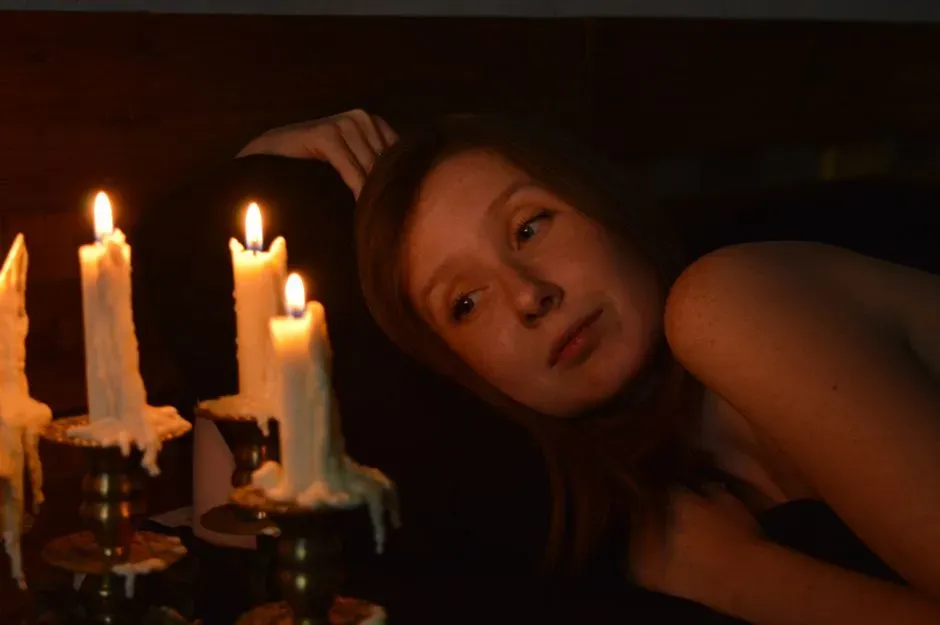
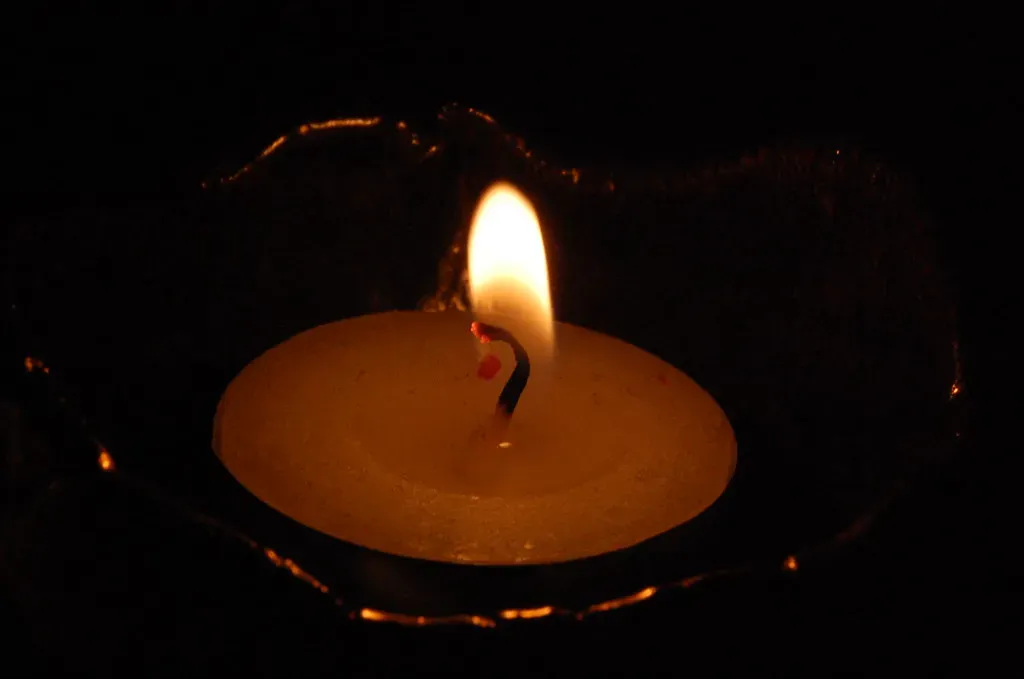
It is striking that even a tiny flame can have a noticeable effect on mood. You do not need a roaring bonfire on a savanna to feel the pull; a single candle on a cluttered kitchen table can shift the atmosphere from harsh and rushed to gentle and reflective. That small flicker is enough to activate much of the same ancestral circuitry, because your brain is not demanding a perfect re-creation of the past, just a familiar cue.
In dense, noisy urban environments, this can feel almost magical. You can be surrounded by concrete, neon, and car horns, yet a single flame carves out a pocket of timelessness. I have had evenings where lighting a candle while working or reading felt less like decoration and more like quietly telling my nervous system, “We’re off the clock now.” It is a simple ritual, but it resonates because it speaks fluently to very old parts of our brain.
What firelight reveals about what our brains still need
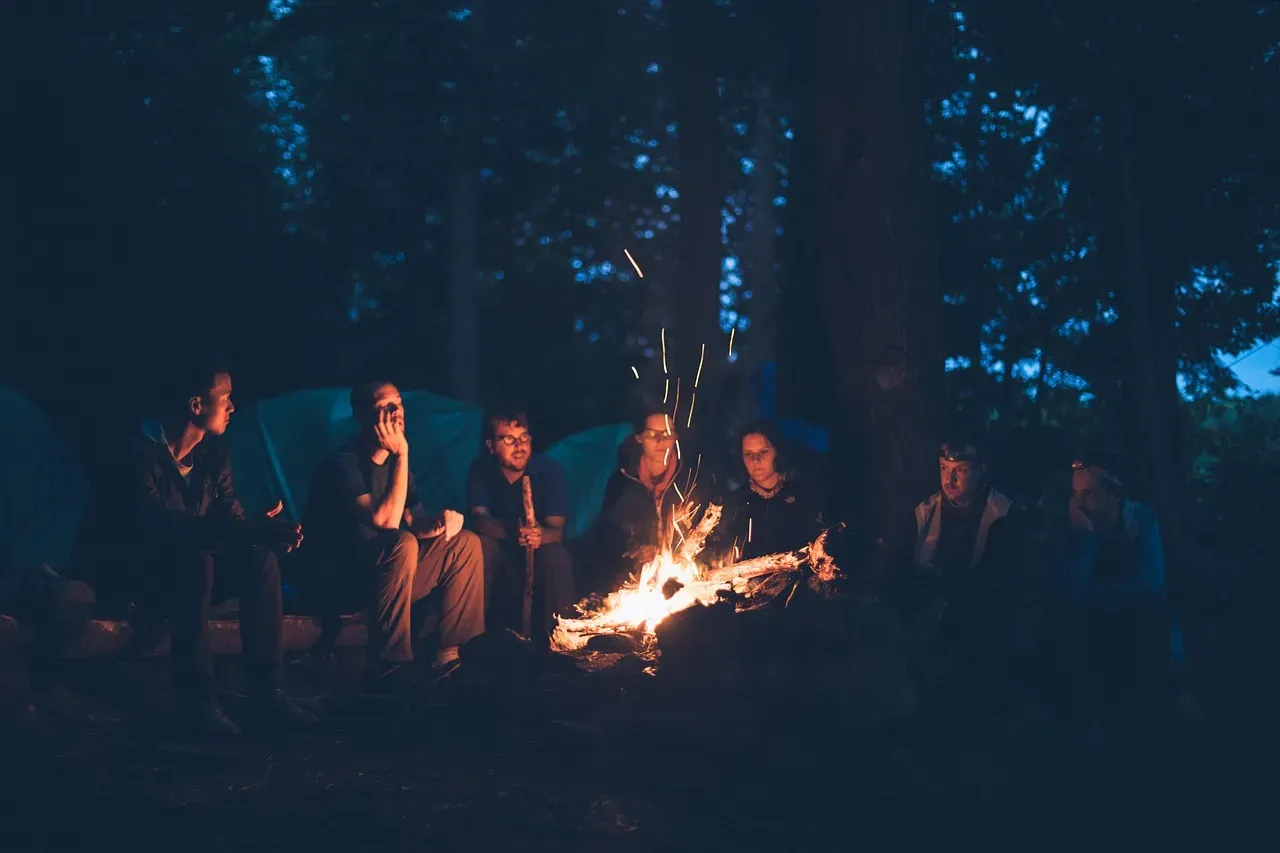
To me, the most interesting part of all this is not just that firelight is hypnotic, but what that hypnosis exposes. It shows how deeply we still crave the conditions it once guaranteed: safety, warmth, a manageable level of stimulation, and human company that does not demand constant performance. Our modern world rarely offers all of that at once, but a campfire on a weekend trip or a firepit in a backyard can come surprisingly close.
In that sense, I think our love for fire is a quiet protest against overstimulation and isolation. It is our nervous system voting, with every slow breath and softened gaze, for environments that feel human-scale and humane. If we are smart, we will listen to that vote and design more of our spaces and routines around what those old circuits are asking for. Maybe the real question is not why firelight is hypnotic, but why we ever thought we could be fully at ease without something like it. Did you expect a simple flame to carry that much of our story?