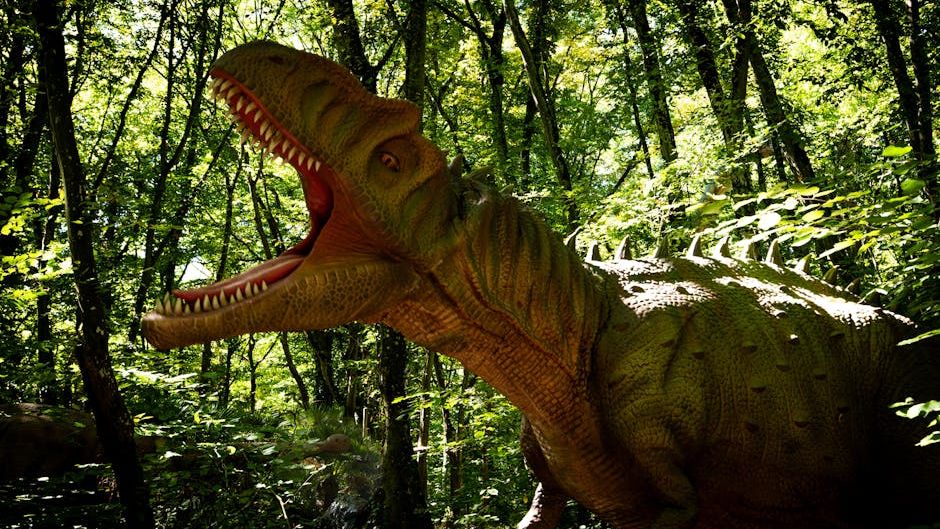
You probably think you know how a T. rex hunted. The giant, thundering predator charging across an open plain, jaws snapping, pure brute force winning the day. Movies have painted that picture for decades, and honestly, it’s a compelling one. The problem? Science keeps proving it wrong – or at least, laughably incomplete.
In 2026, the world of paleontology is buzzing with new revelations that are flipping old assumptions on their heads. From desert excavations in Niger to cutting-edge skull biomechanics research, what we know about how dinosaurs actually hunted their prey has become far more nuanced, surprising, and frankly, far more fascinating. Let’s dive in.
The “Hell Heron” of the Sahara Changes Everything We Thought About Spinosaurus
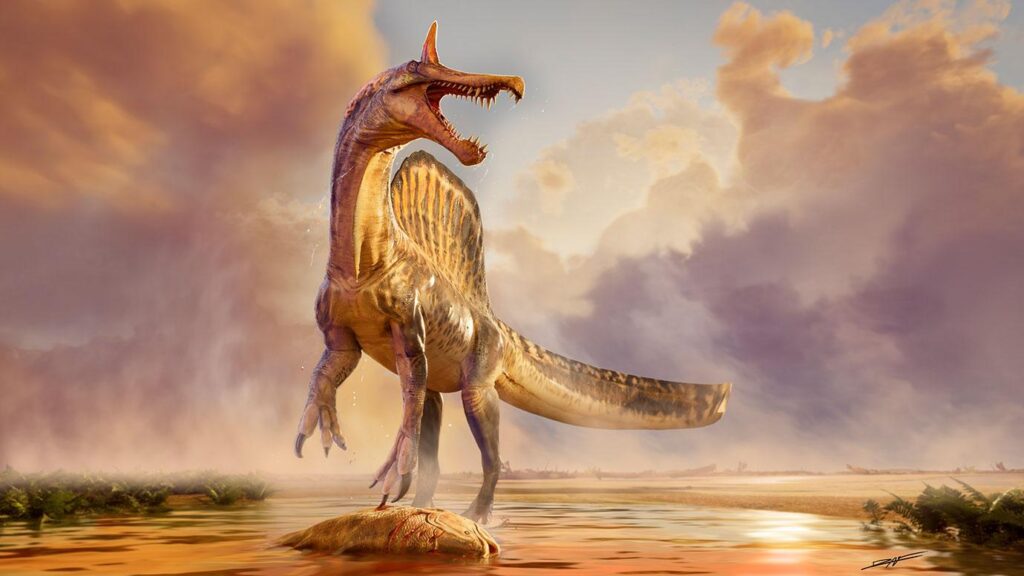
Deep in the heart of the Sahara, scientists uncovered Spinosaurus mirabilis, a spectacular new predator crowned with a massive, scimitar-shaped crest. Discovered in remote inland river deposits in Niger, the fossil rewrites what we thought we knew about spinosaur dinosaurs, suggesting they weren’t fully aquatic hunters but powerful waders stalking fish in forested waterways hundreds of miles from the sea. Think less “ocean apex predator” and more “prehistoric heron the size of a semi-truck.
The fossils show a dinosaur with a large blade-shaped head crest and jaws bearing interlocking teeth for snaring slippery fish. It prowled a forested inland environment and strode into rivers to catch sizable fish like a modern-day wading bird. Researchers noted that this species had “some of the most extreme piscivorous adaptations of any dinosaur,” making it far better suited to hunting fish than taking on other dinosaurs. That is a hunting strategy you definitely did not see coming.
Skull Architecture Reveals Dramatic Differences in Bite Strategies
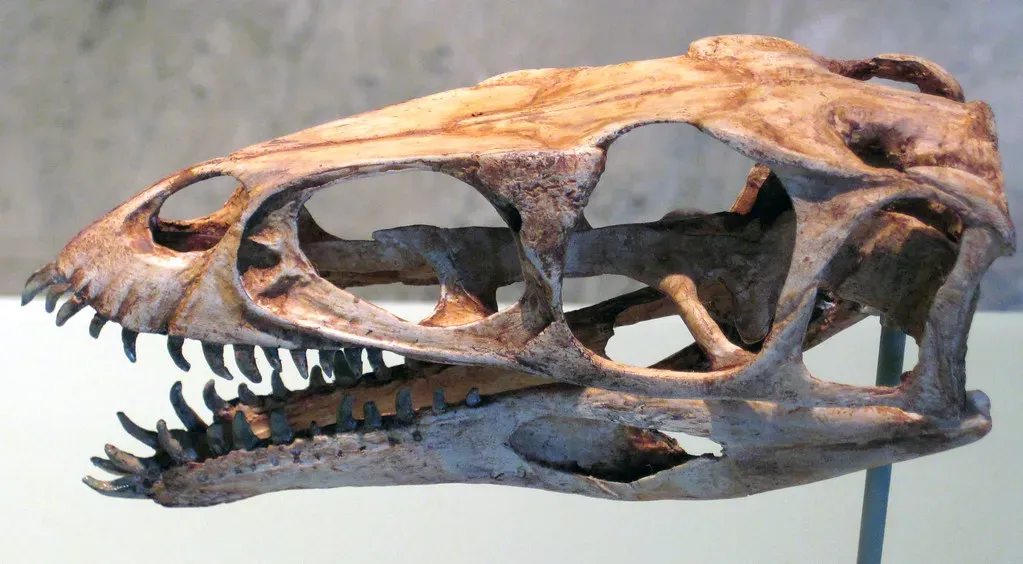
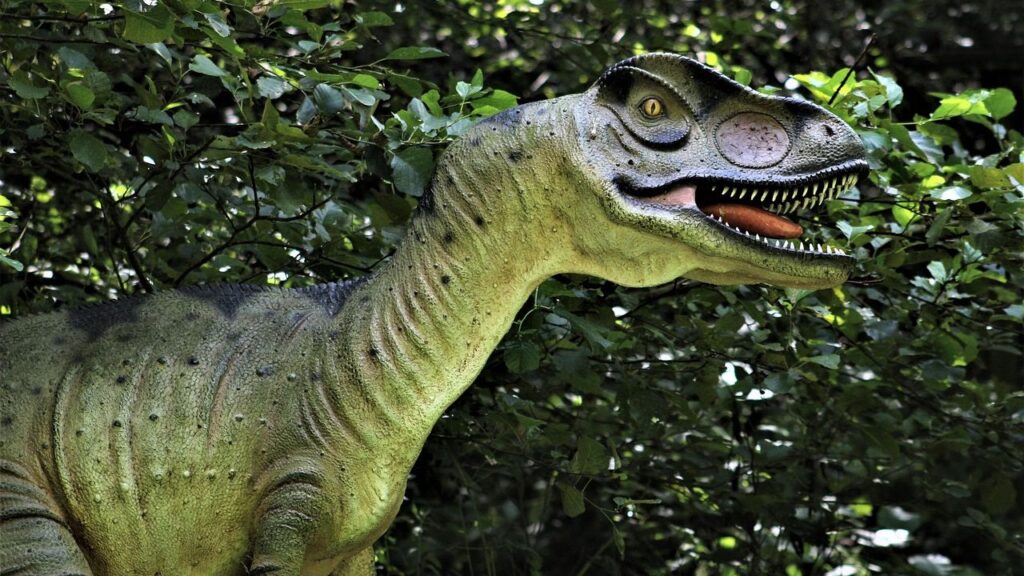
Here’s the thing – not all giant predatory dinosaurs killed the same way. You might assume a carnivore is a carnivore, but recent skull biomechanics research tells a completely different story. To understand how these dinosaurs hunted, researchers used 3D scans of fossilized skulls, applying engineering methods normally used to test how bridges handle stress. The goal was to investigate how force traveled through the skull bones during a bite. They found that Giganotosaurus had an elongated skull lined with blade-like teeth designed more for slicing than smashing – instead of crushing bone, it likely hunted by tearing large chunks of flesh from its prey.
The study makes one thing clear: just because these dinosaurs shared a body plan doesn’t mean they hunted the same way. Some had teeth designed for slicing or crushing, while others were adapted for hunting in water. It’s the same insight you’d get comparing a surgeon’s scalpel to a butcher’s cleaver. Same general purpose, wildly different execution.
T. rex Had Vision That Would Make a Hawk Jealous
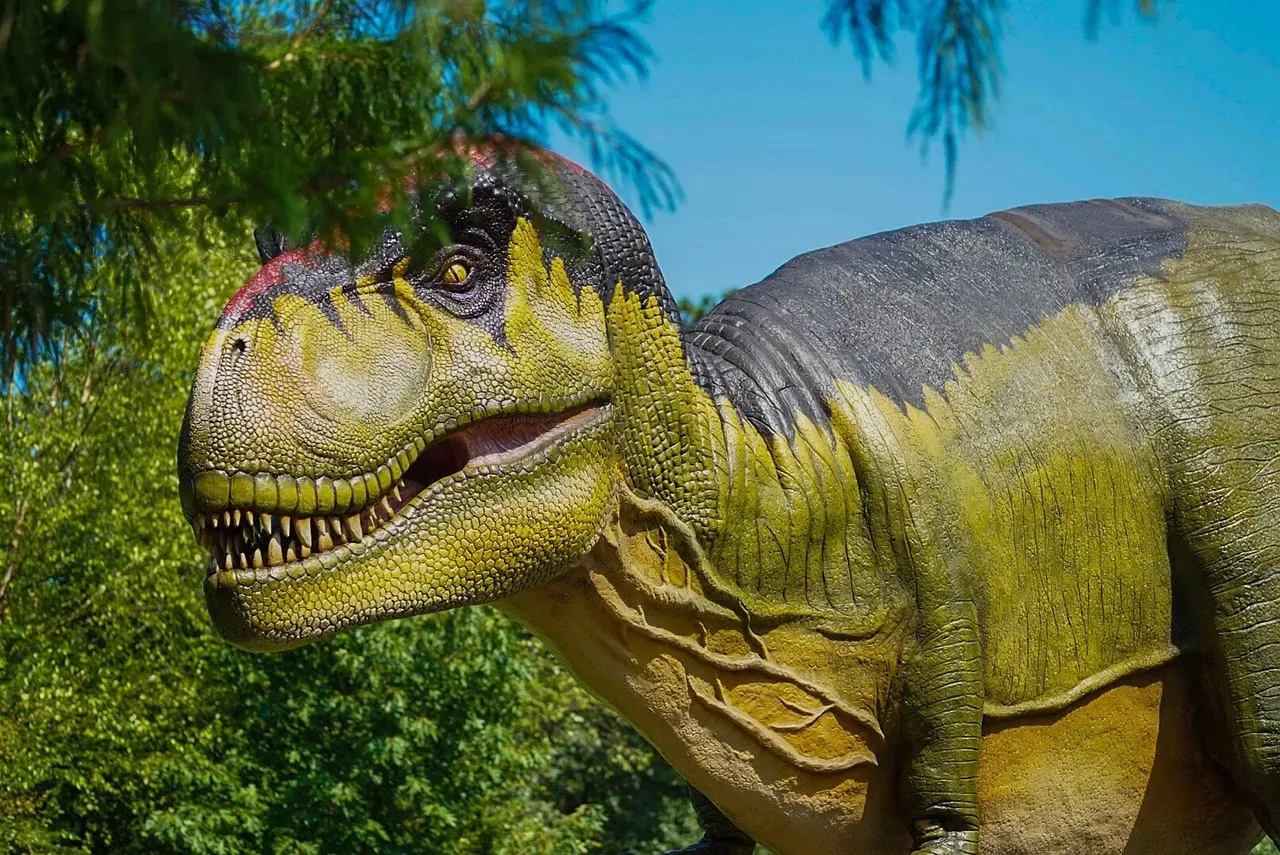
You’ve seen the Jurassic Park scene. Everyone holds perfectly still, hoping the T. rex can’t spot them. Honestly, that scene is one of cinema’s greatest lies. Scientists report that T. rex had some of the best vision in animal history, and this sensory prowess actually strengthens the argument for T. rex’s role as an active predator rather than a scavenger.
T. rex had a binocular range of 55 degrees, which is wider than that of modern hawks. Over the millennia, T. rex evolved features that progressively improved its vision: its snout grew lower and narrower, cheek grooves cleared its sight lines, and its eyeballs enlarged. Unlike most dinosaurs, T. rex had a combination of powerful eyesight and a great sense of smell. So if you think standing still would have saved you, you would have been very, very wrong.
Pack Hunting: The Popular Myth That Science Keeps Questioning
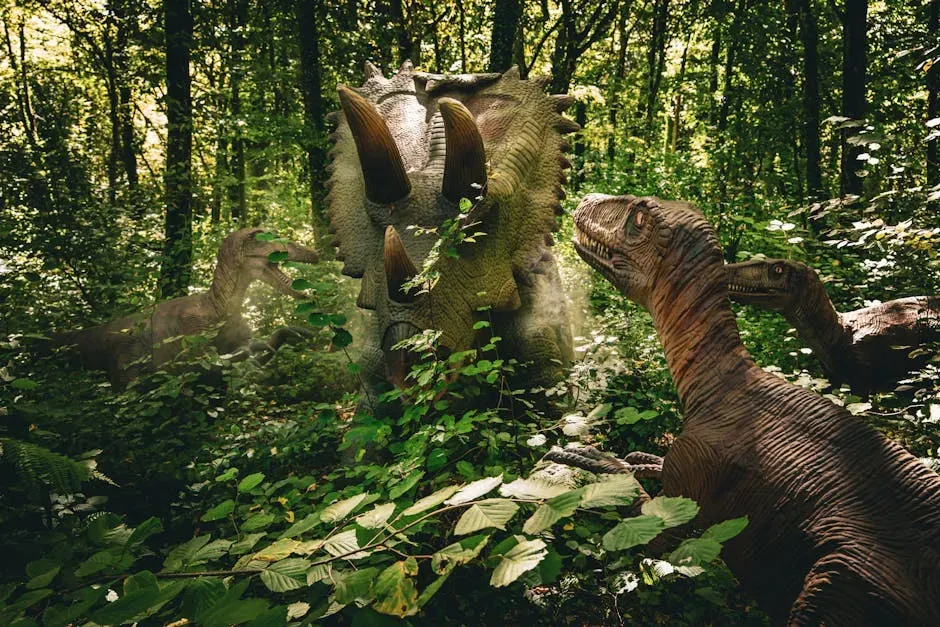
Ask most people how Velociraptors hunted and they’ll describe a coordinated wolf pack ambush, almost certainly influenced by a certain blockbuster franchise. A new analysis of raptor teeth suggests that raptorial dinosaurs likely did not hunt in big, coordinated packs like dogs, and though this idea is widely accepted, the evidence for this behavior is actually relatively weak.
Scientists point out that living dinosaurs such as birds, and their relatives like crocodilians, do not usually hunt in groups and rarely ever hunt prey larger than themselves. Furthermore, behavior like pack hunting does not fossilize, so researchers cannot directly test whether animals actually worked together to hunt prey. Much of the evidence in favor of pack hunting is circumstantial. There is actually not very much direct evidence for pack hunting in dinosaurs. What researchers have are a bunch of clues that, taken together, indicate it may have been happening in at least some hunters. It’s humbling to realize that a theory so embedded in popular culture is still so scientifically uncertain.
Abelisaurids Were Jaw-First Specialists, Not Claw Hunters
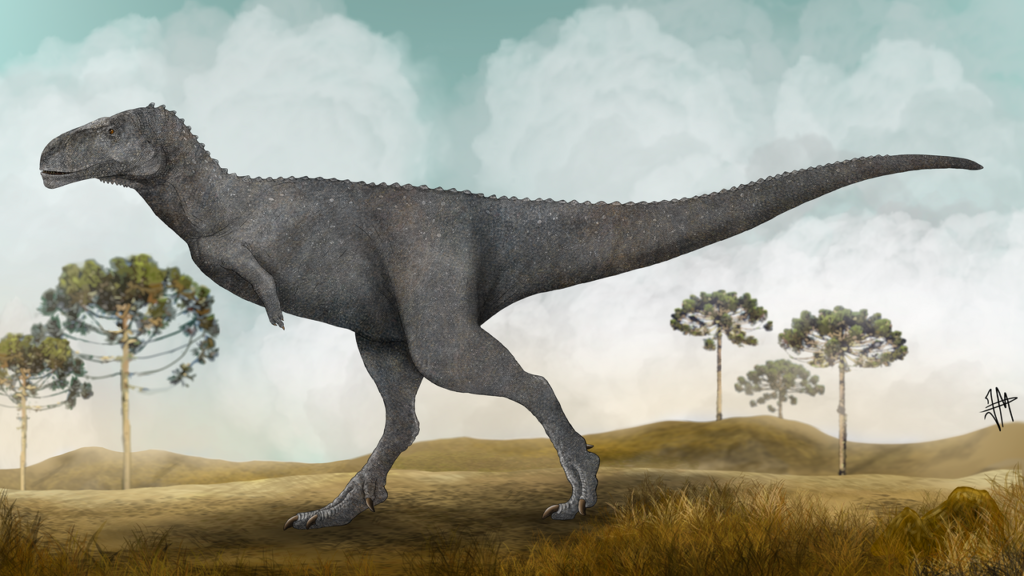
While the popular image of predatory dinosaurs centers on claws and speed, recent research into a group called abelisaurids has revealed something genuinely surprising. A 2025 study on the maxillary shape of abelisaurids and its relation to feeding ecology found evidence of morphological similarities between the maxillae of Spectrovenator and Late Cretaceous abelisaurids, interpreted as likely to reflect specialist hunters that held and killed prey with their jaws.
Research also studied the evolution of abelisaurid orbit shape, interpreting it as more likely influenced by selective pressures related to specialized predation than by phylogenetic constraints. In other words, their entire facial architecture evolved around a very specific hunting method: grip, hold, and finish with the jaws. Think of it as a crocodile’s strategy but running upright on two legs. Terrifying in the most specific way imaginable.
Nanotyrannus vs. T. rex: A New Predator Rewrites the Late Cretaceous Food Chain
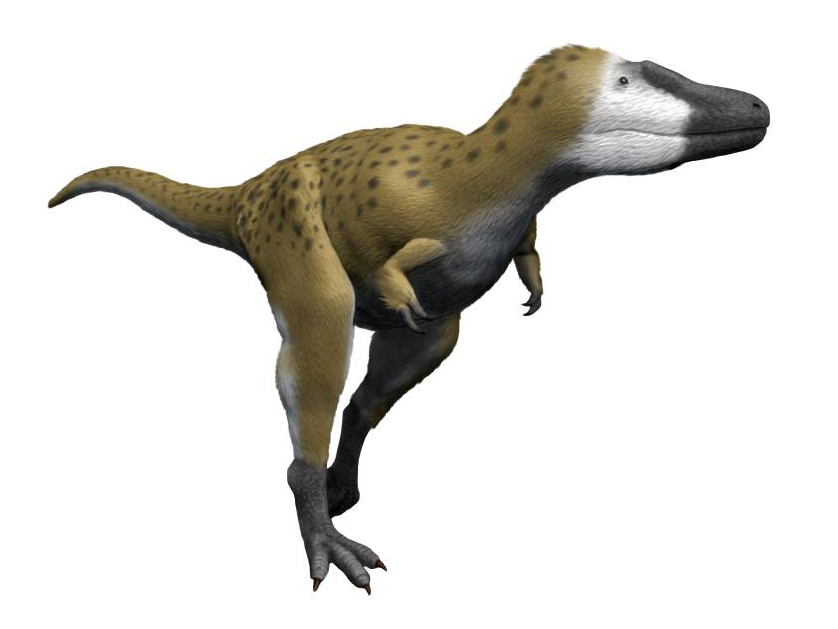
One of the most explosive debates in recent paleontology is whether a creature called Nanotyrannus was simply a young T. rex or a completely separate, smaller predator. The answer has massive implications for how we understand dinosaur hunting ecology. Since the predatory creature was first named in 1988, paleontologists argued over whether medium-sized tyrannosaur fossils found in the same rocks as T. rex were juvenile T. rex or a unique and distinct predator. In recent years, the bulk of evidence appeared to favor the juvenile T. rex hypothesis. Then an analysis in Nature of a specimen nicknamed “Bloody Mary” found enough anatomical evidence to support the case that Nanotyrannus is different from T. rex.
The recent findings follow a 2024 paper that found more than 150 differences between disputed Nanotyrannus specimens and fossils of T. rex. Nanotyrannus lived alongside T. rex and likely competed with young T. rex for space and prey. With enormous size, a powerful bite force and stereoscopic vision, T. rex was a formidable predator, but it did not reign uncontested. Darting alongside was Nanotyrannus, described as a leaner, swifter and more agile hunter. The Late Cretaceous was apparently a far more competitive ecosystem than you ever imagined.
What Fossilized Evidence of Actual Hunts Tells You About Predatory Behavior
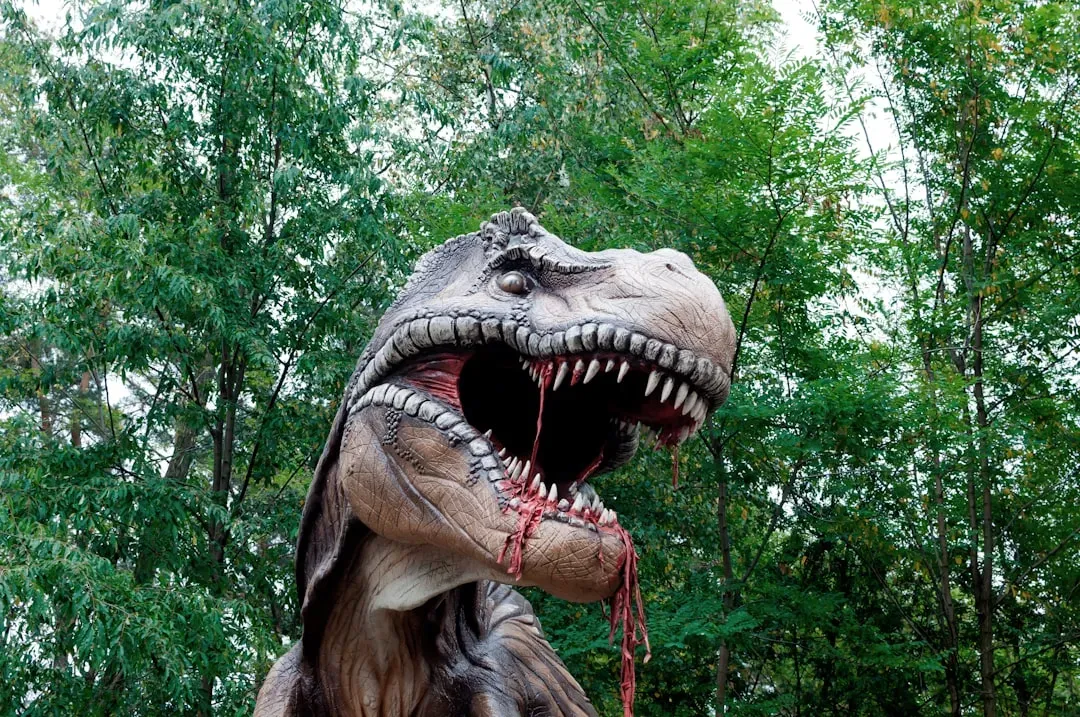
Sometimes you don’t need a full skeleton to understand how a dinosaur hunted. The bones of its victims say just as much. One telling example is the case of a T. rex tooth found embedded deep in the tail bone of a duck-bill dinosaur. The duck-bill dinosaur managed to escape and actually lived long enough for new bone to grow around the puncture wound. The scar on its skeleton offers paleontologists valuable insight: it’s evidence that T. rex wasn’t simply a scavenger but actively hunted live prey, including sizable vertebrates like Edmontosaurus annectens.
Bones of other dinosaurs, including duck-billed hadrosaurs and horned ceratopsids, have been found with holes punched through, chunks torn off, and even teeth stuck inside them. Incredibly, some of these bones had healed, showing that the animal was alive when it was attacked. Biomechanical studies of T. rex’s skull structure suggest it had a bite force of around 35,000 newtons. That is roughly the equivalent of a small truck pressing down on a single point. You can see why few survived the encounter.
Conclusion: The Predators of the Mesozoic Were Far More Complex Than You Thought
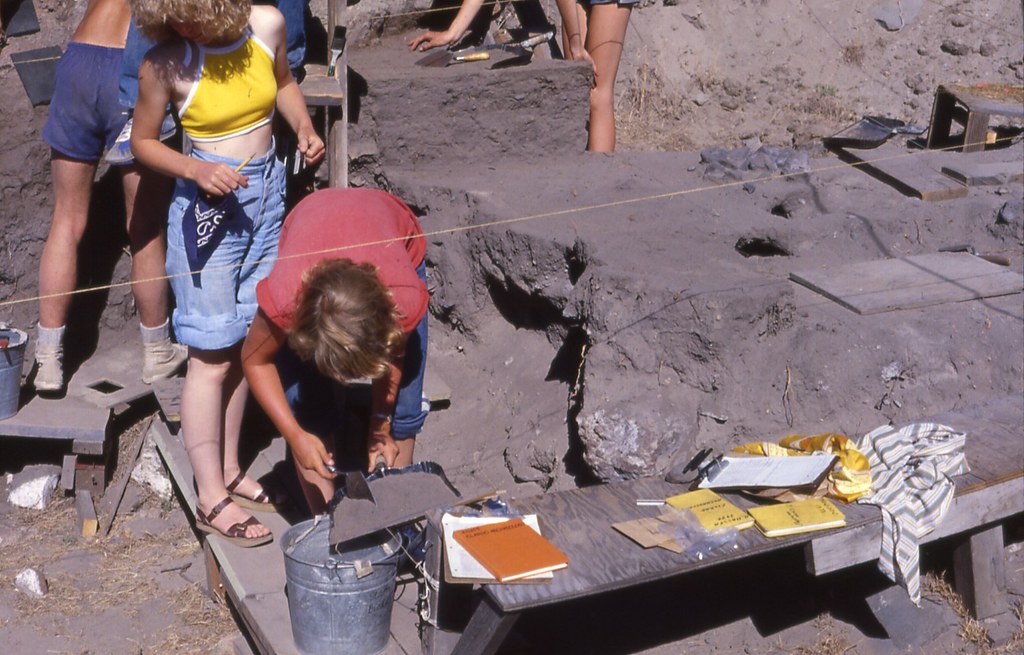
Honestly, the most exciting thing about paleontology right now is how many certainties it keeps dismantling. The image of the prehistoric world as a simple, brute-force free-for-all doesn’t hold up anymore. Our understanding of dinosaur behavior has long been hampered by the inevitable lack of evidence from animals that went extinct more than sixty-five million years ago. Today, with the discovery of new specimens and the development of cutting-edge techniques, paleontologists are making major advances in reconstructing how dinosaurs lived and acted.
From a shallow-wading giant in the Sahara to specialized jaw-hunters in South America, from vision sharper than a hawk to predatory competition on a scale nobody expected, the Mesozoic world was a layered, complex theater of specialized survival. Dinosaurs may be long extinct, but they are anything but settled science. New fossils, reanalyses of famous specimens, and increasingly sophisticated tools continue to upend what we thought we knew about how these animals lived. Every new dig site, every new CT scan, every new tooth marks analysis brings you closer to the real, raw, astonishing truth of what it actually meant to be a predator 100 million years ago.
What discovery surprised you the most? Drop your thoughts in the comments – because this conversation is far from over.