Every time you watch a sparrow dart across the sky, you are looking at one of evolution’s greatest success stories. Birds are, quite literally, living dinosaurs. Yet for all the centuries humanity has spent studying them, we are only now beginning to understand how truly complex, surprising, and ancient their origin story really is.
Recent years have delivered a stunning wave of fossil discoveries that are flipping the textbooks upside down. From pristine skulls unearthed in Brazil to ancient bones from China that push back the clock on bird evolution by millions of years, the picture of how birds came to be is getting richer, stranger, and more awe-inspiring by the month. Stick around, because what science has uncovered is genuinely hard to believe.
Archaeopteryx: The Icon That Keeps Surprising Us
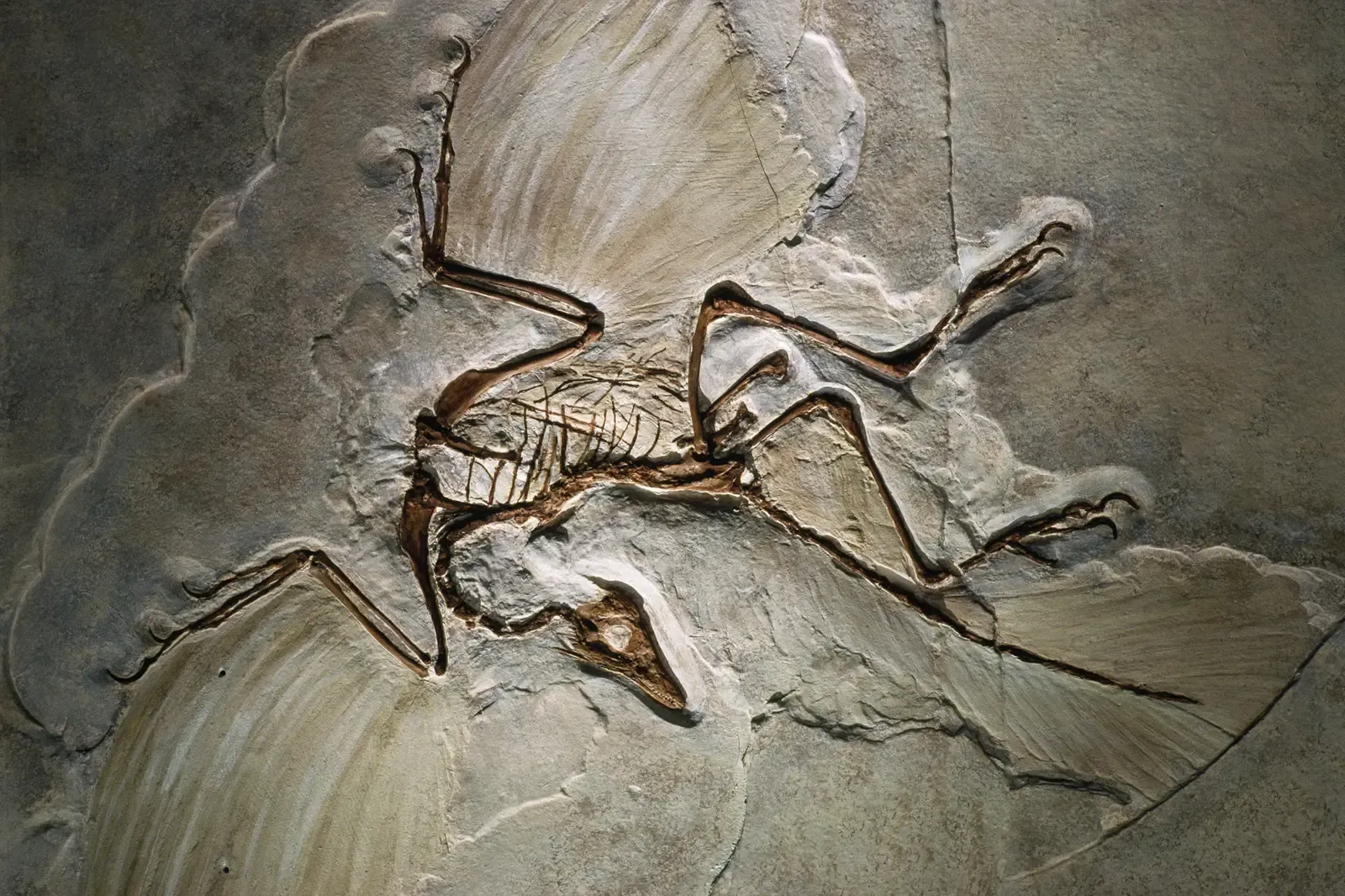
For over 160 years, Archaeopteryx has been the crown jewel of bird evolution studies. Its discovery, soon after the release of Darwin’s On the Origin of Species, provided compelling evidence for evolutionary theory, and for over 160 years, this “first bird” has intrigued both scientists and the public. Think of it like the scientific world’s version of a celebrity that never quite leaves the spotlight.
You might assume that after more than a century and a half of study, this ancient creature would have no more secrets to reveal. The Chicago Archaeopteryx, the 14th known specimen of this iconic species, is offering a fresh look at one of evolution’s most significant creatures, described in a 2025 study published in Nature, acquired by Chicago’s Field Museum in 2022 and made public in 2024. Although Archaeopteryx fossils have been known for over 160 years, this specimen stands out for its completeness, exquisite preservation, and the use of advanced imaging techniques.
Despite their small size, broad wings, and inferred ability to fly or glide, Archaeopteryx had more in common with other small Mesozoic dinosaurs than with modern birds, sharing with the dromaeosaurids and troodontids features like jaws with sharp teeth, three fingers with claws, a long bony tail, hyperextensible second toes, and feathers. It was a creature balanced right on the knife’s edge between two worlds. And that makes it all the more remarkable to study.
The Chicago Archaeopteryx: A Game-Changer in Fossil Science
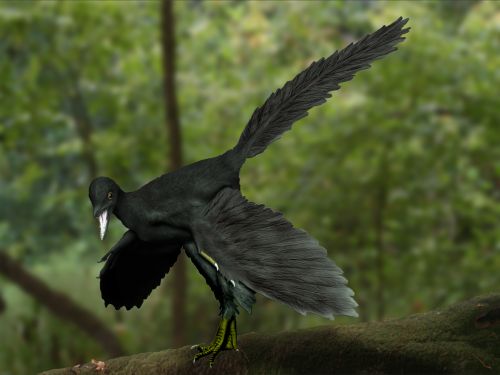
The 14th known Archaeopteryx specimen is not just another rock with old bones in it. The research team used high-resolution CT scans and 3D reconstruction to study the fossil in unprecedented detail, revealing soft tissues, bone structures, and feather arrangements that had never been fully documented before. It is the paleontological equivalent of upgrading from a blurry photograph to a 4K video.
The preparation process, which took about 1,600 hours in all, paid off. Researchers detected the first evidence in Archaeopteryx of a group of flight feathers called tertials, which grow along the humerus between the elbow and the body and are an important component of all powered flight in modern birds. This single detail had eluded scientists for well over a century. Since such structures have never been observed in any non-avian feathered dinosaur, their presence in Archaeopteryx suggests they may represent a flight-related innovation, highlighting the evolutionary step toward powered flight.
Baminornis zhenghensis: Pushing the Clock Back 20 Million Years
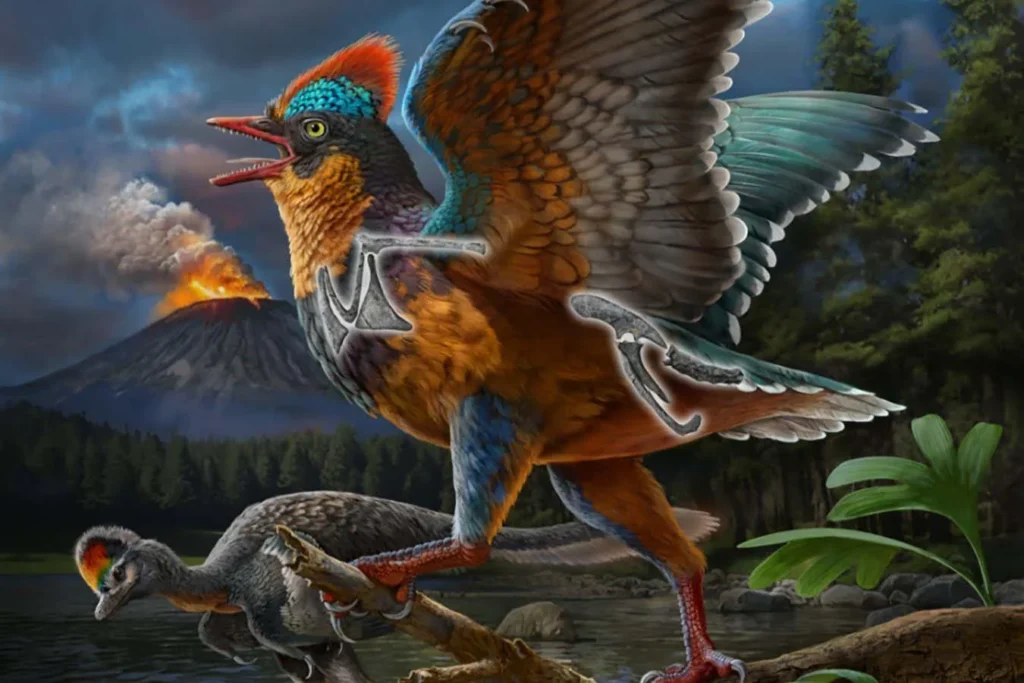
Here is something that should genuinely stop you in your tracks. Scientists long believed that short-tailed birds, those with the fused tail bone called a pygostyle that gives modern birds their aerodynamic shape, only appeared during the Cretaceous period. That assumption just got demolished. Researchers discovered a 149-million-year-old bird fossil in southeastern China featuring a short tail structure that could rewrite the evolutionary history of birds.
One of the fossils, named Baminornis zhenghensis, has a short tail ending in a pygostyle, the fused bone structure seen in modern birds, pushing back the emergence of short-tailed birds by nearly 20 million years. That is not a minor footnote. One of the key changes on the evolutionary journey to modern birds was the development of a short tail. Relatives of birds from the Jurassic, such as Archaeopteryx, have bony, feathered tails that help them balance on land but would be heavy and cumbersome in flight. Modern birds have much shorter tails, but until recently this crucial characteristic was only known from early bird fossils dated from the Cretaceous, millions of years later.
Birds Were Far More Diverse in the Jurassic Than Anyone Thought
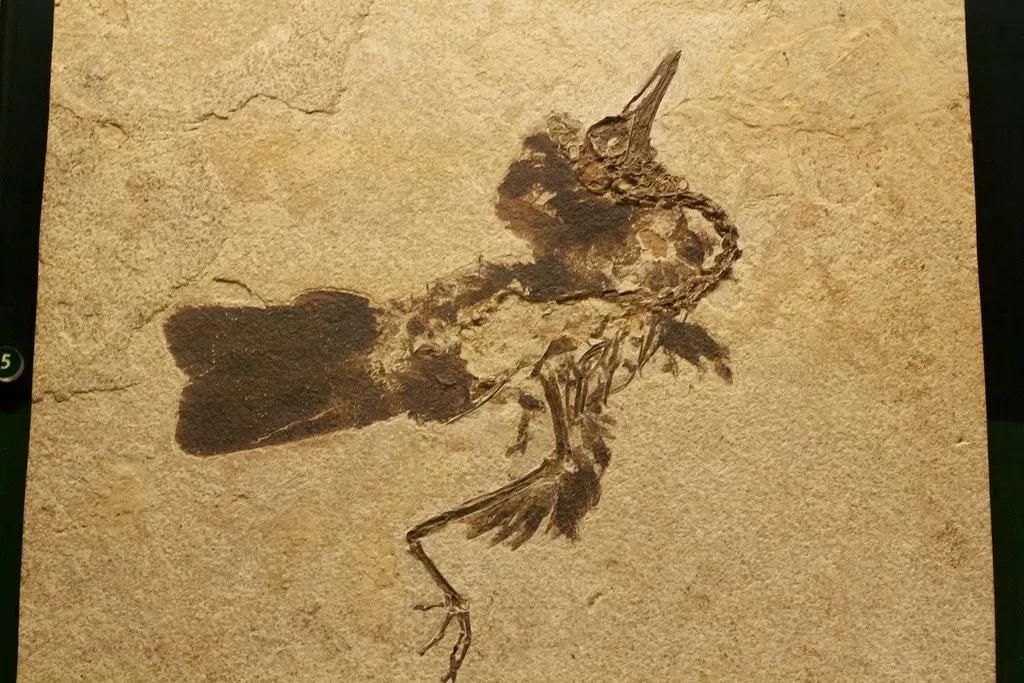
For decades, the scientific consensus held that the Jurassic Period hosted only one confirmed bird, which was Archaeopteryx. That lone species was treated like the solitary guest at an otherwise dinosaur-only party. The fossil from southeastern China could represent the oldest bird known to scientists and sheds light on the surprising diversification of birds during the Jurassic Period, roughly 145 million to 201.3 million years ago.
The discovery of Baminornis, an early bird equipped with a pygostyle, along with an unknown species featuring a U-shaped furcula in southern China, at a time when Archaeopteryx was extant in Europe, points to a worldwide distribution of stem-group birds in the Late Jurassic, challenging the argument that their emergence was in its earliest stages at that time. Let that sink in. Birds were not just appearing in Europe. They were already spreading across the globe. The paleontological evidence increasingly supports a Cretaceous origin for many extant bird lineages, with the major burst of ordinal diversification likely occurring prior to the K/Pg boundary.
Navaornis hestiae: The Fossil That Filled a 70-Million-Year Gap
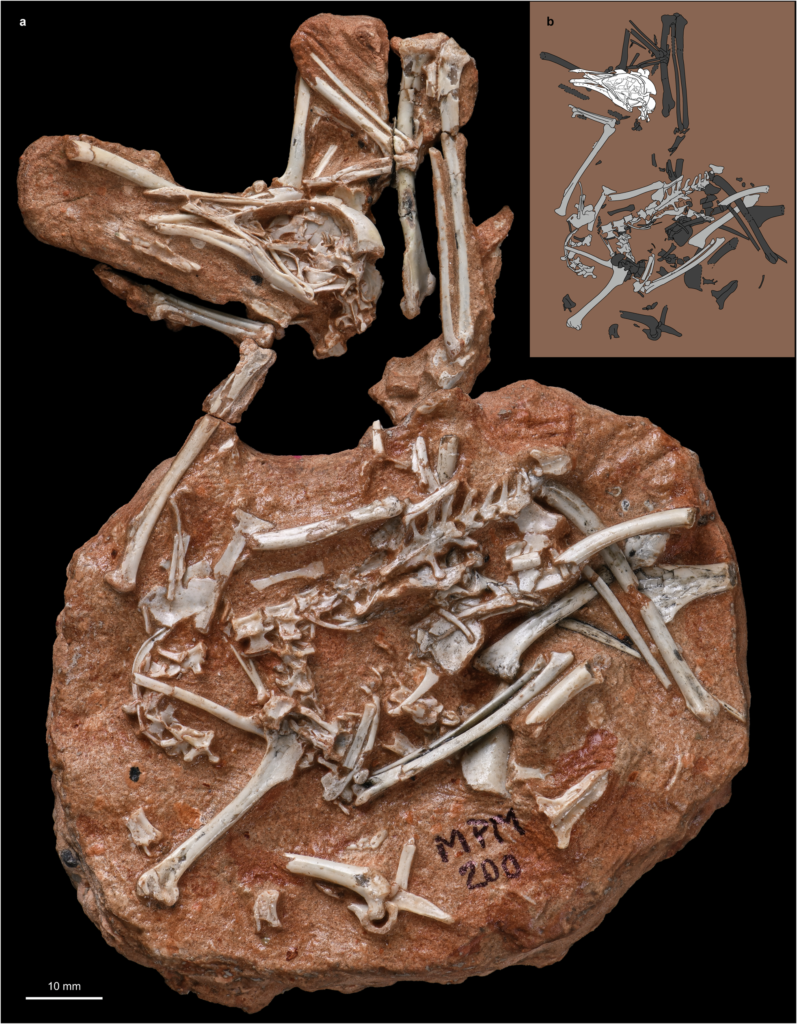
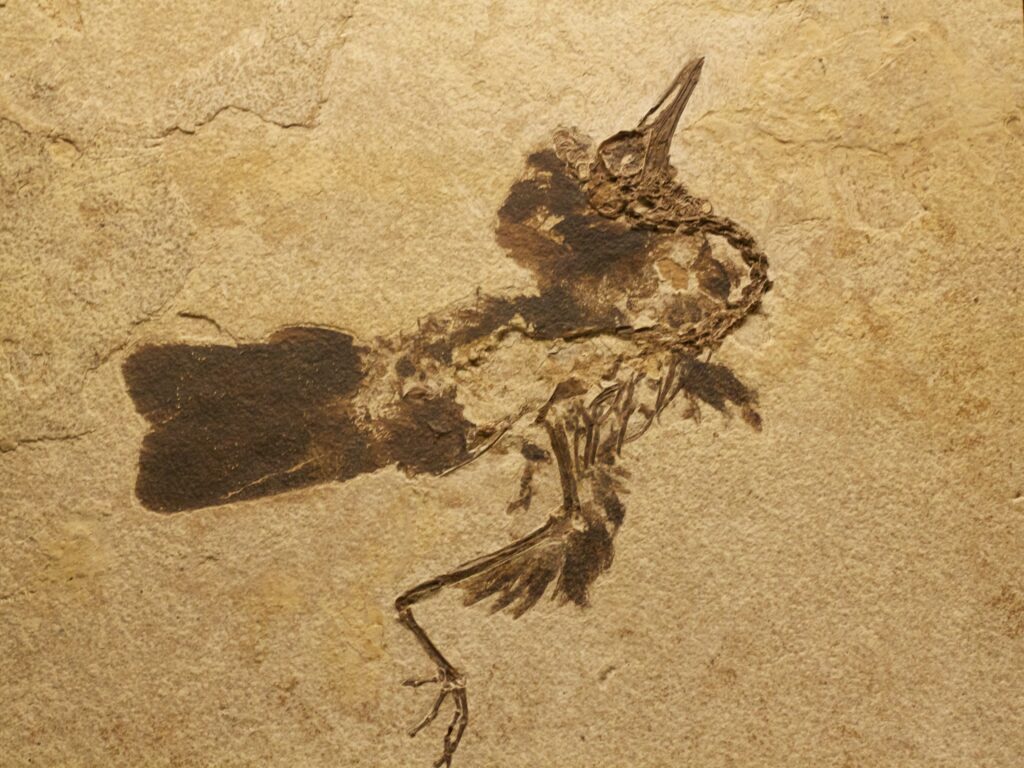
Honestly, some fossil finds are remarkable. This one is extraordinary. Researchers unearthed the skull of a previously unknown starling-sized bird species named Navaornis hestiae that was so well preserved they were able to digitally reconstruct its brain and inner ear anatomy based on the shape of the braincase. Think about what that means. Scientists were able to virtually reconstruct the interior of a skull from 80 million years ago.
The fossil fills a 70-million-year gap in understanding how the brains of birds evolved, bridging the 150-million-year-old Archaeopteryx and birds living today. Navaornis had a larger cerebrum than Archaeopteryx, suggesting it had more advanced cognitive capabilities than the earliest bird-like dinosaurs, though most areas of its brain, like the cerebellum, were less developed, suggesting it hadn’t yet evolved the complex flight control mechanisms of modern birds. It is a snapshot of a brain mid-evolution, frozen in stone, and it is genuinely breathtaking.
The “Opposite Birds” and What They Tell You About Evolution
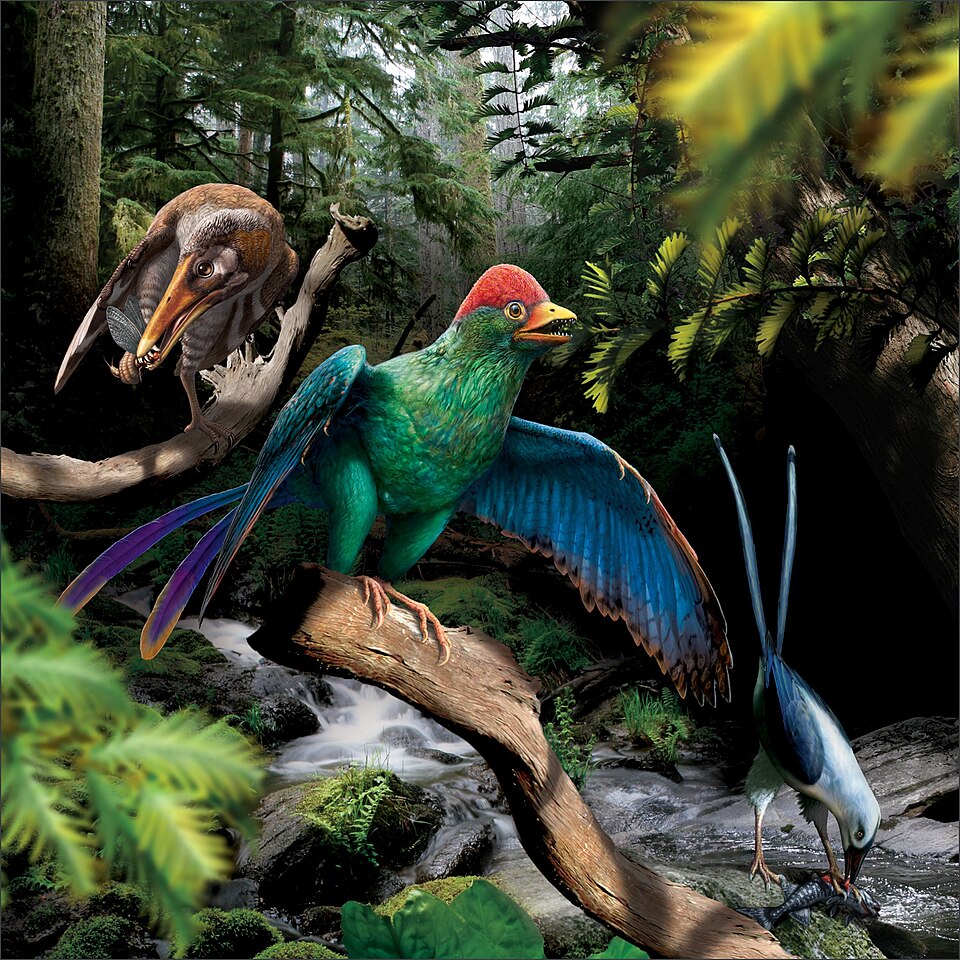
You have probably never heard of the enantiornithines, and honestly, that is a shame. The species Imparavis attenboroughi belongs to an ancient bird group known as the enantiornithines, or “opposite birds,” a separate lineage from modern birds that thrived in the age of the dinosaurs but died off when the asteroid hit. They were wildly successful for tens of millions of years, yet today they are completely gone.
When scientists examined a 120-million-year-old avian fossil from China, they were surprised to find it didn’t have any chompers in its beak. The specimen was around 50 million years older than any toothless birds previously known, suggesting that a lack of teeth was a more common feature than scientists had realized. This matters because it shows that many “modern” bird features evolved independently in multiple lineages. While enantiornithines diverged from modern birds around 130 million years ago, they shared certain traits such as complex feathers and the ability to fly, but also retained more primitive reptilian traits, such as teeth in their beaks and clawed fingers on their wings.
How Technology Is Transforming Fossil Research
![How Technology Is Transforming Fossil Research (By Alida M. Bailleul,[1]
References↑ Bailleul, Alida M. (20 March 2019). "An Early Cretaceous enantiornithine (Aves) preserving an unlaid egg and probable medullary bone". Nature Communications 10. DOI:10.1038/s41467-019-09259-x. Retrieved on 22 March 2019., CC BY-SA 4.0)](https://nvmwebsites-budwg5g9avh3epea.z03.azurefd.net/dinoworld/69330bbed2e2af3ab21eab87cb108677.webp)
References
↑ Bailleul, Alida M. (20 March 2019). “An Early Cretaceous enantiornithine (Aves) preserving an unlaid egg and probable medullary bone”. Nature Communications 10. DOI:10.1038/s41467-019-09259-x. Retrieved on 22 March 2019., CC BY-SA 4.0)
Here is the thing: many of these breakthroughs are not just about new fossils being found. They are about scientists being able to see old and new fossils in entirely new ways. Recent years have witnessed tremendous progress in understanding the deep evolutionary origins of numerous distinctive avian anatomical systems, advances enabled by exciting new fossil discoveries leading to an ever-expanding phylogenetic framework with which to pinpoint the origins of characteristic avian features.
Due to exceptional preservation, research teams have used high-resolution CT scanning and 3D reconstruction to examine skeletal structure, soft tissues, and feathers in extraordinary detail, offering valuable insights into skull evolution and flight-related adaptations during the transition from non-avian dinosaurs to early birds. It is a bit like having X-ray vision applied to ancient history. Major recent advances have depended on the discovery of exceptional, though rare, three-dimensionally preserved fossils, and researchers are now discovering that even well-known specimens still hold surprises when viewed through new technological lenses.
What the Evolution of Flight Really Looked Like
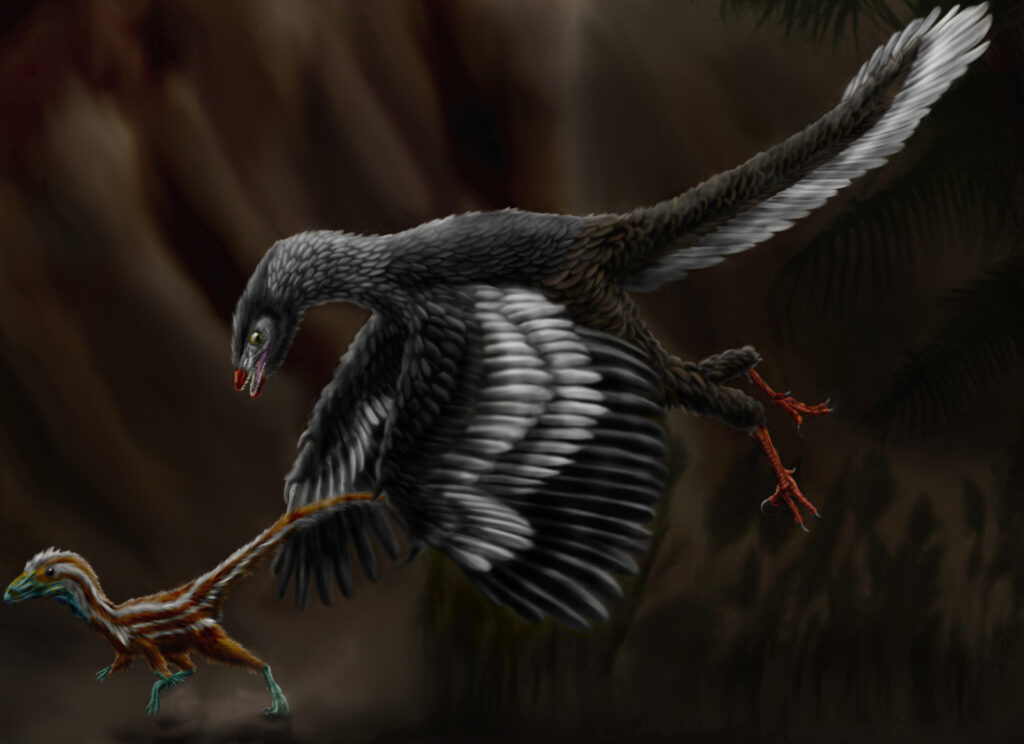
You might picture the origin of flight as one straightforward story, dinosaur grows feathers, dinosaur jumps, dinosaur flies. The real story is far messier and more fascinating. The discovery of new intermediary species, which filled in the spotty fossil record, triggered a change in how paleontologists conceived of the dinosaur-to-bird transition. Feathers, once thought unique to birds, must have evolved in dinosaurs long before birds developed, and sophisticated new analyses support the idea that avian features evolved over long stretches of time.
The Chicago Archaeopteryx’s wing feathers factor into a long-standing scientific debate about the origins of flight in dinosaurs. Archaeopteryx isn’t the first dinosaur to have feathers, or the first dinosaur to have wings, but researchers believe it’s the earliest known dinosaur that was able to use its feathers to fly. Even more surprisingly, the presence of unique tertial feathers in Archaeopteryx shows that it had a more advanced form of flight than its dinosaur relatives, further supporting the idea that flight developed multiple times in different lineages of dinosaurs. Flight, it turns out, was not a single invention but something evolution discovered again and again.
Conclusion: The Story of Birds Has Only Just Begun
I think what is most remarkable about all of this is not any single fossil, but the feeling that every new discovery opens five new questions. In many ways, the steady flow of research continues to complicate the picture of bird evolution. The more data scientists collect, the stranger and richer the story becomes. That is not a failure of science. That is science working exactly as it should.
In the last few decades, the understanding of the origin and subsequent evolutionary diversification of birds has advanced at an unparalleled pace, with fossil discoveries documenting the stepwise nature of one of the most fascinating evolutionary transitions, filling the large gap that separated living birds from their dinosaurian predecessors. You are not just reading about dusty old bones here. You are reading about the deep ancestry of every bird you have ever seen.
The next time a pigeon lands near your feet, consider this: among the most revolutionary insights emerging from 200 years of research on dinosaurs is that the clade Dinosauria is represented by approximately 11,000 living species of birds. That pigeon is the last dinosaur standing, and science is still figuring out its full story. What does it feel like, knowing the birds outside your window carry the legacy of the ancient Jurassic world within every feather? Tell us in the comments.