Imagine everything you thought you knew about the story of life on Earth was slightly, magnificently wrong. Not wrong in a catastrophic, throw-out-the-textbooks way, but wrong in the way a map drawn centuries ago is wrong – full of outlines that are almost right, with whole continents quietly misplaced. That is essentially what scientists are discovering right now, armed with tools that would have seemed like science fiction even twenty years ago.
From microscopic bacteria lurking in deep ocean vents to the flowering plants decorating your backyard, the genetic revolution is upending species relationships that biologists spent lifetimes carefully cataloging. New genome data streams in faster than researchers can fully process it. Every new dataset, it seems, shifts another branch on the great tree of life. Be prepared – some of what you thought was settled science is anything but.
The Tree of Life Has Always Been a Work in Progress
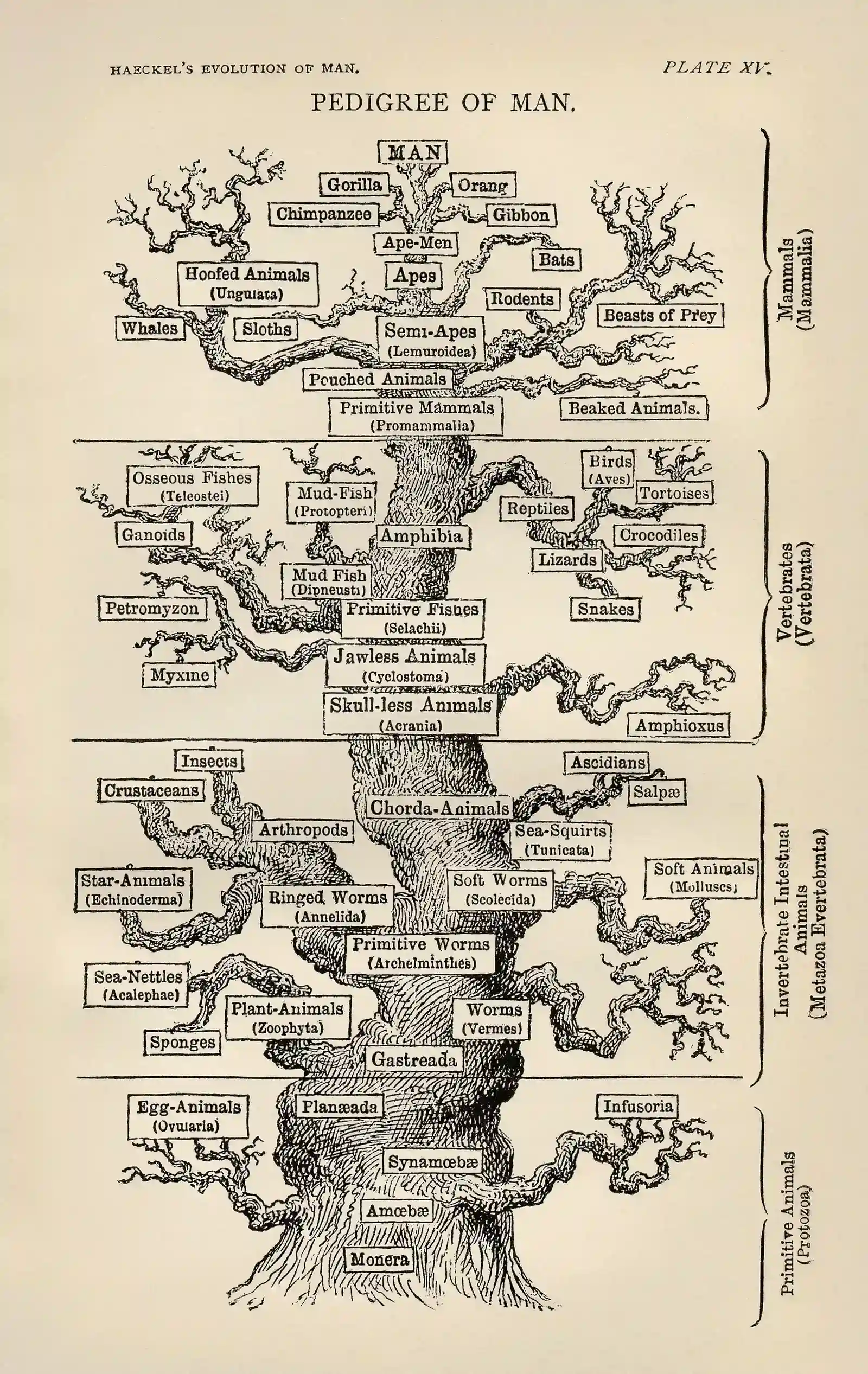
Most people picture the tree of life as something ancient and fixed, drawn once by Darwin in a famous notebook sketch and more or less confirmed ever since. The reality is far messier and, honestly, far more exciting. Careful scientific detective work has been steadily exposing a far more crowded and complicated tree of life than we once imagined.
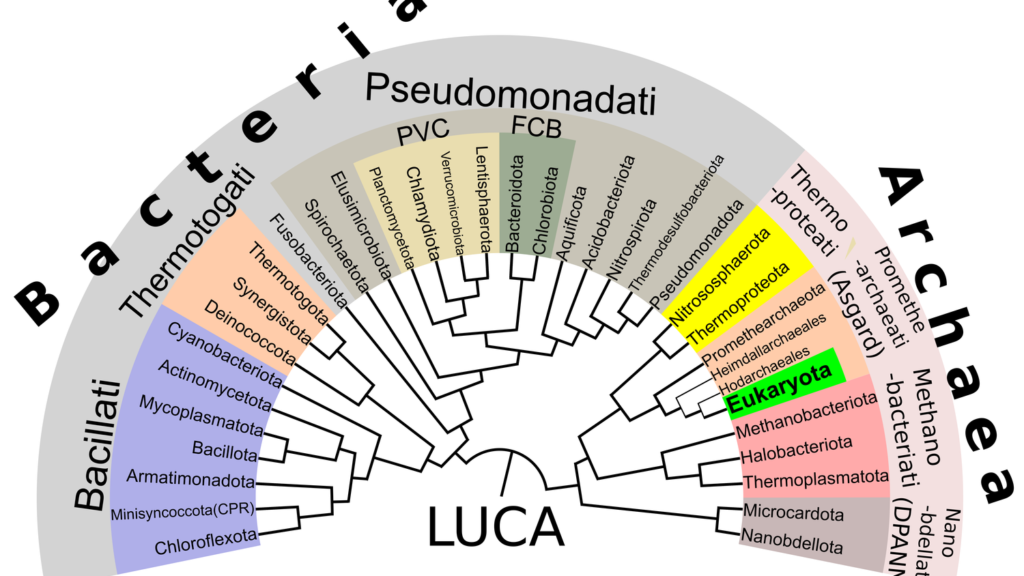
For most of human history, species were classified by what you could see with your eyes. Naturalists compared bones, feathers, and leaves, then argued fiercely about whether a strange bird was truly new or just a scruffy version of something already known. Woese and Fox turned the tree of life on its head in 1977 by studying DNA sequences of ribosomes, adding a third trunk to the tree through the discovery of the domain Archaea, entirely distinct from bacteria and eukaryotes. That single discovery reshaped biological classification overnight. Yet even that was just the beginning.
Whole-Genome Sequencing Is Expanding the Map Beyond Recognition
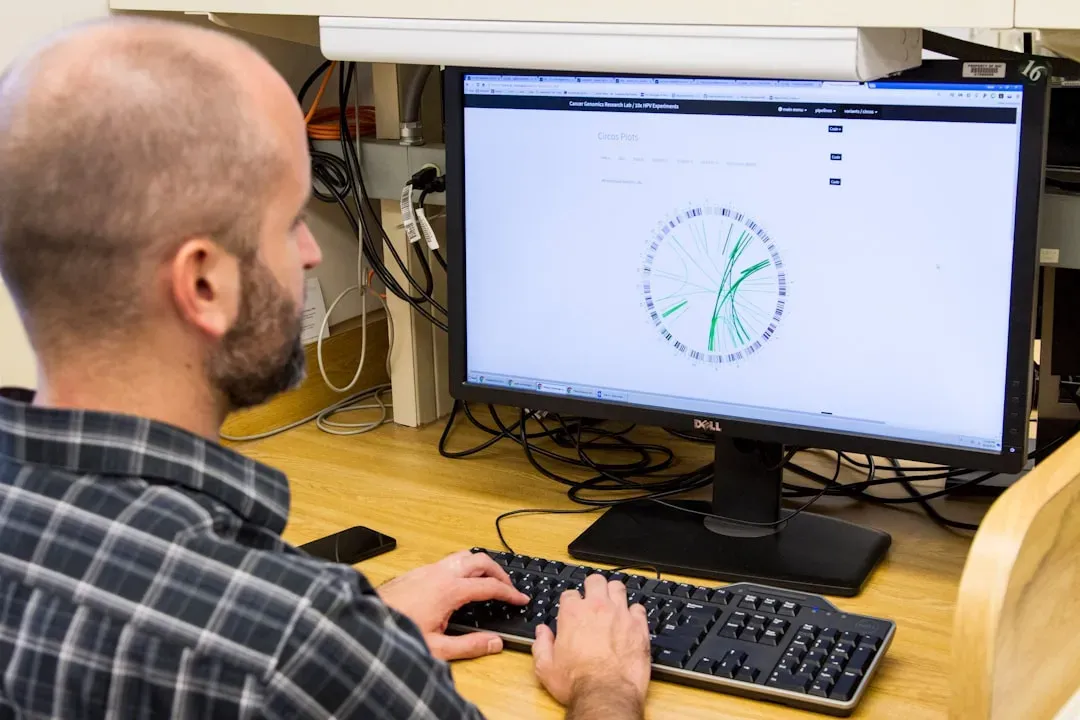
Here’s the thing – comparing a few genes between species is like trying to understand a novel by reading three random sentences. Whole-genome sequencing reads the entire book. The combination of rapidly expanding genomic datasets and phylogenetic comparative methods is set to revolutionize our understanding of biology, and since the beginning of this century, the number of sequenced genomes has grown to many hundreds of thousands, providing a full genetic record for thousands of species across the tree of life. That is a breathtaking leap in data.
Using genetic data collected in recent years, researchers found a group of bacteria so diverse genetically that they represent roughly half of all the diversity of bacteria on the planet, dramatically expanding the tree of life with evidence of new organisms. Think about that for a moment. Half the bacterial diversity on Earth was essentially invisible to us before whole-genome analysis. Scientists have since taken whole-proteome analysis further by considering complete sets of proteins encoded by all genes, completing analyses of proteomes from over 4,000 organisms in public genome databases. The picture that emerges is radically different from what was drawn even a decade ago.
Cryptic Species Are Hiding in Plain Sight
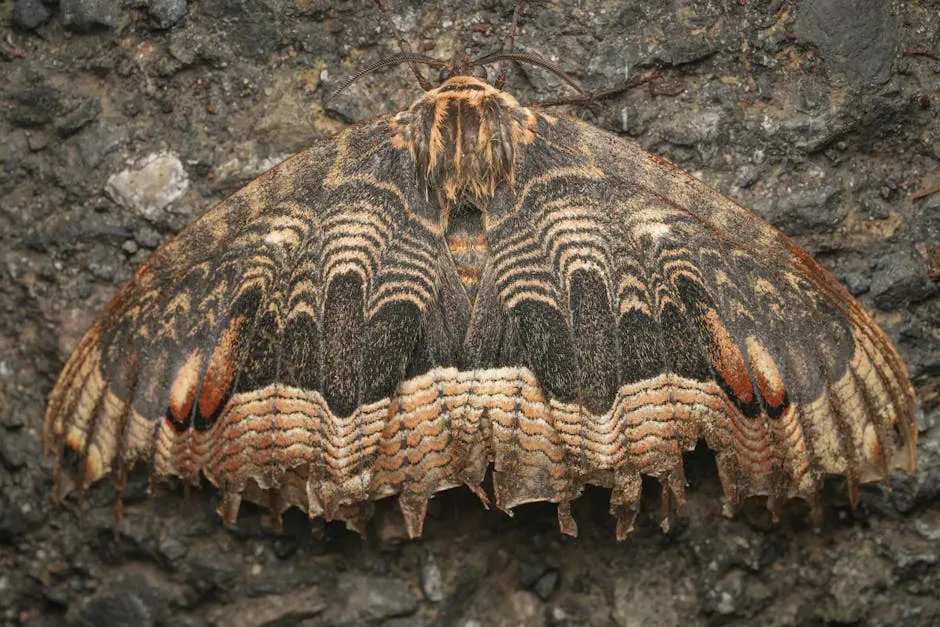
You might walk past an insect, a fern, or a reef fish every day of your life and never know it is actually two entirely different species wearing identical disguises. These so-called cryptic species look the same on the outside but carry completely distinct genetic identities. Integrative taxonomy, which incorporates multiple data types to delineate and describe species, is discovering hidden biodiversity previously undetected when relying solely on morphology, and phylogenomic data combined with morphological and ecological data have revealed many cryptic species in both animal and plant taxa.
Advances in molecular techniques are making it possible to detect species that look similar on the surface but differ genetically, an approach that is especially promising for uncovering previously unrecognized bacteria and fungi. This is not some minor taxonomic footnote. It means that species we thought we fully understood are actually multiple distinct organisms with potentially different ecological roles, different vulnerabilities, and different conservation needs. I think the humbling part is realizing just how much our confidence in the old classifications was built on surface appearances alone.
Environmental DNA Is Detecting Life Without Touching It
Imagine being able to identify every species living in a lake simply by testing a cup of its water. No nets, no traps, no disturbance to the ecosystem whatsoever. Environmental DNA, or eDNA, is collected from samples such as soil, sediment, freshwater, seawater, snow, or air, rather than directly from individual organisms, and as various organisms interact with the environment, DNA accumulates in their surroundings from various sources, which can be sequenced to reveal facts about the species present in an ecosystem. The implications are staggering.
When robust sampling, replication, and sequencing strategies are applied, eDNA approaches are especially effective for detecting rare, elusive, or cryptic species, including protected, threatened, and invasive taxa. Scientists have even deployed eDNA tools to detect endangered hammerhead sharks using only genetic traces left in seawater, without needing to capture or even see the animals directly. Advances in next-generation sequencing have expanded DNA barcoding from single-specimen identification to high-throughput metabarcoding and environmental DNA-based biomonitoring, enabling ecosystem-scale biodiversity assessments from soil, water, and air samples. We are now eavesdropping on life itself through the genetic whispers it leaves behind.
Horizontal Gene Transfer Is Rewriting the Rules of Inheritance
This one genuinely broke biologists’ brains when it was first widely appreciated. The assumption had always been that species inherit DNA from their parents, full stop. Turns out, genes can jump between completely unrelated organisms too. Horizontal gene transfer, or HGT, is the movement of genetic material between organisms other than by the vertical transmission of DNA from parent to offspring through reproduction. It sounds like something out of a science fiction story, but it happens all the time in the microbial world.
The last decades, which have seen the development of genome sequencing, have revealed that horizontal gene transfer has been a major evolutionary force that has constantly reshaped genomes throughout evolution, and because the history of life must ultimately be deduced from gene phylogenies, the lack of methods to account for HGT has thrown into confusion the very concept of the tree of life. It’s hard to say for sure just how deeply this rewrites life’s history, but the scale is enormous. Molecular evolutionary biologists have shown that extensive horizontal gene transfer can occur between distantly related species, and comparative sequence analyses of genomes indicates that the universal tree of life might be at risk because of pervasive, ancient HGT. The old neat branching diagram may need to become more of a tangled web.
We Are Living in a Golden Age of Species Discovery
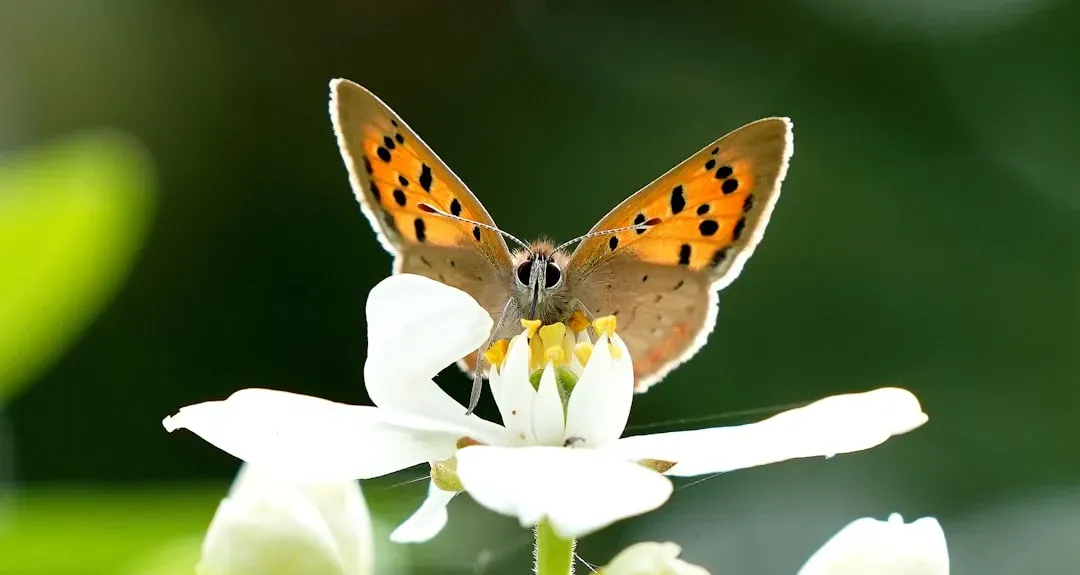
Let’s be real – when most people think about new species being discovered, they picture remote Amazon expeditions or deep-sea submersibles returning with alien-looking creatures. The reality is just as thrilling, but the scale is even larger than you might expect. Examining the taxonomic records of roughly two million species from across all major forms of life, researchers found that between 2015 and 2020, scientists documented an average of more than 16,000 new species per year, including more than 10,000 animals, roughly 2,500 plants, and approximately 2,000 fungi.
That rate of discovery is not slowing down. Many of the new organisms making headlines are not freshly evolved aliens, but long-hidden neighbors finally revealed by better tools. Even more surprising, many of these finds do not require field expeditions at all. Many of the new organisms making headlines will have been recognized first not by a dramatic discovery expedition, but by careful re-reading of old museum specimens and field notes. There is a kind of poetry in that – centuries-old museum drawers quietly harboring creatures science never formally acknowledged.
What These Discoveries Mean for Conservation and Medicine
You might wonder why any of this matters beyond satisfying scientific curiosity. The answer is that every species correctly identified represents a potential key to something bigger – ecological balance, medical breakthroughs, or understanding resilience in a changing climate. Discovering new species is important because these species cannot be protected until they are scientifically described, and documentation is the first step in conservation, since we cannot safeguard a species from extinction if we do not know it exists.
New discoveries also play a role in improving human health and technology, and many natural products come from living organisms, including weight-loss drugs inspired by a hormone found in Gila monsters, while compounds from spider and snake venoms and substances produced by plants and fungi are being studied for their potential to treat pain, cancer, and other conditions. Honestly, every time a species vanishes before it is described, we may be losing a medical compound we never even knew existed. In the most comprehensive global analysis of genetic diversity ever undertaken, an international team of scientists found that genetic diversity is being lost across the globe, though conservation efforts are helping to safeguard species. The race between discovery and extinction is very, very real.
Conclusion
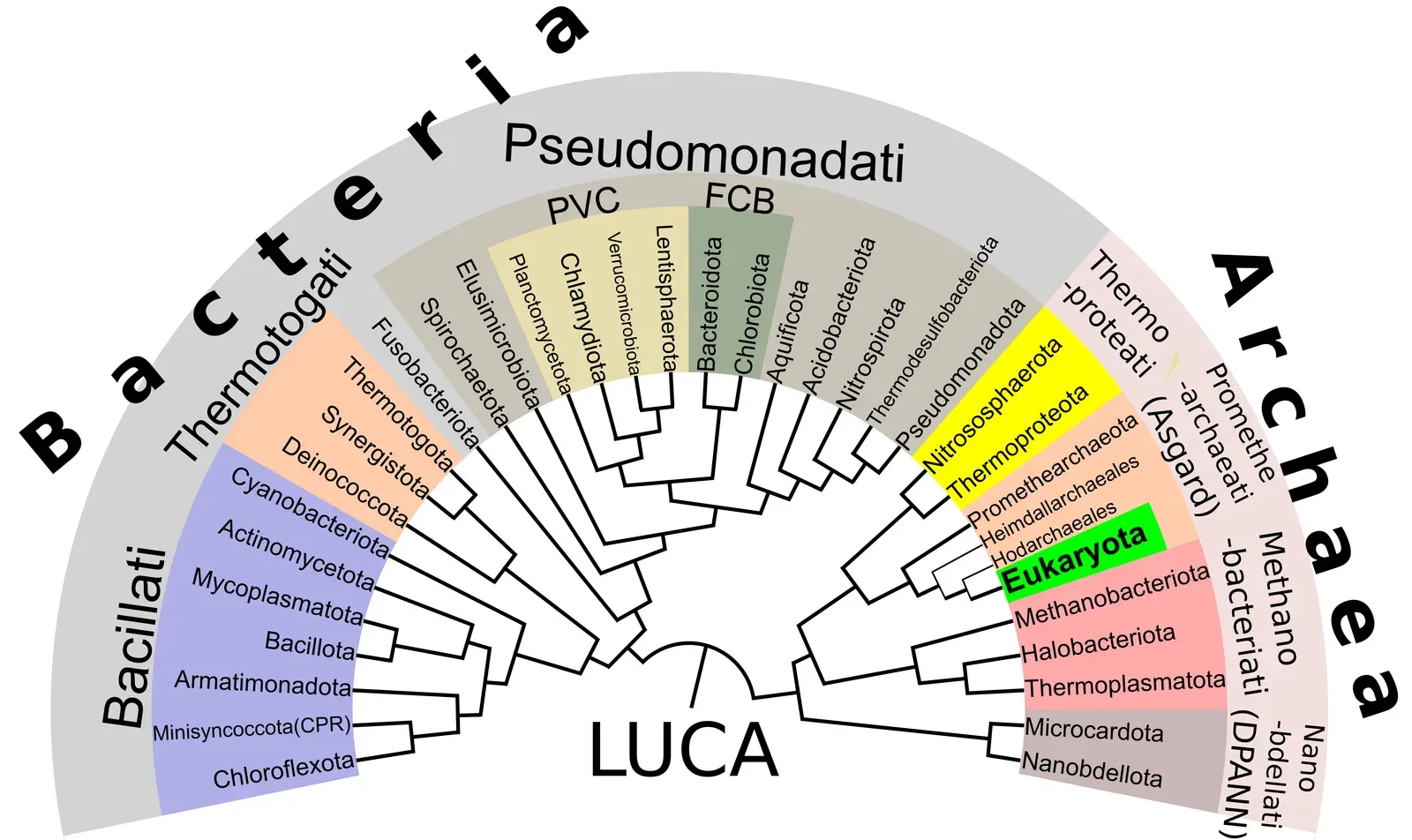
The tree of life we learned about in school was never meant to be the final word. It was always a best guess, drawn with the tools and knowledge of its time. What genetics is revealing now is that life is vastly more diverse, more interconnected, and more creatively chaotic than any diagram could have captured. Branches that seemed solid are shifting. Organisms that were lumped together for centuries are turning out to be entirely different beings. Hidden species are emerging from water samples, museum shelves, and microscopic analyses of ancient rock.
This is not a crisis for biology. It is a celebration of it. Every reclassification, every newly identified species, every overturned assumption is evidence that science is working exactly as it should – always questioning, always refining, always reaching toward a more accurate picture of reality. The tree of life is not being broken. It is finally being grown into its true shape. So the next time you look at a familiar bird, a patch of moss, or a handful of soil, ask yourself this: how many species are quietly hiding there, waiting to be named?