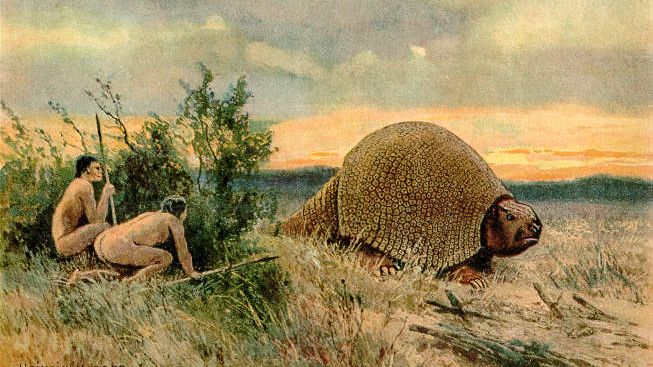
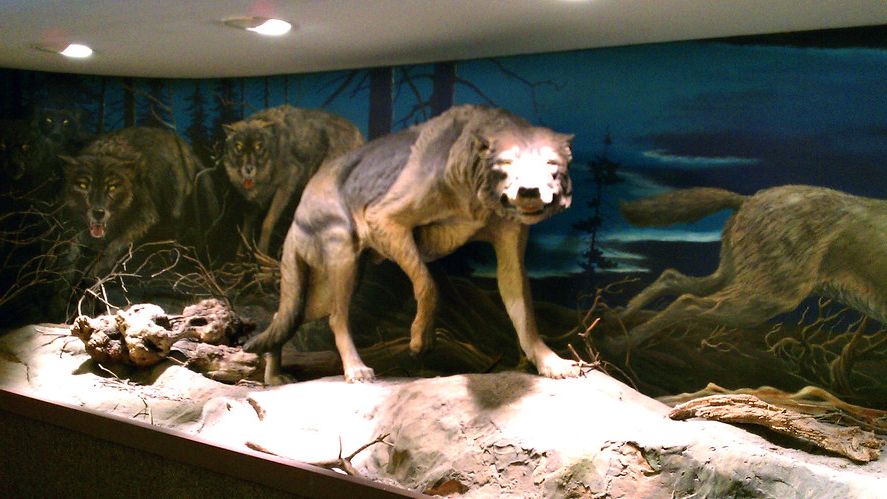
Recent discoveries in paleontology have sparked an extraordinary new hypothesis about dinosaurs that challenges our traditional understanding of these ancient creatures. Scientists are now exploring compelling evidence suggesting some dinosaur species may have possessed bioluminescent properties—essentially allowing them to glow in the dark. This revolutionary concept, once confined to the realm of science fiction, is gaining traction among serious researchers who are uncovering structural similarities between certain dinosaur fossils and modern bioluminescent organisms. The implications of this research extend beyond mere curiosity, potentially reshaping our understanding of dinosaur behavior, ecology, and evolutionary adaptations in prehistoric environments.
The Science of Bioluminescence in Modern Animals
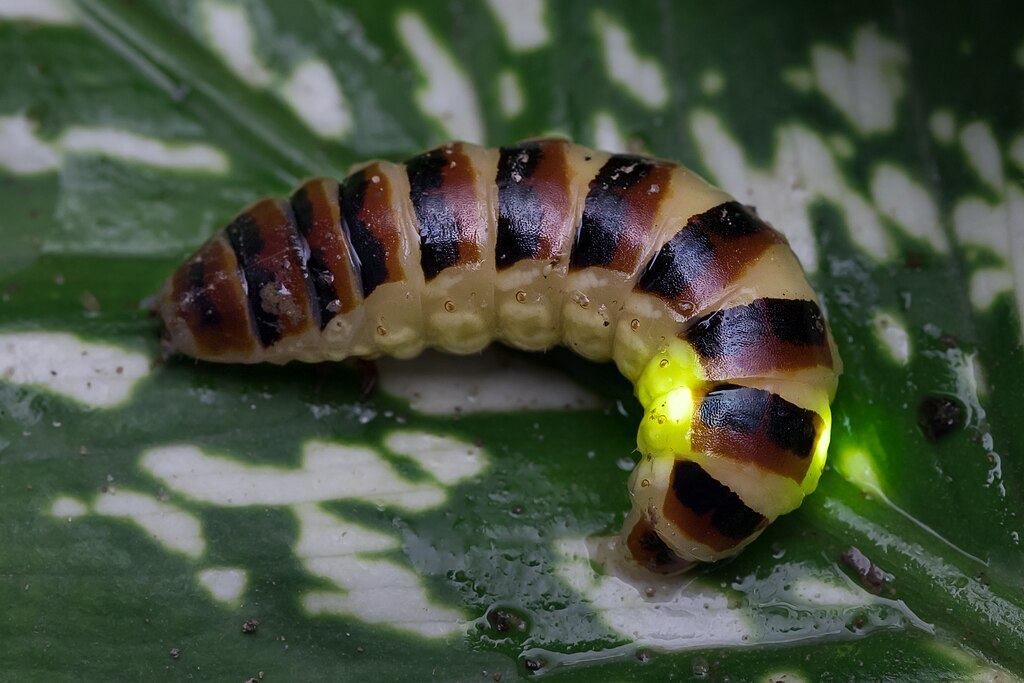
Bioluminescence, the production of light by living organisms through biochemical processes, is remarkably common in today’s natural world. From deep-sea fish and fireflies to certain fungi and bacteria, approximately 76% of marine animals display some form of bioluminescence. The chemical reaction typically involves a light-emitting compound called luciferin and an enzyme called luciferase, which work together to release energy in the form of visible light. Most bioluminescent creatures utilize this ability for vital functions such as attracting mates, luring prey, confusing predators, or communicating with members of their species. Understanding these mechanisms in modern animals provides paleontologists with comparative frameworks to evaluate potential bioluminescent structures in dinosaur remains, establishing a scientific foundation for investigating this phenomenon in extinct species.
Fossil Evidence Supporting the Bioluminescence Theory
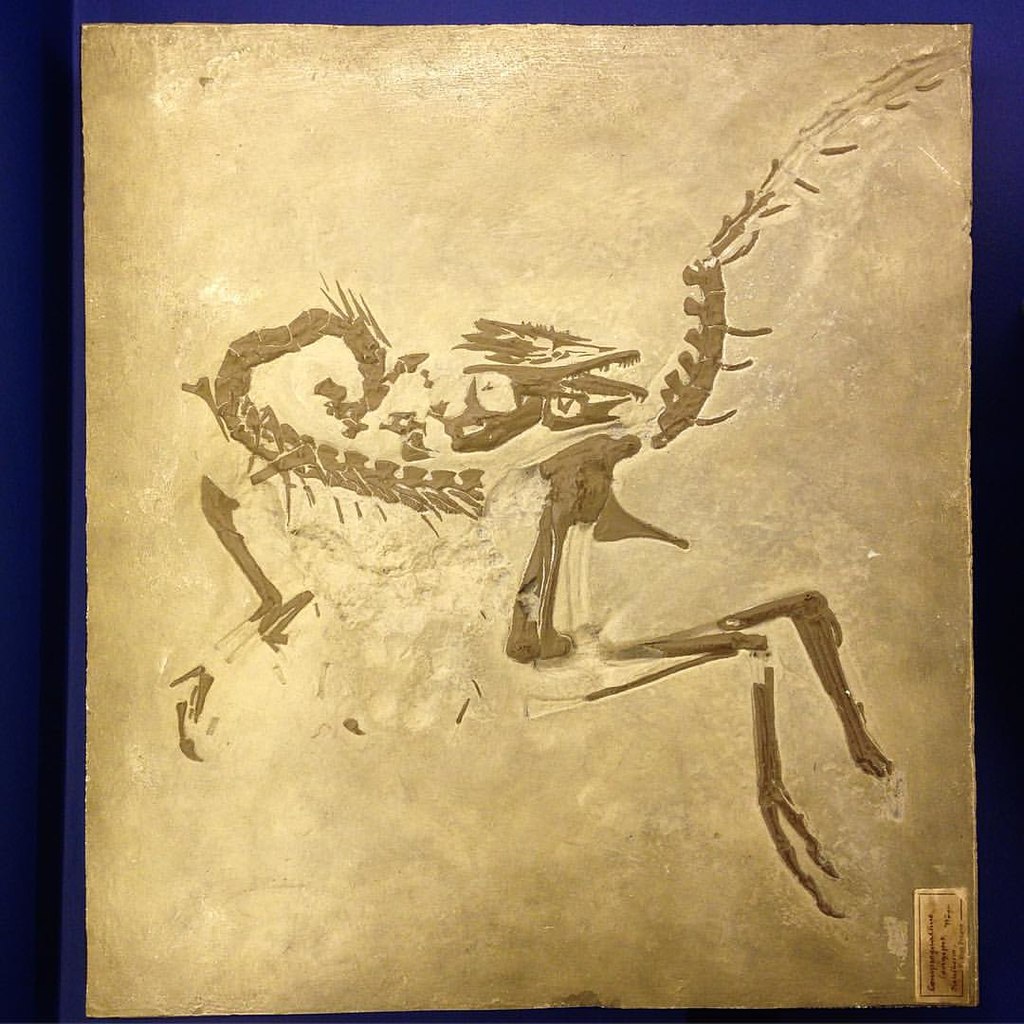
The fossil record has yielded intriguing structural anomalies in certain dinosaur specimens that align with bioluminescent features seen in modern organisms. Researchers have identified specialized tissue structures in some theropod fossils that bear striking similarities to light-producing organs in contemporary bioluminescent animals. Particularly noteworthy are unusual cell formations discovered in the skin impressions of certain small carnivorous dinosaurs from the Late Cretaceous period, which exhibit patterns consistent with light-emitting organs. Additionally, microscopic analysis of some dinosaur skin fossils has revealed the presence of cavities and specialized cells that could have housed symbiotic bioluminescent bacteria, similar to arrangements observed in modern deep-sea fish. These physical markers, while not definitive proof, constitute compelling evidence that has prompted serious scientific investigation into dinosaur bioluminescence.
The Evolutionary Advantage of Glowing Dinosaurs

Bioluminescence would have conferred significant evolutionary advantages to dinosaurs inhabiting environments with limited light. Nocturnal predators could have used their glow to communicate silently during cooperative hunts without alerting potential prey, while herbivores might have employed bioluminescence as a defense mechanism, potentially startling predators or signaling to others in their herd about approaching threats. In dense forest environments, bioluminescent features could have functioned as important visual signals for mate selection, with the brightest individuals potentially being perceived as the most genetically fit. Some researchers have proposed that bioluminescent facial features might have allowed certain dinosaur species to establish dominance hierarchies without resorting to physical confrontation, thereby reducing the risk of injury. These adaptive advantages would help explain why natural selection might favor the development and retention of bioluminescent capabilities across multiple dinosaur lineages.
Specific Dinosaur Species Under Investigation
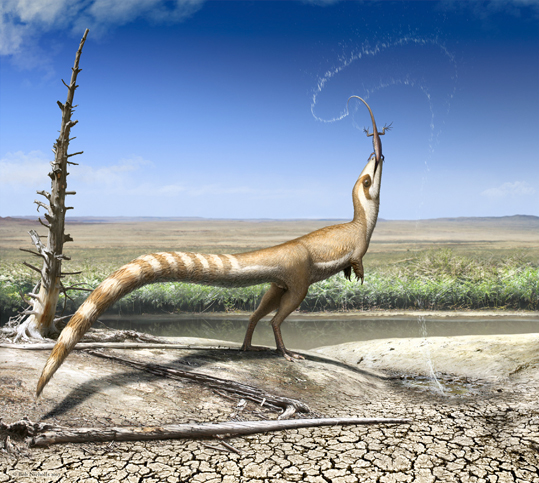
Several dinosaur species have emerged as prime candidates for possessing bioluminescent properties based on their fossil remains and ecological niches. The small theropod Sinosauropteryx, known for its preserved feather structures, has skin impressions containing cellular patterns similar to those of bioluminescent organs in modern animals. Researchers have also identified potential light-producing structures in certain troodontids, a family of small, bird-like theropods with large eyes that likely hunted at night. Interestingly, some hadrosaurs (duck-billed dinosaurs) have unusual nasal and skull formations that could potentially have housed bioluminescent bacteria, possibly creating glowing crests that functioned as visual displays. Microraptor, a small four-winged dinosaur, possesses feather structures with unusual cellular compositions that some researchers believe could have supported bioluminescent properties, potentially creating glowing patterns across its wings during nocturnal gliding.
Challenges in Studying Ancient Bioluminescence
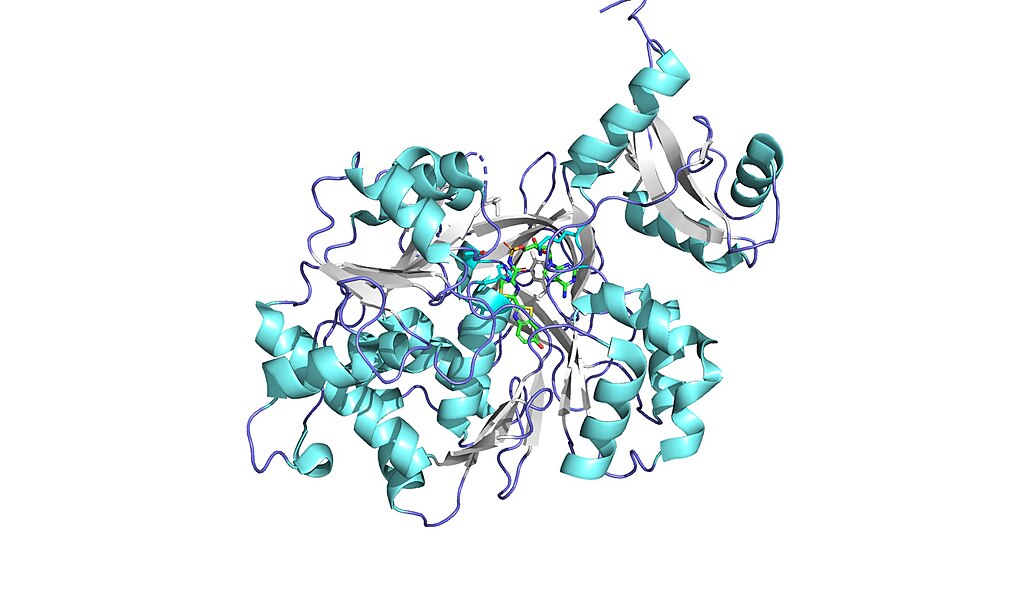
Investigating bioluminescence in extinct species presents substantial scientific challenges that researchers must overcome. The organic compounds responsible for bioluminescence, such as luciferins and luciferases, degrade rapidly after death and rarely fossilize, leaving no direct chemical evidence in the fossil record. Scientists must instead rely on morphological features and structural analogies with modern bioluminescent organisms, an approach that inevitably involves some degree of inference and educated speculation. The relative scarcity of exceptionally preserved soft tissue in dinosaur fossils further complicates these investigations, as light-producing organs would primarily consist of soft tissue structures rather than bone. Additionally, researchers must account for taphonomic processes—the physical and chemical changes that occur during fossilization—which can create misleading structures or obliterate genuine biological features that might have indicated bioluminescent capabilities.
The Role of Genetic Analysis in Dinosaur Bioluminescence Research

Advanced genetic research has begun shedding light on the possibility of dinosaur bioluminescence through comparative genomics and molecular phylogenetics. Scientists have identified specific genetic markers associated with bioluminescence in modern birds, which, as dinosaur descendants, may preserve ancestral genetic sequences related to light production. By analyzing the genomes of various living birds and comparing them with those of other bioluminescent organisms, researchers can reconstruct potential evolutionary pathways for bioluminescence genes and assess whether they might have existed in dinosaur lineages. Recent advances in extracting and sequencing fragmented DNA from exceptionally preserved dinosaur fossils provide tantalizing opportunities to directly test for genetic signatures associated with bioluminescence. Though extremely challenging, this genetic approach offers an independent line of evidence that complements morphological studies and could eventually provide more definitive answers about dinosaurs’ light-producing capabilities.
Environmental Contexts Favoring Bioluminescence
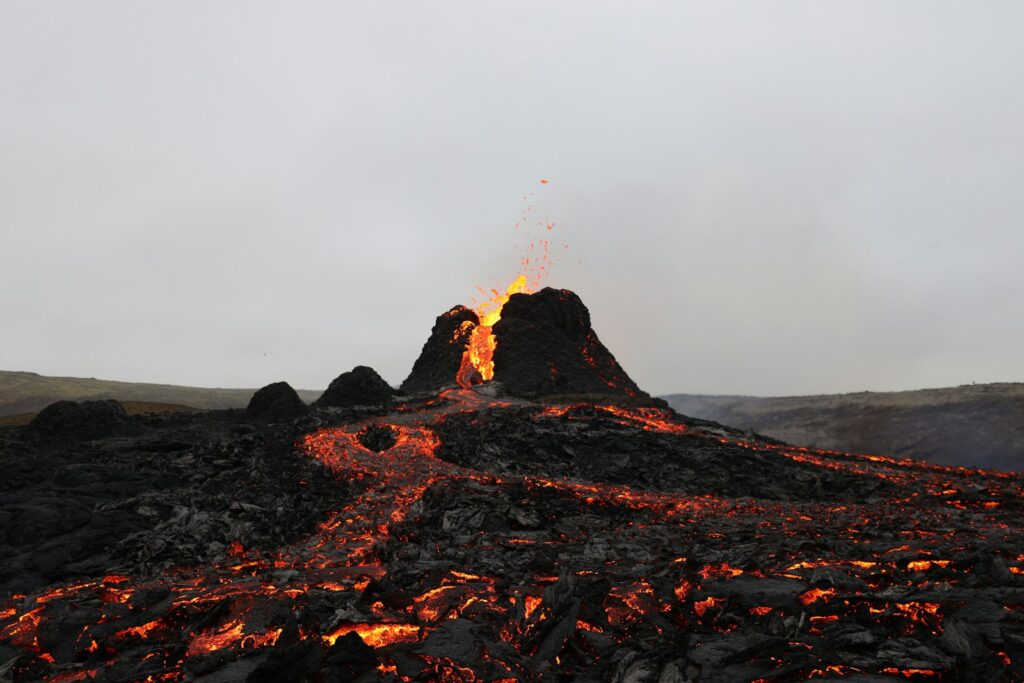
The paleoenvironments inhabited by dinosaurs offer important contextual clues about which species might have developed bioluminescent adaptations. Dense forest environments with limited light penetration, particularly common during the Cretaceous period, would have created selective pressure favoring organisms with light-producing capabilities. Seasonal variations in daylight at extreme latitudes, where some dinosaur species are known to have lived, might have similarly driven the evolution of bioluminescence as an adaptation to prolonged dark periods. Research into the ancient atmospheric composition during the Mesozoic era suggests higher oxygen levels in certain periods, which could have supported more efficient bioluminescent chemical reactions than those possible in today’s atmosphere. Paleoclimatic reconstructions also indicate periods of increased volcanic activity that would have filled the atmosphere with light-blocking particulates, potentially creating temporary conditions where bioluminescence would confer significant survival advantages to dinosaurs able to navigate and communicate in near-darkness.
Comparing Dinosaur Bioluminescence to Modern Avian Relatives

Birds, as the direct descendants of theropod dinosaurs, provide a crucial evolutionary link for understanding potential bioluminescence in their dinosaur ancestors. Though true biochemical bioluminescence is exceptionally rare in modern birds, with no definitively documented cases, certain avian species display remarkable bio-fluorescence, absorbing ultraviolet light and re-emitting it in visible wavelengths. The discovery of bio-fluorescent feathers in parrots, puffins, and certain owls suggests this capability may have deeper evolutionary roots stretching back to their dinosaur ancestors. Some researchers propose that the genetic framework for manipulating light through biological structures was present in certain dinosaur lineages and later manifested differently in their avian descendants. Anatomical comparisons between the light-manipulating structures in modern birds and potential light-producing features in dinosaur fossils reveal intriguing parallels that strengthen the hypothesis of bioluminescent dinosaurs, particularly among the more bird-like theropod species.
Hunting and Predation Strategies with Bioluminescence
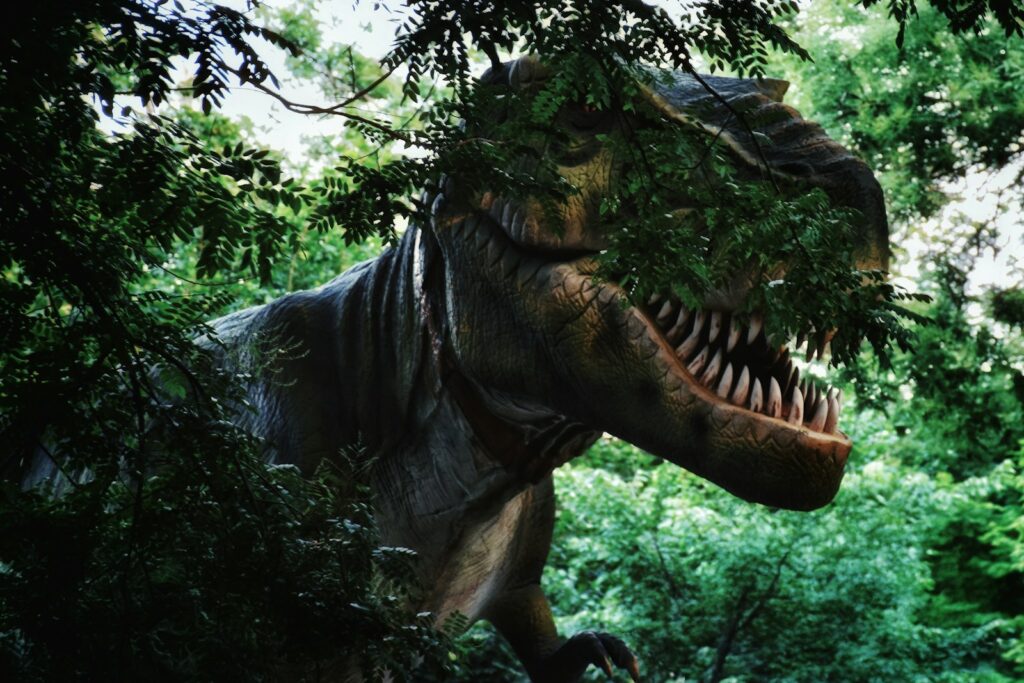
Bioluminescence would have revolutionized hunting strategies for predatory dinosaurs, particularly in low-light environments. Small predatory theropods might have used subtle glowing patterns to communicate silently during coordinated pack hunts, much like how modern wolves use visual cues when stalking prey. More surprisingly, some researchers propose that certain predators could have used bioluminescent lures similar to those employed by deep-sea anglerfish, with glowing structures attracting curious prey within striking distance. For larger predators like Tyrannosaurus rex, bioluminescent facial features could have served to intimidate rivals or potential prey, triggering instinctive fear responses through the sudden appearance of glowing eyes or teeth in the darkness. Computer modeling of dinosaur hunting behaviors incorporating bioluminescence suggests significant advantages in capture rates and energy efficiency compared to non-luminous hunters, particularly in dense forest environments or during nighttime activities, providing strong evolutionary incentives for the development of these adaptations.
Social Signaling and Mating Displays
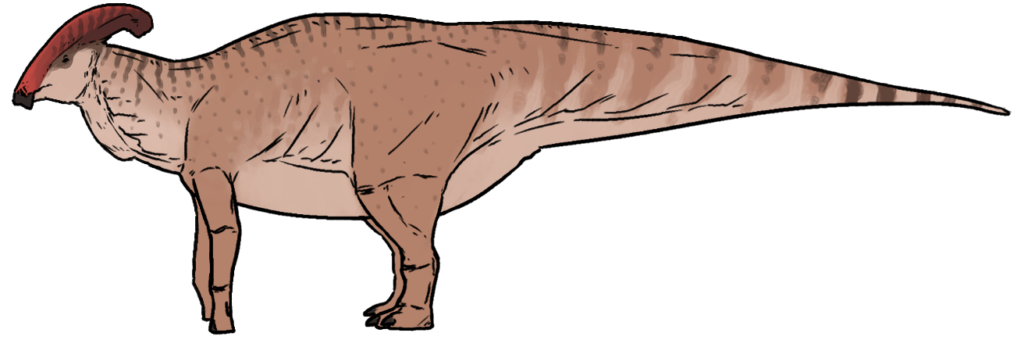
Bioluminescence likely played a crucial role in dinosaur social interactions, particularly for species that lived in groups or needed to find mates in low-visibility environments. Comparative studies with modern bioluminescent organisms suggest dinosaurs might have developed species-specific light patterns that functioned as identification signals, helping individuals recognize potential mates from the same species even in complete darkness. For dinosaurs with elaborate physical structures like crests, frills, or feathers, bioluminescent highlighting of these features would have dramatically enhanced their effectiveness as sexual display mechanisms. Fossil evidence of sexual dimorphism in certain dinosaur species correlates with structures that could have supported different bioluminescent patterns between males and females, potentially indicating complex light-based mating rituals. Some paleobiologists have proposed that the evolution of increasingly elaborate bioluminescent displays might explain certain seemingly impractical anatomical features in dinosaurs that appear to have limited survival value but make perfect sense as illuminated mating signals.
Bioluminescence as a Defense Mechanism

For prey species, bioluminescent capabilities would have provided various defensive advantages in the dangerous Mesozoic ecosystems. Sudden flashing displays could have startled or temporarily blinded predators, creating crucial seconds for escape—a strategy employed by many modern prey animals with bioluminescent abilities. Certain herbivorous dinosaurs might have used synchronized bioluminescent warning signals across herds when predators were detected, allowing coordinated defensive responses even in low visibility conditions. Particularly fascinating is the possibility of aposematic bioluminescence, where light displays would have advertised toxicity or unpalatability, similar to how some modern insects use bright colors to warn predators of their chemical defenses. Some smaller dinosaur species may have employed counter-illumination, using ventral bioluminescence to obscure their silhouettes when viewed from below by predators, effectively becoming invisible through a form of active camouflage that would have been particularly effective during twilight hours or in murky aquatic environments.
Future Research Directions and Technologies

The quest to confirm dinosaur bioluminescence will rely on emerging technologies and interdisciplinary approaches pushing the boundaries of paleontological research. Advanced scanning techniques like synchrotron rapid scanning X-ray fluorescence, which can detect trace elements associated with bioluminescent systems in modern organisms, are being adapted to examine exceptionally preserved fossils for similar chemical signatures. Improvements in ancient DNA recovery and analysis might eventually allow scientists to identify genetic markers associated with bioluminescence in dinosaur remains, though this remains challenging due to DNA degradation over millions of years. Computer modeling using sophisticated algorithms is helping researchers test hypotheses about the adaptive advantages of bioluminescence in various dinosaur species across different environmental scenarios. Perhaps most promising are developments in analytical chemistry that can detect fossil biomarkers—stable chemical compounds that persist long after soft tissues have degraded—which might reveal molecular evidence of bioluminescent systems that once existed in dinosaur tissues.
Implications for Our Understanding of Dinosaur Behavior

The possibility of bioluminescent dinosaurs fundamentally transforms our conception of dinosaur behavior and ecology, challenging long-held assumptions about how these creatures lived and interacted. If confirmed, this discovery would suggest much more complex nocturnal activity patterns than previously believed, indicating that the prehistoric world remained vibrant and active even after sunset. Social behaviors among dinosaurs would require significant reinterpretation, with potential implications for understanding herd structures, mating rituals, and parent-offspring relationships that may have incorporated visual signals invisible in normal light. The hunting and feeding strategies attributed to various predatory dinosaurs would need reevaluation to account for potential light-based luring or communication tactics. Perhaps most profoundly, bioluminescent capabilities would indicate a level of biological sophistication and evolutionary advancement in dinosaurs that aligns with modern research portraying them not as primitive reptiles but as highly adapted, specialized animals whose legacy continues in today’s birds—a far cry from the slow, dim-witted creatures depicted in early paleontological reconstructions.
As scientists continue to investigate the tantalizing possibility that dinosaurs may have illuminated the prehistoric night with biological light, we’re reminded of how much remains unknown about these fascinating creatures that dominated Earth for over 160 million years. The hypothesis of bioluminescent dinosaurs exemplifies how paleontology continues to evolve with new technologies and interdisciplinary approaches, challenging us to reimagine the ancient world in increasingly sophisticated ways. Whether future research confirms widespread bioluminescence or limits it to specific dinosaur lineages, this investigation demonstrates that even after centuries of study, dinosaurs retain their capacity to surprise and inspire us with previously unimagined possibilities—proving that the prehistoric world may have been more colorful, dynamic, and radiant than we ever dared to imagine.