Imagine standing in a flickering cave, holding a burning torch, staring at a wall painted tens of thousands of years before the pyramids were even a thought. Now imagine realizing those strange dots and animal figures might not just be art, but a kind of prehistoric star map. That idea alone is enough to make your skin prickle a little.
Over the last few years, several researchers have argued that some Paleolithic cave paintings may encode knowledge of the night sky, hinting that humans were tracking the heavens roughly thirty thousand years ago. The claim is bold, controversial, and honestly, pretty thrilling. Even if the evidence is still being debated, the possibility forces us to rethink what “primitive” really means – and to ask whether the first astronomers were not priests in stone temples, but hunters crouched under dripping limestone ceilings.
The Shocking Age of the Skywatchers
When people hear “ancient astronomy,” many picture Mesopotamian scribes or Egyptian priests recording eclipses a few thousand years ago. Push that back to thirty thousand years, and it feels almost impossible. At that time, humans were living through the Ice Age, moving in small bands, following herds, and surviving brutal winters with stone tools and fire-hardened determination.
Yet, some interpretations of cave art suggest these people might also have been carefully watching the stars. The idea is not that they had telescopes or formal mathematics, but that they recognized repeating patterns in the sky and wove those cycles into their stories, symbols, and art. If this holds up, it means astronomy is not a late intellectual luxury – it is baked into the earliest layers of what it meant to be human.
Decoding Dots, Animals, and Hidden Patterns
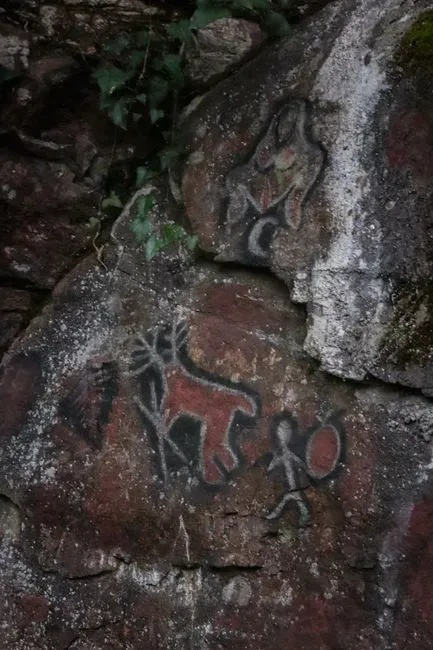
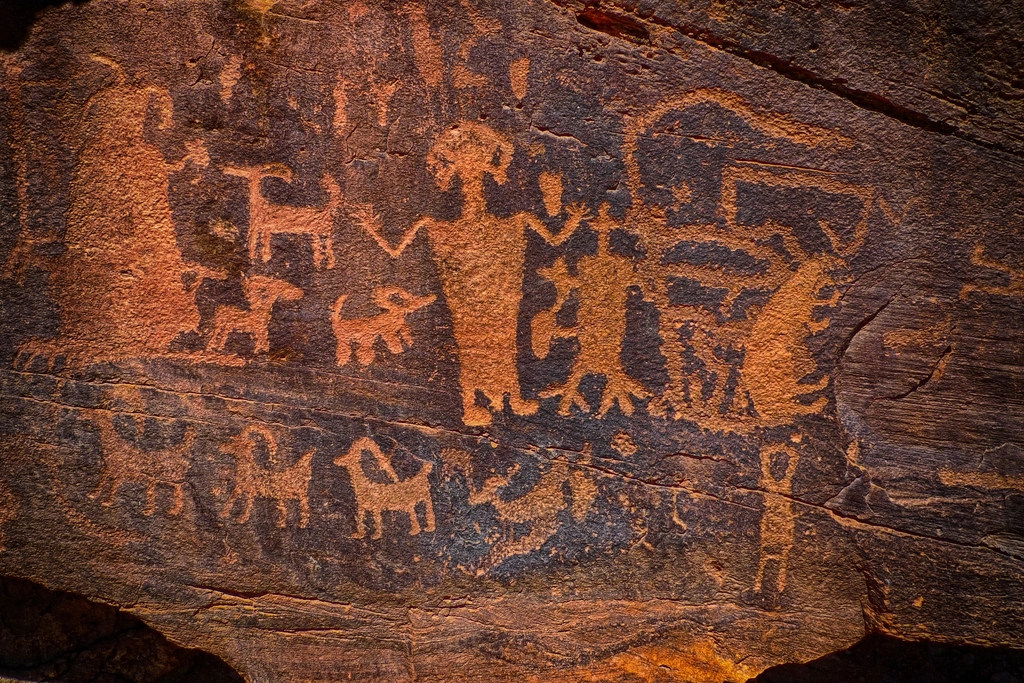
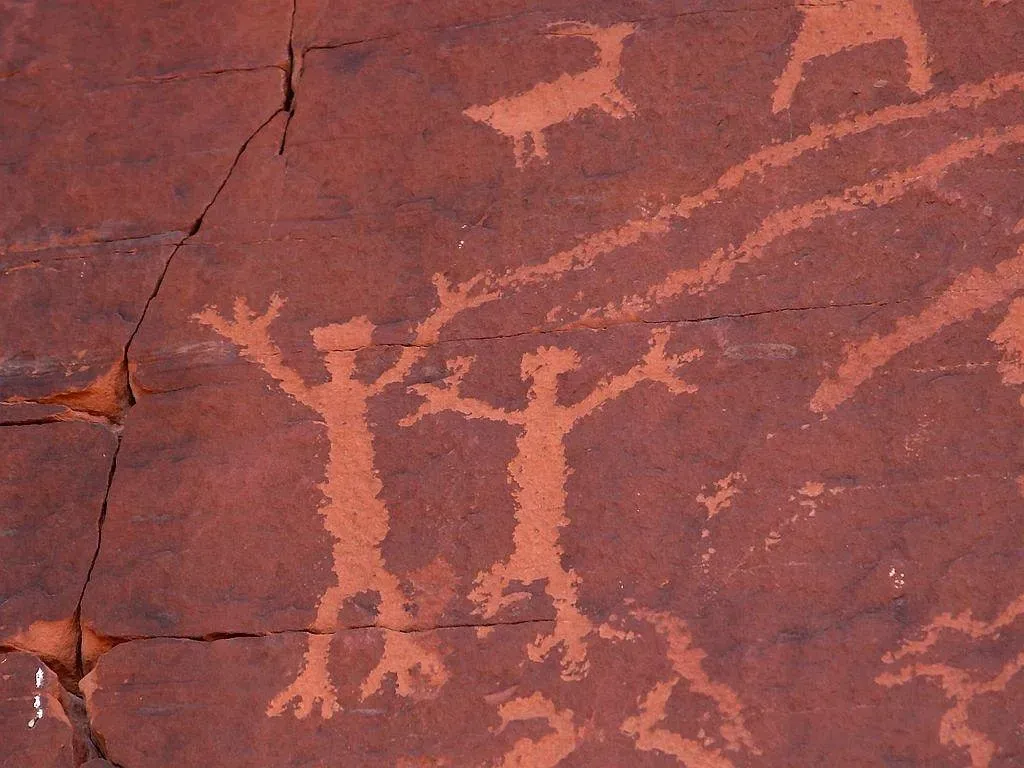
At first glance, many cave paintings look like simple scenes: bison, horses, lions, human-like figures, and scattered dots or lines. For a long time, those dots were treated as decorative, random, or unknowable. More recently, some researchers have argued that the dots and groupings might correspond to star clusters or constellations, like an ancient code painted in ochre and charcoal.
In this view, a bull is not only a bull; it might stand in for the same part of the sky we now call Taurus. Series of dots might match prominent clusters, such as the group of bright stars we know today as the Pleiades. This does not mean every animal or mark has an astronomical meaning, but it raises a fascinating possibility: that the cave walls were doing double duty as both art gallery and cosmic notebook.
Why Hunters Would Care About the Heavens
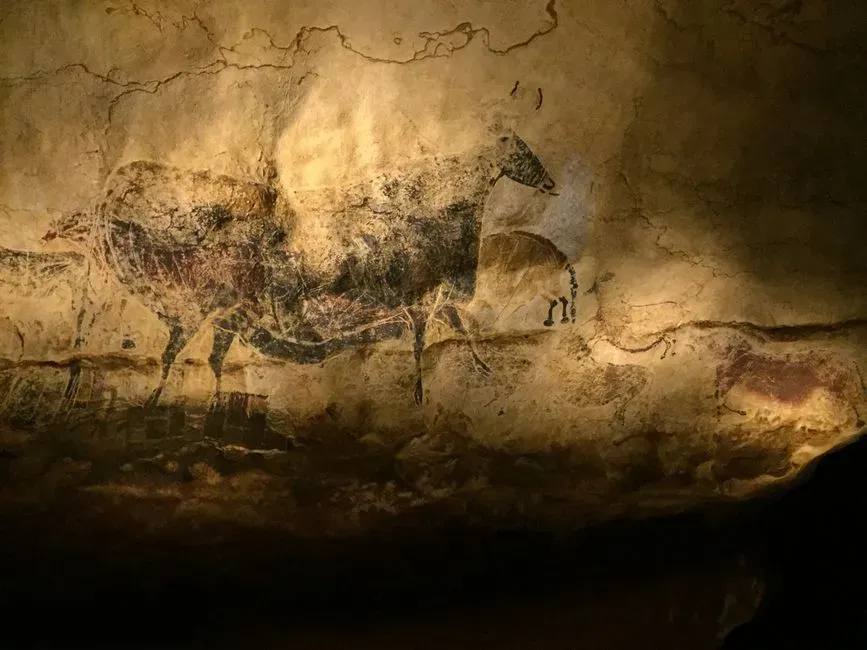
It is easy to romanticize early humans as star-struck philosophers, but they watched the sky for hard, practical reasons. Changing star positions signal changing seasons, which matter if your survival depends on knowing when herds migrate, when rivers freeze, and when plants fruit or vanish. The night sky is like a giant calendar that resets predictably, if you pay attention long enough.
Imagine being a hunter who notices that a certain cluster of stars rises just before the return of a key herd. If your group learns to read that sign, you are less likely to starve. Over generations, those patterns would turn into stories, the stories into symbols, and the symbols might eventually find their way onto stone walls. The line between mythology and meteorology, between sky lore and survival strategy, would be almost invisible.
Astronomy Without Numbers: Pattern, Memory, and Story
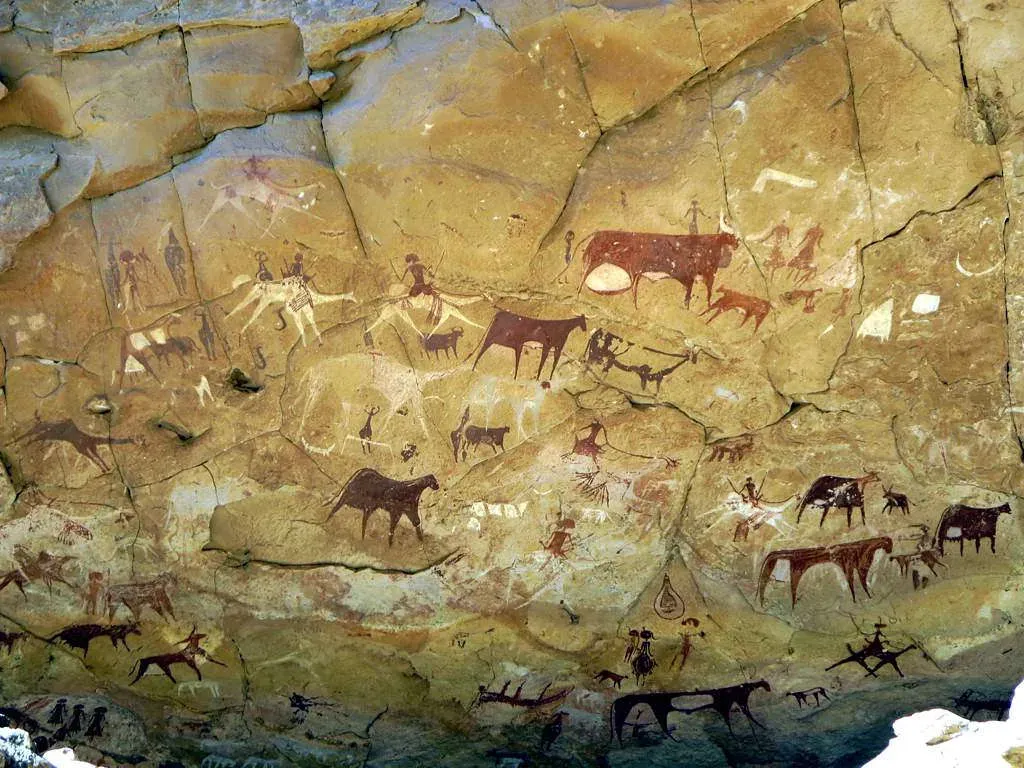
Thirty thousand years ago, no one was writing equations or plotting orbits, but that does not mean they were not doing astronomy. Their tools were memory, pattern recognition, and shared narratives. If one person in a group could remember when a certain star appeared and how long after that the snow usually melted, that memory would be precious knowledge worth preserving.
Cave art could function as a kind of external memory device, a visual storybook that helped encode when and why certain times of year mattered. Animals could anchor the emotional side of the story – danger, hope, food – while dots and shapes quietly encoded when those animals would reappear. It is a kind of low-tech data visualization, but with blood, smoke, and myth woven in.
Controversy in the Cave: How Far Can We Go?
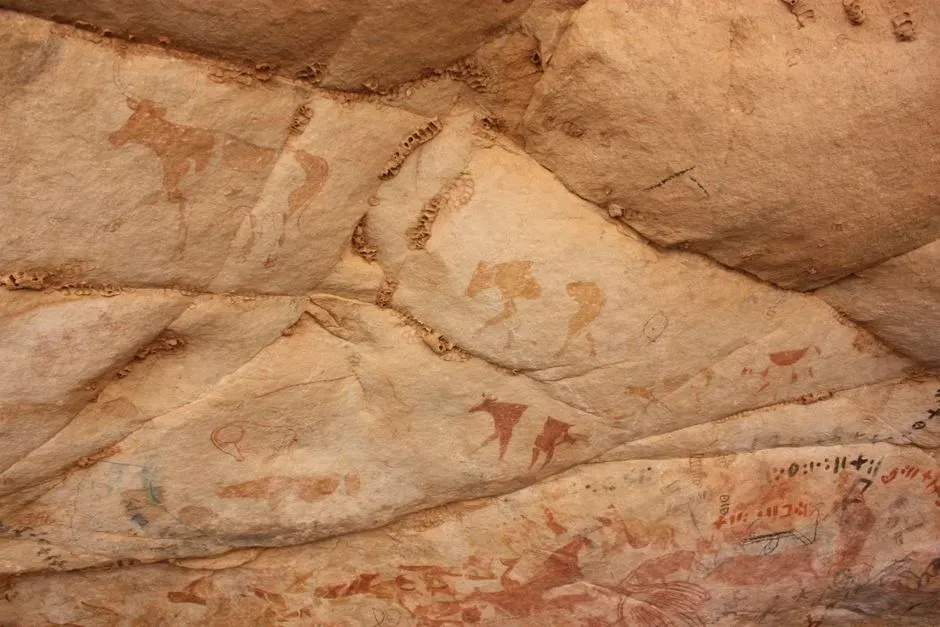
Not everyone is convinced by the astronomical interpretation, and that skepticism is healthy. Archaeology is full of cautionary tales where people saw what they wanted to see: calendars in every circle, star maps in every pattern, rituals in every object. When evidence is thin and open to multiple explanations, we need to be careful not to turn maybe into must.
Some experts argue that many dots and groupings in cave art could be tally marks, hunting counts, clan symbols, or even purely aesthetic choices. Others point out that aligning specific animal figures with later constellations might be reading modern ideas back into the deep past. In my view, the most honest and exciting position is to say: the astronomical hypothesis is plausible and intriguing, but not proven – and that uncertainty is exactly what makes the debate so alive.
What This Does to Our Picture of “Primitive” Minds
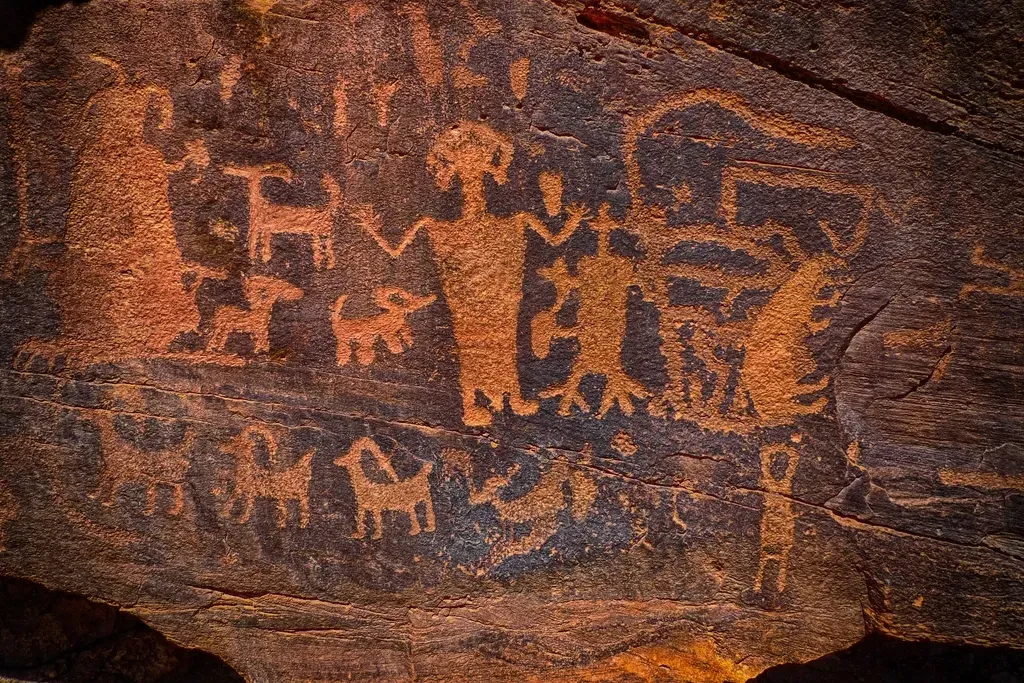
Whether or not every bold claim stands, the possibility of Ice Age astronomy tears up the old picture of so-called “primitive” humans. These were people who shaped tools, used pigments creatively, navigated long distances, and likely had rich spoken languages and elaborate spiritual beliefs. Adding careful, long-term sky observation to that mix only makes their world feel more complex, not less.
Honestly, the arrogant idea that serious thinking started with written civilization has always felt off to me. You do not need clay tablets to ask deep questions. Anyone who has ever stared up at a dark sky, felt very small, and wondered what it all means is participating in the same curiosity that might have driven those prehistoric artists. The difference is that they answered with paint on rock, while we answer with telescopes and data – but the core impulse might be the same.
From Cave Walls to Space Telescopes
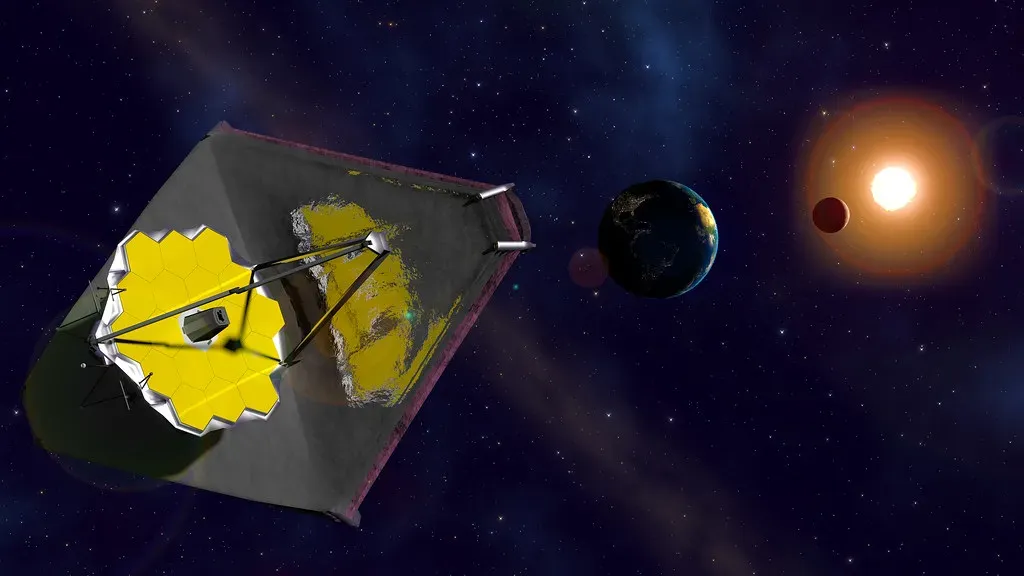
There is a strange beauty in connecting those smoke-filled caves to the metal-and-glass eyes we now place in orbit. Early humans likely tracked the slow march of stars across the horizon; we track exoplanets, collapsing stars, and galaxies billions of light-years away. The scale has exploded, but the basic move – look up, notice a pattern, try to understand it – has not changed.
If some cave art really encodes stellar cycles, then you could see it as the first chapter of a very long book of human astronomy. Later chapters would include stone circles aligned to solstices, temple observatories, early star catalogues, and eventually space missions. It is a bit like tracing music from someone tapping a rhythm on a log all the way to a full orchestra performing in a concert hall. The technology transforms, but the human itch to explore patterns endures.
Why the Idea Captivates Us Today
Part of the reason this topic feels so magnetic right now is that we are living in a moment of intense discovery in space science. We are finding planets around other stars, mapping the cosmic microwave background, and sending probes deeper into the solar system. Against that backdrop, learning that people thirty thousand years ago may have already started their own rough version of sky science feels strangely comforting.
There is also something very modern about using statistical analyses and image processing to re-examine ancient art, almost like running an archaeological version of forensic science. Old caves become data sets, paintings become coded messages, and we use cutting-edge tools to ask very old questions. That blending of old and new, of torches and algorithms, makes the entire story feel both grounded in science and charged with a kind of quiet wonder.
Opinionated Conclusion: Humility in the Face of Ancient Genius

If I am honest, I lean toward believing that at least some Paleolithic art carries astronomical meaning, even if not every detailed claim survives future scrutiny. It just fits too well with what we know about human brains: we are relentless pattern seekers, and the biggest, most reliable pattern show on Earth is the night sky. It would be almost shocking if early humans did not notice and try to fix those patterns into memory somehow.
At the same time, I think the most important lesson here is humility. Whether the dots on a cave wall are definitely star clusters or not, the possibility should shake us out of the lazy habit of underestimating people who lived long ago. They were not failed versions of us; they were us, with different tools and different pressures. The more we uncover, the more it looks like our species has been doing serious, thoughtful, even scientific engagement with the cosmos for far longer than we once admitted – and that realization, to me, is far more staggering than any single claim about one cave.