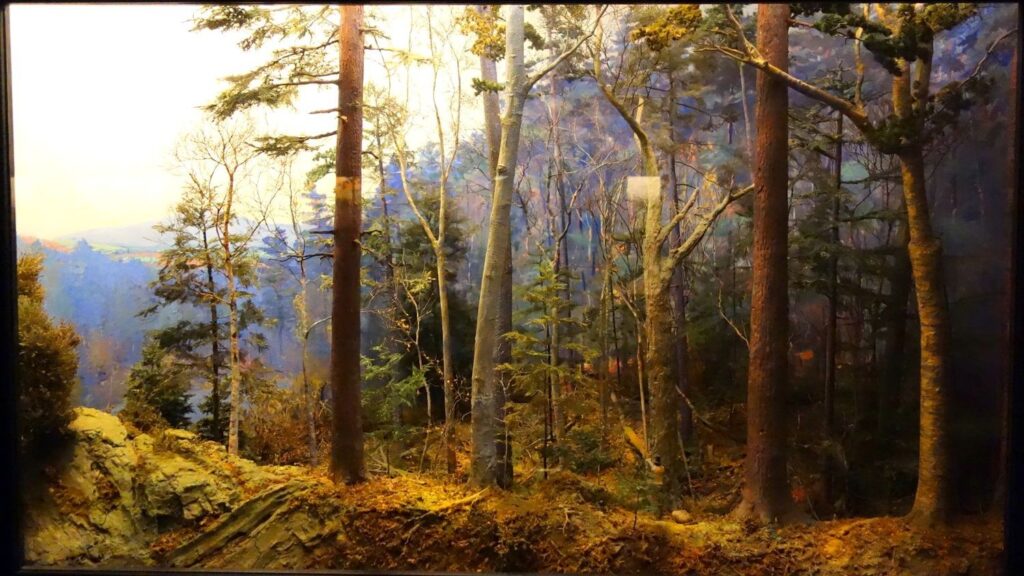
Picture this for a moment. You step into a forest where the trees tower higher than you can fathom, their trunks as thick as small houses, and they’re covered in scales instead of bark. The ground is spongy with humidity, and strange fern-like plants stretch up toward a sky that looks nothing like our modern atmosphere. Welcome to prehistoric North America, a place that would make even your wildest fantasy novel seem tame by comparison.
What existed here millions of years ago wasn’t just different from today’s forests. It was otherworldly. When you walk through a national forest now, you’re seeing a fraction of the botanical diversity and strangeness that once dominated this continent. Let’s dive into what really grew here long before humans walked the Earth.
Giant Scale Trees That Weren’t Really Trees At All
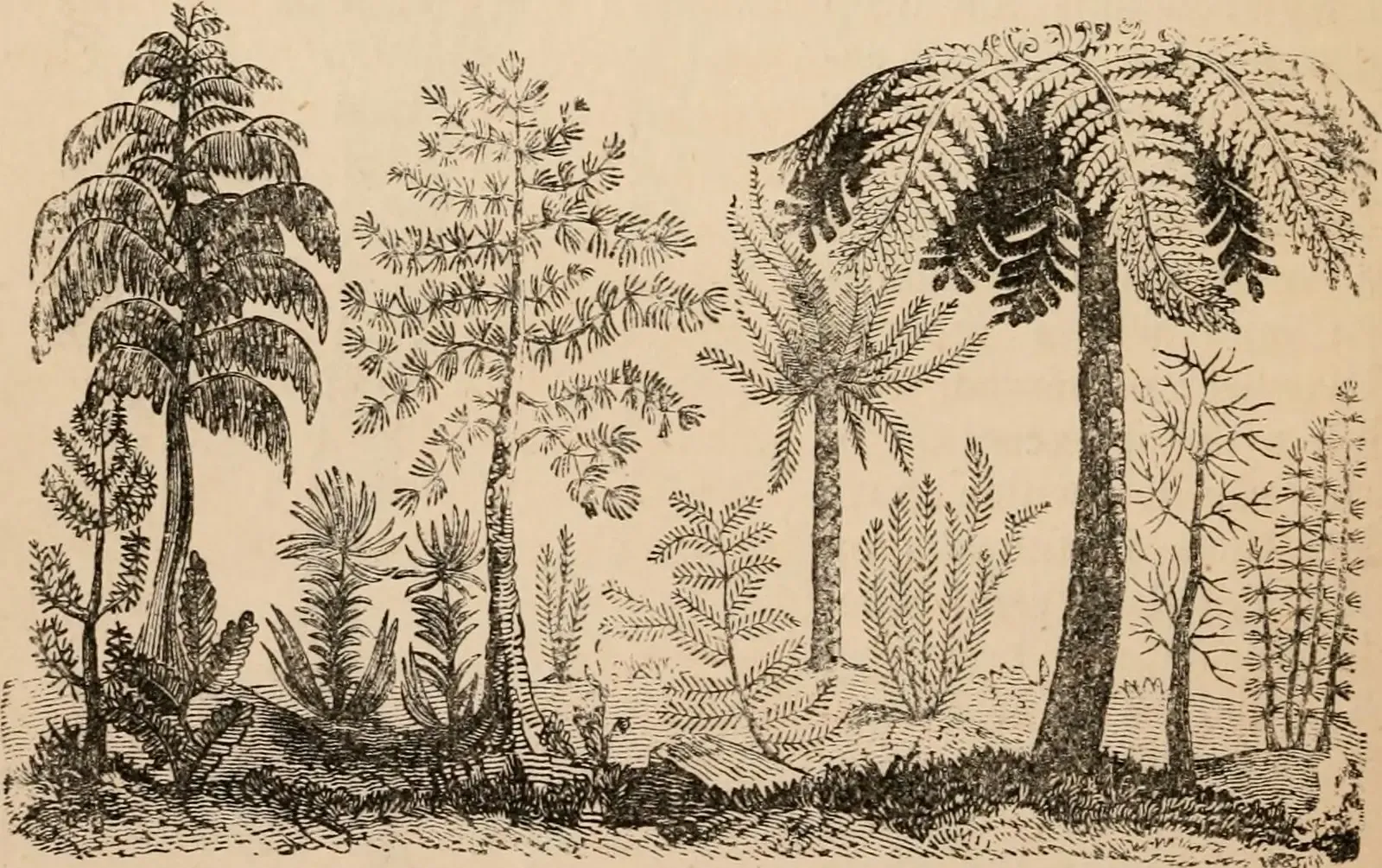
Lepidodendron, nicknamed the scale tree, reached heights over 30 meters with trunks sometimes exceeding 1 meter in diameter, and was actually more closely related to modern club moss than trees. Think about that for a second. These soft-trunked plants grew in wet coal forests, with most of the trunk clear of branches until the tip, and could reach over 100 feet tall with a trunk diameter of 3 to 4 feet, growing so densely packed that prehistoric forests were incredibly thick.
The truly mind-bending part? Their trunks were comprised primarily of green, soft tissues, like a giant herb, and didn’t grow bark the way modern trees do. These weren’t the sturdy wooden giants we know today. Lepidodendron went extinct approximately 300 million years ago, and their niche was replaced largely by conifers similar to trees we see today.
The Devonian Explosion That Changed Everything
Long before those scale trees dominated the landscape, something extraordinary happened. During the Devonian period, the first significant evolutionary radiation of life on land occurred as free-sporing land plants began spreading across dry land, forming extensive forests, and by the middle of the Devonian, several groups developed leaves and true roots. You’re looking at the moment Earth basically invented forests as a concept.
The Cairo Fossil Forest in upstate New York preserves a unique collection of 385 million-year-old trees, and its discovery in 2009 suggests prehistoric trees evolved at least 20 million years earlier than previously thought. Trees likely belonged to Archaeopteris, an extinct group with fern-like leaves related to modern trees, and research suggests they grew more than 66 feet tall toward the end of the Devonian period. Here’s the thing though: these plants changed our entire planet’s atmosphere. The first Archaeopteris trees helped suck up and lock away carbon dioxide from the air, shifting the composition of Earth’s atmosphere and accelerating weathering through their roots.
Carboniferous Swamp Monsters Made of Plant Material
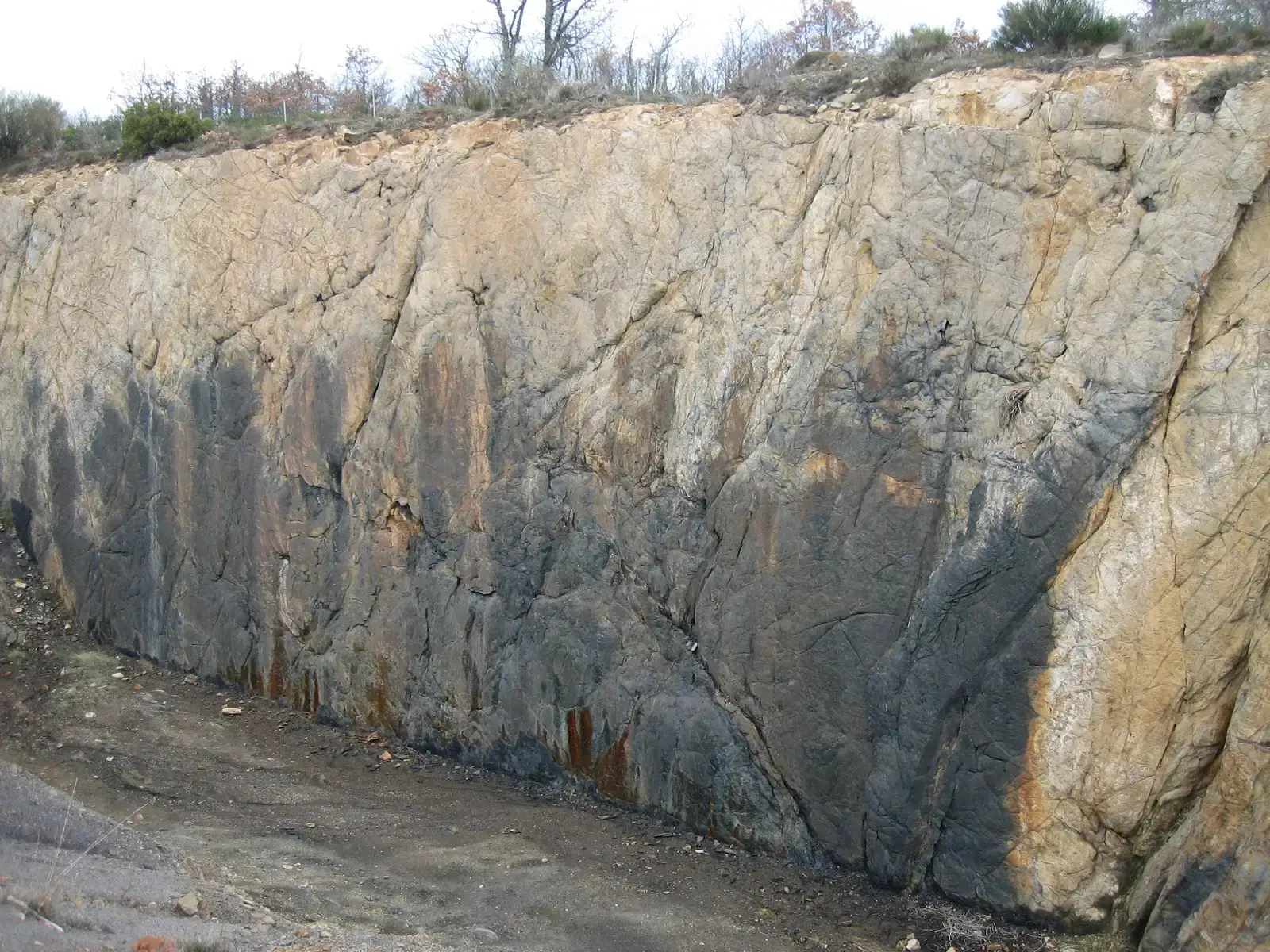
The Carboniferous period turned everything up to eleven. Vast swaths of forests and swamps covered the land, which eventually became the coal beds characteristic of Carboniferous stratigraphy, with vast swamp forests producing the coal from which the term Carboniferous, meaning carbon-bearing, is derived. Honestly, the scale was unreal.
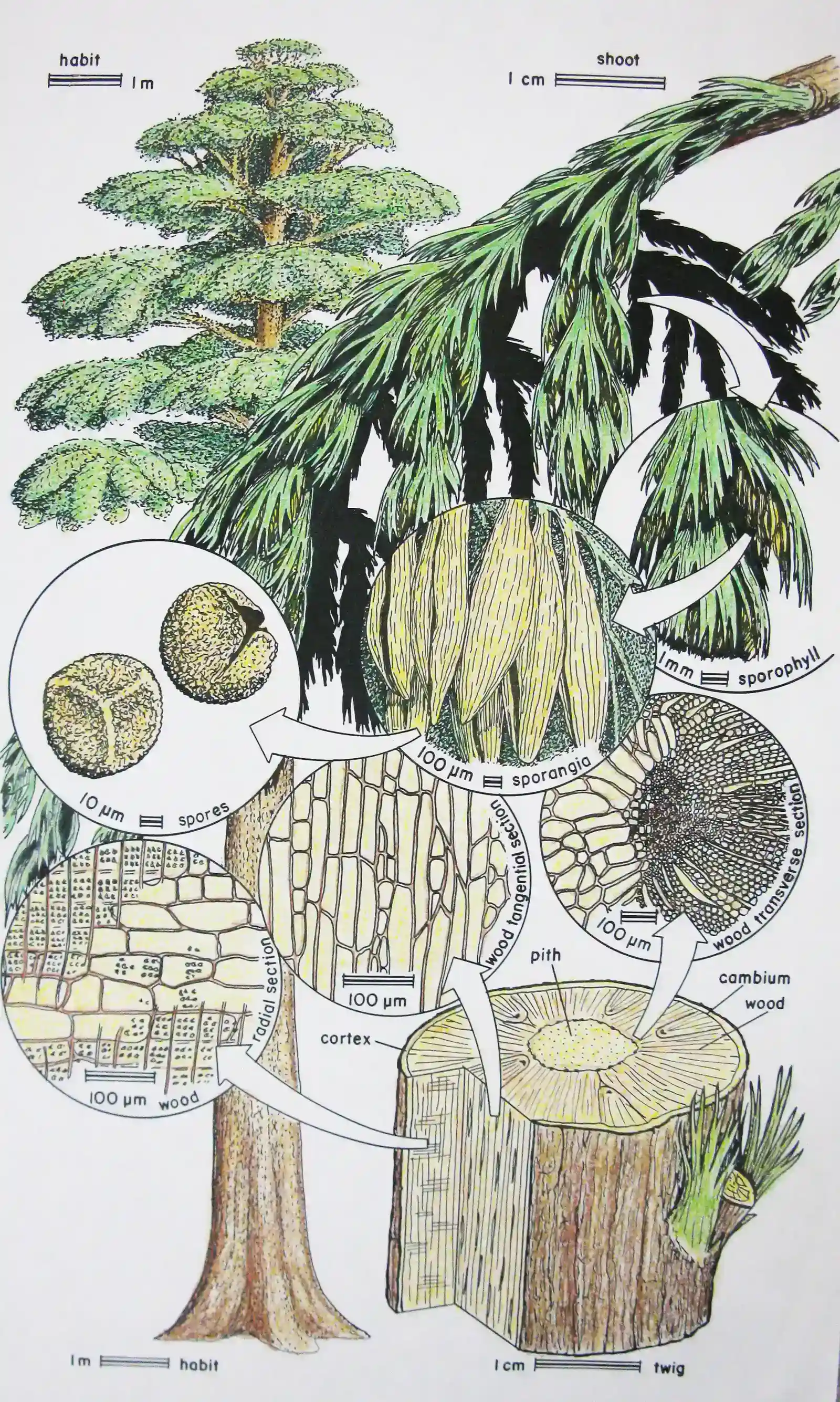
Sigillaria was a lycopodiophyte tree that grew in the late Carboniferous and became extinct 300 million years ago, reaching 100 feet tall with a twisted trunk 3 to 4 feet in diameter and long grass-like leaves growing in a spiral directly from its soft trunk. Rather than seeds, it reproduced by spores hanging down from stems in cone-like structures, and botanists think their trunks were covered in photosynthetic material, making Sigillaria probably green from bottom to top. Imagine an entire forest glowing green, photosynthesizing along every vertical surface.
When North America Was Underwater and Tropical
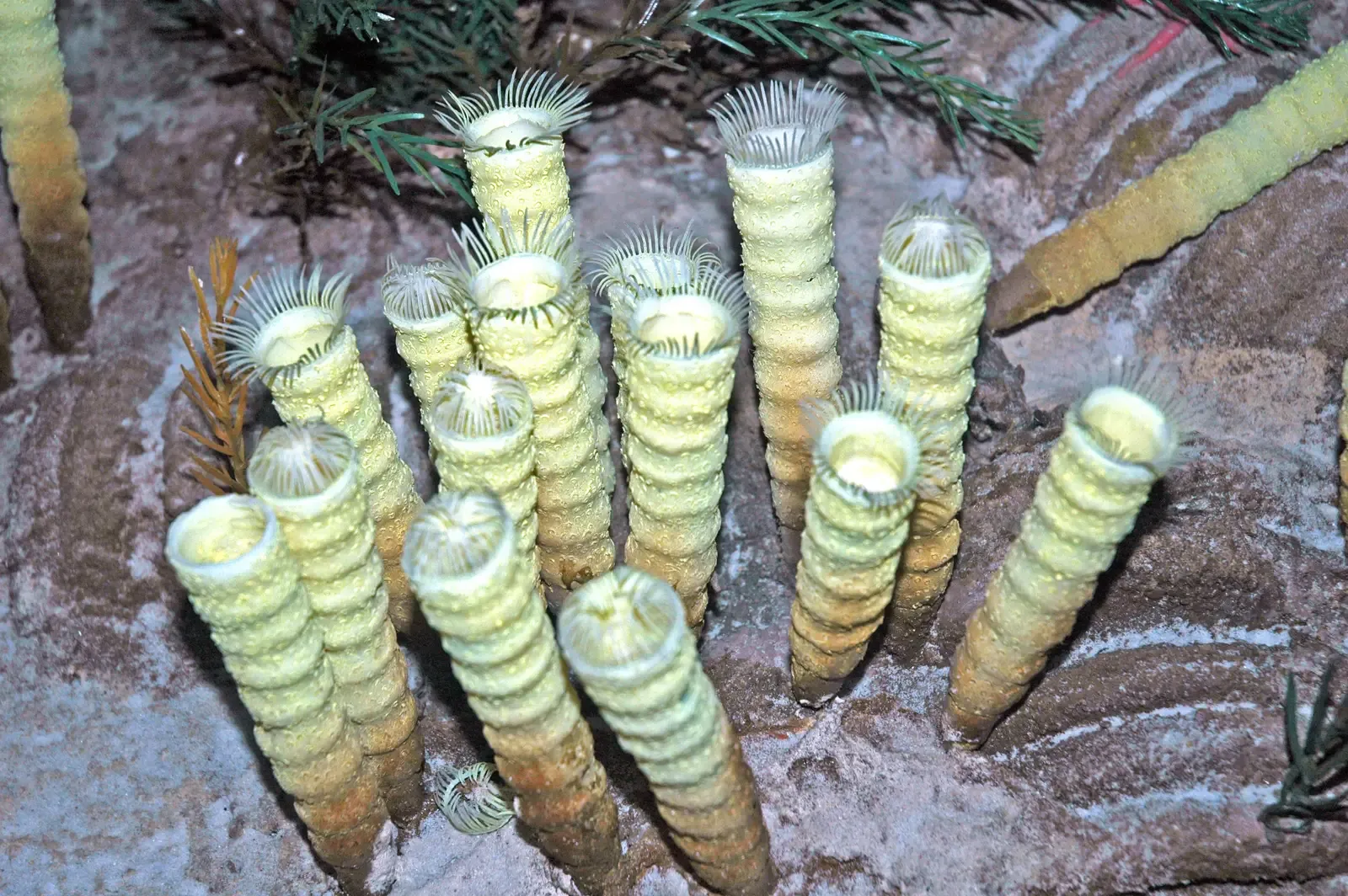
For much of the Devonian, the majority of western Laurussia (North America) was covered by subtropical inland seas which hosted a diverse ecosystem, with marine deposits particularly prevalent in the midwestern and northeastern United States. It’s hard to picture now, looking at Kansas or Ohio, but these places were basically warm, shallow ocean floors.
The Mississippian environment of North America was heavily marine with seas covering parts of the continent, and most Mississippian rocks are limestone composed of crinoid remains, lime-encrusted green algae, or calcium carbonate shaped by waves. The North American Pennsylvanian environment alternated between terrestrial and marine as seas advanced and retreated due to glaciation, and these conditions with vast plant material from extensive coal forests allowed coal formation. The landscape wasn’t stable. It was constantly shifting between swampy forest and shallow sea.
Prehistoric Flowering Trees Towering Over Dinosaurs
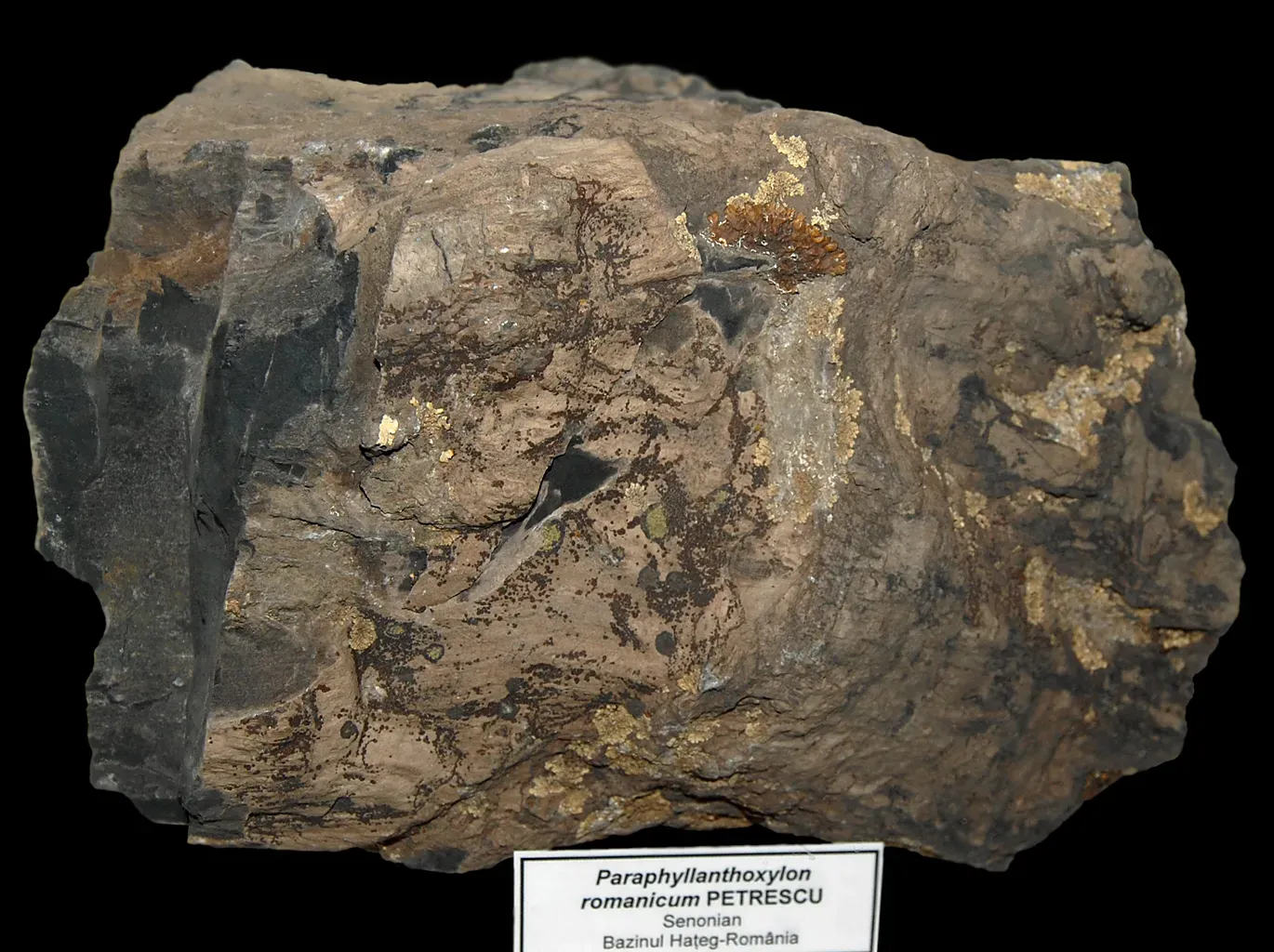
Fast forward to the age of dinosaurs, and things got even stranger. Research published in Science Advances presents the oldest evidence of large flowering trees in North America, with a record-breaking petrified log nearly six feet wide and 36 feet long, and researchers estimate the tree probably stood about 170 feet tall in life, making it twice as tall as Utah’s tallest living tree.
The fossil tree trunk probably belongs to Paraphyllanthoxylon, an ancient genus, and it lived and died a full 15 million years before the next oldest North American fossils of large flowering trees. Flowering plants arose about 135 million years ago, by a hundred million years ago smallish ones dominated some lowlands, and by about 75 million years ago there’s clear evidence of massive flowering trees, so around 90 million years ago angiosperms must have started reaching for the skies. These weren’t gradual changes. Evolution was sprinting.
The Forests Europeans Never Saw
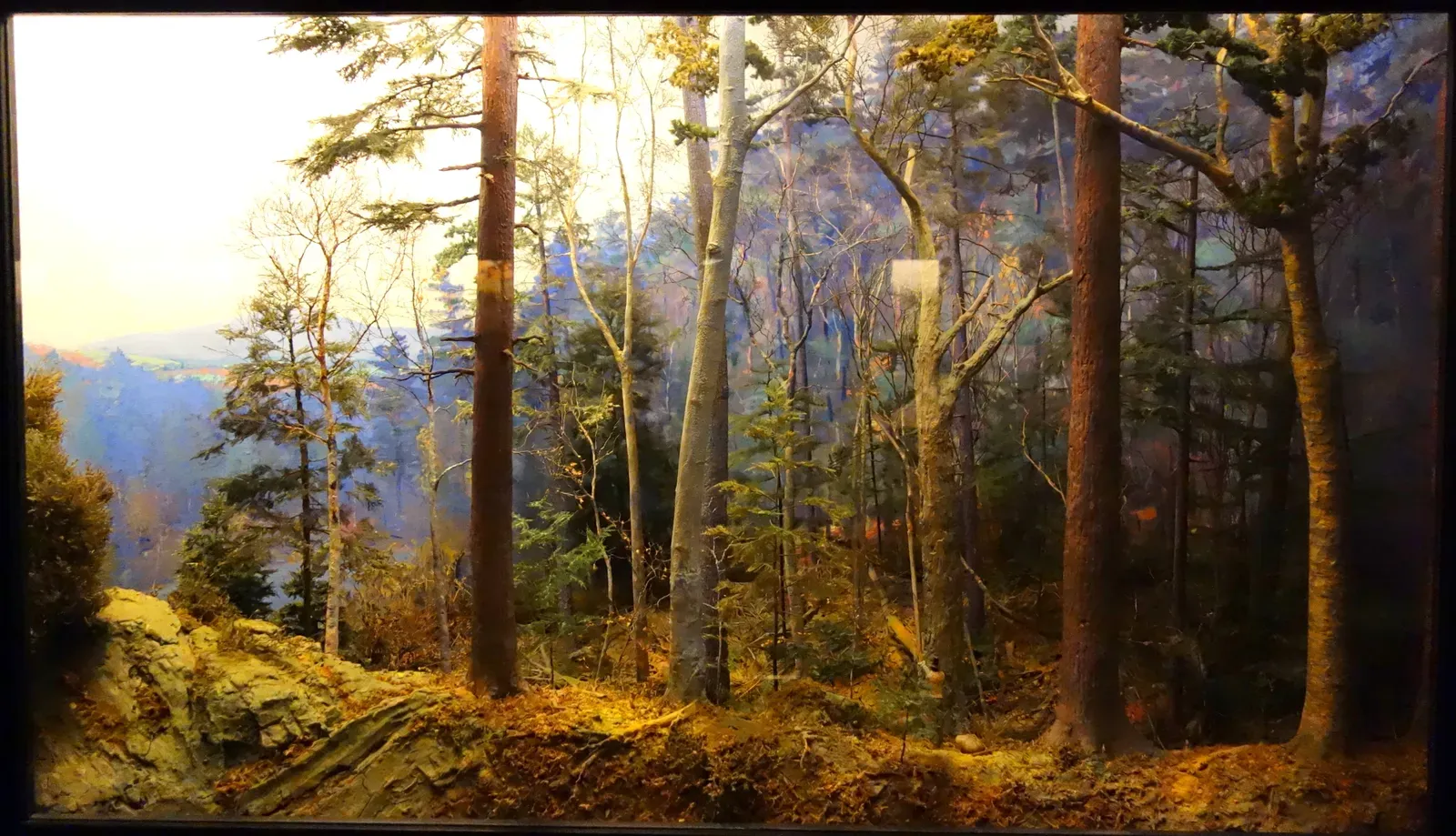
Let’s skip ahead to something closer to our time but still lost forever. Before Europeans arrived, American beech, red oak, and sweet birch trees shaded Conestoga Creek in Pennsylvania according to a study published in PLOS ONE, but some 300 years later those trees are gone, replaced mostly by box elder and sugar maple trees.
Trees found in the fossil layer that have since vanished from North America include the American chestnut, attacked by imported chestnut blight, and the three dominant tree species from the fossil forest leaves still exist today in the Northeast but in different proportions and places. Vegetation conditions European settlers observed were changing rapidly because of aboriginal depopulation, resulting in canopy closure and forest tree density increasing throughout the region. The forests colonists encountered weren’t pristine wilderness. They were already transforming, already in flux from human population collapse.
What We Lost and Why It Matters
The really humbling part about all this is how much has disappeared. Bald cypress are valuable for timber and have been heavily logged, with way less than 1 percent of original virgin bald cypress forests surviving. Researchers documented a stand of ancient bald cypress trees over 2,000 years old in forested wetlands of North Carolina, with scientists estimating one tree is at least 2,624 years old, making it the oldest known living tree in eastern North America.
Think about that. Trees that were already ancient when the Roman Empire fell are still out there, barely hanging on. Scientists say these ancient trees are valuable for reconstructing ancient climate conditions, with the oldest trees extending the paleoclimate record in the southeast United States by 900 years, showing evidence of droughts and flooding during colonial and pre-colonial times exceeding any measured in modern times. We’re not just losing trees. We’re losing living libraries of climate history, evolutionary adaptations, and ecological relationships that took millions of years to develop.
North America’s forests have always been in transformation, shifting with ice ages, volcanic eruptions, climate swings, and continental drift. The difference now is the pace. What took millions of years before is happening in centuries or decades. When you walk through any forest today, you’re seeing a snapshot, a single frame in an epic film that’s been playing for hundreds of millions of years. These ancient forests remind us that what feels permanent and unchanging is actually just a brief moment in geological time. Makes you wonder what forests might look like in another few million years, doesn’t it? Assuming we give them the chance to keep evolving.