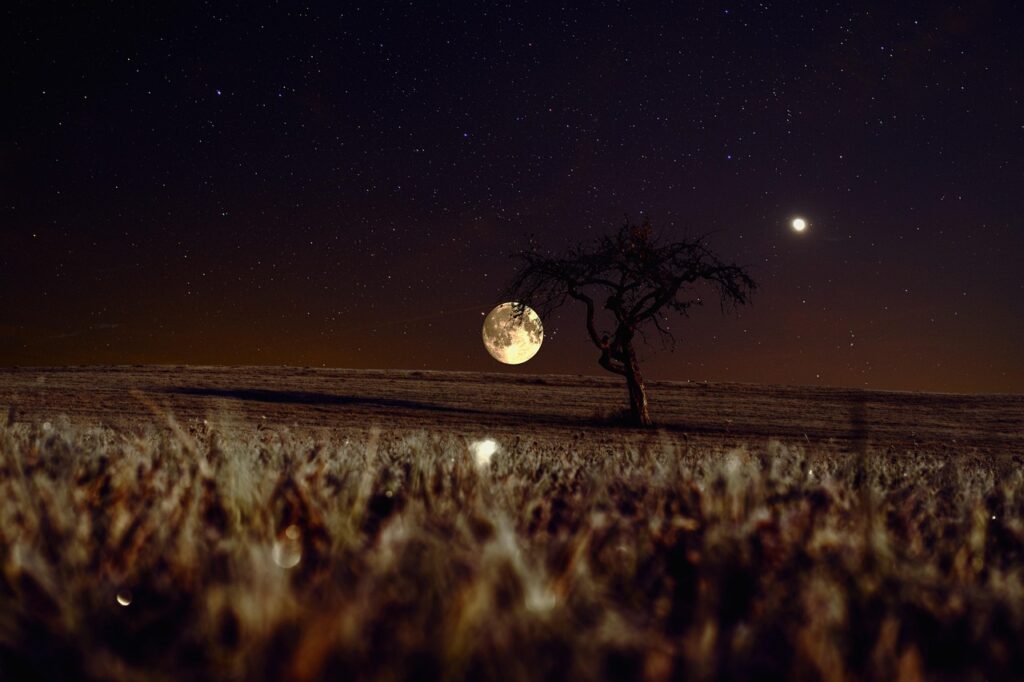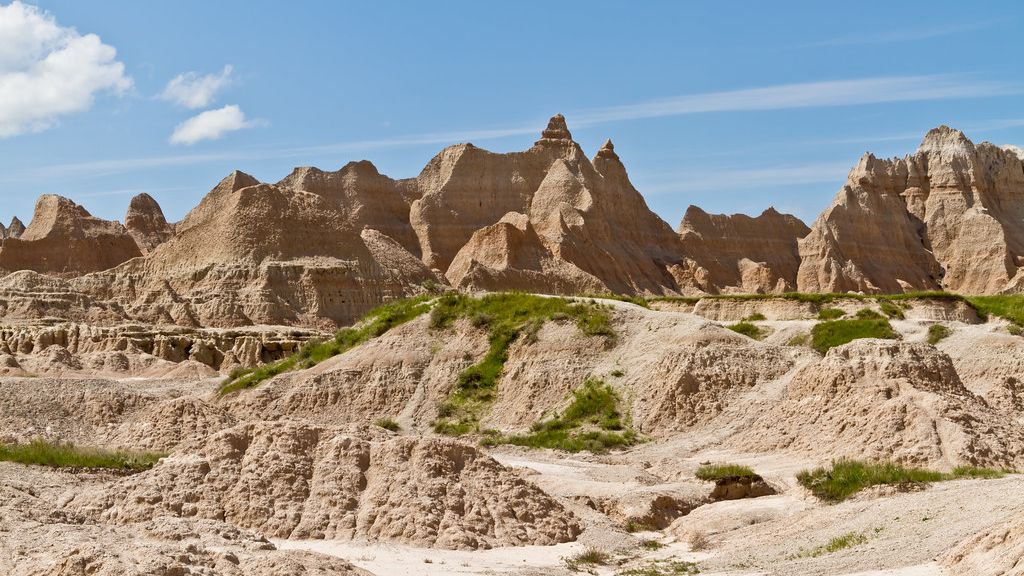
Have you ever wondered what North America looked like millions of years ago? Picture vast, shallow seas teeming with bizarre creatures, subtropical savannas roamed by ancient rhinos, and tar pits that trapped massive mammals during the Ice Age. The continent you’re standing on holds secrets from epochs so distant they challenge your imagination.
From the rugged badlands of Alberta to the urban heart of Los Angeles, fossil sites across North America serve as portals to vanished worlds. These aren’t just collections of old bones. They’re time capsules that reveal how life evolved, adapted, and sometimes vanished forever. So let’s get started on this journey through deep time.
Burgess Shale, British Columbia: A Window Into the Cambrian Explosion
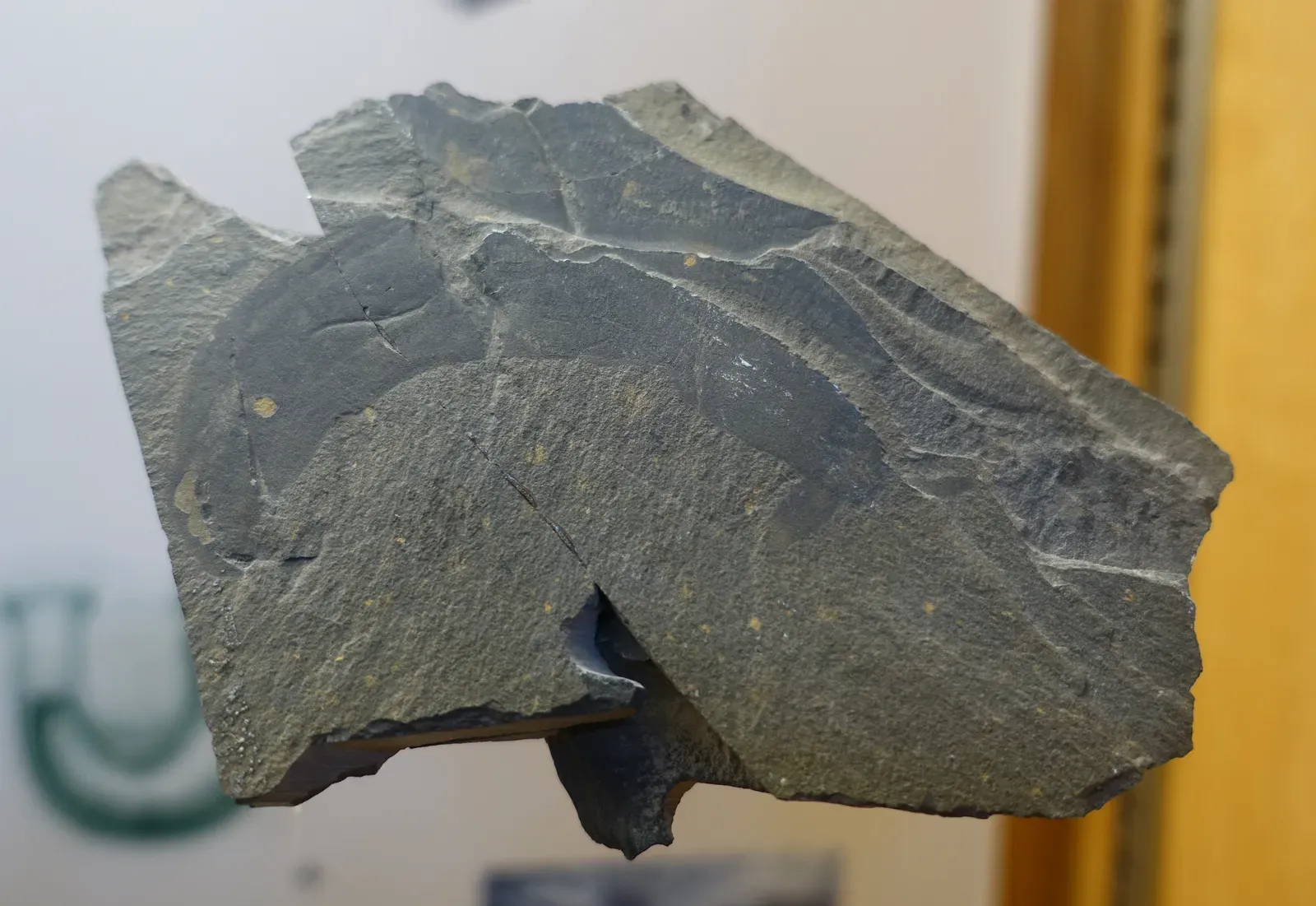
You’ll find these fossils pressed into layers of shale high in the Canadian Rockies, remnants from over 500 million years ago when this land was submerged beneath a shallow sea. Think about that for a moment. Mountains that now pierce the sky once lay beneath ancient ocean waters, and the creatures preserved there look nothing like modern animals.
The fossils here are famous for exceptional preservation, revealing fine details like eyes, brains, and internal organs. Imagine holding a fossil and seeing the delicate traces of a creature’s nervous system, frozen for half a billion years. Many animals had bizarre features, including Opabinia with five eyes and a vacuum-cleaner-like snout, and Hallucigenia, which was originally reconstructed upside down. These discoveries fundamentally changed how scientists understand the explosion of complex life on Earth.
Dinosaur Provincial Park, Alberta: The World’s Richest Dinosaur Graveyard
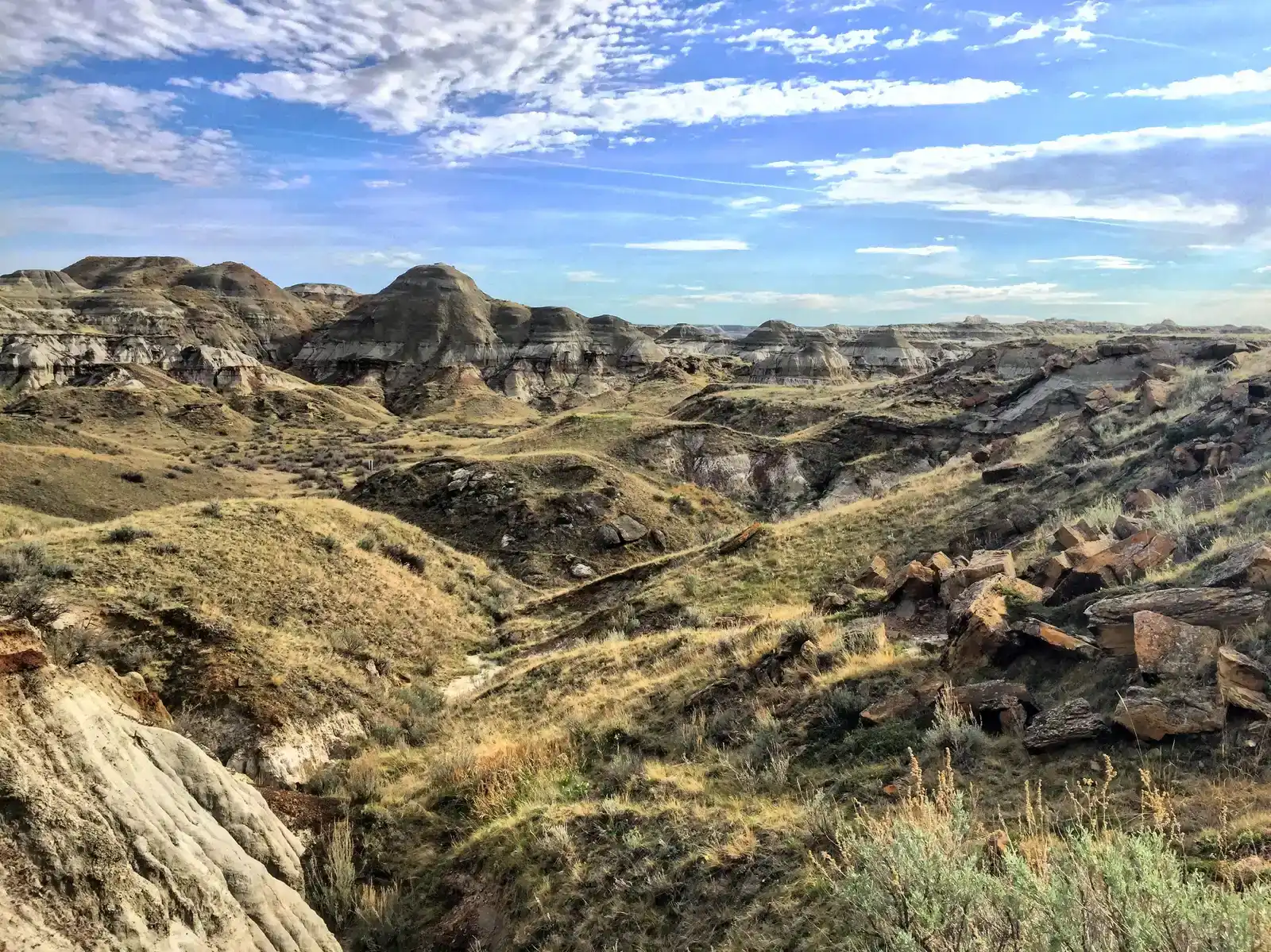
This site represents more than 44 species, 34 genera, and 10 families of dinosaurs dating back between 75 and 77 million years. Picture yourself walking through the badlands, where erosion continues to expose new specimens even today. The sheer density of fossils here is staggering.
These badlands stretch along 26 kilometers of virtually undisturbed riparian habitat, presenting a landscape of stark but exceptional natural beauty. Honestly, the landscape itself tells a story. The International Union of Geological Sciences recognized it as the world’s most abundant and diverse dinosaur locality, yielding more than 166 vertebrate taxa, including 51 species of non-avian dinosaurs. If you’re fascinated by the Age of Reptiles, this is your destination.
La Brea Tar Pits, California: An Ice Age Death Trap in Downtown Los Angeles
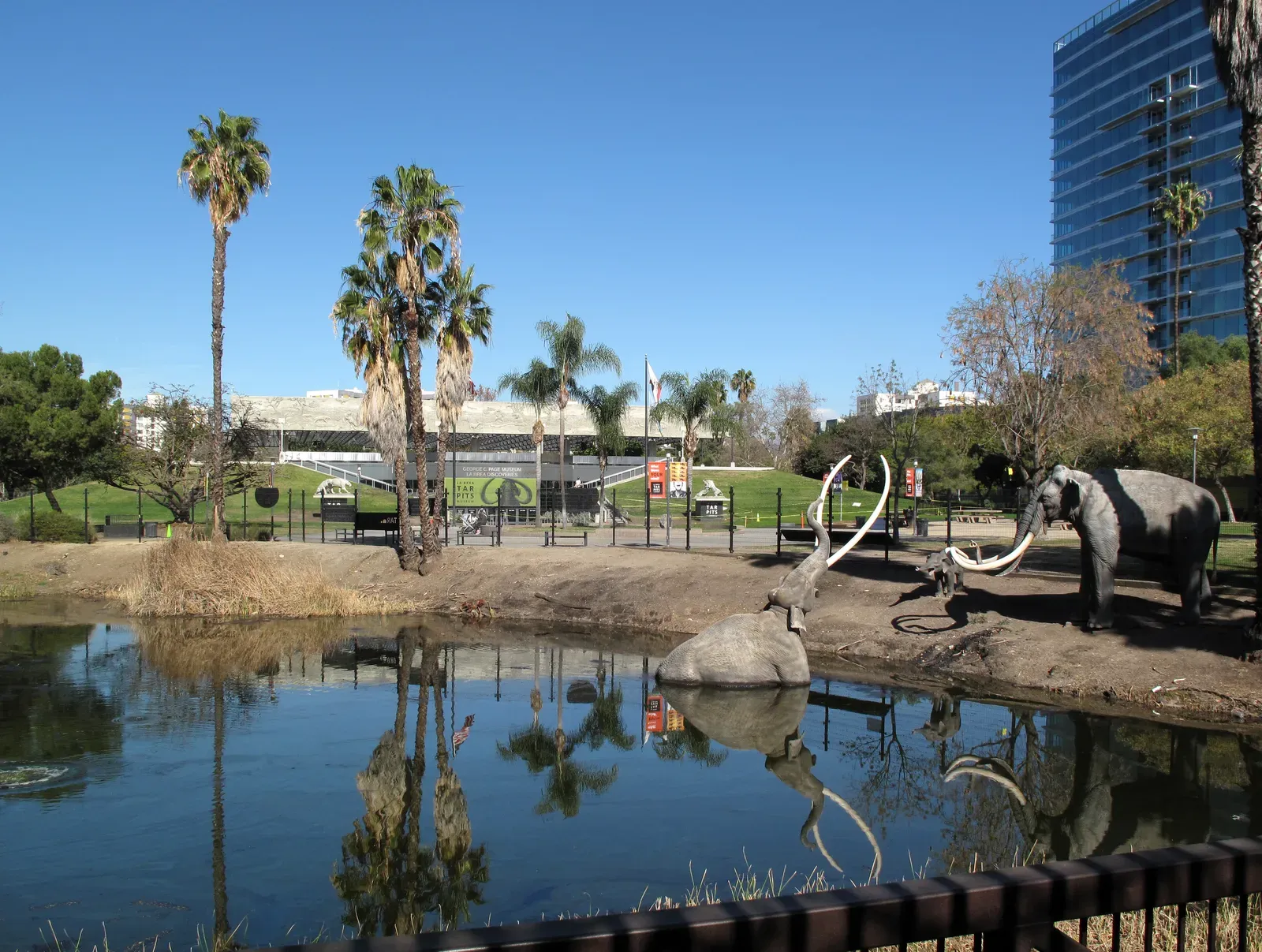
This site is the only actively excavated Ice Age fossil site found in an urban location in the world, where animals, plants, and insects were trapped in sticky asphalt over the last 50,000 years. Imagine walking down Wilshire Boulevard and stumbling upon pools of bubbling asphalt that still trap the occasional unfortunate bird or small mammal.
The tar pits contain one of the richest and best-preserved assemblages of Pleistocene vertebrates, including at least 59 species of mammal and over 135 species of bird. Here’s the thing that makes La Brea truly bizarre: about 90 percent of the mammal fossils represent carnivores, the opposite of what you’d expect in a normal ecosystem. Why? Predators and scavengers were drawn to trapped prey, only to become victims themselves. The site was recognized as the richest paleontological site on Earth for terrestrial fossils of late Quaternary age.
Dinosaur National Monument, Utah and Colorado: Jurassic Giants Embedded in Stone
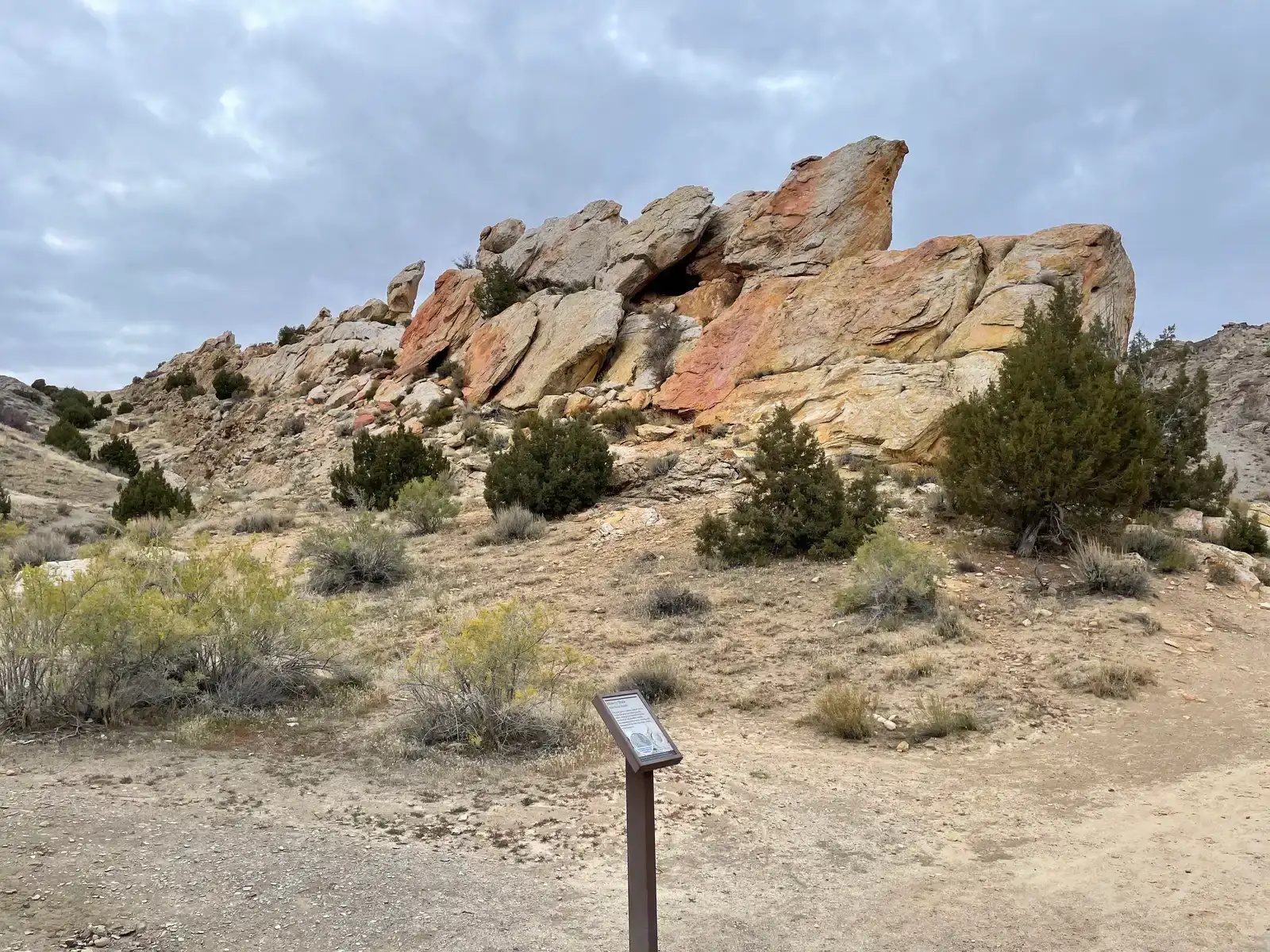
This is one of the best places in the world for people to see dinosaur fossils in situ. You’re not looking at museum displays here. You’re standing before a massive rock face where dinosaur bones remain embedded exactly as they were deposited millions of years ago.
The Quarry Exhibit Hall displays over 1,500 exhibits, including dinosaurs embedded in rock faces, mainly from the Jurassic period with bones from Allosaurus, Apatosaurus, Camarasaurus, Diplodocus, and Stegosaurus. Walking into that exhibit hall is like stepping into a Jurassic graveyard frozen in time. The sheer scale of the bone wall overwhelms your senses. The Morrison Formation here has yielded numerous exceptionally well-preserved dinosaur remains from Stegosaurus to Diplodocus.
Badlands National Park, South Dakota: Ancient Mammals of the Great Plains
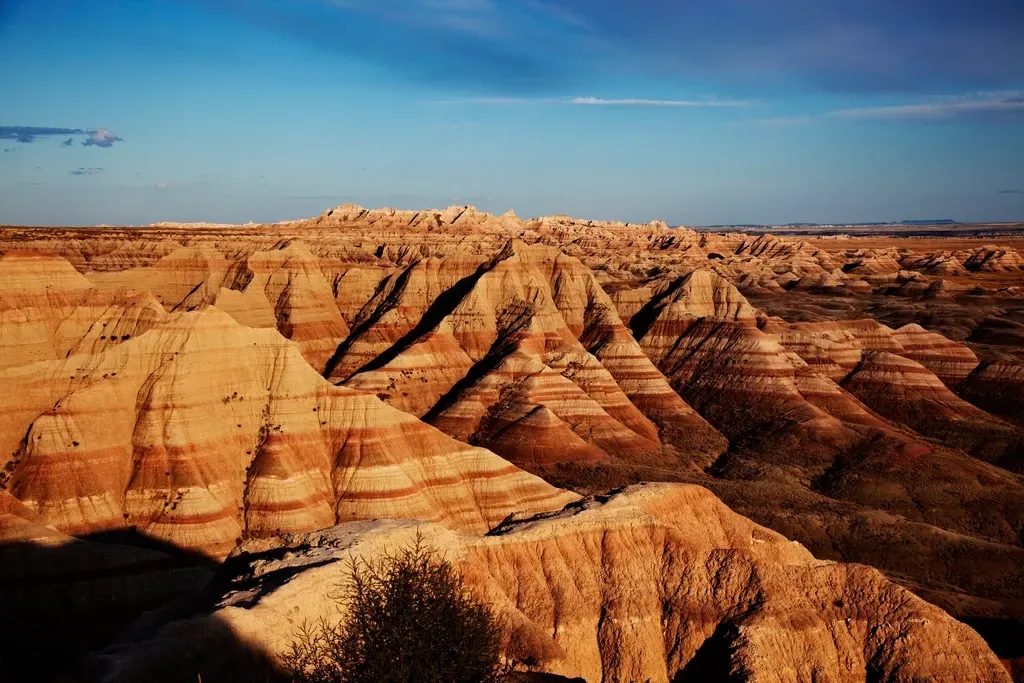
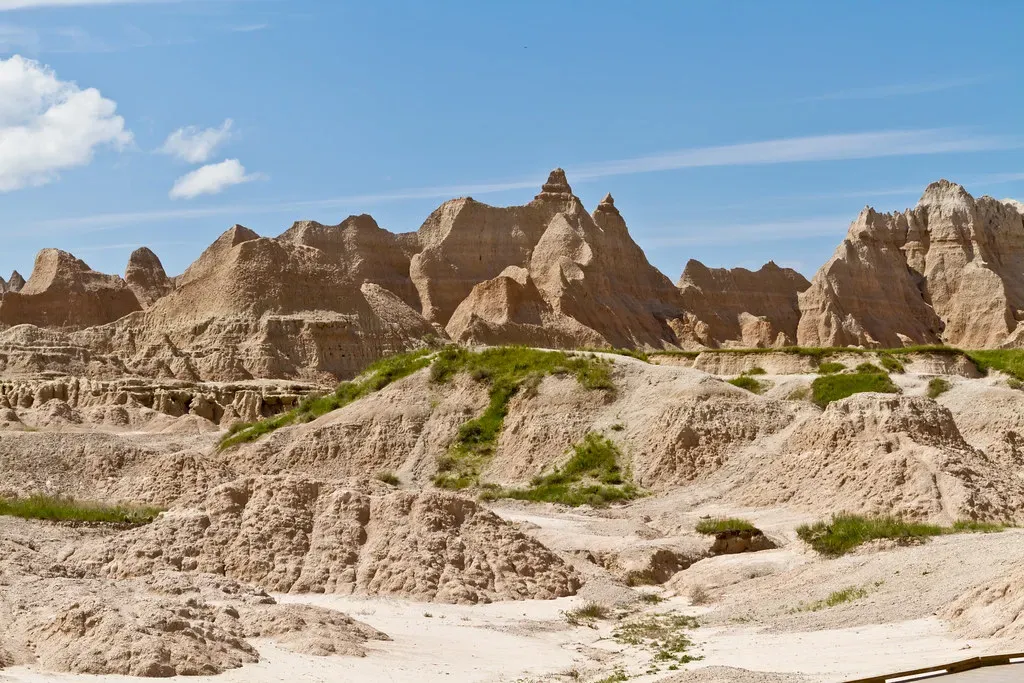
Badlands National Park contains deposits of one of the world’s richest fossil beds where ancient mammals such as rhinos, horses, and saber-toothed cats once roamed. Let’s be real, the word “badlands” doesn’t do justice to this otherworldly landscape of layered rock formations and dramatic spires.
Hidden amid the geologic formations are some of the country’s best-preserved fossils, including undersea mosasaurs from the Western Interior Seaway, grazing mammals like oreodonts from the Middle Eocene plains, and the eight-foot tall brontotheres. Think about what this tells you. This arid landscape was once underwater, then transformed into subtropical plains teeming with strange mammals you’ve never heard of. The fossil record here spans millions of years of transformation.
John Day Fossil Beds, Oregon: Forty Million Years of Evolutionary Change
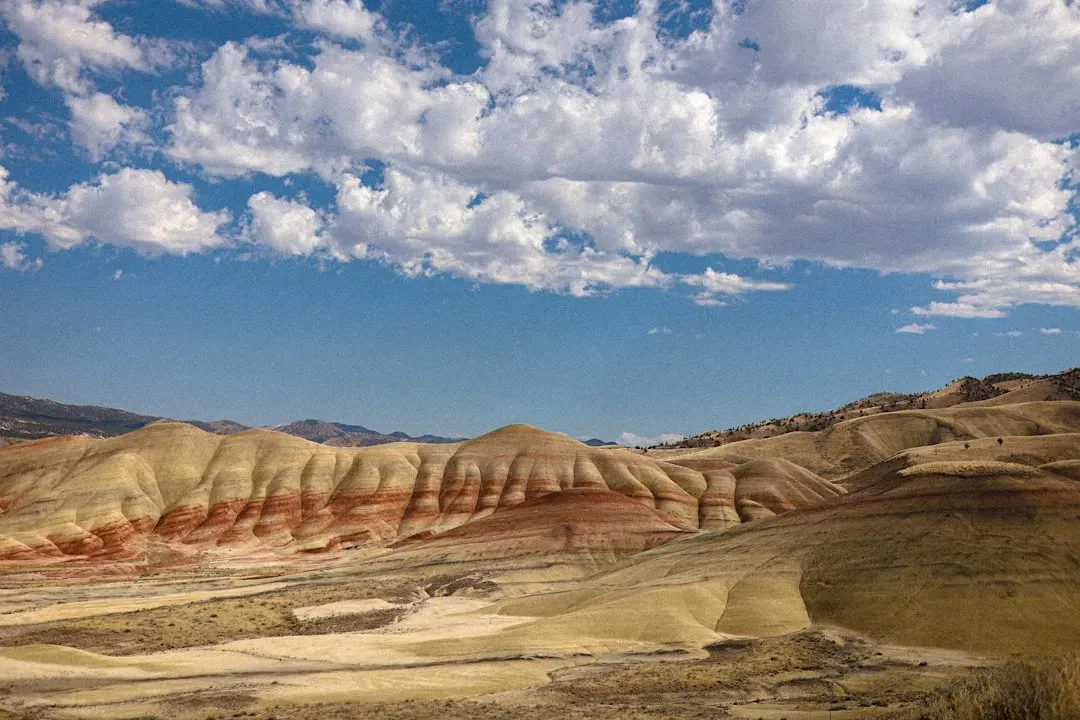
John Day Fossil Beds National Monument protects one of the longest and most continuous records of evolutionary change in North America. The fossils here span more than 40 million years, providing an incredibly detailed record of how ecosystems transformed over time.
The Clarno Assemblage dates from when Central Oregon was humid and semitropical with ten-foot-long crocodiles, while the Rattlesnake assemblage recalls when saber-tooth cats roamed a desert landscape almost forty million years later. You can literally watch climate change unfold through the rock layers. The Thomas Condon Paleontology Center contains 40,000 fossils, offering you a comprehensive look at this remarkable span of geologic time.
Ashfall Fossil Beds, Nebraska: Prehistoric Pompeii of the Great Plains
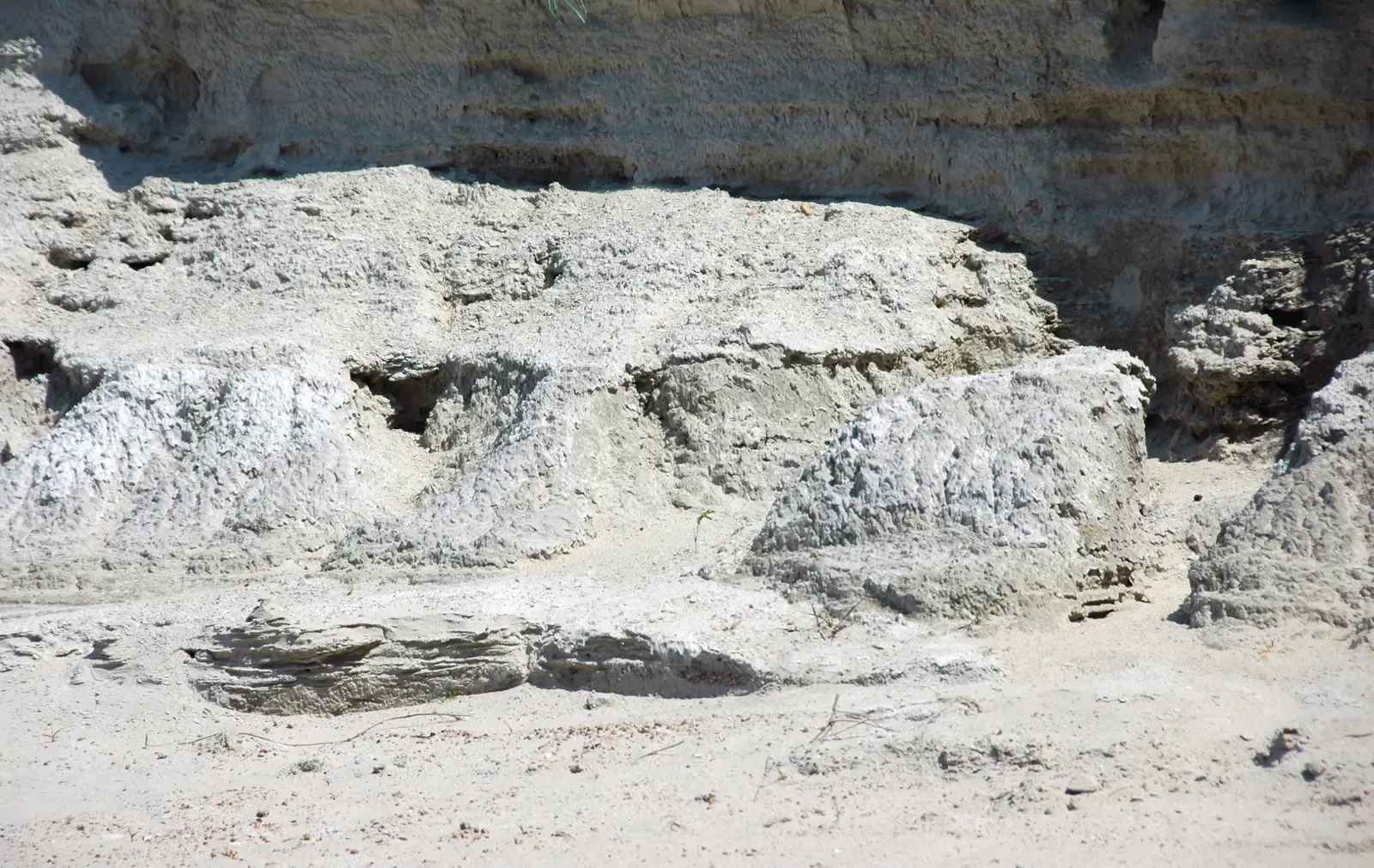
Nearly 12 million years ago, volcanic ash engulfed this ancient watering hole, entombing innumerable animals, earning it the nickname “Pompeii of prehistoric animals” from National Geographic. The preservation here is almost unbelievable.
A large number of very well-preserved Teleoceras, small three-toed and one-toed horses, camels, and birds have been excavated, with many animals preserved with articulated bones; one rhino still bears her unborn fetus. The volcanic eruption happened so suddenly that animals at the waterhole had no chance to escape. The 17,500-square-foot pavilion lets you observe as paleontologists carry out excavations exactly where the fossilized remains lie preserved, with walkways affording close-up views of paleontologists at work.
Florissant Fossil Beds, Colorado: Ancient Insects and Butterfly Discoveries
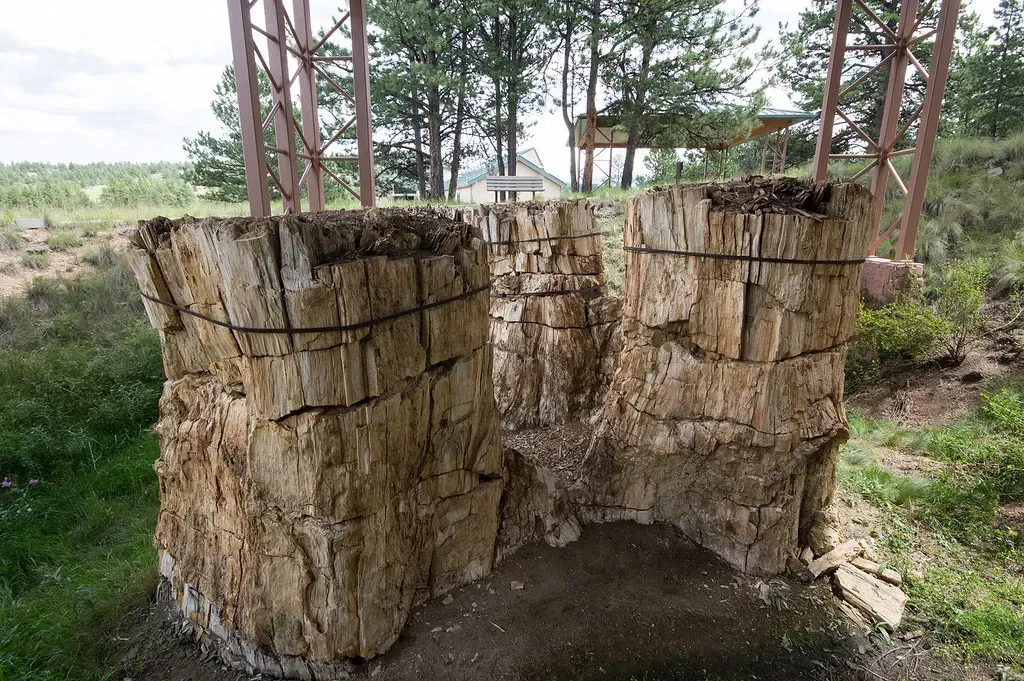
The Florissant Fossil Beds in Colorado are renowned for having the richest and most diverse fossil beds in the entire world. When people think of fossils, they often imagine massive dinosaurs or giant mammals, but this site tells a different story about smaller life forms.
More than 1,700 species have been found in the fossil beds over 160 years, including remains of the brontothere and the first fossilized butterfly found in North America. The level of detail preserved in these fossils is extraordinary. Colorado is well-known for some of the most diverse fossil sites in the world, and here more than 1,700 species from the Cenozoic Era have been discovered, including the Brontothere, a rhinoceros-like animal, and the first fossilized butterfly in North America. You can see the delicate wing patterns of insects that lived tens of millions of years ago.
Fossil Butte National Monument, Wyoming: America’s Aquarium in Stone
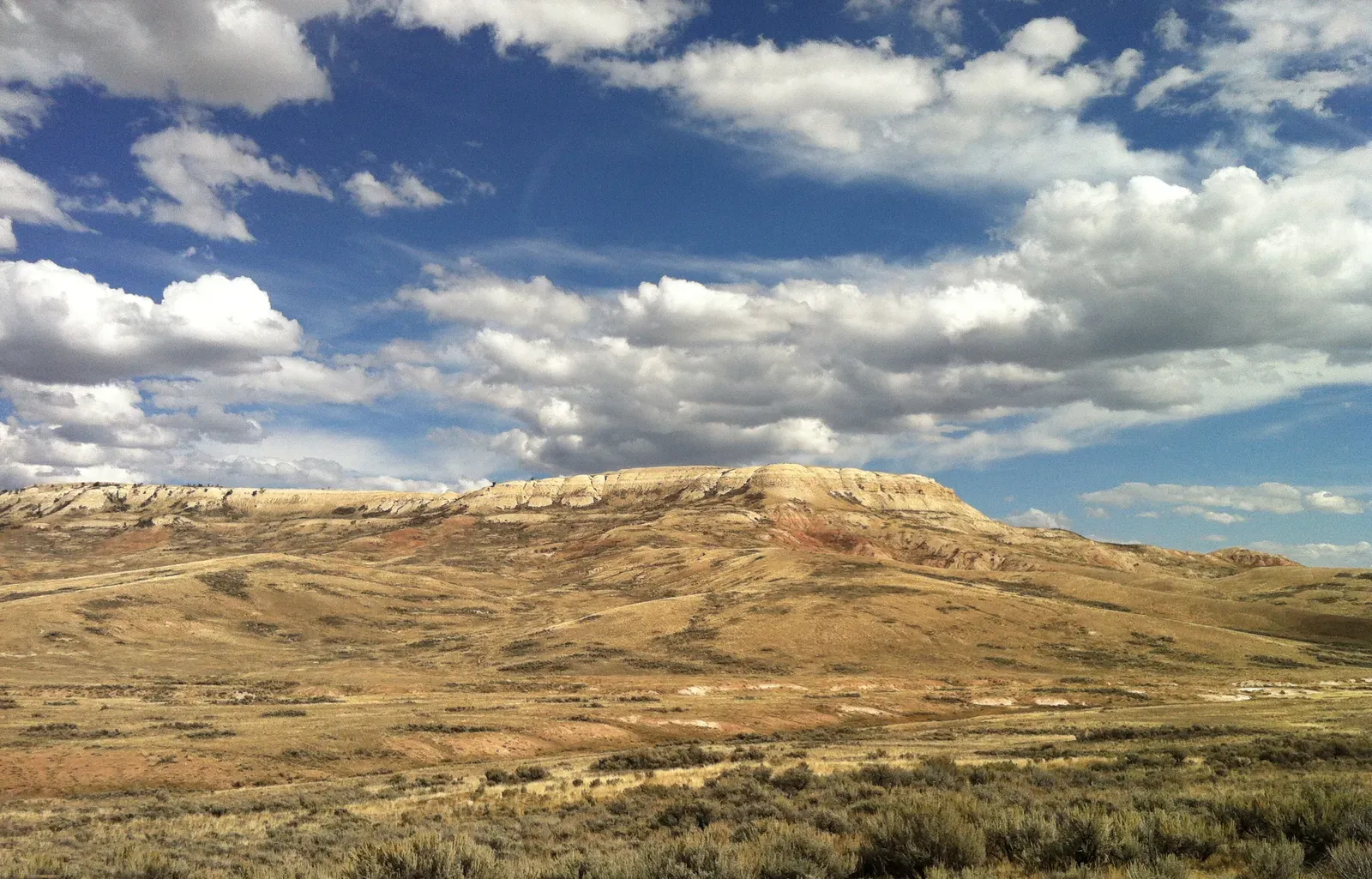
Nicknamed “America’s Aquarium in Stone,” Fossil Butte National Monument is home to some of the best-preserved fossils of their kind. More than 50 million years ago, a massive lake covered this region, and what happened next created a fossil treasure trove.
In what is now called the Green River Formation, millions of fish, plants, and insects were buried under volcanic ash and have slowly fossilized for visitors to see today. The fish fossils here show such incredible detail that you can see individual scales and fin rays. Millions of years ago, this site was underneath a giant lake called Fossil Lake, which was home to a variety of creatures from now-extinct freshwater stingrays to ancient fish and horse-like animals. It’s hard to imagine Wyoming as a subtropical lake ecosystem, yet the evidence is right there in the stone.
Hagerman Fossil Beds, Idaho: The Story of Ancient Horse Evolution
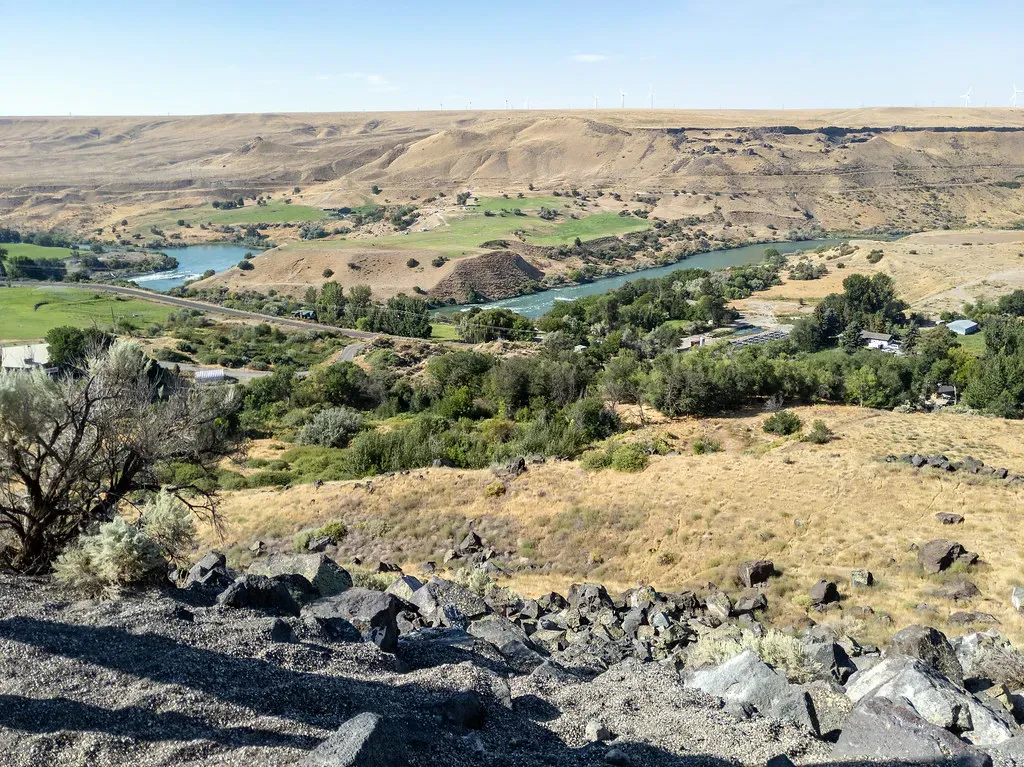
Hagerman Fossil Beds National Monument is one of the most important localities in North America for fossils that provide information about horse evolution, with fossils of more than 200 individuals of the Hagerman Horse. This species is more closely related to modern zebras than to the horses you see today.
The monument also contains fossils of at least 140 other species that lived during the Pliocene between about four and three million years ago, making it one of the most important Pliocene fossil sites in the world. Scientists can track the evolution of horses through millions of years by studying these fossils. Paleontologists consider Hagerman one of the most important sites in the world for the fossil history of horses. The concentration of specimens from a single time period provides an unparalleled snapshot of Pliocene life.
Exploring North America’s Prehistoric Legacy
Each of these ten fossil sites offers you something unique, whether it’s the alien marine creatures of the Burgess Shale or the tragic tableau of Ice Age mammals trapped at La Brea. These aren’t just tourist attractions. They’re active research sites where scientists continue making discoveries that rewrite what we thought we knew about ancient life.
The fossils at these locations connect you to worlds that existed long before humans walked the Earth. They remind you that the continent beneath your feet has been home to countless ecosystems, climate shifts, and evolutionary experiments over hundreds of millions of years. Which of these ancient worlds would you most want to visit? The choice reveals something about your own curiosity and wonder at the mysteries still locked in stone.