
Have you ever wondered what our ancient ancestors were really capable of? For decades, researchers believed early humans were simple, nomadic wanderers with rudimentary skills. That entire narrative just got turned on its head. Recent discoveries of wooden tools and structures dating back hundreds of thousands of years are forcing scientists to completely rethink what they thought they knew about human evolution. The finds are so extraordinary that even seasoned archaeologists are admitting they’re stunned by what’s emerging from the earth.
Let’s be real, wood doesn’t exactly have a reputation for sticking around. It rots, it decomposes, it vanishes without a trace in most environments. Yet somehow, against all odds, a handful of wooden artifacts have survived to tell us an incredible story about our distant relatives. So let’s dive in.
The Greek Discovery That Rewrote History Books

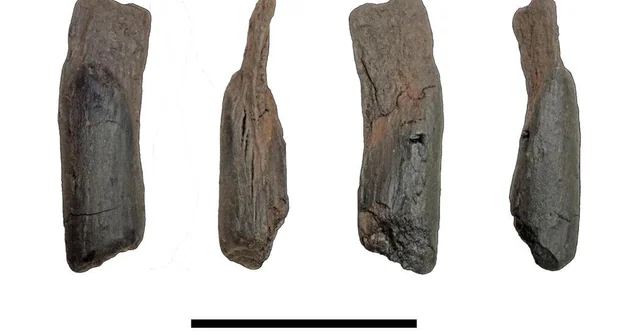
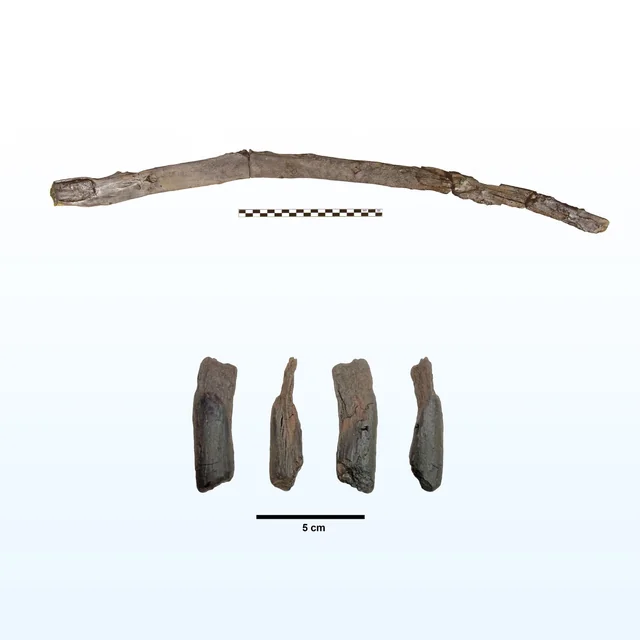
In early 2026, researchers in Greece uncovered the earliest known hand-held wooden tools, used by early human ancestors around 430,000 years ago. The discovery happened at an archaeological site in the Megalopolis Basin, a place that’s quickly becoming one of the most important locations for understanding human evolution. One tool is made from the trunk of an alder tree and could have been used for digging, and the other is a small willow or poplar artifact that may have been used to shape stones.
Honestly, imagine holding a stick that someone crafted nearly half a million years ago. Wood rots so quickly, and such tools are only preserved in specific environments like in ice, caves or underwater. The newest tools, found in Greece’s Megalopolis basin, were possibly buried quickly by sediment and preserved by a wet environment over time. The fact that these survived at all is nothing short of miraculous.
Why Everyone Missed Wooden Tools Until Now

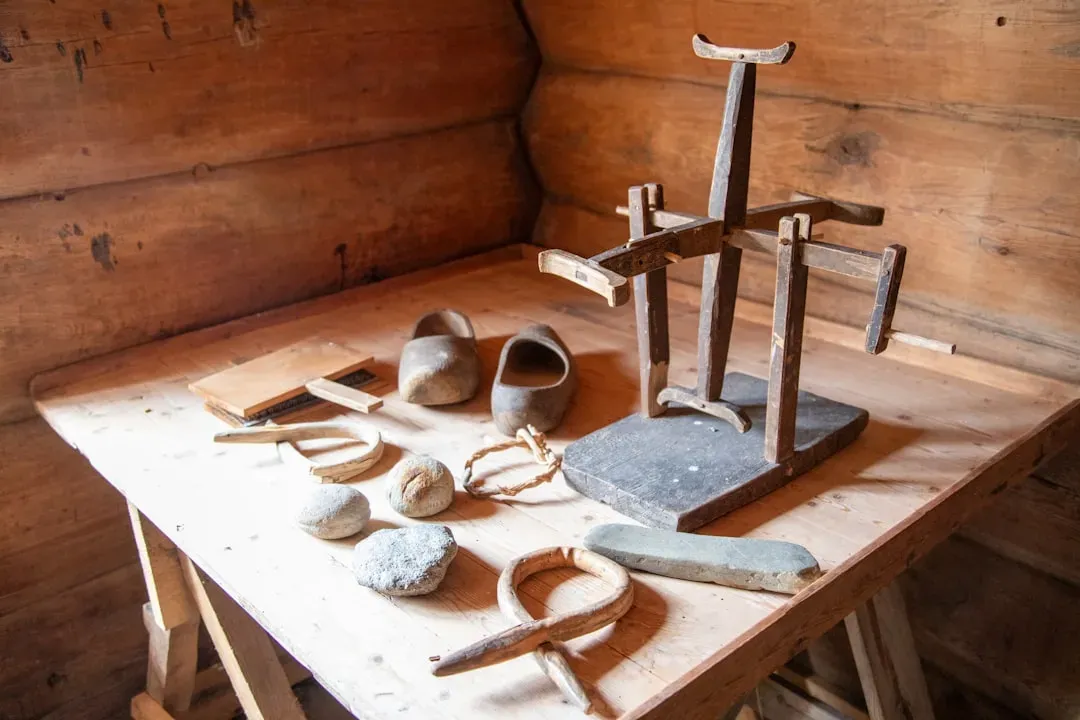
Think about every museum you’ve ever visited showcasing ancient human history. Stone tools everywhere, right? Scientists think ancient humans wielded a whole litany of tools made from stone, bone and wood, but it’s particularly difficult to find evidence of wooden tools today because wood rots so quickly. The archaeological record has been deeply biased toward what survives, not what was actually used most often.
Here’s the thing: wooden tools might have been far more common than stone ones. Archaeologists believe that wooden tools were potentially even more common than stone tools in the Stone Age, although due to rapid decay of wood in soil, archaeologists could not find such tools. We’ve been looking at history through a distorted lens this entire time, seeing only what nature allowed to persist rather than what our ancestors truly relied upon.
The Mind-Blowing Structure from Zambia
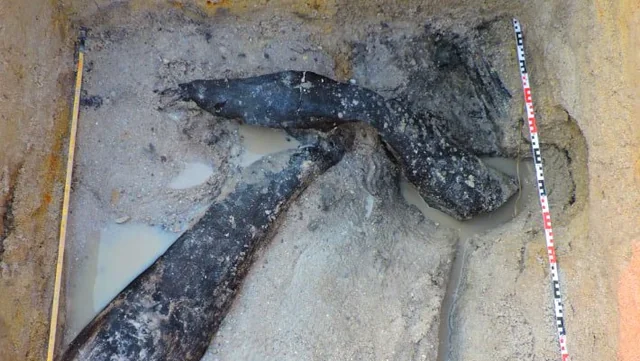
Now, if you think hand-held tools are impressive, wait until you hear about what was found in Zambia. The Kalambo structure, discovered at the site of Kalambo Falls, Zambia, is currently the oldest known wooden structure, determined through luminescence dating to be at least 476,000 years old, predating Homo sapiens. Let that sink in for a moment. This structure is older than our entire species.
The structure includes two preserved interlocking logs joined transversely by an intentionally cut notch, with the upper log having been shaped and tool marks found on both logs. The structure probably would have been part of a wooden platform used as a walkway, to keep food or firewood dry or perhaps as a base on which to build a dwelling. It’s not just random pieces of wood. This was deliberate construction, showing planning and foresight that we didn’t think these ancient humans possessed.
The Preservation Miracle Nobody Expected
You’re probably wondering how something wooden could possibly survive for nearly half a million years. The answer lies in the unique conditions at Kalambo Falls. Wood is rarely found in such ancient sites as it usually rots and disappears, but at Kalambo Falls permanently high water levels preserved the wood. The waterlogged environment created a protective bubble, shielding the wood from oxygen that would normally cause decay.
The wet conditions at Kalambo Falls are ideal for preserving wood because waterlogged sediment prevents decomposition, and over time, the wood also absorbs minerals dissolved in the water, making it even more durable. It’s almost like nature created its own time capsule. Without these specific conditions, we’d never know this structure existed. Makes you wonder what else has been lost to time.
The Species Mystery Nobody Can Solve
Here’s where it gets really interesting. Human remains haven’t been found at the site yet, so it’s not yet clear who used the tools, and the owners could have been Neanderthals, early human ancestors or someone else. The structure predates Homo sapiens by a massive margin, so we’re talking about a different branch of the human family tree entirely.
Species that might be candidates for making the structure include Homo heidelbergensis or a species similar to Homo naledi, among others. The complexity of what was built suggests these ancient hominins had cognitive abilities we seriously underestimated. The complexity of the structure suggests the people who made it were cognitively sophisticated and were able to make and execute a complex plan, something that likely required the use of language. Language. Planning. Engineering. These weren’t the simple-minded cave dwellers we imagined.
Challenging Everything We Thought About Nomadic Life

For decades, textbooks taught us that Stone Age humans were constantly on the move, following food sources and never settling down. This discovery flips that assumption completely. This discovery challenges the prevailing view that Stone Age humans were nomadic. Why would you build a permanent structure if you’re just going to leave?
At Kalambo Falls these humans not only had a perennial source of water, but the forest around them provided enough food to enable them to settle and make structures. They found a good spot and they stayed. The discovery could indicate that the hominins who lived at Kalambo Falls may have had a settled lifestyle, which could challenge the prevailing view that Stone Age hominins had a nomadic lifestyle. This changes our entire understanding of early human behavior and social organization.
The Sophisticated Woodworking Techniques That Stunned Experts
The level of skill displayed in these artifacts is genuinely shocking to researchers. The notch in the upper log shows evidence of having been made through scraping and adzing, with fire use also hinted at by infrared spectroscopy. They weren’t just hacking at wood randomly. They were using multiple techniques, possibly even controlled fire, to shape the material precisely.
The finds show an unexpected early diversity of forms and the capacity to shape tree trunks into large combined structures. Think about what that means. These ancient humans understood material properties, had developed multiple tool-making strategies, and could envision a final product before they even started working. That’s abstract thinking at a level we didn’t believe existed this far back in time.
What This Means for Human Evolution

These discoveries are forcing a complete re-evaluation of human cognitive development. In the past, some scientists considered the minds of early hominins to have been more limited compared to those of modern humans, believing technology and culture improved in sophistication as human brain size increased. That linear progression model just doesn’t hold up anymore.
These new data not only extend the age range of woodworking in Africa but expand our understanding of the technical cognition of early hominins, forcing re-examination of the use of trees in the history of technology. We’ve been underestimating our ancestors for generations. Despite the fact that brain sizes have increased over time, those who came before us had an impressive understanding of the materials around them and cared for their surroundings, with the intentionally-shaped wood construction illustrating design, technology and creativity. They were problem solvers, innovators, and builders. Just like us, really.
Conclusion

The oldest wooden tools and structures ever discovered are rewriting everything we thought we knew about early humans. From the 430,000-year-old hand tools in Greece to the astonishing 476,000-year-old wooden structure in Zambia, these finds reveal ancestors far more sophisticated than anyone imagined. They shaped wood with precision, built permanent structures, possibly used language to coordinate complex tasks, and demonstrated cognitive abilities that rival our own in creativity and planning.
What makes these discoveries even more remarkable is how much we’ve likely missed. For every wooden artifact that survived in perfect waterlogged conditions, thousands more have vanished without a trace. The story of human evolution isn’t just written in stone. It’s carved in wood, hidden in mud, waiting beneath waterfalls, and preserved in the rarest of circumstances.
Next time you pick up a stick or admire a wooden object, remember: your ancestors were masters of this material nearly half a million years ago. Makes you wonder what other secrets are still buried out there, doesn’t it? What do you think our ancestors were truly capable of? Tell us in the comments.