Imagine standing at the edge of a frozen continent, 20,000 years ago, looking into an unknown wilderness stretching endlessly before you. No maps, no roads, no written directions. Just instinct, survival, and the remarkable human drive to keep moving forward. That is the essence of the story we are about to explore together.
The migrations and journeys of early American tribes are among the most layered, astonishing, and deeply human stories ever told. You might think you already know the basics, but honestly, the more you dig in, the more surprising it gets. So let’s dive in.
The First Arrivals: Crossing Into an Unknown World
Here is the thing about the story of the first Americans. It is far older and far more complicated than you were likely taught in school. Archaeological and genetic evidence shows that people have been in the Americas for at least 23,000 years, and possibly as long as 30,000 years, a timeline that echoes American Indians’ own oral histories that their ancestors have lived on these lands since time immemorial.
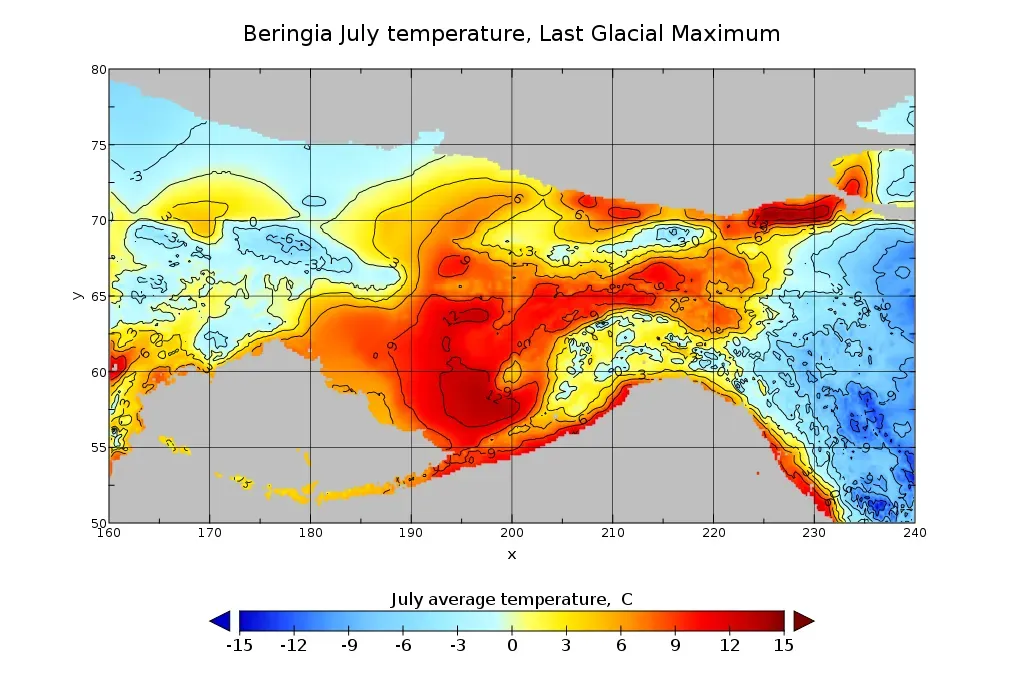
The most widely accepted theory is the Beringia theory, which suggests that people from Siberia crossed a land bridge to Alaska between 18,000 and 15,000 BCE when sea levels were lower during the Ice Age, and genetic evidence supports this timeline, showing Siberian and Amerindian lineages diverged about 20,000 years ago. Think of it like this: Beringia was not a narrow footbridge. It was a massive, ice-age landmass stretching hundreds of miles, and crossing it was less of a single dramatic event and more of a slow, generational drift. Over thousands of years, entire communities were reshaping themselves just by following the animals they depended on.
Not One Wave, But Many: The Genetics of Ancient Migration
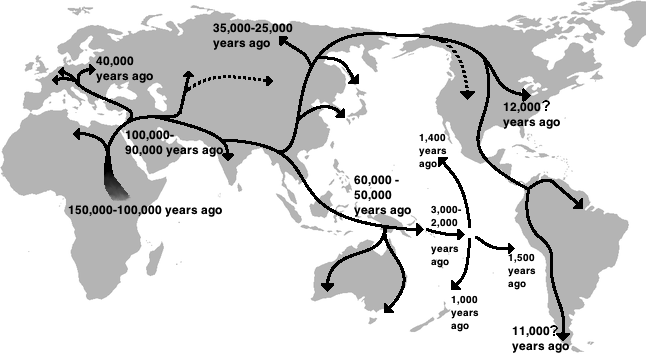
You might assume all Indigenous Americans arrived in one great migration. That would be simpler, sure. But the science tells a richer story. Scientists have found that Native American populations, from Canada to the southern tip of Chile, arose from at least three migrations, with the majority descended entirely from a single group of First American migrants more than 15,000 years ago, who crossed through Beringia, the land bridge between Asia and America that existed during the ice ages.
By studying variations in Native American DNA sequences, an international research team found that while most Native American populations arose from the first migration, two subsequent migrations also made important genetic contributions, with the second and third migrations leaving their impact only in Arctic populations that speak Eskimo-Aleut languages and in the Canadian Chipewyan who speak a Na-Dene language. This is fascinating when you consider it. You are looking at layers of humanity, like geological strata, each one deposited by a different wave of people crossing into a new world.
The Coastal Route Theory: Arriving by Sea, Not Just Land
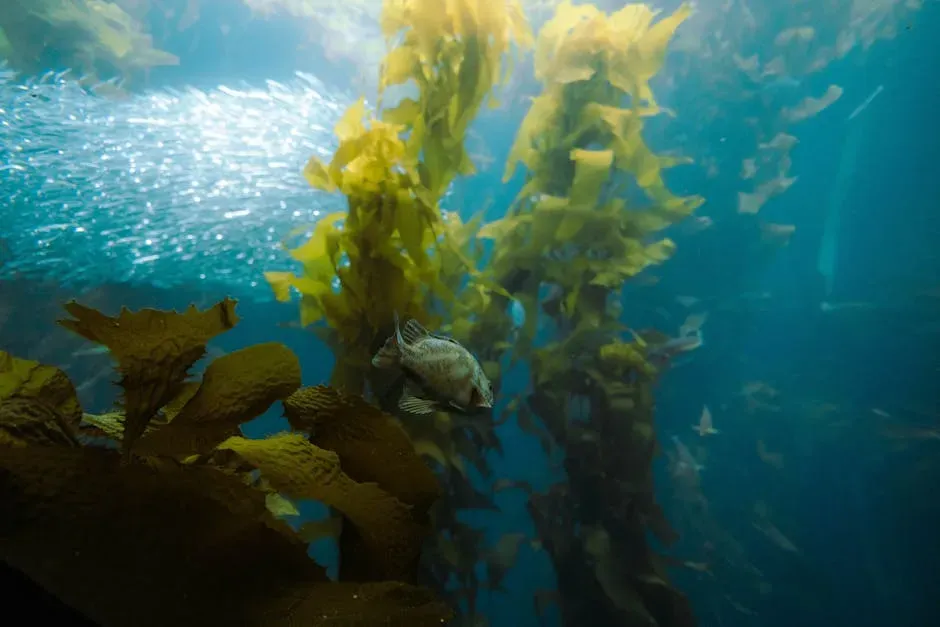
Not everyone walked in from the north. An alternate scenario has gained real traction, one that claims people first arrived on boats, and according to this coastal migration theory, some 16,000 years ago the ice had retreated from the coastlines of the Pacific Northwest, such that seafaring people could take advantage of coastal resources like kelp forests to navigate all the way down the shores of California, eventually reaching sites like Monte Verde in Chile. I know it sounds almost unbelievable, navigating a coastline that no longer even exists above sea level, but scholars have found compelling clues.
Proving the coastal theory is tricky. No wooden boats from that era have been found along the shore. The earliest campsites along the ancient Pacific coastline may be lost for good due to erosion and sea level rise. Still, genetic analysis has been used to support this thesis, even in the absence of physical archaeological evidence from a coastal migration route during the Last Glacial Maximum. The sea may have swallowed the proof, but the genes don’t lie.
Spreading Across a Continent: Internal Migrations and Tribal Movements
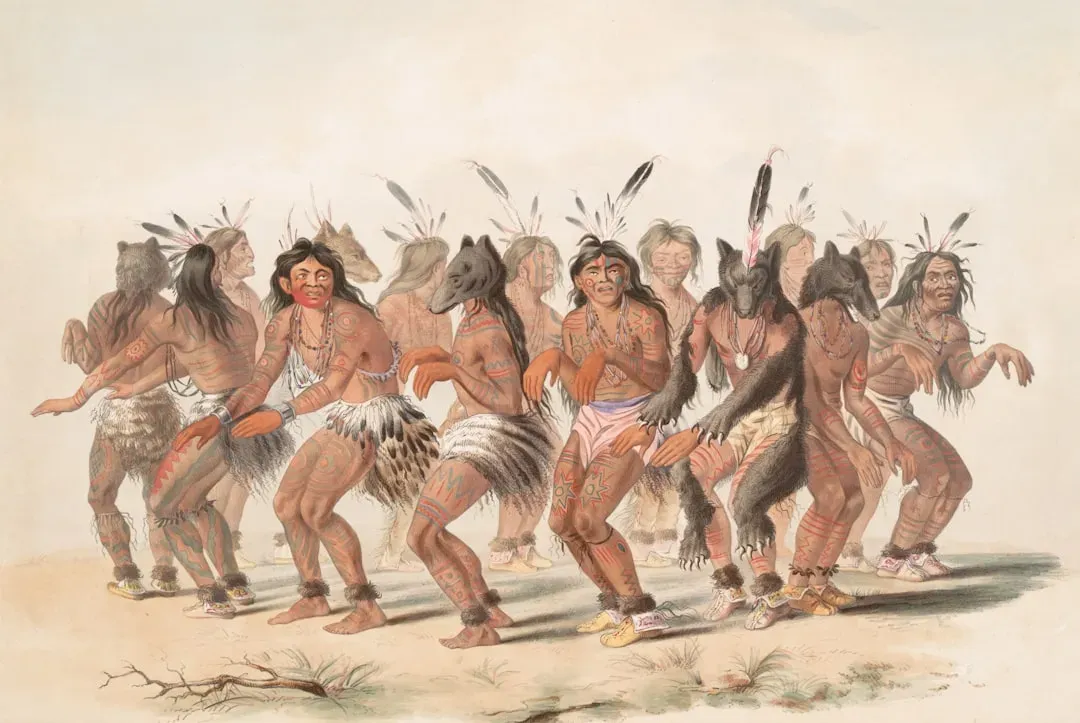
Three major migrations occurred, as traced by linguistic and genetic data, and the early Paleoamericans soon spread throughout the Americas, diversifying into many hundreds of culturally distinct nations and tribes. Once inside the continent, the movement did not stop. It was constant, dynamic, and driven by many forces including climate, competition for resources, and conflict. Long-distance trading did not prevent warfare and displacement among Indigenous peoples, and their oral histories tell of numerous migrations to the historic territories where Europeans eventually encountered them.
The Iroquois invaded and attacked tribes in the Ohio River area of present-day Kentucky and claimed the hunting grounds, events that historians have placed as occurring as early as the 13th century or during the 17th century Beaver Wars, and through warfare, the Iroquois drove several tribes to migrate west to what became their historically traditional lands, including the Osage, Kaw, Ponca, and Omaha people, who all originated in the Ohio Valley. These were not gentle relocations. These were full-scale displacements that permanently redrew the human map of North America.
The Web of Trade: How Tribes Stayed Connected Across Vast Distances
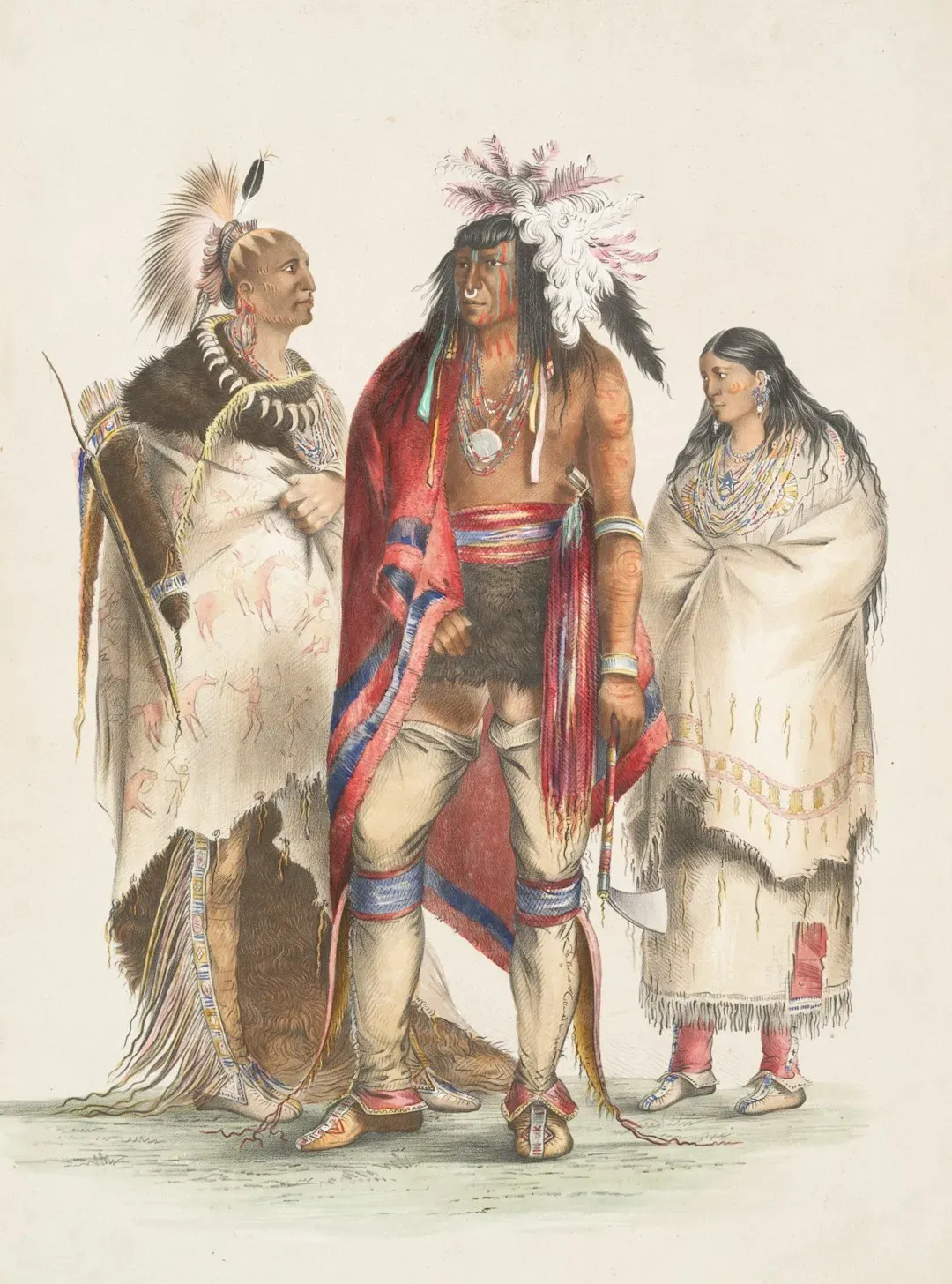
Here is something truly remarkable that often gets overlooked. Long before any European set foot on American soil, you would have found a sophisticated, continent-wide economy already humming along. Prior to contact by European explorers, Indigenous peoples throughout the Americas had extensive trade networks in place allowing for the movement of people, goods, services, and ideas over hundreds of miles at a time, which is contrary to the commonly held belief that Indigenous peoples were living in isolated communities limited by topography.
One thousand years ago, the Anasazi Indians who resided in the Southwest were a cornerstone of the trade network between the Pacific Northwest and Mesoamerican civilizations. They provided turquoise and obsidian to tribes along the Gulf of California and, in return, received Native American jewelry crafted from Pacific seashells. They traded turquoise with Mesoamerican partners for pottery, precious feathers, and other ornaments, and provided a channel for the spread of Mesoamerican agricultural techniques, religious customs, and craftsmanship throughout North America. Trade was not just economics. It was diplomacy, religion, and culture all rolled into one.
The Trail of Tears: Forced Migration and the Destruction of Home
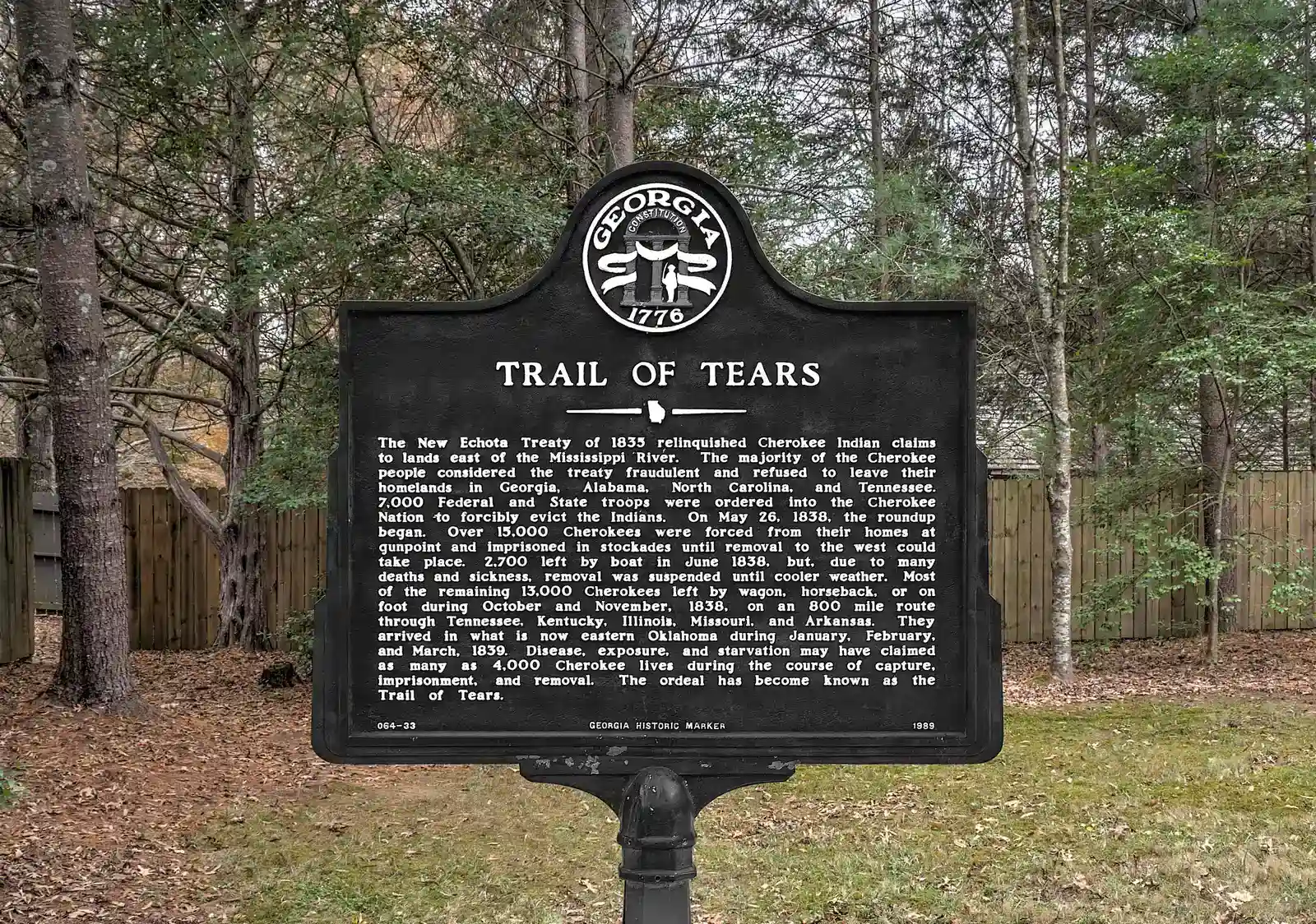
Not all of the journeys made by early American tribes were by choice. Some were the most devastating forced displacements in human history, and you deserve to understand exactly what happened. The Trail of Tears was the forced displacement and ethnic cleansing of about 60,000 Native Americans of the Five Civilized Tribes between 1830 and 1850 by the United States government, with members of the Cherokee, Muscogee, Seminole, Chickasaw, and Choctaw nations forcibly removed from their ancestral homelands in the Southeastern United States to newly designated Indian Territory west of the Mississippi River after the passage of the Indian Removal Act in 1830.
The routes used by Indigenous people as part of the Trail of Tears consisted of several overland routes and one main water route stretching some 5,045 miles across portions of nine states, and according to estimates based on tribal and military records, approximately 100,000 Indigenous people were forced from their homes during the Trail of Tears, and some 15,000 died during their relocation. During the forced march, over 4,000 of the 15,000 Cherokee alone died of hunger, disease, cold, and exhaustion, and in the Cherokee language the event is called Nunna daul Tsuny, meaning “the trail where they cried.” No phrase in history carries more weight than that one.
Conclusion: Footprints That Never Truly Faded
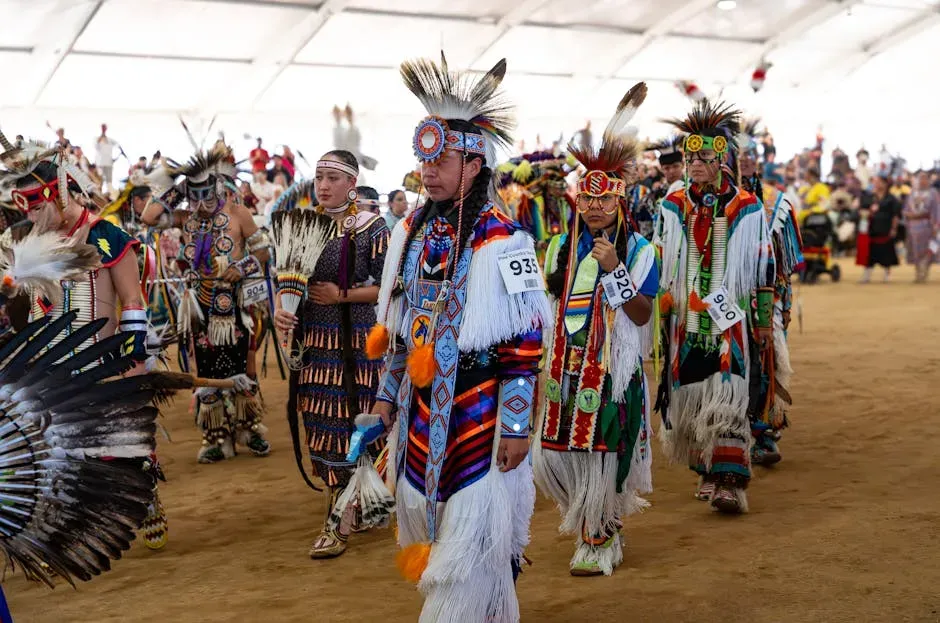
The story of early American tribes is not a single story. It is thousands of them, layered on top of each other like the sediment of centuries. American Indian history is one of cultural persistence, creative adaptation, renewal, and resilience. You cannot reduce these journeys to a textbook paragraph. Every migration, every trade route, every forced march represents real human beings navigating a world that was constantly pushing them onward.
What strikes you most, honestly, should be the sheer scale of human ingenuity these peoples demonstrated. Many later pre-Columbian civilizations achieved great complexity, with hallmarks that included permanent or urban settlements, agriculture, engineering, astronomy, trade, civic and monumental architecture, and complex societal hierarchies. These were not wandering nomads stumbling through a wilderness. They were sophisticated cultures building worlds we are only now beginning to fully understand and appreciate.
The footprints of early American tribes are still here, written in the DNA of millions of living people, embedded in the landscape, echoing through languages, ceremonies, and stories passed down across generations. The real question worth sitting with is this: how much more is still waiting to be discovered? Share your thoughts in the comments below.