Imagine a world with no farms, no villages, no permanent houses – just small bands of foragers moving across wild landscapes – and yet, in the middle of all that, someone is carefully carving a flute from bone, tuning its holes to produce specific notes. That scene is not science fiction; it is our actual deep past. Paleoanthropology is steadily revealing that music did not tag along as a late luxury of “civilized” life but emerged long before fields of wheat and rows of huts ever existed.
When you dig into the evidence, the old stereotype of “cavemen banging rocks together” collapses almost instantly. The earliest instruments we’ve found are not crude noise-makers but surprisingly sophisticated tools engineered for sound. They come from cultures that existed tens of thousands of years before agriculture, and they tell a radically different story about our ancestors: they were not just surviving; they were composing, performing, and probably feeling something deeply human that still echoes in us today.
Music Older Than Farms: What The Timeline Really Shows
The timeline is the first shock. Many of the oldest clearly identified musical instruments date back well over thirty thousand years, to an era when every human on the planet lived by hunting, fishing, and gathering wild plants. Agriculture, by contrast, shows up much later, roughly in the last ten to twelve thousand years, when people in several regions independently began domesticating plants and animals. That means humans were making structured sound long before they were making bread, beer, or barns.
This gap is not a small one; it stretches across tens of thousands of years of human experience. For generation after generation, people carried their music with them through ice ages and changing climates, long before anyone settled into permanent villages. It undercuts the idea that music is some sort of cultural luxury that only appears once societies become “advanced.” If anything, the archaeological chronology suggests the opposite: agriculture is the late arrival, music the ancient companion.
Bone Flutes And Beyond: The Surprising Engineering Of Early Instruments
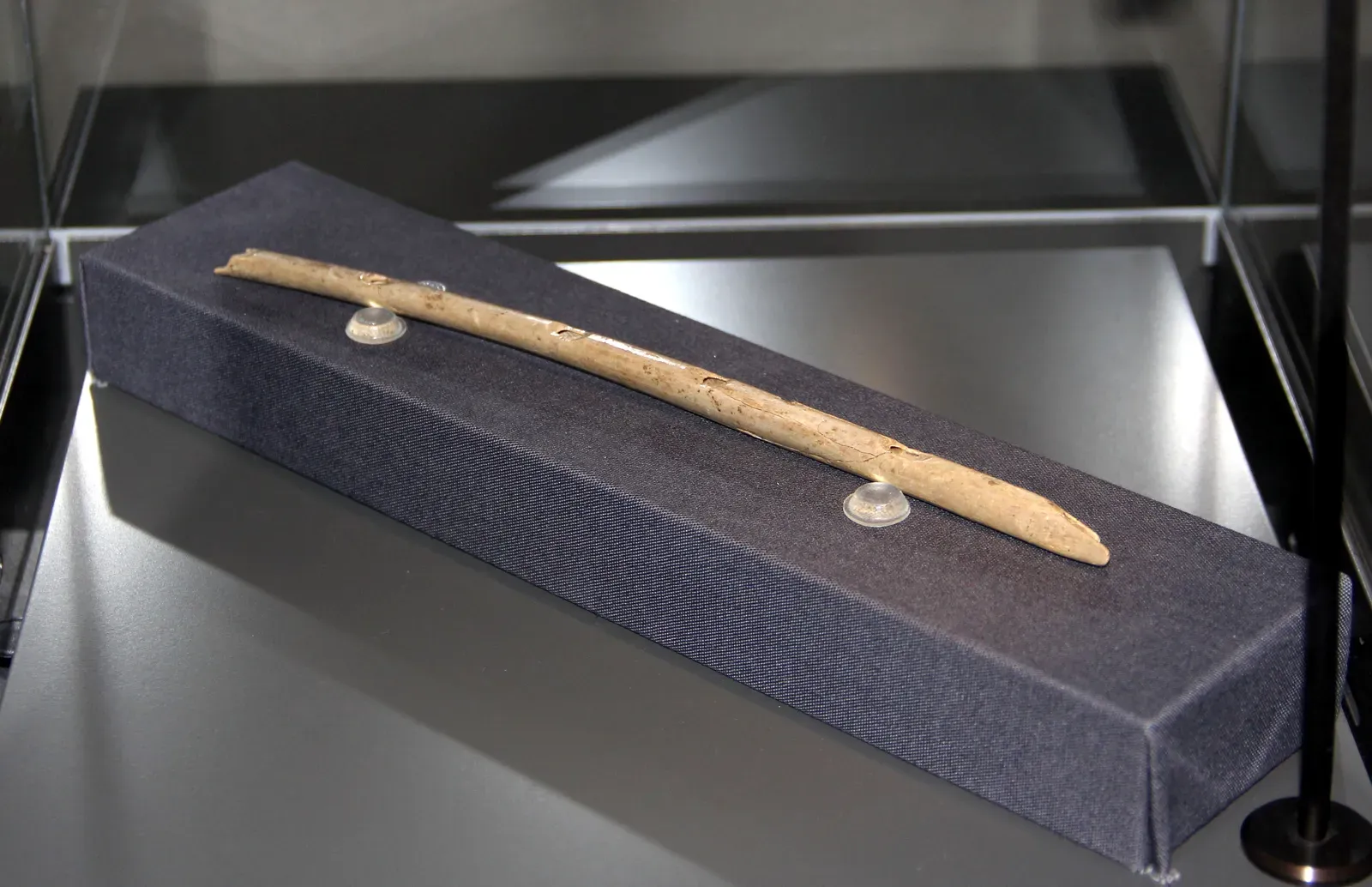
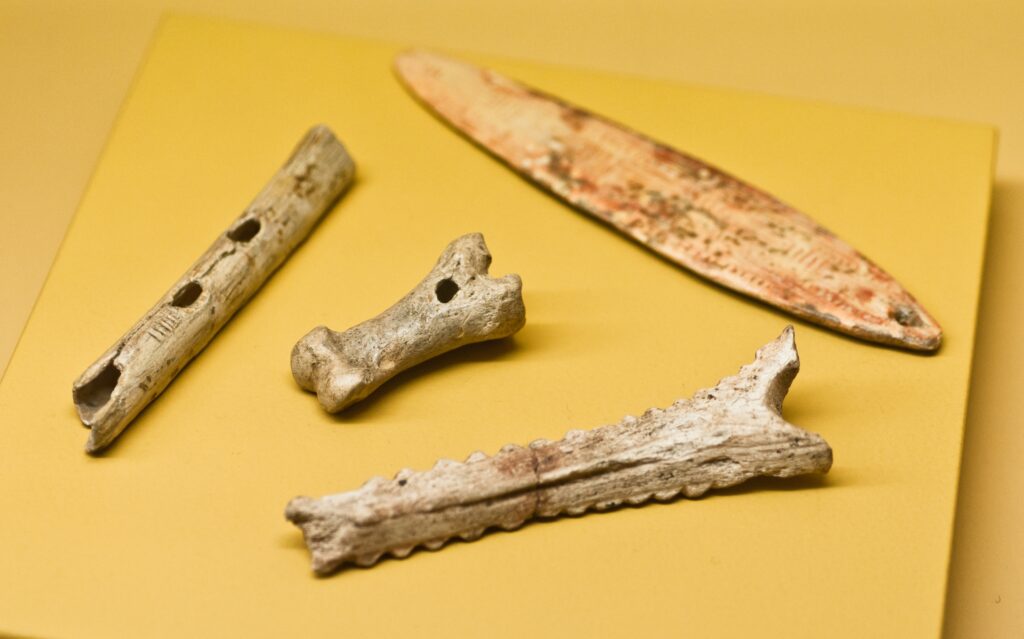
When archaeologists first identified prehistoric flutes carved from bird bones and mammoth ivory, they were not looking at random perforations. The placement and spacing of the holes on these instruments often line up in patterns that produce coherent musical scales, not just chaotic squeaks. Some of these flutes, dated to more than forty thousand years ago, show evidence of deliberate design choices, like carefully shaped finger holes and smoothed interiors to control airflow and pitch.
If you’ve ever tried to make a simple whistle or pipe yourself, you know how easy it is to get it wrong. Getting a consistent, tunable sound takes trial, error, and a good ear. The people who made these ancient flutes clearly understood, at least intuitively, principles of acoustics: how length, diameter, and hole placement affect the notes produced. That is not something we usually associate with so-called “primitive” hunter-gatherers, but the instruments in the ground quietly insist otherwise.
Rhythm, Resonance, And The Human Body: Why Music Makes Sense Evolutionarily
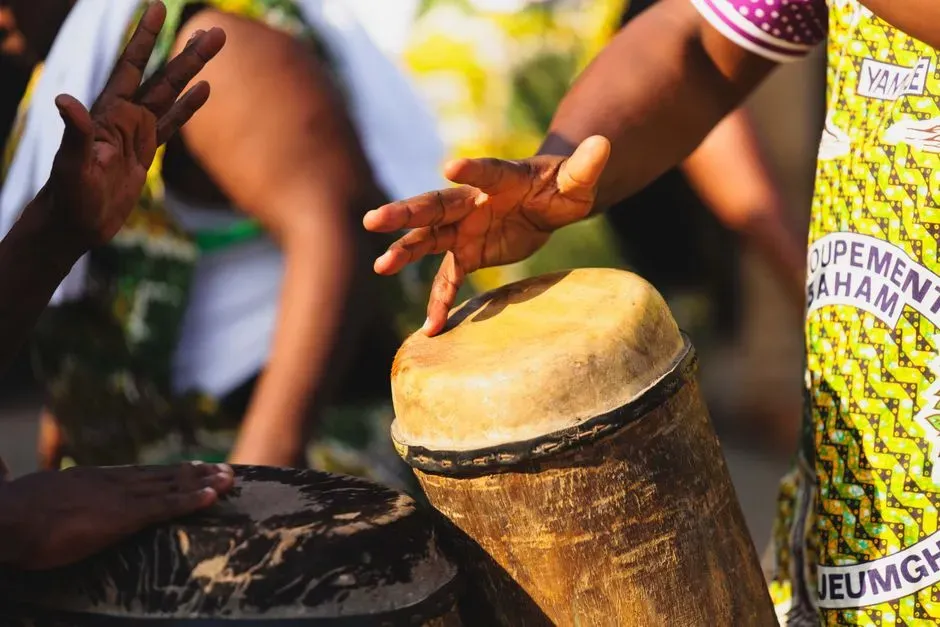
From a biological standpoint, it actually makes more sense that music is ancient than that it is recent. The human body is practically built for rhythm: our hearts beat, our footsteps fall in patterns, our breathing cycles in waves. People in every culture naturally tap, clap, sway, and sing; no one has to be taught that rhythm feels good. In that light, it is not surprising that even very early humans would have amplified those tendencies with drums, rattles, clappers, and other percussive tools made from whatever materials were on hand.
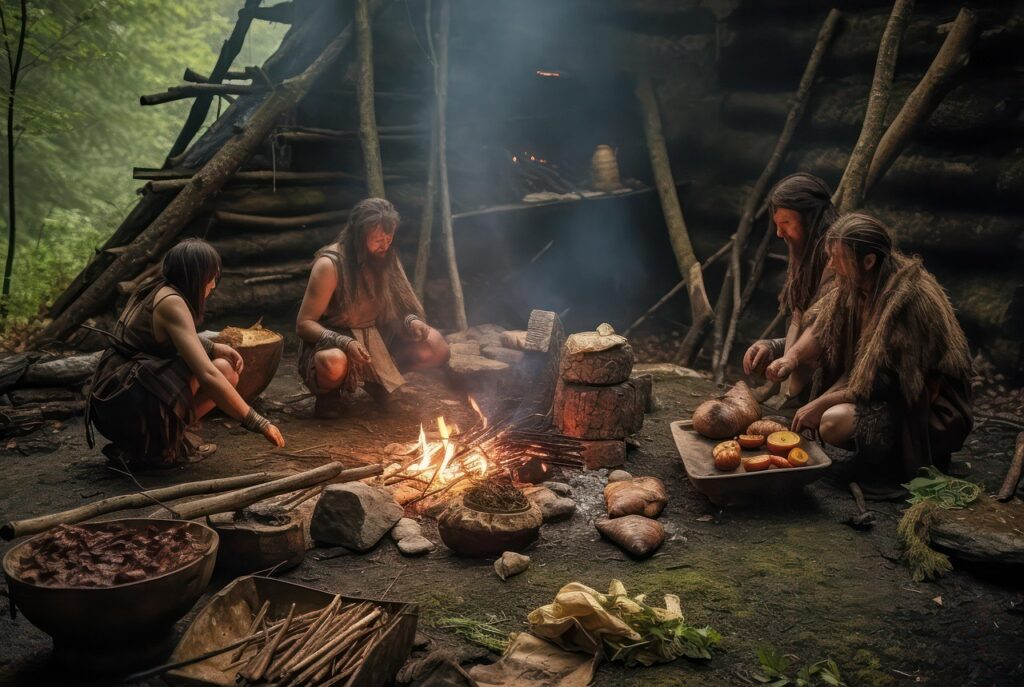
Evolutionary theories about music are still debated, but many researchers see strong links between music and social bonding, emotional regulation, and coordination. Group singing or drumming can sync heart rates and breathing, building a sense of unity that would have been extremely valuable in small, vulnerable communities. When we picture early bands of foragers huddled around a fire, it is just as realistic to imagine them sharing complex songs and rhythms as it is to picture them planning a hunt.
Music Before Cities: Sound As Social Glue In Mobile Bands
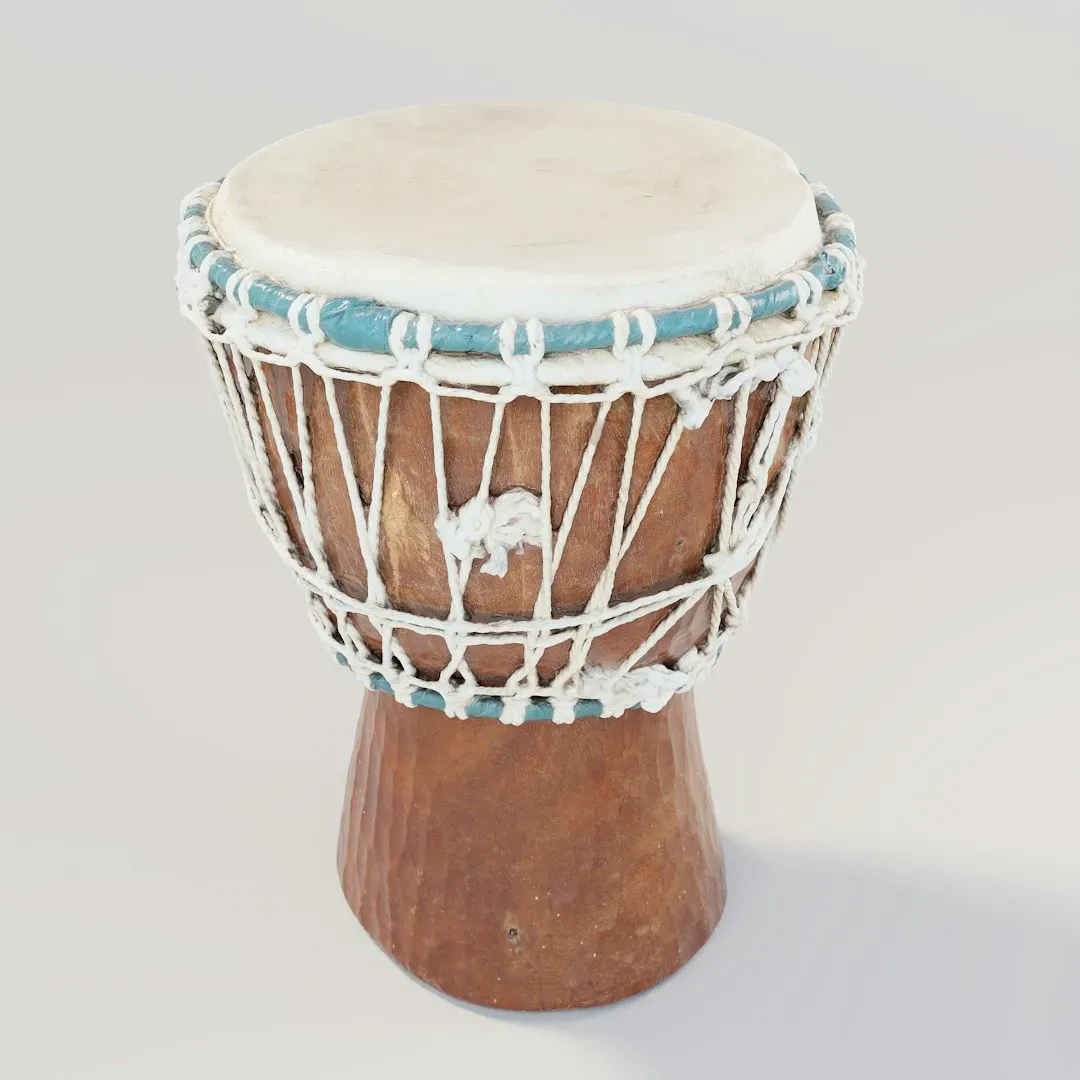
In societies without writing, mass media, or permanent architecture, music can function like a portable social technology. Songs and rhythms can mark who belongs to a group, encode shared stories, and coordinate actions, all without leaving a physical trace that archaeologists can easily find later. That is part of why the surviving instruments are so important: they provide rare, tangible proof of a rich sound world that mostly vanished with the people who created it.
For small, mobile communities, music would have been one of the most efficient ways to turn a scattered set of individuals into a cohesive “we.” A shared song might mark a successful hunt, a coming-of-age moment, or a seasonal ritual. Even today, you can feel how a chant at a sports game or a chorus at a concert binds strangers into a temporary tribe. Early humans did not need stadiums or speakers to get that effect; a drum, a flute, or simply a group of voices in the open air would have been enough.
Art, Music, And Symbolic Minds: How Instruments Fit The Bigger Puzzle
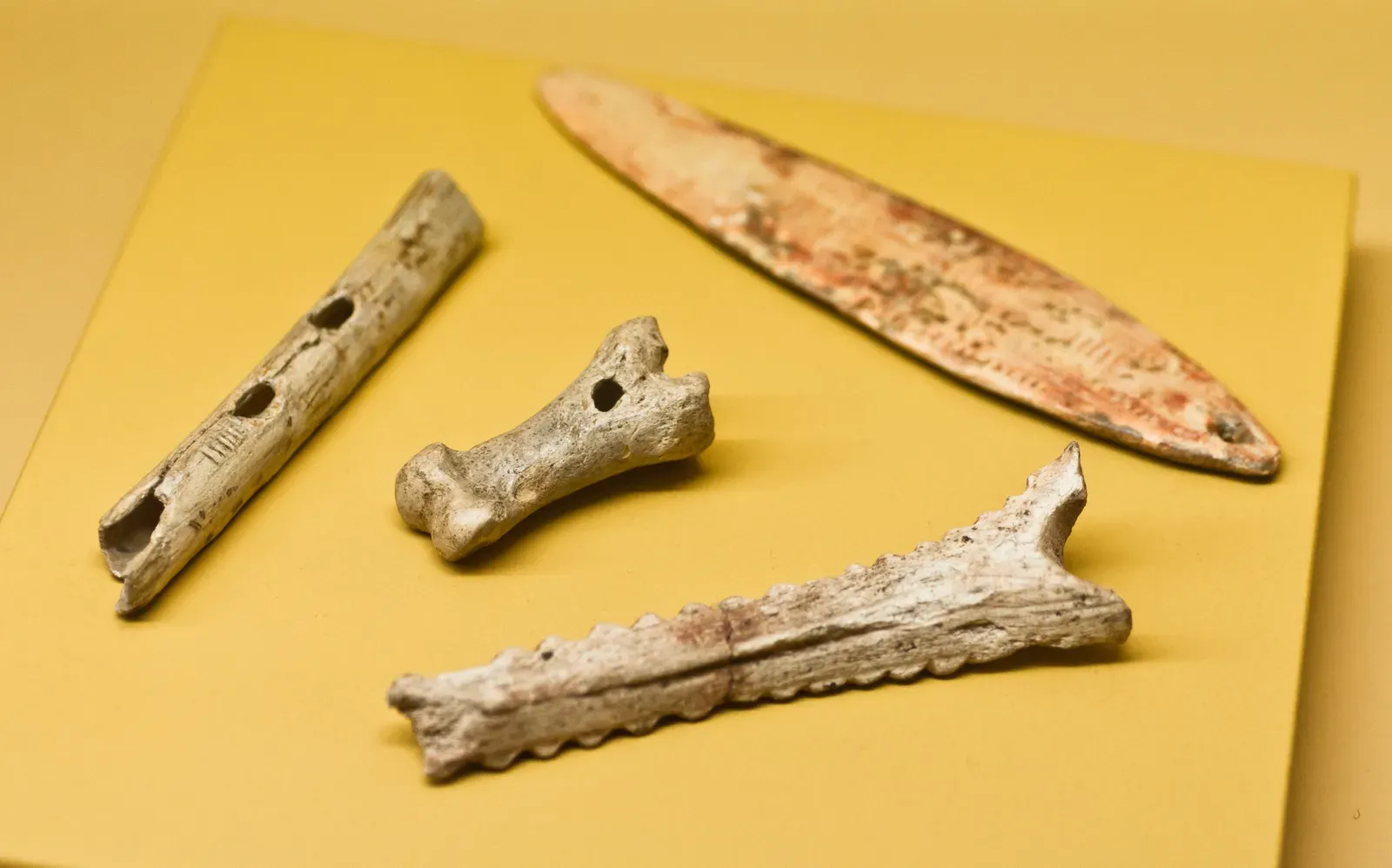
When you line up the oldest instruments alongside early cave paintings, body ornaments, and carved figurines, a bigger picture comes into focus. These are all signs of symbolic thinking: the ability to let one thing stand for another, to create meaning that goes beyond immediate survival. The complexity of ancient instruments suggests that people were not just reacting to their environment; they were shaping experiences, experimenting with beauty, and perhaps even wrestling with abstract ideas like identity and time.
Music fits neatly into this emerging symbolic world because it is both physical and intangible. You can hold a flute or drum, but the real action happens in vibrating air and shared perception. That combination of craft, imagination, and shared emotion tells us something profound about early humans: they were already living in mental worlds filled with stories, moods, and metaphors. In other words, by the time agriculture appears, the human mind has been “modern” for a very long time, and instruments are some of the most striking fingerprints it left behind.
Why “Primitive Music” Is A Misleading Myth
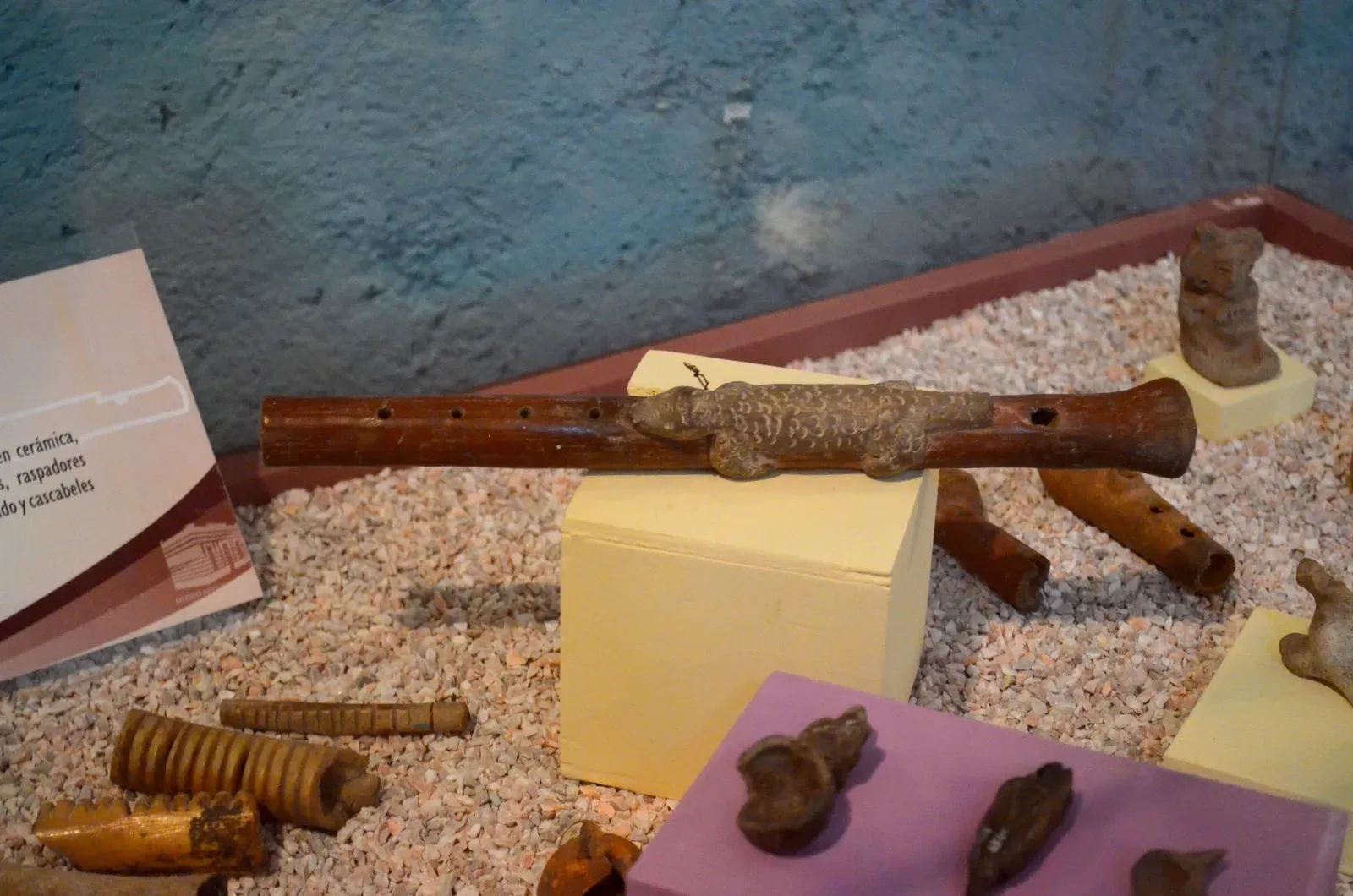
The phrase “primitive music” lingers in popular culture, but it does not hold up under scrutiny. Once you recognize that some of the earliest instruments required careful planning, acoustic awareness, and fine motor skills, it becomes hard to maintain the idea that our ancestors were just making random noise. Even if we cannot reconstruct the exact scales, styles, or performance practices they used, the tools themselves show a clear investment in nuance and control.
There is also a subtle bias embedded in calling early music primitive: it assumes that musical sophistication naturally progresses from simple to complex in a straight line, with modern Western music at the top. Real musical traditions all over the world show a different story, with complexity appearing wherever humans have the time, tools, and cultural interest to develop it, regardless of technology level in other domains. A hunter-gatherer can create rhythms as intricate as any electronic track; the materials differ, but the cognitive machinery is the same.
What This Changes About How We See Ourselves
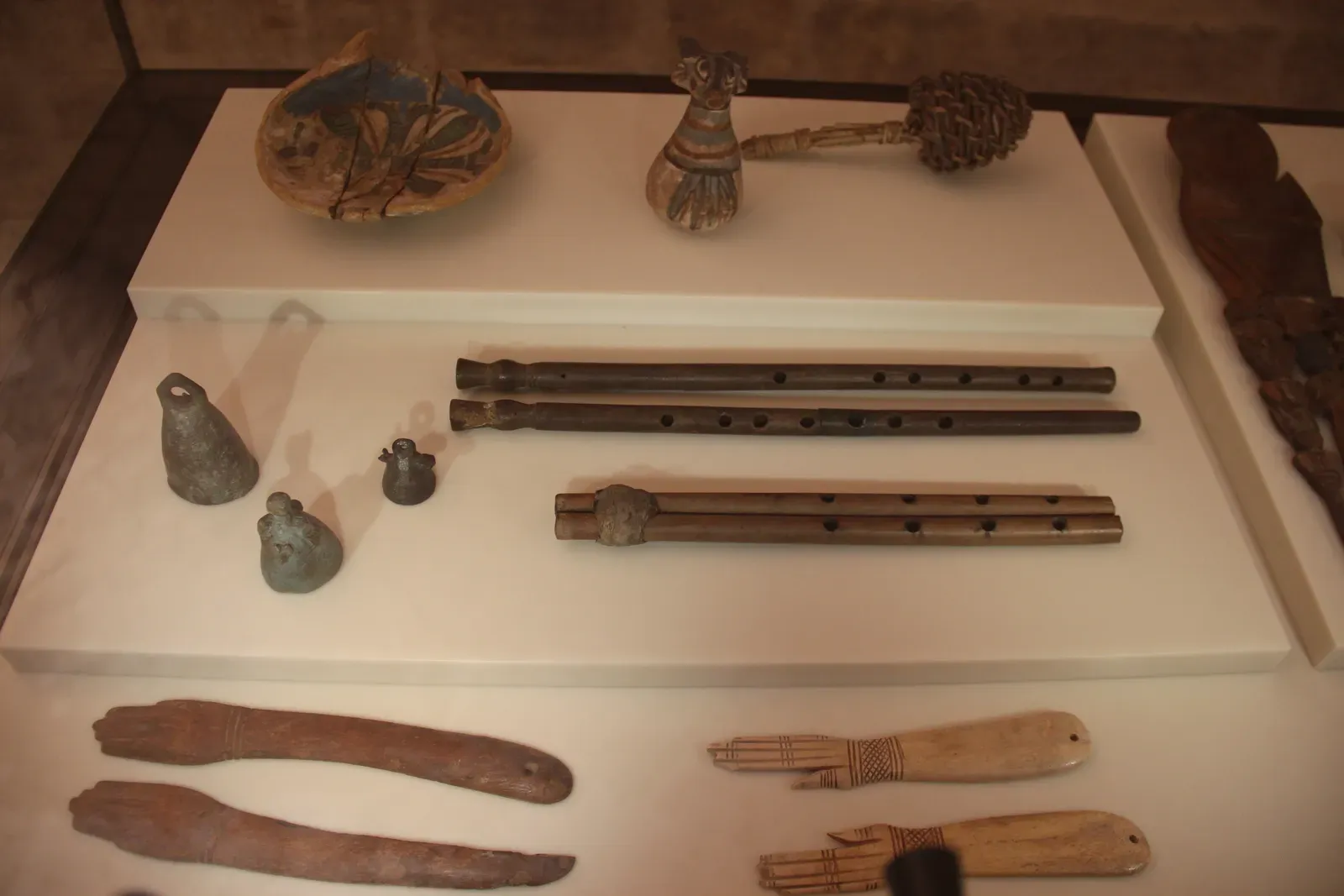
For me, the most striking implication of all this research is emotional, not just intellectual. Knowing that people long before the first fields were plowed were already building instruments and shaping sound makes the past feel less distant. When you listen to a flute solo or a drum circle today, you are tapping into a behavior that threads through tens of thousands of years of human lives, across radically different landscapes and cultures.
It also forces a shift in what we count as “real” human achievement. We often celebrate monuments, empires, and technologies that leave big, obvious marks on the landscape, while treating things like songs, dances, and rituals as secondary. But if instruments came before farms and were already highly developed, then maybe we should see art, in all its forms, as central rather than decorative in the human story. In that light, our ancestors were never just struggling cavemen; they were already, in a very real sense, musicians like us.
Conclusion: Early Music Was Never A Rough Draft
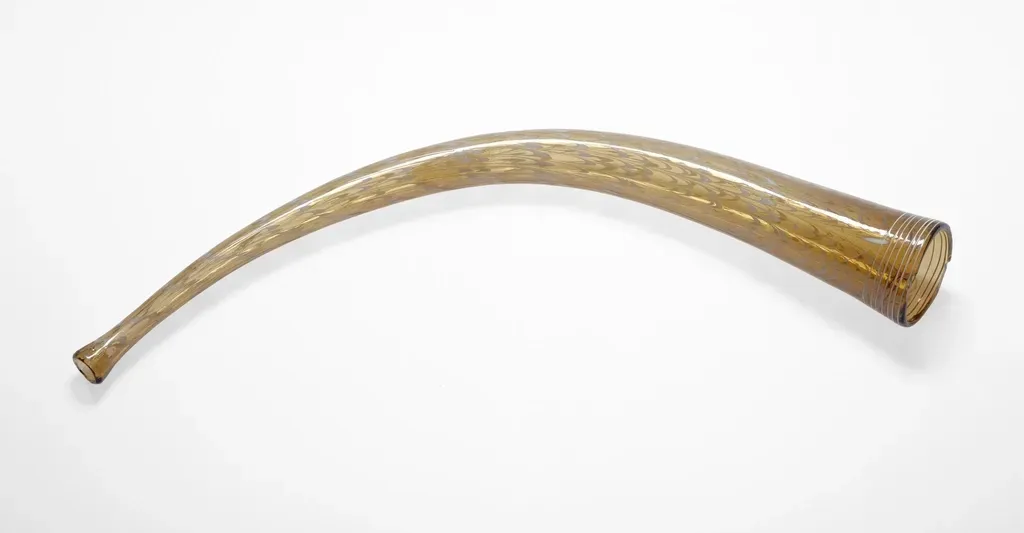
Putting the pieces together, it becomes hard to defend the comforting story that serious artistic complexity only blooms once agriculture and cities arrive. The archaeological record tells a more provocative tale: humans were already building precise instruments, organizing sound, and probably weaving music into every corner of social life while they were still fully nomadic. Agriculture did not invent culture; it settled down a species that was already singing. That is a humbling correction to the usual narrative, and in my view, a much more inspiring one.
My opinion is that the burden of proof has flipped. Instead of asking how “primitive” hunter-gatherers managed to produce such sophisticated music, we should be asking why we ever assumed they were primitive in the first place. If anything, the deep antiquity and complexity of early instruments suggest that music belongs alongside language and fire as a defining trait of our species. The next time a melody gives you goosebumps, it might be worth remembering: this is not a modern luxury; it is one of the oldest things about us. Did you expect that?