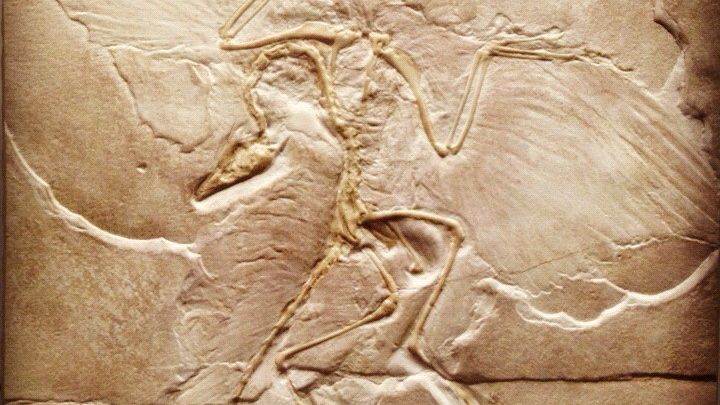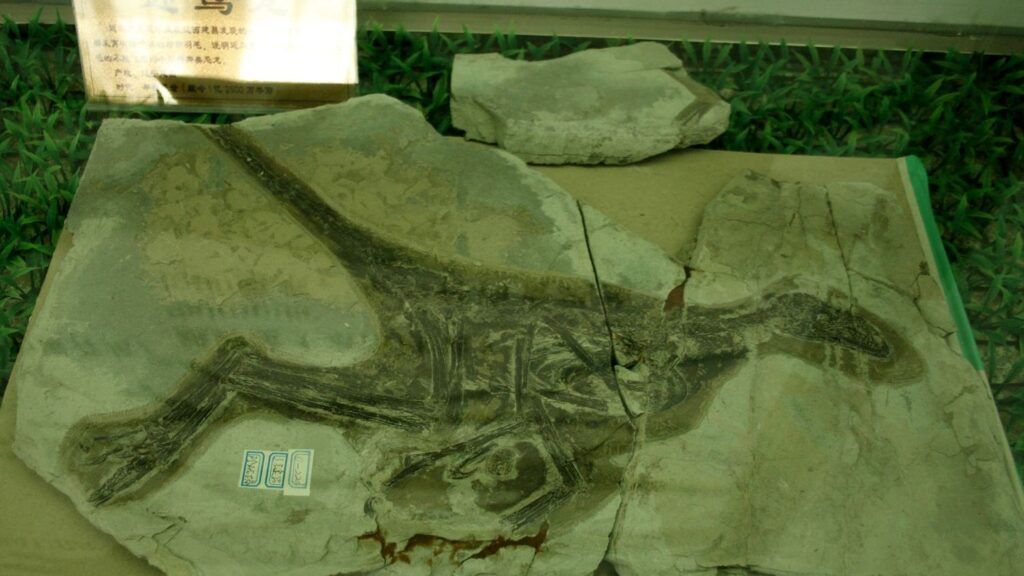
Feathers have been reshaping the story of dinosaurs for decades now, and the pace isn’t slowing down. What began as a controversial fringe idea in the late 19th century has become one of paleontology’s most thrilling frontiers: the growing recognition that feathers were far more widespread among ancient reptiles than anyone imagined. Every new find adds texture and complexity to a world that, for too long, was drawn as purely scaly and gray.
Around 1,400 dinosaur species are now known from more than 90 countries, with the rate of discovery accelerating in recent decades. By 2025, scientists were formally describing nearly one new dinosaur species per week. Among the most compelling of these are the feathered kinds, which keep pushing back the timeline of plumage and reshaping what you think you know about the dinosaur-to-bird transition. Here are ten remarkable feathered dinosaur types that have grabbed the attention of researchers and changed how we read the prehistoric world.
Sinosauropteryx lingyuanensis: The New Species That Waited 25 Years
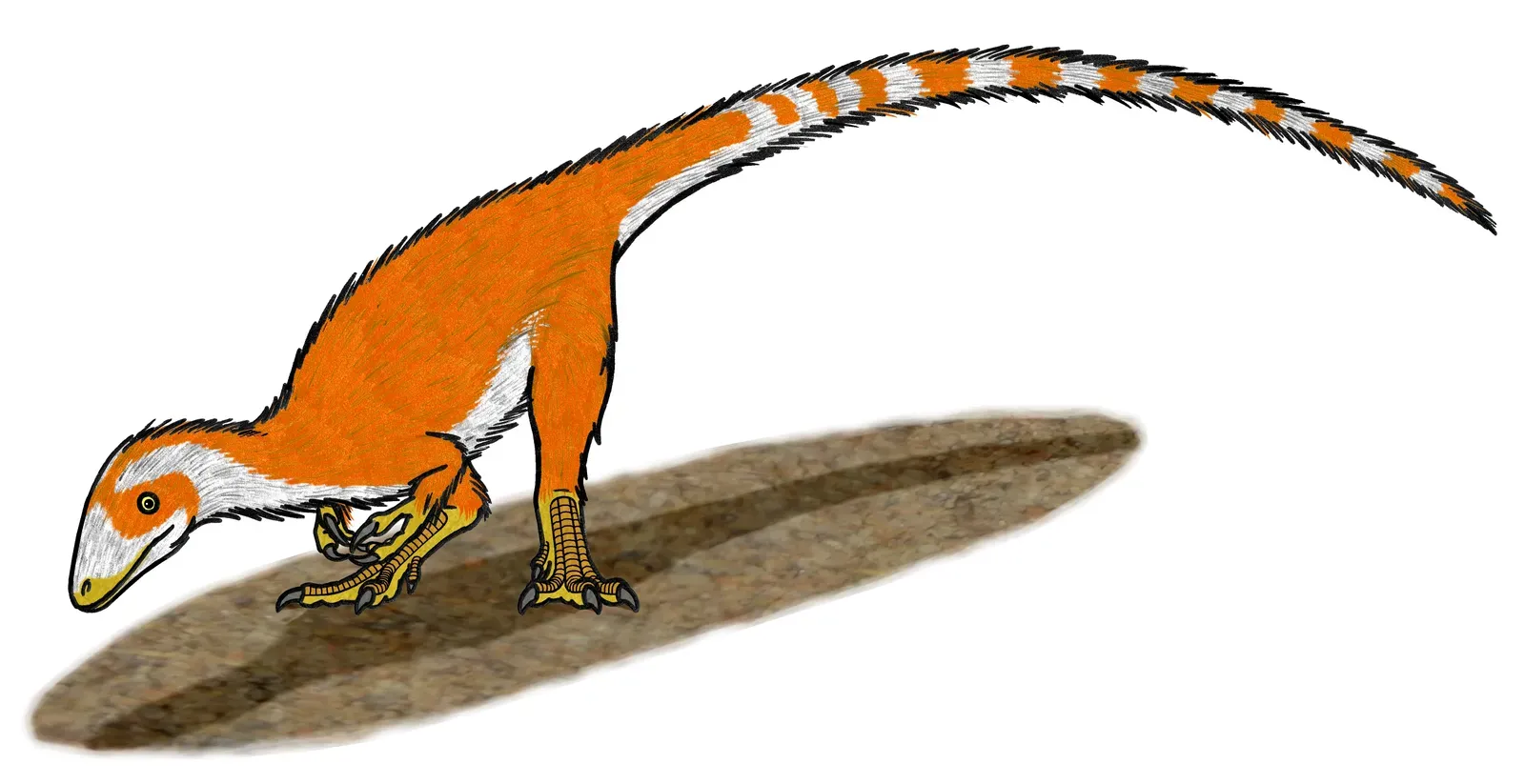
Few discoveries feel as satisfying as a new species emerging from a specimen that had been sitting in storage for two decades. Sinosauropteryx lingyuanensis was a small, feathered theropod dinosaur that lived during the Early Cretaceous period, approximately 125 million years ago, discovered in the Dawangzhangzi locality of Lingyuan, Liaoning Province, China, as part of the fossil-rich Jehol Biota.
In 2025, researchers named and described this second species of Sinosauropteryx, with the assigned holotype comprising a near-complete skeleton of a potential juvenile that also preserves traces of feather integument. It is the first new Sinosauropteryx species described in over 25 years since S. prima was discovered in 1996. That kind of gap speaks to how carefully such designations must be earned in modern paleontology.
Huadanosaurus sinensis: The Predator With a Last Meal Still Inside
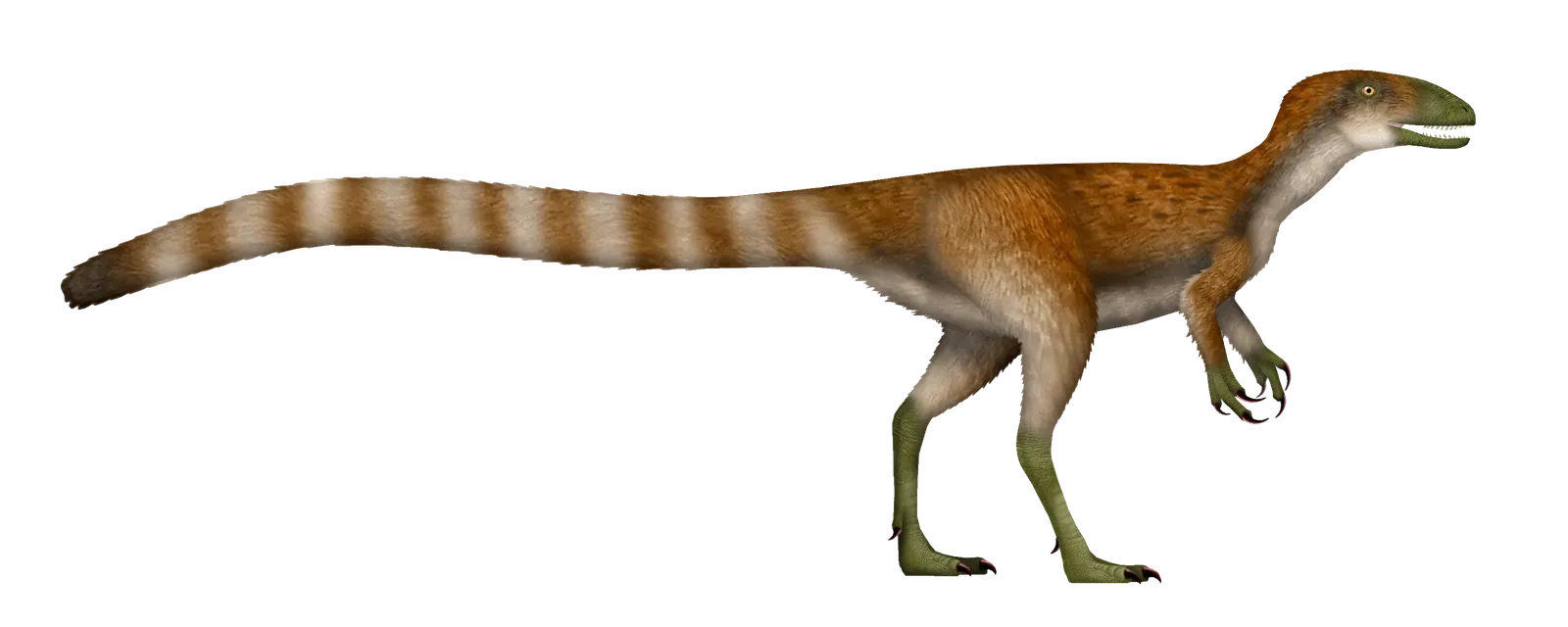
Huadanosaurus sinensis represents both a new species and a new genus of small, feathered coelurosaurian theropods. Classified as a compact, agile hunter, what makes it truly unique is that its fossilized remains contain the skeletons of two ancient mammals, marking the first direct evidence of dinosaur-mammal predation ever found within the Jehol Biota.
The fossil of Huadanosaurus sinensis contained the remains of two mammals: a complete skeleton of a eutriconodont and fragments of a eutherian. In exceptional cases, stomach contents survive when soft tissue decays slowly and minerals replace it fast enough to hold their shape, and that kind of dietary evidence can redraw food webs by linking species that may never appear together elsewhere in the fossil record. This specimen does exactly that.
Microraptor: The Four-Winged Glider Reshaping Flight Theory
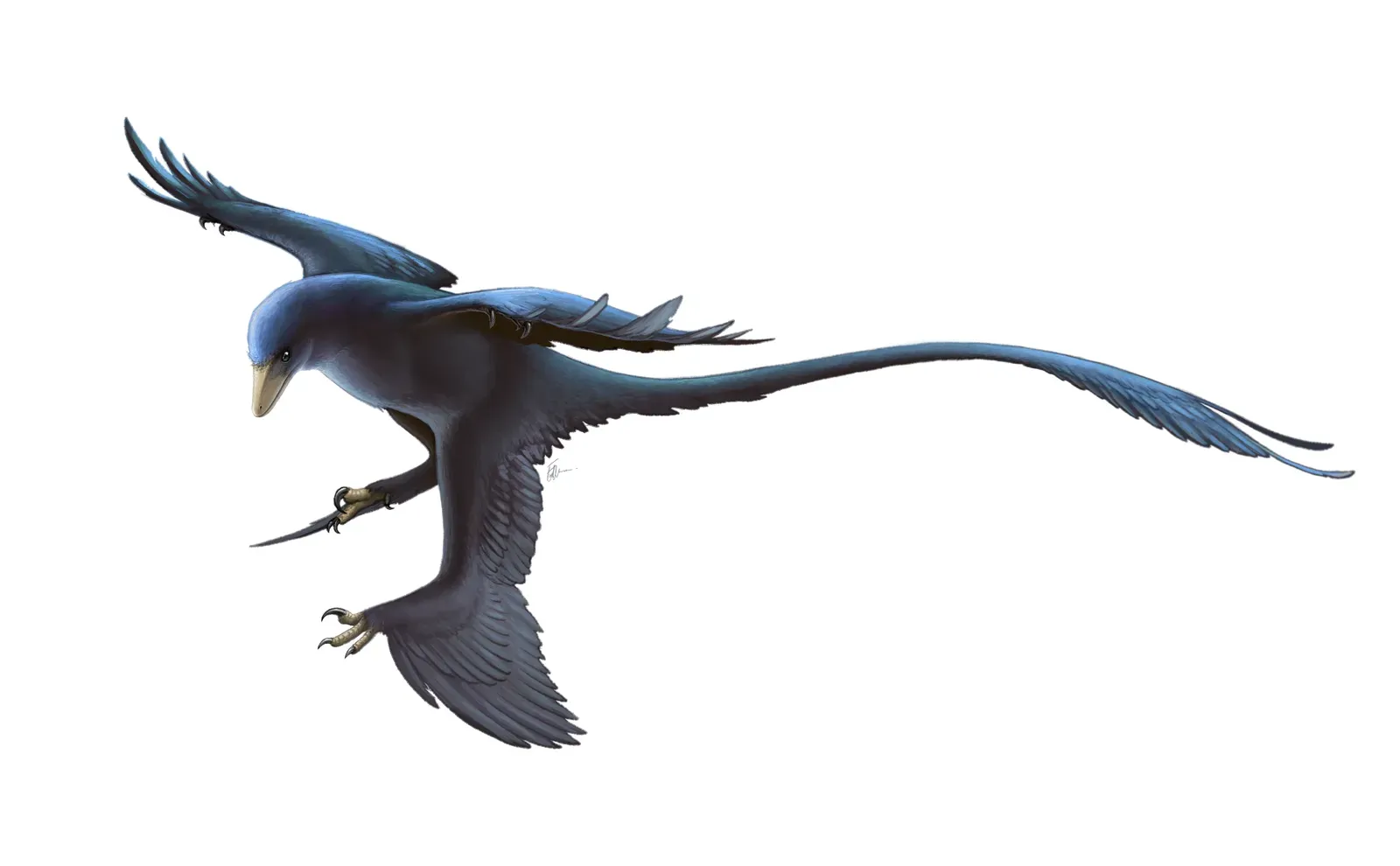
Microraptor was a very small, feathered dinosaur with wings on its legs as well as its arms. As a member of the dromaeosaur group, it was related to the well-known Velociraptor. Microraptor had long pennaceous feathers that formed aerodynamic surfaces on the arms, tail, and also on the legs, which led paleontologist Xu Xing in 2003 to describe the first specimen preserving this feature as a “four-winged dinosaur.”
Scientists have even been able to determine that Microraptor’s feathers were iridescent black, similar to the sheen seen in modern crows and ravens, giving researchers a vivid picture of this ancient glider. In 2026, researchers studying the aerodynamics of Microraptor during flight reported evidence of a beneficial impact of forewing-hindwing interactions on flow dynamics. The animal continues to produce surprises even now.
Yutyrannus huali: The Giant That Proved Big Dinosaurs Could Be Fuzzy Too
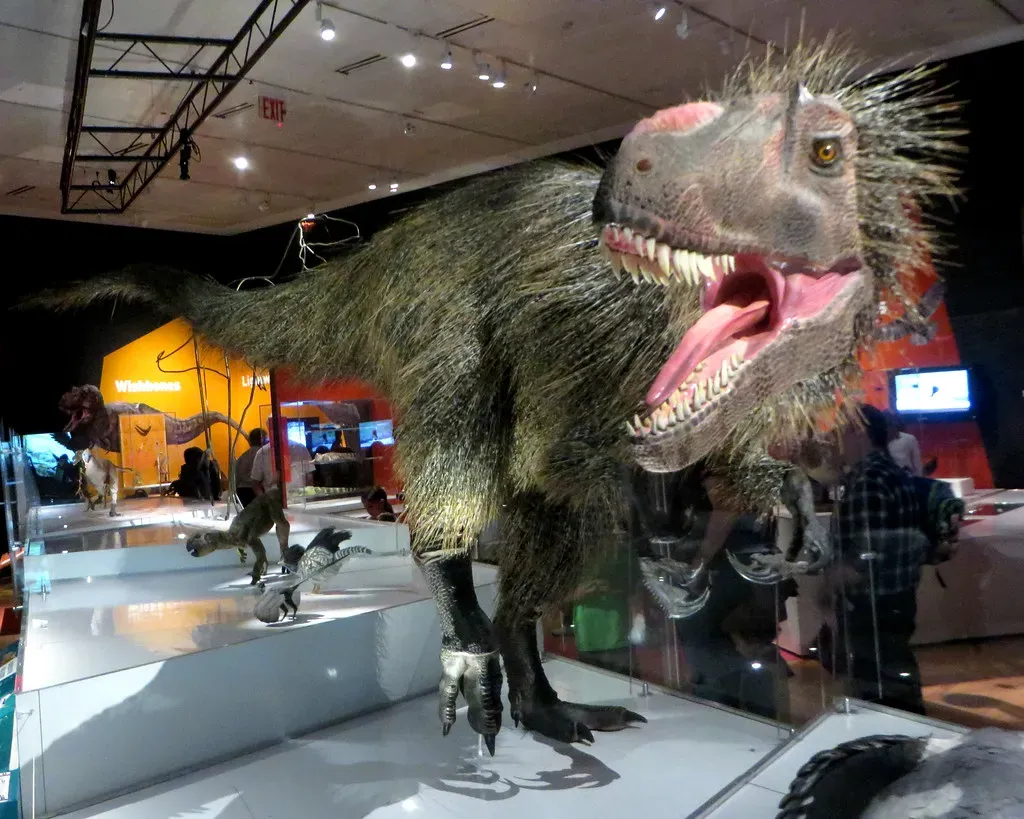
Discovered in China and described in 2012, Yutyrannus huali stands as one of the most impressive feathered dinosaurs ever found. At approximately 30 feet long and weighing over 1.5 tons, this predator shattered the notion that only small dinosaurs possessed feathers, with its name aptly translating to “beautiful feathered tyrant.”
These feathers likely served as insulation rather than for flight, helping this massive predator regulate its body temperature in the relatively cool climate of Early Cretaceous China. Yutyrannus is particularly significant because it is closely related to Tyrannosaurus rex, suggesting that even the most iconic dinosaur predators might have sported some form of feathery covering. That connection alone makes this species one of the most discussed finds in modern paleontology.
Anchiornis huxleyi: The Dinosaur That Gave Science Its First Color Portrait
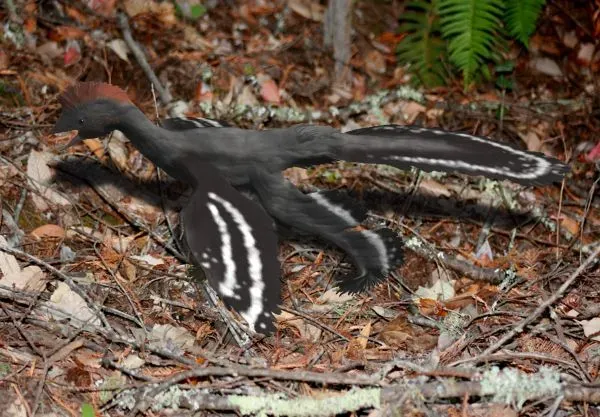
Anchiornis huxleyi lived approximately 160 million years ago during the Late Jurassic period, predating Archaeopteryx, which is often considered the first bird. Extraordinarily well-preserved fossils from China’s Tiaojishan Formation have revealed not just the presence of feathers but their precise coloration and pattern.
Complex feathers found on the limbs and tails of Anchiornis likely served a secondary function in display, such as attracting a mate or species recognition, with this display function often enhanced by bright coloration determined by melanosomes. Paleontologist Jakob Vinther and colleagues restored the full-body coloring of Anchiornis, revealing a small dinosaur that looked something like a magpie with a bright red splash of feathers on top of its head. Suddenly, deep time had color.
Sinosauropteryx prima: The Discovery That Changed Everything in 1996
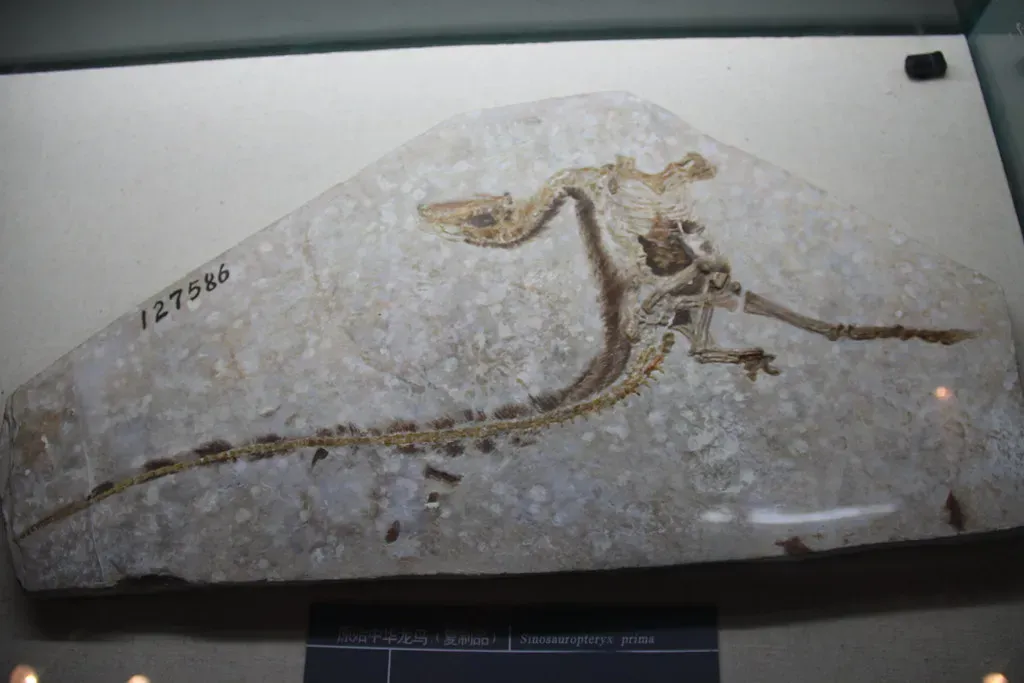
Sinosauropteryx, meaning “Chinese reptilian wing,” is an extinct genus of coelurosaurian theropod dinosaurs. Described in 1996, it was the first dinosaur taxon outside of Avialae to be found with evidence of feathers, and it was covered with a coat of very simple filament-like feathers.
Structures that indicate the colour pattern have also been preserved in some of its feathers, which show that Sinosauropteryx had a countershading pattern in its body with a banded tail. It seems there was a great gap in the transition between scaly dinosaurs and birds until 1996, when Sinosauropteryx became the first non-bird species to be found with feather impressions. That single fossil changed the direction of an entire scientific field.
Psittacosaurus: Where Scales and Feathers Lived Side by Side
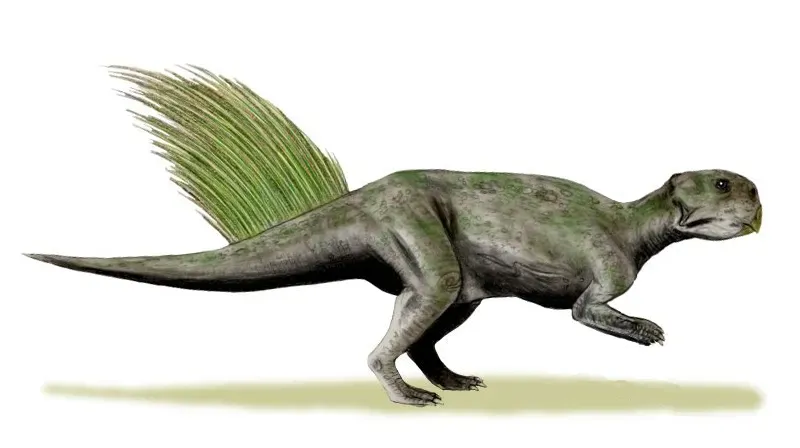
Palaeontologists at University College Cork discovered that some feathered dinosaurs had scaly skin like reptiles today, shedding new light on the evolutionary transition from scales to feathers. The researchers studied a new specimen of the feathered dinosaur Psittacosaurus from the early Cretaceous, around 135 to 120 million years ago, a time when dinosaurs were evolving into birds.
The most exciting aspect of the discovery is what it tells us about the evolution of feathers in dinosaurs. The evolution of feathers from reptilian scales is described as one of the most profound yet poorly understood events in vertebrate evolution, and while numerous fossils of feathers have been studied, fossil skin is much more rare. Psittacosaurus essentially shows you the transition in progress, frozen in stone.
Dilong paradoxus: The Early Tyrannosaur That Wore a Feathery Coat
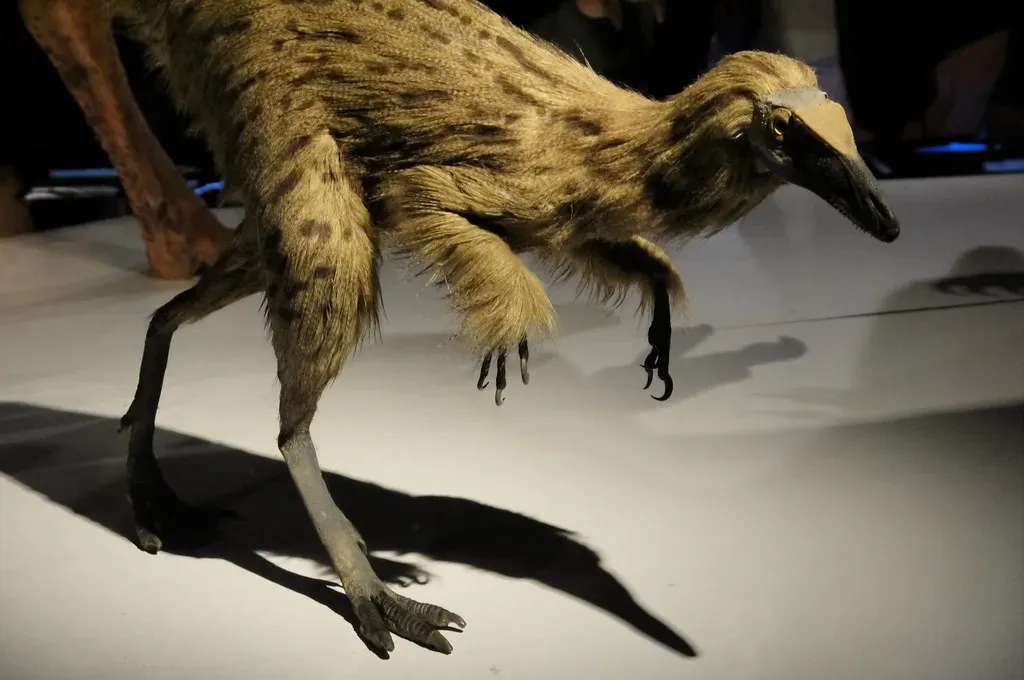
The earliest feathered tyrannosaur, Dilong, whose fossils appear in Liaoning deposits dating to 128 to 127 million years ago, possessed short branched filaments up to 2 centimeters long that resembled a coat of hair rather than the contour feathers of birds. This small, fuzzy predator lived roughly five million years before the much larger Yutyrannus and helped establish a clear pattern of feathering among early tyrannosaurs.
Feathers appeared in the Tyrannosauroidea, the group that includes Tyrannosaurus rex. Early, smaller members of this group such as Dilong and the large Yutyrannus were covered in simple, filamentous protofeathers, suggesting that giant carnivores likely descended from feathered ancestors, though the largest forms may have lost extensive feather coverage as adults due to thermoregulatory needs. It’s a reminder that size and feathers were never mutually exclusive.
Ubirajara jubatus: South America’s Ornately Decorated Surprise
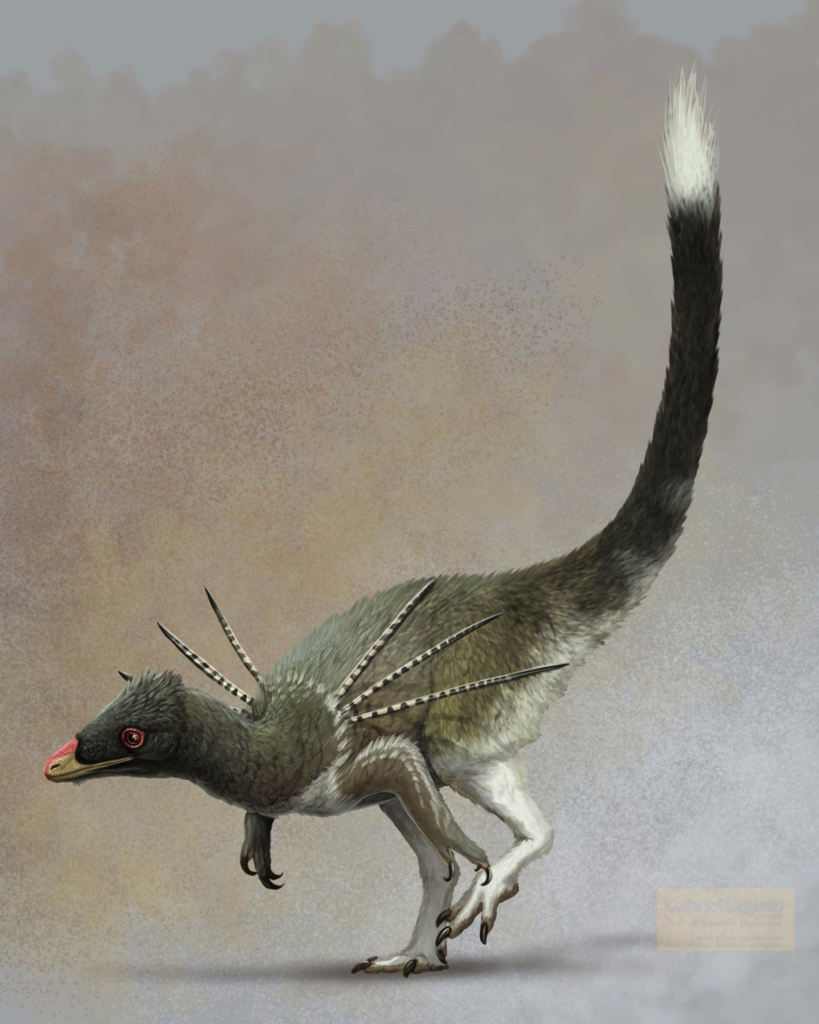
Paleontologists have described Ubirajara jubatus, a small feathered dinosaur from Cretaceous deposits in Brazil. Ubirajara’s ornate, ribbon-like display feathers projecting from its shoulders and a distinctive mane-like covering along its back represent the first such structures found in a non-avian dinosaur from South America.
The discovery also sparked international debate regarding fossil ownership, underscoring the broader ethical and cultural questions intertwined with modern paleontology. The discovery of this Brazilian feathered dinosaur contributes to the growing understanding of the diversity and evolutionary history , suggests that the ability to glide or parachute may have evolved earlier than previously thought, and further reinforces the close evolutionary relationship between dinosaurs and birds. South America has long been underrepresented in this story, and Ubirajara is starting to change that.
Mirasaura grauvogeli: Pushing the Origins of Feather-Like Structures Even Further Back
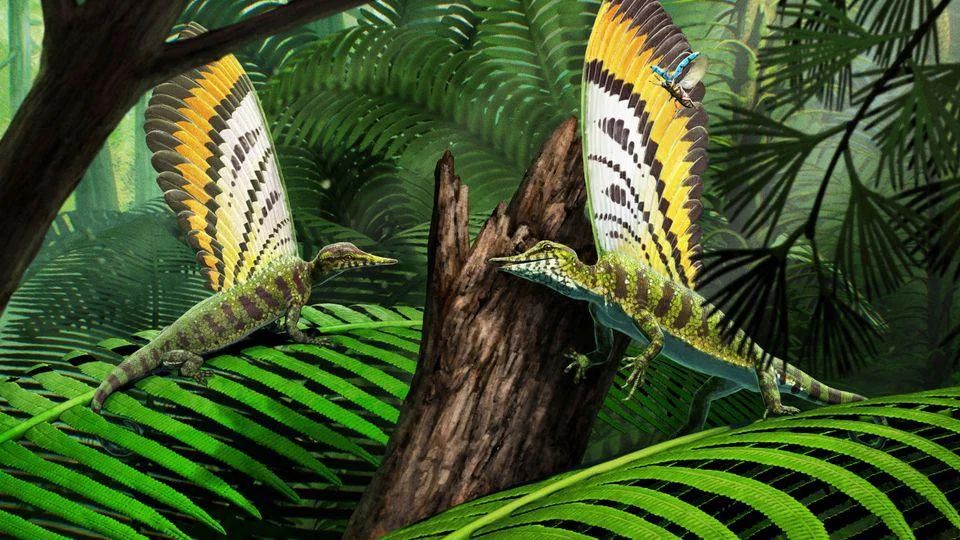
The newly described Mirasaura grauvogeli from the Middle Triassic had a striking feather-like crest, hinting that complex skin appendages arose far earlier than previously believed. If that interpretation holds up to further scrutiny, you’re looking at a creature that lived well before the traditional window in which feathers were thought to have emerged. It repositions the starting line considerably.
Although the vast majority of feather discoveries have been in coelurosaurian theropods, feather-like integument has also been discovered in at least three ornithischians, suggesting that feathers may have been present on the last common ancestor of the Ornithoscelida. It is possible that feathers first developed in even earlier archosaurs, in light of the discovery of vaned feathers in pterosaurs. Mirasaura adds another data point to that already expanding picture, and researchers are watching closely for what comes next from the Triassic record.
Conclusion: A Story Still Being Written in Stone
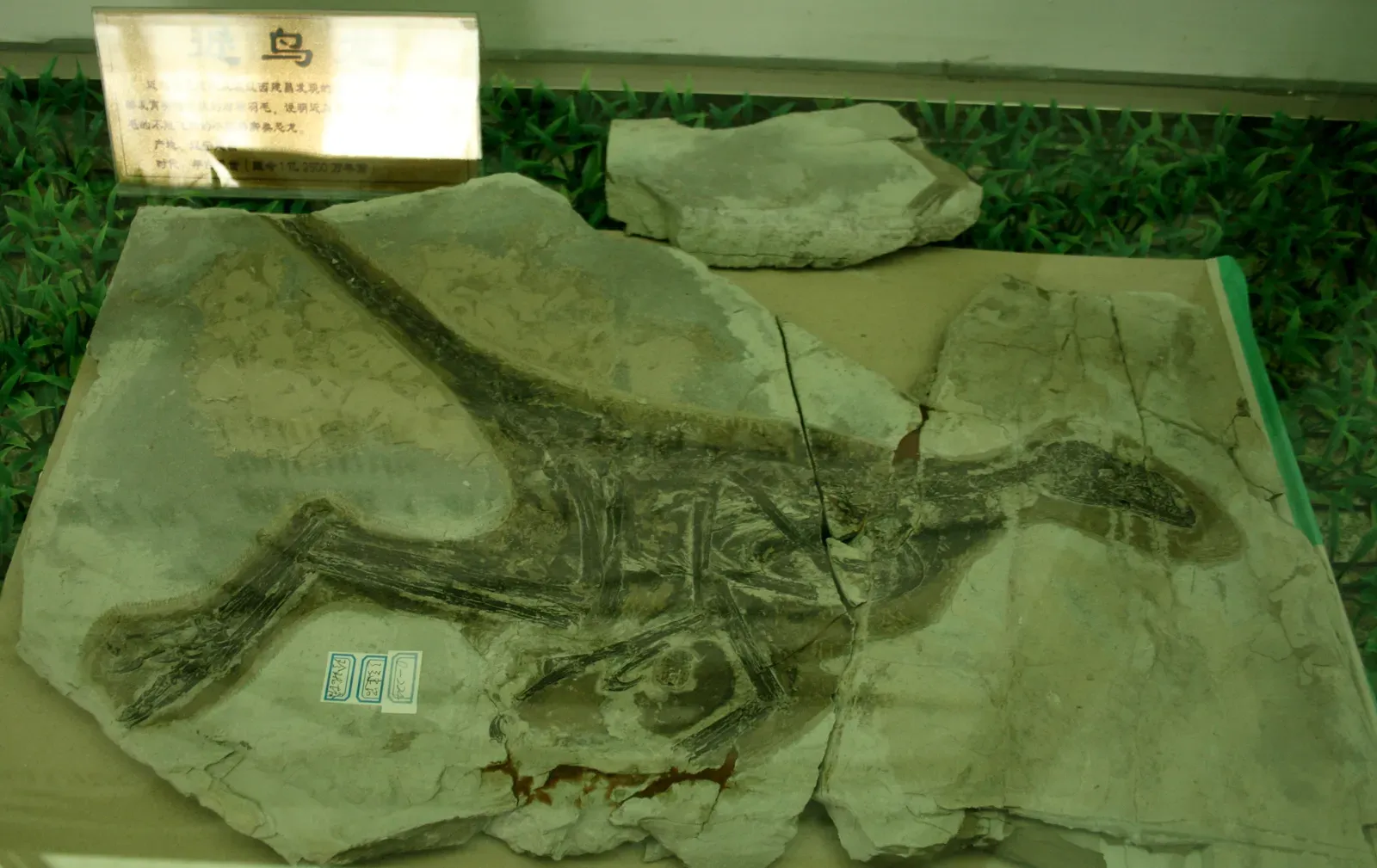
Uploaded by FunkMonk, CC BY-SA 2.0)
In 2025 alone, researchers documented more than 70 new species spanning fossils, living animals, and geology, highlighting how much biodiversity remains hidden even in well-studied places. Feathered dinosaurs sit at the heart of that ongoing revelation, and each new species chips away at the oversimplified version of prehistory that dominated popular culture for so long.
Over the past decade, paleontology has entered a new era of rapid discovery and scientific transformation. Breakthrough fossils unearthed across Asia, South America, North America, and Europe have dramatically expanded our understanding of dinosaur evolution, biology, and behavior, showcasing how much remains to be uncovered about life in the Mesozoic.
What’s striking isn’t just the number of new species, but what they collectively reveal: that feathers weren’t a late invention reserved for the closest bird relatives. They spread widely, served multiple purposes, and appeared in lineages that science once imagined as entirely reptilian. We now know that feathers served many functions. They could protect an animal from cold and heat, aid in courtship rituals, and help protect offspring. It was only later that a group of dinosaurs used them for gliding, and then flight. The next discovery is almost certainly already waiting in the ground somewhere, or perhaps already sitting in a museum drawer, patiently overlooked.