
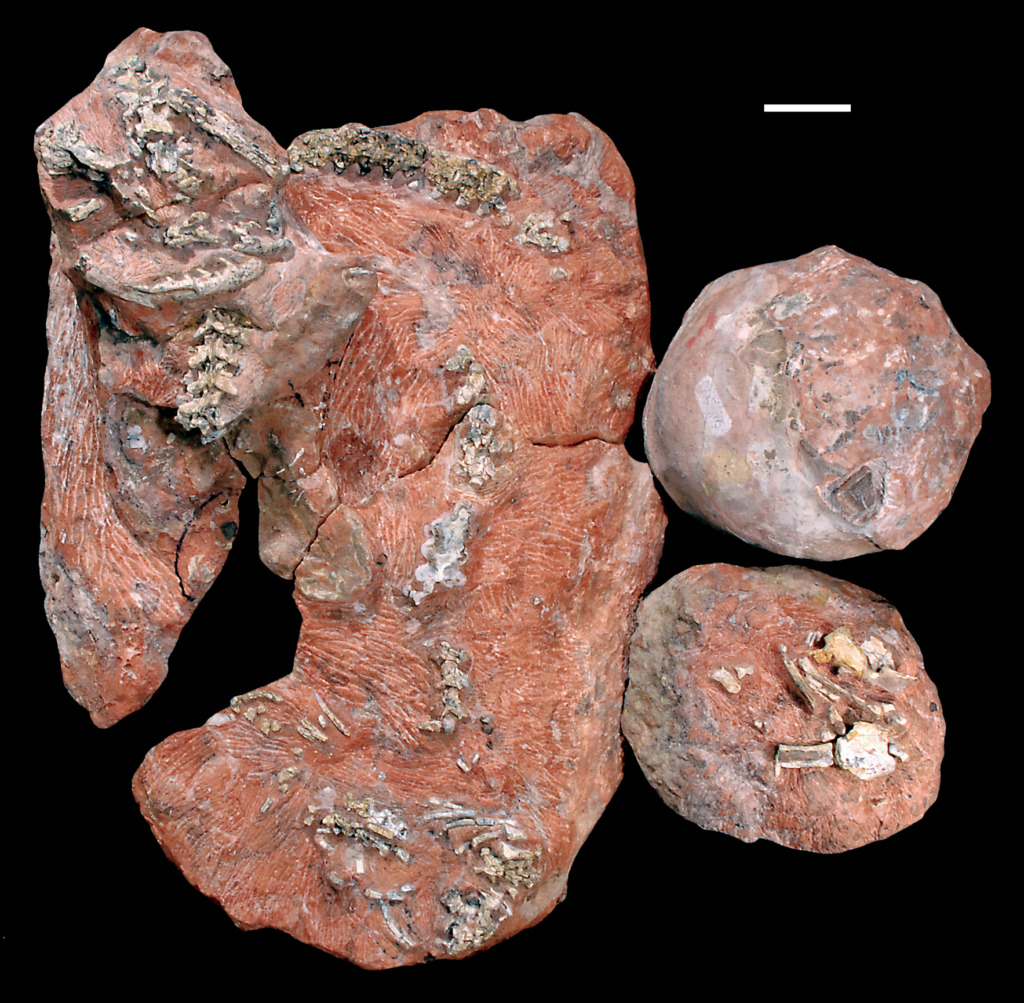
Imagine holding in your hands a fossilized bone from a baby dinosaur that would one day grow into a creature longer than a blue whale. That is essentially what paleontologists are now doing: uncovering tiny bones, eggs, and trackways that reveal a mind‑bending truth about some of the biggest animals that ever walked the planet. The giants of the Jurassic did not start out as titans; they began life almost fragile, small, and astonishingly vulnerable.
This idea changes how we picture the age of dinosaurs. For a long time, museum halls filled with towering skeletons trained us to see sauropods only as colossal, slow‑moving behemoths. Now, new fossil discoveries are forcing us to add a missing chapter at the beginning of their story: a chapter about miniature hatchlings, frantic growth spurts, and survival games played at a very small scale. Once you see that, the familiar giants suddenly feel far more dynamic, more precarious, and somehow more relatable.
Tiny Beginnings: What Baby Sauropod Fossils Actually Show
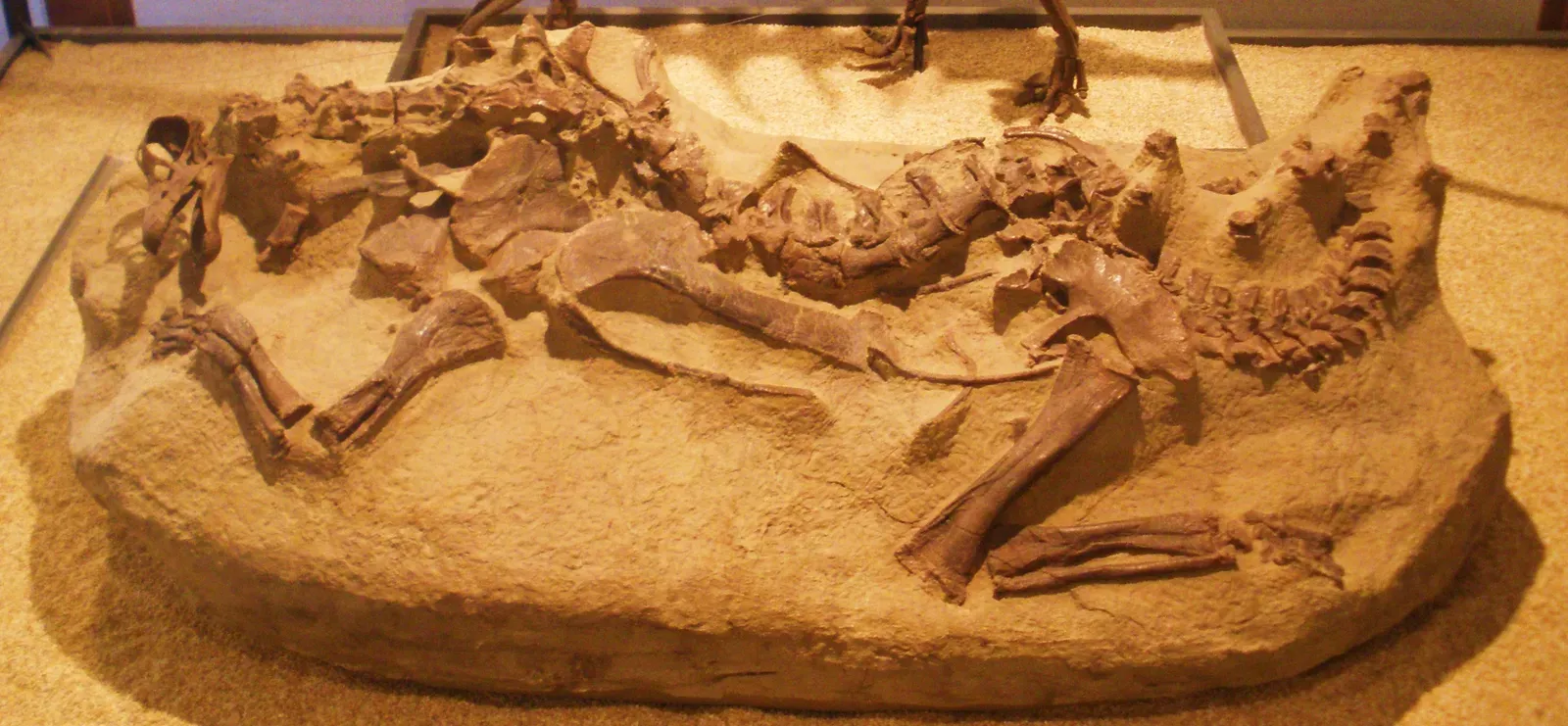
The most striking new fossils are not the long necks and tails we are used to, but the opposite: palm‑sized skulls, short limb bones, and eggs barely bigger than a grapefruit or small melon. These finds come from several regions around the world, including famous nesting sites in South America and Asia, where clusters of eggs, partial embryos, and minute bones are preserved together. Taken as a whole, they paint a surprisingly delicate picture of the early life stages of giant sauropods.
In some specimens, the bones of the embryos are still unfinished, with growth centers that tell scientists these animals were not just small, they were freshly hatched or even unhatched. The proportions are different too: bigger heads relative to the body, stubby legs, and shorter necks, almost like the awkward puppy version of the sleek adults. When you compare these tiny fossils to the massive vertebrae and leg bones of full‑grown sauropods, the scale of the transformation becomes almost hard to grasp.
From Egg to Titan: A Growth Strategy on Fast‑Forward
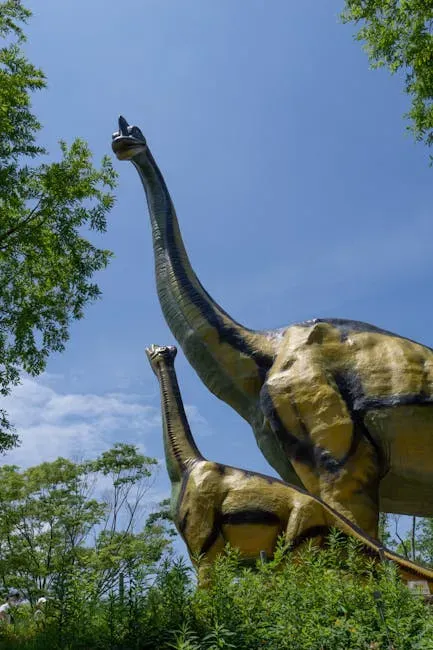
Starting small but ending up gigantic means something simple but profound: these animals had to grow incredibly fast. Bone tissue from young sauropods shows a kind of dense, fibrous pattern that is typical of rapid growth, more like what we see in modern mammals and birds than in slow‑growing reptiles. In practical terms, that suggests a baby sauropod might have added an enormous amount of weight each year, rocketing from hatchling to multi‑ton teenager in what would feel, in geologic time, like the blink of an eye.
This growth strategy carried serious risks and rewards. On one hand, being tiny at first made them easy targets for predators and environmental hazards. On the other hand, fast growth offered a way out: the quicker you left the most vulnerable size classes behind, the greater your odds of joining the nearly untouchable world of the true giants. It is a bit like a video game where the early levels are brutally hard, but if you level up quickly enough, you are suddenly almost invincible.
Why Start Small? The Evolutionary Logic of Mini Hatchlings
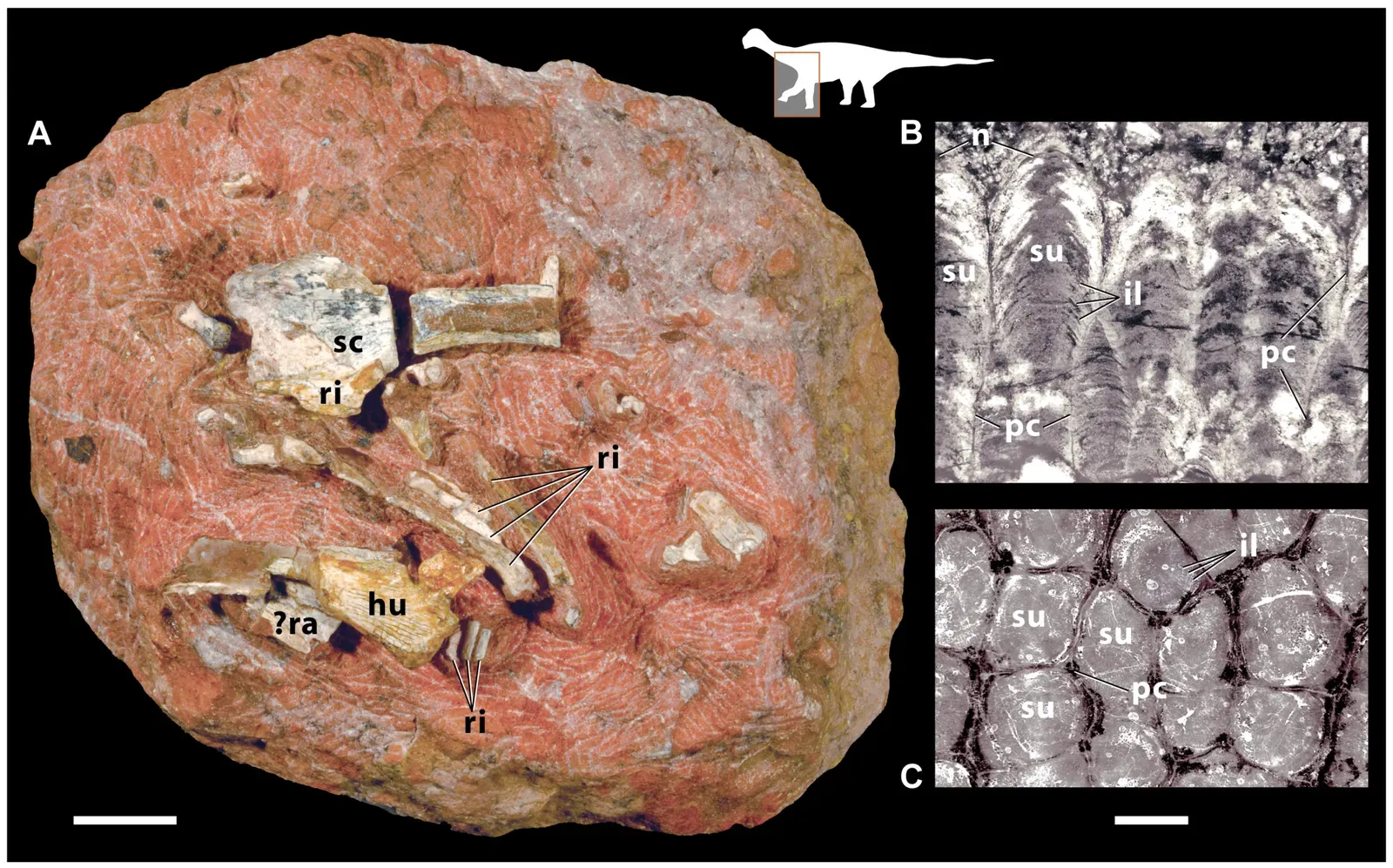
At first glance, it seems almost bizarre that the largest land animals in history did not simply hatch already large. But natural selection does not care what seems intuitive to us; it sorts out what actually works. Smaller eggs are easier to lay in larger numbers, easier to bury or hide, and require less investment from each mother. That means a sauropod could spread its bets across many offspring rather than putting everything into a small number of giant babies.
There is also a physical reason: eggs cannot just keep getting bigger without running into serious design problems. Shells must balance strength with gas exchange so the embryo can breathe, and beyond a certain size the geometry and thickness become tricky. So evolution seems to have favored a compromise: keep the eggs and hatchlings relatively small, then push growth hard after hatching. It is an elegant solution that allowed sauropods to bypass the engineering limits of egg size while still ending up with record‑breaking adults.
Nesting Grounds: Fossilized Sauropod Nurseries Reveal Their Early Life
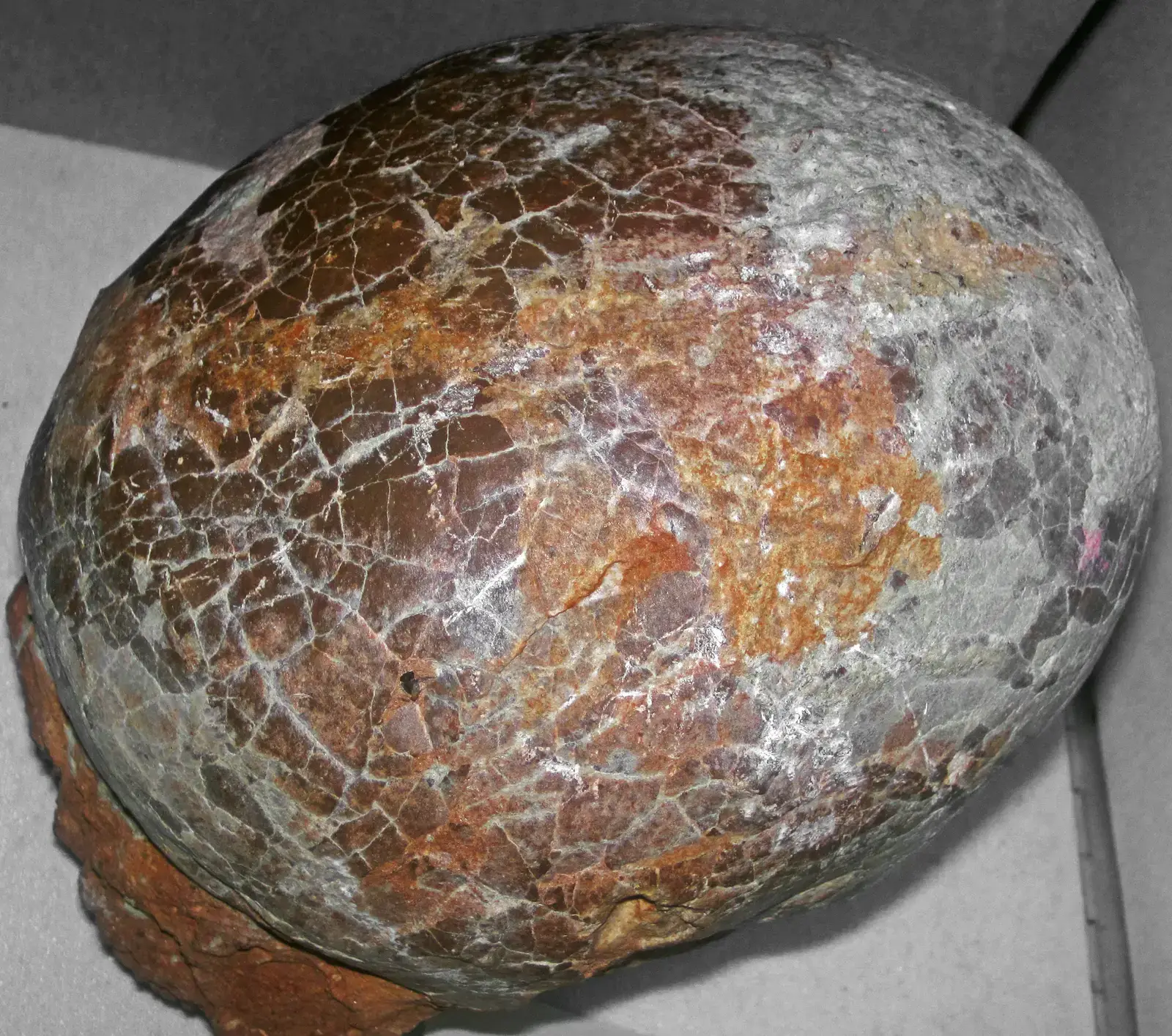
Some of the most moving evidence for this story comes not from isolated bones, but from entire fossilized nesting grounds. In certain rock layers, paleontologists have found repeated clusters of eggs laid in shallow pits, sometimes stacked through many layers of sediment. These sites look very much like long‑used rookeries, where generations of sauropods returned again and again to lay their eggs in the same general area, much like sea turtles on modern beaches.
In a few cases, researchers have even found tiny bones and fragments of hatchlings near or within these nests, suggesting that at least some young stayed in the nesting area for a short time. These nurseries would have been noisy, chaotic places: vulnerable babies, wandering juveniles, scavengers prowling, and perhaps adults moving carefully through the area. To me, these scenes make the dinosaurs feel less like distant monsters and more like animals dealing with the same basic problem every parent faces: how to get your kids through their most dangerous years alive.
Life on the Edge: Predators, Perils, and the Cost of Being Small
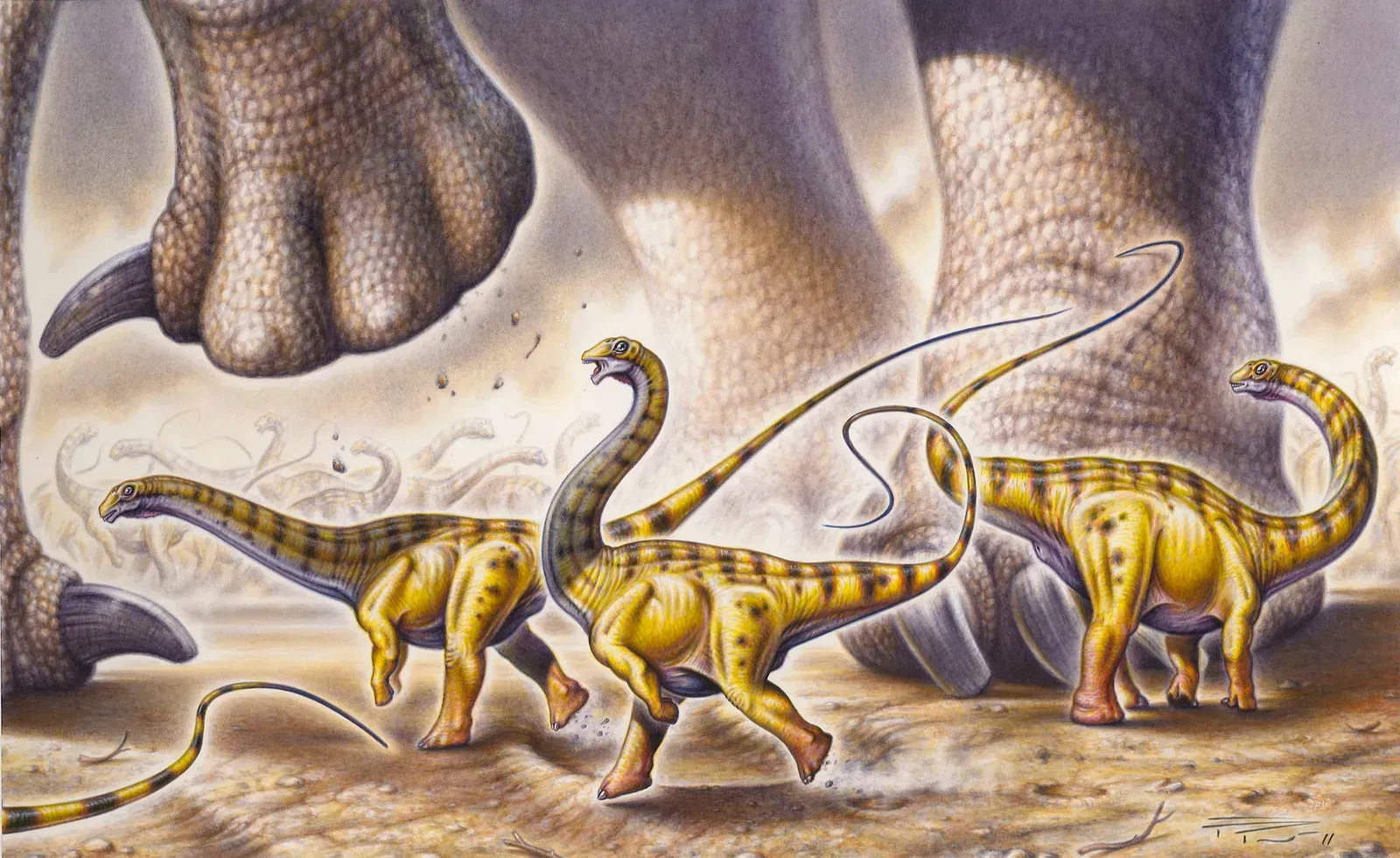
Being born tiny in a world of giant carnivores came with a brutal price. A newly hatched sauropod would have been bite‑sized for many predators sharing its environment, from sharp‑toothed theropods to opportunistic smaller hunters. Tracks and bite marks in some fossil assemblages hint at the harsh reality: many of these youngsters likely did not survive their first few years, and only a fraction ever reached the safety of true giant size.
Beyond predators, there were environmental struggles. Young sauropods had to find enough food and water, cope with shifting climates, and avoid hazards like flooding or drought. Their skeletons show signs of intense, sustained growth, which would have demanded a constant supply of vegetation and nutrients. If you have ever watched a teenager seem to grow a few centimeters over one summer and eat everything in sight, you have a tiny glimpse of what sauropod adolescence might have been like – scaled up to a level that almost defies imagination.
How Bone Microstructures Let Scientists Reconstruct Growth
The key to turning fossils into life stories is hidden inside the bones themselves. When paleontologists slice through a limb bone and look at it under a microscope, they see patterns of tiny canals, growth rings, and different kinds of bone tissue. In sauropods, young individuals tend to show bone packed with small blood vessel channels and a woven texture, a signal of fast, continuous growth. As the animals age, the bone often becomes more organized, with clearer growth markers that suggest the pace of growth slowed down.
By comparing bones from individuals of different sizes and apparent ages, scientists can sketch out a growth curve for these dinosaurs: roughly how fast they grew at various life stages, when they hit sexual maturity, and when growth began to plateau. The picture that emerges is not of lazy, plodding reptiles lumbering through life, but of animals with a life history more like modern large mammals or birds: a race to reach adult size, followed by a long period of relative stability. That alone forces us to rethink nearly everything we assumed about how giant dinosaurs lived their lives.
From Cute to Colossal: How Body Shape Changed with Size
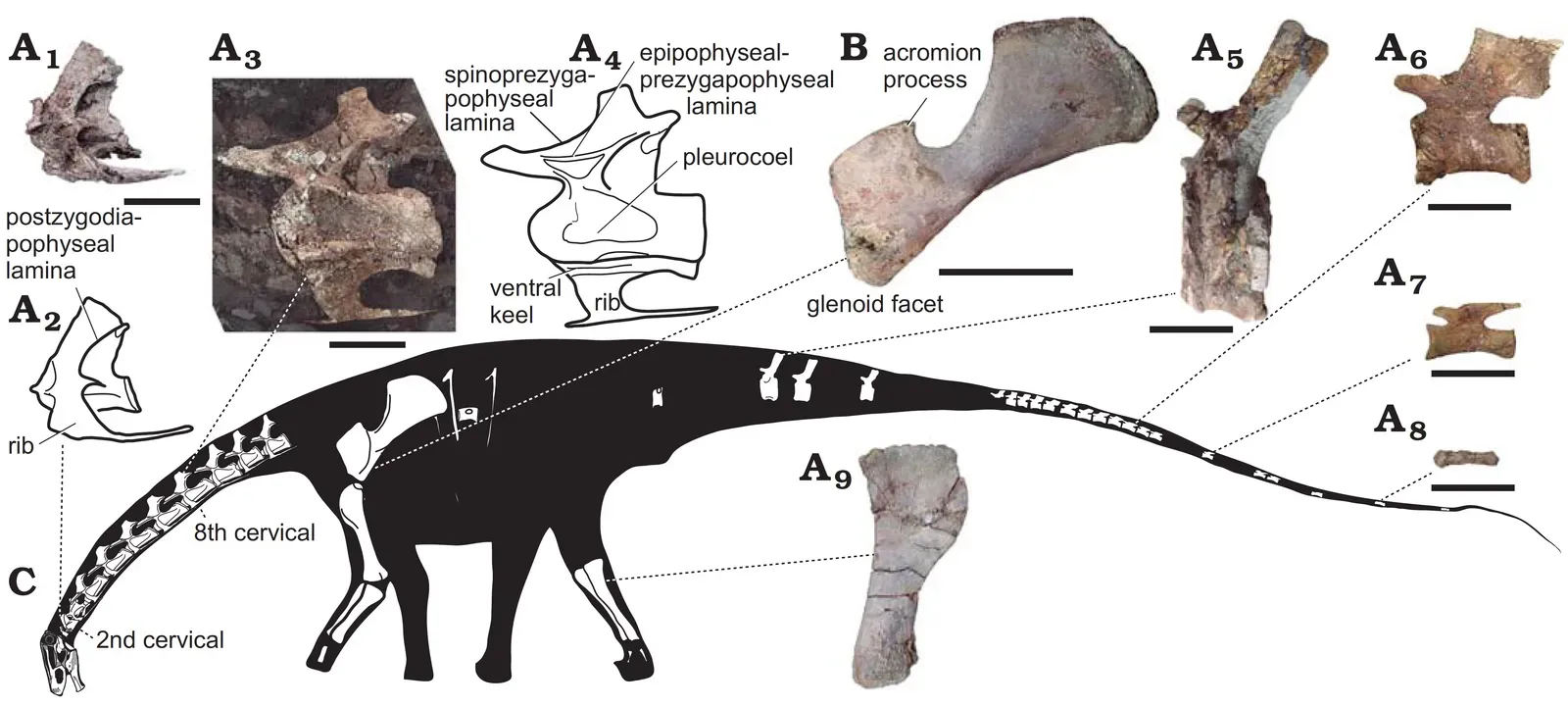
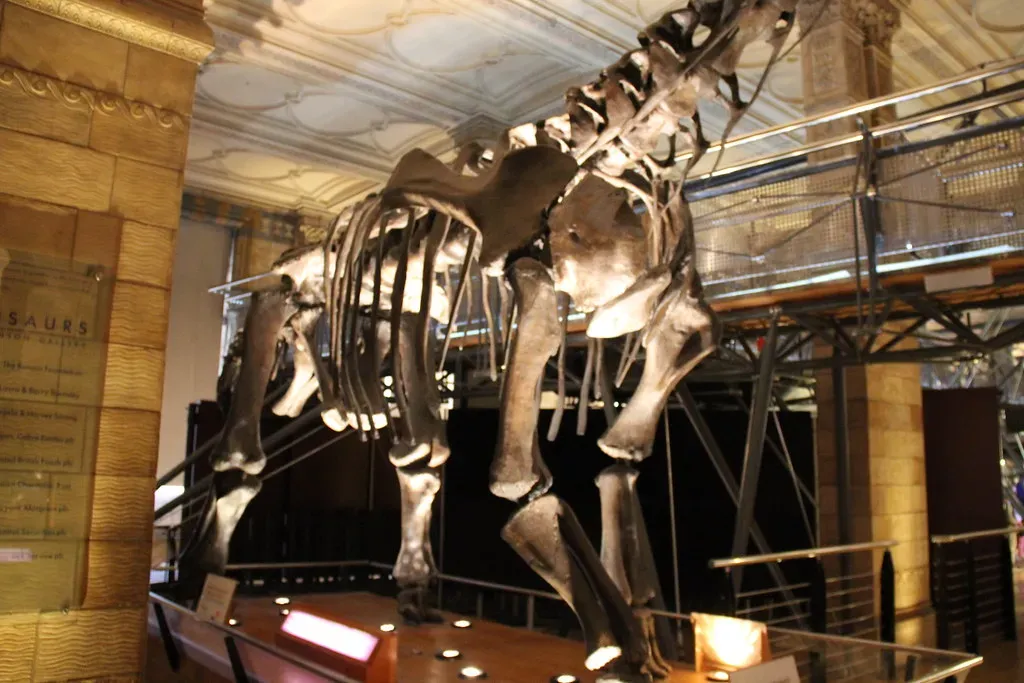
One of my favorite details in this story is how sauropods quite literally grew into their famous shapes. Young individuals had comparatively short necks, larger heads, and different limb proportions than adults. As they aged, the neck vertebrae elongated, the limbs became more column‑like, and the torso lengthened. It is as if the blueprint for a skyscraper started as a stubby bungalow and then stretched upward as the animal grew.
This change in body shape likely went hand in hand with shifts in lifestyle. Smaller juveniles may have browsed different types of plants at different heights, occupied denser vegetation, or moved in different social groups than the massive adults. By dividing the ecosystem this way, sauropods of various ages could avoid directly competing for exactly the same food resources. It is a clever ecological move: turn a single species into a series of life‑stage specialists, each using the environment in slightly different ways.
Rethinking Giants: What Sauropod Childhood Tells Us About Evolution
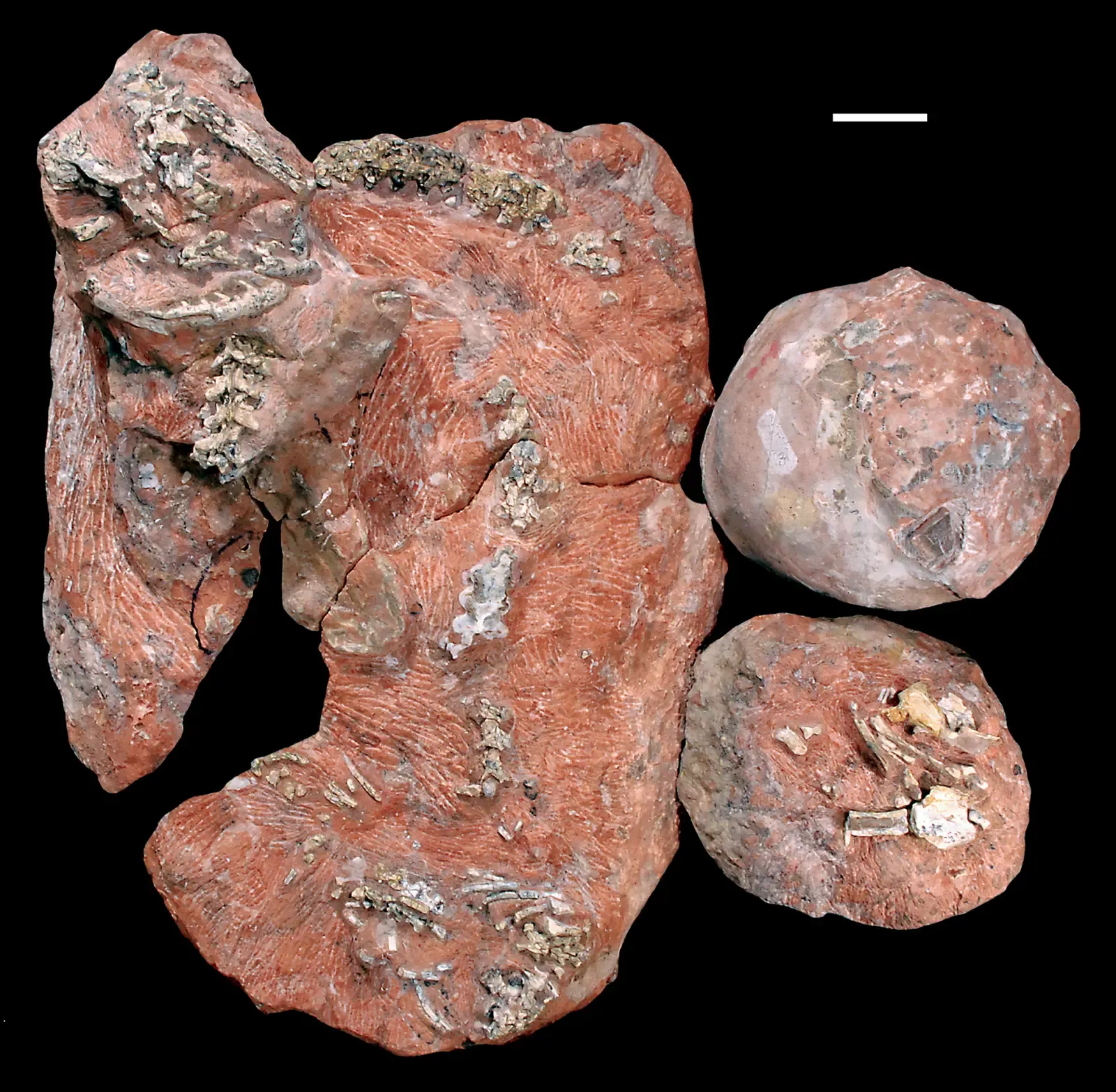
When you put all of this together – tiny eggs, furious growth, shifting body shapes, and dangerous early years – you get a powerful insight into how evolution builds giants. It did not simply crank up body size across the board. Instead, it tinkered with growth rates, life stages, and reproductive strategies to create a system where starting small was not a weakness, but a workable starting point on the path to extremes. The more we learn, the clearer it becomes that sauropods were not accidents of nature; they were carefully shaped success stories.
To me, the biggest takeaway is that gigantism is not just about being big; it is about managing risk over a lifetime. Sauropods accepted incredibly high mortality among their smallest young in exchange for the payoff of a few survivors reaching enormous, almost untouchable sizes. That is a harsh bargain, but it clearly worked for tens of millions of years. In an odd way, it mirrors some human systems today: many small bets, intense pressure early on, and huge rewards for the rare ones that make it through.
Conclusion: Why These Small Beginnings Make the Giants Even More Impressive
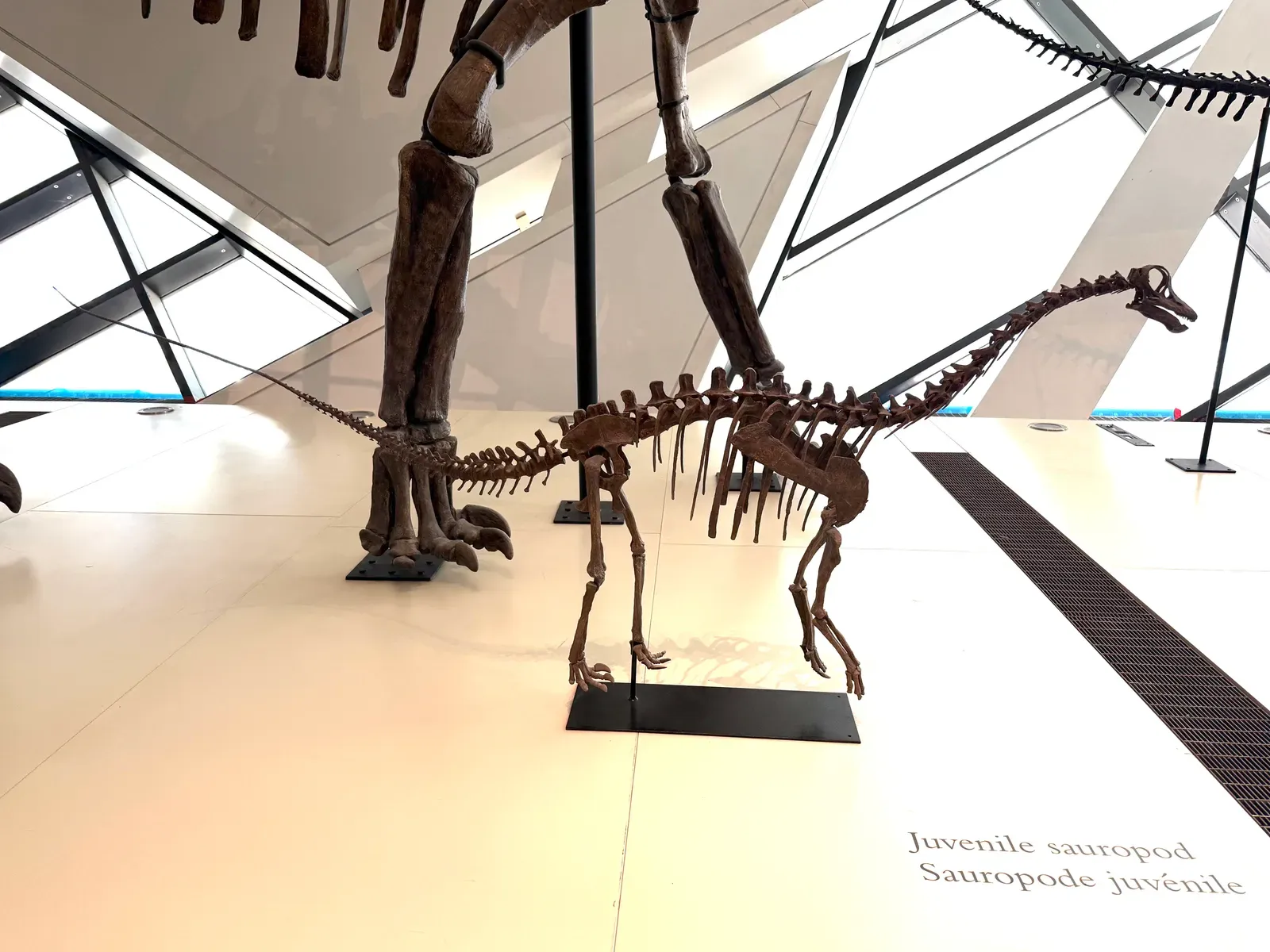
Knowing that the largest land animals in Earth’s history began life as fragile, undersized hatchlings does not make them less impressive; it makes them more astonishing. These animals did not simply exist as static giants – they fought their way up from the bottom, through a gauntlet of predators, shortages, and physical limits, powered by a growth strategy that pushed the boundaries of what bones, eggs, and ecosystems could handle. I find it hard not to be a little awed by that combination of vulnerability and potential in every tiny egg.
In my view, the new fossil evidence does more than fill in a missing chapter; it flips the whole narrative. Sauropods stop being distant, almost cartoonish monsters and become complex, evolving creatures whose life stories were full of risk, change, and staggering transformation. The next time you stand beneath a towering sauropod skeleton in a museum, remember there was once a baby behind every bone, small enough to fit in your hands but destined, if it survived, to reshape entire landscapes. Does that early fragility make their rise to giant status feel even more extraordinary to you, too?