
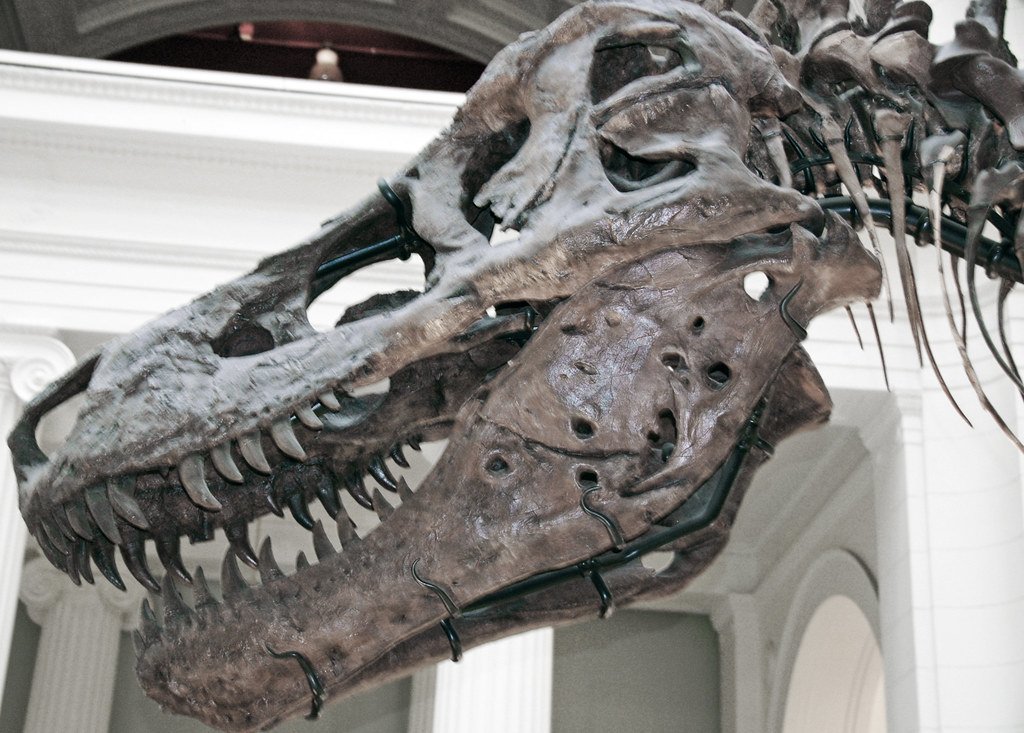
When you picture a dinosaur skeleton in a museum, it looks almost elegant: clean, symmetrical, and strangely peaceful. But a closer look at those ancient bones tells a very different story – one of crushed ribs, infected wounds, broken limbs that somehow healed, and lives that were anything but calm. Behind those tidy displays is a history of pain, resilience, and survival that makes our modern idea of “tough” look embarrassingly soft.
Over the last few decades, paleontologists have realized that many dinosaurs did not die the moment they were injured. Some of them walked around for months or years with damage that would send most of us straight to emergency surgery. Their bones show signs of healing, infection, and even repeated trauma – evidence that dinosaur life was harsher, messier, and more complicated than their fossilized skeletons first suggest. And the more scientists look, the more that picture of gritty survival comes into focus.
Broken Bones That Kept On Going
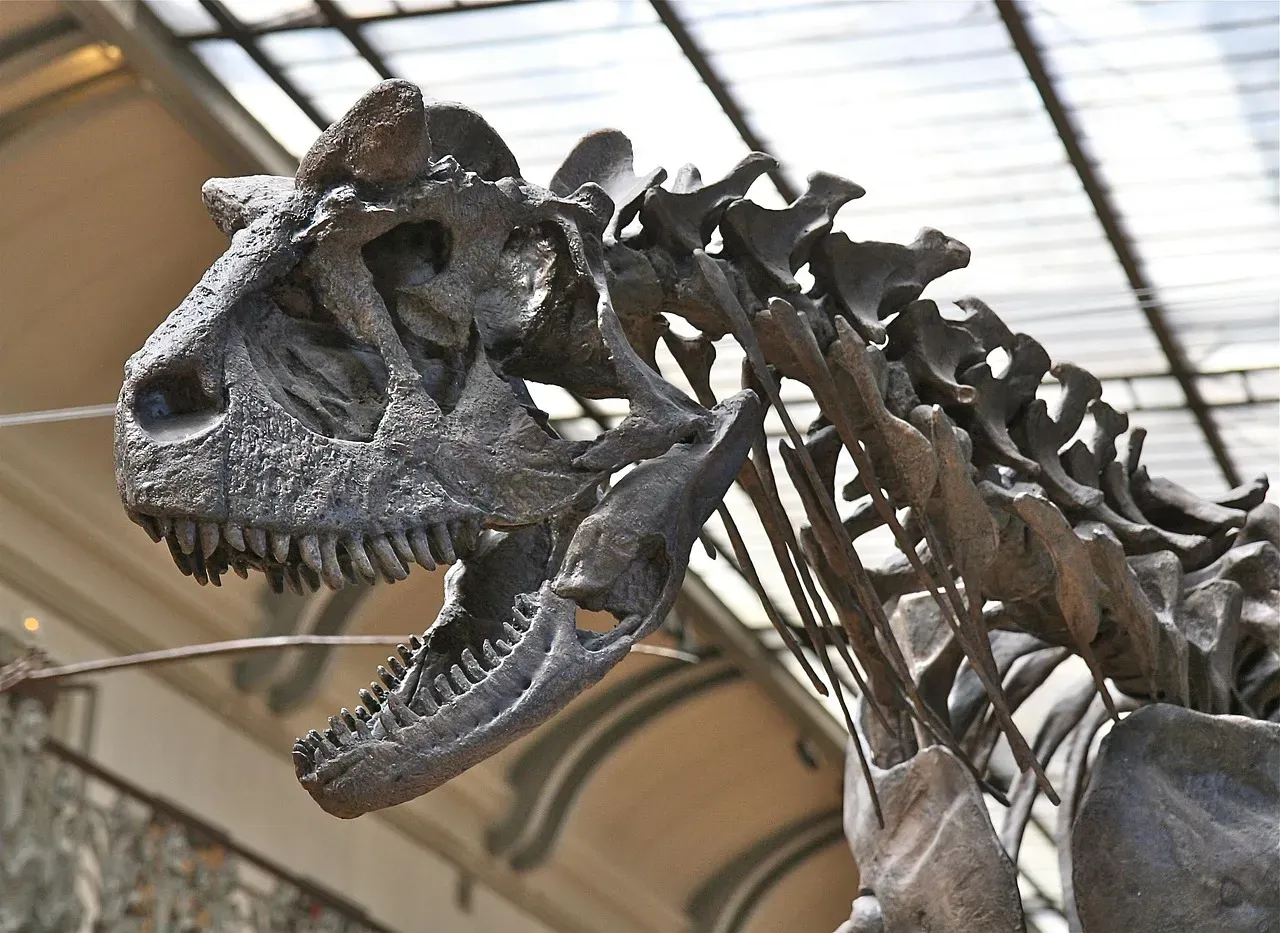
One of the most striking discoveries in dinosaur paleontology is how many skeletons show healed fractures instead of just clean, unbroken bones. Paleontologists have found limb bones with clear signs of callus formation – that knobbly extra bone that builds up as a fracture heals – meaning the animal survived long enough for its body to repair the damage. That alone tells us dinosaurs were not just fragile giants that dropped dead at the first sign of trouble.
Think about what it means for a multi‑ton animal to walk on a broken leg or survive cracked ribs or a damaged tail. These injuries would have made hunting, escaping predators, and even just moving around incredibly difficult. Yet many dinosaurs seem to have powered through, suggesting strong immune systems, robust bone healing, and possibly even behaviors that helped injured individuals make it long enough to recover.
Claw Marks, Bite Wounds, And Evidence Of Brutal Fights
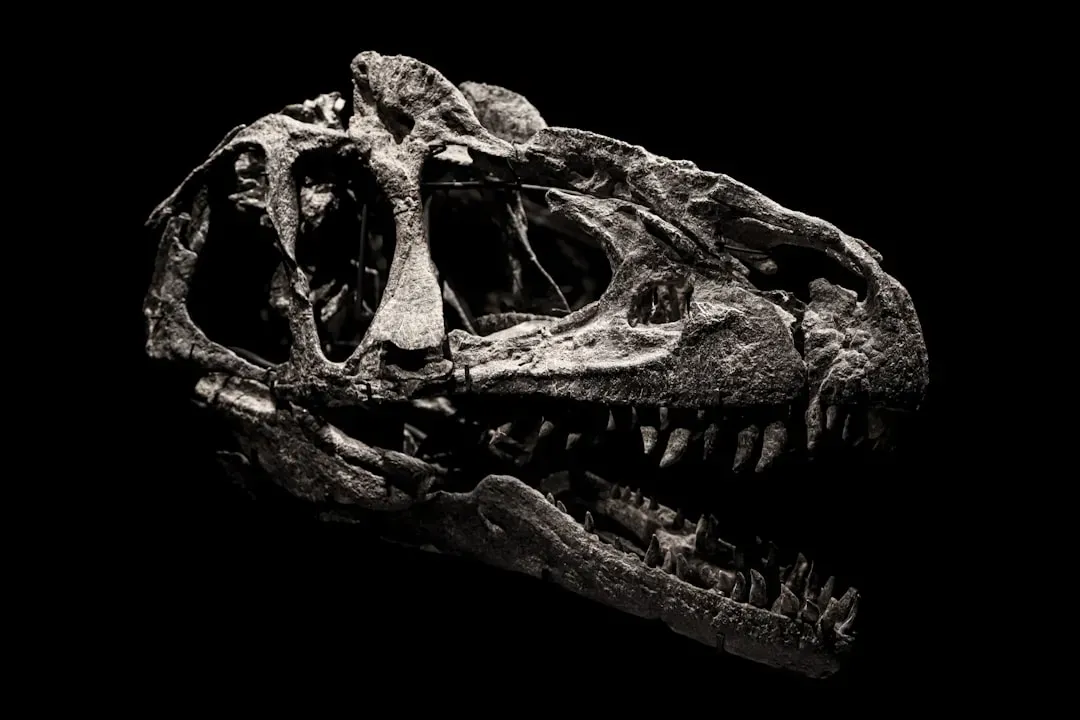
Dinosaur bones do not just break; they also carry scars from encounters with teeth and claws. Paleontologists have found bones with tooth marks that show signs of healing, meaning a dinosaur was bitten badly, survived the attack, and continued living for some time afterward. In some carnivores, skulls and ribs show old injuries that likely came from fights with rivals or dangerous prey that did not go down easily.
These healed bite marks suggest that dinosaur life was full of violent confrontations, not just with predators but within species as well. Just like modern big cats or crocodiles, dinosaurs may have fought over territory, mates, or food, leaving each other scarred but not always dead. The fact that so many of these injuries healed tells us that surviving a brutal encounter was not rare – it was part of the normal, dangerous rhythm of their lives.
Infections, Disease, And The Hidden Pain In Fossil Bones
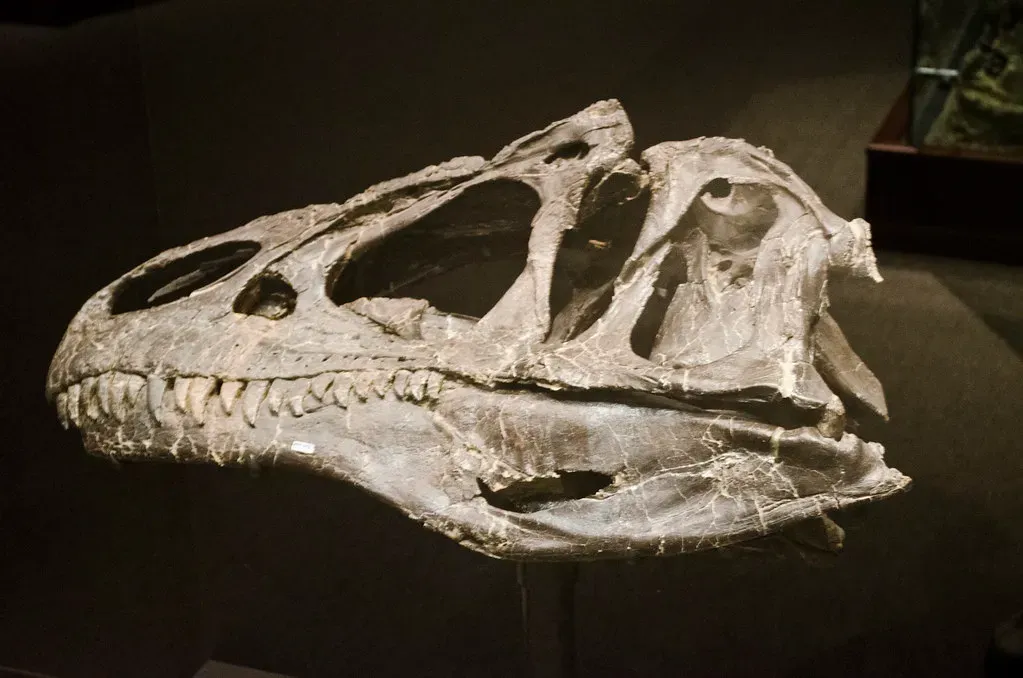
It is not only physical trauma that shows up in dinosaur fossils; disease leaves its mark too. Some dinosaur bones show evidence of infections, such as pitted or swollen areas where bacteria likely invaded after an injury. There are cases where vertebrae fuse together, or strange growths appear on the bone surface, hinting at chronic illness or long‑term inflammation that the animal lived with for years.
Scientists can sometimes recognize patterns similar to conditions seen in modern animals, like arthritis‑like joint wear or bone lesions that suggest systemic infections. That means some dinosaurs were walking around in pain, suffering from problems that would have needed serious treatment today. Yet without medicine, antibiotics, or pain relief, their only option was to endure – and many clearly did, long enough for their bodies to leave these slow‑burning stories written into their skeletons.
How Paleontologists Read Trauma In Fossils
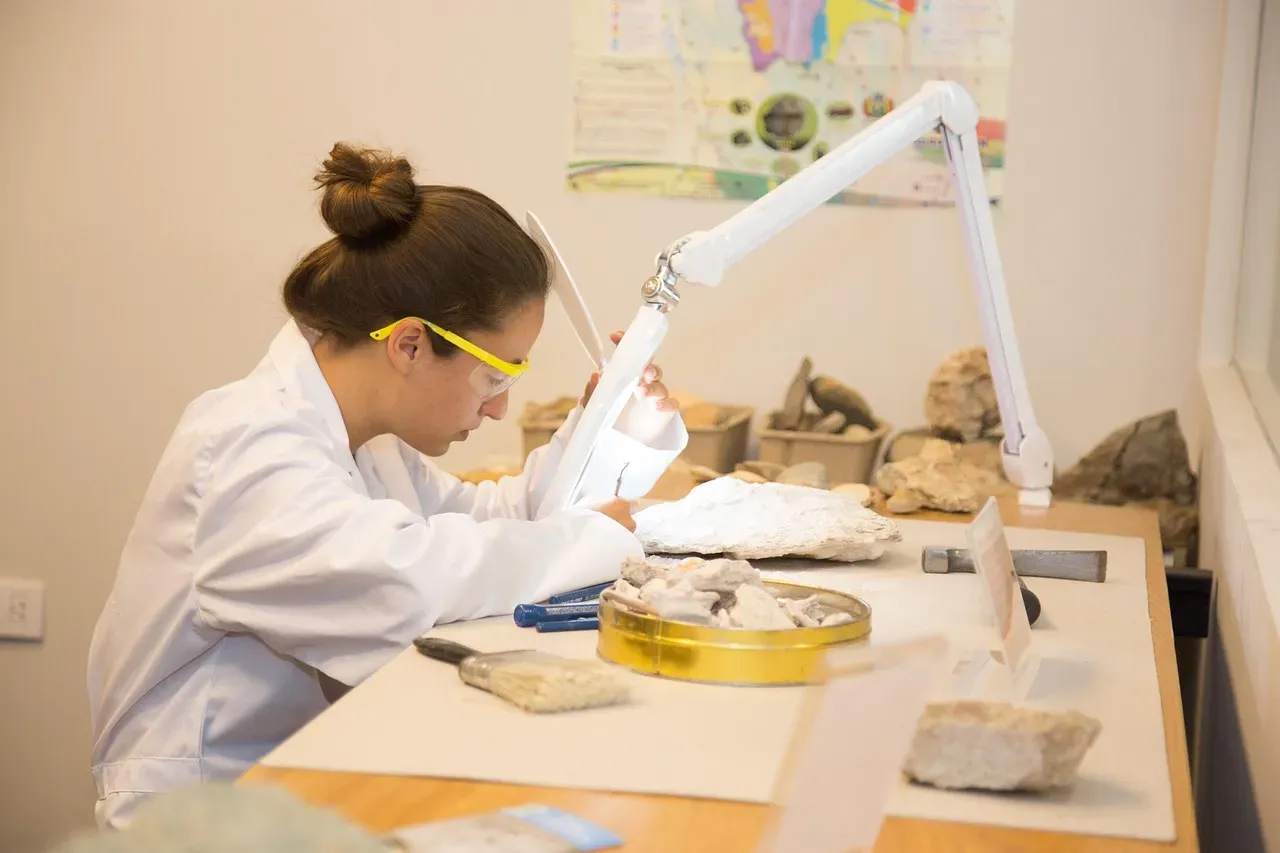
None of this is obvious at first glance; it takes careful, almost detective‑level work to read these injuries correctly. Paleontologists use tools like CT scanning, microscopic analysis, and comparisons with modern animals to figure out whether a bone feature was caused by an injury, a disease, or just normal variation. A roughened area might be a healed fracture, while a hole could be a bite mark or an infection that ate into the bone.
To avoid jumping to conclusions, researchers check whether the bone shows healing, which usually appears as smoother, remodeled tissue that looks different from fresh breaks. They also compare multiple fossils from the same species to separate real trauma from normal anatomy. It is painstaking work, but when those patterns emerge, they reveal a surprisingly detailed picture of how tough, injured, and stubbornly alive these animals actually were.
What Dinosaur Injuries Reveal About Their Behavior
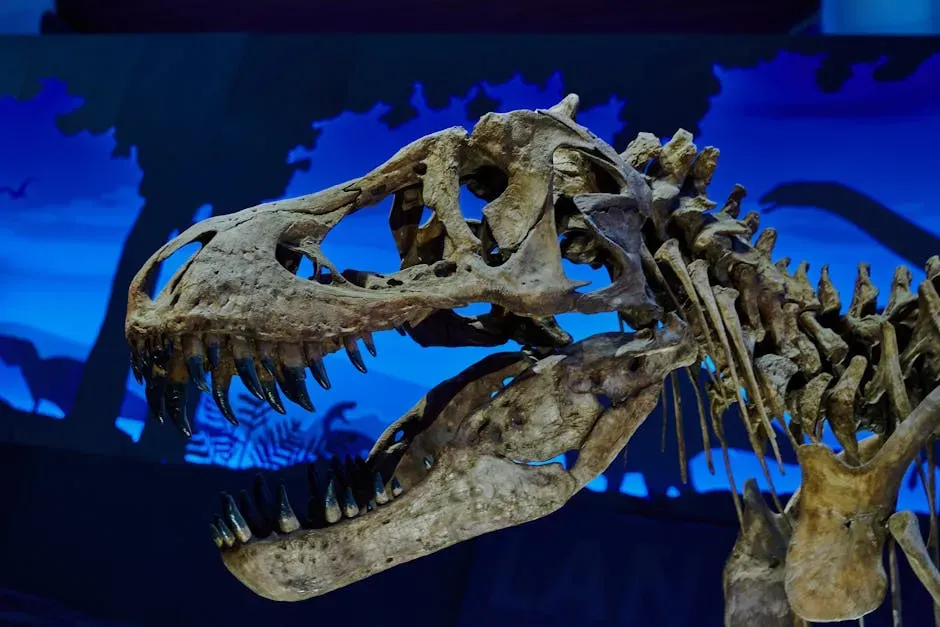
Healed wounds do more than prove survival; they give us clues about how dinosaurs behaved. For example, repeated injuries in the same body regions can suggest consistent habits, like certain hunting strategies or ways of fighting. Large carnivores with damaged skulls and jaws may have taken on prey that fought back hard, while herbivores with broken ribs or hips might have been rammed or shoved by rivals during dominance battles.
There is also the question of whether injured dinosaurs ever received any kind of support from their own kind. Some scientists have speculated that long‑lived individuals with major healed injuries might have been helped simply by living in groups, where staying within a herd or pack could lower the risk of being picked off. We may never know exactly how much “care” existed, but the fact that badly injured animals sometimes survived suggests that behavior and social structure played a role, not just raw physical toughness.
On a more personal note, I still remember seeing a fossil of an herbivorous dinosaur with a shattered, healed hip in a museum and realizing it would have limped for years. It instantly made that animal feel less like a distant monster and more like a battered old dog that just kept going. Those quiet, damaged bones do a better job of humanizing dinosaurs than any dramatic reconstruction ever could.
Resilience At Massive Scale: Healing In Giants And Smaller Species
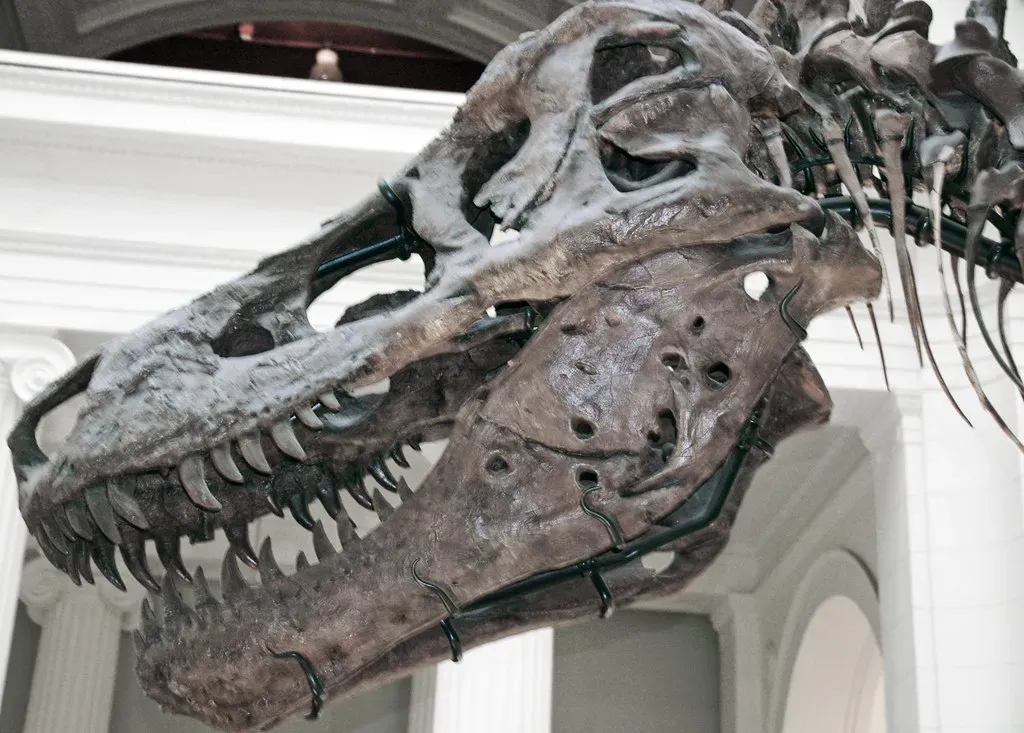
Big dinosaurs faced a unique challenge: when you weigh several tons, a broken leg is a potential death sentence. Yet there are fossils of massive sauropods and large theropods that show serious injuries which partially healed, proving they stayed alive despite carrying huge body weight on damaged limbs. This suggests not only powerful bone‑healing capacity but also biomechanics that allowed them to redistribute stress enough to keep moving.
Smaller dinosaurs, on the other hand, may have been more agile and better able to compensate for injuries, but they also had different threats, like nimble predators and environmental dangers. Their fossils show healed fractures and bite marks too, hinting at a world where surviving your first serious injury was more common than we once imagined. Across body sizes and lifestyles, resilience seems to have been a core feature of dinosaur biology, not just a rare exception.
Why Their Lives Were Tougher Than Skeletons Suggest
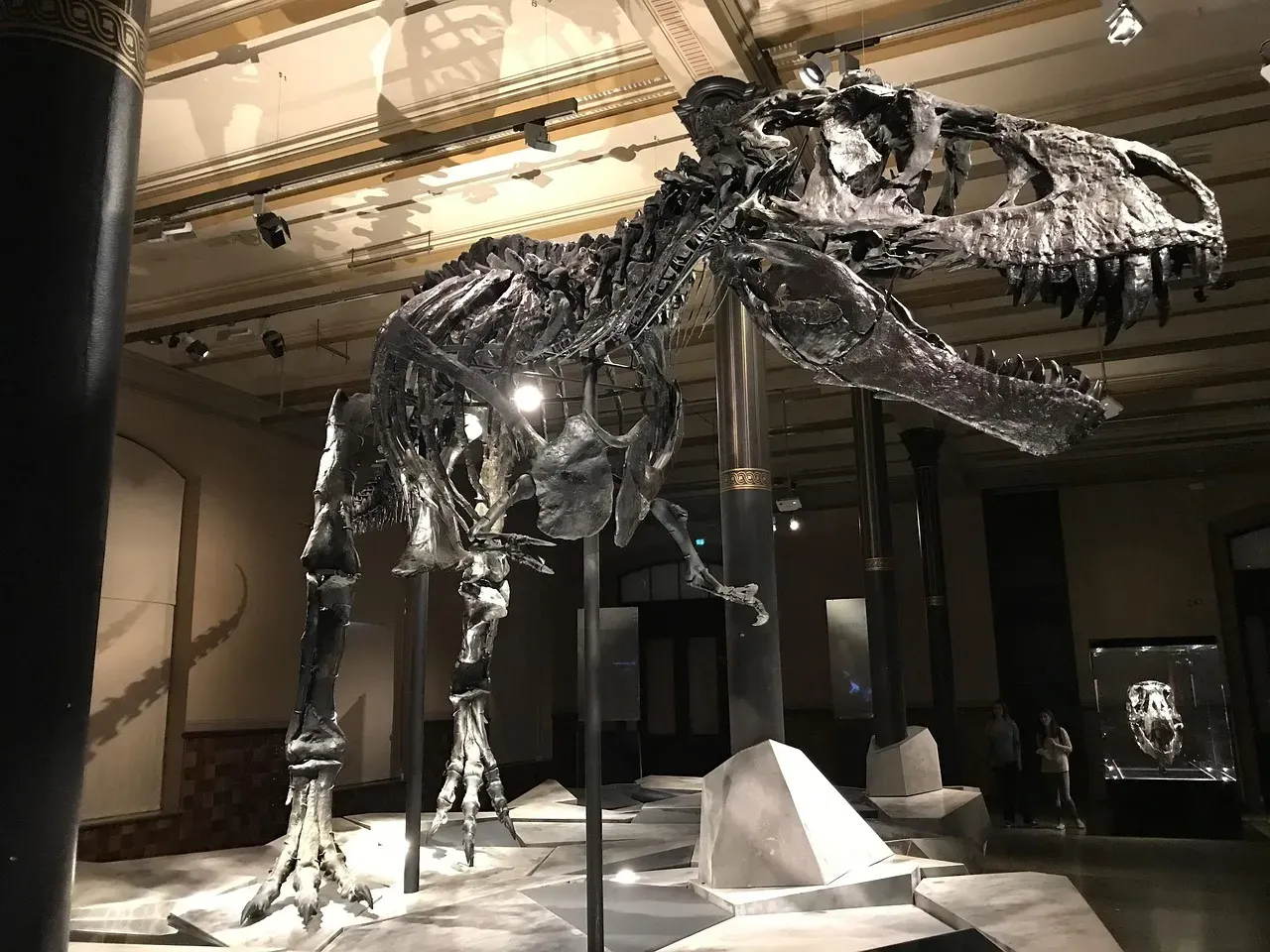
It is tempting to look at a reconstructed dinosaur in a gallery and imagine its life as a kind of prehistoric wildlife documentary: dramatic hunts, impressive migrations, then a clean, final end. The reality, written in fractures, infections, and warped vertebrae, is grittier. Many of these animals likely lived for long stretches with pain, limited mobility, chronic disease, or repeated injuries that never fully went away.
The key point is that the fossil record only shows us what lasted – hard tissue that made it through burial, deep time, and discovery. Soft‑tissue wounds, bruises, organ damage, or temporary illnesses are invisible to us. So if we already see this much trauma in the bones that survived, the full, lived experience of a dinosaur was almost certainly rougher, more exhausting, and more physically demanding than a skeleton alone can ever express. Their lives were not just spectacular; they were brutally hard.
Conclusion: Dinosaurs Were Not Just Giants, They Were Survivors
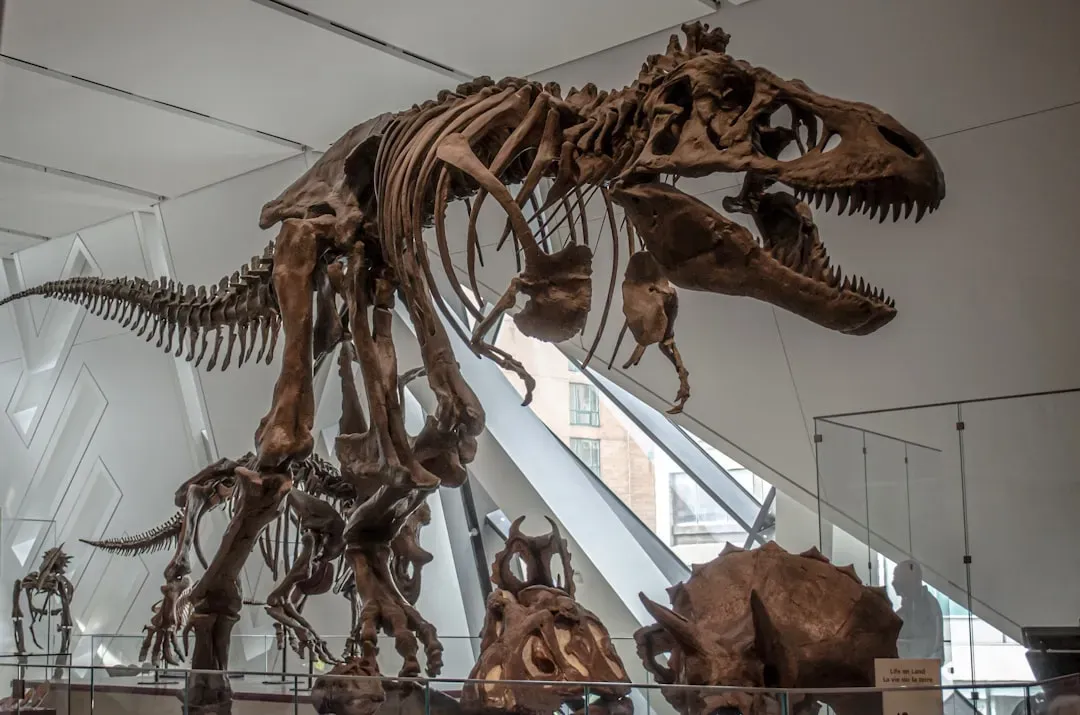
When you put all this together – the healed fractures, the bite marks, the infections, the twisted joints that still show signs of long‑term life – a clear picture starts to form. Dinosaurs were not delicate victims of fate; they were tough, scarred survivors that pushed through injuries which would cripple or kill many modern animals without medical help. Their world was unforgiving, but they met it with a level of resilience that is easy to underestimate when all you see is a clean white skeleton on a museum floor.
In my view, that makes dinosaurs more impressive, not less. They were not just icons of size and power; they were veterans of long, painful battles with their environments, their predators, and even their own bodies. The evidence of survival carved into their bones forces us to imagine them as living creatures that hurt, healed, and endured, not just as symbols of extinction. Next time you stand under a towering fossil, it is worth asking yourself: how many injuries did this animal survive before it finally fell, and how much of its real story are we still missing?