Imagine brushing dust off a rock surface somewhere in the windswept plains of Patagonia and suddenly realizing you are holding something that was laid 70 million years ago. Not a shard, not a fragment – a whole, nearly perfect egg. That kind of discovery sounds like the plot of a science fiction film, yet that is exactly what happened during a remarkable expedition in Argentina’s Río Negro region in late 2025.
This find has ignited conversations in paleontological circles worldwide. It is the sort of discovery that makes you stop and rethink just how much of prehistoric life is still buried beneath our feet, waiting to be found. So buckle up, because this story is genuinely extraordinary.
The Discovery That Stopped Everyone in Their Tracks
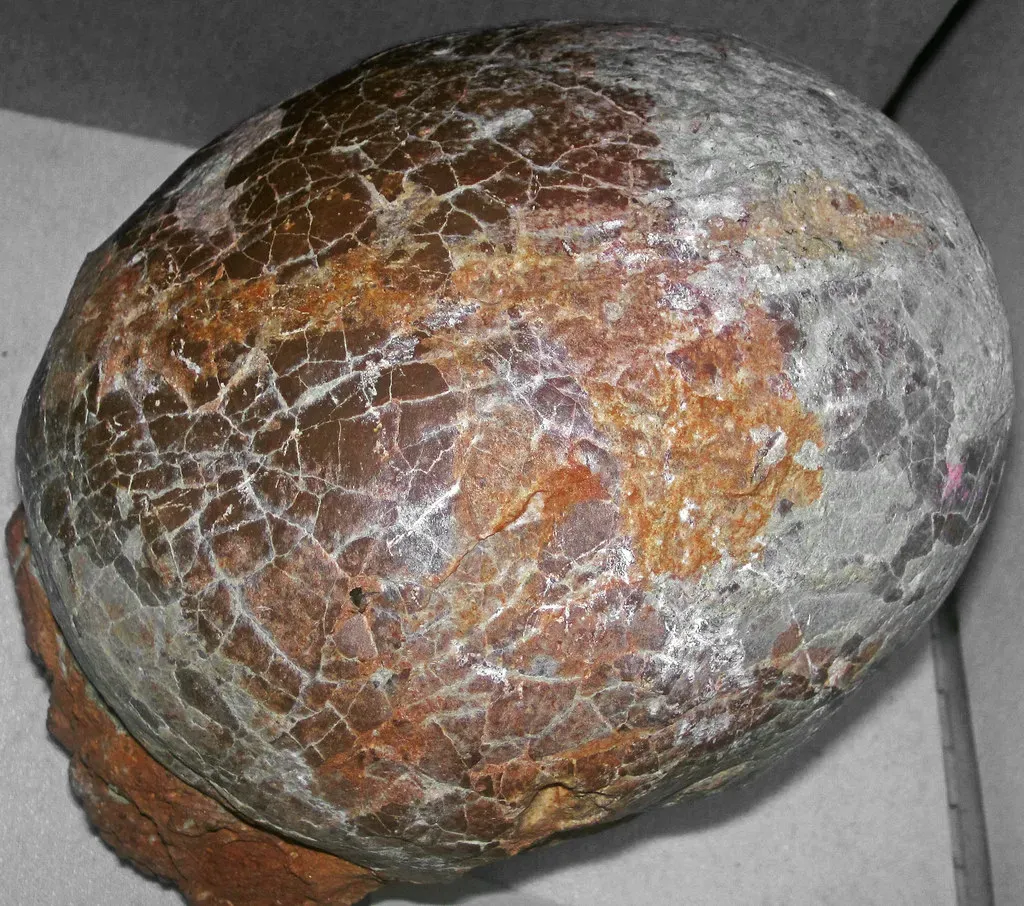
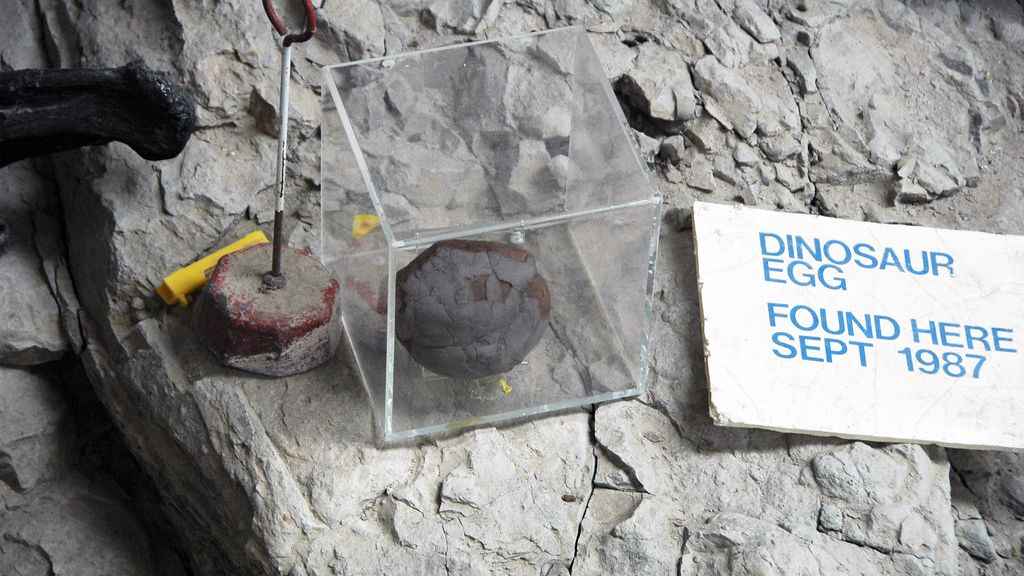
You could be forgiven for thinking the egg had been laid just yesterday. , believed to be 70 million years old, was uncovered in Argentina’s Patagonia region, stunning paleontologists with its near-pristine condition. That level of preservation for a fossil this ancient is, to put it plainly, almost unheard of.
Viewers around the globe watched Argentine researchers realize they were looking at , as shouts and applause echoed over the microphones. The field party consisted of 20 scientists from CONICET and the Argentine Museum of Natural Sciences, led by vertebrate anatomist Dr. Federico Agnolín, who had been surveying near the city of General Roca when three members spotted what they first mistook for an emu egg. The moment you first lay eyes on something and genuinely cannot tell if it is prehistoric or modern? That is the kind of story that gives science a pulse.
Where Exactly Was It Found – and Why Does That Matter?
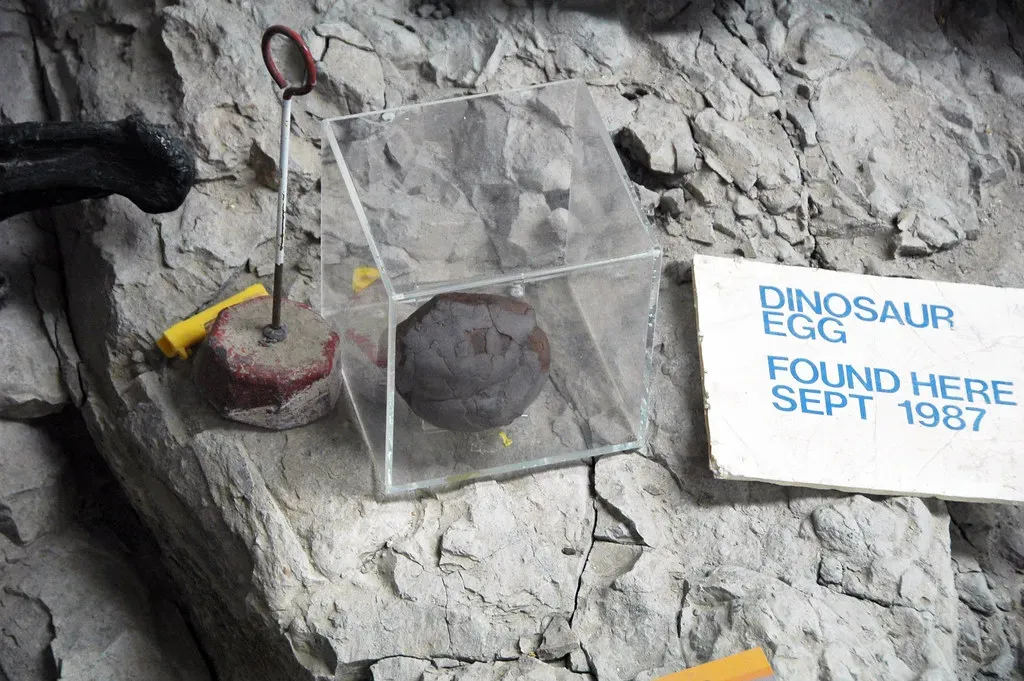
The egg was discovered during a joint excavation by Argentina’s National Scientific and Technical Research Council (CONICET) and the National University of Comahue, unearthed from sedimentary layers of the Allen Formation. These strata date to the Maastrichtian stage of the Late Cretaceous, roughly 72 to 66 million years ago, when Patagonia was a warm, semi-arid landscape dotted with floodplains and seasonal rivers. Think of it like nature’s time capsule, sealed under layers of geological pressure for millions of years.
The Allen Formation has previously yielded titanosaur bones, dinosaur nests, and eggshell fragments, but rarely an intact specimen of this quality. Patagonia as a region is no stranger to extraordinary fossil finds – Argentina ranks third worldwide for identified dinosaur species – yet even by that standard, this egg stands apart. It is the difference between finding a torn page from a book and finding the entire first edition.
What Kind of Dinosaur Laid This Egg?
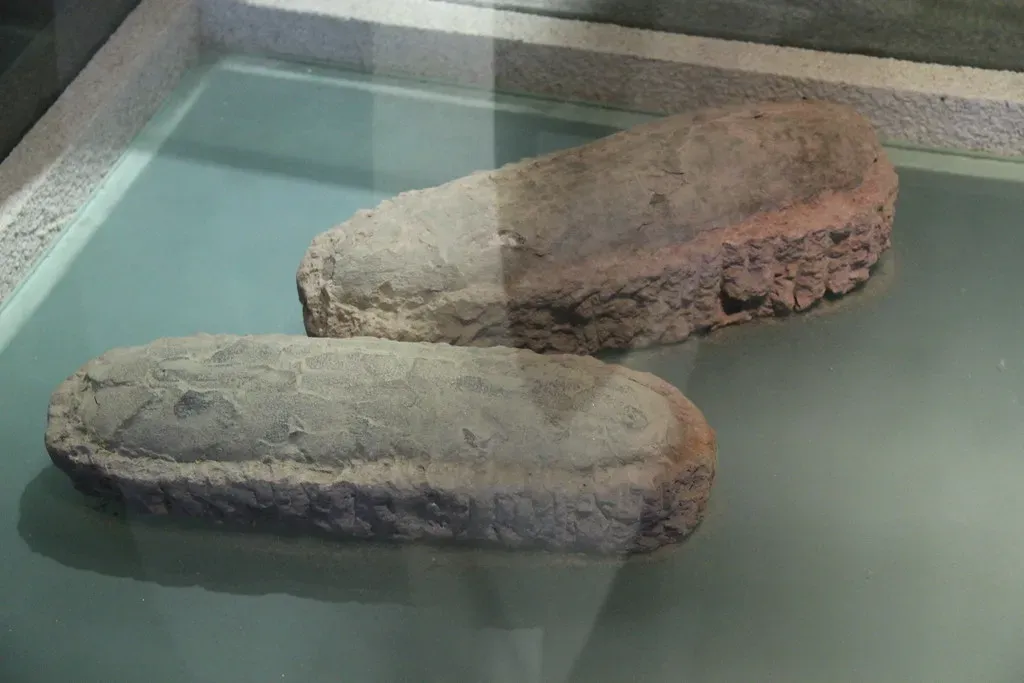
The egg’s shape already offers a clue: being oval – more similar to that of a modern bird – it is associated with a carnivorous dinosaur, since sauropod eggs, those of the long-necked giants, are more spherical and have thicker shells. That oval shape is not just aesthetically interesting – it is scientifically telling. It points toward a predatory animal, not one of the massive plant-eaters that dominate so many fossil sites.
At first, researchers thought the egg might belong to Bonapartenykus, a small carnivorous theropod from the Late Cretaceous that inhabited the area, but that hypothesis was later ruled out. Agnolín explained it has a very different ornamentation after comparing the find with previously known egg fragments, and added that the team believes they may be looking at another kind of carnivorous dinosaur – perhaps one whose adult form is not yet known. Honestly, the idea that this egg could belong to a species entirely unknown to science is thrilling in the most wonderful way.
Why Carnivorous Dinosaur Eggs Are So Incredibly Rare
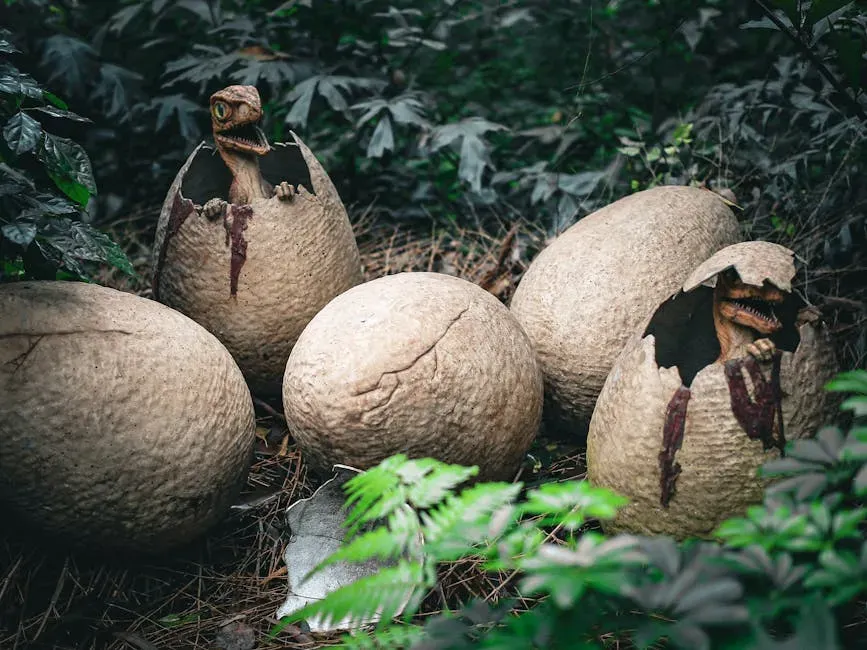
Eggs from carnivorous dinosaurs are less common for several reasons. These dinosaurs were fewer in number compared to herbivores, and their eggs were more delicate, with thinner shells that made preservation over millions of years much more difficult. This fragility makes intact specimens like the one found in Río Negro particularly valuable for scientific study. It is a bit like finding a vintage glass bottle perfectly intact at the bottom of the ocean – theoretically possible, but almost miraculous in practice.
Dinosaur embryos have been found elsewhere in the world, but they are extremely rare. In Argentina, only sauropod embryos have been discovered – never those of carnivorous species. So when you layer the rarity of a carnivorous dinosaur egg on top of the rarity of a perfectly preserved specimen on top of the possibility of an embryo inside, you start to understand why the entire scientific team erupted in disbelief when they saw it.
Could There Be an Embryo Inside?
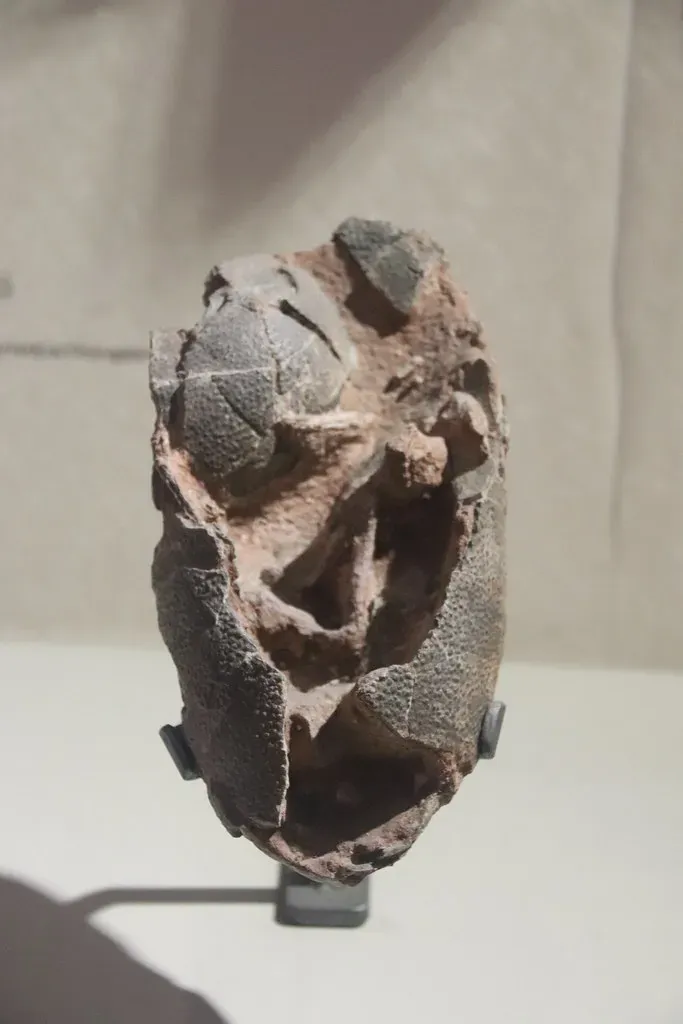
Researchers are relying on state-of-the-art technology. They plan to use 3D tomography, which will allow them to look inside the egg without touching it. This technology has revolutionized the study of fossils in recent years, enabling scientists to gain a closer look at delicate specimens without disturbing them. The hope is that this non-invasive scan will reveal whether the egg contains any preserved embryos or even genetic material.
If this egg does contain an embryo, it would offer an exceptional opportunity to learn more about its posture, growth, and even its respiratory system. To understand how significant that would be, consider what a previous embryo discovery in China revealed: among the most complete dinosaur embryos ever found, that fossil suggested these dinosaurs developed bird-like postures close to hatching, with the head lying below the body in a posture previously unrecognized in dinosaurs but similar to that of modern bird embryos. A similar find from the Patagonian egg could rewrite what we know about Southern Hemisphere predators entirely.
Science Streamed Live – and the World Was Watching
Agnolín and his colleague Matías Motta decided to keep the discovery secret until it was revealed during a live broadcast. They shared the news with their colleagues and the public simultaneously. The reaction was immediate: astonishment, shouts, disbelief. The moment quickly went viral. There is something genuinely moving about science being shared in real time like that – no gatekeeping, no waiting months for a journal publication, just raw human discovery unfolding in front of anyone who cared to watch.
High-speed satellite internet let the crew broadcast every shovel stroke, and schools as far away as Israel tuned in. Once the research on the egg has been completed, it will be displayed at a museum in Patagonia to allow visitors to see one of the best-preserved dinosaur eggs ever found. That kind of public access to science is rare and genuinely exciting. The age of paleontology happening behind closed laboratory doors may be shifting – and this expedition proved it.
What This Discovery Means for Paleontology Going Forward
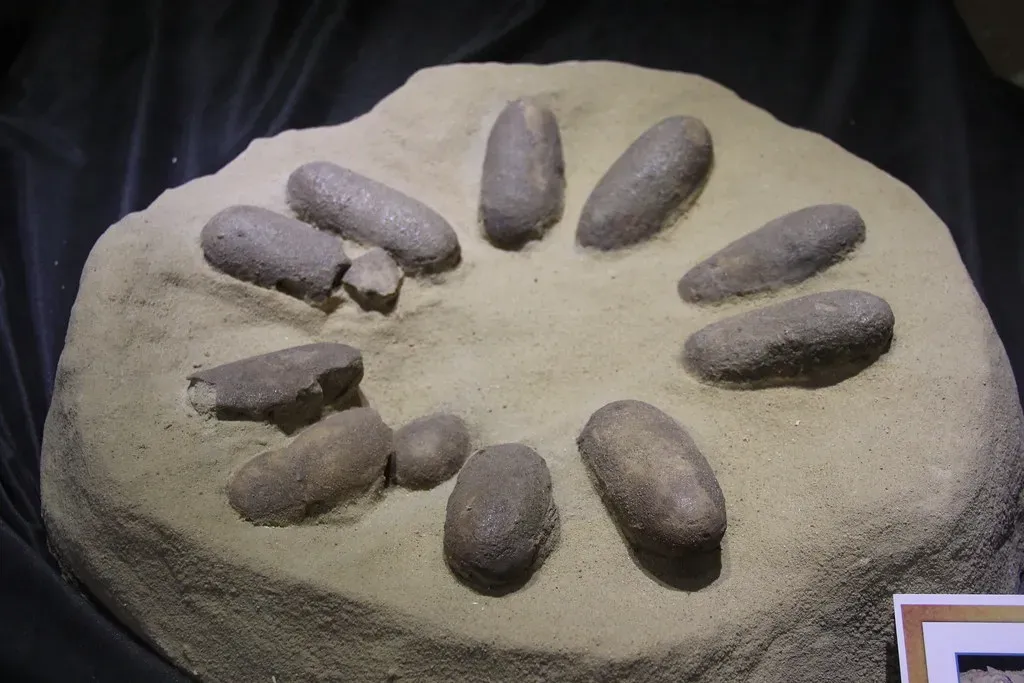
Around the egg, paleontologists documented fragments of other nests, tiny mammal teeth, snake vertebrae, and scattered bones, suggesting the site once served as a Cretaceous nursery. So this is not just about one egg. The surrounding context paints a picture of an entire ecosystem – a neighborhood of ancient life that existed 70 million years ago and left its address hidden in the rock of Patagonia.
If preservation has maintained embryonic remains, the material will allow researchers to investigate the early development of theropods, the type of incubation, the nesting dynamics, and in general the reproductive behaviors of these species from the southern hemisphere. Fieldwork continues at the discovery site, as paleontologists excavate adjacent fossil layers in search of additional eggs or skeletal remains. The team plans to publish its full findings in an upcoming issue of the Journal of Vertebrate Paleontology. Every new layer they dig through could add another sentence to a story that has been buried for tens of millions of years.
Conclusion
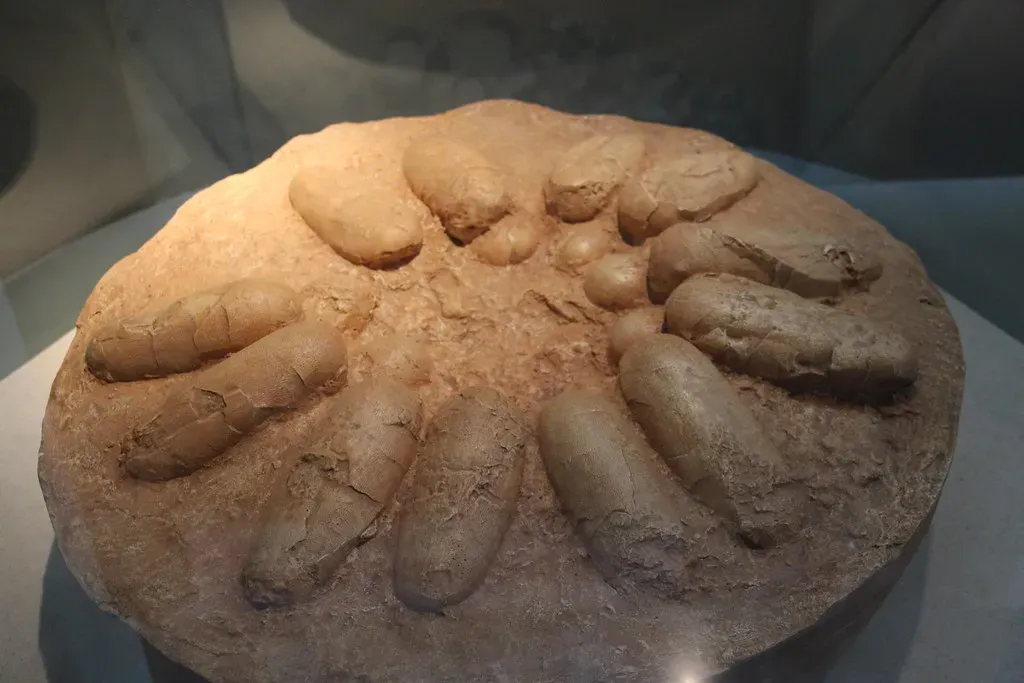
There is something almost poetic about a 70-million-year-old egg lying on the dusty surface of Patagonia, waiting for exactly the right person to come along at exactly the right moment. The universe held onto this secret for an almost unfathomable stretch of time. Now, scientists are only beginning to understand what it is truly telling us.
This discovery is a reminder that the prehistoric world is not fully behind us. It is beneath us, embedded in rock, shell, and bone, still capable of rewriting what we thought we knew. Whether or not an embryo is confirmed inside, the egg from Río Negro has already changed the conversation about how carnivorous dinosaurs lived, nested, and perhaps even cared for their young. The most remarkable detail? It looked so fresh, a field researcher initially mistook it for something laid recently. Seventy million years of silence, and it still looked new.
What does it say about the world still hidden beneath our feet? That question might just keep you up at night – in the best possible way.