Picture Antarctica not as a blinding white desert of ice, but as a sprawling, damp forest buzzing with life, where a bizarre, crested predator stalked through fern thickets under a twilight sun. That mental image feels almost wrong at first, like putting a T. rex onto a tropical beach, yet that is exactly what the fossil record is telling us about Cryolophosaurus and its ancient Antarctic home. The very idea that one of the most remote, hostile places on Earth was once ruled by a dinosaur with a flamboyant head crest is so strange that it almost sounds like science fiction.
But the story of Cryolophosaurus is not just about one cool-looking dinosaur in a weird place. It is a window into a lost world, when Antarctica sat farther north, forests clung to its coasts, and life found ways to thrive in months of dim polar light. As paleontologists slowly piece together that world from scattered bones in rock layers older than the first flowering plants, a surprising picture emerges: this predator was not a minor side note, but one of the dominant carnivores of its time. The frozen continent we know today is basically the closing scene of a story that started with roaring, not silence.
Cryolophosaurus: The Crested Hunter at the Edge of the World
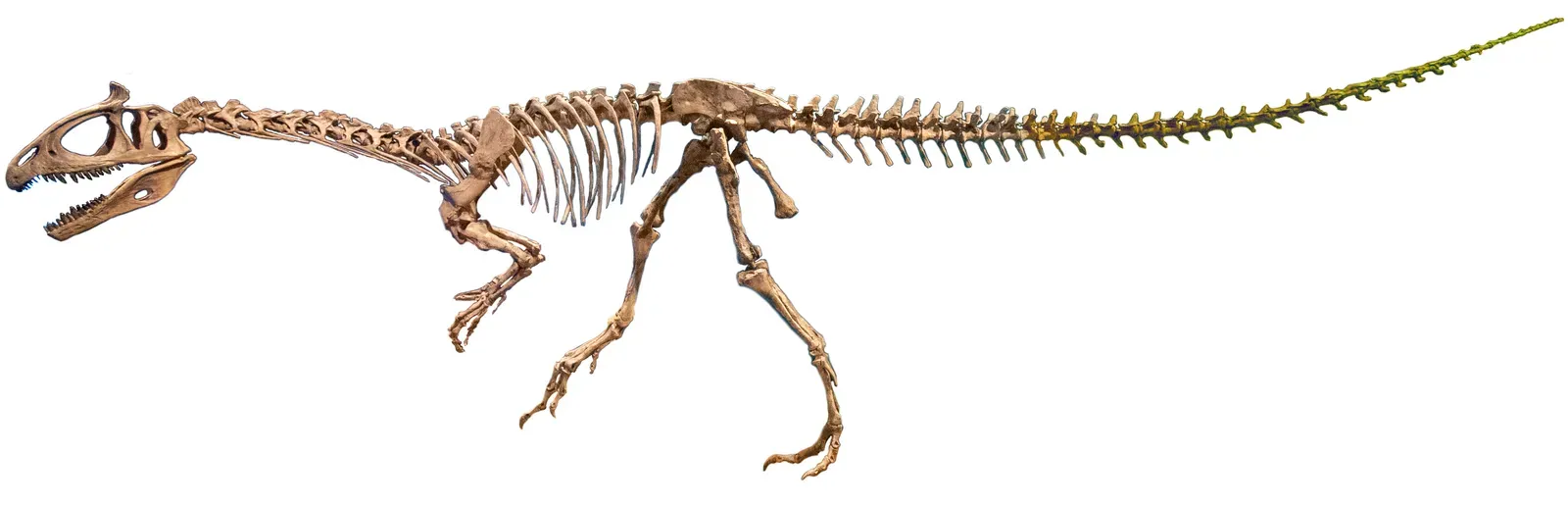
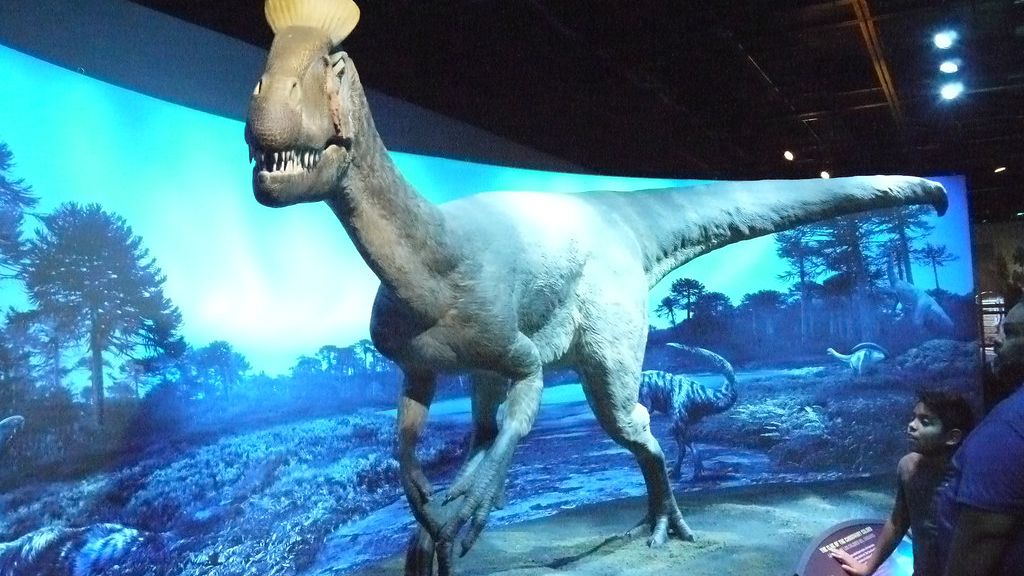
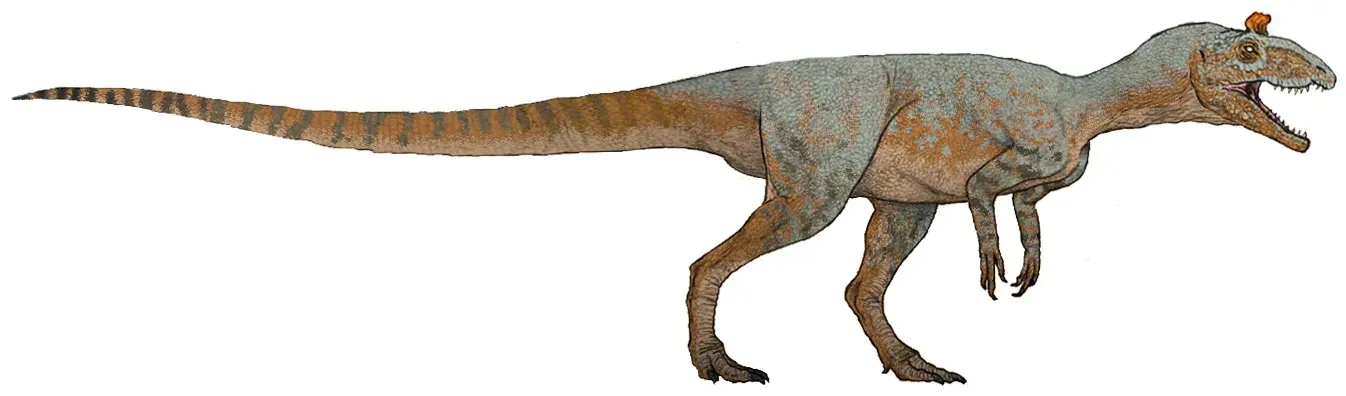
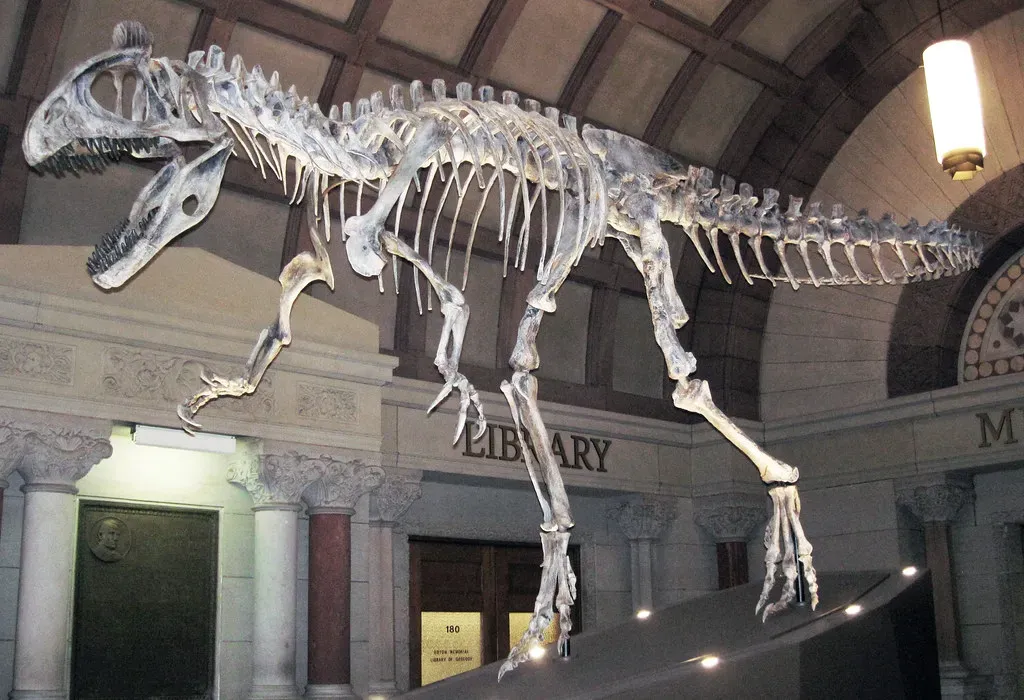
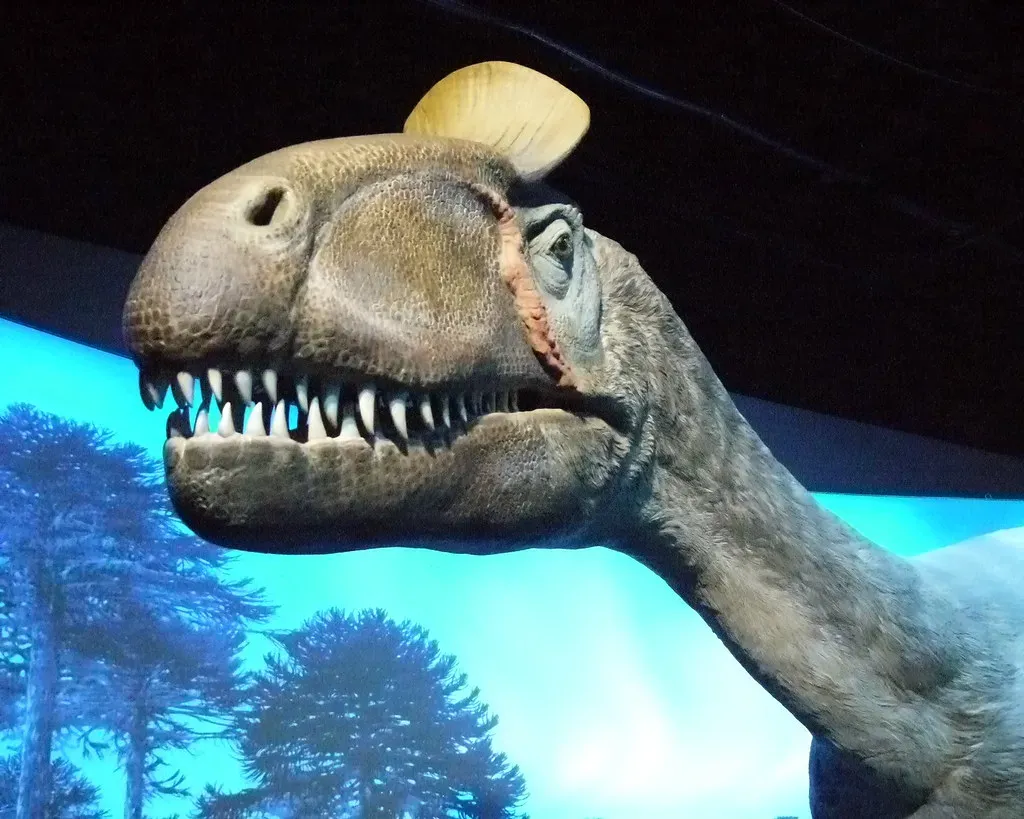
Cryolophosaurus is a name that sounds like a tongue-twister, but it breaks down in a way that tells you exactly why scientists are so fascinated by it. Its name roughly means “frozen-crested lizard,” a nod both to the icy modern continent where it was found and to the dramatic bony crest that stretches across its skull like a sideways fan. This is not a dainty little ornament, either; in life, it likely stood out sharply, maybe clad in bright soft tissue, making the animal instantly recognizable even among other big predators. That combination of location and look has turned Cryolophosaurus into something of a celebrity among dinosaur fans and researchers alike.
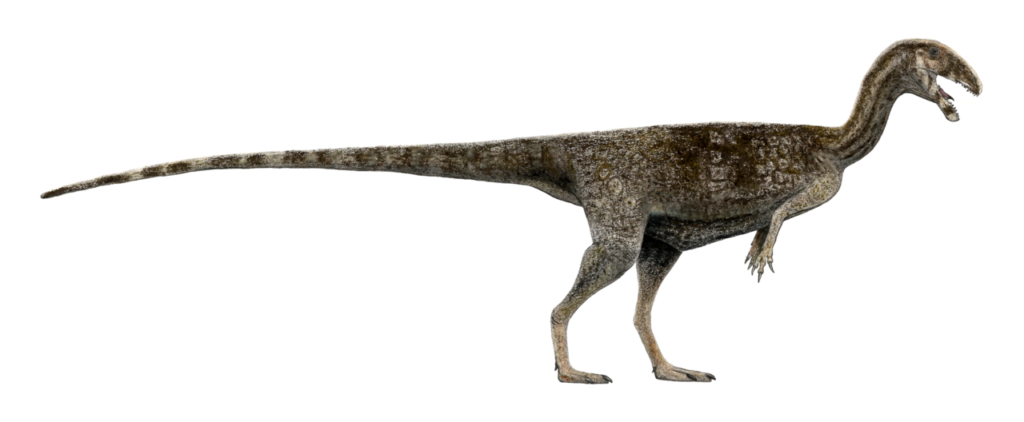
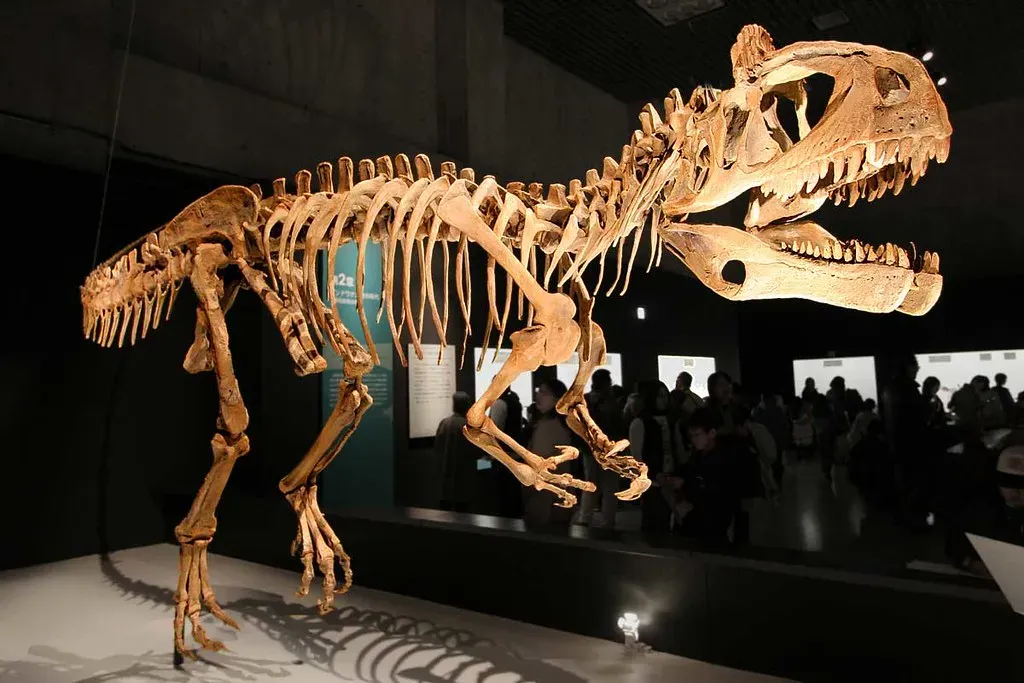
Based on the best fossil material we have, Cryolophosaurus was a large theropod, probably about the length of a bus and built with the familiar meat-eater toolkit: muscular hind legs, sharp teeth, and arms that were not useless, but certainly not built for hugging. It lived roughly in the early Jurassic period, long before icons like Tyrannosaurus showed up, which already makes it important for understanding how big predatory dinosaurs evolved. When you realize that this early giant was roaming high-latitude forests on a continent that would one day freeze solid, its story shifts from interesting to absolutely wild. To me, it feels like discovering that your quiet, reserved neighbor used to front a rock band on the other side of the world.
Antarctica Before the Ice: A Forested Jurassic Frontier
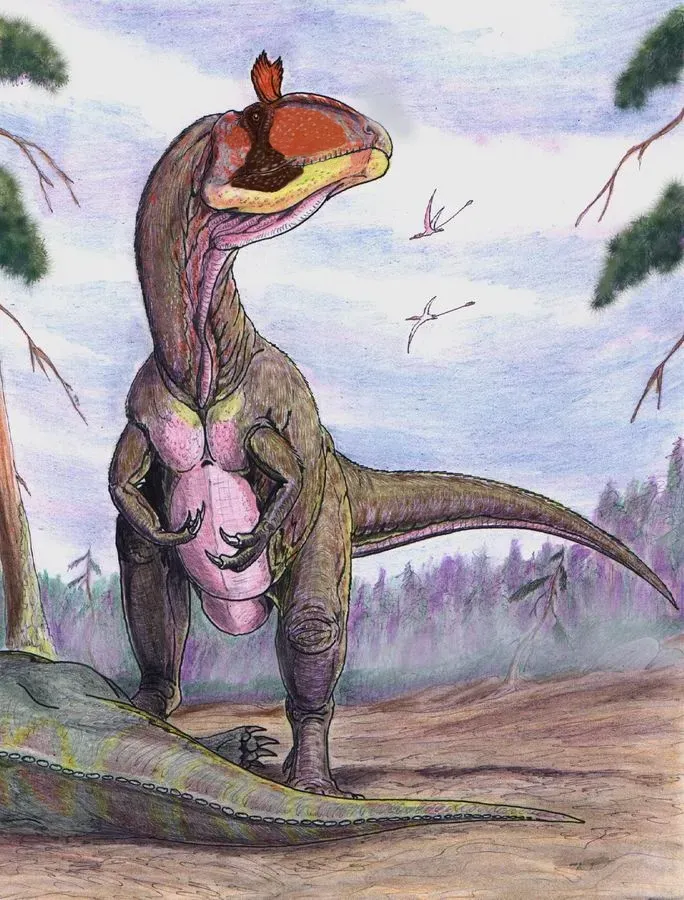
It is almost jarring to imagine Antarctica stripped of ice, but in the early Jurassic that is exactly what it was: a milder, greener land at a different latitude, still cool by dinosaur standards but far from a frozen wasteland. Instead of endless white, there were conifer forests, ferns, and other hardy plants clinging to damp soils under a sky that swung between long summer days and long winter darkness. This was not a tropical paradise, but rather a tough, seasonal environment where any animal that survived had to be flexible and resilient. That makes Cryolophosaurus’s presence there even more impressive, because top predators do not get that role in an ecosystem unless they are very good at their job.
The climate back then was shaped by a very different arrangement of the continents, with Antarctica still linked to what would become South America, Africa, and Australia. Instead of being isolated like a frozen island, it was part of a wider southern supercontinent, with land connections that allowed animals and plants to spread. In my mind, this makes Antarctica less like a sealed-off vault and more like the rugged, far-flung edge of a massive landmass, the kind of place where evolution can experiment. Cryolophosaurus, lurking in those shadowy forests, was one of those experiments that clearly worked, at least for a time. The irony is that the continent’s later isolation would help preserve this story in stone, even as it wiped away almost every trace of that living landscape.
Discovering Cryolophosaurus: Fossils in a Polar Desert
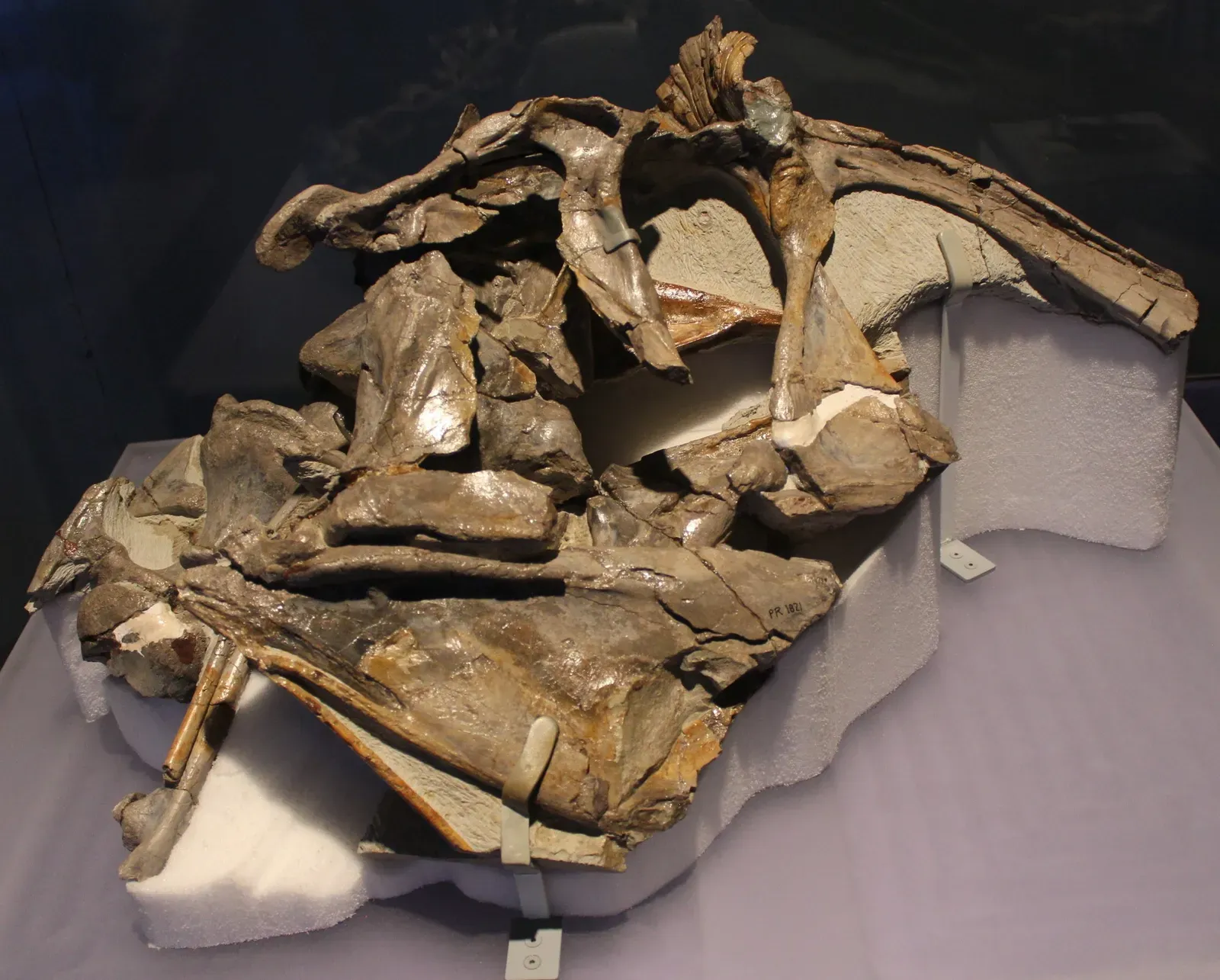
The fact that we even know Cryolophosaurus existed is a small miracle of logistics, stubbornness, and scientific obsession. Finding dinosaur bones is hard anywhere, but finding them in Antarctica means battling brutal cold, unpredictable weather, and layers of ice and snow that bury almost everything. Paleontologists had to fly into remote mountain ranges where ancient rock pokes through the ice sheet, then chip away at frozen ground under conditions that would send most people straight back to their warm homes. That they pulled out the bones of a giant predator from those layers feels like the scientific version of winning the lottery after hiking there on foot.
The bones themselves were not a perfect skeleton laid out neatly like a museum display; they were scattered, compressed, and partial, just like most fossils are. Yet even from those pieces, paleontologists could tell they were dealing with something new and strange, especially once they started reconstructing that distinctive crest. I always think about the moment when someone in that team first realized the skull had this sideways, sweeping ornament that did not quite match anything they had seen before. That kind of discovery is why Antarctic paleontology keeps attracting people willing to endure some misery: beneath the ice, the continent still has secrets that can rewrite our mental map of the dinosaur world.
How a Dinosaur Ruled a Polar Ecosystem
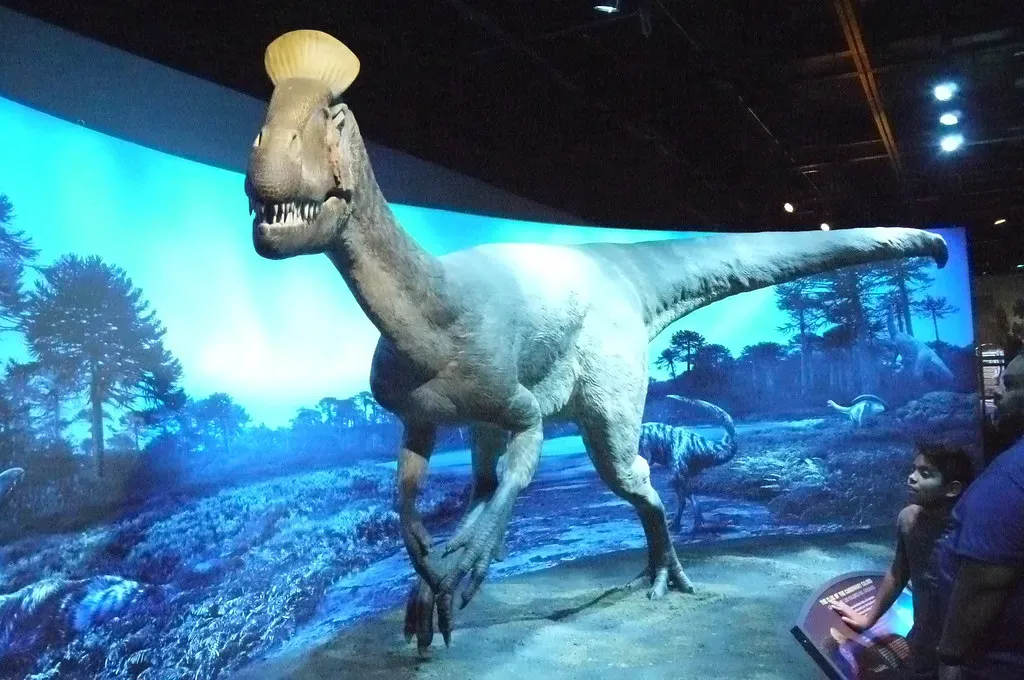
When scientists say Cryolophosaurus was a top predator in its environment, they are not imagining it as some cartoon king sitting on a throne, but the ecological picture is still pretty dramatic. In that Jurassic Antarctic community, it seems to have been one of the largest meat-eaters around, which already gives it a powerful role in shaping who lived and who died. Herbivorous dinosaurs likely roamed in herds or small groups, cropping the foliage, while smaller predators and scavengers picked at leftovers and hunted whatever they could manage. In that network of interactions, a big-bodied, sharp-toothed hunter like Cryolophosaurus would have stood at or near the top of the food chain, keeping everything else in check.
Top predators like this do more than just eat a lot; they influence where other animals go, when they are active, and even how they evolve over time. Every time a herd of plant-eaters sensed danger and bolted through the forest, they were responding to a selection pressure that animals like Cryolophosaurus created. Over thousands and millions of years, that kind of pressure can shape behavior, body proportions, and even senses like hearing and vision. While we will probably never know all the prey species it hunted, the simple reality is that if you were a mid-sized dinosaur living in that environment, Cryolophosaurus was one of the reasons you had to stay alert. In that sense, calling it a ruler of prehistoric Antarctica is not romantic exaggeration; it is just good ecology.
Living at High Latitudes: Light, Darkness, and Survival
One of the strangest parts of Cryolophosaurus’s story is not just where it lived, but the kind of seasonal cycle it had to deal with. Even though Antarctica was warmer and greener back then, it was still a high-latitude region, which means long summer days and long winter nights were part of life. Imagine being a predator that has to hunt through stretches of near-constant daylight and then endure months where the sun barely rises, if at all. That kind of rhythm is challenging even for modern animals like Arctic wolves or penguins, and it suggests that Jurassic polar dinosaurs had some clever strategies of their own.
Scientists have wondered whether dinosaurs in these regions might have grown thicker insulating feathers, slowed their metabolism seasonally, or shifted their activity patterns with the changing light. We do not have complete answers yet, but the very fact that large-bodied theropods were thriving there tells us they found ways to make it work. Personally, I find that more impressive than the raw size of something like a T. rex stomping through a temperate floodplain. Surviving at the edge of the world, in a place of weird light and cool forests, means Cryolophosaurus was not just fierce, but adaptable. It was not simply a brute force hunter; it was a specialist in making a tough environment livable.
A Global Dinosaur Story with an Antarctic Twist
Cryolophosaurus is not just some oddball dinosaur stuck in an inconvenient place; it is part of a much larger narrative about how dinosaurs spread and diversified across the supercontinent that once stitched today’s continents together. Its presence in Antarctica hints at connections to lineages found in other southern landmasses, suggesting that what we see as separate dinosaur faunas were once part of a more continuous web. That makes every new Antarctic fossil a kind of puzzle piece that can lock into discoveries from South America, Africa, or Australia, tightening the picture of early Jurassic life. It also pushes against the old idea that polar regions were always marginal or unimportant in dinosaur evolution.
In that sense, Cryolophosaurus is both familiar and alien: familiar because it fits our idea of a large, carnivorous theropod, and alien because it forces us to imagine such an animal striding through forests at the bottom of the world. When we bring Antarctica into the dinosaur conversation, the whole story feels suddenly more global and more dynamic. Dinosaurs were not just creatures of warm, lush lowlands; they were adaptable animals exploring the full range of what Earth had to offer, including high-latitude ecosystems with strange light and cool air. I think that realization quietly reshapes how we view deep time: not as a static set of scenes on a flat map, but as a living, shifting planet where even the poles had teeth.
From Green Kingdom to Frozen Tomb: What Changed?
The biggest twist in this story is that Cryolophosaurus’s world is utterly gone, buried beneath kilometers of ice and millions of years of continental drift and climate change. After the Jurassic, the continents continued to shuffle, ocean currents shifted, and Antarctica gradually slipped into a colder, more isolated position at the southern pole. Over long spans of time, that isolation allowed thick ice sheets to build up, snuffing out the forests and ecosystems that had once supported dinosaurs and other life. The land that had been a hunting ground for a crested predator became one of the most brutally inhospitable places on the planet.
In a way, Antarctica is now both the graveyard and the vault of that ancient world, preserving the remains of animals like Cryolophosaurus while ensuring that no living relatives walk those same slopes today. I find that contrast hard to shake: a place that used to hum with life is now so quiet that the loudest thing is the cracking of ice. Yet the fossils that still turn up there are a reminder that Earth can swing from one extreme to another faster than we might like to think, at least in geological terms. For me, that is not just a cool scientific fact; it is a humbling reminder that stability is often an illusion when you zoom out far enough in time.
Opinionated Conclusion: Why Cryolophosaurus Matters More Than the Usual Dinosaur Stars
If I am honest, I think Cryolophosaurus deserves a lot more attention than it gets compared with the usual dinosaur headliners. The big North American predators and the long-necked giants are cool, sure, but they live in the spotlight and their stories are starting to feel familiar. Cryolophosaurus, by contrast, forces us to confront a planet that does not match our instincts: a warm, forested Antarctica, polar dinosaurs braving long winters, and ecosystems thriving where we now see only ice. That cognitive dissonance is exactly what makes it so valuable, because it breaks our mental shortcuts about what belongs where on Earth.
To me, this crested hunter is more than just another entry in a dinosaur encyclopedia; it is a reminder that life is opportunistic, restless, and often far stranger than the neat diagrams in textbooks. The fact that a top predator once ruled the land beneath today’s Antarctic ice tells us that no environment is permanently locked into the role we assign it. When we look at Cryolophosaurus, we are not just looking backward; we are facing the reality that climates change, continents move, and the living world reshuffles around those changes in ways we might not anticipate. In a world now wrestling with rapid environmental shifts, that lesson feels uncomfortably relevant. Did you ever imagine that the most important climate story Antarctica has to tell might begin with the bones of a dinosaur?