Dinosaurs never really went extinct – not in our imaginations, anyway. For over 150 years, scientists have been piecing together the story of the most spectacular creatures to ever roam this planet, and you’d think we’d have a pretty solid picture by now. Honestly, you’d be wrong.
The last few years have turned paleontology completely upside down. New technology, fresh excavations, and startlingly well-preserved fossils are rewriting what we thought we knew about these ancient giants. Every time we think we’ve figured them out, the ground gives up another secret.
What’s happening right now in paleontology isn’t a quiet refinement of old ideas. It’s a revolution. And if you thought the age of dinosaur discovery was winding down, what follows will genuinely surprise you. Let’s dive in.
The Golden Era of Dinosaur Discovery Is Happening Right Now
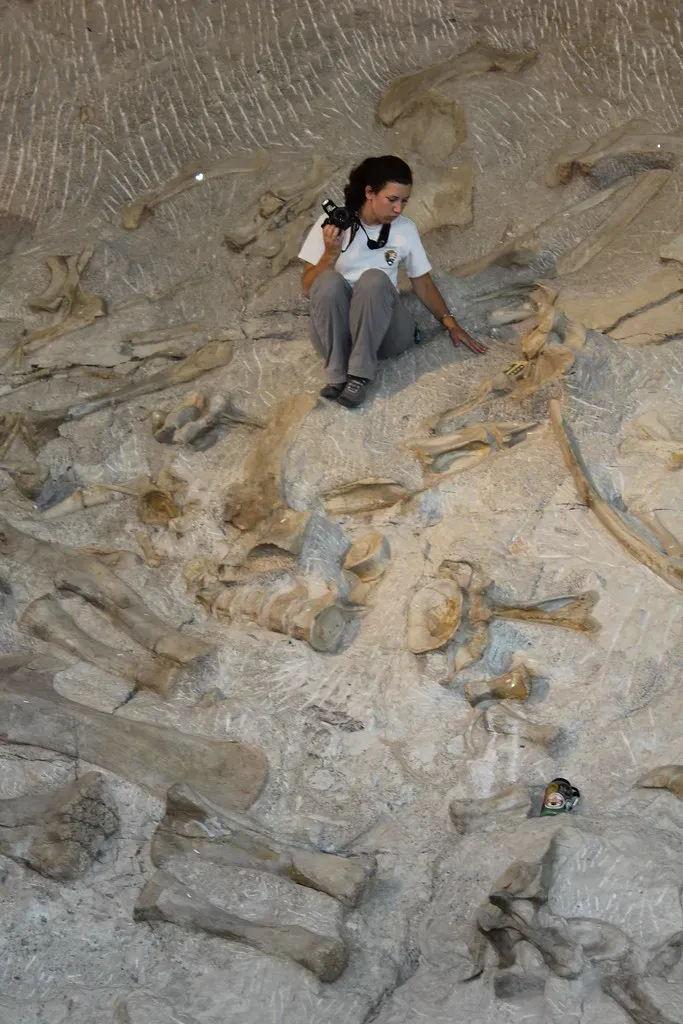
Here’s the thing – we are living in what many scientists are calling a golden era for dinosaur science. A golden era in dinosaur science is driving an extraordinary global fascination, with around 1,400 dinosaur species now known from more than 90 countries, and the rate of discovery accelerating over the last two decades. In 2025 alone, scientists identified 44 new dinosaur species – nearly one per week. Think about that for a second. One new dinosaur species, every single week.
Many new discoveries come from paleontological hotspots such as Argentina, China, Mongolia, and the US, but dinosaur fossils are also being found in surprising new places, from a Serbian village to the rainswept coast of northwest Scotland. The idea that only remote badlands hold dino secrets is fading fast. Dinosaurs may be long extinct, but 2025 made it abundantly clear they are anything but settled science – new fossils, reanalyses of famous specimens, and the use of increasingly sophisticated tools have continued to upend what we thought we knew, and some discoveries forced researchers to confront the uncomfortable reality that a few long-held assumptions were simply wrong.
Nanotyrannus: The T. Rex Rival That Was Hiding in Plain Sight
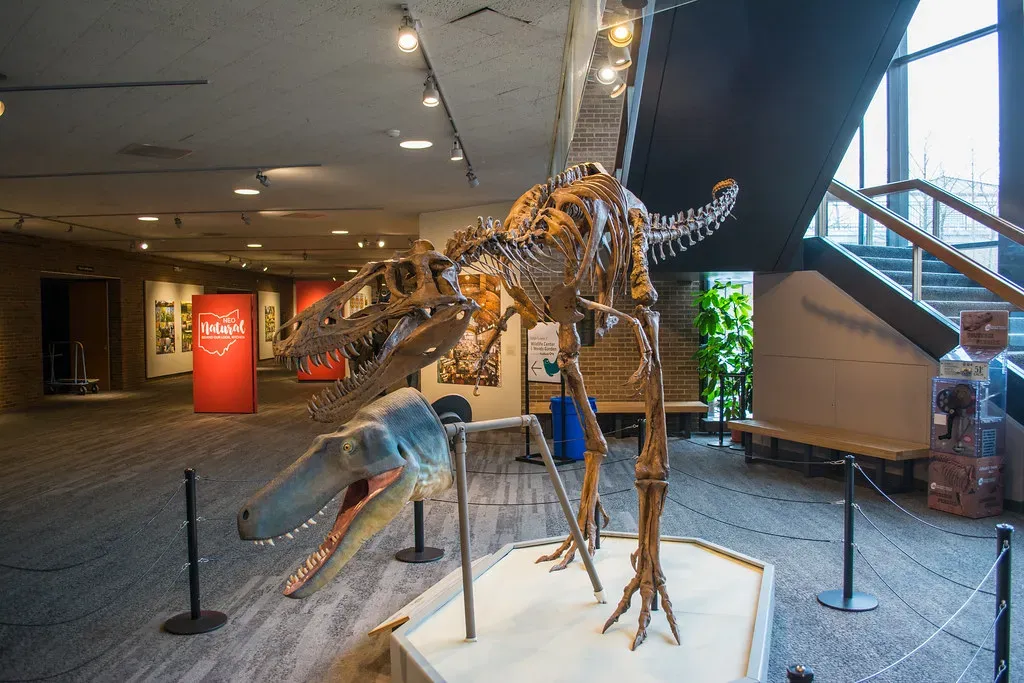
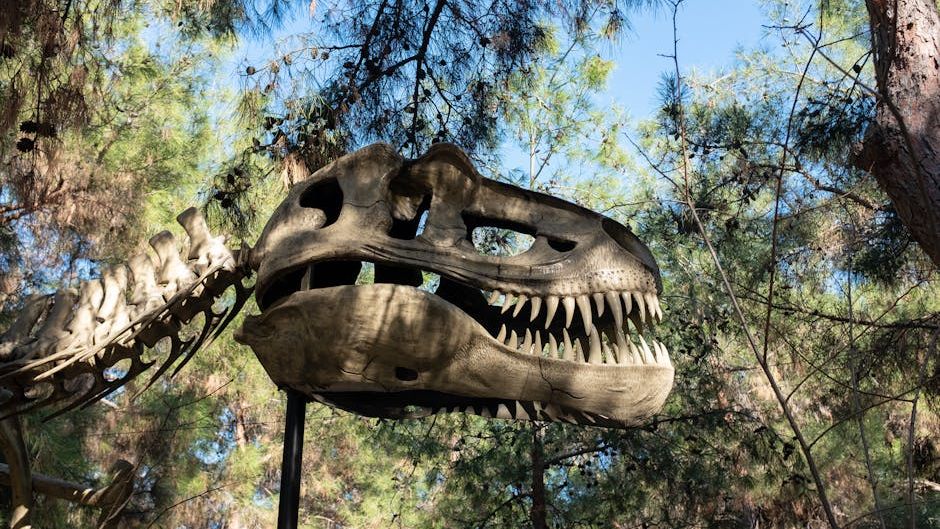
I think this is honestly the most dramatic single discovery of our era. Nanotyrannus is nothing short of a notorious dinosaur. Since it was first named in 1988, paleontologists have argued over whether medium-sized tyrannosaur fossils found in the same rocks as the iconic Tyrannosaurus rex were juvenile T. rex or a unique and distinct predator. In recent years, the bulk of evidence appeared to favor the juvenile T. rex hypothesis, as none of the supposed Nanotyrannus fossils carried conclusive evidence they were a distinct species. Decades of debate. Careers built on one interpretation or the other.
But in October 2025, an analysis in Nature of a specimen nicknamed “Bloody Mary” – one of two creatures in an assemblage known as the “Dueling Dinosaurs” – found enough anatomical evidence to support the case that Nanotyrannus is different from T. rex, including fewer tail vertebrae and more teeth than T. rex, as well as longer and stronger forearms. This new evidence reveals that multiple tyrannosaur species inhabited the same ecosystems in the final million years before the asteroid impact. The prehistoric world was far more crowded with predators at the top than anyone had imagined.
Preserved Blood Vessels and Soft Tissue: A Window Into Living Dinosaurs
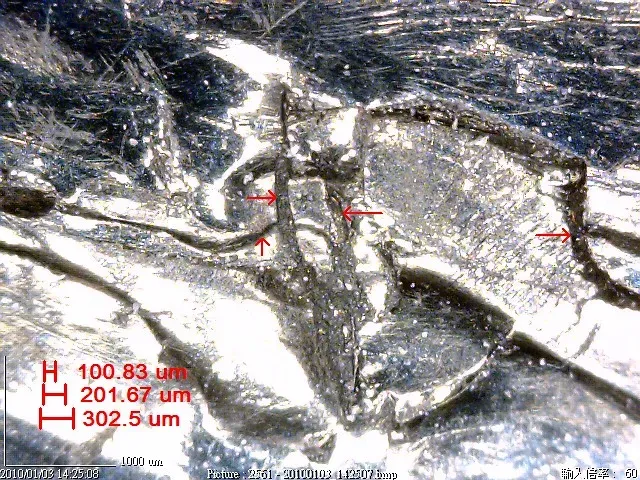
You might need to sit down for this one. Research from NC State University provides further evidence that soft tissues and structures can be preserved in fossils through deep time – the multimillion-year timeframe within which scientists believe the Earth has existed – with confirmation that such preservation can survive for 65 million years or more. It sounds almost impossible, like finding a still-warm cup of coffee in a pharaoh’s tomb.
A T. rex skeleton known as “Scotty” made remarkable headlines in 2025 for tiny structures found inside one of its fossilized ribs. A study published in Scientific Reports reported the discovery of remnants of blood vessels inside a rib from Scotty’s skeleton – not the original soft tissues themselves, but minerals that made natural casts of the blood vessels, preserving them in extraordinary detail. The vessels came from an area of Scotty’s rib that had been fractured, and future studies of such preserved structures may help paleontologists better understand how dinosaurs healed. We may eventually understand dinosaur medicine. That’s not science fiction anymore.
Dinosaurs Were Colorful – Not the Drab Gray Beasts of Old Textbooks
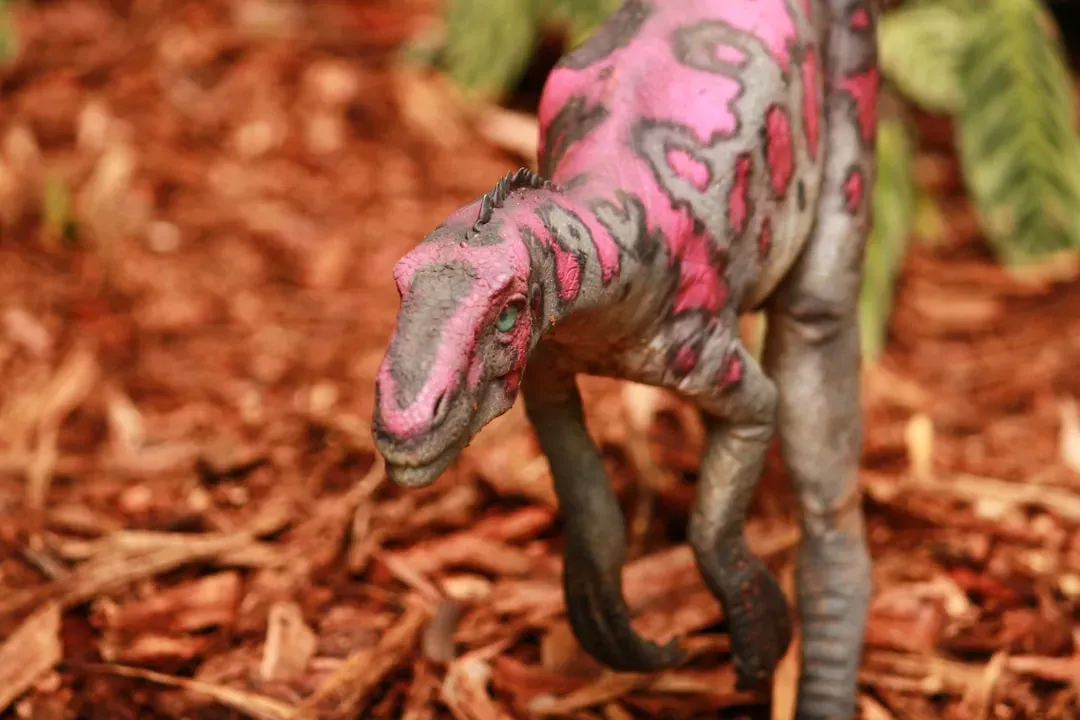
Forget everything you drew in kindergarten. Those gray, mud-colored dinosaurs have been getting a serious makeover. Microscopic clues found in fossil Diplodocus skin indicate these dinosaurs were colorful. Sauropod dinosaurs are iconic herbivores, immediately recognizable by their small heads, long necks, and bulky bodies, but beyond their familiar skeletons, their external appearance has never been well understood – sauropod skin impressions and soft tissue fossils are very rare. From the Jurassic rocks of Montana’s Mother’s Day Quarry, however, paleontologists uncovered fossils of sauropod skin so delicately preserved that they include impressions of pigment-carrying structures called melanosomes.
While researchers were reluctant to fully reconstruct the color of the juvenile Diplodocus specimen, they detected that the dinosaur would have had conspicuous patterns across its scales. The finding suggests sauropod dinosaurs were not uniformly gray or brown, but had complex color patterns like other dinosaurs, birds, and reptiles. Think of the implications. These giants, lumbering across Jurassic floodplains, may have been as visually striking as peacocks or coral reef fish. What makes soft tissue finds like these truly remarkable is the extent of that preservation – large sections of some skeletons are still covered with fossilized skin, something almost never seen in dinosaur fossils.
The “Punk Rock Dinosaur” and the Oldest Armored Giant
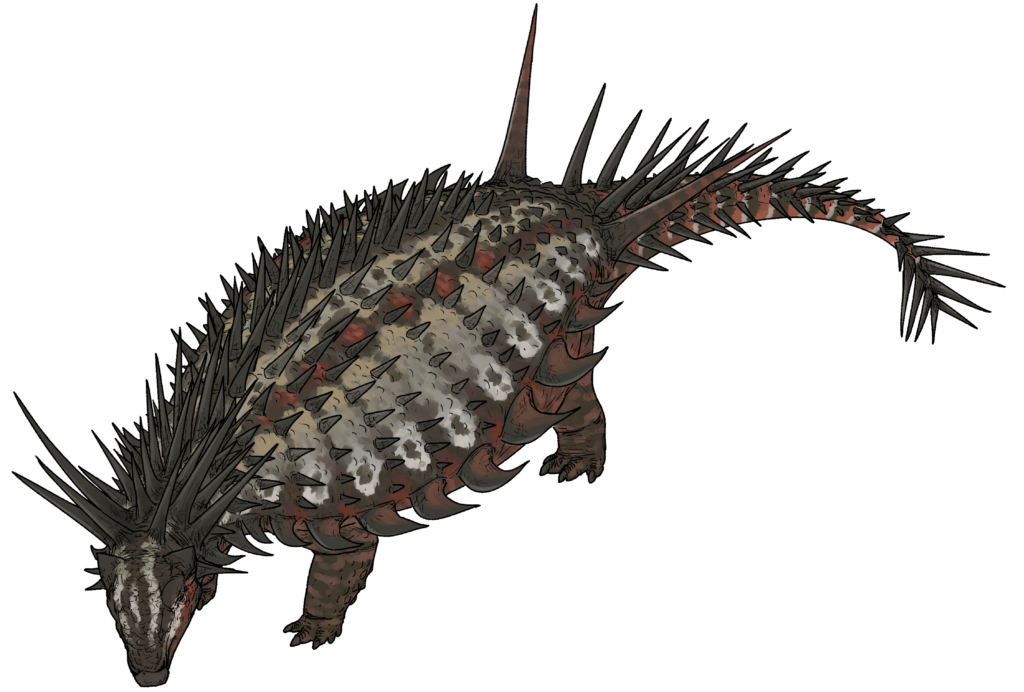
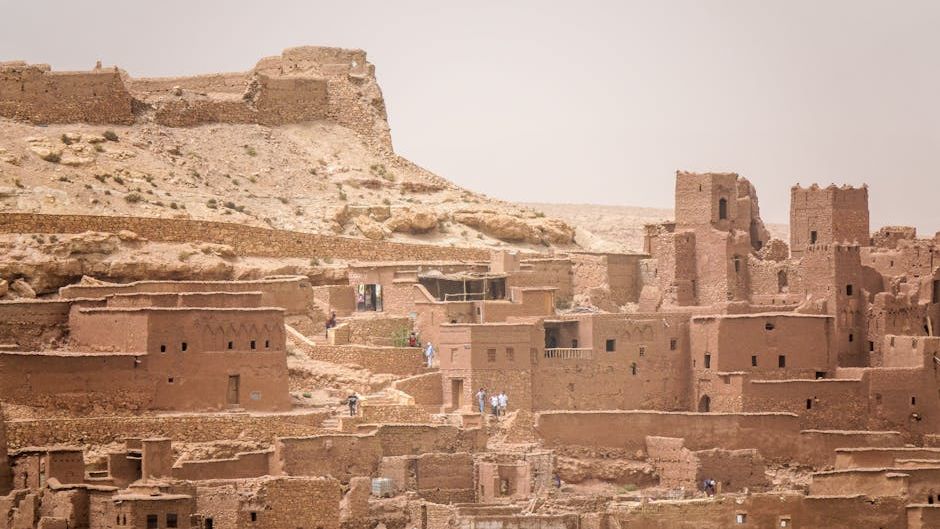
Some dinosaurs defy imagination even among experts. Spicomellus was first named in 2021 based on an incomplete rib from 165-million-year-old rocks in Morocco – a rib unlike anything in any other animal, alive or extinct, with a series of long spines fused to its surface. Scientists had no idea what they were dealing with. Then in 2025, a more complete skeleton changed everything. The new fossils show that Spicomellus is the oldest known member of the ankylosaurs, heavily armored plant-eaters described as resembling “walking coffee tables,” characterized by bizarre armor bristling with long spines all over the body, including a bony collar around the neck with spines the length of golf clubs sticking out. Dubbed the punk rock dinosaur by the BBC, Spicomellus is changing our understanding of ankylosaur evolution.
It’s hard to say for sure how Spicomellus used that extraordinary neck collar, but it’s a reasonable guess that it was both defensive and possibly for display. The discovery is also highlighting the importance of the Moroccan fossil record, a region that continues to surprise researchers. Meanwhile, other strange new species keep emerging. Zavacephale is a new and remarkable dome-headed dinosaur, and it preserves a largely complete skeleton – the most complete skeleton known from this strange and poorly understood group. The Gobi Desert still has stories to tell, and paleontologists are listening.
Dinosaurs Were Thriving Right Up to the Asteroid – Not Slowly Dying Out
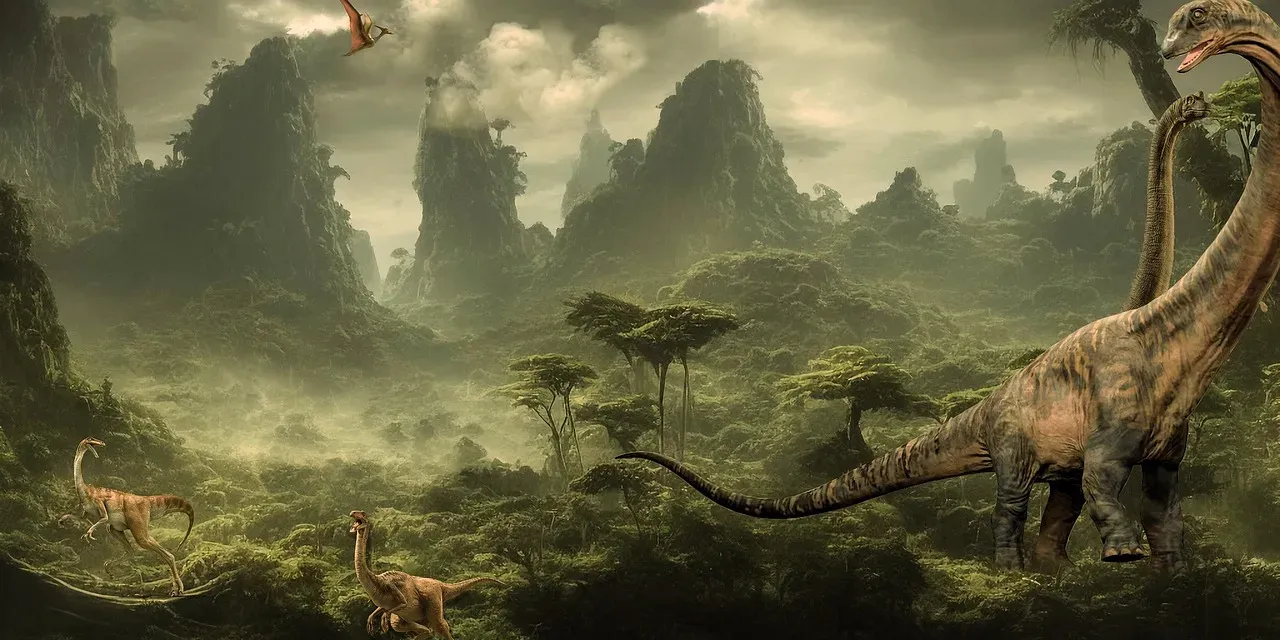
There has long been a popular narrative that dinosaurs were already on the way out before the asteroid struck. Scientists debated it for decades. New research has overturned that story convincingly – dinosaurs weren’t dying out before the asteroid hit. They were thriving in vibrant, diverse habitats across North America, with fossil evidence from New Mexico showing that distinct “bioprovinces” of dinosaurs existed until the very end. Let that sink in. The extinction wasn’t a mercy killing. It was a shocking interruption of a thriving ecosystem.
There had been a long debate over whether dinosaurs were slowly going extinct prior to the asteroid or whether the impact singularly ended them. New finds in New Mexico reveal a species-rich and diverse dinosaur ecosystem thriving literally just before the impact, and coupled with other sites across North America, this research reveals that the dinosaurs might have kept going indefinitely if not for the catastrophic event. This discovery completely reframes the idea that T. rex was the lone predator of its time, challenging long-held assumptions about late Cretaceous ecosystem dynamics – we now know multiple tyrannosaur species coexisted in the last million years before the asteroid impact, suggesting a richer, more competitive ecosystem than previously imagined.
Technology Is Turbocharging Fossil Discovery in Ways Never Seen Before
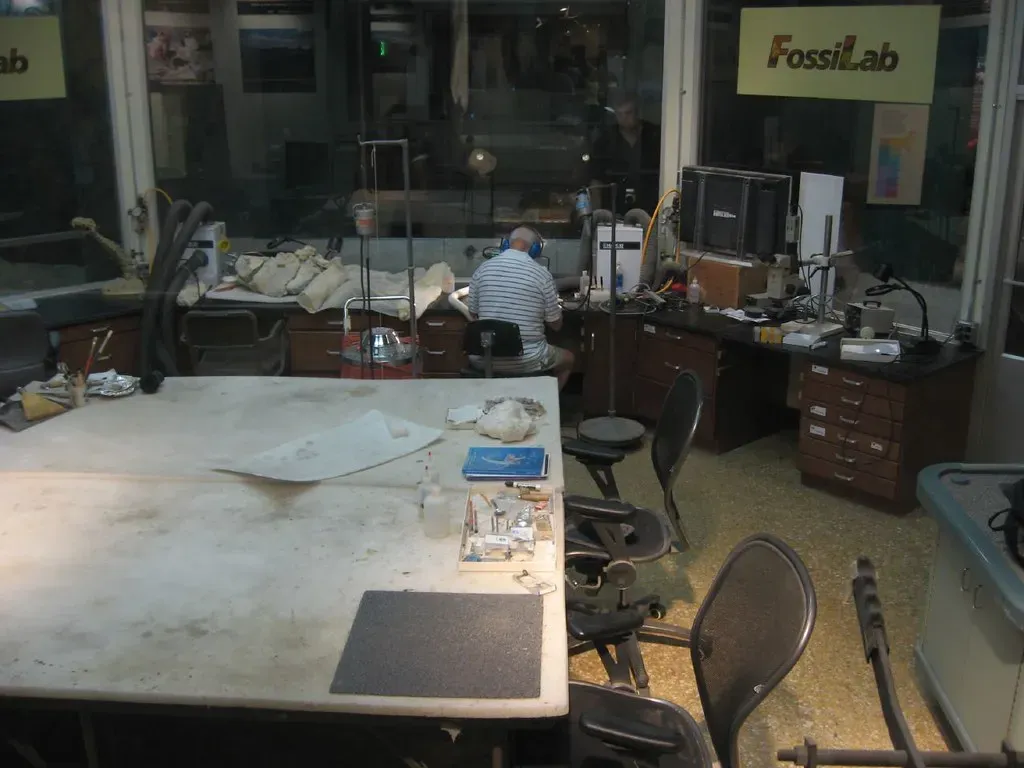
Science doesn’t just advance through lucky discoveries in the field. The tools researchers use are evolving at an extraordinary pace, and they’re unlocking secrets buried in fossils that have sat in museum drawers for over a century. Determining the age of a dinosaur fossil has always been challenging – scientists rely on a special mineral called zircon found in volcanic ash, but without ash, there’s no zircon and no age estimate. Paleontologists now hypothesize that dinosaur eggs themselves could fill that gap, since radioactive isotopes in eggshell appear to be datable in the exact same way, meaning even a tiny, broken fragment of fossil eggshell could finally allow calculation of how old deposits are when volcanic ash isn’t present.
A new AI application called DinoTracker is also cracking open mysteries surrounding fossil tracks, analyzing photos of fossil footprints and predicting which dinosaur made them with accuracy rivaling human experts. Think of what that means for researchers working in remote areas with limited access to specialist consultations. From reinterpretations of iconic predators to ancient trackways that capture fleeting moments of Jurassic life, recent research shows how much information is still locked inside bones, teeth, and footprints that have been studied for decades – and paleontology is not about dusting off the past, but opening new windows to peer into it. The past is not fixed. Every new tool we build rewrites it a little more.
Conclusion: The Dinosaur Story Is Far From Over
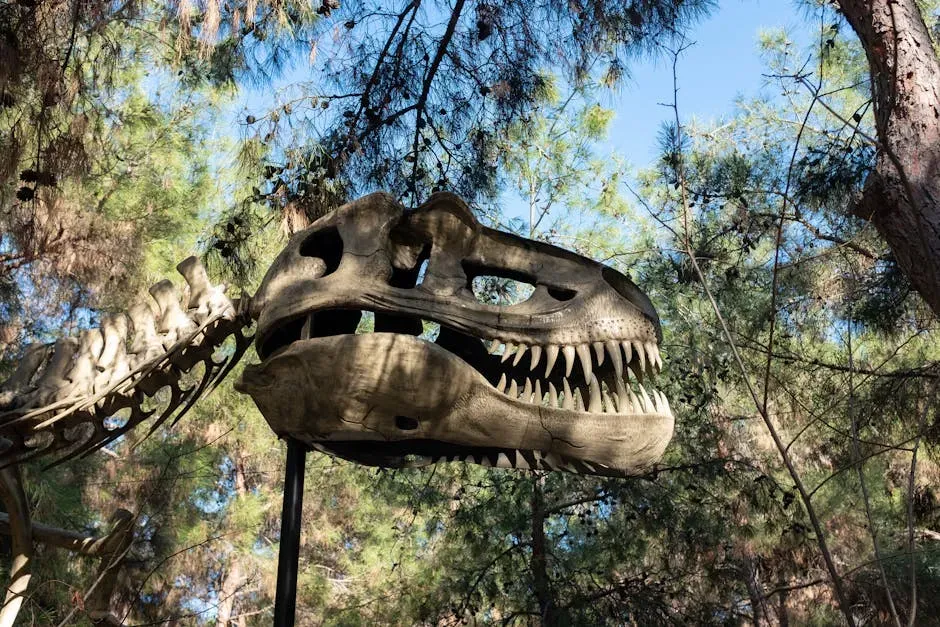
If you walked away from school thinking paleontology was a finished subject, the last few years should have changed your mind entirely. We now know T. rex shared its world with rival tyrannosaurs. We know sauropods may have been brilliantly patterned. We know dinosaurs were thriving ecosystems, not fading relics, on the day the asteroid arrived. The ground beneath our feet still holds millions of secrets, and the tools to find them have never been sharper.
What is perhaps most thrilling is that this acceleration shows no signs of stopping. Paleontology in 2025 proved once again that Earth still holds extraordinary stories in stone, amber, and microscopic cellular archives, with fossil finds and scientific breakthroughs capturing global attention, reshaping evolutionary family trees, revealing ancient behavior, and pushing the boundaries of molecular preservation. Every new species named, every preserved blood vessel recovered, and every ancient ecosystem mapped is a reminder that history isn’t something that happened and stopped. It keeps revealing itself, layer by layer.
The next great discovery might be sitting in a museum drawer right now, waiting for the right scientist and the right technology to find it. What does that make you think about everything we still believe to be settled science?