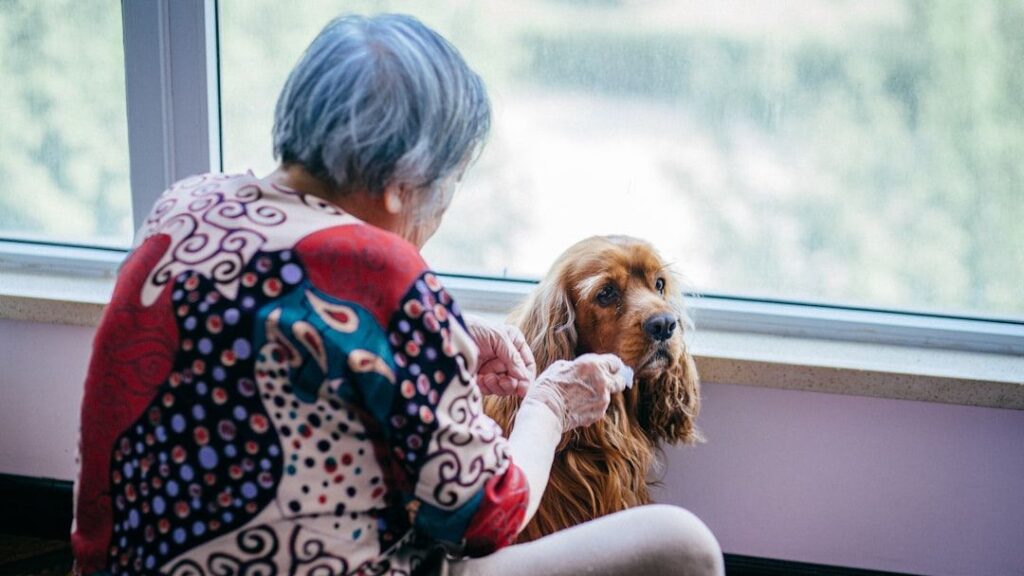
Pet owners appear to hold onto their mental sharpness longer than non-owners as they grow older. This pattern emerges from observations that link regular animal companionship to steadier performance on cognitive tasks over time. The difference points to a practical lifestyle factor that may support brain health during the aging process.
Observed Differences in Mental Performance
Data on aging adults show that those living with pets maintain stronger recall, attention, and problem-solving skills compared with peers who do not. The advantage holds across multiple years of follow-up, even when other health variables are taken into account. Researchers note that the effect appears consistent rather than limited to any single age group or region. The gap widens gradually, suggesting that daily interaction with a pet may offer ongoing support rather than a one-time boost. Non-owners, by contrast, show steeper drops in the same measures. These patterns have prompted further questions about how routine animal care fits into broader strategies for healthy aging.
Everyday Routines That May Contribute
Caring for a pet introduces structure through feeding schedules, walks, and play. Such activities encourage light physical movement and regular social contact, both of which align with known supports for cognitive stability. Owners often describe the presence of an animal as a steady source of engagement that fills otherwise quiet hours. These elements combine to create repeated opportunities for mental stimulation without requiring special effort. Over months and years, the cumulative effect may help buffer against typical age-related changes. The result is a lifestyle pattern that feels natural yet delivers measurable differences in cognitive retention.
Implications for Long-Term Brain Health
The findings add weight to discussions about simple, accessible steps that may lower dementia risk in later life. Pet ownership stands out because it requires no new technology or expensive programs, only consistent daily involvement. Public health experts have begun to consider how such observations could inform community programs that encourage responsible pet adoption among older adults. Still, the relationship remains one of association rather than proven cause. Individual results vary, and other factors such as overall health and social networks continue to play important roles. Continued study will clarify how widely the benefit applies and which types of pets or care routines produce the strongest outcomes.