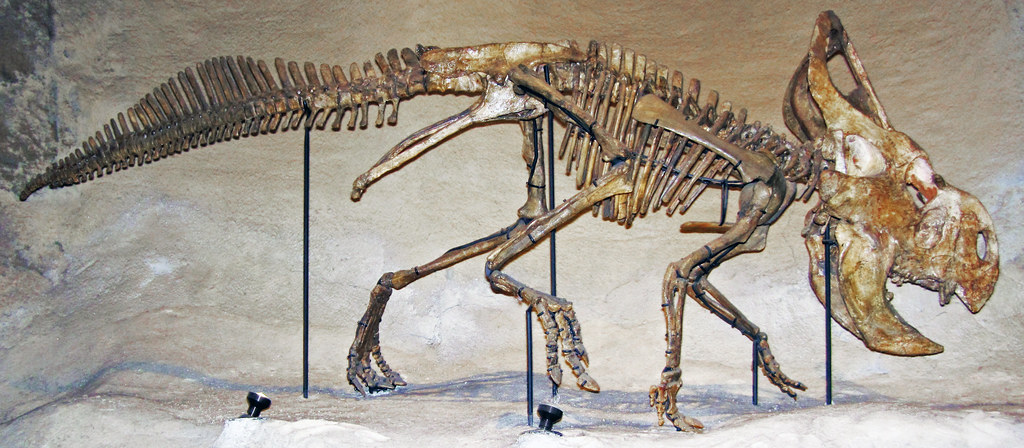
Picture this: a massive dinosaur trudging through knee-deep snow, its breath forming clouds in the frigid air as aurora borealis dances overhead. Sounds impossible, right? For decades, we thought dinosaurs were cold-blooded creatures that could only survive in tropical paradises. But groundbreaking discoveries across Alaska, Australia, and Antarctica have shattered this misconception completely.
These polar dinosaurs didn’t just survive in harsh Arctic conditions – they thrived in them. They raised families, built communities, and developed incredible adaptations that would make even modern Arctic animals jealous. From feathered giants that could regulate their body temperature to massive herbivores that migrated thousands of miles following plant growth, these prehistoric survivors rewrote everything we thought we knew about dinosaur biology.
The Shocking Discovery That Changed Everything
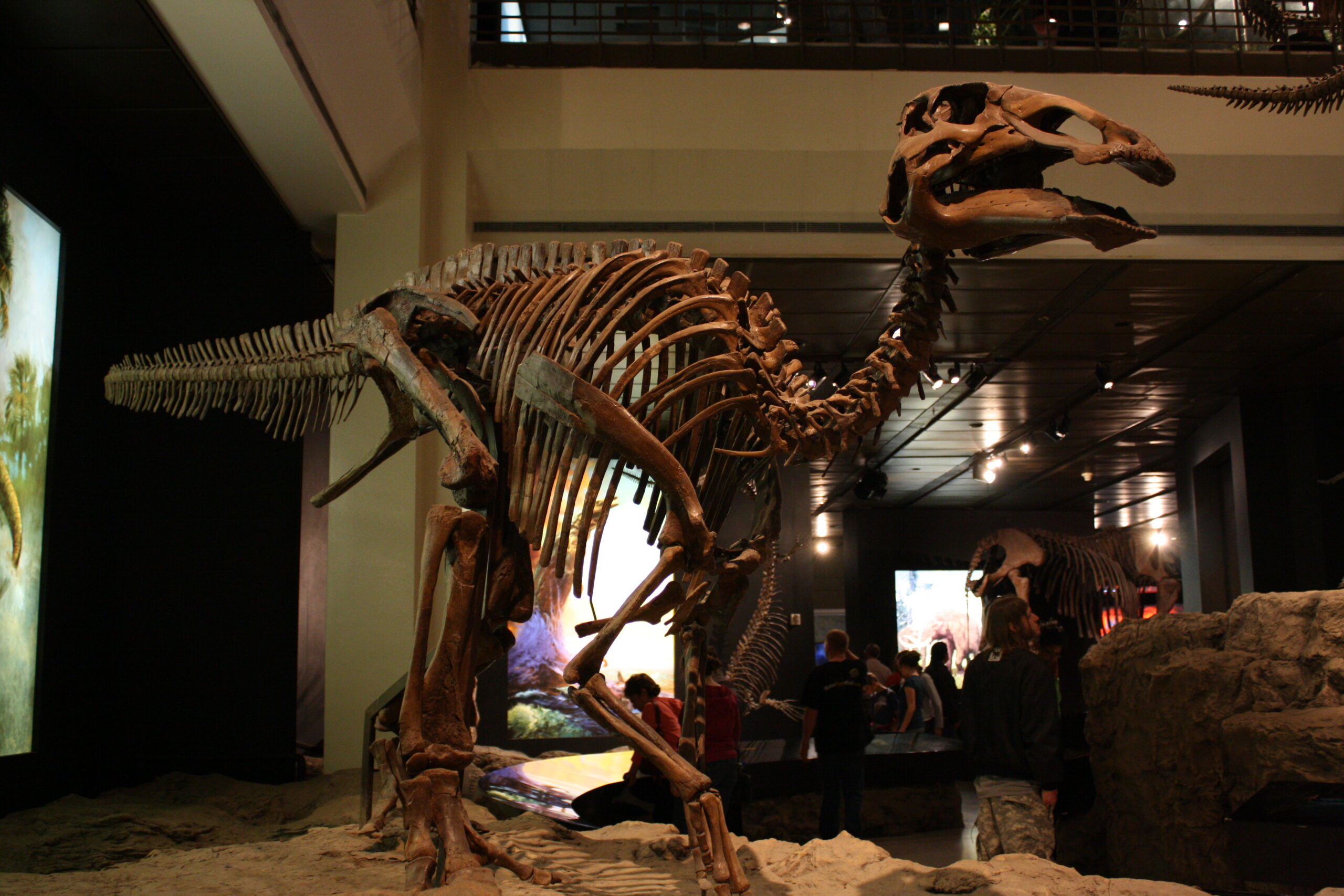
The first polar dinosaur discovery happened almost by accident in 1961, when a geologist named Robert Liscomb stumbled upon strange bones along Alaska’s Colville River. What he found would revolutionize paleontology forever. The bones belonged to duck-billed dinosaurs that lived 70 million years ago – but here’s the kicker: they were found at 70 degrees north latitude, well within the Arctic Circle.
This discovery sent shockwaves through the scientific community. If dinosaurs were truly cold-blooded reptiles like modern lizards, they should have been frozen solid in these conditions. The implications were staggering – either our understanding of dinosaur physiology was completely wrong, or these creatures had developed survival strategies that defied everything we thought possible.
Alaska’s Frozen Dinosaur Paradise
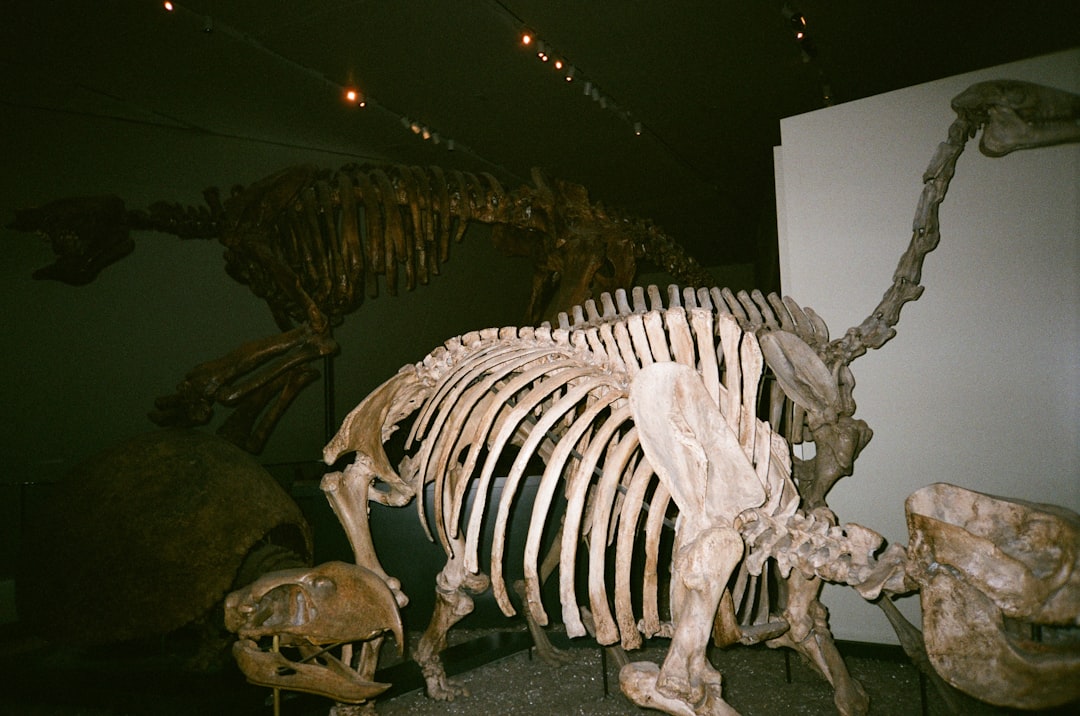
Alaska has become the crown jewel of polar dinosaur research, yielding thousands of fossils from the Prince Creek Formation. This ancient ecosystem was home to an incredible diversity of dinosaurs, including massive tyrannosaurs, duck-billed hadrosaurs, and even smaller raptors. The sheer variety is mind-blowing – over a dozen different species have been identified from this single location.
What makes Alaska’s fossil record so remarkable is the preservation quality. The cold conditions created perfect fossilization environments, capturing not just bones but also evidence of behavior, nesting sites, and even fossilized stomach contents. These fossils paint a vivid picture of dinosaur life during the Cretaceous period, when global temperatures were much warmer than today.
The seasonal challenges these dinosaurs faced were intense. During winter months, temperatures could drop below freezing, and the region experienced months of total darkness. Yet archaeological evidence shows these dinosaurs didn’t just survive – they actively reproduced and raised young in these harsh conditions.
Australia’s Antarctic Dinosaur Survivors
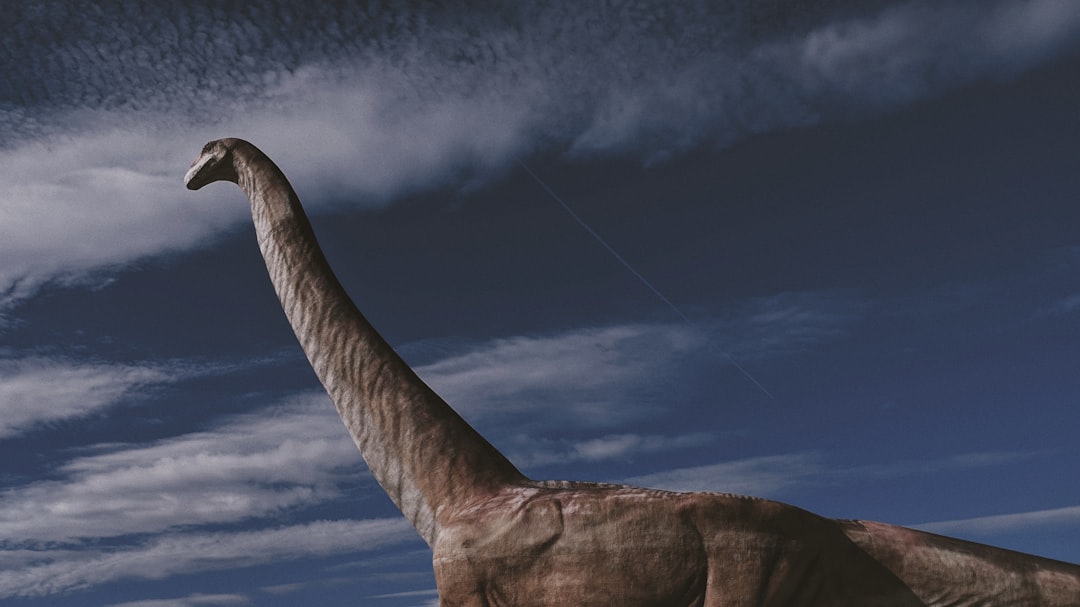
Down under, Australia’s southeastern coast has revealed another chapter in the polar dinosaur story. During the Cretaceous period, this region was located much closer to the South Pole and experienced similarly harsh conditions. The dinosaurs found here developed unique adaptations that set them apart from their tropical cousins.
Australian polar dinosaurs were generally smaller than their warmer-climate relatives, following a biological principle called Bergmann’s rule in reverse. Smaller body sizes helped them conserve energy and find shelter more easily during brutal winter months. Some species, like the small ornithopod Leaellynasaura, had unusually large eye sockets, suggesting enhanced vision for navigating the dark polar winters.
The fossil evidence from Australia also shows signs of social behavior, with multiple individuals found together in what appear to be communal shelters. These dinosaurs weren’t just surviving individually – they were working together to beat the cold, much like modern penguins huddle for warmth.
The Feathered Revolution
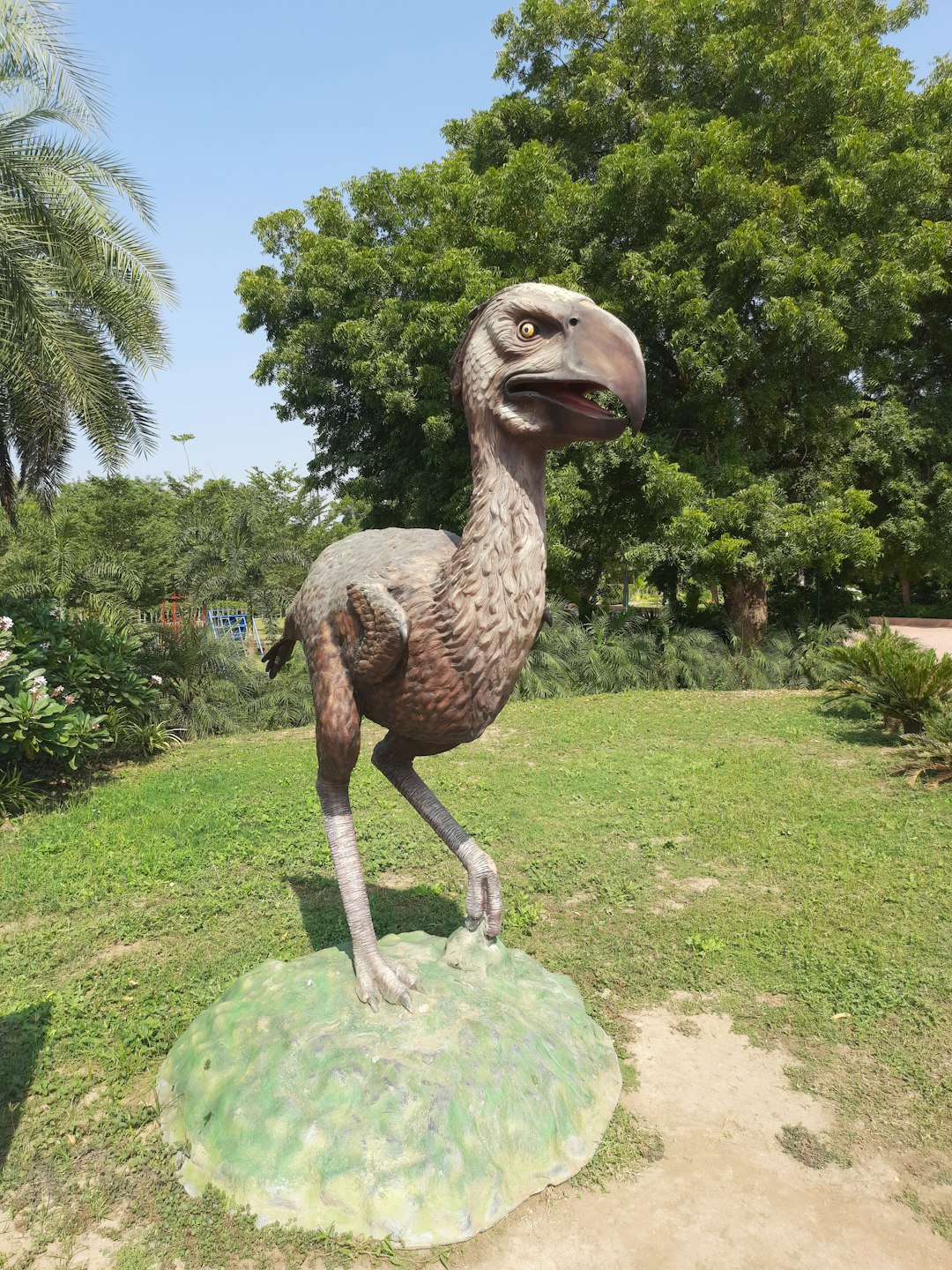
Perhaps the most game-changing discovery in polar dinosaur research has been the evidence of feathers. These weren’t just decorative plumes – they were sophisticated insulation systems that rival anything found in modern birds. Fossil evidence from China and other locations shows that many dinosaurs, including some found in polar regions, were covered in downy feathers that provided excellent thermal regulation.
The feathers came in various forms, from simple fuzzy down to complex branching structures. Some dinosaurs had full-body feather coverage, while others had strategic patches on their backs, necks, and limbs. This feathering wasn’t just about staying warm – it also enabled precise temperature control, allowing dinosaurs to regulate their body heat in fluctuating polar conditions.
Recent discoveries have even revealed evidence of seasonal molting in some polar dinosaurs. Just like modern Arctic animals that change their coats with the seasons, these prehistoric creatures could adjust their insulation based on temperature changes throughout the year.
Body Heat Factories: The Warm-Blooded Debate
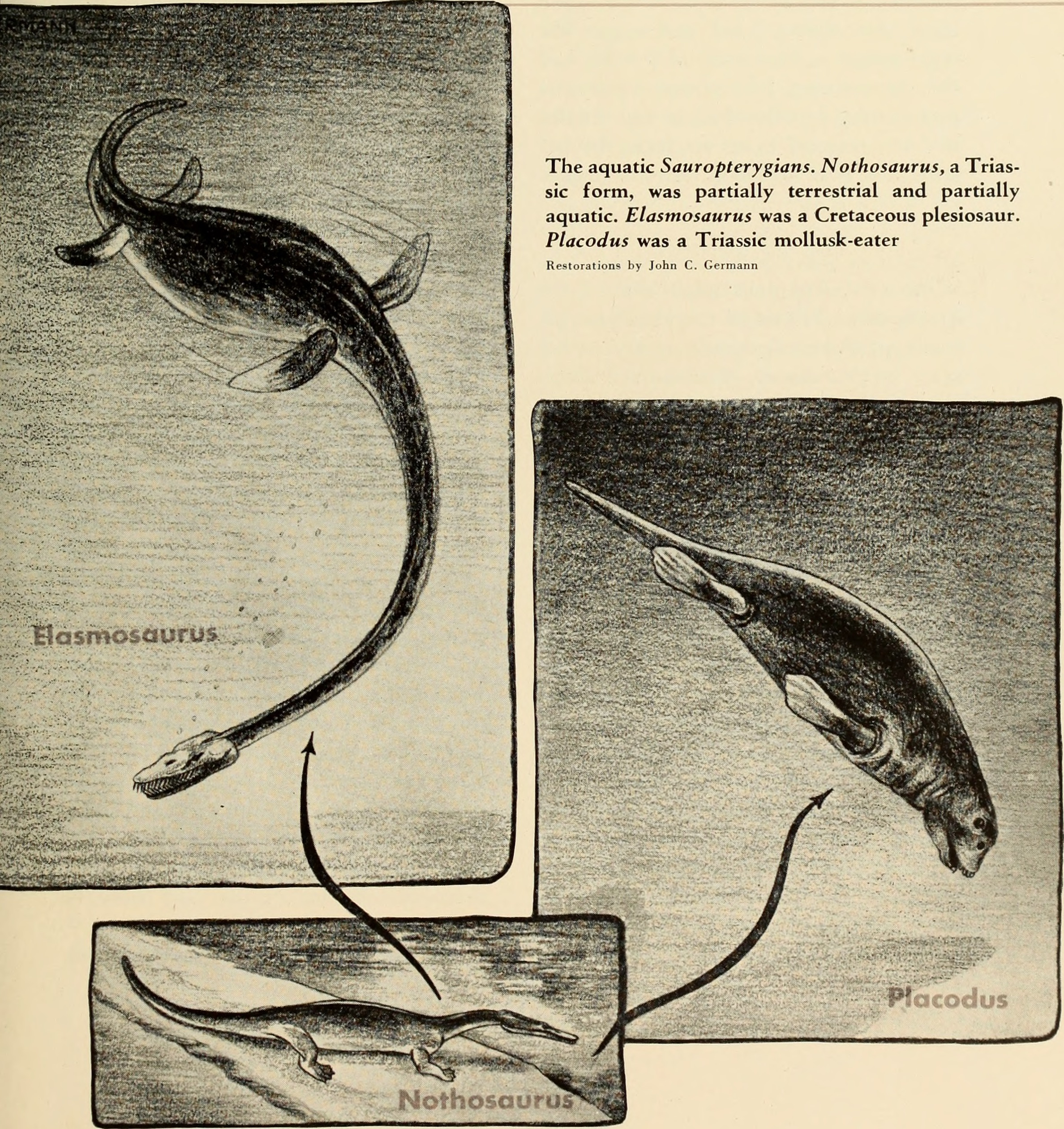
The polar dinosaur discoveries have reignited one of paleontology’s biggest debates: were dinosaurs warm-blooded or cold-blooded? The evidence from Arctic fossils strongly suggests that at least some dinosaurs were endothermic, capable of generating their own body heat through metabolism. This would explain how they could remain active in sub-zero temperatures.
Studies of dinosaur bone structure reveal features consistent with warm-blooded animals. The bones show rapid growth patterns and rich blood vessel networks, both hallmarks of high-metabolism creatures. Some researchers have even found evidence of counter-current heat exchange systems in dinosaur extremities, similar to what we see in modern Arctic mammals.
The metabolic debate isn’t just academic – it has profound implications for how we understand dinosaur behavior, social structures, and evolutionary success. Warm-blooded dinosaurs could maintain consistent energy levels, enabling complex behaviors like long-distance migration and sophisticated parental care that would be impossible for cold-blooded animals in polar conditions.
Migration Highways of the Ancient Arctic
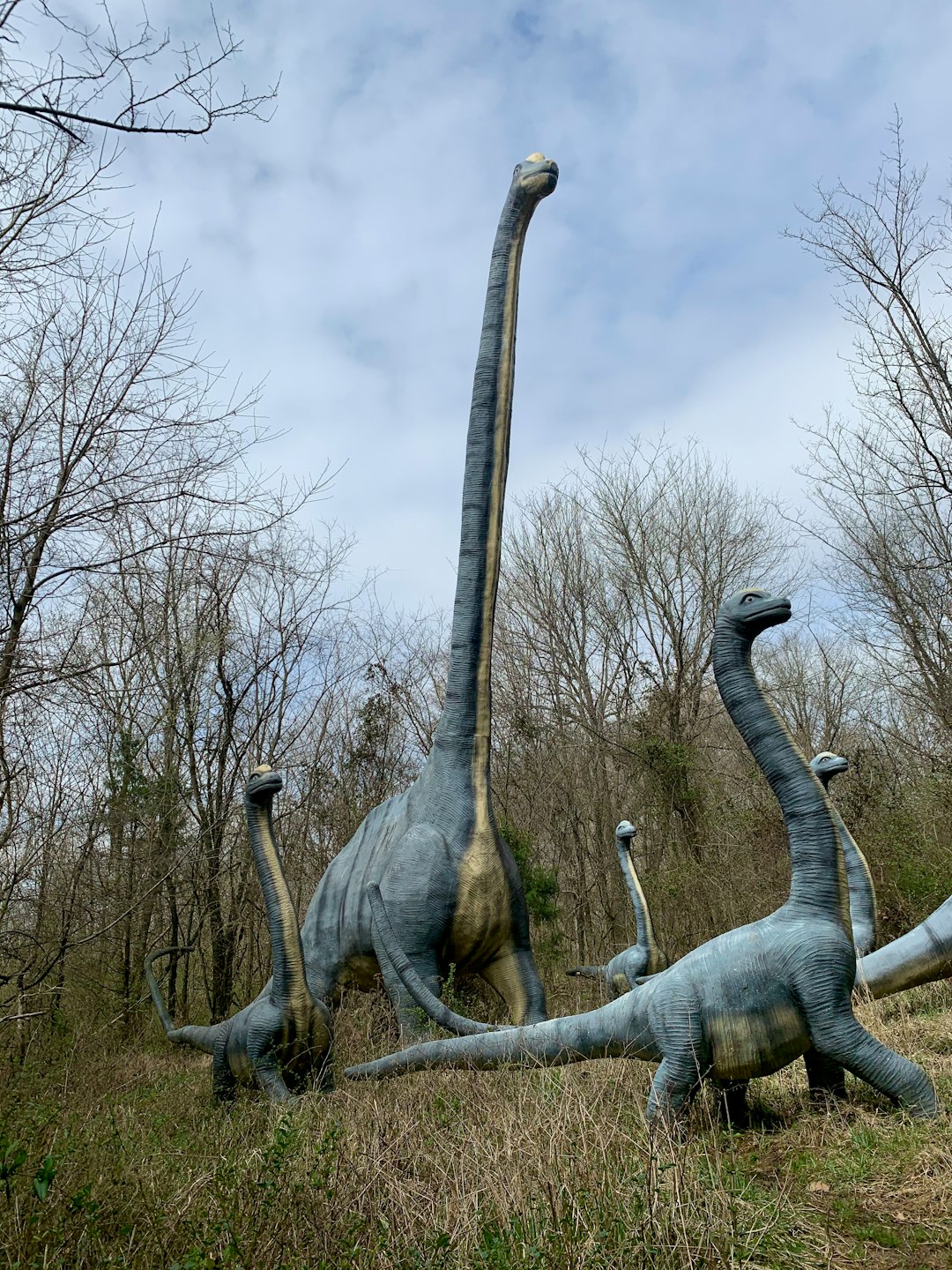
Not all polar dinosaurs were year-round residents. Growing evidence suggests that many species followed complex migration patterns, traveling thousands of miles between breeding and feeding grounds. These ancient migration routes make modern caribou journeys look like casual strolls around the block.
The duck-billed hadrosaurs of Alaska appear to have been champion migrators, following plant growth patterns across vast distances. Fossil evidence shows juveniles and adults in different locations, suggesting family groups split up during certain seasons. These migrations weren’t just about finding food – they were sophisticated survival strategies that maximized reproductive success.
Some researchers believe these migration patterns were triggered by daylight changes rather than temperature alone. The extreme seasonal light variations in polar regions would have provided reliable cues for when to move, ensuring dinosaurs arrived at optimal locations just as food sources became available.
Surviving the Polar Night
The polar winter presented unique challenges that tropical dinosaurs never faced. For months, Arctic regions experienced complete darkness, with temperatures plummeting and plant growth virtually stopping. How did these dinosaurs survive when their food sources disappeared and navigation became nearly impossible?
Evidence suggests some species entered states of reduced activity, similar to modern hibernation or torpor. Bone growth patterns show periods of extremely slow development, indicating metabolic slowdown during harsh winter months. This wasn’t full hibernation like we see in bears, but rather a controlled reduction in activity that conserved precious energy reserves.
Other species appear to have developed enhanced sensory abilities to navigate the darkness. Enlarged eye sockets and specialized inner ear structures suggest some polar dinosaurs could operate effectively in low-light conditions, possibly even using sound and smell to locate food and avoid predators during the endless polar night.
Arctic Parenting: Raising Baby Dinosaurs in Extreme Conditions
Perhaps the most remarkable aspect of polar dinosaur life was their ability to successfully reproduce in harsh Arctic conditions. Fossil evidence from Alaska shows extensive nesting sites where dinosaurs laid eggs and raised young despite brutal environmental challenges. This discovery completely revolutionized our understanding of dinosaur parental care.
The nesting sites reveal sophisticated strategies for protecting eggs from freezing temperatures. Some dinosaurs built elaborate nest structures with insulating materials, while others used their own body heat to incubate eggs directly. Parent dinosaurs would have needed to maintain constant vigilance, protecting their young from both predators and deadly cold snaps.
Juvenile fossils found in polar regions show rapid growth patterns, suggesting baby dinosaurs needed to reach survival size quickly before winter set in. This accelerated development would have required intense parental investment, with adults working tirelessly to provide food and protection during the critical early months of their offspring’s lives.
The Food Chain That Defied Logic
The polar dinosaur ecosystem supported a complex food web that seemed impossible given the harsh conditions. Plant-eating dinosaurs found ways to extract nutrition from hardy polar vegetation, while predators developed strategies for hunting in snow and ice. The entire system operated on principles that challenge our understanding of Arctic ecology.
Herbivorous dinosaurs like hadrosaurs and ceratopsians developed specialized digestive systems that could process tough, fibrous polar plants. Some species may have practiced coprophagy – eating their own feces to extract maximum nutrition from limited food sources. This behavior, while gross to us, was a brilliant survival adaptation for nutrient-poor environments.
Predatory dinosaurs faced their own challenges, needing to hunt efficiently while conserving energy in cold conditions. Some evidence suggests pack hunting behavior became more common in polar regions, with smaller predators working together to take down large prey. These coordinated hunting strategies would have been essential for survival when individual hunting success rates dropped due to harsh conditions.
Climate Champions: How Polar Dinosaurs Beat Ice Ages
The polar dinosaurs weren’t just surviving in cold conditions – they were thriving during some of Earth’s most dramatic climate shifts. These creatures lived through multiple ice ages and warming periods, developing remarkable adaptability that allowed them to persist for millions of years despite constantly changing conditions.
Fossil evidence shows that polar dinosaur populations actually increased during some of the coldest periods, suggesting they were better adapted to extreme conditions than their warmer-climate relatives. This evolutionary success story demonstrates incredible resilience and adaptability that puts modern Arctic animals to shame.
The climate data from polar dinosaur fossil sites reveals that these creatures experienced temperature swings that would challenge even the most hardy modern Arctic species. Yet they not only survived but diversified, developing new species and expanding their ranges even as global temperatures fluctuated wildly.
Revolutionary Adaptations That Redefined Survival
Beyond feathers and warm-bloodedness, polar dinosaurs developed a suite of specialized adaptations that would make any survival expert jealous. Some species had modified limbs for walking on snow and ice, while others developed enhanced fat storage systems for surviving food shortages. These adaptations were so successful that they influenced dinosaur evolution for millions of years.
Counter-current heat exchange systems in extremities prevented frostbite, while specialized nasal passages warmed incoming air before it reached the lungs. Some dinosaurs even developed antifreeze proteins in their blood, similar to what we see in modern Arctic fish. These biochemical adaptations represent some of the most sophisticated survival mechanisms ever discovered in the fossil record.
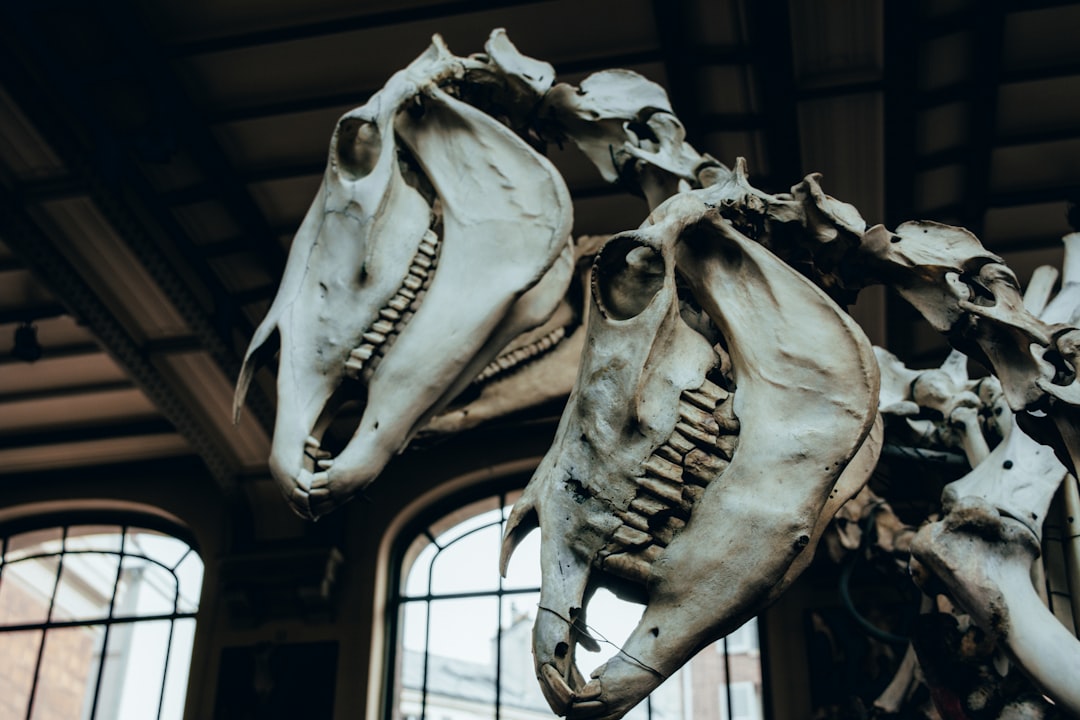
The dental adaptations of polar dinosaurs are particularly fascinating. Many species developed specialized teeth for processing tough, frozen vegetation, while others showed evidence of seasonal tooth replacement that coincided with changing food availability. These dental modifications reveal incredibly fine-tuned evolutionary responses to environmental challenges.
The Extinction Mystery: Why Some Survived and Others Didn’t
The mass extinction event that ended the dinosaur era 66 million years ago affected polar dinosaurs differently than their tropical relatives. Some evidence suggests that polar dinosaurs may have actually survived longer than other species, potentially lasting several million years past the main extinction event. This survival advantage raises intriguing questions about the relationship between climate adaptation and extinction resistance.
The harsh conditions that polar dinosaurs had already adapted to may have provided some protection against the rapid environmental changes that followed the asteroid impact. Their ability to survive in low-light conditions, process poor-quality food, and regulate body temperature could have been crucial advantages during the post-impact nuclear winter.
However, the ultimate fate of polar dinosaurs remains one of paleontology’s greatest mysteries. While they may have survived the initial extinction event, changing ocean currents and continental drift eventually eliminated their specialized Arctic habitats, leading to their eventual disappearance from the fossil record.
Modern Lessons from Ancient Survivors
The story of polar dinosaurs offers valuable insights for understanding how modern species might adapt to climate change. Their success in extreme environments demonstrates that life can evolve remarkable solutions to environmental challenges, often in ways that seem impossible at first glance. These ancient survivors provide a roadmap for resilience that could inform current conservation efforts.
The rapid evolutionary adaptations seen in polar dinosaurs suggest that some species can respond to environmental pressure much faster than previously thought. This gives hope that modern Arctic animals might develop new survival strategies as their habitats continue to change. However, it also highlights the importance of maintaining genetic diversity and habitat connectivity to enable such adaptations.
The collaborative behaviors observed in polar dinosaur fossils – from pack hunting to communal nesting – demonstrate that cooperation can be a powerful survival strategy. Modern conservation efforts could learn from these ancient examples, focusing on maintaining social structures and migration routes that enable species to work together against environmental challenges.
The polar dinosaurs represent one of evolution’s greatest success stories, proving that life finds a way to thrive even in the most impossible conditions. These ancient Arctic survivors developed solutions to challenges that seemed insurmountable, from generating body heat in sub-zero temperatures to raising families in months of total darkness. Their story continues to reshape our understanding of dinosaur biology and offers hope that life on Earth can adapt to even the most dramatic environmental changes. What other “impossible” survival stories might be waiting to be discovered in the fossil record?