
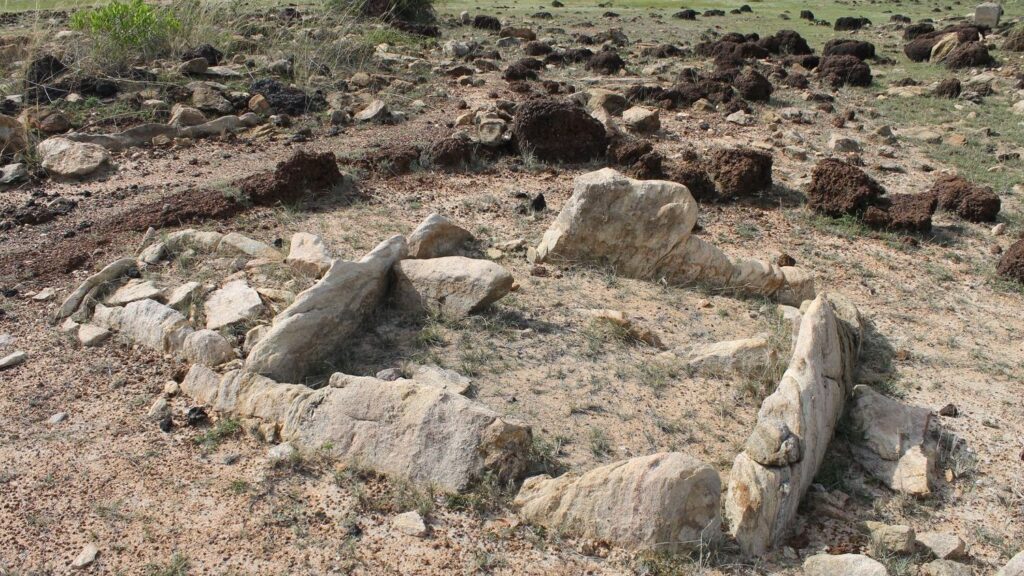
Somewhere in a cold cave more than forty thousand years ago, a small group of humans did something quietly revolutionary: they laid a body to rest and added objects that person would never use again in this world. A bead, a tool, a bit of red ochre on the bones. To anyone watching, it might have just looked like grief. But to scientists today, that tiny act signals a massive shift in how the human mind works.
It is one of those ideas that sounds simple until you really sit with it. Why spend precious energy burying someone with things they cannot physically touch again? That gesture only makes sense if your mind can imagine an unseen realm, remember a life as a story, and treat objects as symbols instead of just tools. In other words, these burials hint that our ancestors were beginning to think like us: in abstractions, in meanings, in invisible worlds. Let’s dig into why many researchers see grave goods not just as signs of respect, but as early evidence of a new kind of human mind.
The Moment Objects Entered the Grave: More Than Just “Stuff”
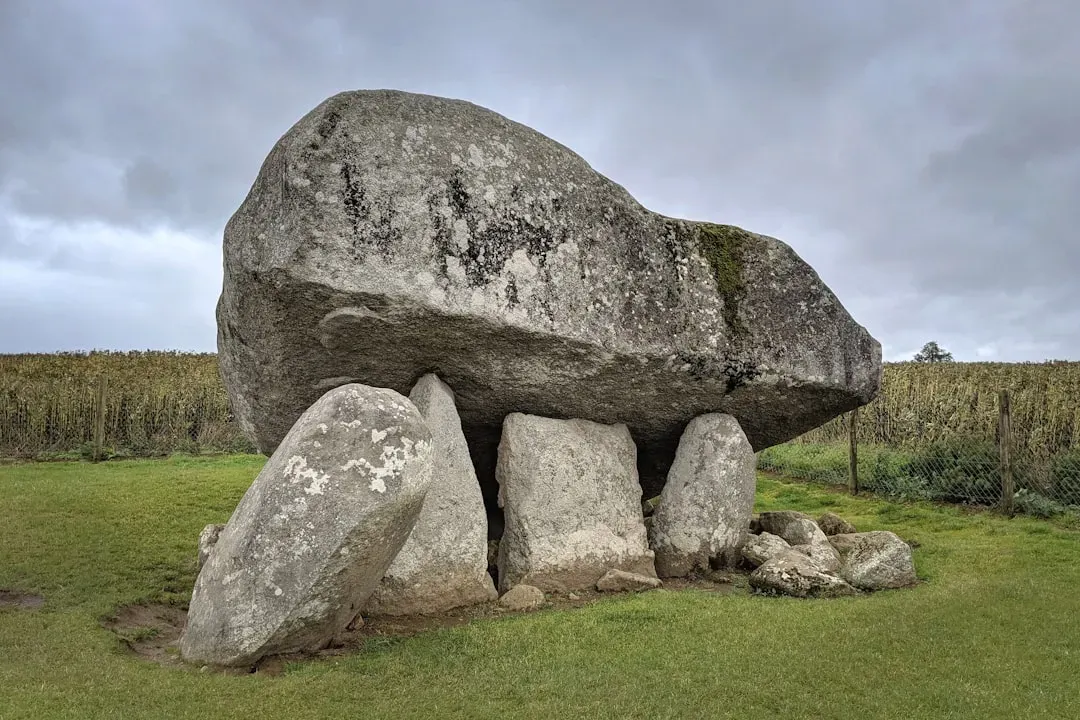
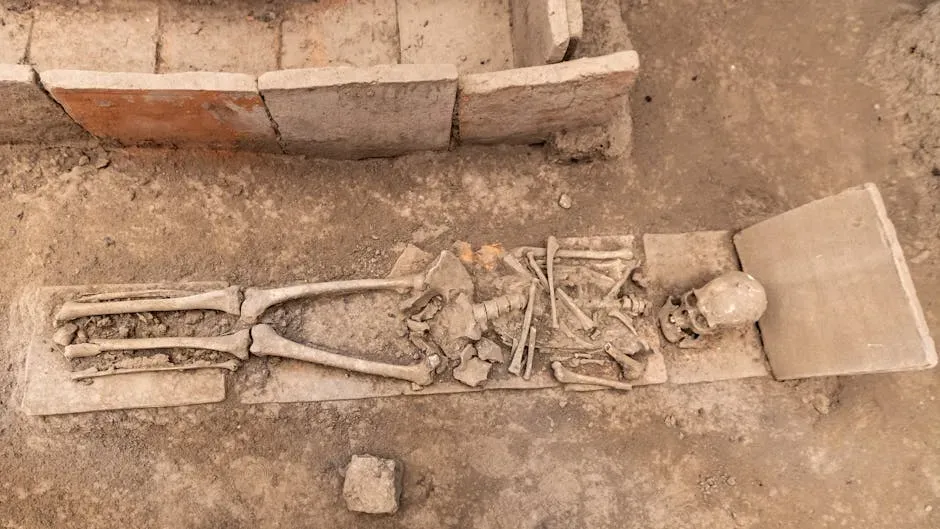
One of the most striking patterns in prehistoric archaeology is the moment when bodies stop being left where they fall and start being placed, deliberately, with things. Before that shift, death looks mostly like nature taking its course: scattered bones, carnivore marks, no clear sign that anyone intervened with care. Then, suddenly in evolutionary terms, we see bodies arranged, sometimes on their sides, sometimes coated with red ochre, with tools, ornaments, or animal parts laid beside them.
Those objects were costly. A well-made stone blade took skill and time. Shell beads might have been carried many miles from the coast. Giving such items up at the moment of burial suggests they were not just survival gear anymore. They were becoming symbols, tokens of identity, memory, or status. When you willingly bury value, you’re telling the world that meanings now matter as much as materials.
Burial as a Window Into an Invisible World
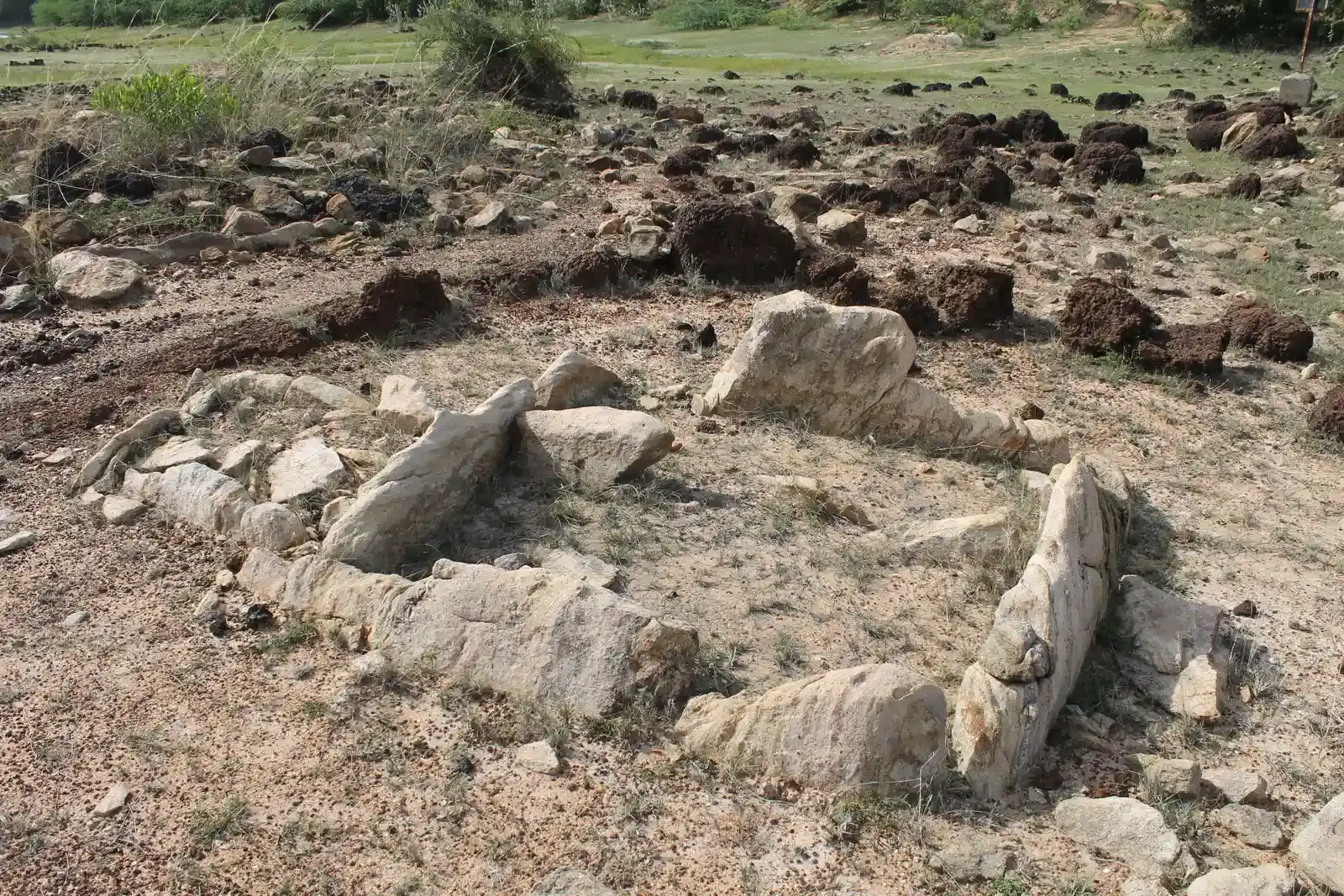
Placing objects with the dead only really makes sense if you imagine something beyond the here and now. Whether it was an afterlife, spirits, or simply the idea that the dead still “needed” things, this kind of behavior shows a mind able to project beyond direct experience. That leap is huge. It suggests our ancestors were not just reacting to the environment but building inner worlds rich with beliefs, fears, and hopes.
Archaeologists sometimes argue over the exact interpretation, but almost everyone agrees that grave goods point to symbolic thought. This is the same mental shift that lets a story stand in for an event, a drawing stand in for an animal, or a set of rules stand in for immediate instincts. Once you can treat an object as a stand-in for something else – love, memory, protection – you have stepped into a different cognitive universe. Burial with objects is like the fossil footprint of that universe.
Grave Goods, Identity, and the Birth of “Someone Like Me”
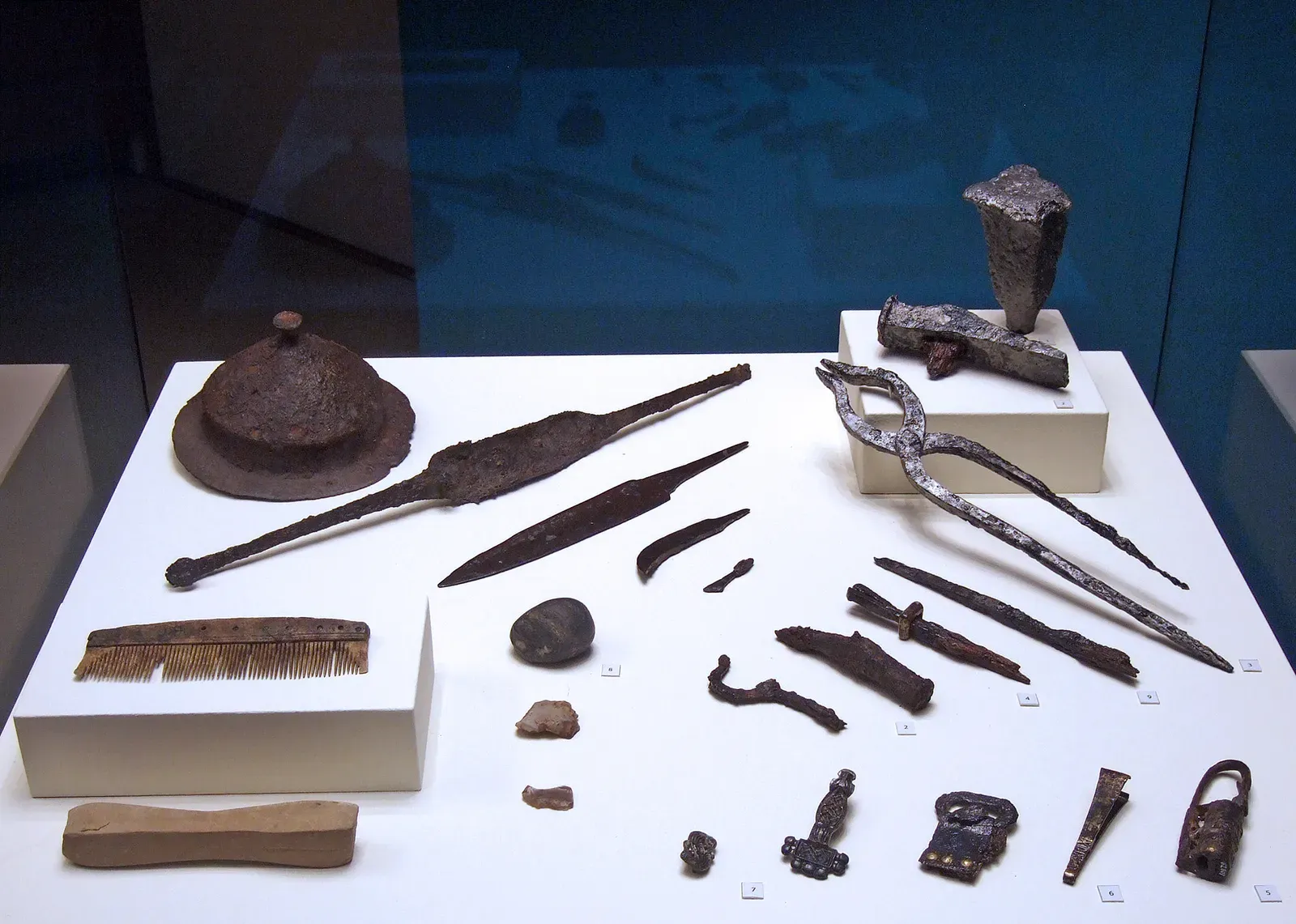
The moment you choose objects for a burial, you are making a statement about who that person was. Maybe it is a carefully crafted blade for a skilled hunter, beads for someone who mattered socially, or a particular animal part for someone with a certain role. Even when the exact symbolism is lost to us, the pattern is clear: these burials are not just about a body, they are about a person with a story.
This is where it gets quietly radical. To curate things for a burial, you need to see individuals as more than just bodies in a group. You need the idea of personal identity that continues in memory, perhaps even beyond death. It is the same mental move that, today, leads people to place photos, letters, or keepsakes in a coffin. That continuity of self, carried by objects, reveals a kind of reflective self-awareness that goes far beyond raw survival instincts.
From Practical Tools to Powerful Symbols
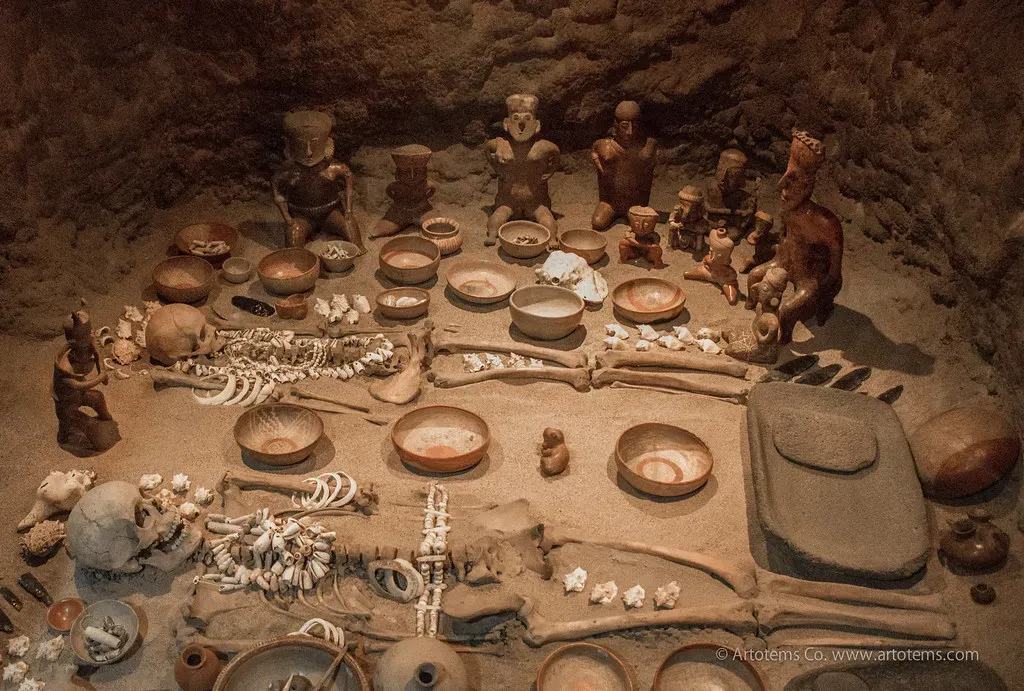
In many graves, the objects we find are not random junk; they are recognizable tools and ornaments that once had practical use. At some point, though, that function shifted. A blade in a grave is no longer meant to cut meat. A shell necklace under a layer of soil is no longer meant to catch anyone’s eye at a gathering. They have moved from the world of use to the world of meaning.
That transition – from tool to symbol – is a hallmark of advanced cognition. It is the same mental turn that lets a ring represent commitment or a flag represent a nation. When early humans started burying tools they could have used, they were effectively saying that ideas, relationships, and beliefs sometimes outweigh immediate utility. In my view, that is one of the clearest markers that the human mind had crossed a threshold into richer, more layered ways of thinking.
Grief, Ritual, and Shared Stories Around the Dead
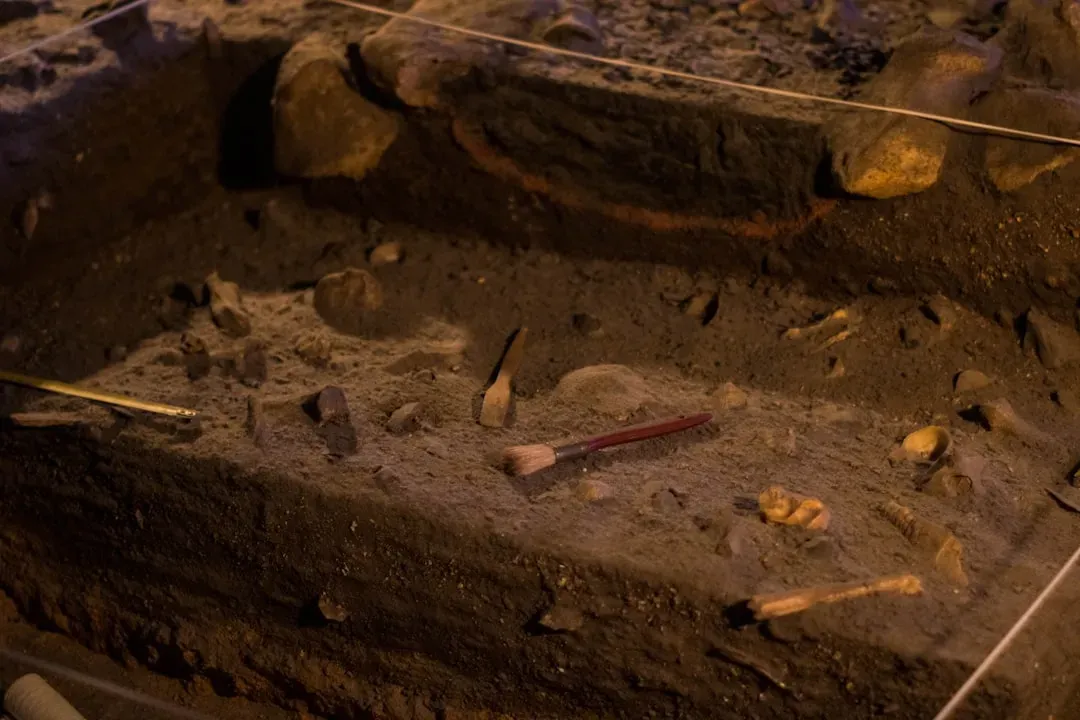
If you imagine a prehistoric burial as just one person quietly placing a bone tool beside a body, you miss half the story. These acts were likely communal. People would have gathered, watched, contributed objects, or at least witnessed the moment together. That turns burial into something more than disposal of remains; it becomes a ritual, a shared script that helps a group navigate loss.
Ritual is powerful because it coordinates minds. When a group repeats the same pattern – prepare the body, choose objects, place them in a certain way – they reinforce shared beliefs about what life and death mean. Over time, those rituals become a kind of social glue, teaching younger members not just how to survive, but how to belong. The grave goods are like props in a play that everyone knows by heart, even if the exact lines have been lost to time.
The Cognitive Leap: Imagination, Time, and “What If” Thinking
Underneath all of this lies a quieter, deeper change: humans were starting to think in complex layers of time and possibility. To plan a burial, you have to remember the person’s life, anticipate the future reaction of the group, and maybe even imagine a world where that person still exists in some form. You are juggling past, present, and an invisible future all at once.
This style of thinking – call it “what if” thinking – is what later allows for myth, law, moral codes, and long-term planning. When we see consistent, deliberate burials with objects, we are probably seeing the early stages of that mental machinery at work. In a sense, the grave becomes a physical anchor for thoughts that stretch far beyond the immediate moment, an early monument to the human ability to imagine more than what is right in front of us.
Why This Ancient Habit Still Shapes How We Live and Die
What strikes me most is how little the emotional core of this behavior has changed. Today, people still tuck letters into coffins, place flowers on graves, or keep a loved one’s watch in a drawer they never open. The logic is not strictly practical. It is emotional, symbolic, and deeply human. We continue to use objects to carry love, regret, memory, and hope, just as our prehistoric ancestors did with their beads and blades.
That continuity is a strong hint that burying the dead with objects was not some quirky cultural fad but a milestone in the evolution of our minds. It shows the moment when humans began to insist that meaning matters, that relationships outlast flesh, and that invisible ideas are worth honoring with real-world sacrifices. To me, that is the birth of something crucial: a mind that refuses to be limited to the here and now, and a species that insists on turning loss into story. In the end, those simple objects in ancient graves might be the clearest evidence that we started to think like the humans we still are. Did you expect that one of the earliest signs of our modern mind would be what we chose to bury, not what we chose to keep?