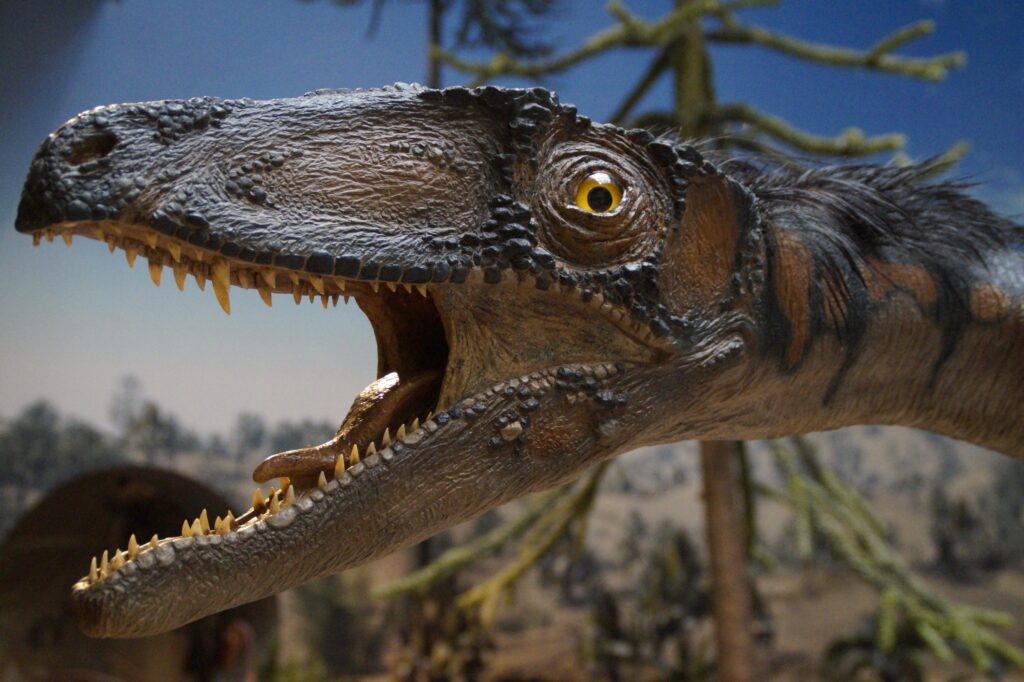
Picture standing in a Cretaceous forest at sunrise. The air is heavy, the ground trembles with distant footfalls – and everywhere, the world is blazing with colours your human eyes simply cannot see. To you it might look lush and green; to many dinosaurs, it would have been a neon, ultraviolet, high‑contrast spectacle. That single idea – that dinosaurs probably saw a richer, more complex rainbow than we do – completely changes how we imagine their lives.
For a long time, dinosaurs were painted in our heads as grey, brown and dull, like oversized crocodiles. As science has advanced, that picture has been torn up. By digging into fossil eyes, the genetics of modern birds and reptiles, and the physics of colour itself, researchers are now arguing that dinosaurs did not just see colour: they were connoisseurs of it. And once you realize that, the flamboyant feathers, patterned scales and bizarre crests start to look less like random decoration and more like deliberate, high‑stakes visual messages.
The case for dinosaur colour vision: what ancient eyes and modern genes reveal
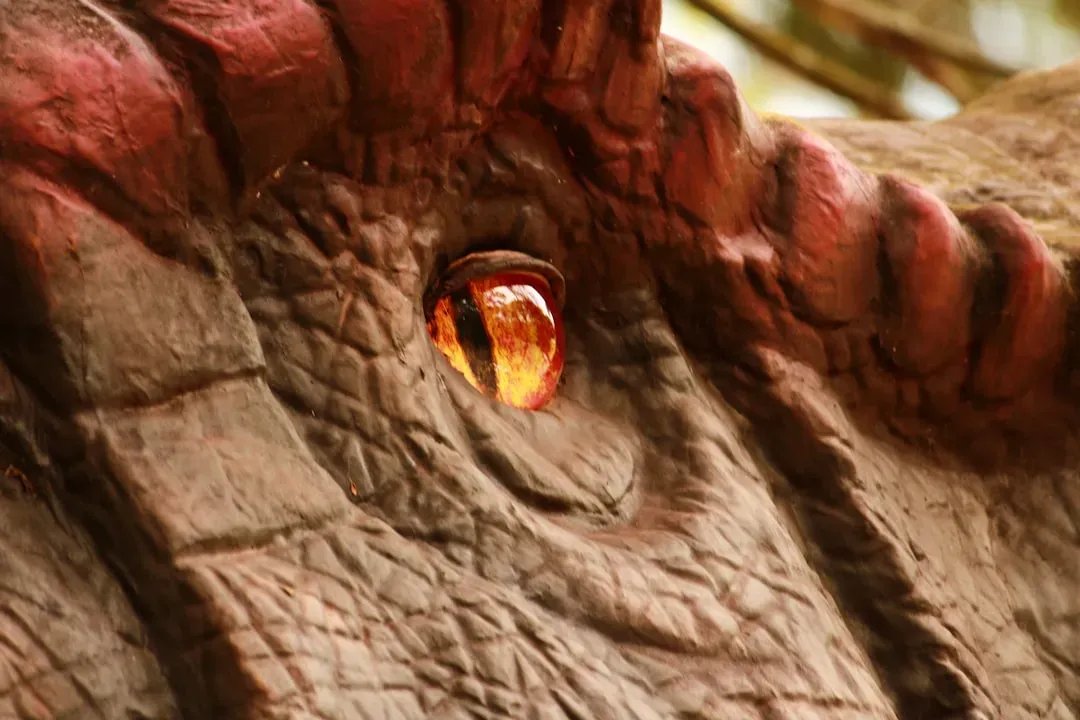
The idea that dinosaurs had better colour vision than humans is not just wishful thinking from paleo‑artists who like bright paints. It is rooted in solid biology. Most mammals, including humans, are trichromats, meaning we rely on three main types of colour receptors in the eye. Birds and many reptiles, on the other hand, are typically tetrachromats, with four distinct colour receptors that allow them to see a broader spectrum, often including ultraviolet wavelengths.
Dinosaurs sit on the evolutionary branch that leads directly to birds and is closely tied to reptiles, not to mammals. That alone is a big clue: if their closest living relatives are almost all colour‑savvy, it would be surprisingly odd if dinosaurs were the exception. When scientists look at the genes underlying colour vision in birds and reptiles, they see a deeply conserved pattern stretching back into deep time, suggesting that the ancestral state for this group was rich, multi‑channel colour vision. Dinosaurs, by all reasonable inference, inherited that visual toolkit.
Lessons from birds and reptiles: why dinosaur vision was probably even richer than ours
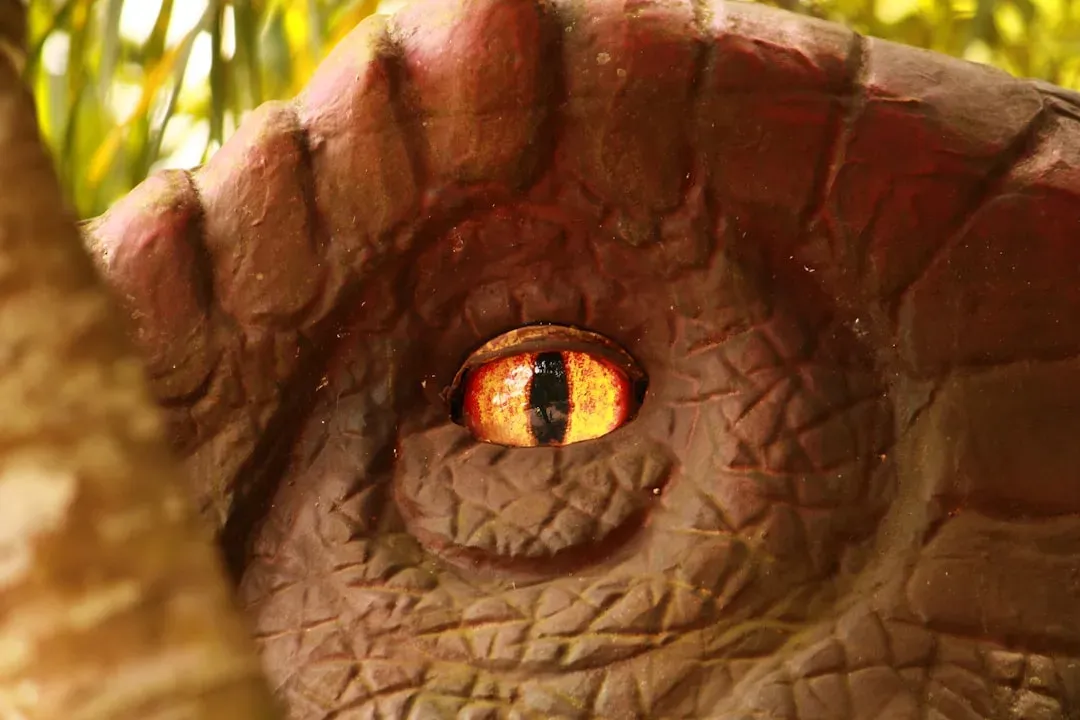
Because we can’t slice open a dinosaur eye, researchers turn to what are called “extant phylogenetic brackets” – basically, they compare the animals on either side of dinosaurs on the family tree. Crocodilians lie on one side, birds on the other, and many lizards sit close by. These animals almost all carry multiple cone types in their retinas and, in birds especially, those cones are enhanced with tiny oil droplets that sharpen colour discrimination and extend sensitivity into ultraviolet.
When you line up the evidence, you get a simple but striking conclusion: the default visual state for this lineage is a four‑channel, high‑resolution colour system. Humans, by comparison, are like someone watching a 4K movie on an old laptop screen. Many birds can distinguish subtle changes in plumage hue that look identical to us, detect UV patterns on feathers and beaks, and spot small, camouflaged prey against complex backgrounds. Given that birds are literally living dinosaurs, it would be very strange if their non‑avian relatives lacked similar abilities. That is why so many scientists talk about dinosaur colour vision as “almost certainly” superior to ours, even if they remain cautious about the fine details.
From fossils to feathers: how paleontologists infer dinosaur colours and patterns
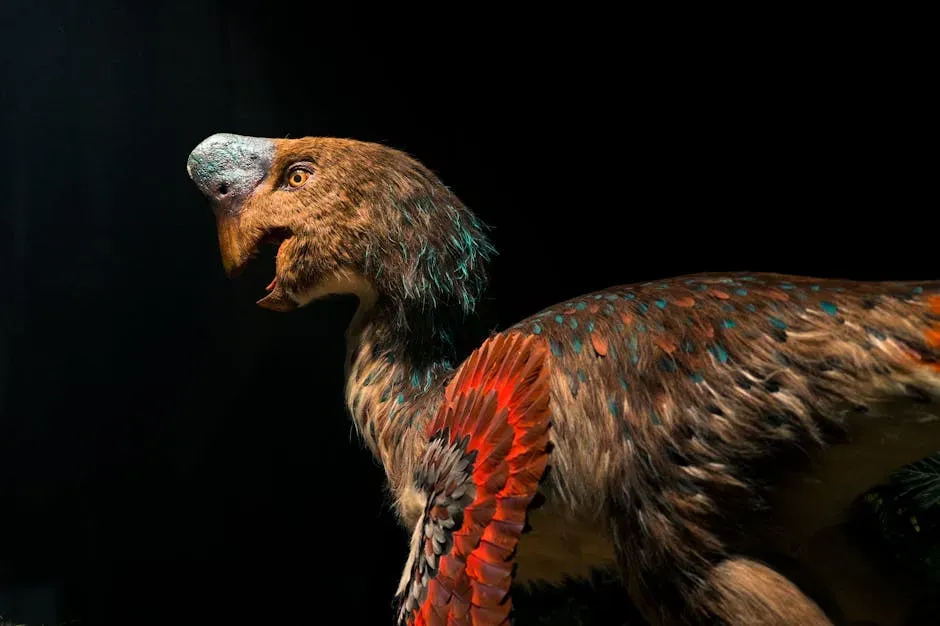
For a long time, talk about dinosaur colour was pure speculation. Then something game‑changing happened: scientists started finding fossilized feathers and skin impressions so well preserved that microscopic structures called melanosomes – pigment‑containing organelles – could be studied. Different types of melanosomes correlate with different colours in modern birds. When researchers compared fossil melanosomes to those in living species, they could make educated guesses about dinosaur hues, from rust‑red to glossy black and even iridescent sheens.
These reconstructions do not give a perfect paint chart, but they have blown up the idea that dinosaurs were monotonous brown. Some small, feathered species show patterns like banded tails, contrasting facial markings and dark crests, all classic visual signals in modern birds. Even where pigments are not preserved, complex surface textures and the presence of feather types associated with display in birds – like long tail plumes or head fans – hint strongly at colourful signaling. When you add in the likelihood that many of these structures reflected ultraviolet light, the conclusion is clear: dinosaur bodies were probably alive with colours we can barely imagine.
Why better colour vision matters: survival, hunting and not getting eaten
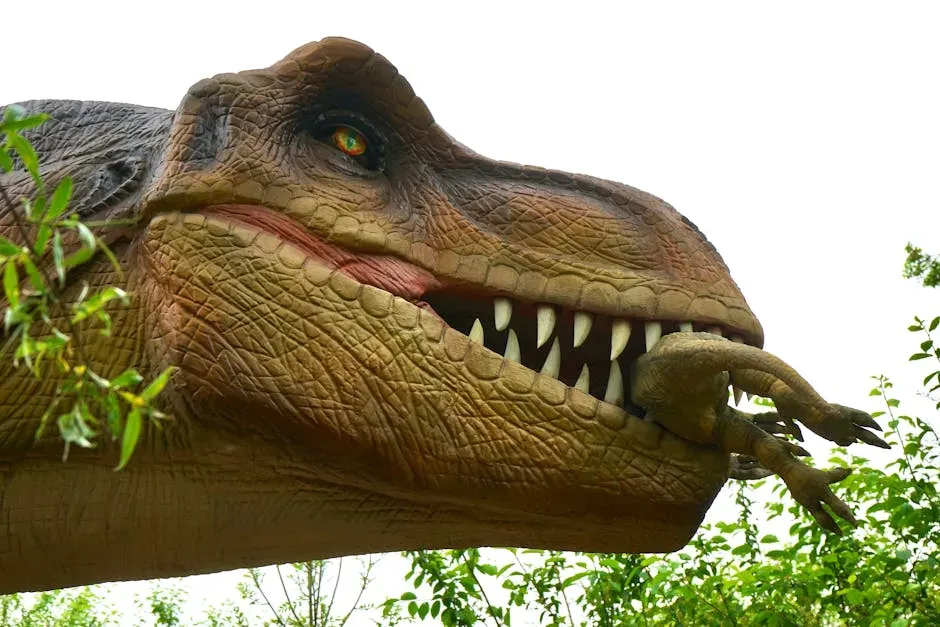
Superior colour vision is not just a pretty extra; it is a serious survival tool. In dense prehistoric forests, being able to distinguish a predator’s outline from dappled shadows, or to spot ripe fruit, fresh shoots or nutrient‑rich seeds against a messy background, would have been hugely valuable. A dinosaur that could tease apart subtle differences in green, brown and red could find food more efficiently and avoid deadly ambushes.
Predators, too, stood to gain. Think of a bird of prey spotting a small lizard from high above. The lizard’s camouflage might defeat a human observer, but tiny colour discrepancies give it away to a tetrachromatic eye. Many small, fast theropods probably used similar tricks, scanning for movement and colour anomalies. Over millions of years, this constant evolutionary pressure would have fine‑tuned both the eyes that look and the colours that hide, creating an arms race of camouflage and detection painted across the Mesozoic landscape.
Love, rivalry and show‑offs: how colour shaped dinosaur social lives
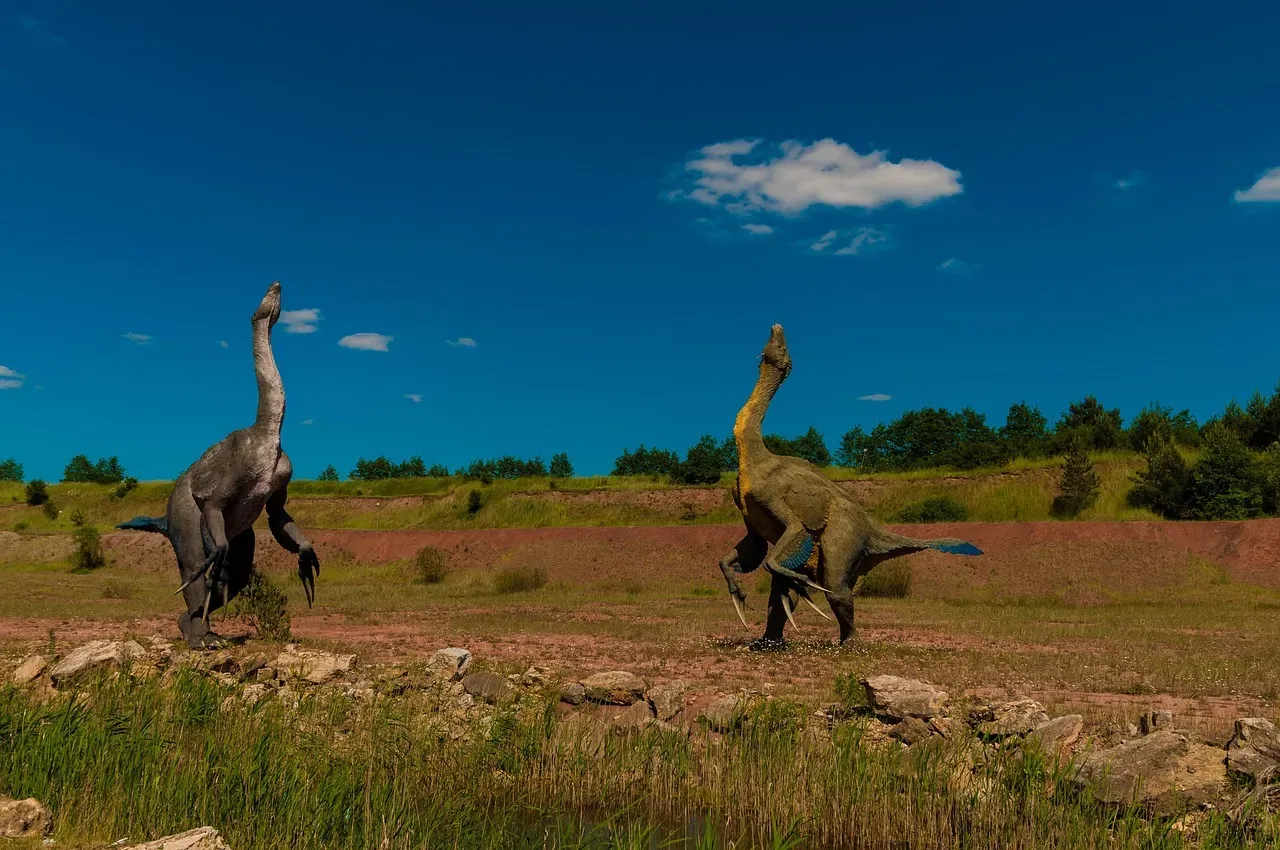
Once you grant dinosaurs advanced colour vision, an obvious question follows: what were they looking at on each other? In modern animals with great colour vision – birds especially – vivid plumage, skin flashes and intricate patterns are usually about social communication: attracting mates, intimidating rivals or coordinating group behaviour. It would be strange if dinosaurs, with their extravagant frills, crests and feathers, did not tap into the same toolbox.
Many species show exaggerated structures that scream “display,” from the enormous head crests of hadrosaurs to the flamboyant tail fans of small feathered theropods. In a world tuned for rich colour perception, those surfaces were prime real estate for visual advertising. Brightly coloured neck sacs, patterned faces, contrasting stripes and spots could all function as badges of health, dominance or readiness to mate. Just like a peacock’s tail or a bird‑of‑paradise’s dance today, dinosaur displays were probably part theatre, part courtship, and part pure ego – a visual arms race pushed by eyes that could tell the difference between good and jaw‑droppingly spectacular.
Camouflage, warning signals and the noisy visual jungle of the Mesozoic
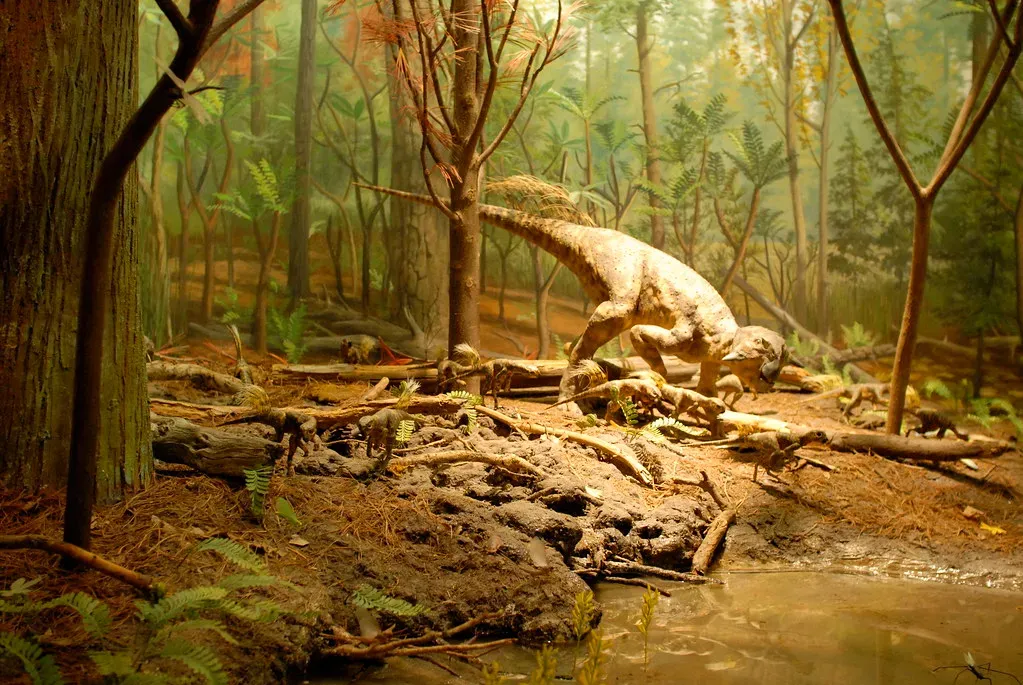
A world full of animals with excellent colour vision is also a world where visual deception and signaling become incredibly sophisticated. Many dinosaurs likely relied on disruptive patterns – stripes, blotches, mottled backs – to break up their outlines in forests or open plains. Think of how a tiger’s stripes blend into tall grass; now imagine that same logic applied to predators and prey built on dinosaur bodies. Complex colour patterns would have been a matter of life and death.
On the flip side, some dinosaurs probably leaned into being seen. Bright patches of colour can serve as warning signals, advertising that an animal is dangerous, toxic or simply not worth attacking. We see this strategy everywhere today, from poison dart frogs to wasps. A small, spiky dinosaur might have sported a bold tail tip or face mask that shouted “back off,” especially effective against visually acute predators. Juveniles could have had different markings from adults, signaling their age and status. The Mesozoic may have looked less like a quiet green forest and more like a bustling, noisy visual jungle of hidden shapes and sudden, shocking flashes of colour.
How colour vision rewrites our mental picture of dinosaurs
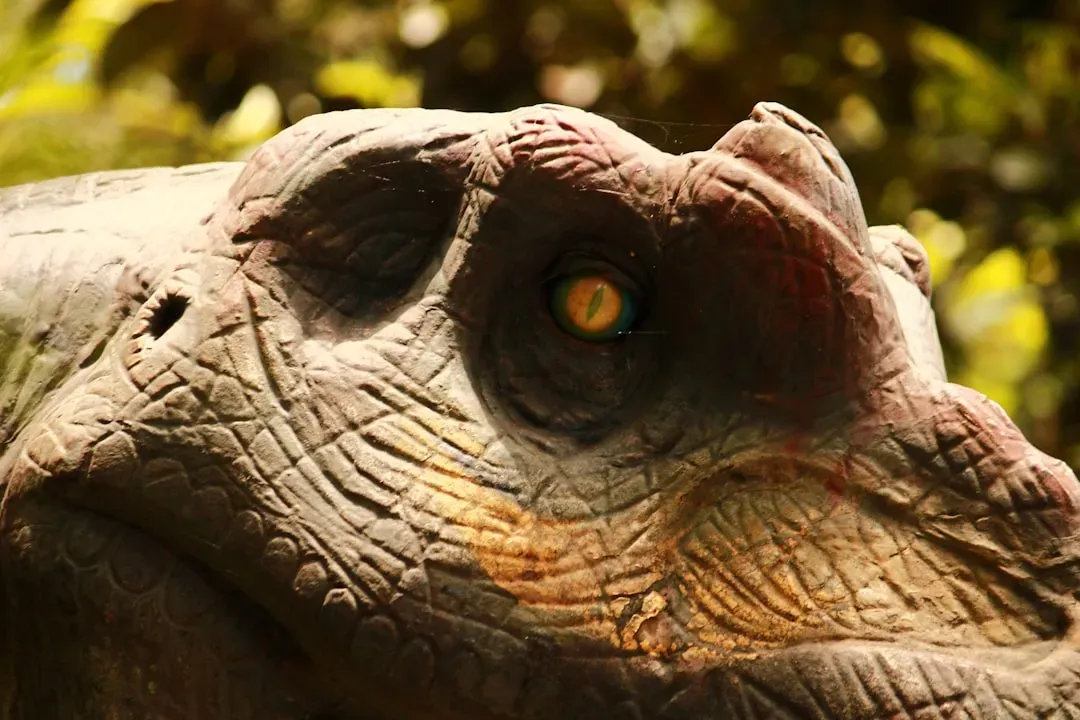
Once you accept that many dinosaurs almost certainly saw the world in richer colours than we do, the old greyscale museum reconstructions start to feel deeply wrong. It is a bit like discovering that your favourite black‑and‑white movie was originally shot in vivid colour; the whole mood shifts. Feathers that we imagined as dusty brown might in reality have glowed with iridescent blues or shimmering greens, especially under the harsher Mesozoic sun. Even “drab” herbivores may have carried hidden UV patterns only visible to their own kind.
Personally, this has completely changed how I picture them. When I think of a ceratopsian now, I do not see a dull, horned cow‑lizard; I see a massive animal with a billboard‑sized frill, edged in contrasting colours, maybe with UV markings that turn that frill into a living traffic sign. The same goes for hadrosaurs with helmet‑like crests and small theropods with long, ribbon‑like tail feathers. Instead of a world of dusty giants, I picture a scene closer to a chaotic, prehistoric bird‑of‑paradise lek, where colour is currency and every glance carries meaning that our human eyes can no longer decode.
Conclusion: dinosaurs lived in a world more vivid than ours – and we keep underestimating them
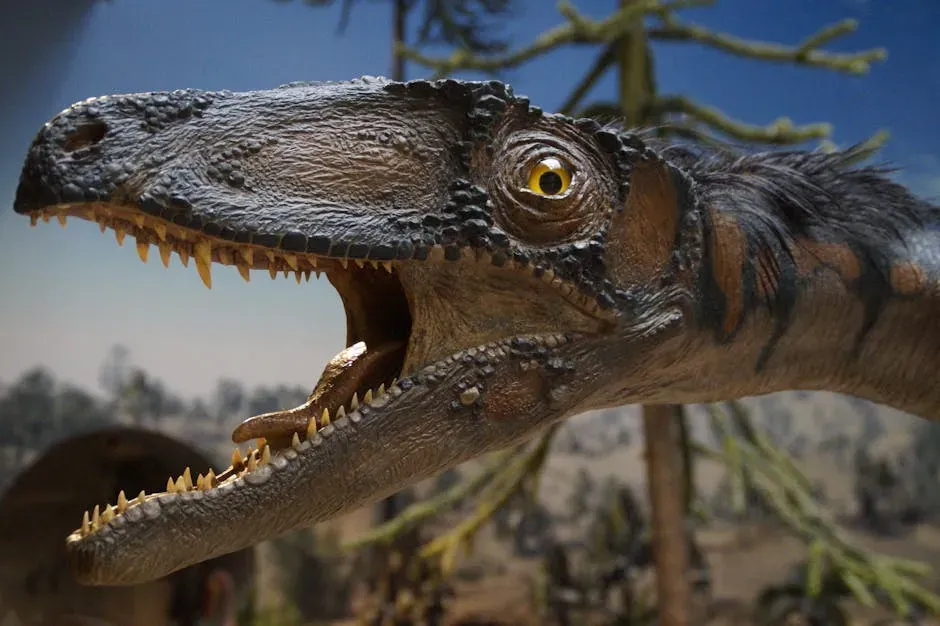
In my view, the strongest mistake we still make about dinosaurs is thinking too small, too grey and too mammal‑centric. The evidence from their closest living relatives, from fossilized pigments and from the logic of evolution all point in the same direction: dinosaurs were almost certainly creatures of intense colour, with eyes tuned to perceive subtle hues and ultraviolet patterns that are completely invisible to us. That visual superpower did not sit idle; it shaped what they ate, how they avoided predators, how they courted partners and how they advertised strength, status and danger.
When you put it all together, the most reasonable picture is not of drab reptiles lumbering through a muted world, but of dynamic animals navigating an almost overwhelming storm of visual information. Their bodies were not just functional; they were billboards, warning signs, invitations and threats, all coded in colours they could see better than we can. If anything, our mental image of dinosaur life is probably still too dull, too quiet and too flat. The real Mesozoic was likely louder, brighter and stranger. Knowing that, the next time you look at a fossil in a glass case, you might wonder: what riot of colour did this animal once carry that my eyes will never be able to see?