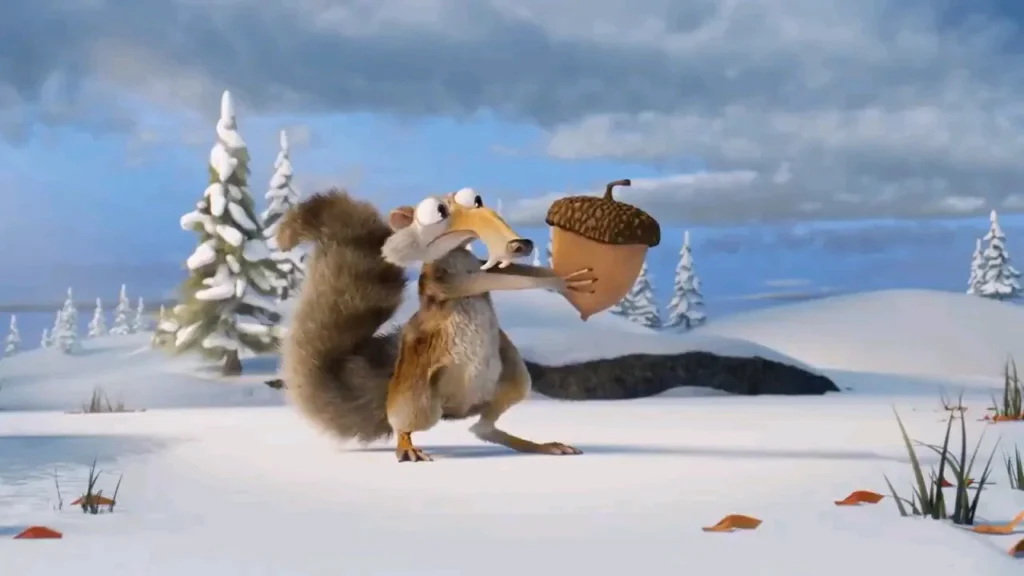
If you have ever watched Scrat from the Ice Age movies hurl himself off cliffs, trigger avalanches, or split continents for a single acorn, you’ve probably thought: there has to be a more efficient way to eat. The hilarious part is that a growing body of science around animal behavior, evolutionary trade‑offs, and even probability quietly agrees: Scrat is a walking, screaming case study in futility.
Of course, Scrat is fictional. No scientist is running formal lab trials on a CGI sabre‑toothed squirrel. But when researchers talk about maladaptive behavior, sunk‑cost fallacies, and evolutionary dead ends, they might as well be holding up a freeze‑frame of Scrat clinging to that acorn mid‑freefall. When you line up what we know about real animals, real energy budgets, and real survival strategies, Scrat’s beloved nut ends up sitting comfortably beside some of history’s most spectacularly pointless pursuits.
The biology of obsession: why Scrat would be dead in a week
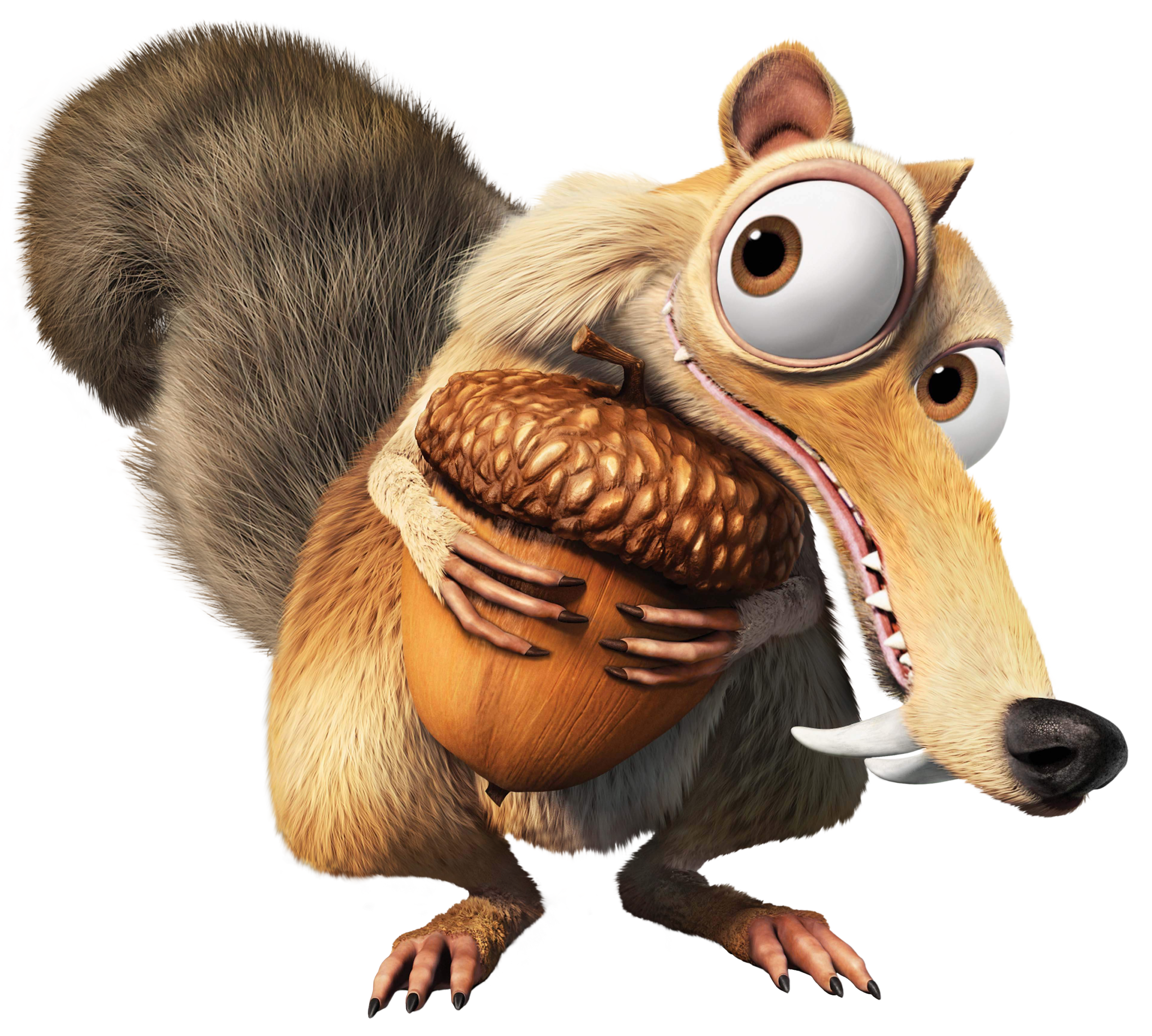
Imagine a real Ice Age rodent burning that much energy, day after day, just to chase a single food item it almost never eats. Biologists talk a lot about energy budgets: how animals must balance what they spend (on movement, risk, heat) with what they gain (food, mates, safety). Scrat explodes that budget on sight. A few seconds of his frantic sprinting, falling, and climbing would likely cost more calories than an acorn could ever repay.
In the real world, that mismatch is how lineages die out. Animals that consistently overpay in energy or risk for tiny rewards simply do not leave many descendants. Even the most frantic real squirrels cache hundreds of nuts, not just one, and they cut their losses when a stash is too costly to retrieve. Scrat, in contrast, doubles down every time, treating his acorn more like a cursed relic than a snack, which makes for great slapstick but terrible survival odds.
Sunk-cost fallacy in fur: when not letting go makes everything worse
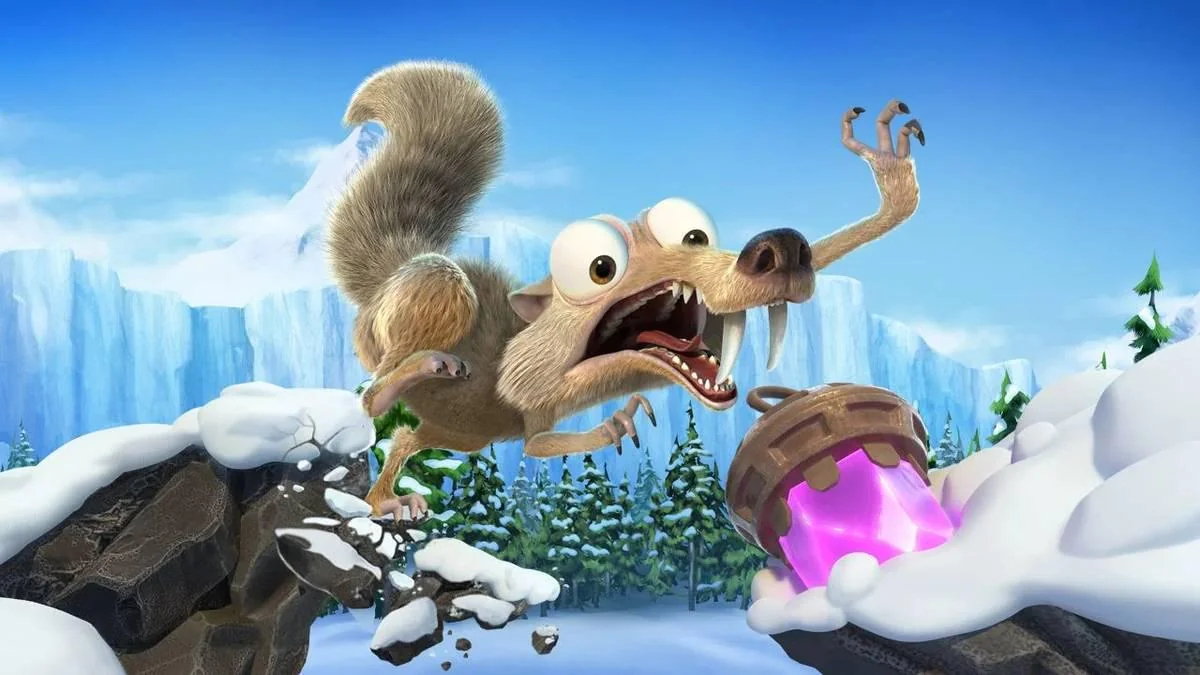
Psychologists use the term sunk‑cost fallacy to describe the way humans stick with bad decisions because they have already invested time, money, or pride. Scrat does this with fur and fangs: it does not matter how mangled, buried, frozen, or airborne that acorn becomes, he refuses to walk away. Each failure makes him cling harder, as though past pain justifies more pain, instead of signalling that he should try literally anything else.
In behavioral ecology, successful animals usually do the opposite. When a foraging attempt repeatedly fails or a territory becomes impossible to defend, most species cut losses and shift strategy. Predators abandon hard‑to‑catch prey, birds change feeding grounds, and even insects will opt for easier nectar sources. Scrat’s refusal to reset is what makes his story so funny and, from a scientific standpoint, such a brutally pure caricature of how not to respond to feedback from the environment.
Risk versus reward: terrible odds, tiny payoff
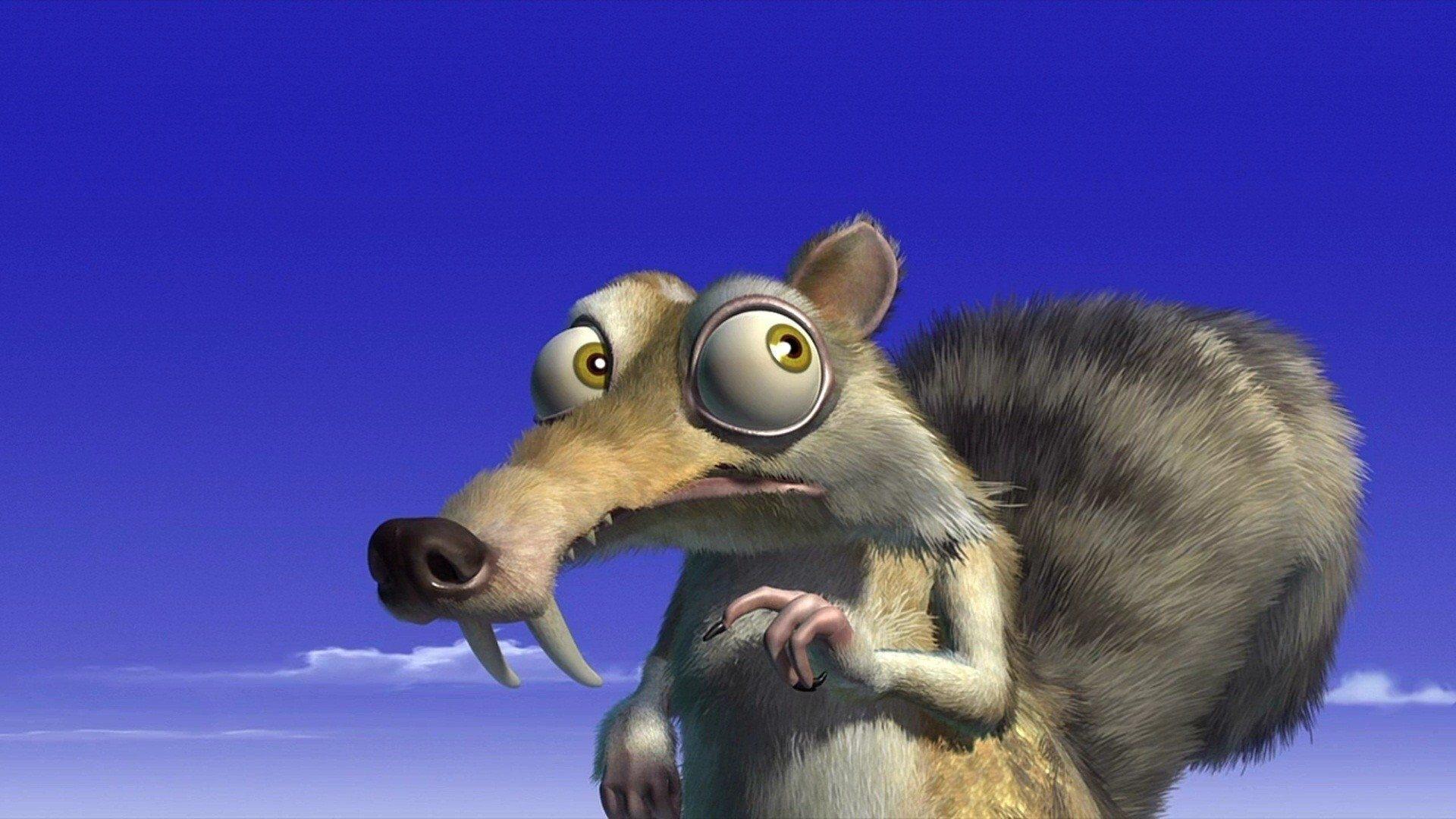
When scientists model animal decision‑making, they often use risk–reward frameworks: how big is the potential gain, and how bad are the possible losses? Scrat’s entire life is one long example of a lopsided equation. The payoff is a single acorn, modest in calories and easily replaceable in any halfway decent forest. The costs he willingly takes on range from falling into lava and being crushed by glaciers to nearly drowning, freezing, or getting impaled.
Real animals do take wild risks, but only when the stakes are equally wild: saving offspring, defending the only available territory, or seizing a rare, high‑value meal. A lion may risk injury for a large kill, but not for one small scrap of meat on the horizon. Measured by risk‑reward logic, Scrat’s crusade lands squarely among the most futile endeavors you could design, like gambling your house on winning a single coin toss where the coin is glued to come up against you.
Comparing Scrat to real evolutionary dead ends
Biologists sometimes point to traits that became so exaggerated they stopped being useful: antlers so big they hinder movement, plumage so heavy it drags, courtship displays so elaborate they invite predators. These are evolutionary dead ends, where selection for one trait overshoots what is practical. Scrat’s obsession is a cartoon extreme of that principle, turning what should be a small advantage (persistence in foraging) into a full‑blown liability.
What makes his story especially striking is that, unlike many real dead‑end traits, his fixation provides no clear reproductive or social payoff at all. He does not earn mates, status, or territory; he only earns fresh ways to suffer. If you plotted Scrat on an evolutionary decision chart, he’d occupy an edge case where the graph simply breaks, a reminder that when persistence is unmoored from outcomes, it stops being a virtue and becomes a slow, funny, icy slide toward oblivion.
Why it feels relatable: Scrat as a mirror of human futility
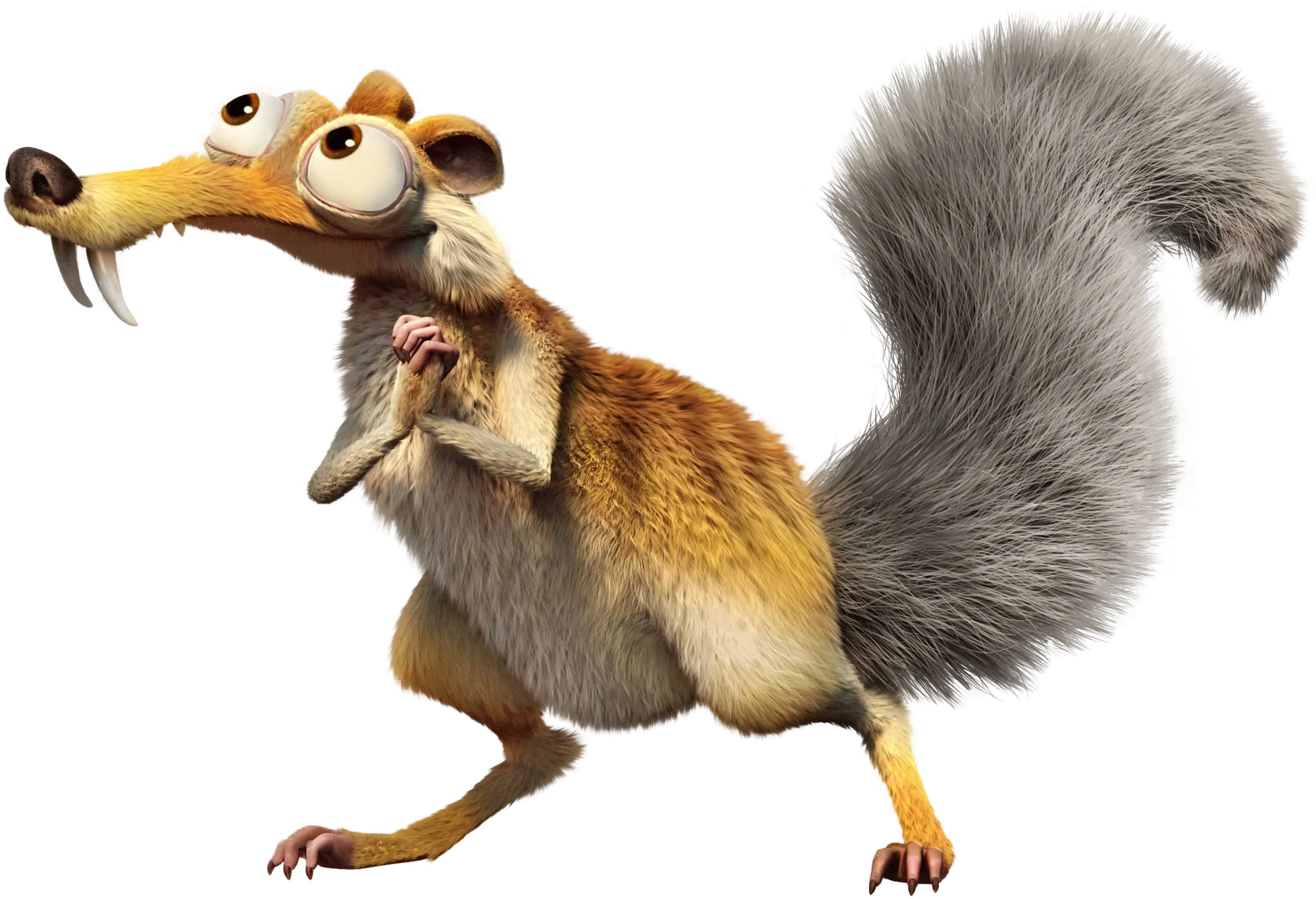
Part of why people love Scrat is that, deep down, we recognize ourselves in him. Most of us have chased our own versions of the acorn: a promotion that never comes, a relationship that clearly is not working, a project that died two years ago but still eats our weekends. Watching him suffer for his nut is like watching a time‑lapse of our worst habits, sped up and turned into slapstick so we can finally laugh at them.
From a scientific angle, humans are famously bad at cutting losses, especially when ego, identity, or social pressure is involved. Scrat strips all of that down to its raw core: a single, irrational attachment that refuses to update in the face of overwhelming evidence. His pointlessness is exaggerated, but the pattern is uncomfortably familiar, which is probably why a supposedly minor side character became the emotional mascot of an entire franchise.
Where Scrat’s obsession ranks among history’s futile pursuits
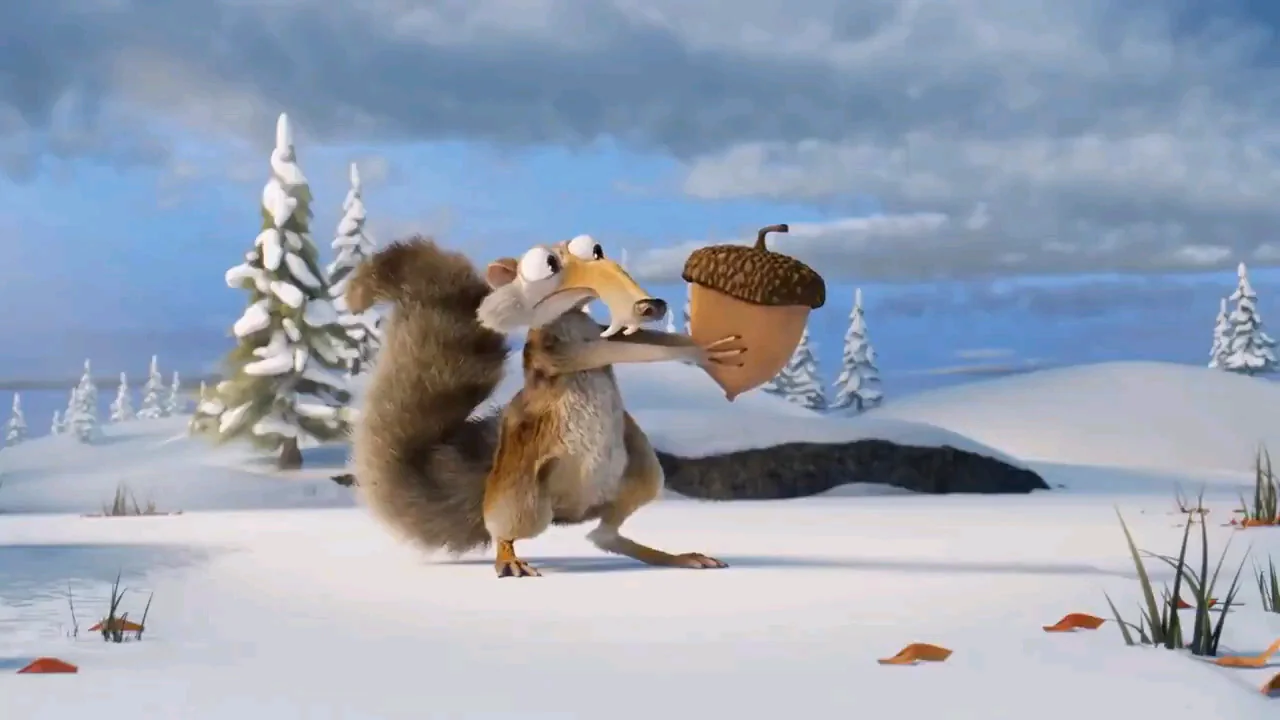
When you stack Scrat’s fictional quest against real‑world tales of futility – from doomed expeditions that ignored every warning sign, to technologies pursued long after they were clearly obsolete – his acorn chase holds its own surprisingly well. It combines catastrophic risk, tiny reward, zero learning, and endless repetition, like a distilled parody of all the times humans have thrown good years after bad ideas. If scientists were to draft a playful list of iconic lost causes, Scrat would deservedly sit near the top.
And here is the opinionated twist: that ranking is not an insult; it is a compliment. By pushing futility to the edge of absurdity, Scrat gives us a harmless sandbox to recognize and question our own obsessions before they consume us in less comical ways. His saga suggests a sharper, almost uncomfortable conclusion: the real failure is not in wanting the acorn, but in refusing to notice when the chase has stopped making sense. So, looking at your own life, what acorn are you still clinging to even as the ice cracks beneath your feet?