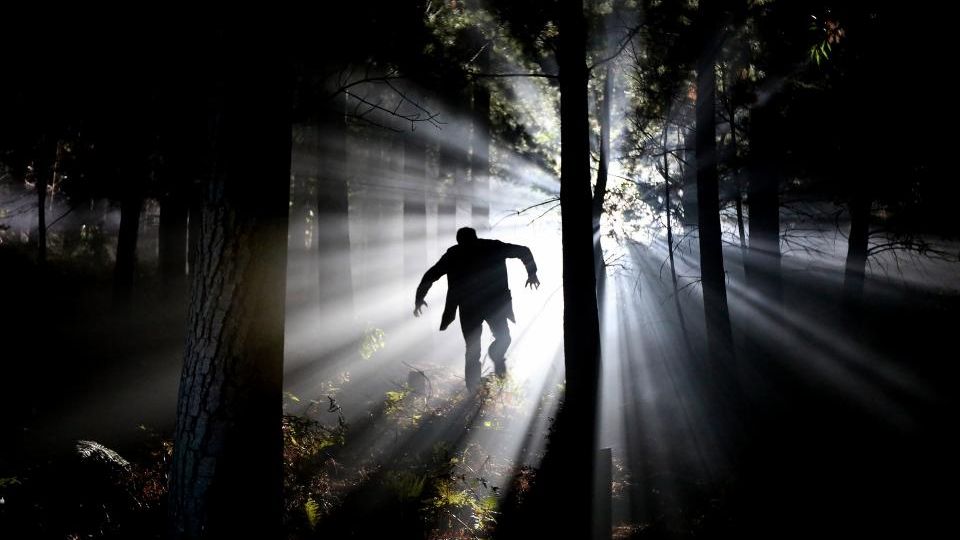
Long before cities glowed with neon lights and smartphone screens followed us into bed, our ancestors sat under skies so black they could actually see the Milky Way. Those nights were not gently lit by streetlamps; they were deep, enveloping, disorienting darkness. Imagine hearing twigs snap just beyond your vision, knowing that your eyes could not save you. That ancient tension still lives inside us, quietly shaping how we feel when the lights go out.
Modern psychology and evolutionary science are increasingly leaning toward a bold idea: our fear of the dark is not just childhood imagination or horror movie conditioning. It may be an emotional echo from a time when darkness meant danger, predators, and vulnerability. In other words, our nervous systems are still playing by Stone Age rules, even while we scroll social media in bed. Once you see it this way, that uneasy feeling in a dark hallway stops looking silly – and starts looking like an old survival program that never got the memo that the saber‑toothed cats are gone.
The Ancient Night: When Darkness Was a Life‑or‑Death Problem
Picture the world before controlled fire, electricity, and cities: after sunset, most environments flipped from risky to truly lethal. Early humans and their hominid relatives relied heavily on sight, but at night their vision was no match for big cats, snakes, or other nocturnal predators. In that world, wandering in the dark was a bit like stepping blindfolded into a highway; you might survive, but the odds were not in your favor. Those who treated darkness casually were much more likely to end their genetic line very quickly.
From an evolutionary perspective, it makes sense that individuals who were more cautious, jumpy, or downright afraid of the dark had a survival edge. They stayed closer to the group, hugged the campfire, and probably lived longer to have children. Over countless generations, this kind of selection pressure could sculpt brains that treat darkness as an automatic warning sign. So when you feel irrationally on edge in a dark basement, that reaction might actually be quite rational if you zoom out far enough in time.
Predator and Prey: How Nighttime Shaped Our Nervous System
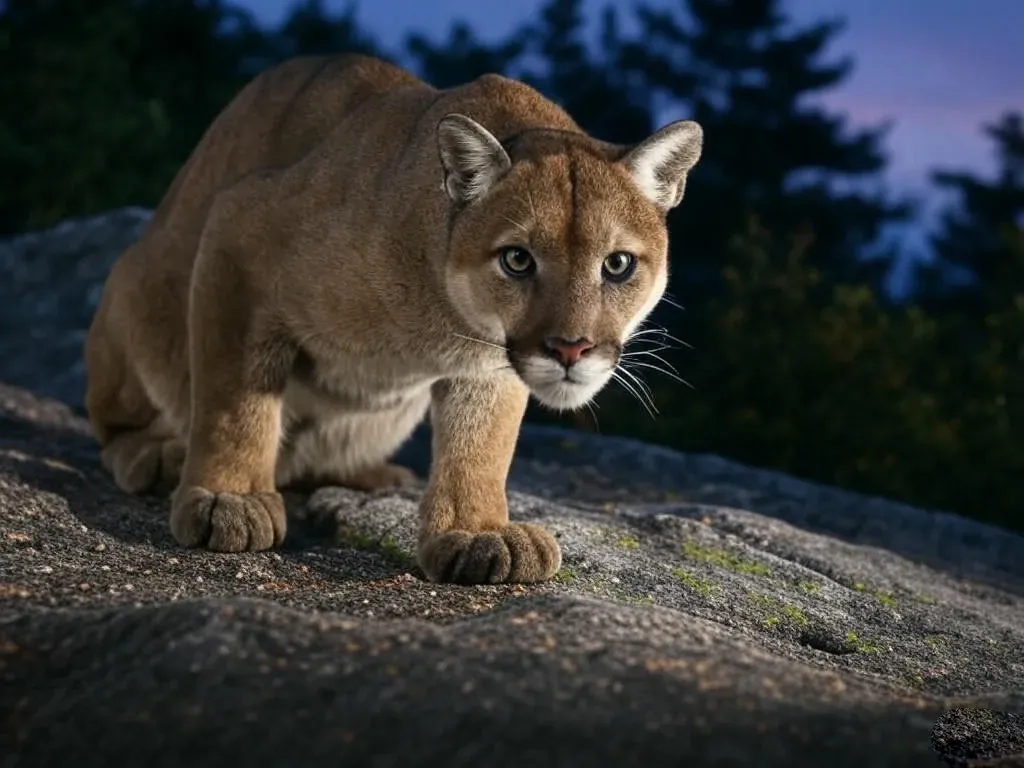
In many ecosystems, nighttime is when the food chain gets loudest, even if you cannot see it. Large carnivores such as big cats, hyenas, and other nocturnal hunters use stealth, acute hearing, and night vision to track prey. Early humans were not at the top of the food chain for most of our evolutionary history; they were somewhere in the messy middle, sometimes hunting, sometimes being hunted. Darkness tilted the odds away from us and toward the animals built for low light.
Our nervous system likely adapted to this imbalance. The part of the brain that scans for threats, especially the amygdala, seems to fire up more strongly when we are in uncertain or low‑visibility situations. In simple terms, if you cannot see what is out there, your brain assumes it could be bad and ramps up alertness. That bias toward overreacting to potential dangers would have been far better than underreacting in a world where one wrong step in the dark could end everything. Today, the predators are mostly gone from our bedrooms, but our biology does not know that.
Fear of the Dark in Children: Instinct or Imagination?
Walk into any house with a young child and you will eventually hear about monsters under the bed or something lurking in the closet once the lights go off. It is easy to dismiss this as pure imagination or the result of scary stories, but researchers have noticed that fear of the dark appears across many cultures, often at similar ages. That pattern hints at something deeper than just media influence. It suggests there may be a built‑in developmental window where our brains become especially sensitive to darkness and invisible threats.
Some psychologists think this childhood phase may actually be a rehearsal for survival, a way for the nervous system to practice reacting to danger without real predators in the room. During these years, the brain is wiring up how to handle fear, uncertainty, and separation from caregivers. Darkness naturally amplifies all of that. Even if modern parents gently reassure their kids, those nighttime worries might be tuning an ancient alarm system, the same one that helped small, vulnerable bodies stay close to adults and avoid wandering into the night.
The Brain on Darkness: What Neuroscience Is Starting to Reveal
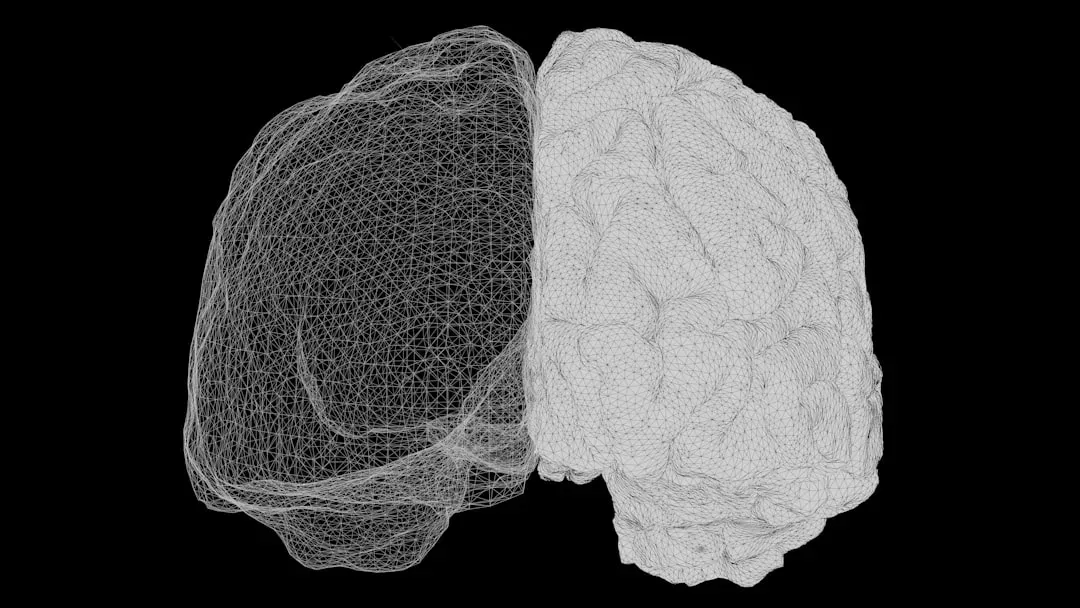
When scientists look at what happens in the brain in low‑light or total darkness, they see something that fits the evolutionary story surprisingly well. Areas involved in vigilance and threat detection become more active when people are in uncertain, poorly visible conditions. The brain is effectively saying, “We do not know what is out there, so act as if something dangerous might be.” That heightened state can feel like unease, mild anxiety, or in some cases full‑blown panic.
At the same time, darkness cuts down on the visual data flowing into the brain, leaving more room for internal images, memories, and worries to step forward. It is no coincidence that racing thoughts, catastrophic what‑ifs, and vivid mental pictures often surge at night when the lights are off. The brain, still running those old survival routines, fills the sensory gap with possibilities, many of them scary. From the standpoint of an ancestor in the savanna, imagining the worst was protective; for a modern person trying to get some sleep, it can be exhausting.
Myths, Spirits, and Monsters: Culture Riding on Top of Biology
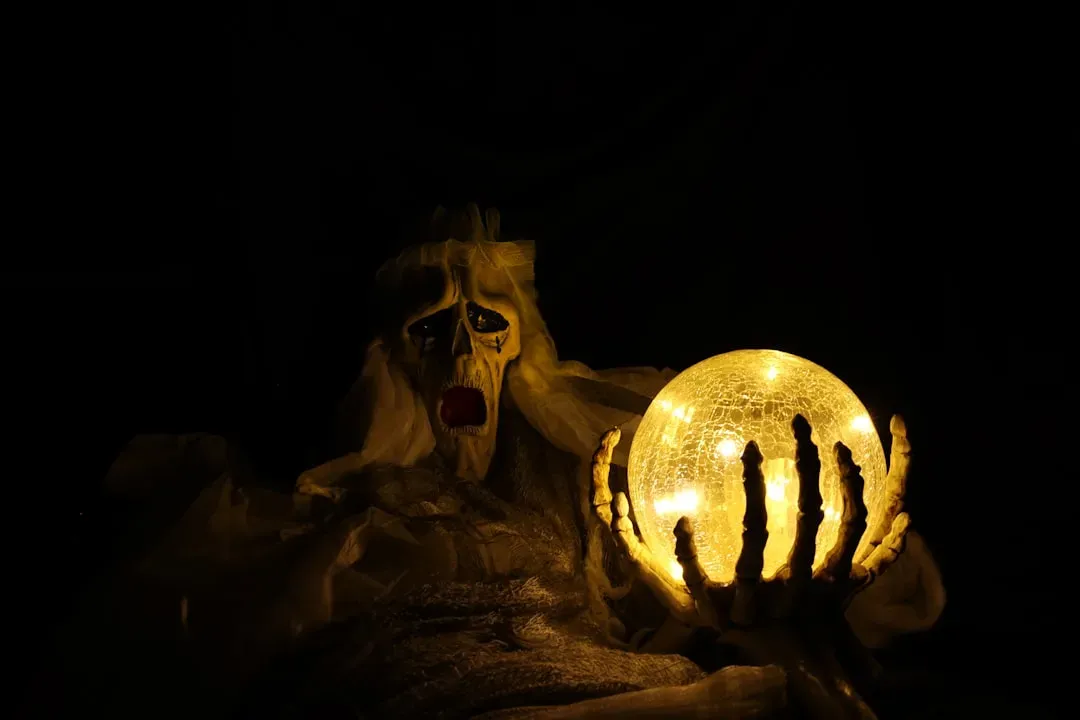
Across history and geography, humans have filled the night with stories – ghosts in the dark forest, spirits that roam at midnight, creatures that only appear after sunset. The details differ wildly from culture to culture, but the pattern repeats: darkness is where the unknown lives. This is not accidental. It is much easier to project fear onto what you cannot clearly see, and darkness provides the perfect blank canvas. The human brain, already primed to treat the dark as risky, gladly paints it with myth and legend.
These stories do more than entertain; they shape how people behave at night. Taboos about going out alone after dark, rituals meant to protect from evil forces, and collective night watches all serve both symbolic and practical roles. They reinforce caution when visibility is low and threats are harder to detect. Even in modern horror movies, the scariest scenes rarely happen at noon in bright sunlight. We keep returning to the same narrative space because on some level, our nervous system already believes that darkness is where danger naturally hides.
Modern Science vs. Ancient Instinct: Why We Still Sleep with a Night‑Light
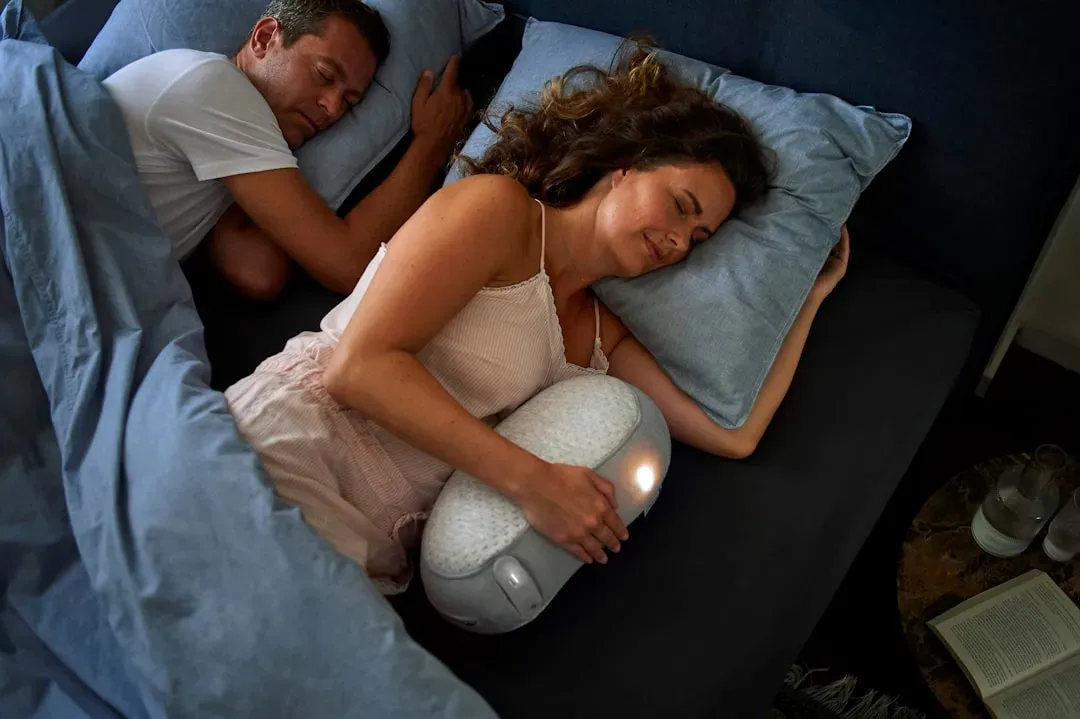
From a rational standpoint, many of us know that our apartments, suburban houses, or dorm rooms are secure. Doors are locked, windows are closed, smoke detectors are in place. Yet the simple act of turning off all the lights can still provoke an uncomfortable jolt. This mismatch between what we know and what we feel is exactly what you would expect if an ancient fear system is still running under newer layers of logic and reassurance. Evolution shapes emotions much faster than conscious beliefs can rewrite them.
That is why something as small as a night‑light can feel so powerful. A tiny glow is enough to convince the older parts of the brain that the world is not completely hidden. It restores a sense of visual control, even if only a sliver of the room is visible. In my own life, I used to roll my eyes at needing a light in the hallway, until I noticed I fell asleep faster when I could just faintly make out the edges of the room. It felt less like weakness and more like accepting that my nervous system is older than my self‑image.
Is Fear of the Dark Really “Irrational,” or Just Outdated Software?
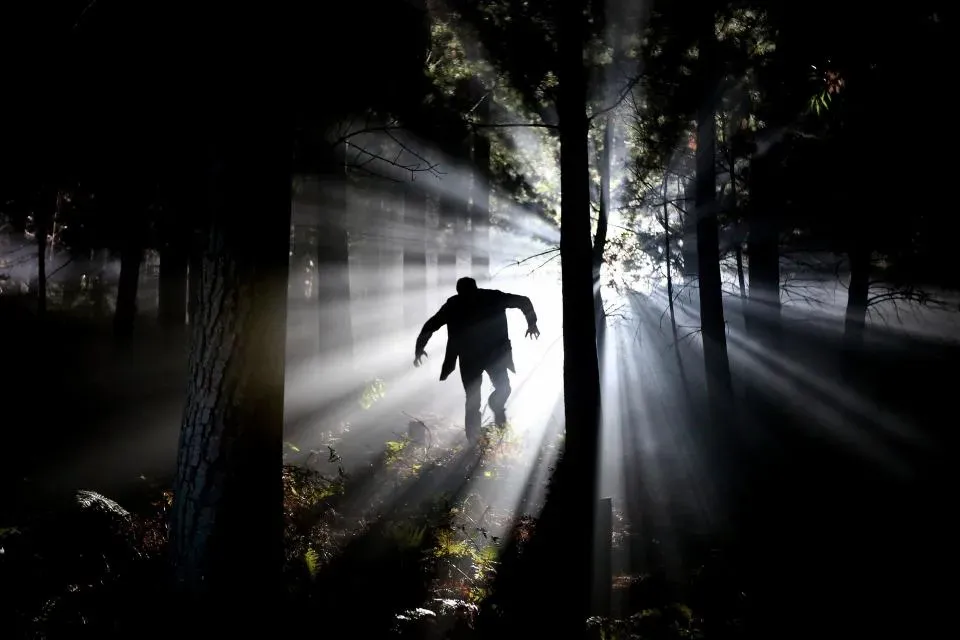
People often judge themselves harshly for being afraid of the dark, especially in adulthood. They call it irrational, childish, or embarrassing. But if we view it through an evolutionary lens, the fear starts to look less like a personal flaw and more like outdated software still doing what it was designed to do. It is not that your brain is broken; it is that it is faithfully following rules written in a world without electric lights, sturdy walls, or emergency services.
This reframing matters because it shifts the emotional weight. Instead of battling your own fear as if it were silly, you can see it as an old survival tool that has outlived its original environment. You would not rage at a smoke alarm for being overcautious; you might just adjust its sensitivity or move it farther from the stove. In the same way, learning breathing techniques, grounding exercises, or gentle exposure to darkness can be seen as updating your internal software rather than proving that you are “brave enough.”
The Upside of Darkness: Creativity, Intimacy, and Inner Space
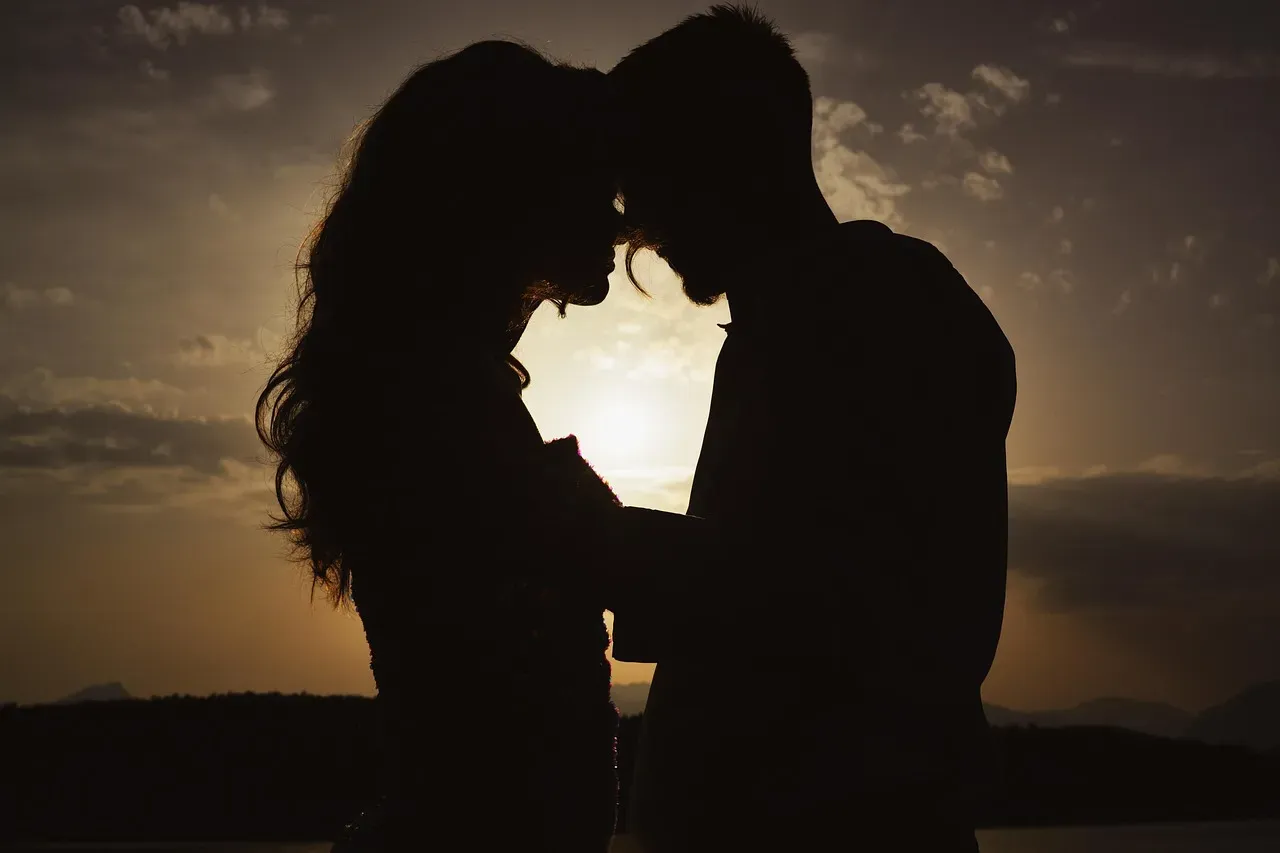
Here is the twist that surprises a lot of people: the same conditions that once made darkness dangerous can also make it deeply meaningful. When visual input drops, the mind often turns inward. That can feed anxiety, but it can also fuel imagination, reflection, and emotional closeness. Some of the most honest conversations happen in the dark, whether it is camping under the stars or talking late into the night with someone you trust. With fewer distractions, we pay more attention to our thoughts and each other.
Artists, writers, and thinkers have long used the quiet of the night as a creative engine. The very stillness that once signaled potential threat now gives us a rare kind of focus and intensity. You might think of darkness as a risky but fertile landscape: if you can walk through it without being overwhelmed, it can yield surprising treasures. Instead of framing the night purely as an enemy, we can recognize it as a powerful environment that our brains handle with caution for good historical reasons – and that we can also choose to enter for depth, rest, and inspiration.
From Cavemen to City Lights: What Our Fear of the Dark Says About Us
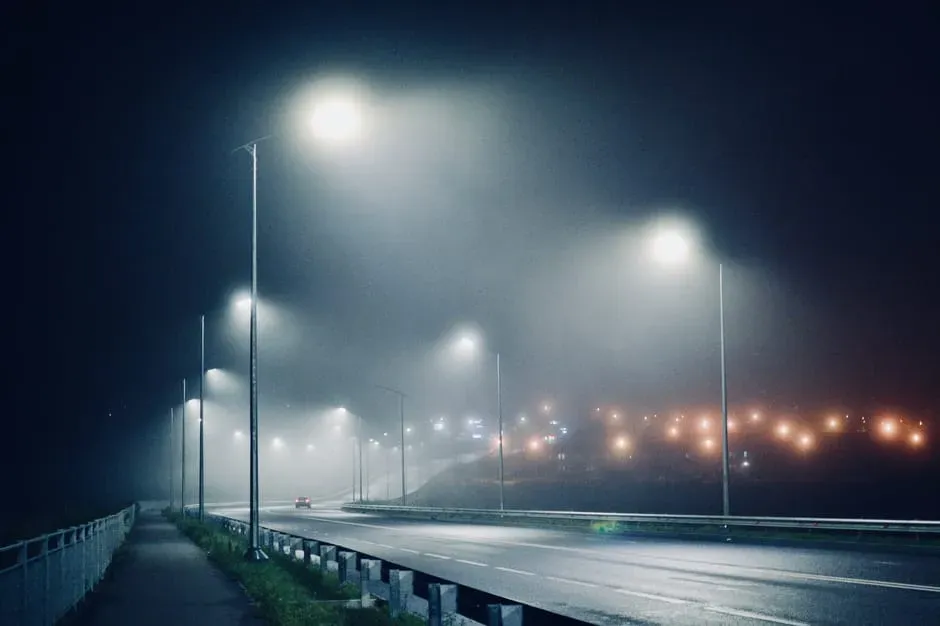
If you zoom out from caves and campfires to skyscrapers and smartphones, humanity’s long relationship with the dark tells a pretty blunt story: we never truly stopped being wary of the night. We just built brighter and brighter defenses against it. Streetlights, illuminated billboards, glowing screens at all hours – these are not just conveniences, they are declarations that we refuse to sit quietly with the ancient discomfort of not seeing what is around us. In my view, that obsession with lighting everything up is both understandable and slightly tragic.
On one hand, it is a triumph of safety and technology that we can push back the night almost anywhere we live. On the other hand, constantly drowning darkness in artificial light means we rarely confront, or learn from, the old fear it still stirs up. I think we underestimate how much wisdom sits inside that unease. Our fear of the dark is a living reminder that we are not purely rational machines; we are animals with deep history etched into our biology. Maybe the challenge now is not to erase that fear, but to understand it, respect its origins, and then decide when to gently turn down the lights anyway. When you next feel your heart race in a dark room, will you just laugh it off – or will you see it as a quiet message from ancestors who survived long enough for you to be here at all?