
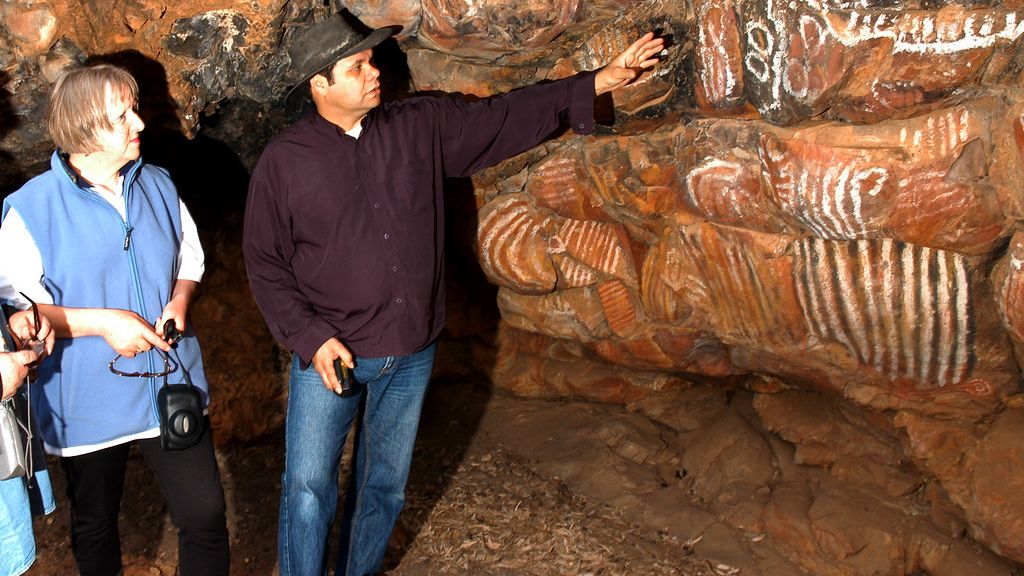
There’s something a little strange about standing in front of a crude handprint on stone and feeling more moved than by a glossy digital masterpiece. You know that hand belonged to someone who lived tens of thousands of years ago, yet somehow it feels like they’re pressing up against the glass of time, trying to say something small and heartbreakingly simple: I was here. If you’ve ever felt that quiet shiver of recognition, you’re not just being sentimental; you might be unconsciously craving a kind of emotional life that feels almost extinct today.
Modern psychology has a growing interest in why prehistoric art hits us so hard in a world overflowing with images. People who are deeply drawn to cave paintings often describe a pull toward something raw, stripped down, and honest. It is not just about history or aesthetics; it is about a longing for a life where feelings did not need to be optimized, branded, or turned into content. In a way, the fascination is less about the past and more about a present that feels emotionally overloaded, yet strangely empty, and a secret wish that things could be simpler again.
The Emotional Shock Of Ancient Hands On Stone
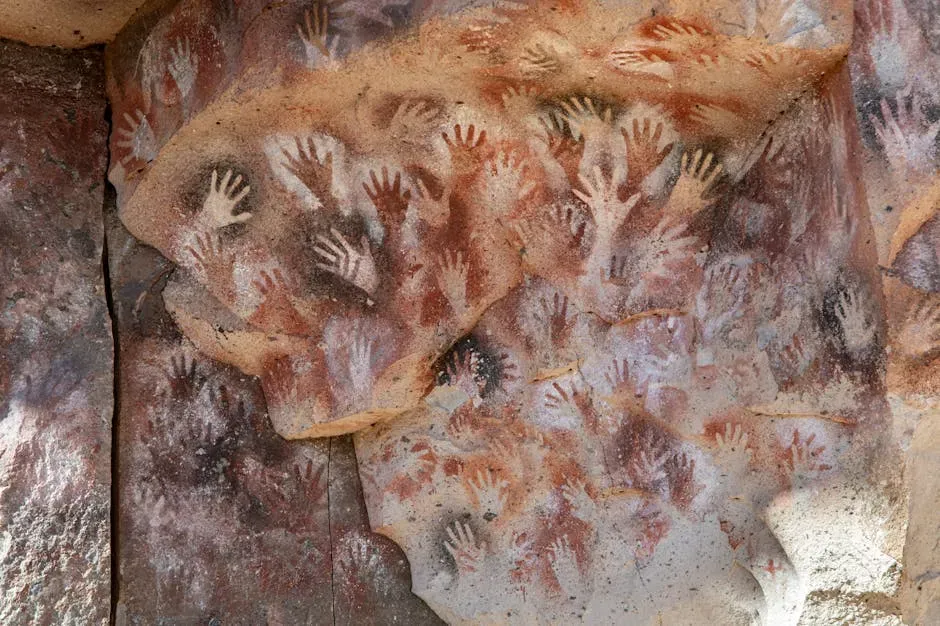
One of the most surprising reactions people report when seeing cave paintings in person is how personal they feel. You look at a spray-painted hand stencil or a charcoal animal and there’s this strange, almost electric sense of someone looking back at you across tens of millennia. It is not sophisticated art by modern standards, but that is exactly why it can hit harder than a polished museum piece. The roughness makes the emotion feel unfiltered, like hearing a voice message that was never edited or performed.
Psychologically, that shock comes from what researchers sometimes call perceived immediacy: the feeling that something is happening right now, even when you know it isn’t. Cave paintings bypass our usual mental layers of analysis and go straight to a gut sense of connection. The more your daily life is packed with polished visuals and clever messaging, the more jarring it can feel to encounter something so blunt and direct. If you feel oddly emotional looking at those ancient marks, that says more about the noise in your present than the silence in their past.
Why Prehistoric Art Feels More Honest Than Social Media
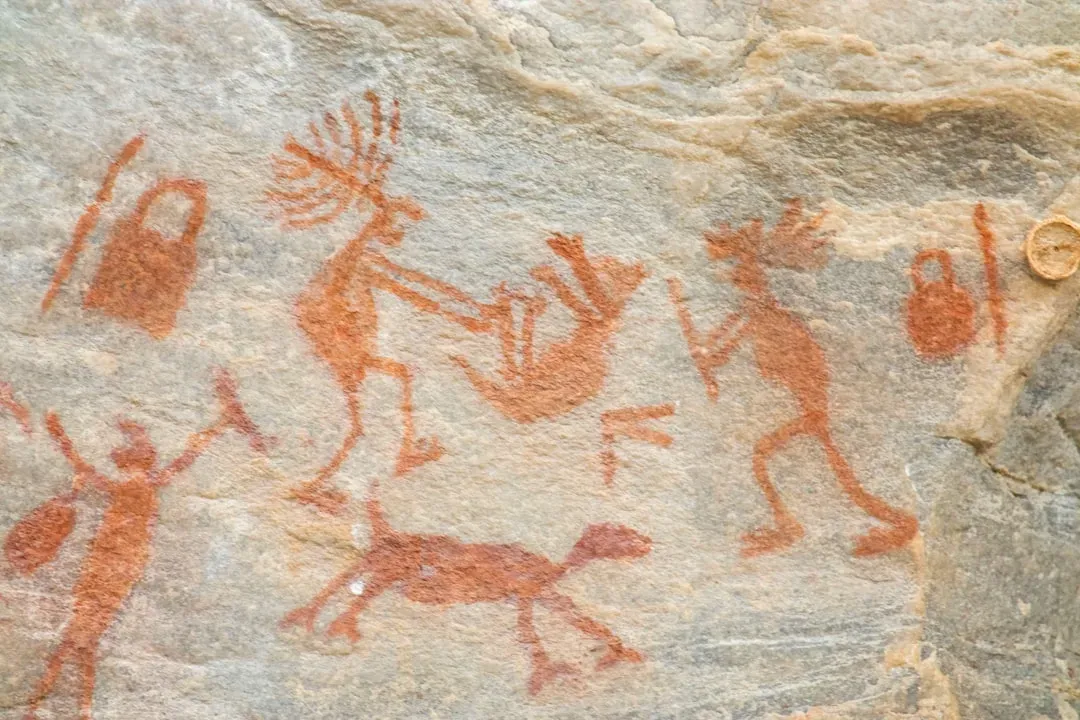
Compared to endlessly scrolling feeds and high-definition videos, cave paintings are almost laughably simple. And yet, for many people, they feel more honest than what they see on their screens every day. Modern life trains us to perform our emotions: we pose, filter, caption, and refine every expression until it is not quite ours anymore. By contrast, a painted bison or a handprint does not seem to be performing for anyone. It just exists, a quiet record of presence, effort, and maybe awe.
This contrast taps directly into what psychologists describe as authenticity hunger: the deep desire to encounter something that feels unmanufactured and uncalculated. People who are especially captivated by prehistoric art are often those who feel worn down by emotional performance and digital comparison. Cave paintings become a kind of antidote, a reminder that there was a time when expressing something did not mean managing an audience, but simply leaving a mark. The art may be old, but the relief it offers feels intensely current.
Nostalgia For A Past We Never Lived
It is tempting to assume that nostalgia must be rooted in lived experience, but psychology shows we can feel deeply nostalgic for eras we never knew. When people get fixated on the Paleolithic world or early human life, they are not remembering it; they are imagining it as a counterweight to what is missing right now. Cave paintings become symbols of a world where days were dangerous, yes, but also clearly defined by survival, kinship, and shared rituals instead of constant mental clutter.
This is sometimes called symbolic nostalgia: missing an imagined simplicity rather than a specific memory. You may not actually want to live in a cave or face wild animals, but you might miss the idea of a life where priorities were fewer and emotions were lived more directly. That imagined world stands in stark contrast to our current reality, where nearly everything is mediated by algorithms, notifications, and competing demands. For those drawn to cave art, the past feels like a mirror reflecting how emotionally tangled the present has become.
The Allure Of A Life With Fewer Choices
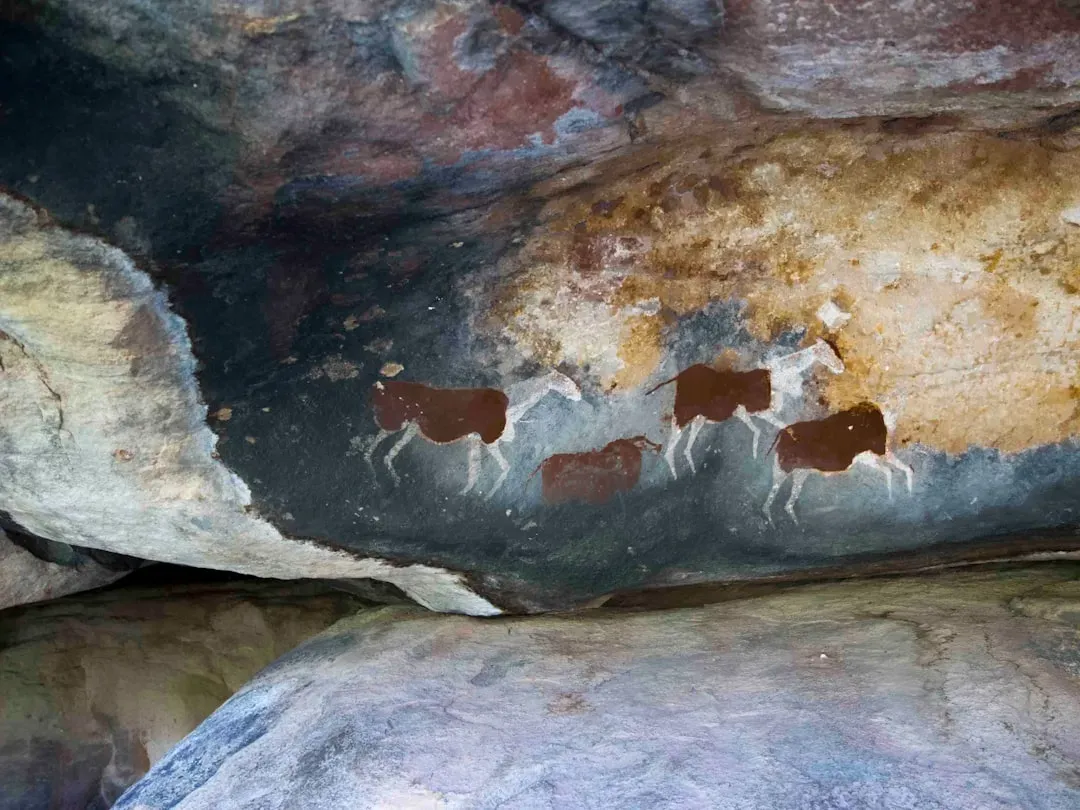
Modern psychology is very clear about something people do not like to admit: too many choices can quietly exhaust us. Today we can choose from countless careers, lifestyles, identities, and belief systems, which sounds liberating but can also trigger constant second-guessing and anxiety. When you think about early humans painting in dimly lit caves, you are picturing lives that, while harsh, were not fragmented by so many competing paths. Food, safety, kin, and ritual were not just priorities; they were the whole story.
Cave paintings capture that focus. A hunting scene or a group of animals on the wall hints at a world where attention was scarce but directed, and where shared images probably served practical and spiritual roles at once. People who feel particularly drawn to that kind of art are often tired of weighing ten different emotional versions of themselves: the work self, the online self, the family self, the late-night self. The paintings represent a stripped-down psychology where inner life and outer life were less divided and choices, though fewer, might have felt more anchored.
Simple Images, Deep Rituals: The Social Side Of Cave Art
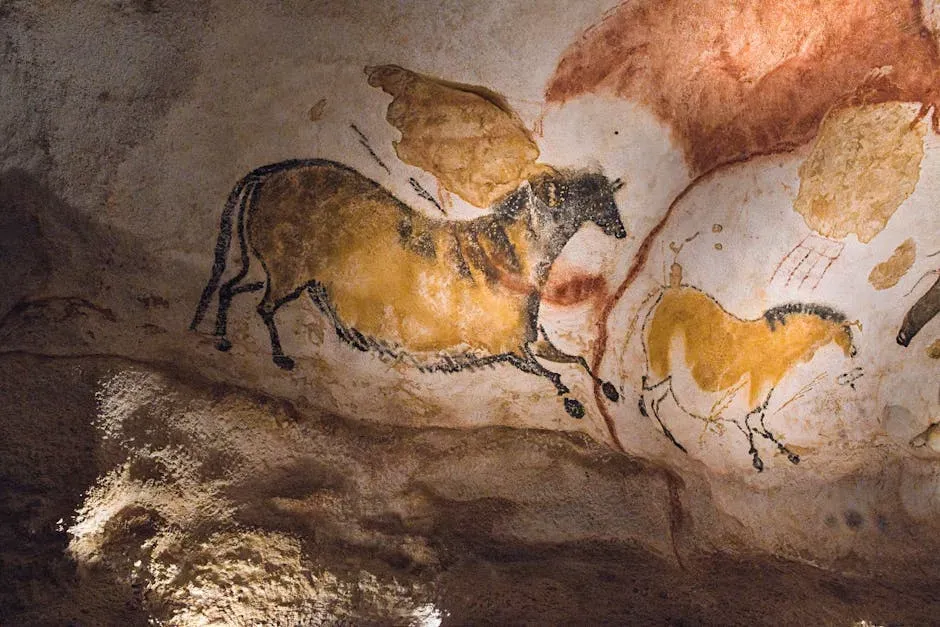
Psychologists and archaeologists increasingly see cave paintings not just as individual expression, but as part of early group rituals. These images likely emerged from communal activities involving shared stories, collective emotions, and maybe early forms of ceremony or performance. For socially drained people today, that possibility hits a nerve. Our world is hyperconnected yet lonely, with many friendships maintained more through screens than shared moments in the same physical space.
When someone feels captivated by cave art, they are often responding not only to the image itself but to the imagined gathering behind it. You can almost see the flicker of firelight, hear quiet voices, feel the shared tension before a hunt or a rite of passage. That mental picture stands in painful contrast to group chats and video calls that never quite satisfy. The appeal is not just visual; it is social. Cave paintings hint at a time when meaning was made together, shoulder to shoulder, instead of alone behind backlit glass.
Modern Overstimulation And The Craving For Emotional Quiet
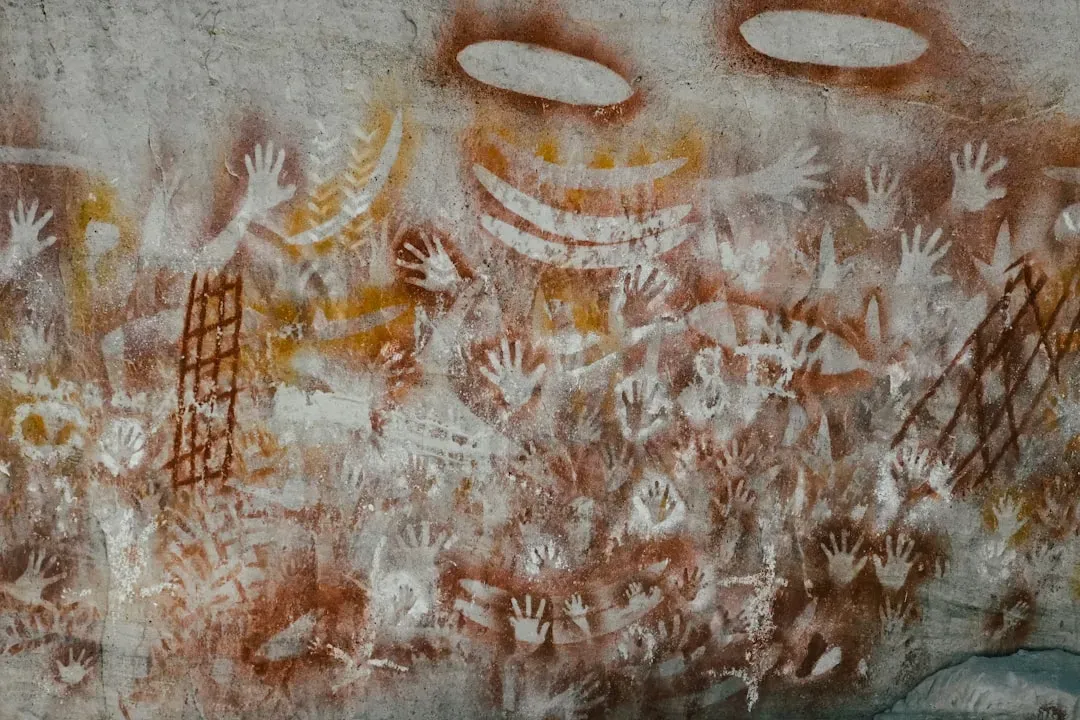
Psychological research has repeatedly shown that constant sensory and informational input raises stress and erodes our ability to regulate emotions. Many people live in a state of background overload, flooded with headlines, messages, and visual noise even before lunch. In that context, the stark simplicity of pigment on stone can feel almost medicinal. There are no pop-ups, no autoplay videos, no metrics, no comments. Just an image, a wall, and your own breathing.
People who are especially drawn to cave paintings are often those who are sensitive to overstimulation and long for psychological stillness. The muted colors, repeated lines, and predictable shapes offer the kind of visual rest our nervous systems rarely get anymore. It is a bit like stepping out of a crowded subway into a quiet forest trail. The paintings do not just attract the eye; they lower the temperature on the whole inner landscape, reminding you how much your brain misses not being constantly on alert.
Projecting Our Feelings Onto The Distant Past
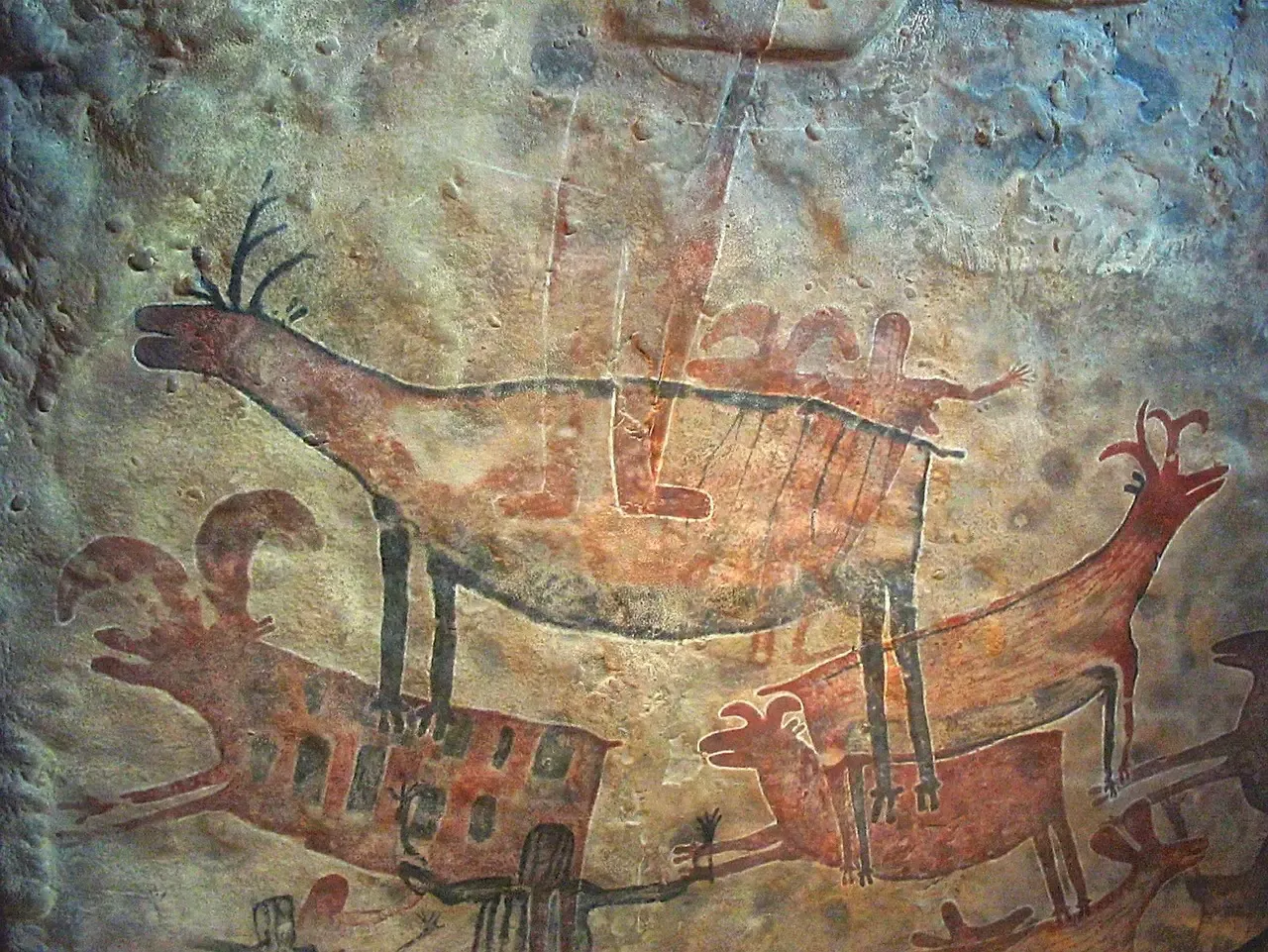
There is a tricky, very human habit at work here: when we look at old art, we tend to project our own emotional state onto it. A person who feels overwhelmed might see peace and clarity in cave walls, while someone feeling isolated might read them as evidence of strong community ties. Psychologists refer to this as projection and interpretation bias, where we use the past as a canvas for current longings. The danger is that we romanticize a brutal time in history, but the insight is still useful: what we see in cave art often reveals what we feel we are missing.
Recognizing this does not ruin the magic; it actually makes it more honest. Instead of telling ourselves that things really were emotionally simple back then, we can admit that we are carrying a quiet wish for less fragmentation and more grounded feeling. Cave paintings become less of a historical fantasy and more of a mirror for our present-day discontent. If you find yourself idealizing prehistoric life, it might not mean you were born in the wrong era. It might mean your current era is asking more of your emotions than feels humanly sustainable.
Reclaiming Emotional Simplicity In A Complex World
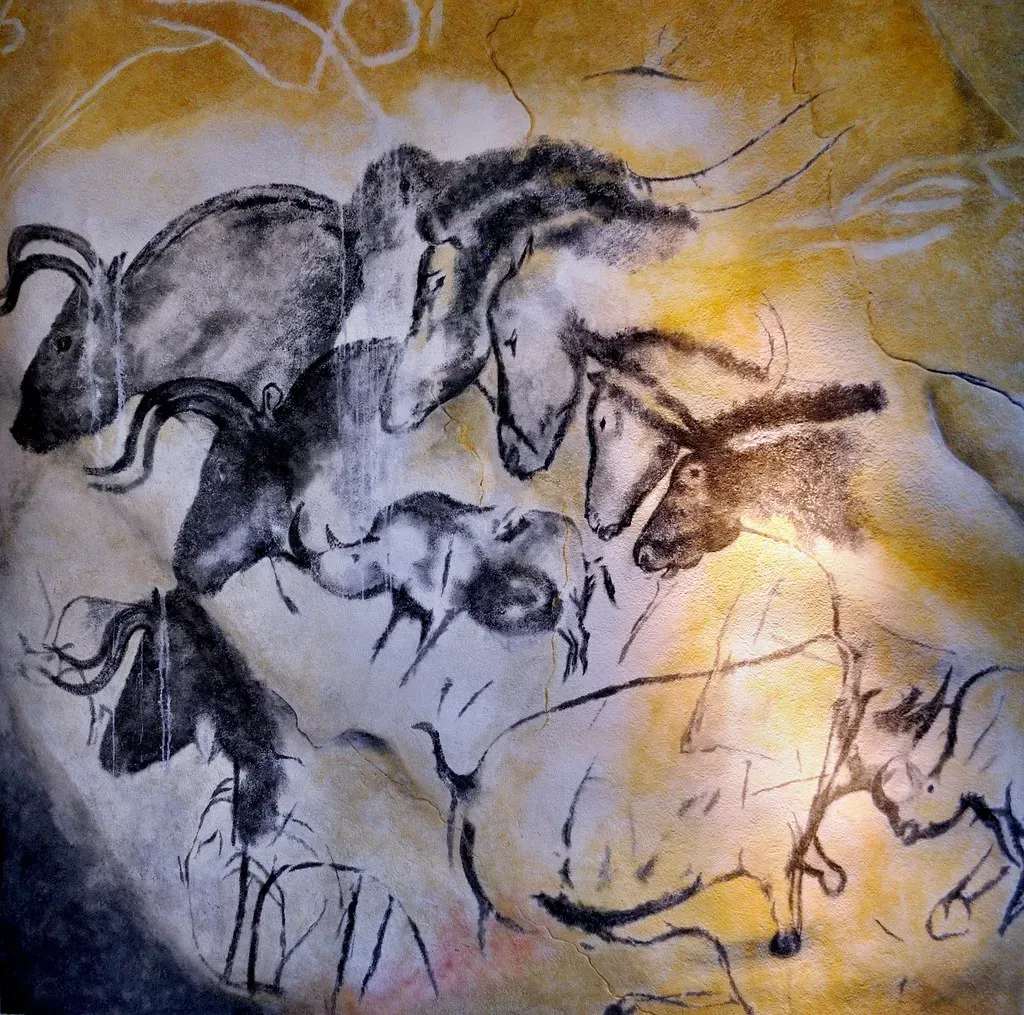
Here’s the uncomfortable opinion: our obsession with cave paintings is not really about the past at all; it is an indictment of how we live now. We would not be so moved by primitive handprints if we felt emotionally at home in our own time. The pull toward those walls is a quiet protest against lives that are too scattered, too performative, and too relentlessly optimized. Instead of treating that fascination as a quirky hobby, it makes more sense to see it as a signal that something in us wants out of the constant emotional multitasking.
The good news is, we do not need to move into a cave to honor that signal. We can borrow the principles behind those ancient marks: fewer priorities, more shared rituals, slower experiences, and expressions that are for us and our people, not for an invisible audience. That might look like drawing badly on paper with a friend, lighting a candle before dinner, or leaving your phone in another room when you talk. In a world that rewards complexity and noise, choosing small, steady, emotionally simple moments is a quiet act of rebellion. Maybe the real question is not why we are fascinated by cave paintings, but whether we are willing to let that fascination change the way we live now.