If you’ve ever fallen down a rabbit hole of videos about planetary disasters, AI takeovers, or sudden social collapse, you might have noticed something strange: it feels oddly personal. On the surface, it looks like curiosity about the end of the world. Underneath, though, it often has more to do with a very private fear of life changing in ways we can’t control. People who binge on extinction theories are not always doom lovers; they’re often anxious realists trying to make sense of how fragile everything feels, including their own plans, relationships, and identity.
I remember a phase where I was constantly watching content about climate tipping points and technological collapse. I swore I was just keeping up with the news, but if I’m honest, it lined up perfectly with a period when my own life felt like it was about to crack open: career shifts, relationships changing, and a sense that the future I’d quietly been counting on might never arrive. That’s the hidden hook here. Extinction theories can act like a giant projection screen where we explore fears we can’t quite admit belong to us. When the entire world feels doomed, it weirdly hurts less than admitting that we, personally, are scared of change.
Facing the End of the World Is Easier Than Facing the End of Your Normal
Here’s the uncomfortable truth: for many people, imagining the end of humanity feels safer than imagining the end of their current lifestyle, identity, or relationships. Thinking about extinction is emotionally dramatic, but it’s also strangely distant. It’s out there, somewhere in a cosmic future, not right here in your living room where your partner is unhappy, your job is unstable, or your body is aging in ways you did not sign up for. Annihilation is terrifying, but it’s also simple: everything ends, and there are no messy choices to make.
Psychologically, this is a defense mechanism. Instead of wrestling with complex, uncertain personal changes, the mind latches onto a big, clean narrative: everything collapses, so none of this really matters anyway. It’s like someone who is scared of breaking up fixating on asteroids, nuclear war, or supervolcanoes; if the entire planet might blow up, then the risk of changing careers or leaving a bad relationship feels almost trivial. Obsession with extinction theories can become a way of avoiding the smaller but more intimate griefs that come with growing up, letting go, and moving on.
Extinction Theories as a Projection of Personal Anxiety
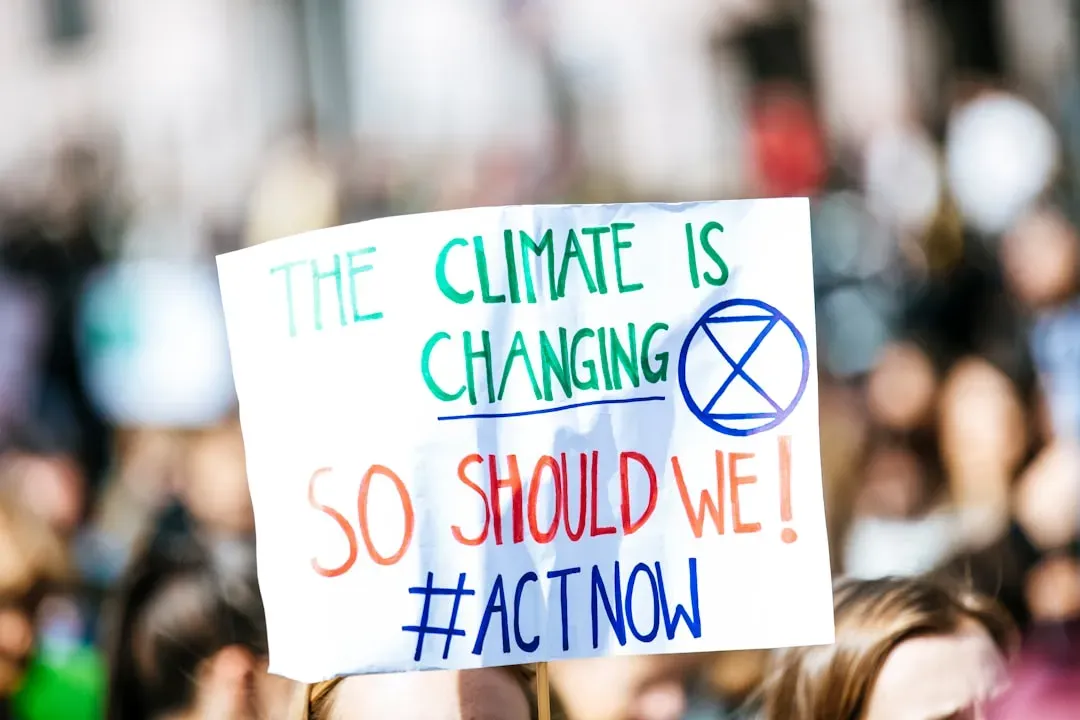
In psychology, projection is when we take an internal emotion and place it onto something outside ourselves, because it feels safer that way. Anxiety about the future easily gets projected onto global threats: climate collapse stands in for fear of financial instability, AI takeover stands in for fear of being replaced at work, and demographic or social collapse can mirror worries about losing status or belonging. The theory feels external and scientific, but it’s carrying personal emotional weight. It becomes the stage where inner fears act out a drama in disguise.
Many people who obsessively read about extinction scenarios describe a mix of dread and relief. On one hand, they feel consumed by worst-case thinking; on the other hand, there is a sense of clarity that comes from turning vague unease into a specific storyline about how things end. That storyline can feel more manageable than free-floating fear, even if the content is apocalyptic. It’s like trading a fog of anxiety for a detailed disaster script: still frightening, but oddly reassuring because at least you “know” what might happen.
Control, Prediction, and the Illusion of Safety

Underneath extinction obsession, there’s often a strong desire for control. When people devour research on climate tipping points, runaway AI, pandemics, or economic collapse, they’re not just rubbernecking at catastrophe. They’re trying to predict, model, and mentally rehearse the future, because uncertainty feels unbearable. If you can anticipate every possible disaster, maybe you won’t be blindsided. It’s the same impulse that drives anxious people to over-plan every detail of a trip or replay conversations in their heads for hours.
This search for prediction can turn into a kind of emotional superstition: if I read enough, think enough, and stress enough, I’ll be prepared. Extinction theories offer a twisted form of comfort; they promise a world that is terrible but at least understandable. Change in real life is not like that. Breakups, layoffs, and health scares usually arrive messily and without a neat narrative. So the brain retreats into a fantasy that’s catastrophic but oddly ordered, where everything follows some grand theory or curve on a chart.
Why Fear of Change Hits So Hard in a Rapidly Shifting World

Modern life changes at a pace that the human nervous system was not really built for. Careers shift, technologies appear and disappear, social norms transform, and entire industries rise and fall within a single generation. For many people, especially younger adults and those hit by instability, the sense of a stable future has quietly evaporated. Extinction theories, in that context, can feel like a darkly logical conclusion: if everything is already unstable, maybe it all really is heading toward the edge.
Instead of naming this as fear of change, people often describe it as simply “being realistic” or “seeing where the world is going.” But psychologically, there is a difference between informed concern and compulsive fixation. When every new headline becomes proof that collapse is unavoidable, what you are seeing is not neutral analysis; you’re seeing anxiety trying to organize itself. The person clinging to extinction narratives is often trying to make emotional sense of a world that no longer follows the old rules they were taught to expect.
Doomscrolling, Identity, and the Comfort of Being the One Who “Sees It Coming”
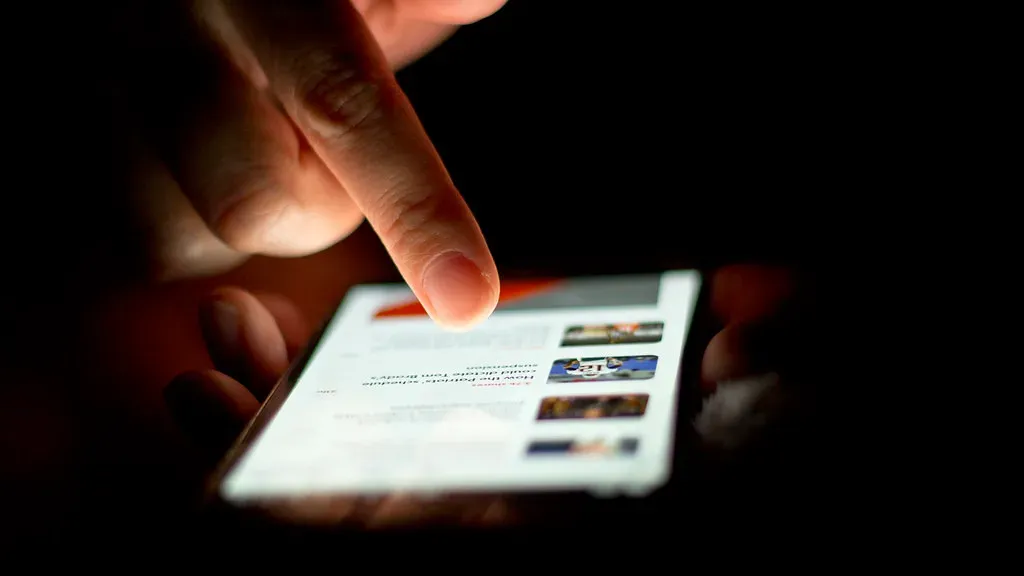
Being obsessed with extinction theories can quietly become part of someone’s identity. They are the friend who “really thinks about the big picture,” the one who is not fooled by optimism, the one who can explain why civilization is basically on a timer. This role brings a subtle sense of superiority and purpose: while others are distracted, they’re paying attention. That identity can feel empowering, especially for people who feel powerless in other areas of their lives.
At the same time, doomscrolling has a numbing effect. The more catastrophic content you consume, the harder it can be to tune into everyday joys or smaller, more hopeful changes. People sometimes cling to extinction-centered identities because they are scared that if they stop, they’ll have to confront smaller but more vulnerable fears: What if I try and fail? What if I care and get hurt? What if I let myself hope and it doesn’t work out? Being the person who always expects collapse can feel safer than being the person who risks disappointment.
From Global Catastrophe to Personal Transitions: The Hidden Link

If you zoom in on the exact moments when people get pulled hardest into extinction content, a pattern often appears. It tends to intensify around personal transitions: moving to a new city, graduating, becoming a parent, losing someone important, going through a breakup, or facing health issues. The brain is already on high alert, already scanning for threats, already aware that something big is shifting. Extinction theories simply plug into that heightened emotional state and offer a story that matches the intensity.
This does not mean people are imagining global risks. Real threats exist. But the emotional glue that keeps some people obsessively stuck to these theories usually comes from personal vulnerability. It feels like their whole world is ending because, in a smaller way, it is: a chapter of life is closing, a role is changing, a version of themselves is dying. Global extinction talk becomes a metaphor made literal, the outside world echoing an inner sense that nothing will ever be the same again.
When Healthy Awareness Turns Into Paralyzing Doom

There is a meaningful difference between being informed about existential risks and being consumed by them. Healthy awareness acknowledges danger but also stays open to nuance, trade-offs, and paths forward. It might lead someone to vote a certain way, change habits, support policies, or shift careers. Obsessive doom, on the other hand, tends to shut down agency. If collapse is inevitable and unavoidable, then nothing you do matters, and there is a dark, almost seductive relief in that belief.
Psychologically, that shift from concern to paralysis is a warning sign. It suggests that the fear of change has become so intense that the person would rather believe in total annihilation than accept a future that is uncertain, unstable, but still potentially meaningful. Instead of adapting, they surrender in advance. Ironically, that surrender usually increases anxiety and depression, because human beings are wired to need some sense of participation in their own lives. When extinction theories leave no room for that, the mind and body start to pay the price.
How to Turn End-of-the-World Thinking Into Honest Self-Reflection
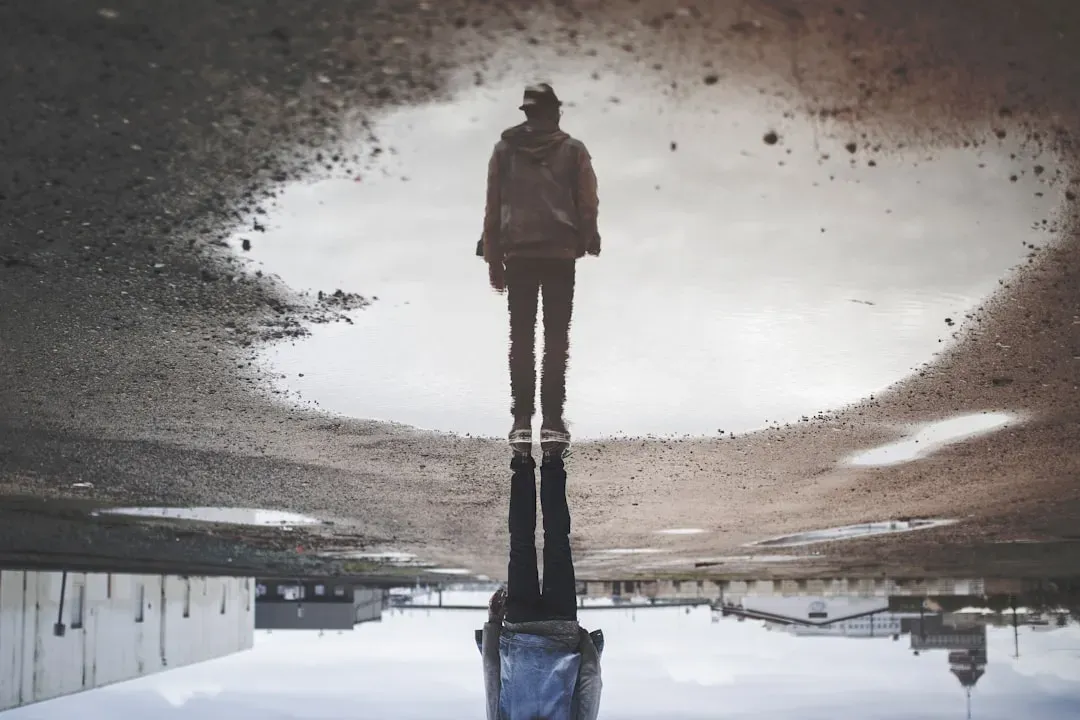
One of the most powerful moves a person can make is to pause in the middle of their extinction spiral and ask a very personal question: what in my own life feels like it might be ending or changing right now? This reframes the obsession from a purely intellectual exercise into emotional self-inquiry. Maybe there is a relationship that no longer fits, a career path that feels wrong, a version of adulthood that never materialized, or a sense of safety that has quietly eroded. Naming those things can feel more vulnerable than reading about asteroid impact probabilities, but it is also more healing.
Practical steps can help: limiting doomscrolling windows, talking honestly with a trusted friend or therapist, noticing which topics trigger the strongest reactions, and experimenting with small actions that increase a sense of agency. For some people, channeling their anxiety into constructive work – activism, community building, climate action, AI ethics, local resilience – turns abstract dread into tangible contribution. The goal is not to deny risk, but to stop using global catastrophe as a shield against personal honesty. When you face your own fear of change directly, the end of the world tends to step back into realistic proportion.
Conclusion: The World Might Not Be Ending, But Something in You Is Evolving
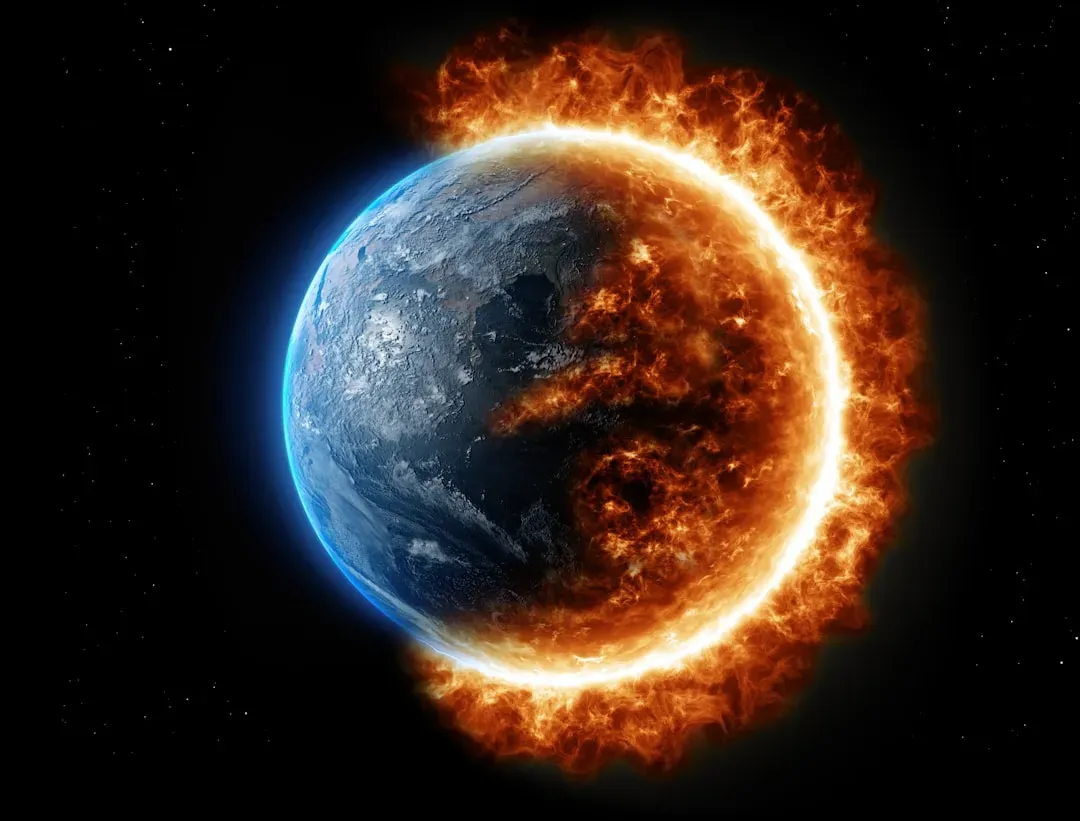
The uncomfortable, liberating heart of all this is that obsession with extinction theories often says less about the planet and more about the person. Yes, we live in a time of real, serious global risks. But when someone lives mentally at the edge of civilization every day, it usually reflects how threatened they feel by change in their own life. Extinction becomes the ultimate metaphor: if everything is doomed, then you never have to risk rewriting your story, choosing a different path, or admitting that your old picture of the future is gone.
My own opinion is that this doom instinct is not something to shame or mock, but something to decode. If you find yourself compulsively pulled toward the end of the world, it might be your psyche’s dramatic way of saying that your current life structure no longer fits, and something inside you is already trying to change. Maybe the real courage is not in staring down extinction, but in letting go of the life you thought you were supposed to have and learning how to live fully in the one that is actually possible. When you strip away the theories, are you really afraid the world will end – or are you afraid your world will change?