
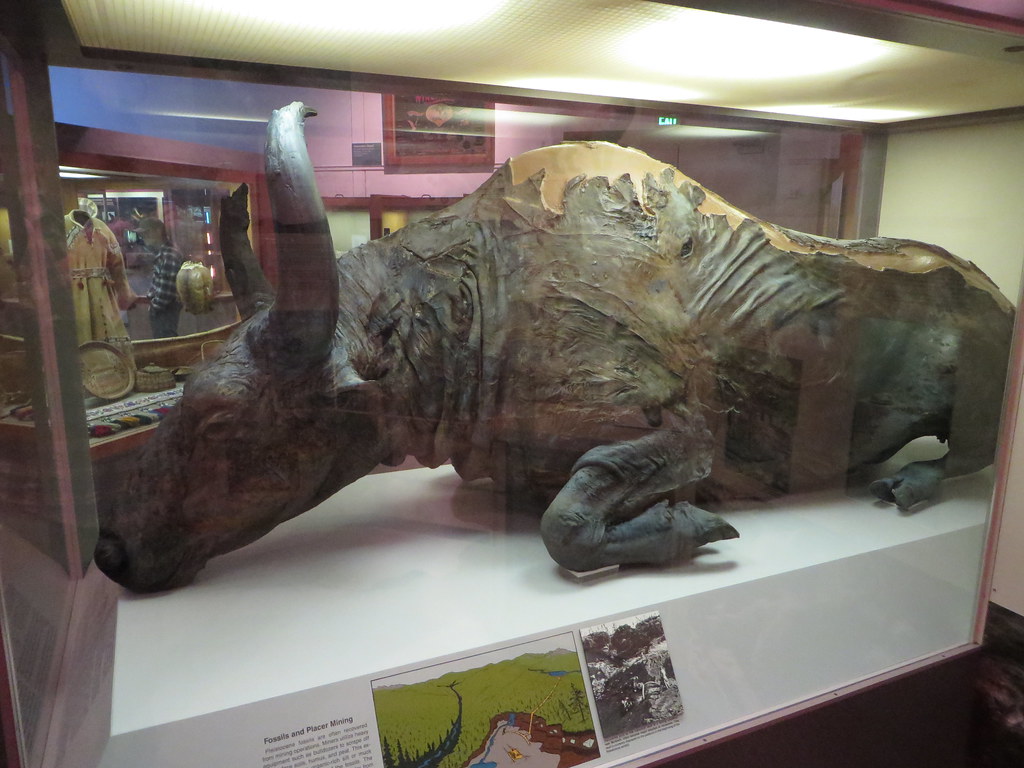
When most of us hear the word prehistoric, we picture dinosaurs roaring across Jurassic landscapes tens of millions of years ago. It feels like a world so ancient and distant that it might as well be another planet. But the wild truth is that some so‑called prehistoric animals were still hanging on astonishingly late, brushing up against the age of pyramids, Viking ships, and even written history.
In fact, a surprising number of giant beasts survived long after the dinosaurs disappeared, quietly sharing the planet with early farmers, temple builders, and wandering storytellers. Some of these creatures were still alive when people were carving stone circles and sailing the open sea. Once you realize how recently they vanished, the line between “prehistoric” and “human history” starts to feel uncomfortably thin.
1. Woolly mammoth – shaggy giants of the almost-present
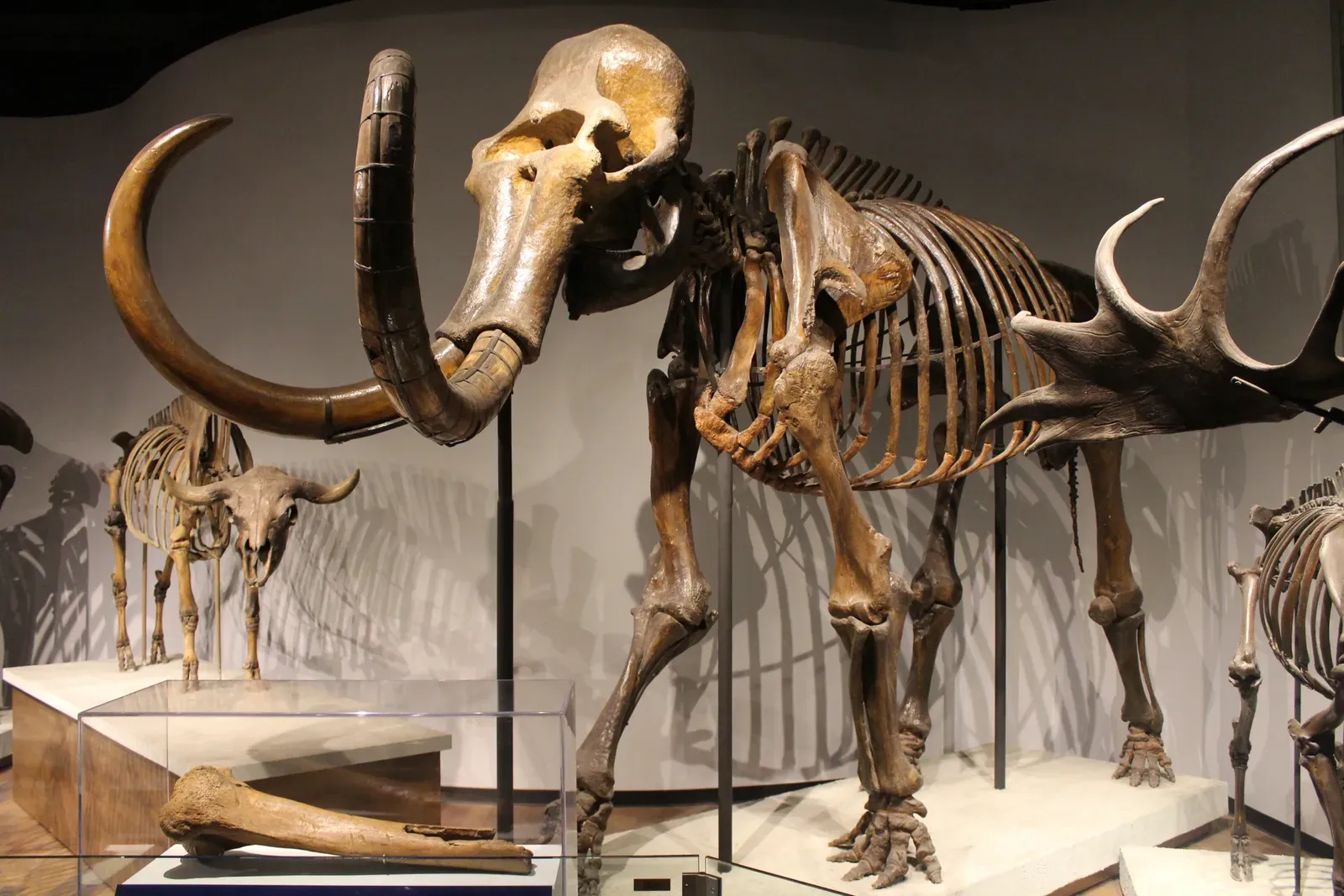
The woolly mammoth feels like the ultimate Ice Age icon, something we imagine thundering across frozen tundra while Neanderthals huddle in caves. What shocks most people is that while the last big mainland populations died out thousands of years ago, a tiny group of mammoths survived on Wrangel Island in the Arctic until roughly about four thousand years ago. That means there were still living mammoths when the pyramids in Egypt were already standing.
Picture that for a second: sophisticated ancient societies building monuments, writing, and trading, while a remnant herd of shaggy mammoths shuffled through snow on a remote island. These animals were not echoes from the deep past; they were more like isolated refugees from a vanished Ice Age world. Their story makes extinction feel less like a distant tragedy and more like a recent, unfinished chapter that brushes up against human memory.
2. Steller’s sea cow – a gigantic “sea manatee” gone in a blink
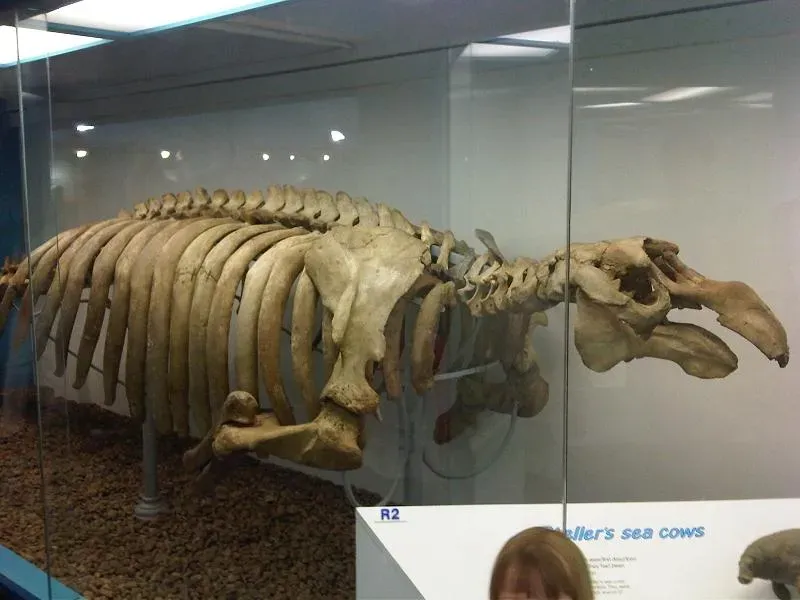
Steller’s sea cow was not some ancient, mysterious beast from millions of years ago; it was discovered, described, and wiped out in a shockingly short window during the eighteenth century. This enormous marine mammal, a relative of modern manatees and dugongs, once cruised the cold waters of the North Pacific, especially around the Commander Islands. Adults may have stretched more than the length of a small car, slowly grazing on kelp like floating, leathery blimps.
Here’s the gut punch: from the time European naturalists first recorded the species, it took only a few decades of hunting to drive it completely extinct. That is modern history, not prehistory. Yet its size, strange anatomy, and primitive appearance make it feel like a leftover from some earlier age. Steller’s sea cow proves that “prehistoric-looking” does not always mean “ancient” – sometimes it means “we met it, and almost immediately destroyed it.”
3. Giant ground sloths – Ice Age tanks that met early Americans
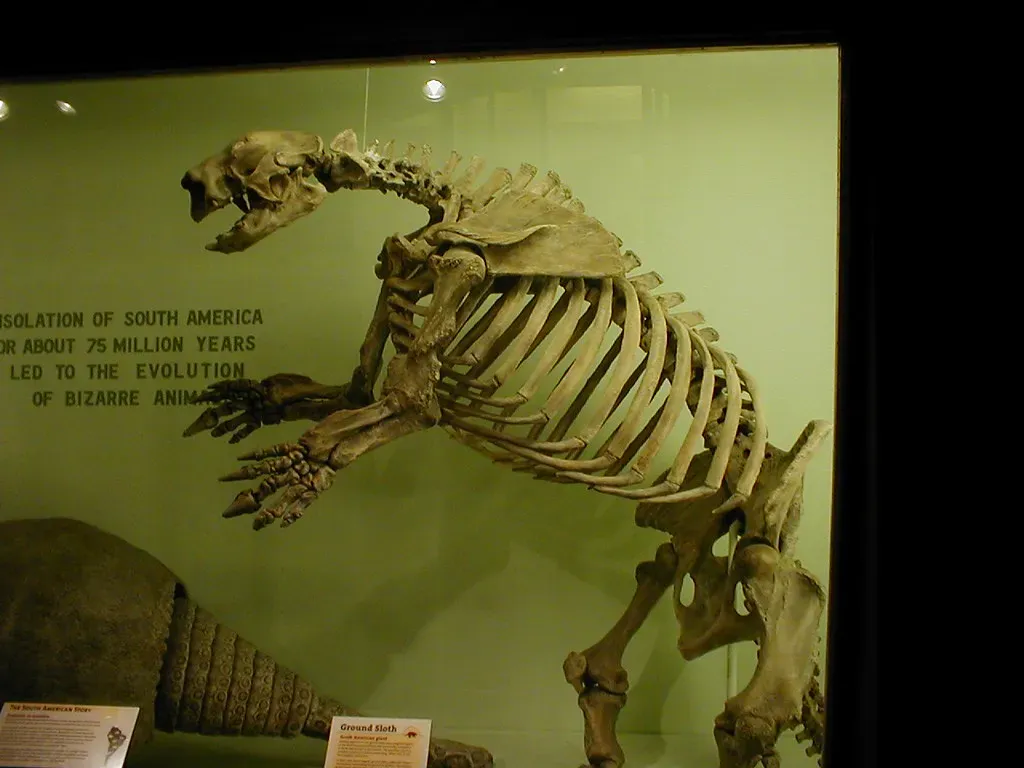
Giant ground sloths, like the South American Megatherium, look like something that should have vanished with the last dinosaurs: enormous, slow-moving plant-eaters with claws the size of knives and shoulders as tall as a person. Yet fossil evidence shows that these sloths were still lumbering across the Americas until roughly about ten or eleven thousand years ago. In other words, they overlapped with some of the earliest people spreading through the continents.
Imagine early human hunters staring up at a shaggy, clawed herbivore towering over them like a living forklift. These sloths were not predators, but they were hardly peaceful teddy bears; those claws were for pulling down branches and possibly for defense. Many researchers think a mix of climate change and human hunting pushed them over the edge. Their relatively recent disappearance makes them feel less like museum monsters and more like casualties of our species’ global expansion.
4. Irish elk – antlered titans of the late Ice Age
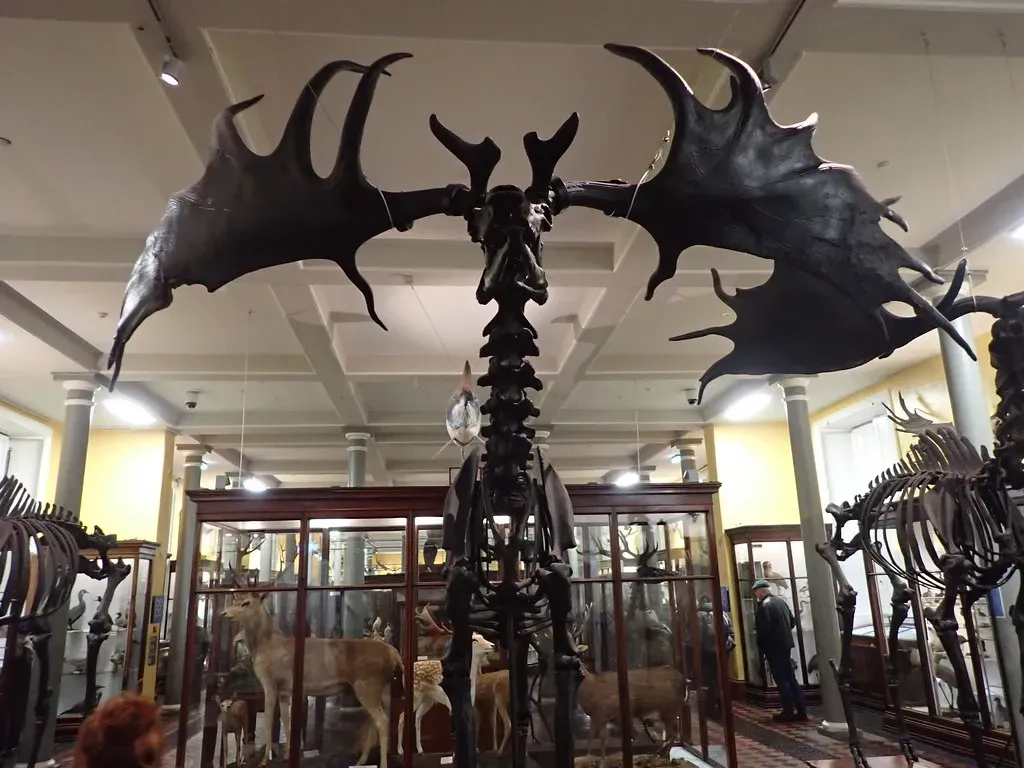
The so‑called Irish elk, more accurately called the giant deer, is famous for its absurdly huge antlers, stretching wider than the height of many people. The name is misleading on two counts: it was not truly an elk, and it ranged far beyond Ireland. What matters here is timing. These massive deer survived in parts of Eurasia until the very end of the last Ice Age, only disappearing roughly ten to twelve thousand years ago.
That means they were still alive when human groups were already painting caves, experimenting with early tools, and beginning to settle down into more permanent communities. It is not hard to picture an early hunter staring at a gigantic stag against a snowy horizon, an image that would not feel out of place in epic myth. When you realize how close in time they were to the dawn of agriculture, they stop feeling like distant relics and more like almost-modern megafauna that just missed our written stories.
5. Moa – giant birds that fell to human arrival
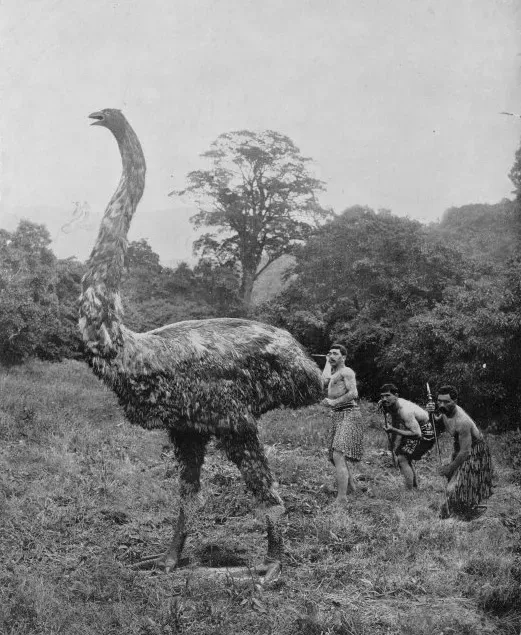
New Zealand’s moa were enormous, flightless birds, some species taller than a person with their head raised. They evolved in a world largely free of mammalian predators, which gave them the luxury of losing flight and putting their energy into size. For millions of years, they ruled the forests and plains as dominant herbivores. Then humans arrived, and within a relatively short time, the moa were gone.
The real jolt comes from the dates: most evidence suggests moa survived until only about six or seven hundred years ago, meaning they vanished in the late medieval period from a European perspective. While castles and cathedrals were being built on the other side of the world, massive birds were still browsing in New Zealand’s forests. Their extinction is a painfully recent example of how quickly newly arrived humans can dismantle ecologies that had been stable for ages.
6. Elephant birds of Madagascar – “prehistoric” giants into the last millennium
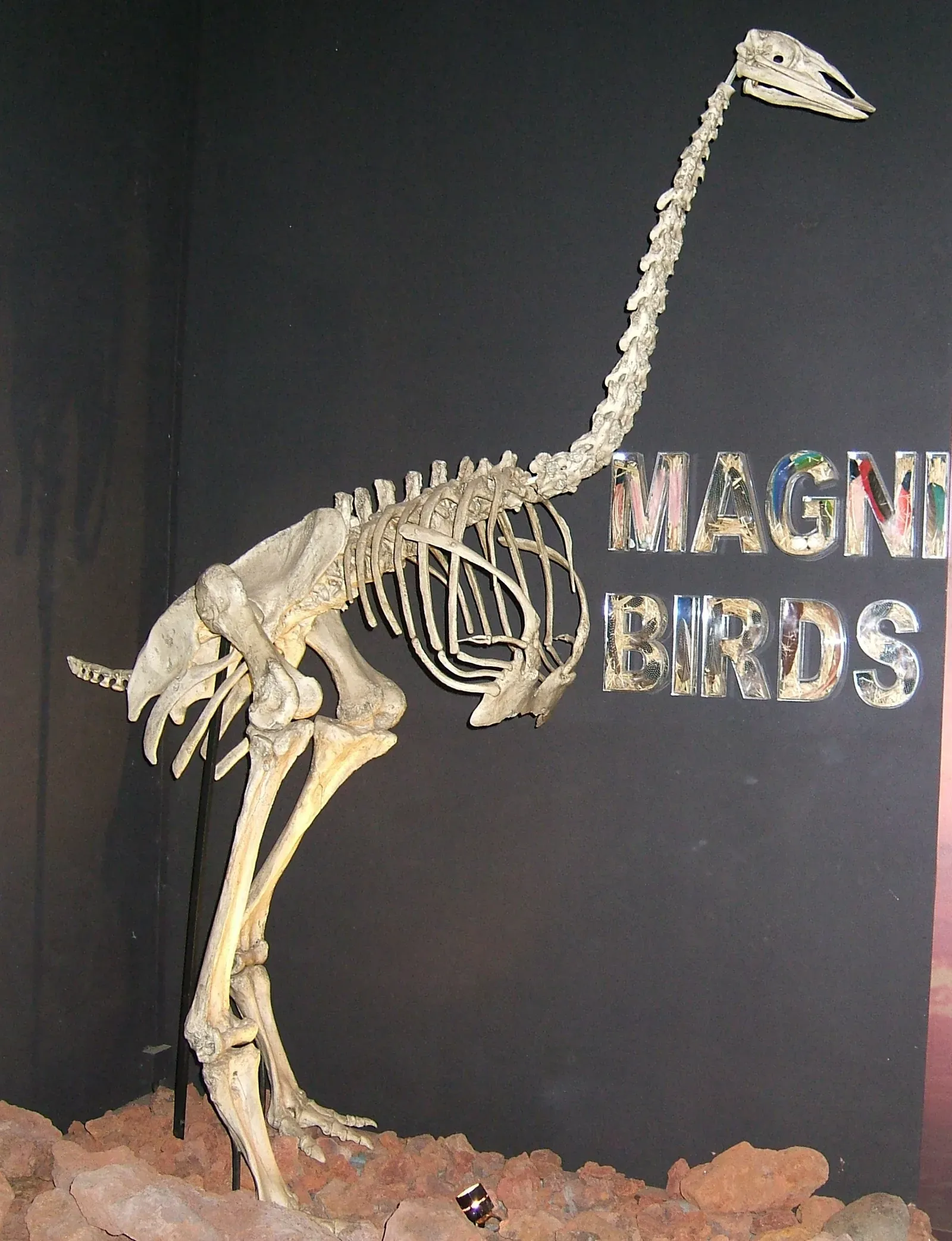
If you have ever seen illustrations of the elephant birds of Madagascar, you would be forgiven for assuming they died out with the dinosaurs. These birds weighed several hundred kilograms, laid eggs larger than a human head, and looked like something out of a fantasy film. But archaeological and radiocarbon evidence suggests some species survived until roughly one thousand to perhaps even a little under one thousand five hundred years ago, overlapping with organized societies across Europe, Africa, and Asia.
So while medieval scholars were writing and arguing about philosophy, there may still have been elephant birds walking through Madagascar’s forests. Their late survival makes old legends about giant birds feel uncomfortably plausible, at least in spirit. Like the moa, they probably disappeared due to a mix of hunting, egg harvesting, and habitat changes brought about by people and their livestock. They were not echoes of a world long gone; they were neighbors we barely knew we had.
7. Dwarf mammoths of the Mediterranean – island miniatures with long last stands
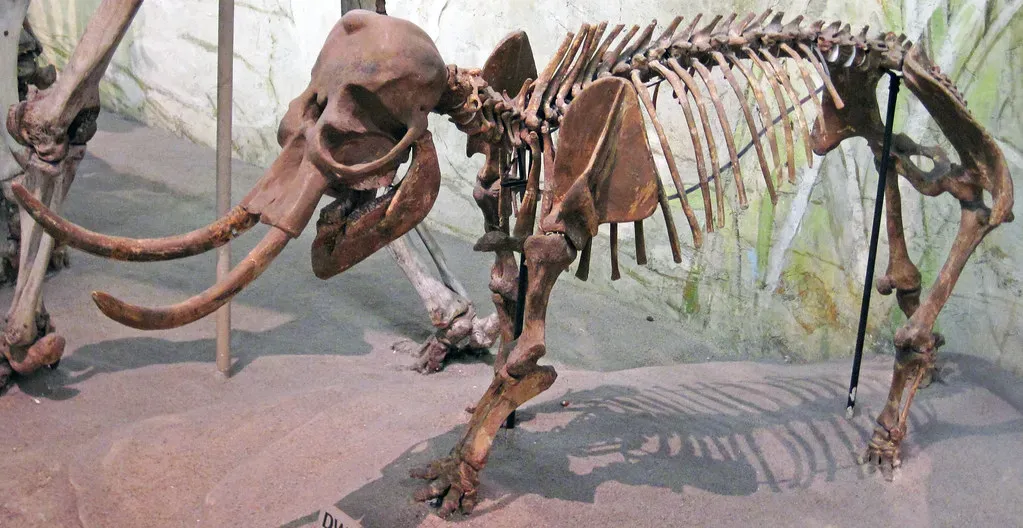
We tend to imagine mammoths as towering, continent-striding giants, but on a string of Mediterranean islands, evolution took a different path. Isolated populations shrank over generations into dwarf forms, some no bigger than a large pony. Even more surprising, some of these dwarf mammoths seem to have survived well into the Holocene, meaning long after glaciers retreated and while human civilizations were taking root around the region.
On islands like Crete or Sicily, people were developing seafaring traditions and early cultures, possibly sharing their world with these miniature Ice Age relics. You can almost imagine sailors telling stories of strange little elephants on far-off shores, without realizing they were looking at the last embers of the mammoth lineage. These dwarfed survivors underline a strange pattern: islands can become time capsules, where “prehistoric” animals cling on while the rest of the world moves on.
8. Steppe bison – ghost of the Ice Age that brushed past history
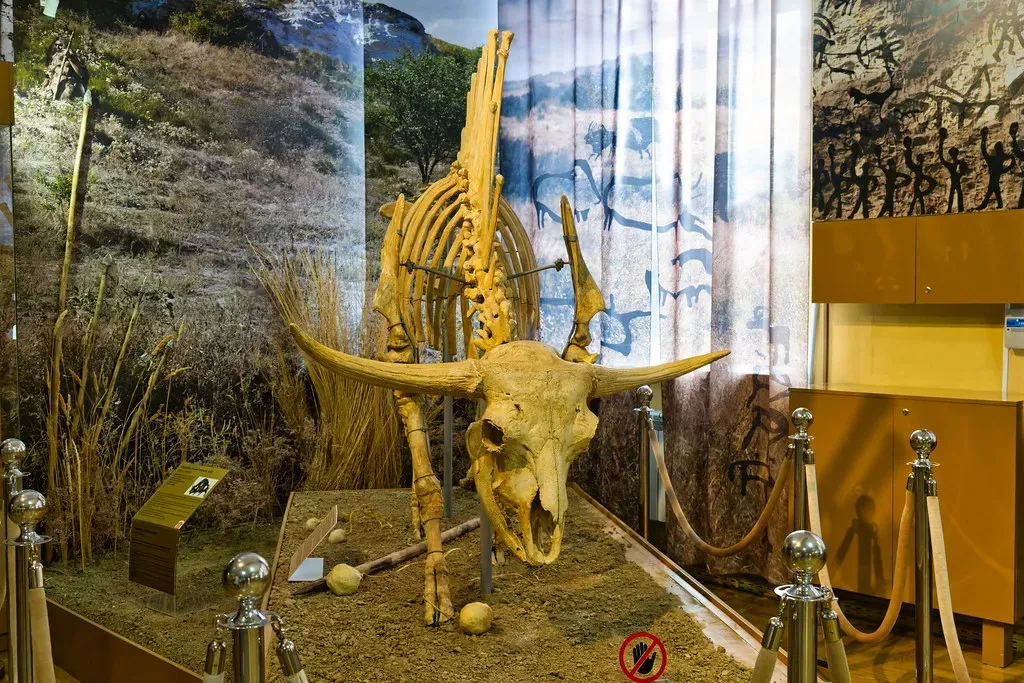
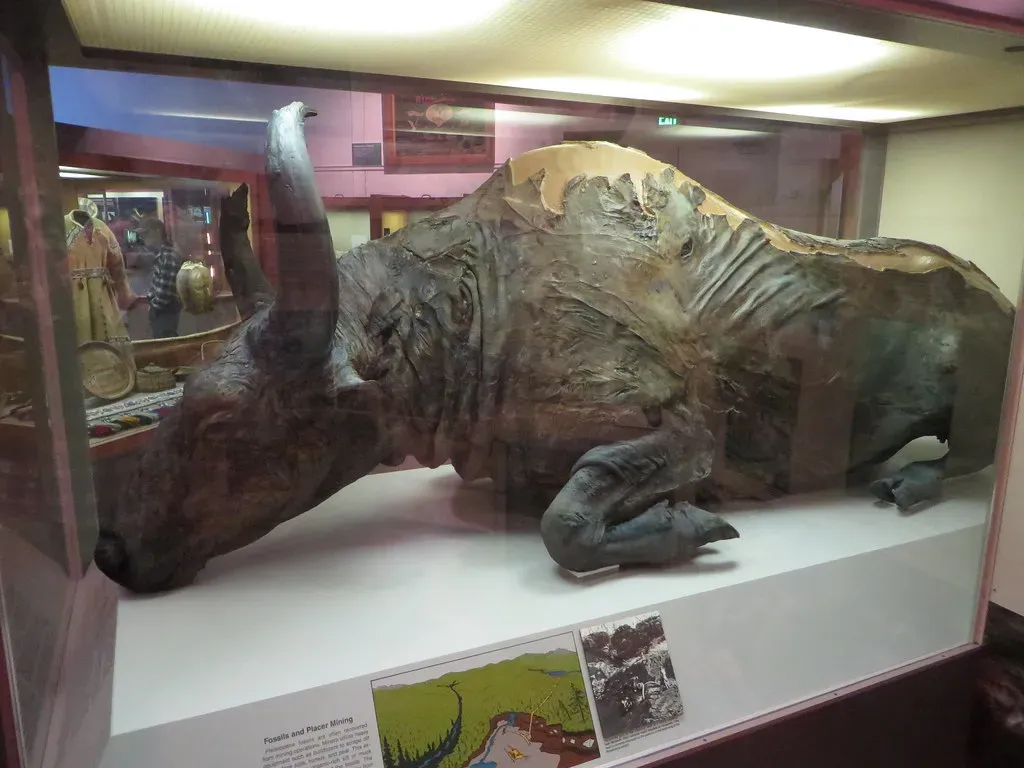
The steppe bison was a massive, hump-backed wild bovine that once ranged across northern Eurasia and North America. It shows up in ancient cave art, its heavy shoulders and curved horns painted by people who clearly knew it well. For a long time, it was treated as an emblem of vanished Ice Age ecosystems. But more detailed studies have revealed that some populations made it surprisingly far into the Holocene, persisting while humans were already reshaping landscapes.
As climates warmed and grasslands shifted, many of these bison populations declined or evolved into forms more like the modern American bison. The result is a blurry boundary between a “prehistoric” species and its more familiar descendants. In a way, the steppe bison never entirely vanishes; it morphs and merges into the living animals we still see today. That continuity makes the Ice Age feel less like a closed book and more like a chapter that bleeds into the present.
9. The aurochs – wild cattle that shared fields with farmers
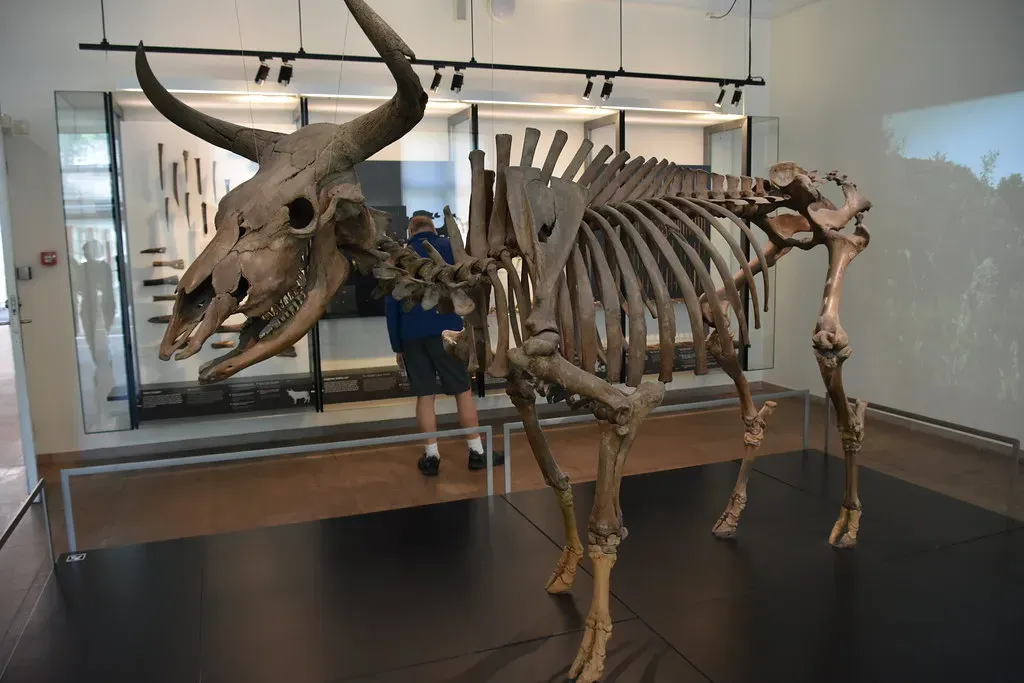
The aurochs, the wild ancestor of domestic cattle, is another animal many people mentally shelve alongside mammoths and saber-toothed cats. Yet it is arguably one of the most recently extinct “prehistoric” animals, with the last known individual dying in the seventeenth century in what is now Poland. That puts the end of the aurochs squarely into early modern European history, at a time when people were already using gunpowder, printing, and global trade routes.
For thousands of years before that, aurochs and humans had a complicated relationship. People hunted them, revered them, and eventually domesticated some of their populations into the cattle that feed us today. You could say we turned a wild megafaunal icon into a household companion and then quietly let the original fade away. The idea that towering wild cattle were still roaming forests while philosophers debated science and religion should change how we think about what counts as “prehistoric.”
10. Thylacine (Tasmanian tiger) – a striped predator at the edge of living memory
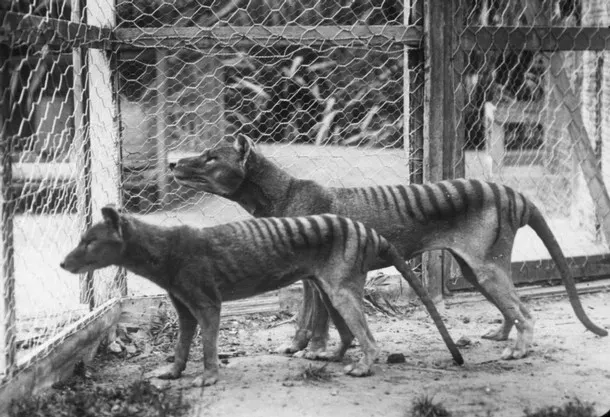
The thylacine, often called the Tasmanian tiger because of the stripes along its back, is a strange case: evolutionary history-wise, it is an ancient marsupial predator that once ranged across mainland Australia and New Guinea. It disappeared from those areas thousands of years ago, probably due to a mix of environmental change and pressure from people and dingoes. But a small population survived in Tasmania, hanging on as a ghost of a much older fauna.
Here is the twist: the very last known thylacine died in captivity in the 1930s. That is within living memory for some families, and within easy reach of modern film and photography. In one sense, it feels like a modern endangered species; in another, it is a living holdover from a deeper prehistoric Australia that had already vanished elsewhere. Its story is a stark reminder that deep evolutionary lineages can persist in fragile pockets, right up until we push them over the edge.
11. Pleistocene horses in the Americas – wild horses before “wild horses”
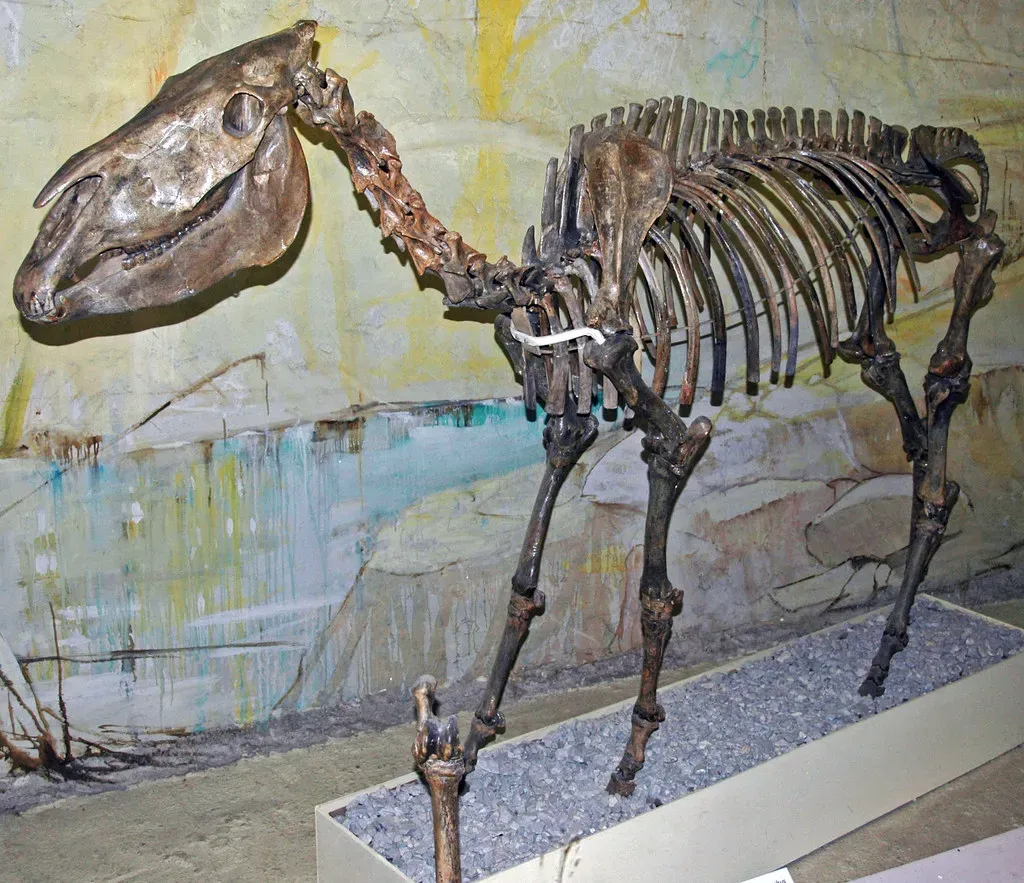
Many people in the Americas learn that horses were introduced by Europeans and that there were no native horses before that. The reality is more nuanced and, frankly, more haunting. Several species of wild horses evolved in North America and spread into other continents, thriving through the Ice Age. These native horses only disappeared toward the end of the Pleistocene, roughly ten to twelve thousand years ago, a time when humans were already on the scene.
By the time European colonists reintroduced domesticated horses centuries ago, the native species were long gone, turning the story into a strange cycle of loss and return. For a brief slice of history, early people in the Americas and wild horses coexisted, something we rarely picture when we think about “cowboys and mustangs.” Knowing those earlier horses were here, and vanished relatively recently in geological terms, adds a bittersweet twist to every galloping herd we see today.
Conclusion: Prehistory is closer than it looks
When you line up these stories side by side, a pattern jumps out: “prehistoric” is less a hard line in time and more a label we slap on animals once we have lost them. Mammoths outlasting the pyramids, giant birds surviving into the age of medieval kingdoms, wild cattle disappearing in the era of early science – it all blurs the boundary between ancient and modern in a way that is honestly a little unsettling. These creatures were not just fossils; they were contemporaries of people building cities, telling stories, and rewriting the planet.
My own takeaway is unavoidably opinionated: we tend to comfort ourselves by imagining extinction as something that happened long ago, before we arrived or before we knew better. But many of these animals vanished after we were here, sometimes while we watched, and often at least partly because of us. If “prehistoric” beasts could persist right into the edges of our history, then the animals alive today may be far more fragile and temporary than we like to admit. The real question is, which of today’s species will future generations wrongly file under “ancient history” – and will they look back at us the way we now look at the people who once walked among mammoths?