
If you’ve ever found yourself staring at an illustration of a Devonian reef or a Jurassic seabed and thinking, “I could look at this all day,” you’re not just being nerdy. You might actually be revealing something quietly profound about how your mind works. People who are obsessed with prehistoric oceans are often, at some level, obsessed with mystery itself: strange creatures, lost ecosystems, and the parts of life we’ll never fully reconstruct.
Psychology has a lot to say about why some of us are magnetically pulled toward what is ancient, deep, and unknowable. That fascination often mirrors a pull toward the hidden corners of our own inner world: memories we haven’t sorted out, desires we don’t fully understand, or potentials we haven’t yet explored. Let’s dive into that mental ocean and see what might be swimming below the surface.
The Deep Sea As A Mirror of the Unconscious Mind
Think about how people talk about the mind: we call it deep, we talk about diving into our feelings, we say things are buried or submerged. Those metaphors are not random. In depth psychology, especially in traditions influenced by psychoanalytic and Jungian ideas, the unconscious is often compared to a vast ocean: mostly hidden, unpredictable, and full of strange “creatures” we only glimpse in dreams, slips of the tongue, and sudden emotional reactions. When you’re drawn to prehistoric oceans, you might be intuitively captivated by this idea of a world that is mostly unseen but incredibly alive.
Prehistoric seas, in particular, are like the unconscious turned up to maximum: we know they existed, we have fragments of evidence, but so much remains speculative and mysterious. That blend of evidence and uncertainty is similar to how we relate to our inner lives. You know you contain old experiences, unresolved feelings, and forgotten influences, but you only see fossils of them in your current behavior. If you love picturing those ancient marine worlds, there’s a good chance you’re also comfortable entertaining the possibility that there’s a lot inside you that you don’t fully understand yet – and you find that more intriguing than frightening.
Why The Unknown Feels Comforting, Not Terrifying, To Some People
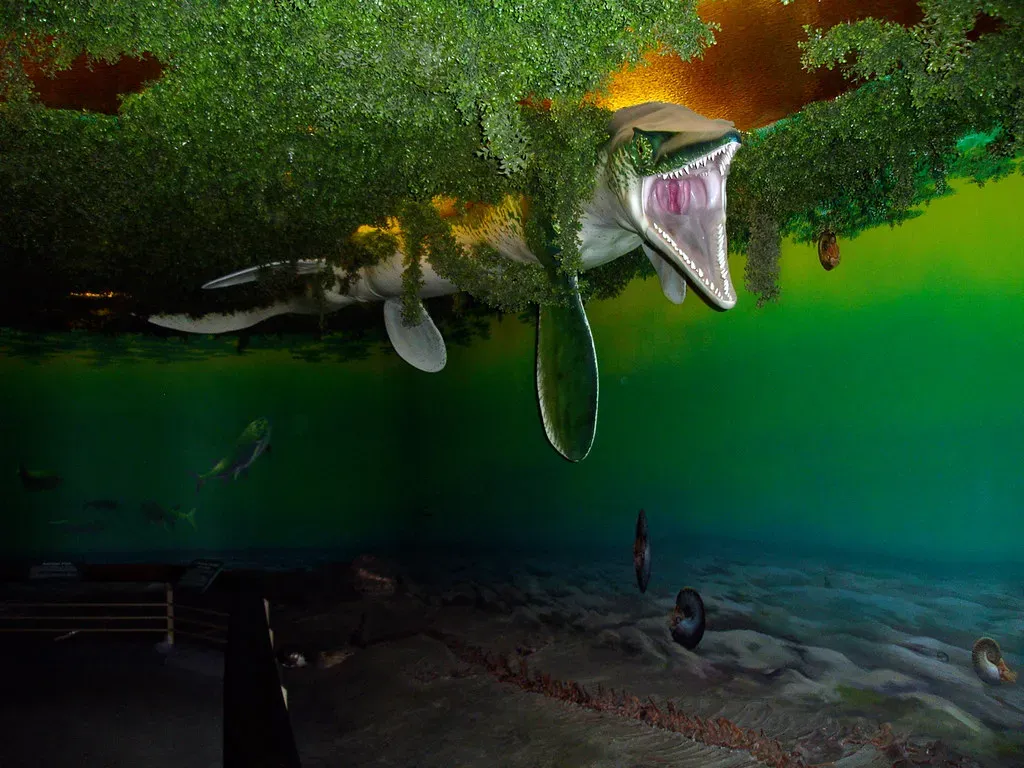
Most people say they hate uncertainty. We like to know what’s coming next, what something is called, how it works. Yet, if you’re drawn to prehistoric oceans, you might feel oddly soothed by the unknown. The incomplete fossil record, the unanswered questions about soft-bodied creatures, the gaps in our understanding of entire ecosystems – these are not flaws to you, but invitations. You may feel a sense of calm in knowing that not everything has a neat label or a final answer.
Psychologically, this is tied to what researchers call tolerance of ambiguity: the ability to sit with questions, complexity, and partial information without shutting down or forcing a simplistic explanation. People with higher tolerance for ambiguity tend to be more open-minded, creative, and curious. For you, the fact that we will never perfectly reconstruct a Cambrian sea might be precisely what makes it beautiful. On some level, you might extend that same grace to yourself: it’s okay that you’re not fully mapped out either.
Curiosity, Openness, and Why Weird Ancient Fish Are Your Love Language
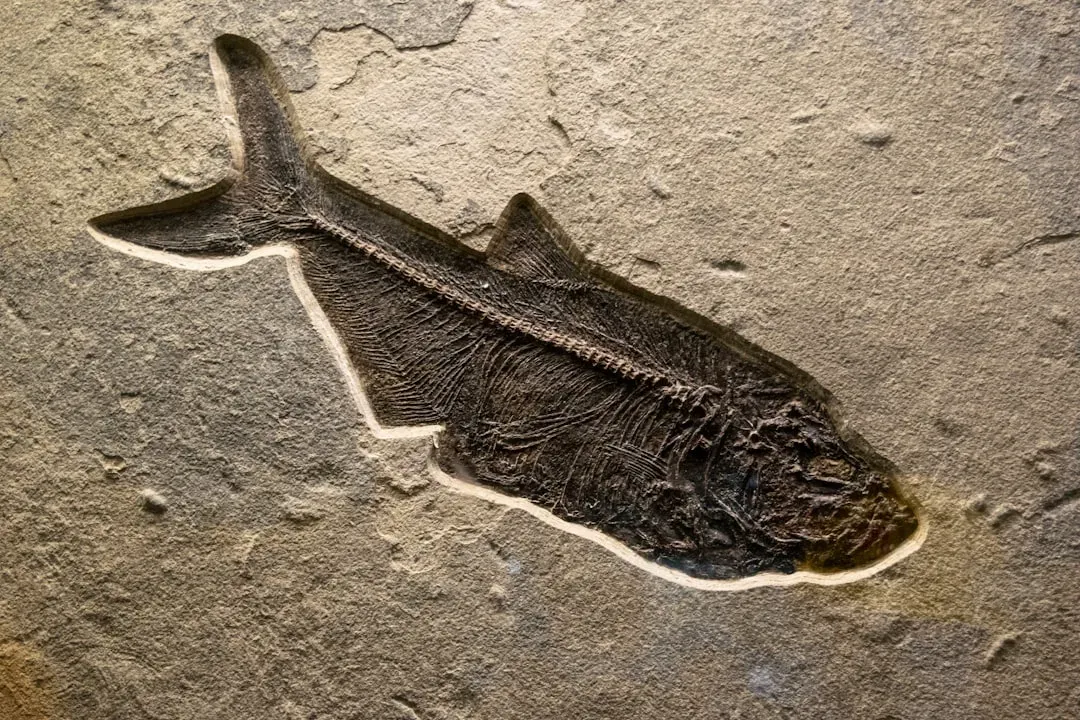
People who adore prehistoric oceans are usually not just casually interested; they often go down serious rabbit holes. They know time periods, clades, and obscure marine invertebrates the way other people know celebrity gossip. Personality research suggests that this kind of sustained, enthusiastic interest is strongly connected to the trait known as openness to experience. Openness is associated with imagination, curiosity, appreciation of beauty, and a willingness to explore unfamiliar ideas and experiences.
In practical terms, that means the same trait that makes you light up over a bizarre Ordovician cephalopod also nudges you to explore unfamiliar parts of your own mind and life. You might journal, reflect, seek therapy, meditate, or get pulled into philosophy or spirituality – not because you’re broken, but because you genuinely want to understand what’s going on beneath the surface. Prehistoric oceans give you a safe external symbol of that curiosity. They’re like a fantasy mirror where you can project your urge to explore without having to immediately face your deepest emotions head-on.
Nostalgia For A Time You Never Lived: The Allure of Deep Time
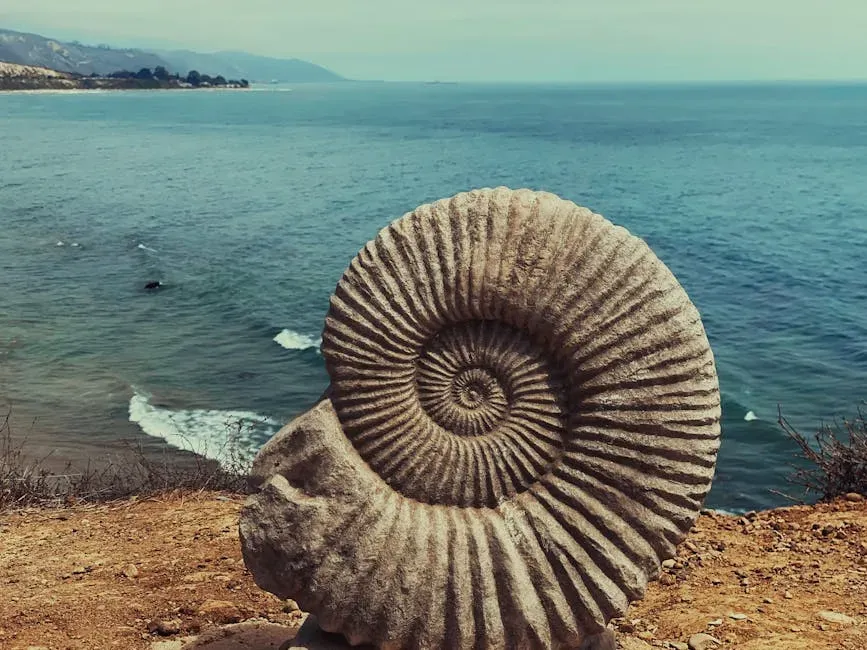
There’s something haunting about feeling nostalgic for eras that ended hundreds of millions of years before humans existed. If the idea of an ancient, teeming ocean fills you with bittersweet longing, you’re not being irrational – you’re experiencing a form of imaginative nostalgia. Psychologically, nostalgia often shows up when we’re trying to make sense of who we are, where we came from, and what matters to us. In this case, the “past” you’re missing is not your own, but the planet’s.
Being emotionally moved by deep time suggests that you think of yourself as part of a much larger story, not just an isolated individual. That perspective can shift how you see your inner life: your fears and desires are not just “your problem,” but part of a long chain of life adapting, surviving, and evolving. The drama of evolution in ancient oceans becomes a metaphor for your own growth. You might sense that, like those early marine creatures, you also carry hidden capacities and unfinished potential that are just beginning to surface.
A Safe Playground For Shadow Selves and Strange Feelings
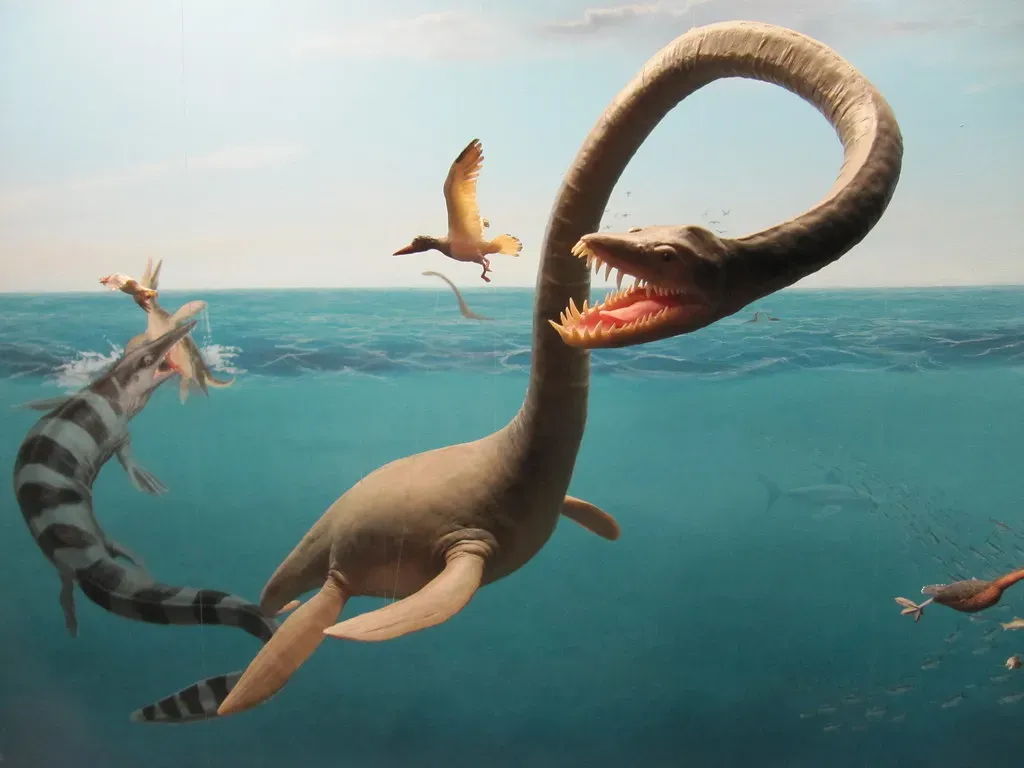
Prehistoric marine life is often unsettling: giant armored fish, nightmare eels, spiny predators with teeth where teeth shouldn’t be. Strangely, many people who love this imagery do not find it purely horrifying; they find it compelling, even beautiful. In psychological terms, this can be a way of engaging with what’s sometimes called the shadow – those parts of ourselves we’re not fully comfortable with yet, like aggression, envy, power, or raw instinct. The scary creatures of ancient seas externalize those energies into something you can stare at without shame.
Instead of denying or moralizing everything that feels “too much” inside you, you might unconsciously use prehistoric oceans as a symbolic space where intensity is allowed. Of course the Devonian reefs were dangerous. Of course the Cambrian seas were chaotic. That chaos can normalize your own emotional storms. You don’t have to be polite or perfectly balanced all the time to be natural; the early oceans certainly weren’t. When you’re captivated by those alien predators, you might also be acknowledging that your own inner world contains wildness – and that this wildness deserves curiosity, not cancellation.
From Fossils to Feelings: Piecing Together Incomplete Stories
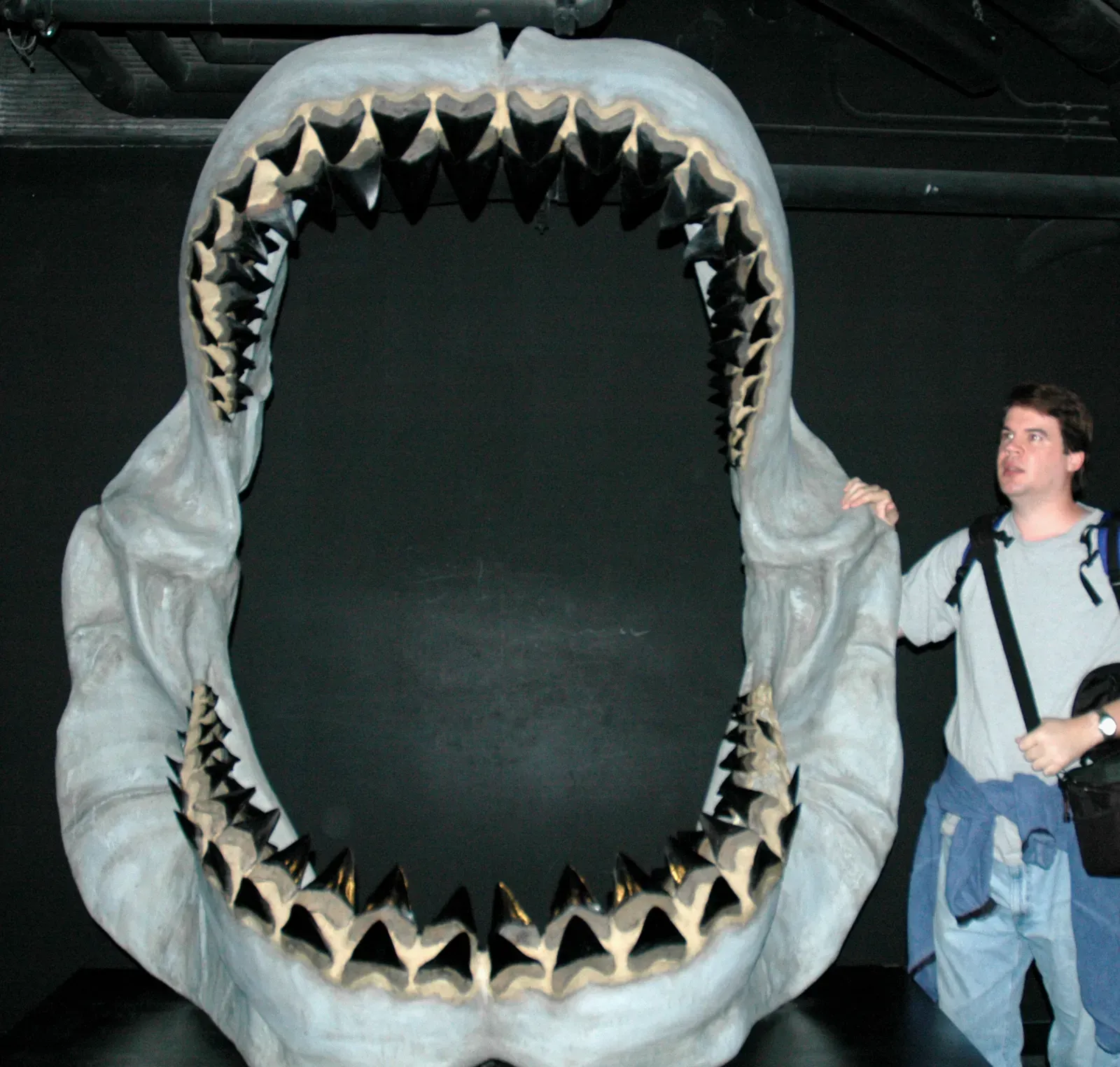
One of the core activities in paleontology is reconstruction: you take fragments – bones, imprints, chemical traces – and try to infer what kind of creature existed, how it lived, and what the ecosystem looked like. If that process fascinates you, there’s a decent chance you approach your own life story in a similar way. Our memories are selective and distorted; our self-image is based on partial evidence. We are, in a sense, always reconstructing ourselves from the fossils of our past.
People who love prehistoric oceans often enjoy the detective work: reading between the lines, speculating responsibly, updating their views as new findings emerge. That same mindset can show up inwardly as psychological flexibility. Maybe you’re willing to revise how you see your childhood, your relationships, or your identity as more information becomes available. Instead of insisting you already know yourself completely, you treat your inner life like an ongoing research project. The ancient ocean is not just a fascination; it becomes an unspoken model for how to handle complexity, uncertainty, and revision gracefully.
Escaping Modern Noise by Diving Into Ancient Silence

There’s another layer to this, and it’s a little more emotional. Our modern world is loud, fast, and relentlessly present-tense. News alerts, social feeds, endless opinions – it can feel like your mind is being skimmed like the surface of a shallow pool. Prehistoric oceans offer the exact opposite: immense quiet, slow change, and a reality completely untouched by human drama. When you mentally “go there,” you may be instinctively seeking psychological depth and stillness that your current life doesn’t easily provide.
This imagined escape is not just about fantasy; it can actually reflect a need to connect with your own inner silence and deeper layers. You might feel that there are parts of you that never get airtime because daily life is so busy. When you dive into thoughts of ancient seas, you’re also symbolically diving below the noise of your everyday thoughts. That inner pull toward deep, prehistoric water can be your psyche’s way of saying: there is more to you than notifications, routines, and roles. There is something older, quieter, and more essential waiting below.
What Loving Prehistoric Oceans Really Says About You

So what does all of this add up to? If you’re obsessed with prehistoric oceans, you’re probably not just a random dinosaur-adjacent trivia fan. You’re likely someone who is unusually comfortable with the unknown, drawn to mystery, and open to exploring parts of life – and yourself – that do not come with simple explanations. You might see beauty in ambiguity, value deep time over quick takes, and instinctively sense that what we cannot fully name still matters deeply.
In my view, that makes you part science enthusiast, part philosopher, and part quiet introspective. The prehistoric ocean is your symbol for all the inner and outer territories humans have not yet mapped. You may never swim with an ammonite or watch a trilobite scuttle across a seabed, but the very fact that you feel pulled toward those worlds says something powerful: you are not afraid to look into the depths, even when they refuse to give you neat answers. And really, in a culture obsessed with certainty and speed, could there be anything more refreshingly human than that?