
If you’ve ever found yourself stuck on the same dinosaur or Ice Age documentary for the fifth time in a row, you might have wondered: what is wrong with me? The short answer is probably nothing. In fact, there’s a surprisingly deep psychological logic behind why so many people are drawn back, again and again, to the ancient past. In a world that feels like it’s speeding up, full of breaking news, political tension, climate anxiety, and personal uncertainty, that steady parade of trilobites, T‑rexes, and mammoths can start to feel like an emotional anchor.
Rewatching prehistoric documentaries is more than just background noise. For many, it’s a quiet ritual of self‑soothing, a way to make sense of chaos by immersing themselves in something huge, distant, and unchanging. The facts do not suddenly flip overnight. The continents drift on a timescale that makes our deadlines and emails look ridiculous. Whether you notice it or not, that contrast can be calming. Let’s unpack what is really going on in the mind of someone who keeps hitting play on the story of a world that vanished millions of years ago.
The Comfort of Knowing Exactly What Happens Next
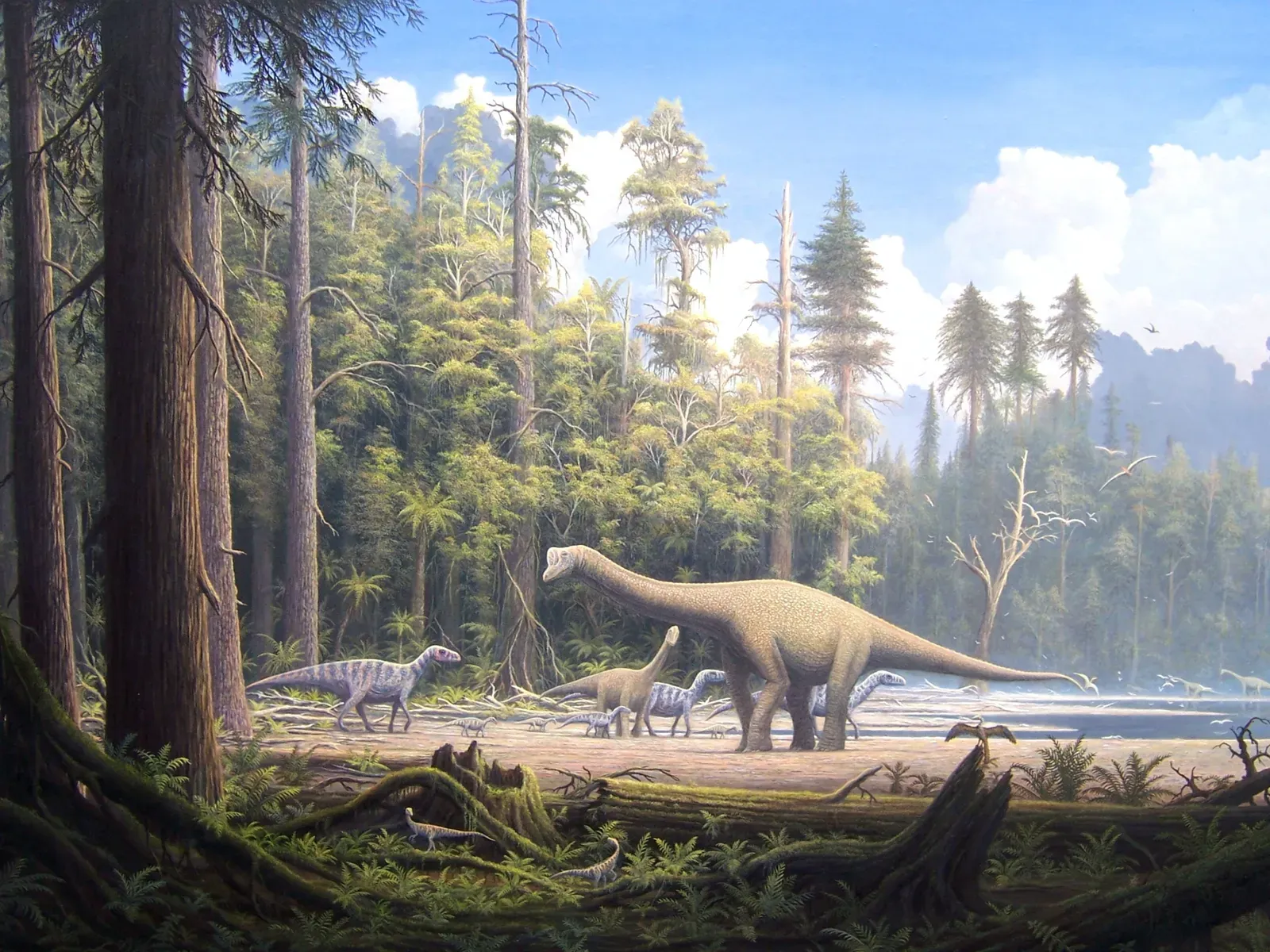
One of the strongest psychological pulls of rewatching anything is predictability: you already know what’s coming. With prehistoric documentaries, that predictability becomes especially powerful because the narrative is literally set in stone. The asteroid always hits. The seas always rise. The same species always go extinct. For a brain that is constantly bracing for new surprises in real life, there’s something deeply soothing about a story where nothing will ever change, no matter how many times you watch it.
Psychologists sometimes talk about “cognitive load” – the mental effort it takes to process information. When you rewatch, your brain gets a discount on that mental tax. You are not working hard to follow the plot or remember who is who. Pair that with the slow pace and repetitive structure of many nature documentaries, and you get a kind of gentle, predictable rhythm that can feel almost like rocking in a chair. When the world feels like it’s throwing curveballs every hour, knowing exactly when the dinosaurs will appear and when the oceans will drain is a surprisingly powerful form of relief.
Prehistoric Time as an Antidote to Modern Anxiety
There’s something almost humbling about watching entire continents drift while you are worrying about your inbox. When you see Earth over hundreds of millions of years, your personal problems shrink, not because they stop mattering, but because they are put into a bigger frame. That wide-angle perspective can ease anxiety in a way that no motivational quote ever could. You are reminded that the planet has seen chaos, extinction, and transformation beyond anything in the news cycle, and yet it keeps going.
For people who feel overwhelmed by short-term instability – job uncertainty, political turbulence, financial stress – stepping into “deep time” is like stepping into another dimension where the usual rules of urgency fall apart. In this prehistoric space, nothing is rushed. Epochs last longer than all of human history. Oceans take ages to close and open again. That slow, almost meditative tempo can act like a psychological counterweight to the frantic pace of modern life, grounding you in the feeling that not everything operates on the brutal timelines of notifications and deadlines.
Control Through Repetition: Why the Brain Loves the Same Story

Humans have a basic need to feel some control over their environment, even if it is just knowing how a story will unfold. Rewatching a prehistoric documentary gives you a small but meaningful sense of mastery. You know the sequence of events, you can anticipate the dramatic music, and you might even be able to narrate parts in your head. That familiarity can feel like reclaiming a bit of control when so many other things feel out of your hands.
There is also a subtle emotional training happening in repetition. Each time you watch, your nervous system learns: this is safe, this is familiar, nothing bad happens to me here. The extinction events on screen are devastating, but they are predictable devastations in a sealed-off world. Over time, your body starts to associate the soundtrack, the color palette, and the pacing with calm and safety. That link between sensory familiarity and emotional regulation is one reason people choose the same prehistoric shows specifically, instead of constantly hunting for new ones.
Nostalgia, Childhood Wonder, and Inner Stability
For a lot of people, their first real obsession as a kid was dinosaurs. Picture plastic T‑rex toys, fossil books from the school library, or that one documentary series that ran on TV every weekend. Going back to prehistoric documentaries as an adult can feel like revisiting that childlike curiosity before life got complicated. It is not just about the content; it is about the version of you who first fell in love with it. Rewatching becomes a quiet reunion with that earlier, less burdened self.
Nostalgia has been shown to act like a psychological buffer, especially during times of stress or loneliness. When you rewatch something tied to childhood or a calmer period of life, you are not just watching images; you are reactivating emotions that made you feel safe, excited, or cared for. Prehistoric content often hits this sweet spot: it is scientific enough to feel grown-up, yet deeply tied to the timeless kid fascination with giant creatures and ancient worlds. That mix of adult knowledge and childlike wonder can create a powerful inner sense of continuity, and continuity feels a lot like stability.
Distant Threats, Safe Distance: Processing Fear Without Being Overwhelmed
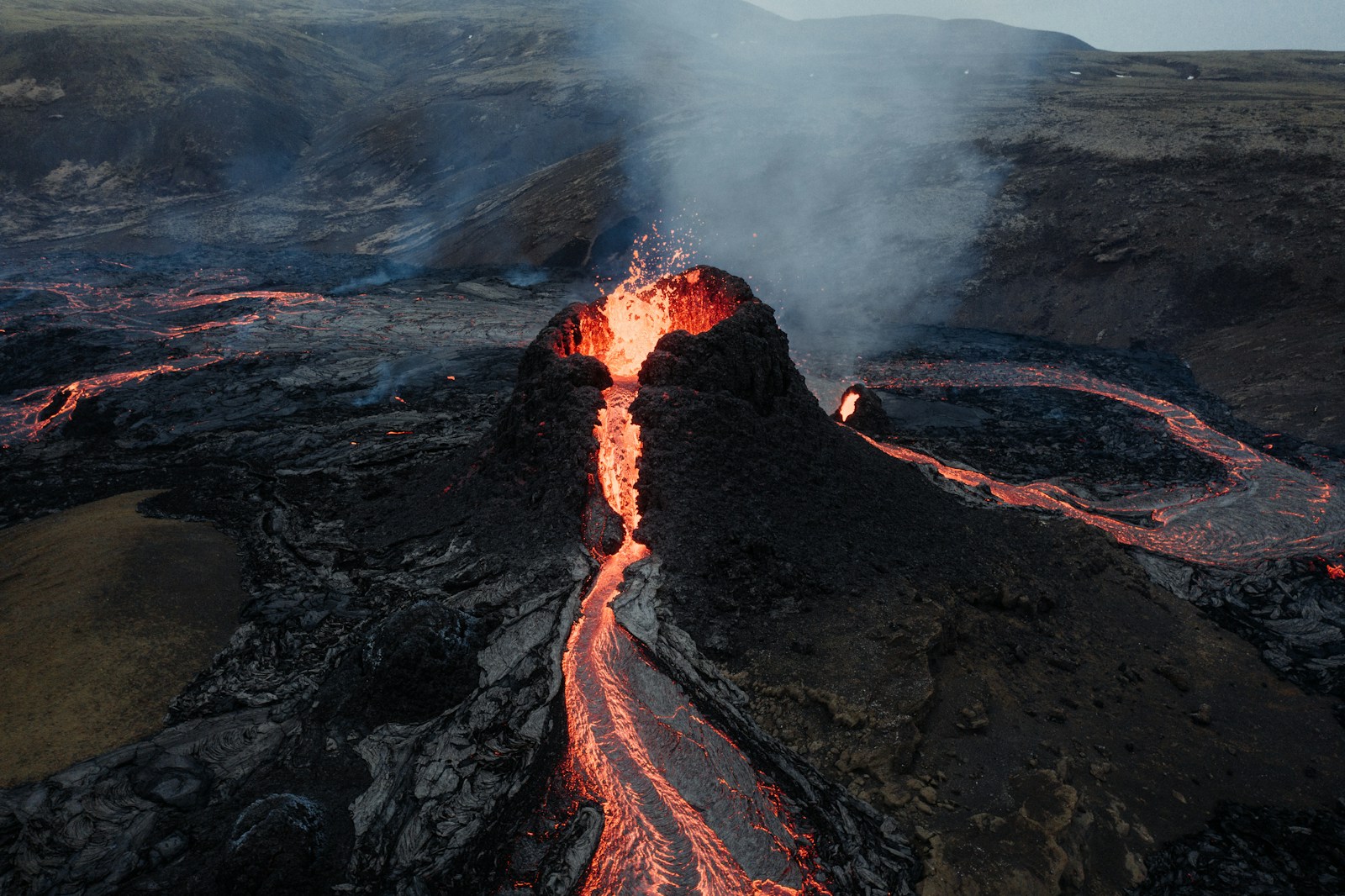
Prehistoric documentaries are not exactly peaceful on paper. There are mass extinctions, supervolcanoes, climate crashes, and constant life-or-death struggle. Yet many people find them calming to rewatch, which seems paradoxical until you notice one thing: all those disasters are impossibly far away from your actual life. The threats are real in a scientific sense, but they are emotionally distant. That distance lets you engage with big, scary themes – catastrophe, mortality, extinction – in a way that feels controlled and safe.
In a strange way, this can help your mind practice dealing with fear. Instead of doomscrolling modern crises that directly affect you, you are watching crises that are settled, concluded, archived in rock. You can lean into the drama without your nervous system treating it as a personal emergency. For some, this becomes a healthier way to process anxiety: the brain still gets its intense story and sense of danger, but in a contained environment where the ending is fixed and the danger is comfortably sealed in the past.
The Scientific Aesthetic: Order, Rules, and Explanations That Stay Put
Another reason people keep returning to prehistoric documentaries is the atmosphere of order that good science storytelling brings. Even when the events are chaotic, there are clear explanations: tectonic plates move, climate shifts for specific reasons, species adapt or die according to understandable patterns. In a world where so much feels random or unfair, those explanations land like a relief. The underlying message is that there are rules, even if they are sometimes harsh.
Visually, these documentaries also create the sense of a structured universe. You see clear diagrams, timelines, branching evolutionary trees, neatly labeled maps of ancient seas. It is like watching the universe come with instructions. For a mind craving stability, this combination of visuals and explanations can feel almost like mental architecture: solid, logical, and built to last. Coming back to that architecture replay after replay reinforces the feeling that at least somewhere, things make sense and follow a pattern.
Background Noise or Coping Strategy? What It Says About You

It is tempting to dismiss all of this as just background noise for chores or sleep, but habit often reveals need. If you consistently reach for the same prehistoric series when you are stressed, lonely, or mentally fried, that pattern is telling you something. It suggests that your mind has found a reliable tool for self-regulation. Instead of seeing it as a quirky guilty pleasure, it might be more honest to see it as a personal coping ritual built on top of science and story.
Of course, not everyone who replays dinosaur documentaries is consciously searching for stability. Many simply like them, full stop. But it is worth paying attention to why they feel so good at specific moments. Are you putting them on after a hard day at work, during times of global uncertainty, or when your personal life feels wobbly? If so, you are probably using the predictable, distant drama of Earth’s past as an emotional counterbalance to the unpredictable drama of your present – and that is a surprisingly rational strategy, not a weird flaw.
Conclusion: Finding Solid Ground in Extinct Worlds

Rewatching prehistoric documentaries over and over might look like a random habit from the outside, but it is often a quiet declaration of what the psyche is craving: stability, predictability, and a sense that the world, on some level, makes sense. The ancient Earth on your screen delivers all three. The story never changes, the rules are clear, and the timeline is so vast that your current chaos feels a little less suffocating. In my view, that makes this habit less of an escape and more of a clever emotional hack.
If anything, the popularity of this kind of rewatching is a subtle critique of the times we live in. People are not just bingeing extinct creatures for fun; they are reaching for a mental refuge where the unknown is minimized and the narrative is stable, even if it ends in extinction events. There is something oddly hopeful about that: even in an unpredictable world, we instinctively search for anchors, patterns, and long views that help us breathe. The real question is not why people keep replaying those documentaries, but what your own go-to rewatch says about the kind of stability you are quietly looking for – have you noticed what you keep returning to when the world feels too loud?